Reef And Wreck Fishing Charters On Riviera Beach
When you're looking for consistent action and quality fish in South Florida waters, the nearshore reefs and wrecks off Riviera Beach deliver every time. These productive grounds sit just minutes from the inlet, where structure holds everything from hard-fighting cobia to table-fare snappers. Captain Buford knows these spots like the back of his hand, and he's built a reputation for putting guests on fish while keeping things relaxed and fun. Whether you're bringing the kids for their first real fishing adventure or you're a weekend warrior chasing your next personal best, this charter adapts to your crew's skill level and goals.
What to Expect on the Water
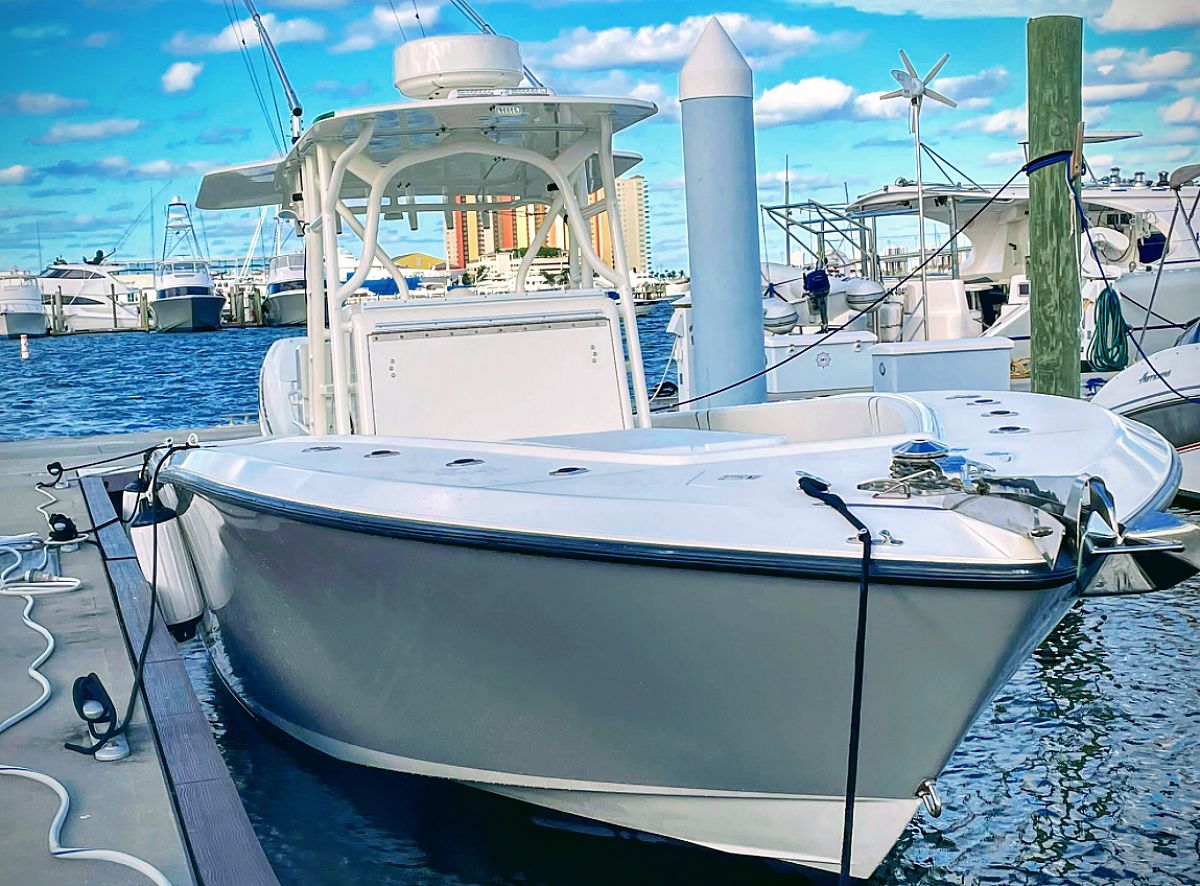
Your day starts at the Riviera Beach Marina, where you'll meet Captain Buford and get the rundown on tackle, safety, and the game plan. The boat handles up to five anglers comfortably, so there's plenty of room to move around and everyone gets their shot at the action. These nearshore waters are perfect for families because the rides are shorter and the seas are typically calmer than offshore trips. You'll be fishing structure that ranges from natural coral reefs to artificial wrecks, each holding different species depending on the season and conditions. The captain reads the water and adjusts throughout the day, moving spots when needed to keep lines tight. Bring your own snacks and drinks since meals aren't provided, but focus on staying hydrated and having backup sunscreen.
Tackle and Techniques
Reef and wreck fishing requires specific approaches, and Captain Buford has the right gear for each situation. You'll be using medium to heavy spinning tackle and conventional reels loaded with enough line to handle structure fishing. Bottom fishing with circle hooks and natural baits like sardines, pilchards, and squid works great for snapper, grouper, and other reef dwellers. When targeting pelagics like mahi and blackfin tuna, the setup switches to trolling spread with diving plugs, feathers, and ballyhoo. The key to wreck fishing is getting your bait down quickly before the current pushes you off the spot, then being ready for that initial hard run when a fish hits. Captain Buford will coach you through the fight, especially when dealing with larger species that want to head straight back to the structure.
Target Species
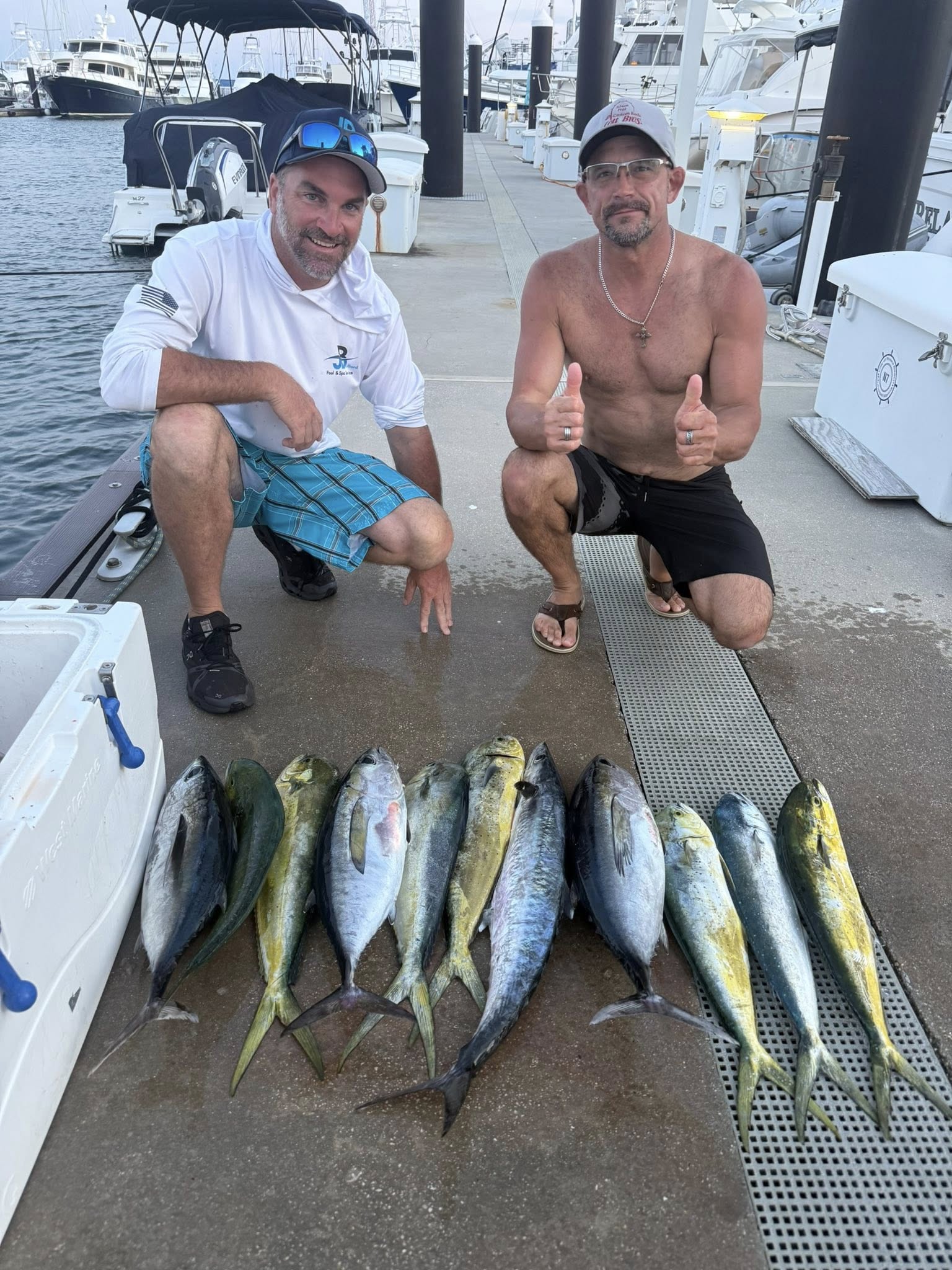
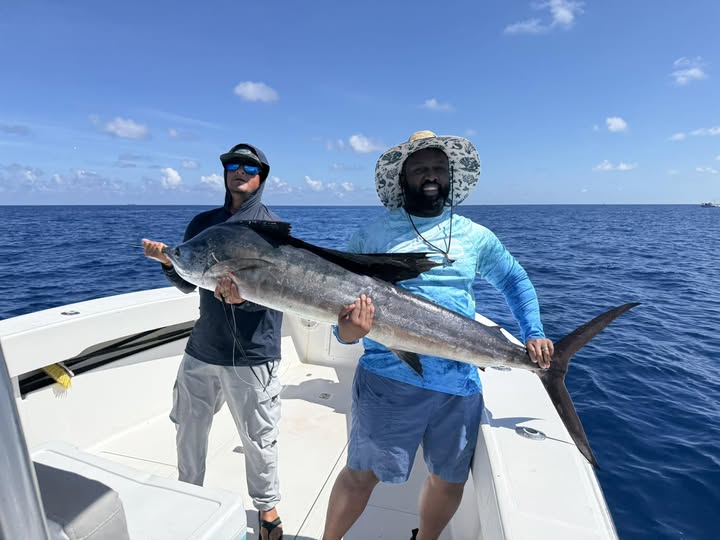
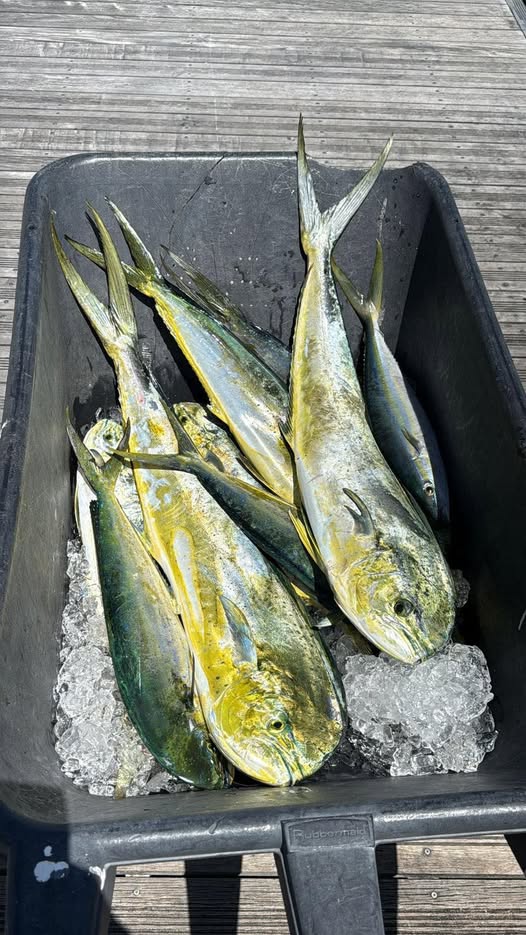
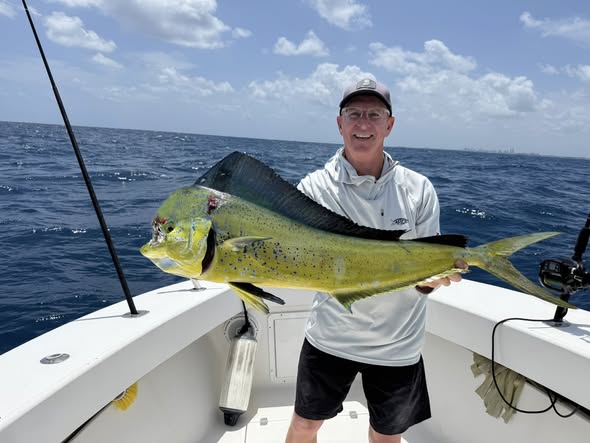
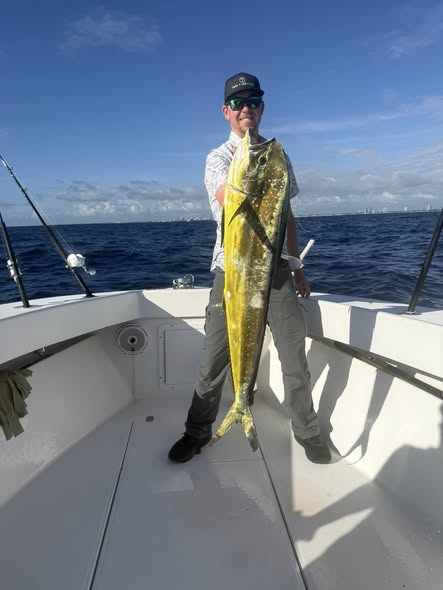
Mahi mahi are the crowd-pleasers on these trips, known for their brilliant colors and acrobatic fights. These fast-growing fish average 10-25 pounds in these waters, with larger bulls possible during peak season from spring through fall. They're attracted to floating debris and structure, making the wrecks prime hunting grounds. What makes mahi special is their willingness to eat various baits and their excellent table fare - firm, white meat that's perfect for grilling or making fish tacos.
Cobia are the bulldogs of the reef, with their brown coloration and shark-like appearance fooling many first-time anglers. These fish range from 20-50 pounds and are incredibly strong fighters that test your endurance. They're most active during warmer months and often cruise near the surface around structure. Cobia are curious fish that will follow hooked fish to the boat, giving multiple anglers shots at the school. Their mild, crab-like flavor makes them a favorite for blackening or frying.
Mutton snapper represent some of the best eating fish in Florida waters, with their distinctive red coloration and challenging fight. These reef dwellers average 5-15 pounds and require finesse fishing with lighter leaders and natural baits. They're year-round residents but bite best during moving tides. Mutton snappers are notoriously finicky, making them a favorite target for experienced anglers who appreciate the technical challenge of getting them to bite.
Goliath grouper are the gentle giants of the reef, with fish reaching several hundred pounds in these protected waters. While you must release these magnificent fish immediately, the experience of hooking one is something you'll never forget. Their massive size and raw power will test every piece of tackle, and watching one of these prehistoric-looking fish swim away healthy is always a highlight. They're most active during summer months and prefer deeper structure.
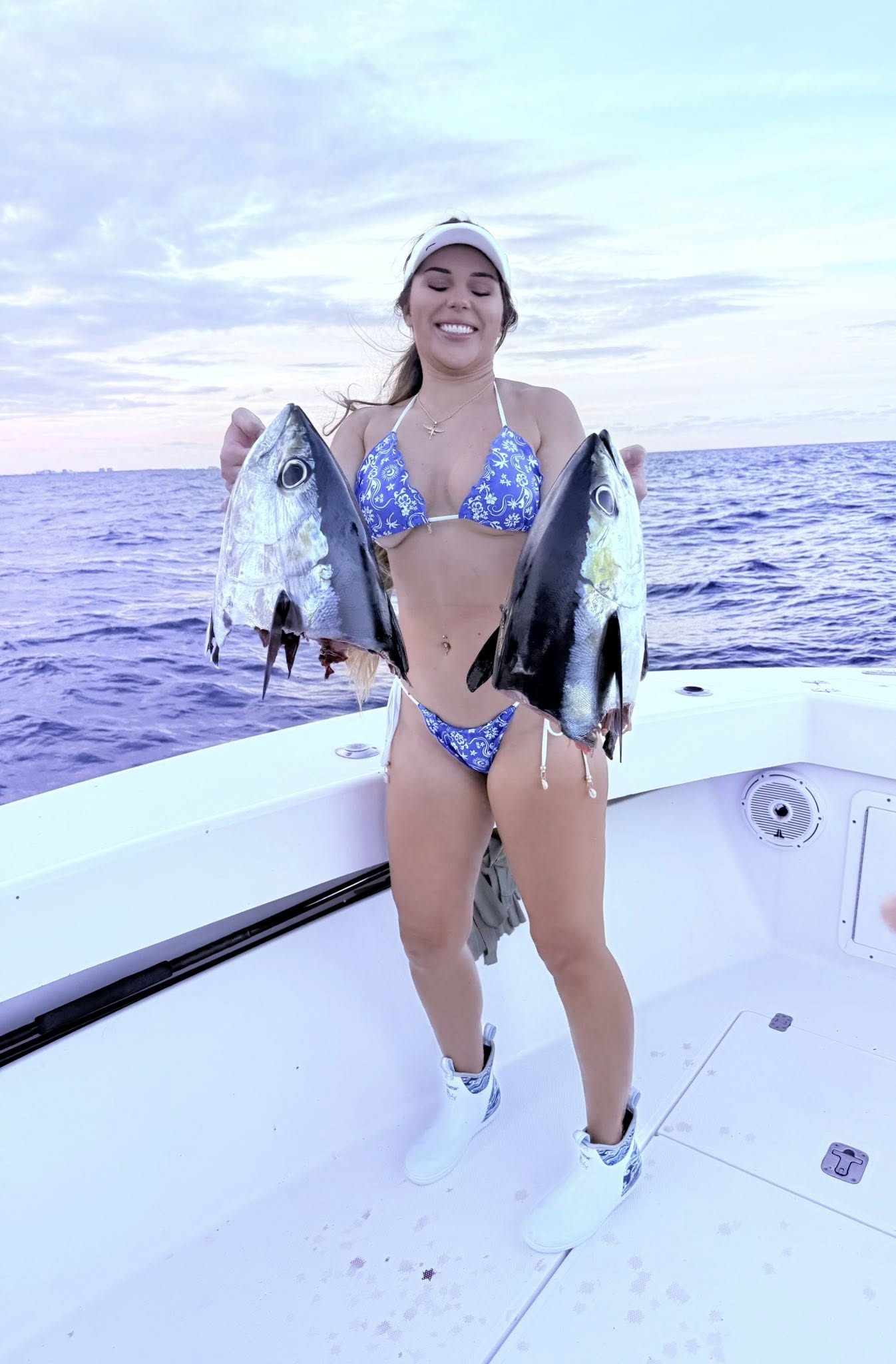
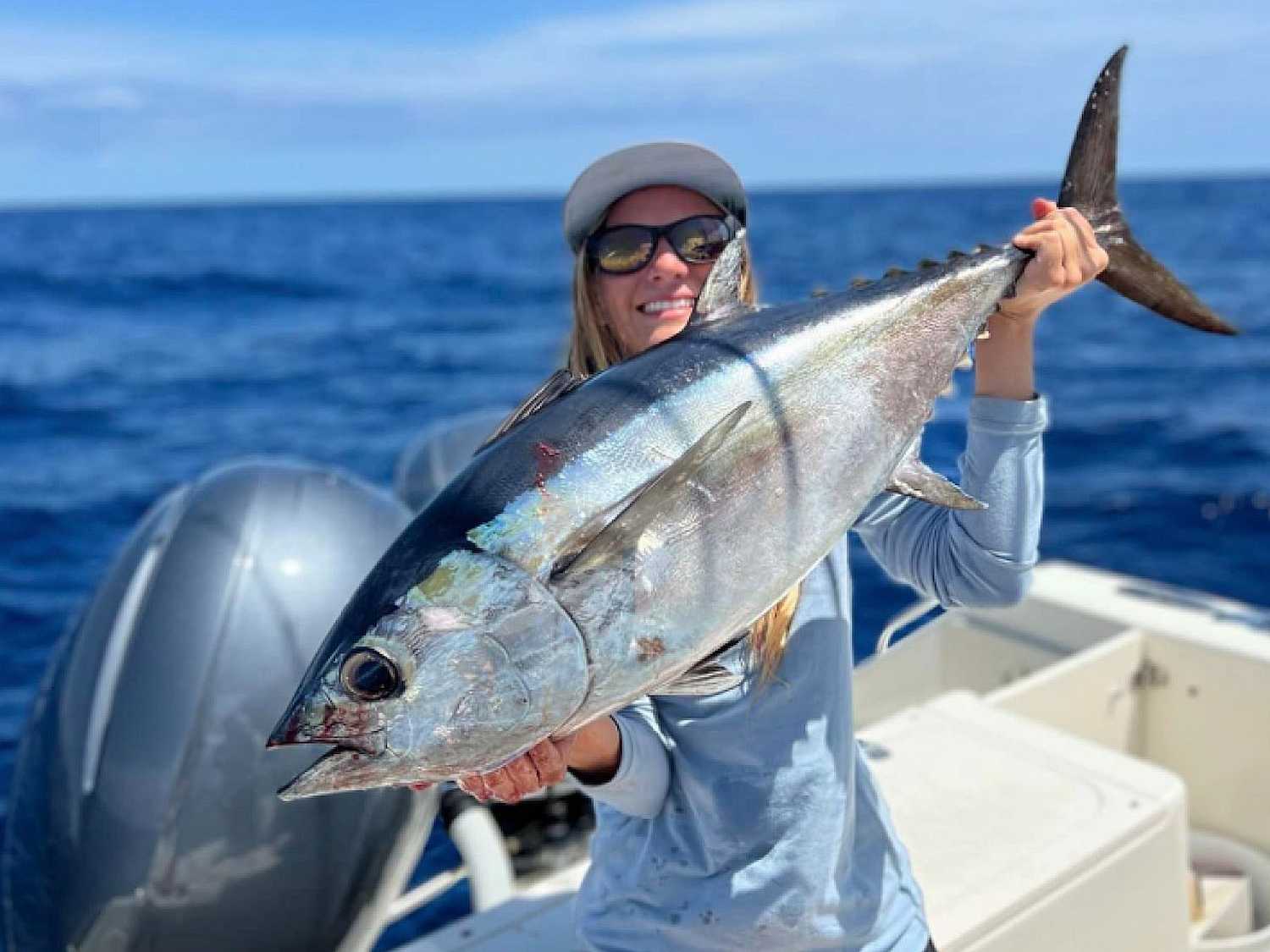
Blackfin tuna bring speed and endurance to the mix, with their dark backs and distinctive yellow finlets making them easy to identify. These smaller tunas typically weigh 10-25 pounds but fight much larger than their size suggests. They school around structure and respond well to both trolling and live bait fishing. Blackfin are excellent sashimi fish when properly handled, with deep red meat that's prized by sushi lovers and home cooks alike.
Time to Book Your Spot
Captain Buford's reef and wreck charters offer the perfect balance of action, accessibility, and variety that keeps anglers coming back season after season. The 24-hour refund policy takes the stress out of weather concerns, while the flexible scheduling works around your vacation plans. These nearshore waters produce fish year-round, with each season bringing different species and opportunities. Whether you're after dinner for the family or bragging rights at the marina, these productive grounds deliver consistently. The combination of experienced guidance, quality equipment, and prime fishing locations makes this charter a smart choice for your Riviera Beach fishing adventure. Contact Big Buford Sportfishing today to secure your dates and get ready for some of the best reef fishing the Palm Beach area has to offer.
 Private Trip
 Shore Fishing
 Riviera Beach


 Target productive reefs and wrecks near West Palm Beach waters