Half Day Morning Paddlefish Trip at Fort Gibson
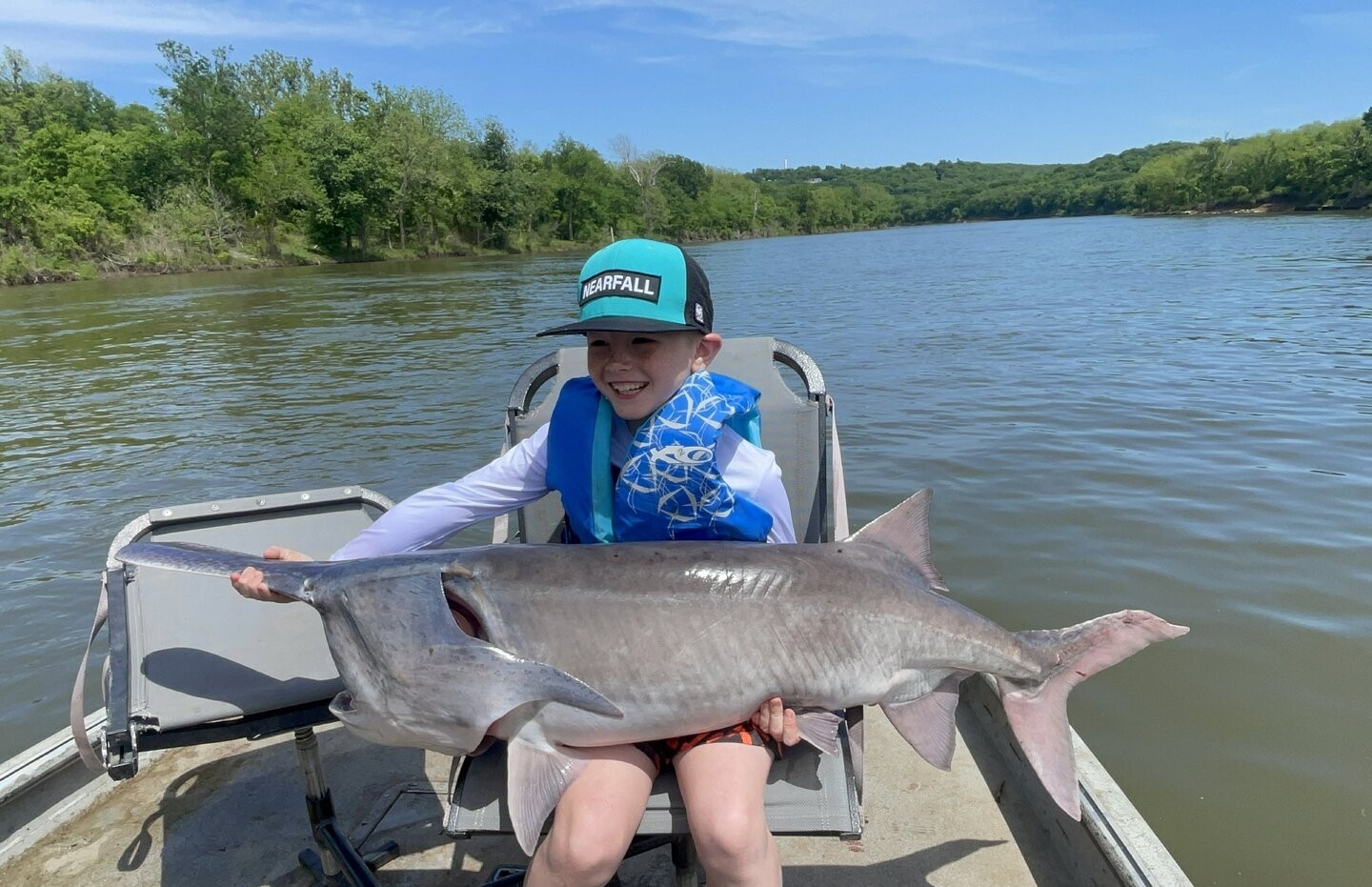
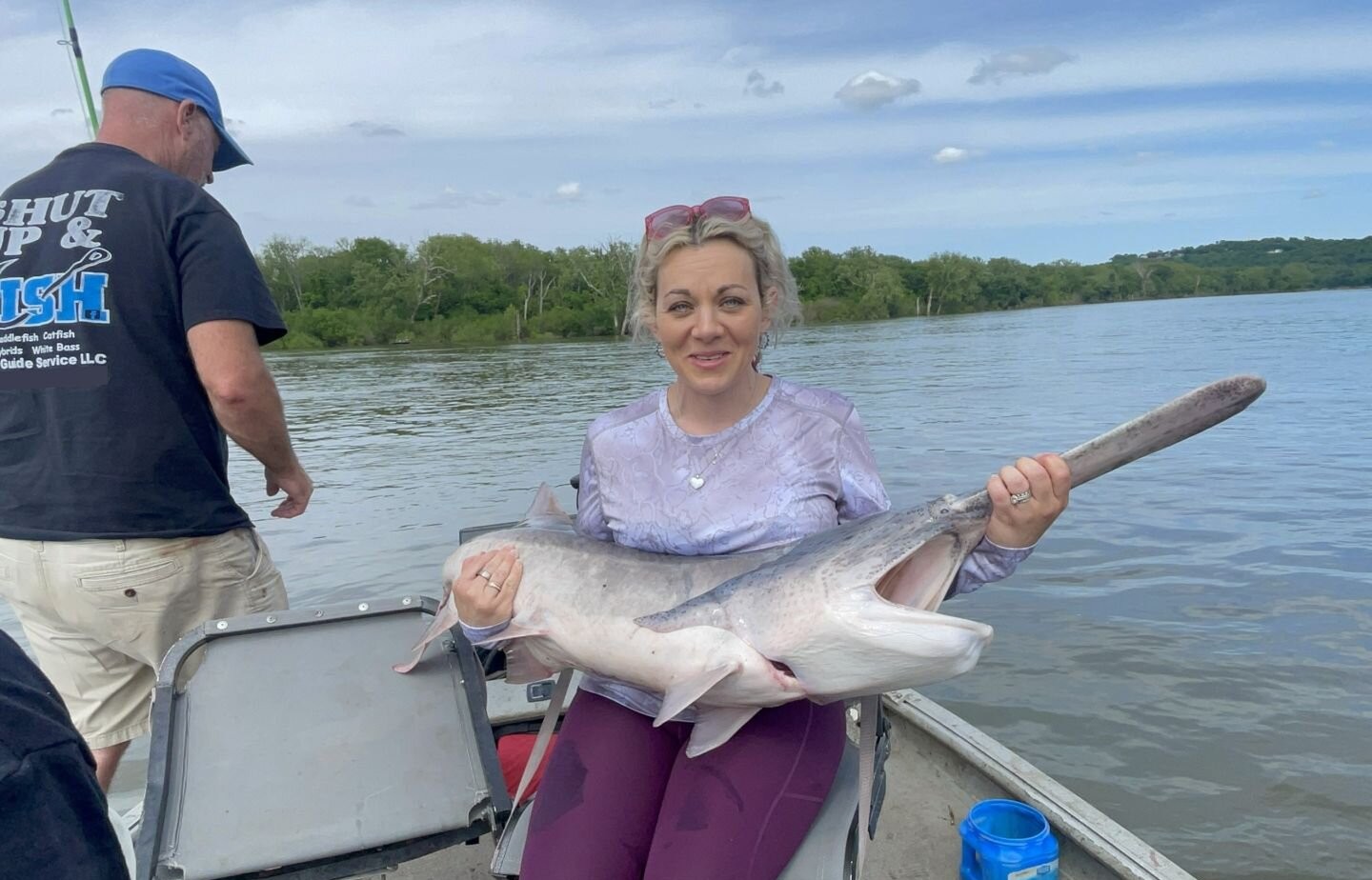
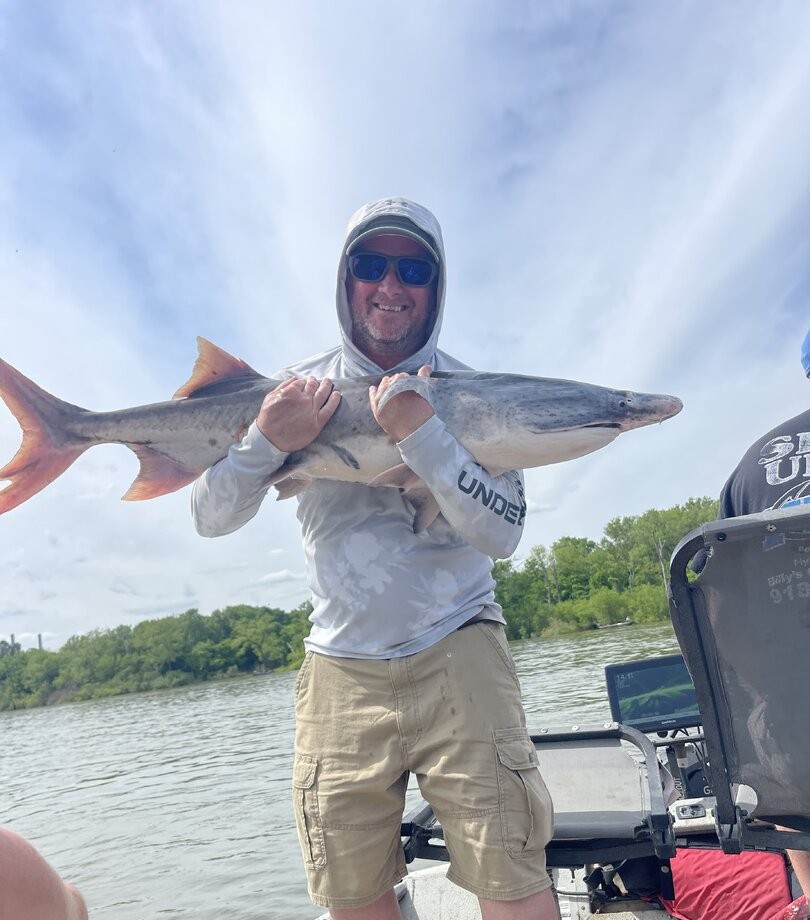
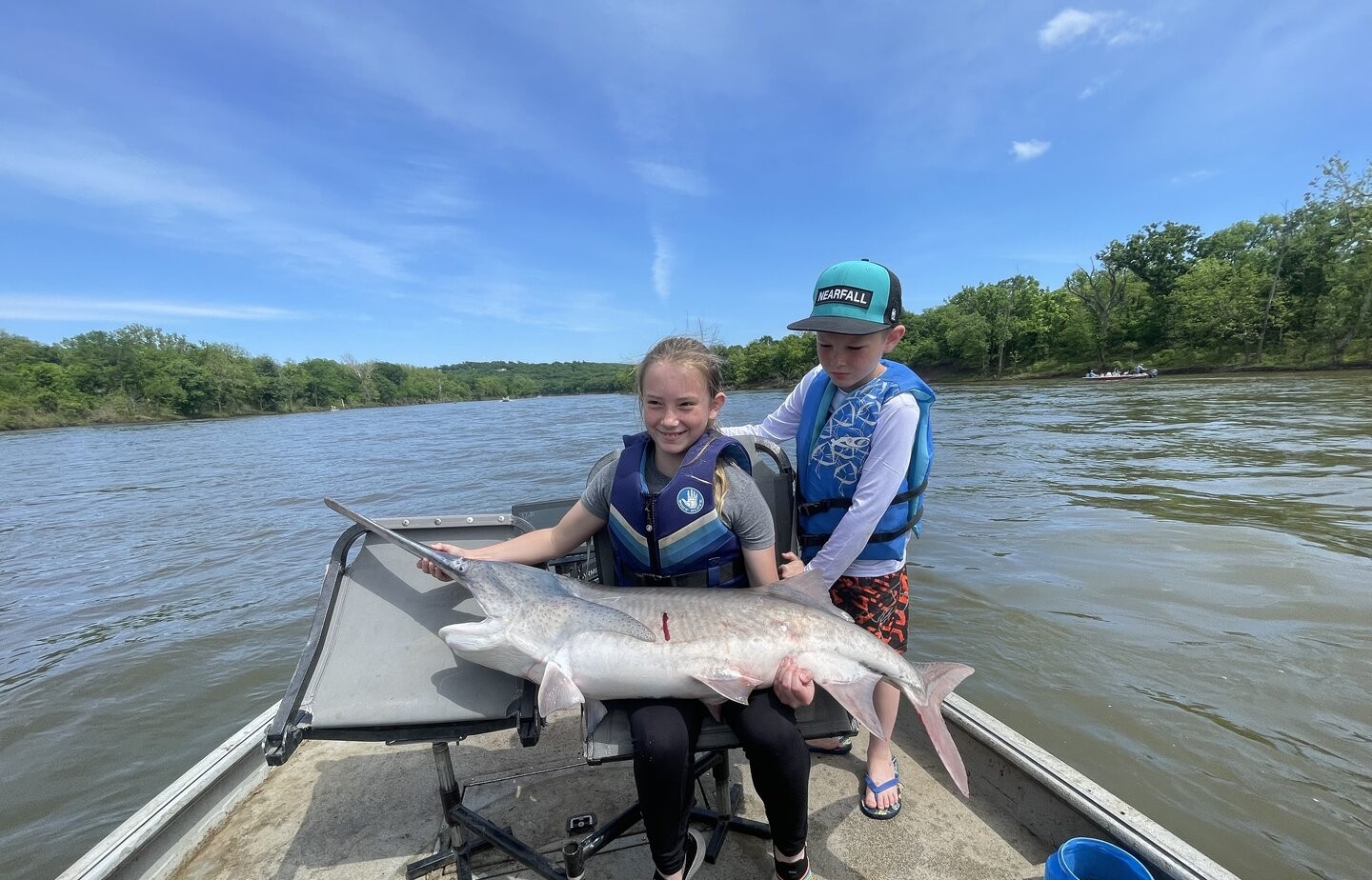
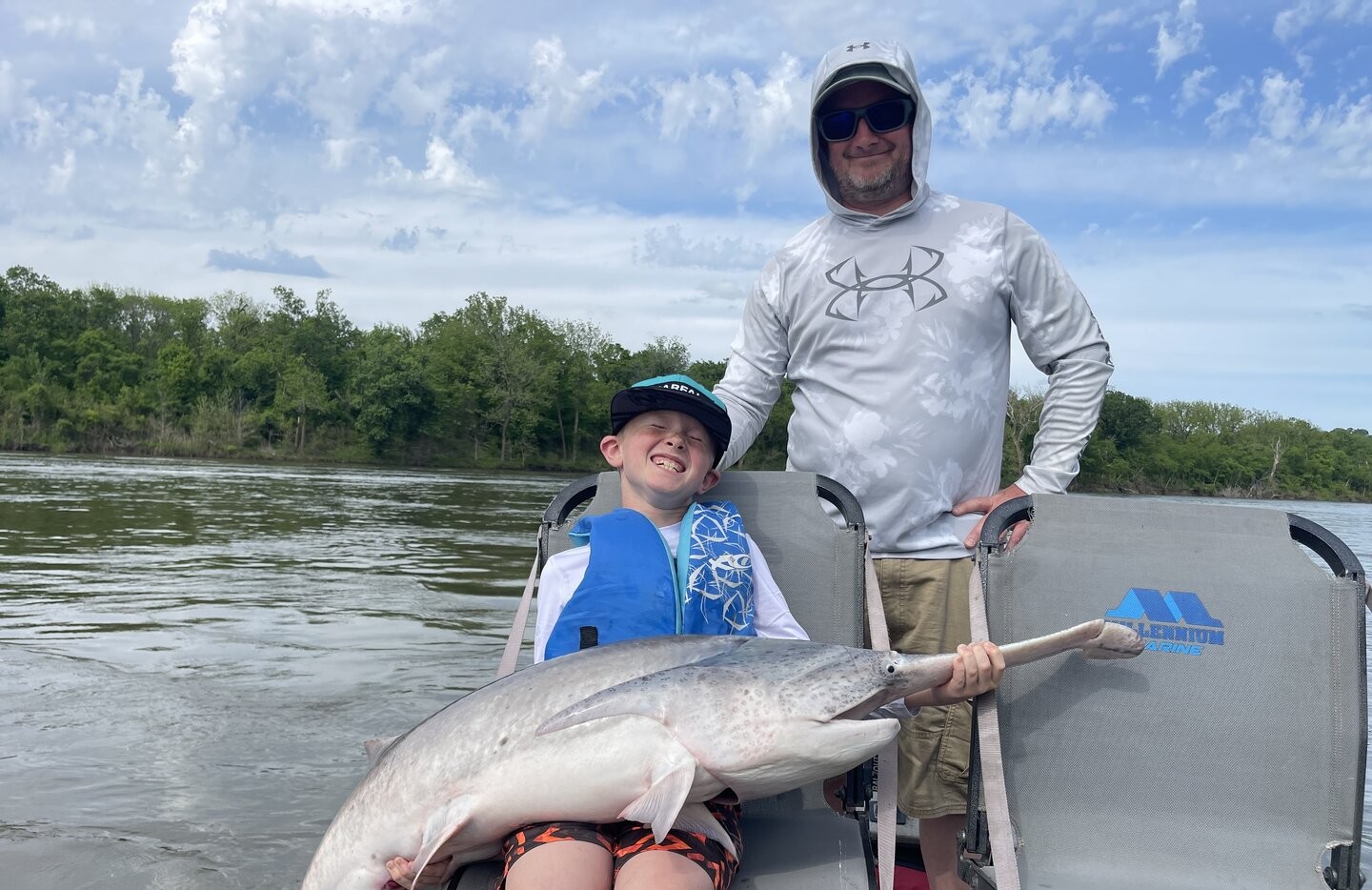
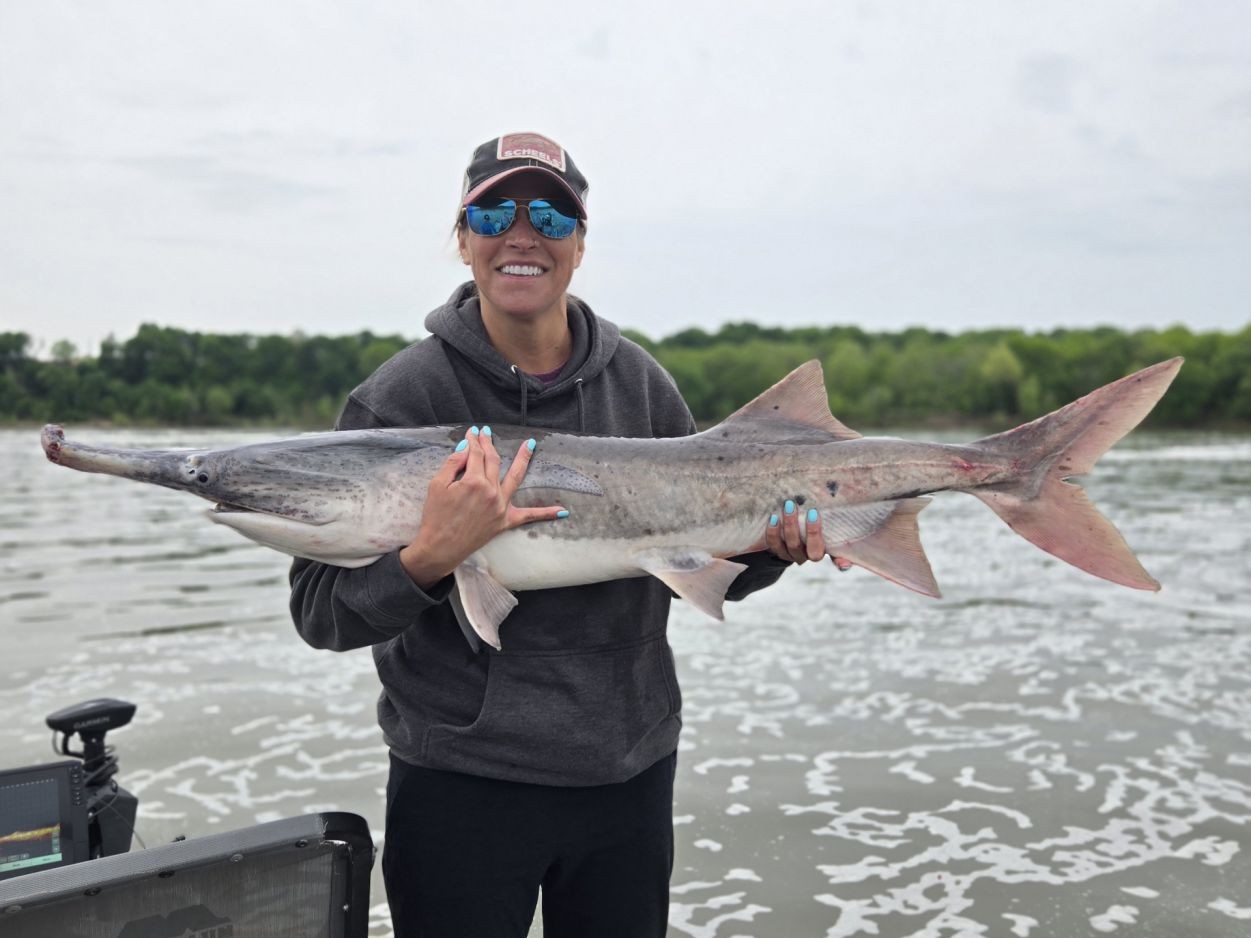
Fort Gibson Lake is hands down one of Oklahoma's premier paddlefish destinations, and this half-day morning trip puts you right in the action. You'll be targeting spoonbills – those massive, prehistoric beasts that can tip the scales at 60+ pounds. Billy's team knows these waters like the back of their hand, and they're putting their years of experience to work for you. We keep groups small at just 3 anglers max, so you get personalized attention whether you're brand new to snagging or you've been chasing paddlefish for years. The morning bite is typically your best shot at hooking into one of these ancient fish, and we'll have you on the water right when they're most active.
What to Expect on the Water
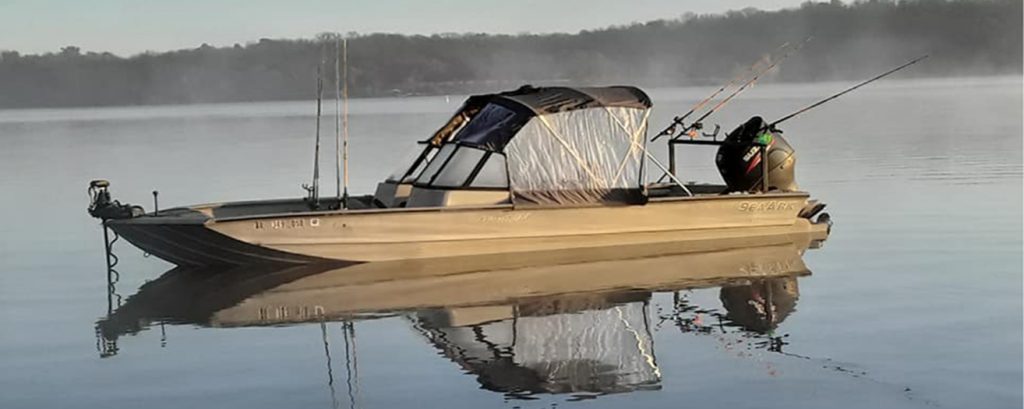
This isn't your typical bass fishing trip – paddlefish require a completely different approach, and that's what makes it so exciting. We'll meet you at the boat ramp (call ahead because meeting spots change based on where the fish are moving), and from there it's all business. The morning hours are prime time for spoonbills, usually from sunrise until around noon when the bite tends to slow down. Fort Gibson's deep channels and current breaks are perfect paddlefish habitat, and these fish follow predictable migration patterns that Billy's crew has dialed in over the years. You'll be fishing in some of the lake's most productive areas – spots that consistently produce fish for both novice and experienced anglers. The vibe is relaxed but focused, with plenty of time to enjoy the scenery between hookups. Don't worry about bringing anything except your fishing license – we've got everything else covered.
Advanced Sonar Technology
Here's where Billy's Guide Service really sets itself apart from the competition. We're running top-rated forward-facing sonar that lets us actually see the paddlefish before we even drop our lines. This isn't the old-school method of blind snagging – we're using cutting-edge technology to put you on fish. The sonar shows us exactly where the schools are holding, how they're oriented, and even which direction they're moving. It's like having x-ray vision underwater. We'll position the boat perfectly and guide you through the entire process, from reading the sonar screen to timing your presentations. The snagging technique takes a little practice, but with our guidance and the visual confirmation from the electronics, your success rate goes through the roof. We're using heavy tackle – typically 7-foot heavy action rods paired with high-capacity reels loaded with 80-pound braid. The treble hooks are sized specifically for paddlefish, and we'll show you the proper jigging motion that triggers strikes.
Customer Stories
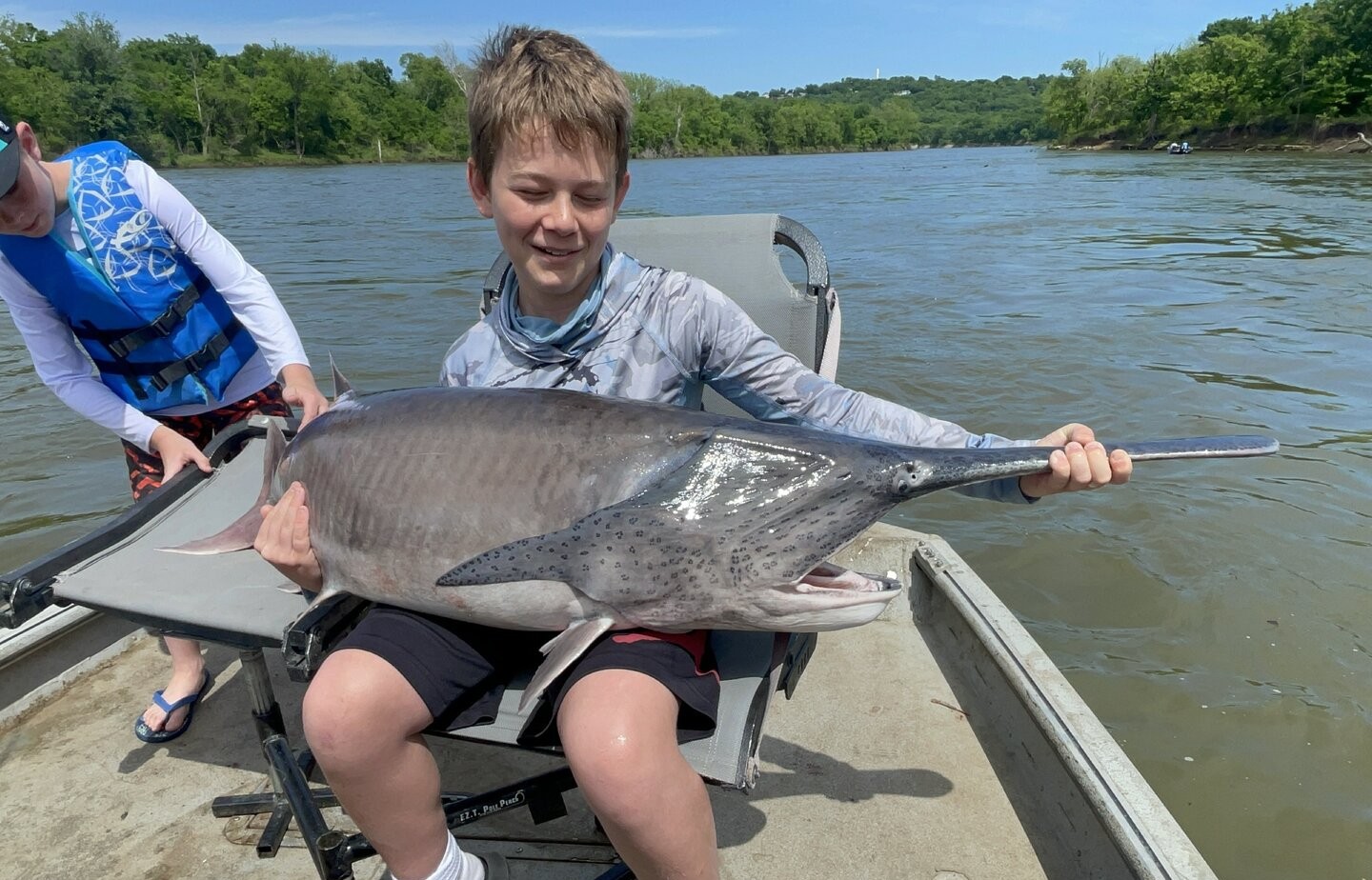
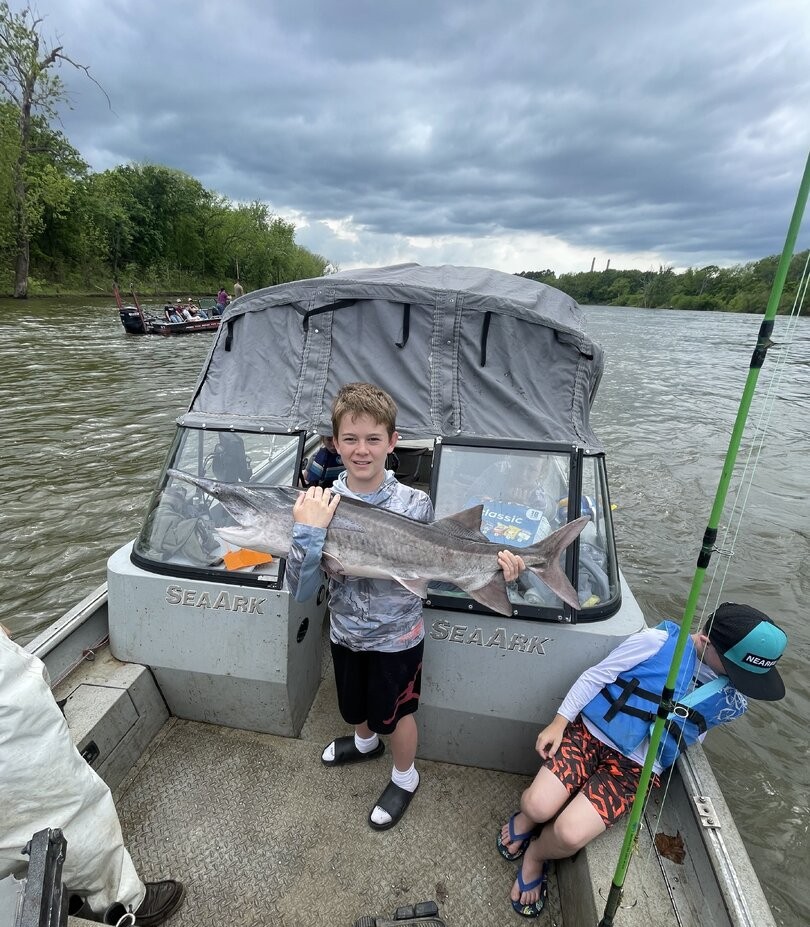
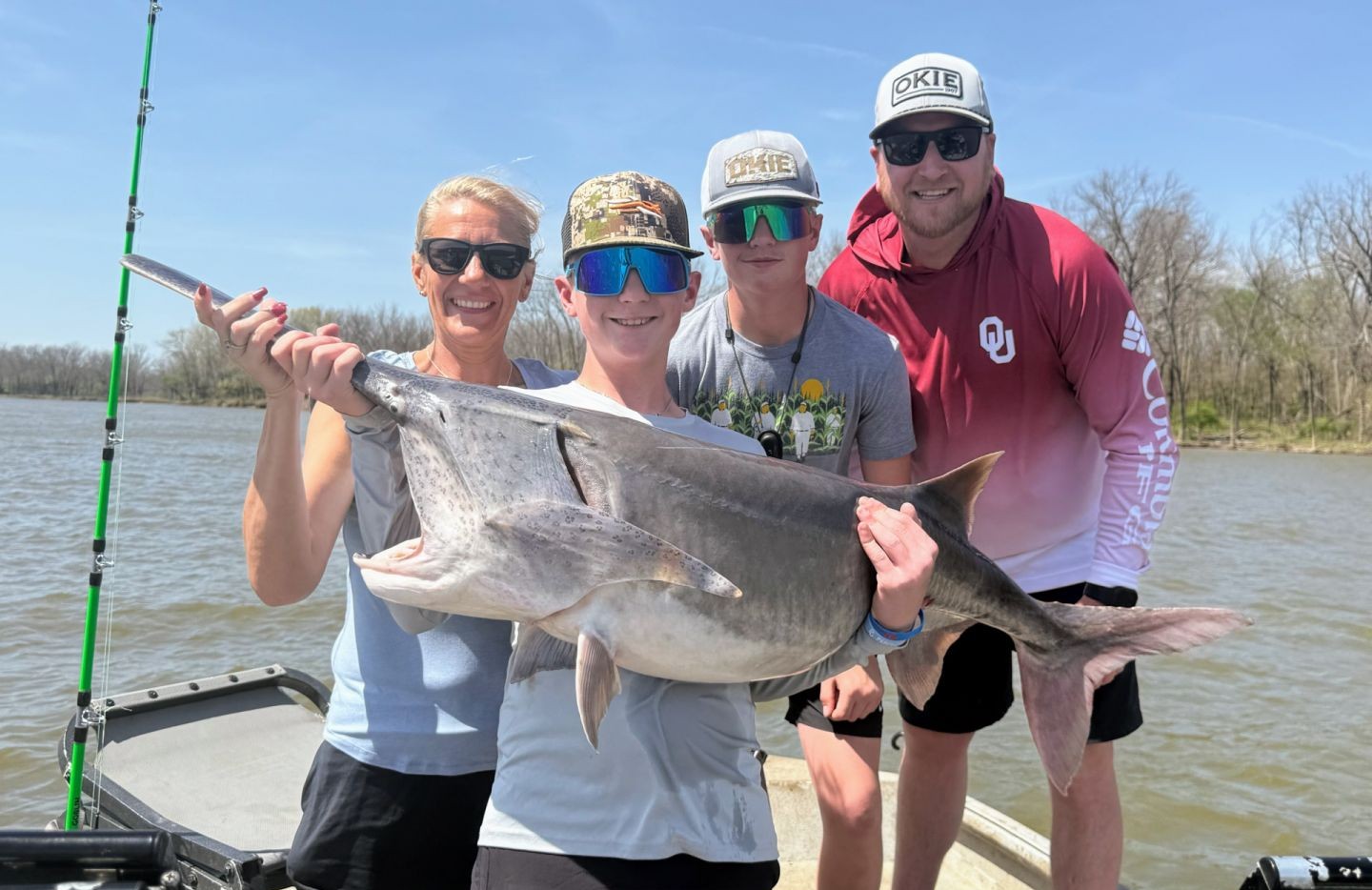
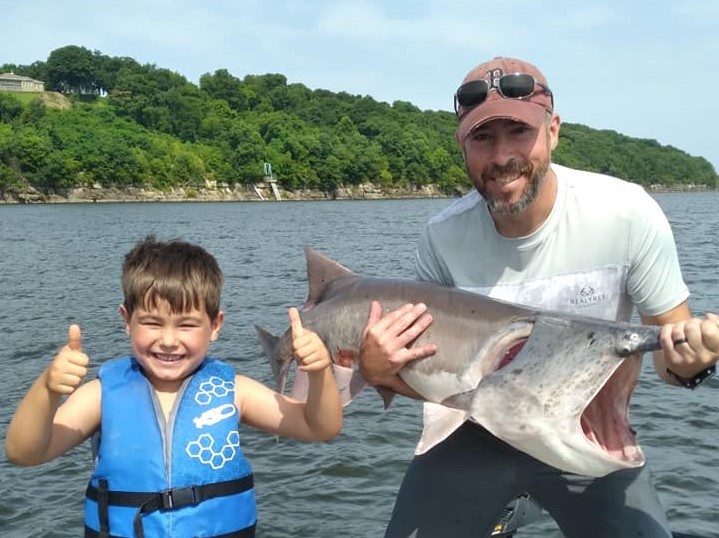
"Although there was skepticism at the dock from some at the dock when heading out, captain remained positive and put in the work to make the trip a success!" - Russell. "We really enjoyed our time with Billy and Jacob, they did great helping find fish and helping young boys hook and catch big paddlefish. They are down to earth great people to spend a day with! Very helpful and would recommend to anyone especially with young kids" - Austin. "Took my 15 year old out with his friends for his birthday. Fun to be around and very good at putting you in the fish! We'll be back!" - Zack.
Species You'll Want to Hook
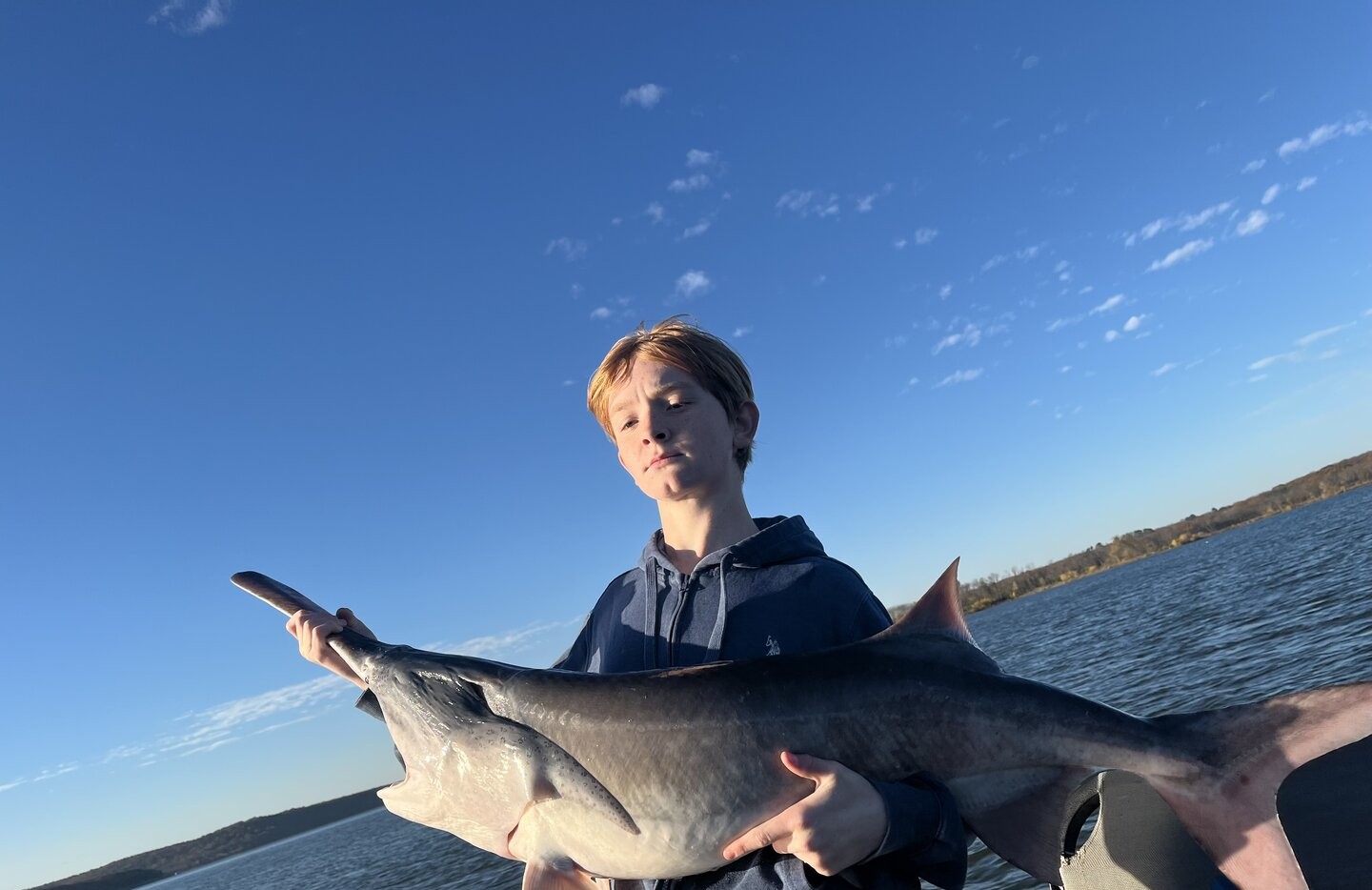
Paddlefish are absolutely one of the most unique freshwater species you can target in North America, and Fort Gibson Lake holds some true giants. These prehistoric fish can live over 30 years and reach weights exceeding 100 pounds, though most fish we encounter range from 20 to 60 pounds. What makes them so special is their ancient lineage – they've been swimming in these waters virtually unchanged for over 300 million years. Spoonbills are filter feeders with that distinctive paddle-shaped snout, which means traditional bait fishing won't work. That's why we use the snagging method – it's the only legal way to catch them in Oklahoma waters. The best time to target paddlefish at Fort Gibson is during their spring spawning migration, typically from March through May, when they move into the shallower areas and become more concentrated. These fish are incredibly strong fighters, and when you hook into a big one, you'll know it immediately. They make long, powerful runs and will test both your tackle and your endurance. What really gets anglers excited is the combination of their massive size, prehistoric appearance, and the specialized techniques required to catch them. Each fish is a trophy, and the meat is outstanding – many folks compare it to catfish but with a cleaner, more delicate flavor.
Time to Book Your Spot
If you're looking for a world-class paddlefish experience that's different from your typical fishing trip, this is it. Billy's crew has the local knowledge, top-tier equipment, and patient teaching style that turns first-timers into paddlefish fanatics. The morning trips are customer favorites because that's when these fish are most active, and the half-day format is perfect for families or anyone wanting to experience spoonbill fishing without committing to a full day. Remember that fish migration patterns change throughout the season, so calling ahead for exact meeting locations is crucial – it's all part of staying on top of where the action is hottest. The deposit policy is straightforward and non-refundable, which helps ensure serious bookings and keeps the calendar running smoothly. Whether you're planning a birthday celebration like Zack's group, introducing young anglers to the sport like Austin's family, or just want to try something completely different from your usual fishing routine, this trip delivers. Fort Gibson's paddlefish population is healthy and the fishing has been consistently strong, making this one of the best bets for trophy fish in the region. Don't wait too long to book – the prime spring season fills up fast, and you don't want to miss out on what could be the fishing experience of a lifetime.
 5.0(3 Reviews)
 Private Trip
 Lakes/Reservoirs/Ponds Fishing
 Sand Springs, OK
 Target prehistoric Paddlefish using advanced forward-facing sonar technology