Extended Half Day Catfish Fishing on Milford Lake
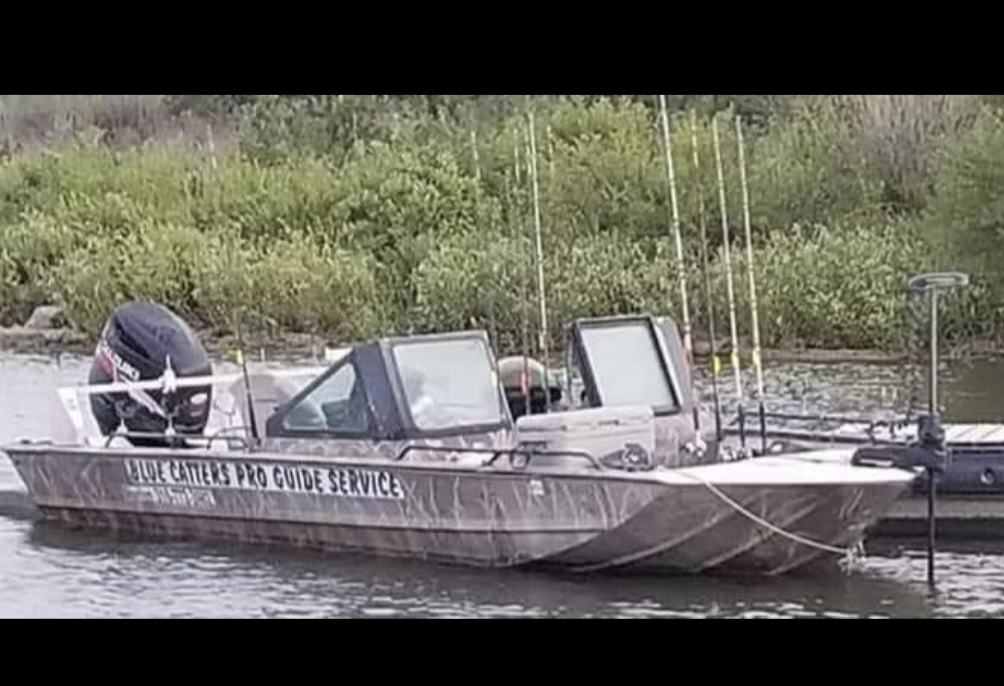
Looking for a solid day on the water targeting some of Kansas's best catfish? Guide Merlyn's extended half-day trips on Milford Lake give you six full hours to work the productive catfish holes that make this reservoir famous. Whether you're bringing the kids for their first real fishing adventure or you're a seasoned angler wanting to load the cooler, this private trip puts you right where the big blues and flatheads are hanging out. We're talking about a comfortable SeaArk Pro Cat 240 that's built for catfish work, complete with all the gear you'll need and a guide who knows every creek channel and timber pile on this 15,700-acre lake.
What to Expect on the Water
Your six-hour adventure starts with either an 8 AM or 1 PM launch, giving you flexibility to fish the prime morning bite or capitalize on afternoon action when catfish start moving shallow. Guide Merlyn keeps this trip intimate with just two anglers maximum, so you're getting personalized attention whether you're learning to read your rod tip for subtle bites or perfecting your hook-setting technique. The extended timeframe means we're not rushing between spots – when we find active fish, we can stay put and work them properly. Milford Lake's diverse structure creates perfect catfish habitat, from the deeper main lake points where blues cruise for shad to the shallow timber flats where flatheads ambush prey. You'll spend time learning how different areas fish throughout the day, picking up local knowledge that'll serve you well on future trips.
Tactics and Tackle Setup
We're fishing with medium-heavy rods and conventional reels spooled with enough line to handle Milford's bigger fish – and trust me, this lake grows them big. The approach varies based on conditions and what the fish are telling us. Some days we're anchored over creek channels using cut shad and letting the scent trail work downstream. Other times we're working timber structure with live bluegill or crawfish, waiting for those telltale thumps that signal a flathead has found your bait. Circle hooks are the standard here – they hook fish in the corner of the mouth and make catch-and-release much easier on the fish. The boat's equipped with multiple rod holders, so we can spread out several baits at different depths and locations. Guide Merlyn brings a full selection of baits including fresh-cut shad, chicken liver, nightcrawlers, and live bait when conditions call for it. The electronics on board help locate structure and baitfish, but the real magic happens when you learn to feel what your bait's doing down there.
Target Species You'll Hook
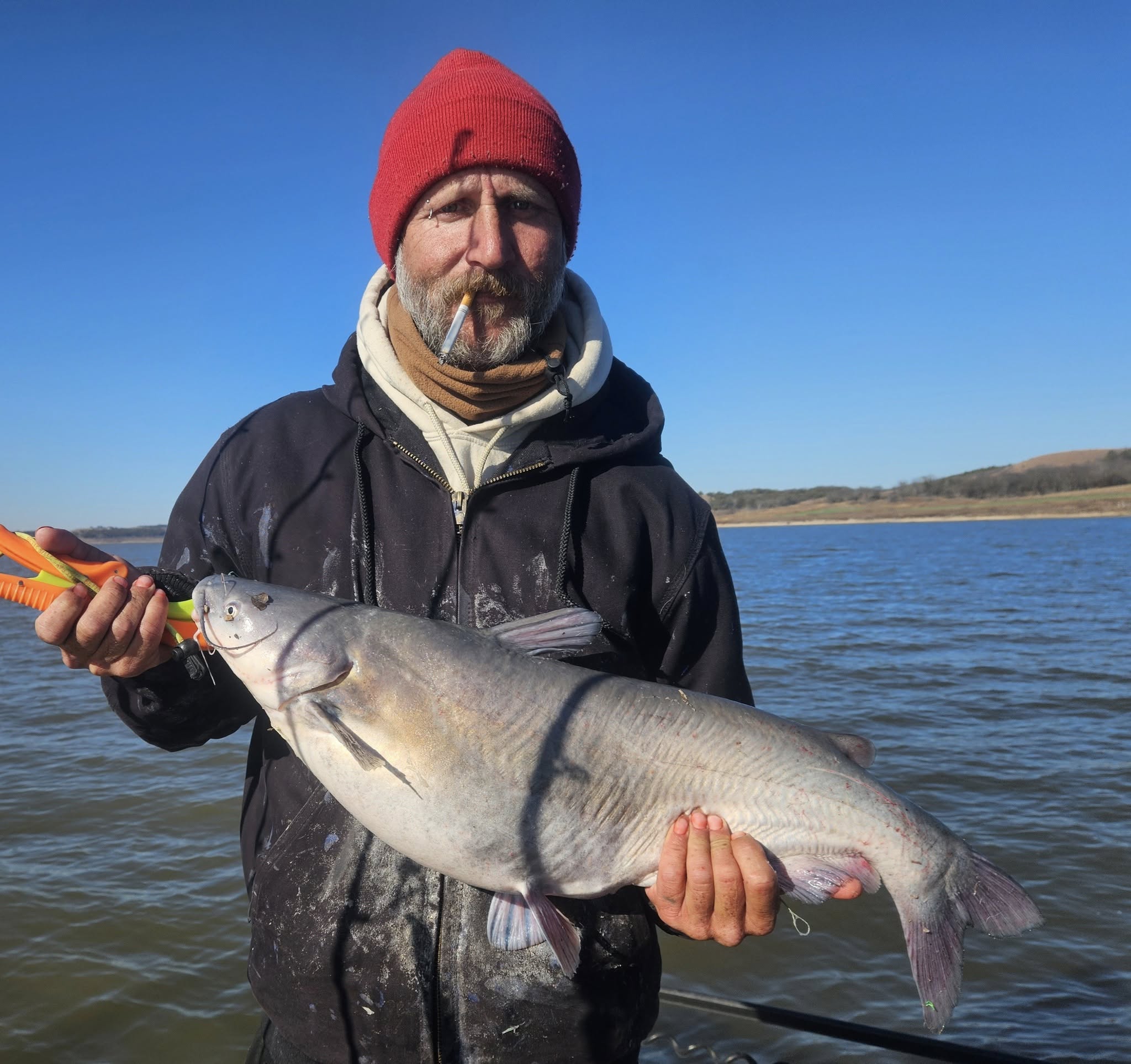
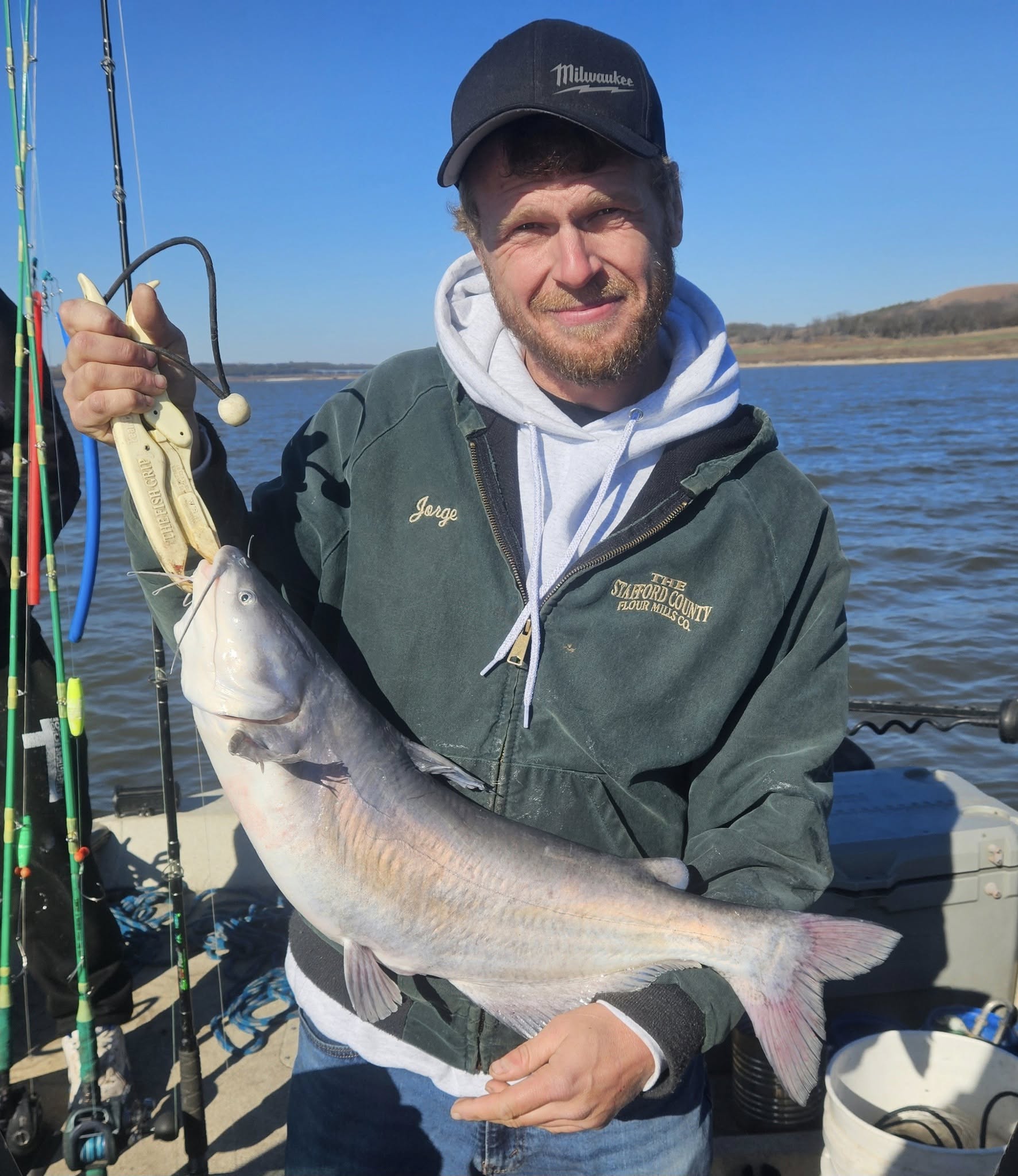
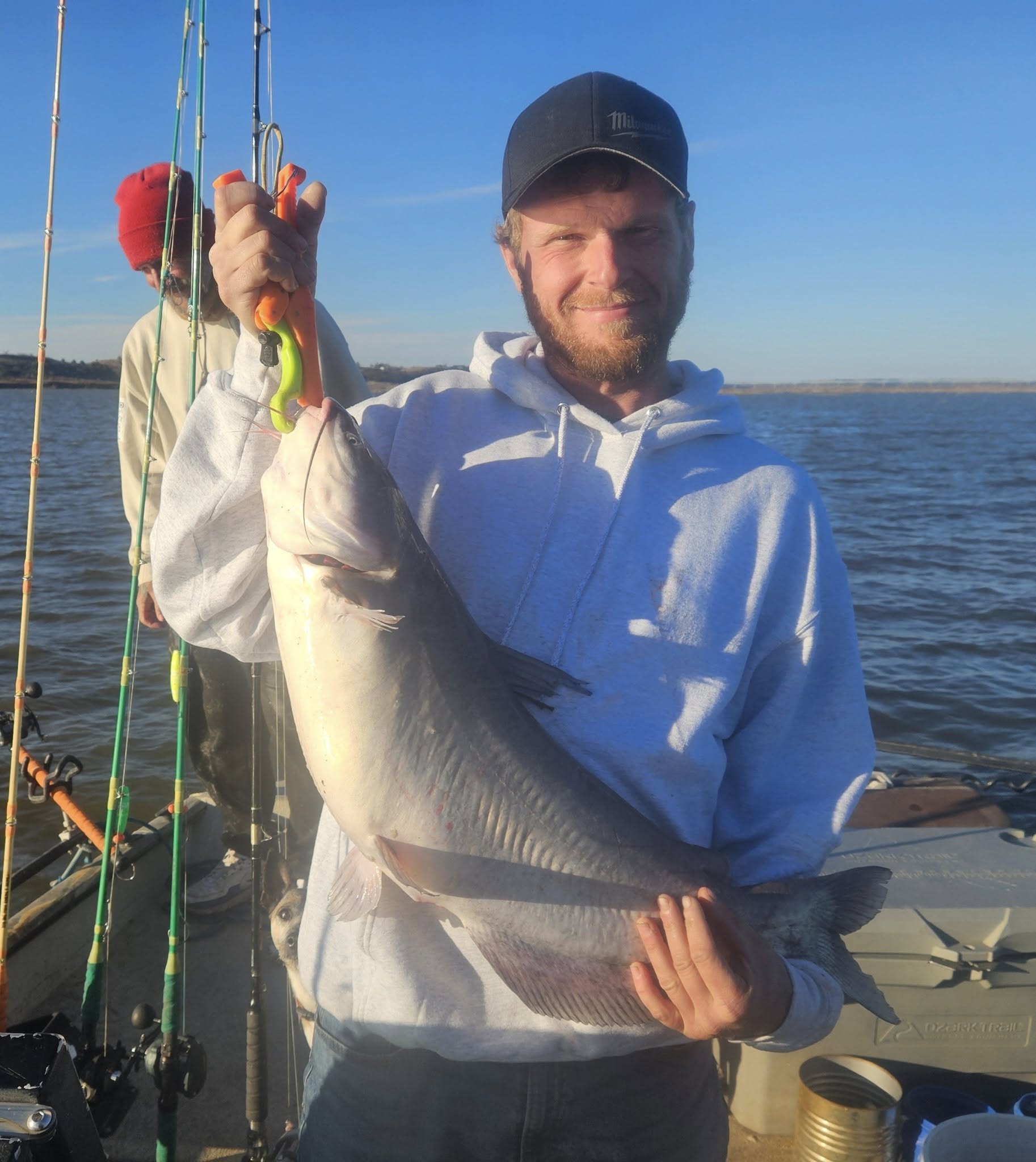
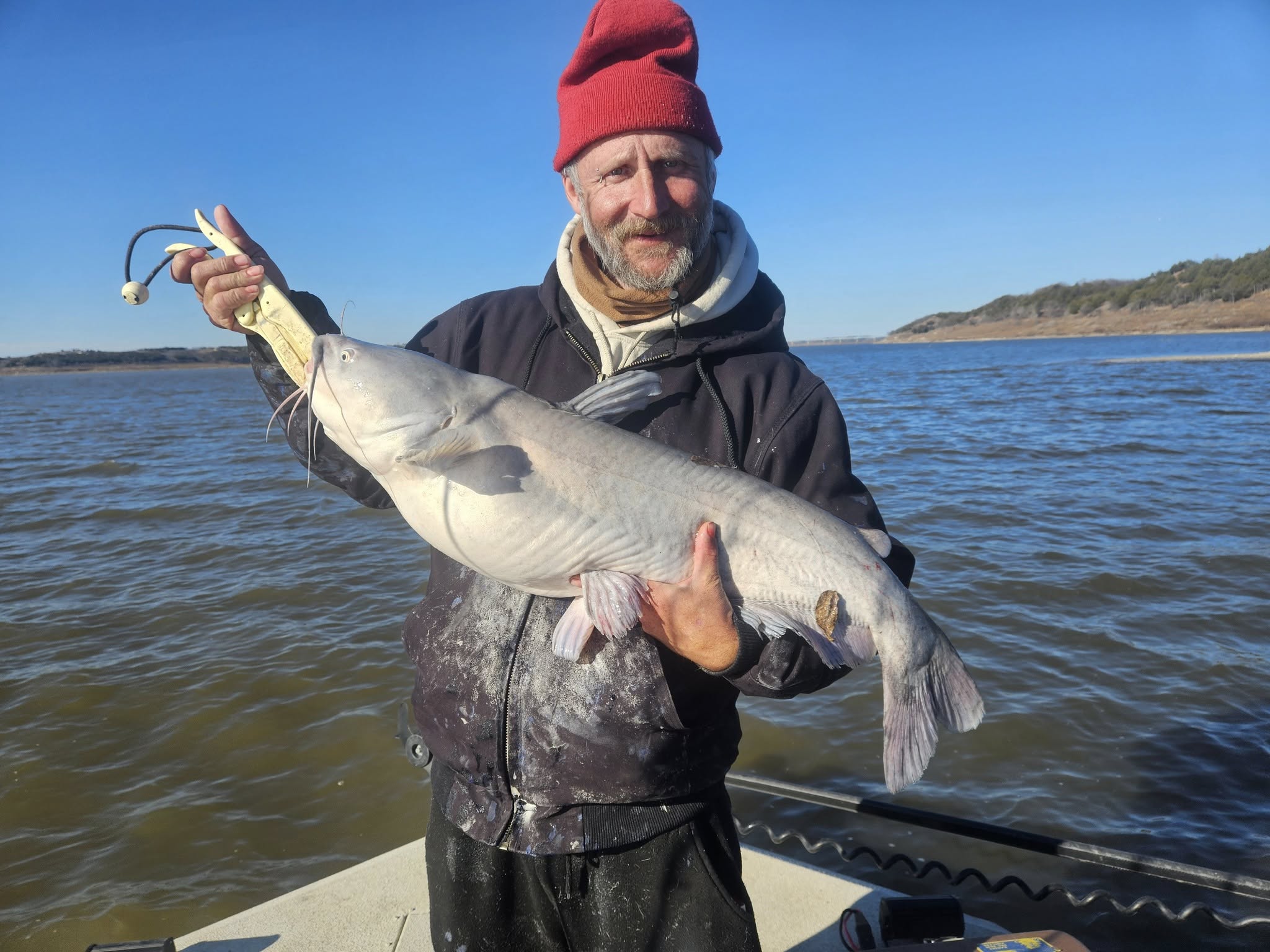
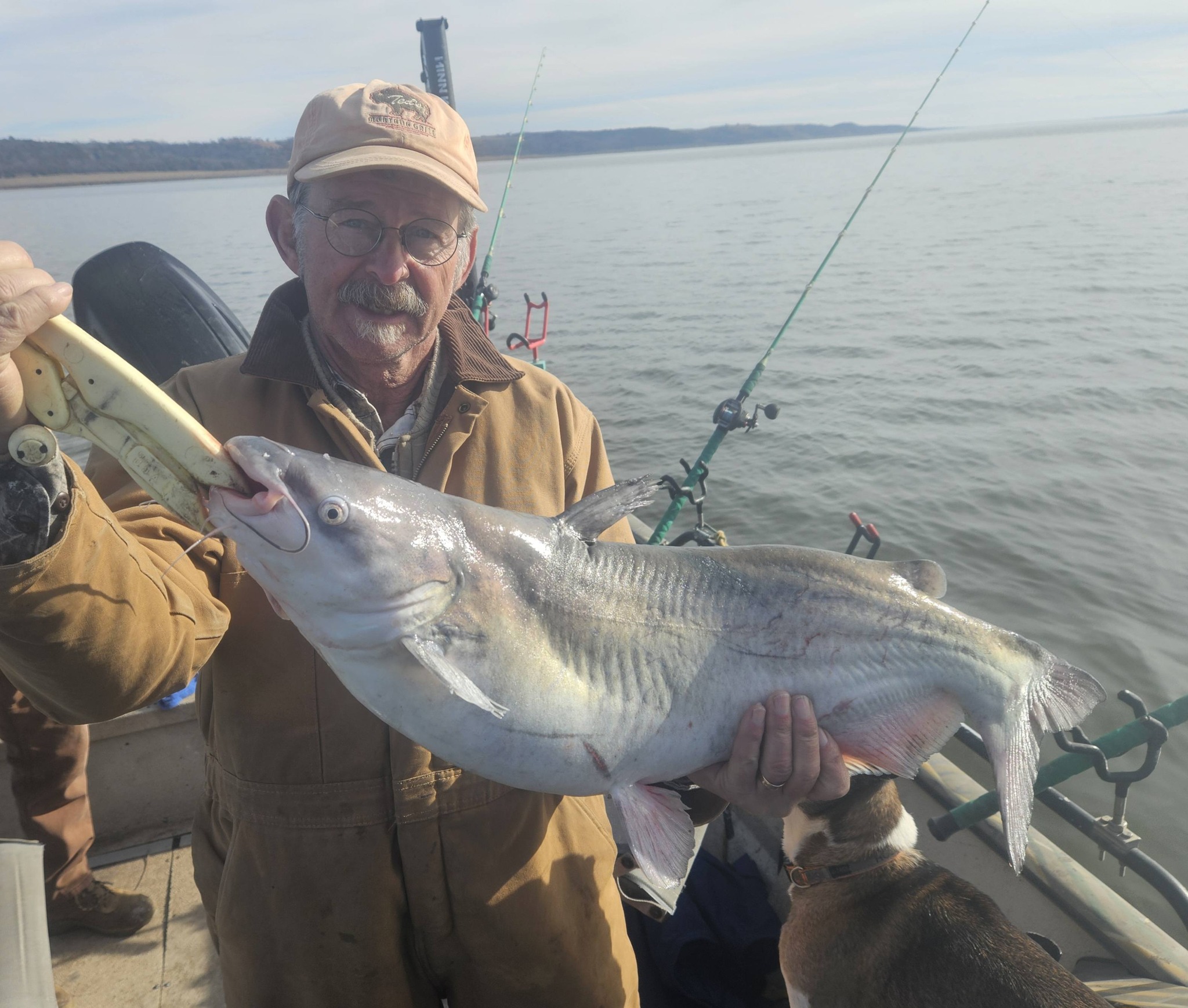
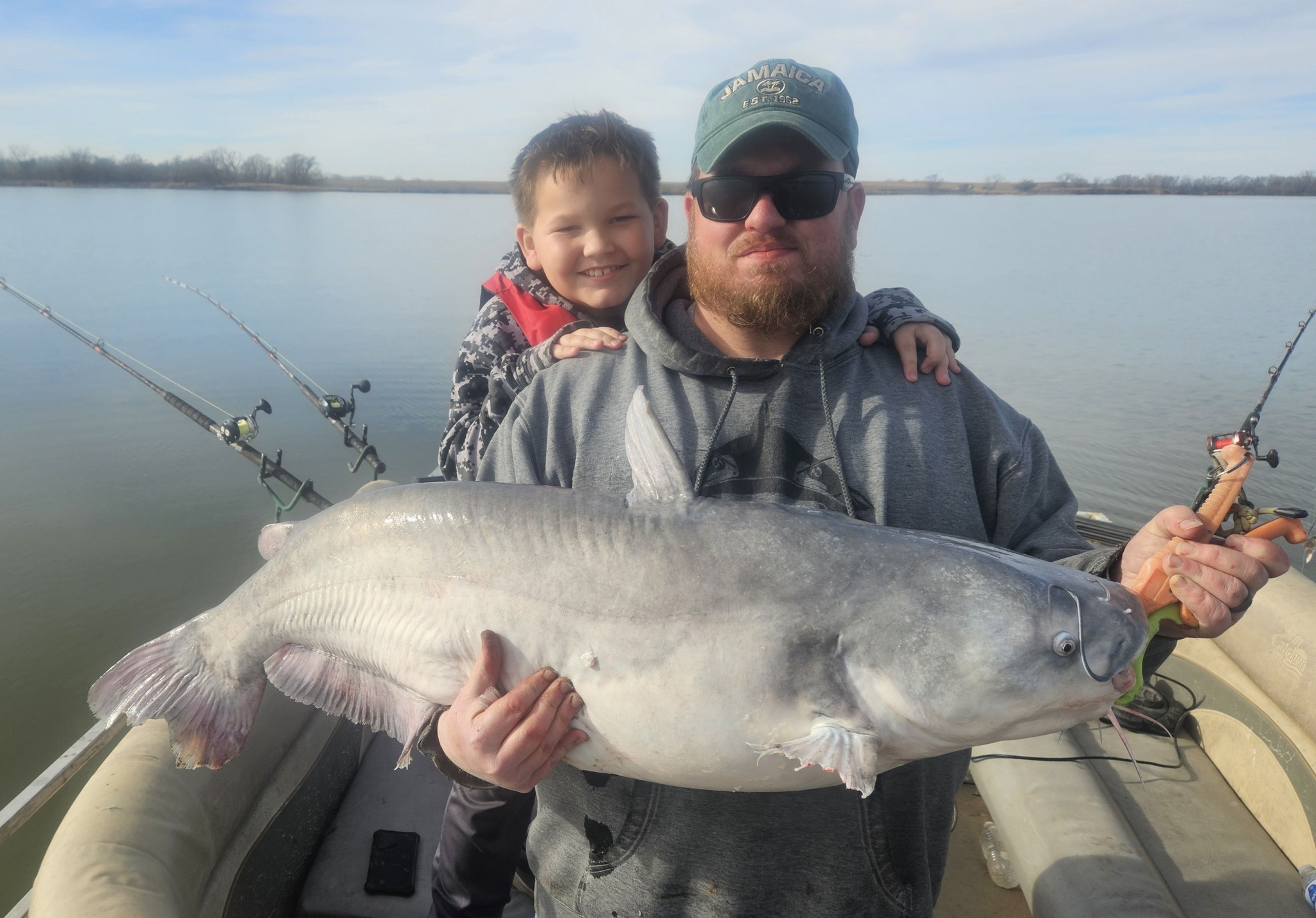
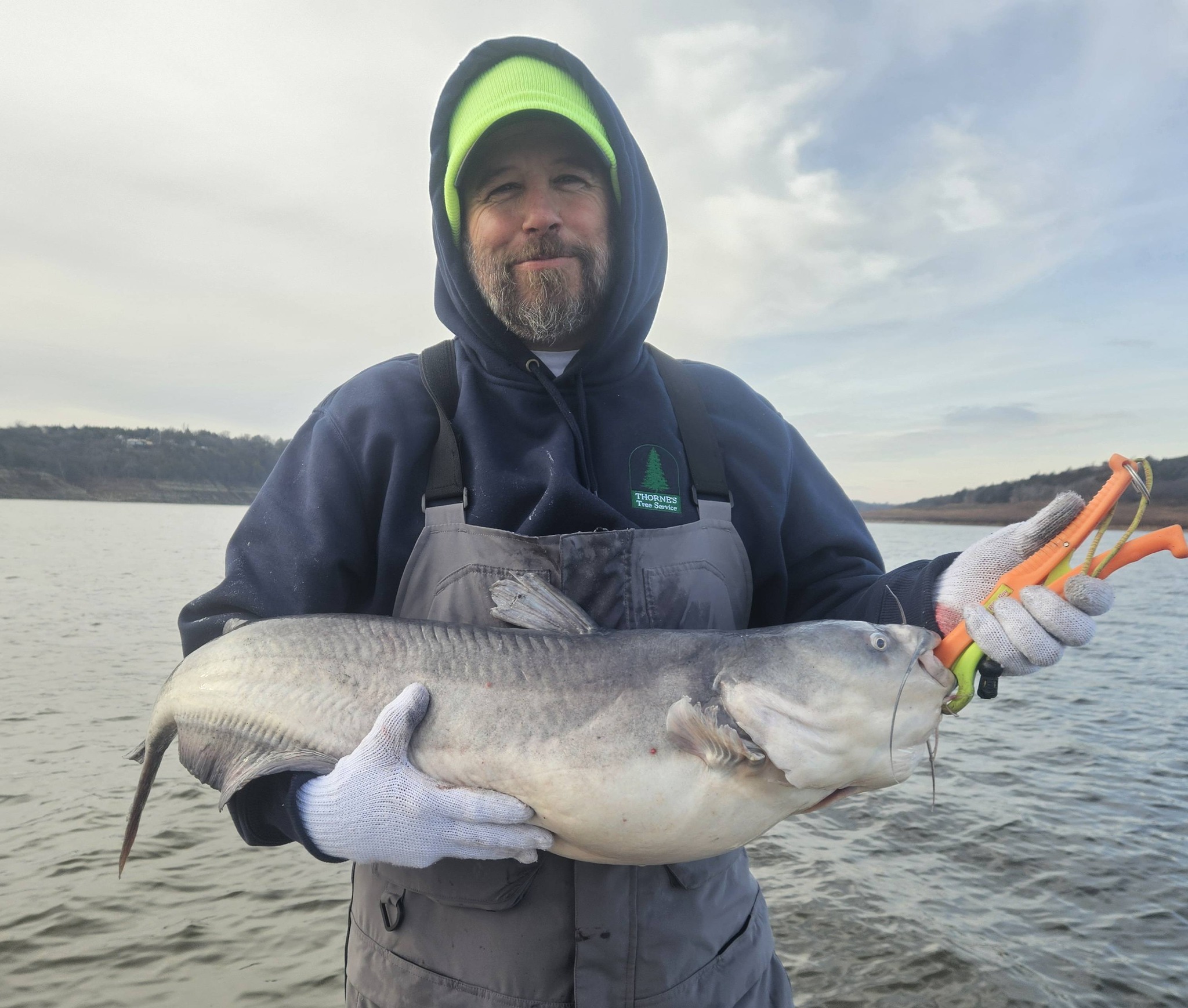
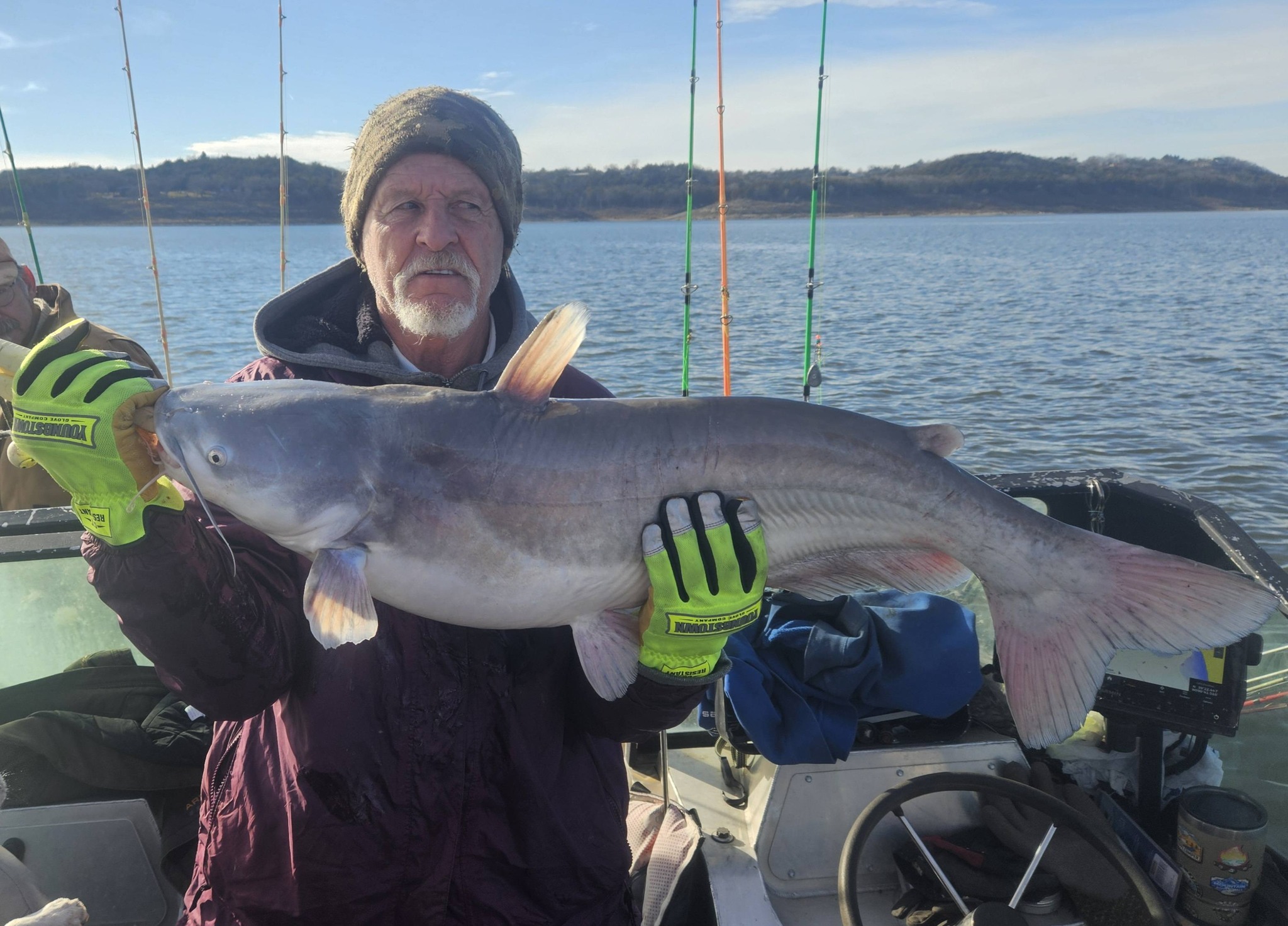
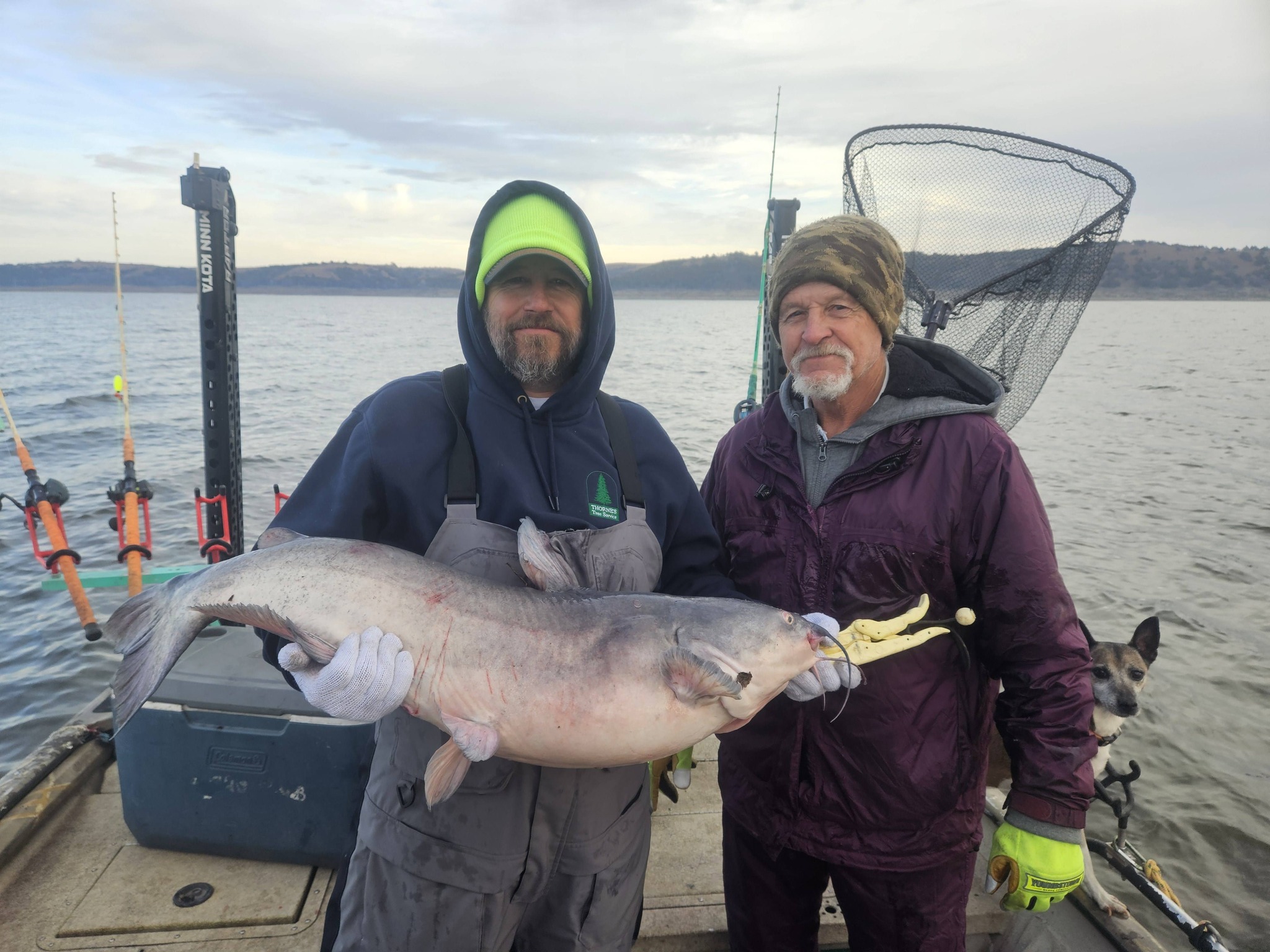
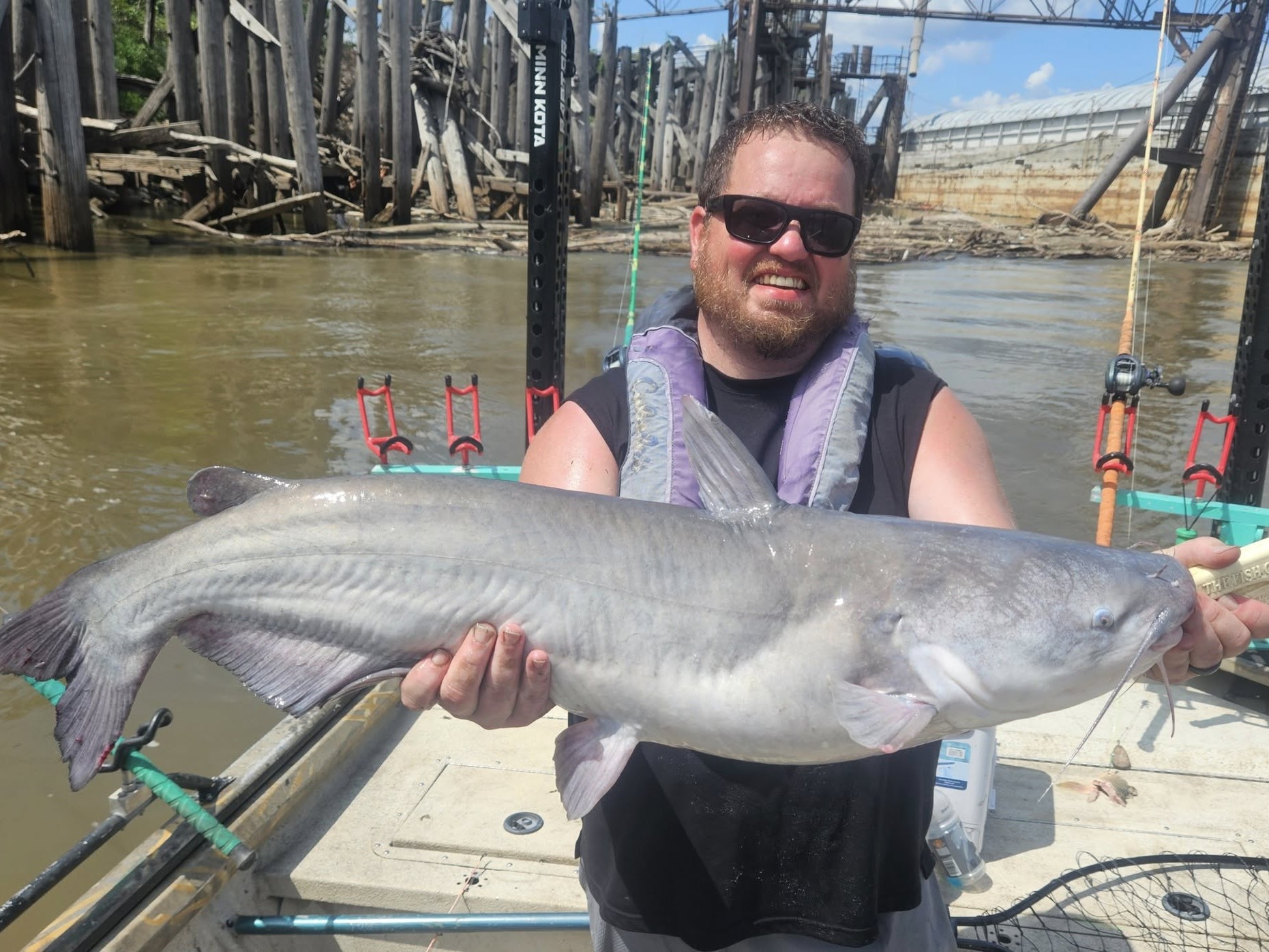
Blue catfish are the bread and butter of Milford Lake, with fish ranging from eating-size 2-pounders up to genuine trophies pushing 30 pounds or more. Blues are active year-round but really turn on during spring and fall when they're feeding heavily before and after spawn. They're schooling fish, so when you find one, there's usually more nearby. Blues hit hard and fight clean – no dirty tricks, just pure power and endurance. They prefer deeper water and current breaks, making them perfect targets for the main lake points and creek channel edges that Milford Lake offers in abundance.
Flathead catfish bring a different kind of excitement to the table. These are ambush predators that can live 20+ years and reach massive sizes – Milford regularly produces flatheads over 40 pounds. They're most active from late spring through early fall, preferring to hunt at night but often feeding during low-light periods. Flatheads are solitary and territorial, often holding tight to specific pieces of structure like fallen trees or undercut banks. When a big flathead takes your bait, you'll know it – they hit like a freight train and then try to wrap you around the nearest snag. The fight is typically shorter than a blue catfish of similar size, but much more violent.
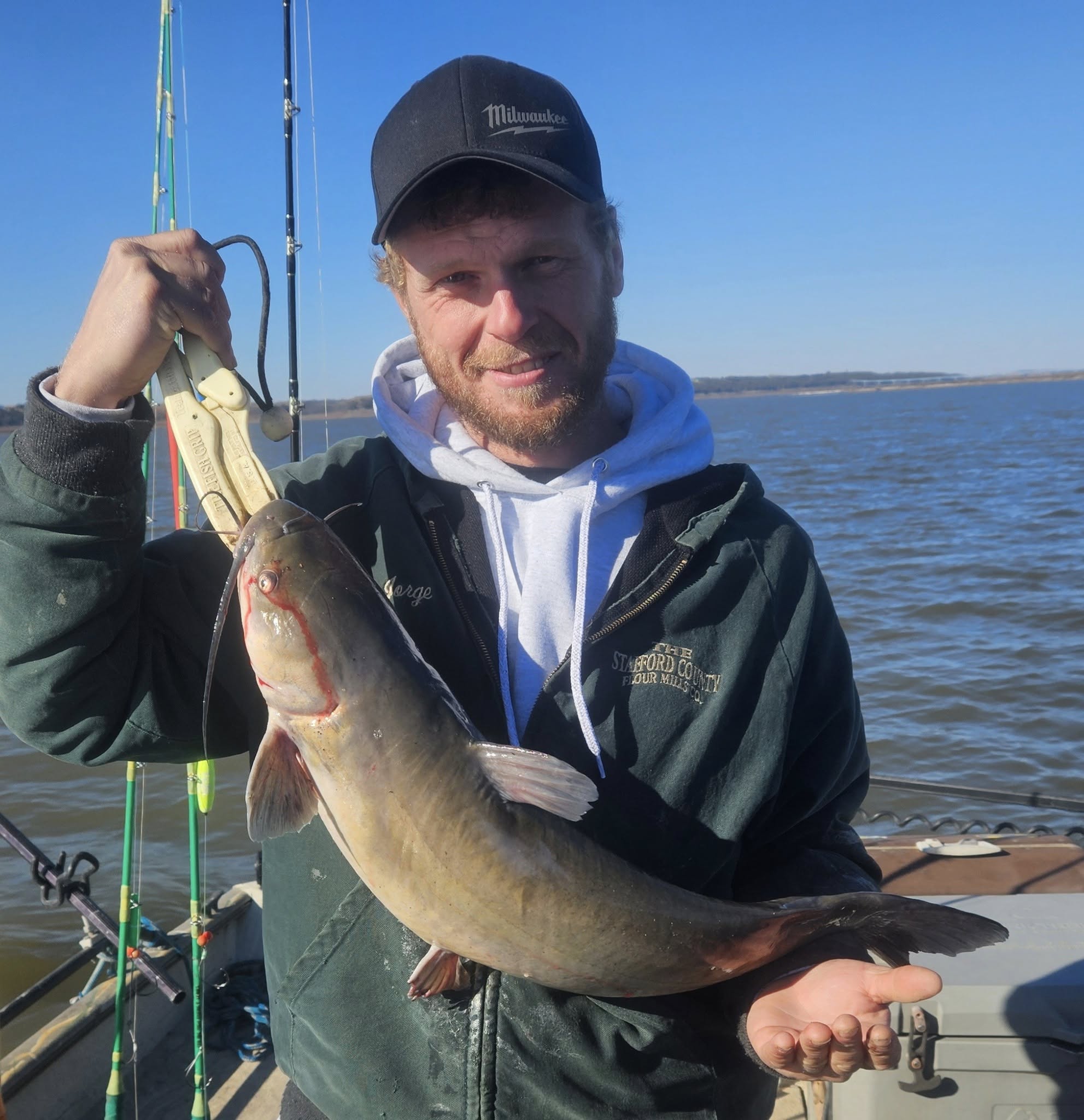
White catfish round out the mix and while they're the smallest of the three species, they're scrappy fighters and excellent table fare. These fish rarely exceed 5 pounds but they're aggressive biters and great for keeping action steady when the larger species are being finicky. Whites school up similar to blues but tend to stay in shallower water, especially around rocky areas and creek mouths. They're particularly good targets for newer anglers since they bite readily and don't require the heavy tackle needed for their bigger cousins.
Time to Book Your Spot
Six hours on Milford Lake with a guide who knows where the catfish live – that's what you're getting with Blue Catter's Guide Service. The extended half-day format gives you enough time to really get into the rhythm of catfishing without committing to a full day on the water. All your gear is provided, Guide Merlyn handles the instruction and boat work, and you focus on what matters: putting fish in the boat. Just bring your Kansas fishing license, some snacks and drinks, and be ready to learn why Milford Lake has built its reputation as one of the state's top catfish destinations. These spots fill up during peak season, so don't wait around if you're thinking about getting out there.
 Private Trip
 Lakes/Reservoirs/Ponds Fishing
 Milford Lake
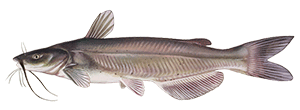

 Six-hour private catfish trip targeting blue and flathead species