Sea Bass Fishing Off New Jersey's Coast
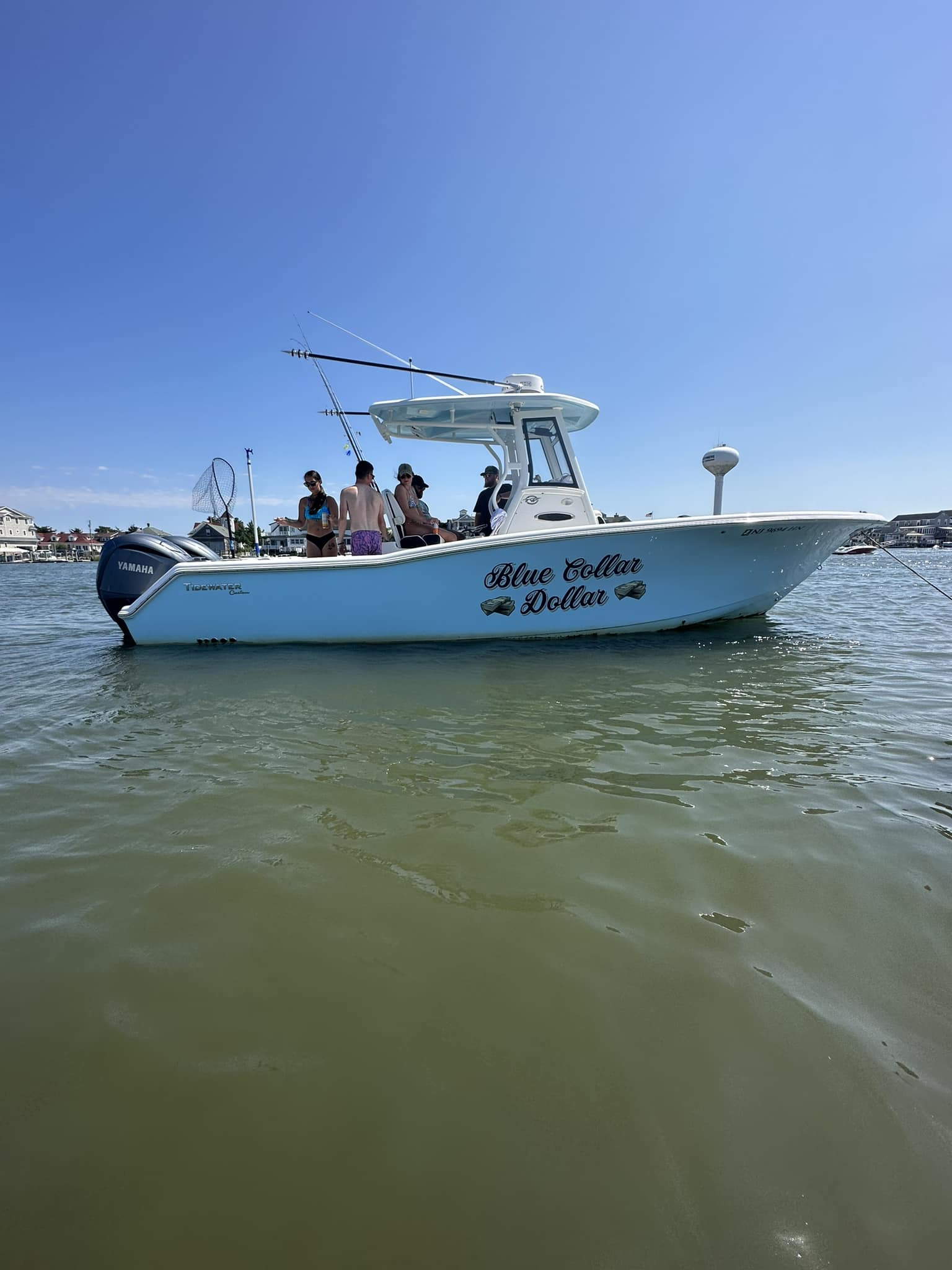
Looking for some serious bottom fishing action? Our 8-hour sea bass trips out of New Jersey put you right where the fish are biting. We're talking about heading 20-40 miles offshore to hit the wrecks and structure where black sea bass love to hang out. This isn't your typical half-day trip – we're giving you a full day on the water with Blue Collar Charters, and trust me, you'll need every minute of it. Sea bass fishing is addictive, and once you get into a good bite, you won't want to leave. Plus, these fish are absolutely delicious on the dinner table, so you're looking at both great fishing and great eating.
What to Expect on the Water
This is a small boat operation – we keep it to just 6 anglers max, which means more room to fish and better attention from the crew. No cattle boat situation here. We'll be running out to some of the best wreck sites along the New Jersey coast, places where sea bass stack up like cordwood during the right conditions. The ride out takes about an hour to 90 minutes depending on which spots we're hitting, but once we get there, it's game on. The boat comes equipped with all the tackle you need – circle hooks, sinkers, and rigs designed specifically for wreck fishing. You're welcome to bring your own gear if you've got favorites, but we've got everything dialed in for these fish. The crew knows these wrecks like the back of their hand, and they'll put you on fish. Expect to be anchored up most of the day, working the structure from different angles as conditions change.
Wreck Fishing Techniques
Sea bass fishing is all about getting your bait down to the bottom and keeping it in the strike zone. We're fishing hi-lo rigs with circle hooks, usually baited with squid, clams, or sometimes fresh bait depending on what's working that day. The key is getting your rig down through the current without getting hung up in the wreck structure – sounds easy, but there's definitely a learning curve. The crew will show you how to work the drift, when to let line out, and how to feel the difference between a fish bite and structure. You'll be using 6-8 ounce sinkers most of the time to get down in the current, sometimes heavier if it's really ripping. The fish usually hold tight to the wreck, so you want your bait right on the bottom. When they're feeding, you'll know it – sea bass hit hard and fight all the way to the surface. Don't be surprised if you're doubling up regularly when we find a good school. The crew will keep you in fresh bait and help with any tangles or re-rigging throughout the day.
Top Catches This Season
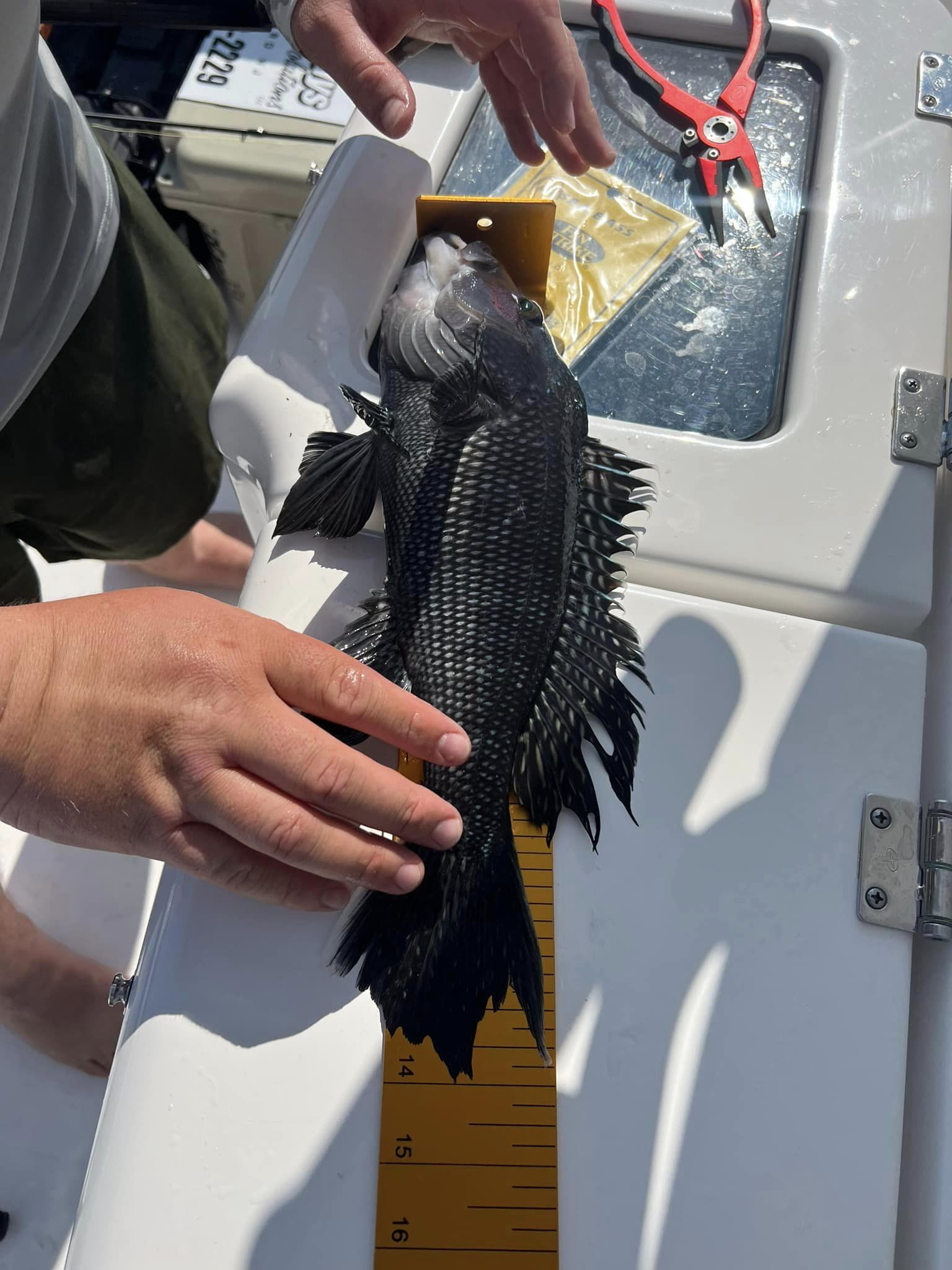
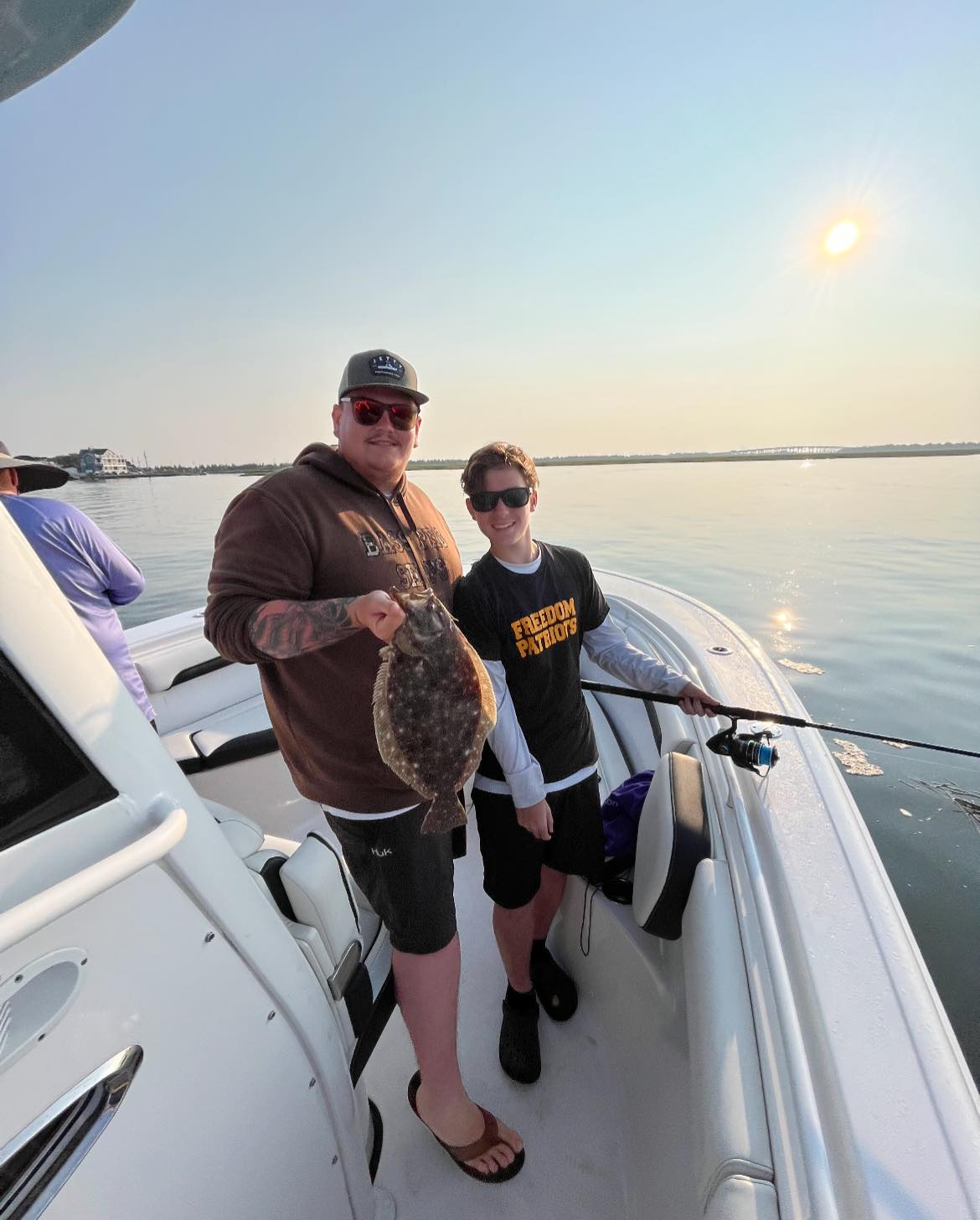
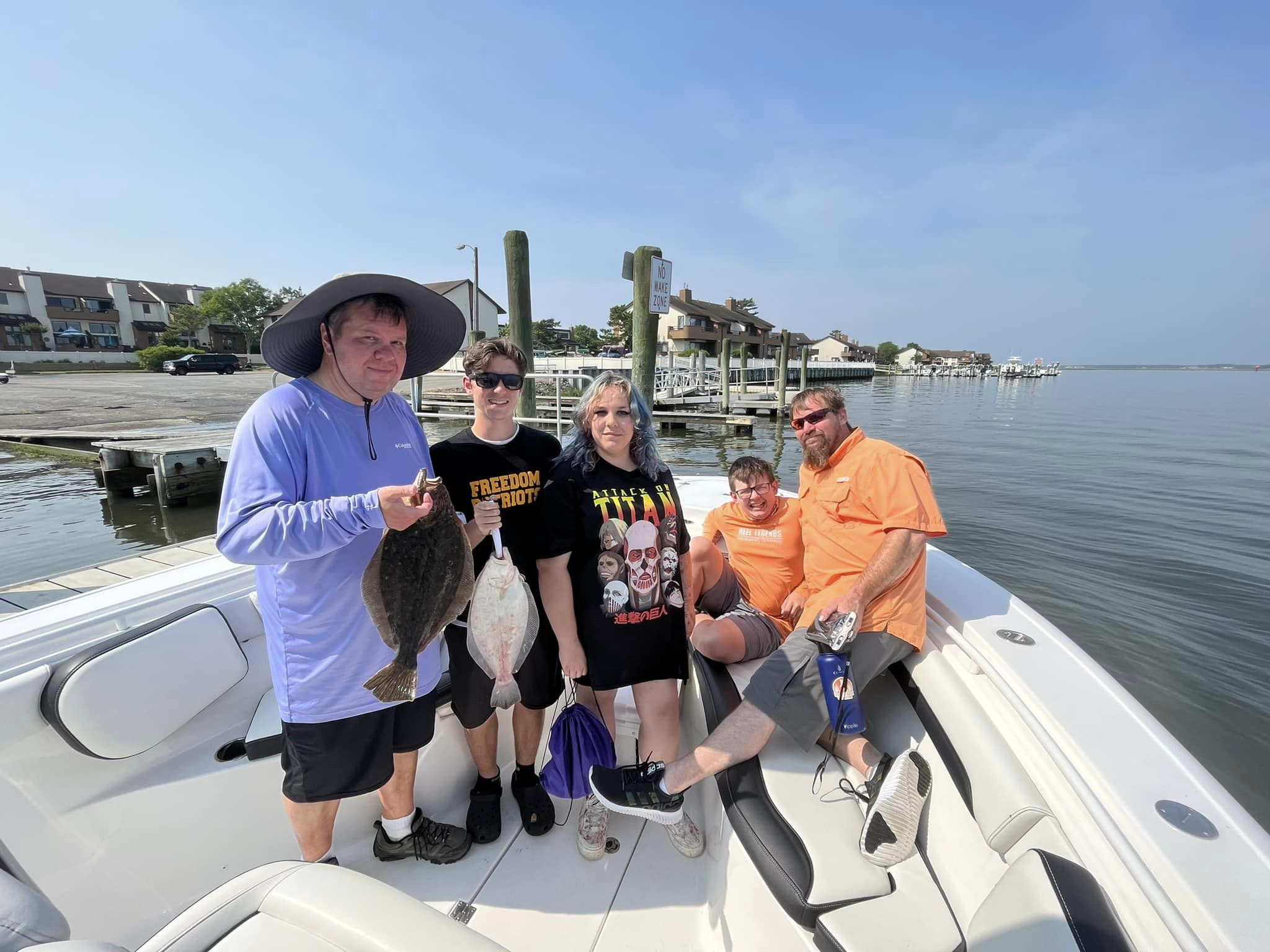
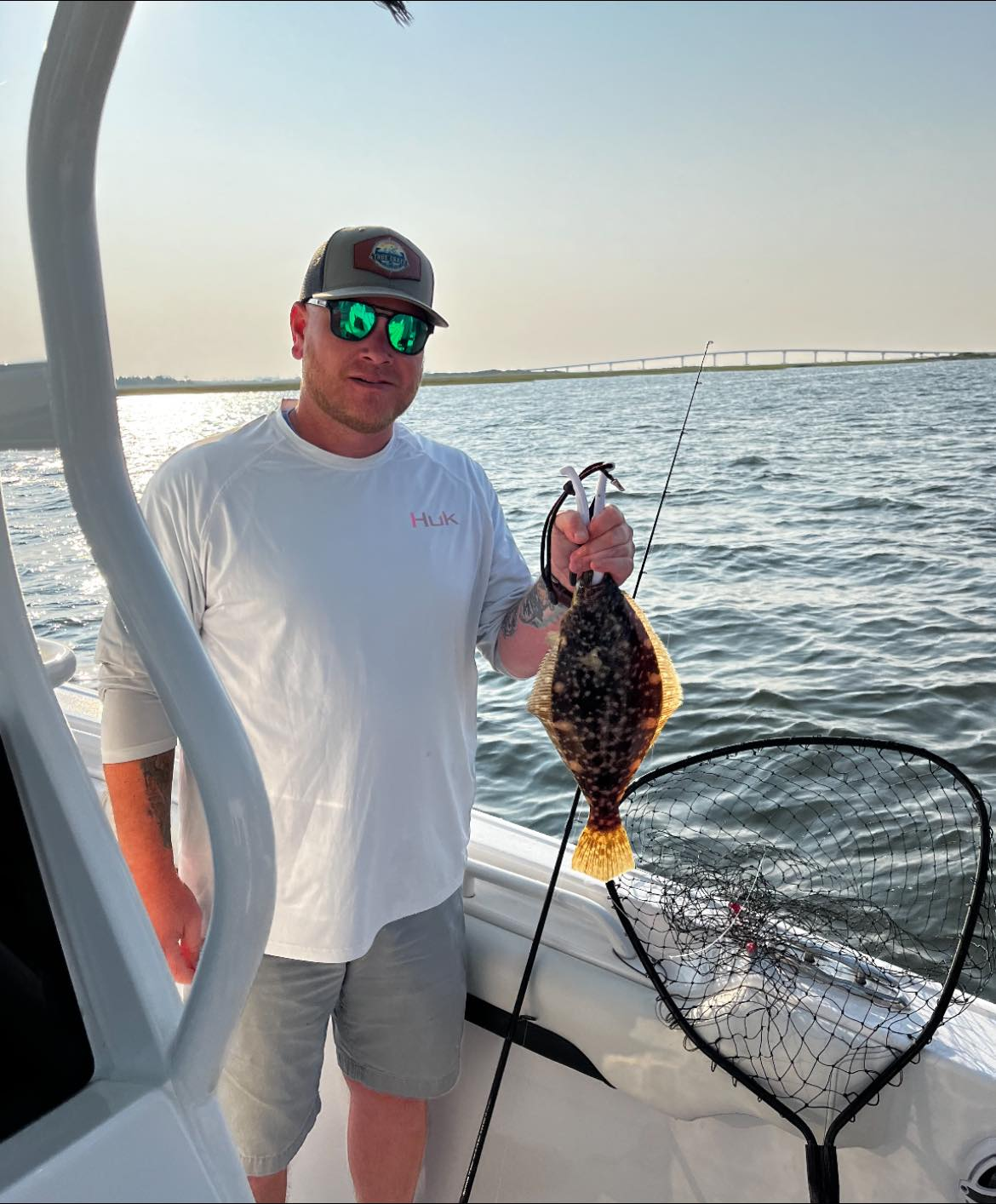
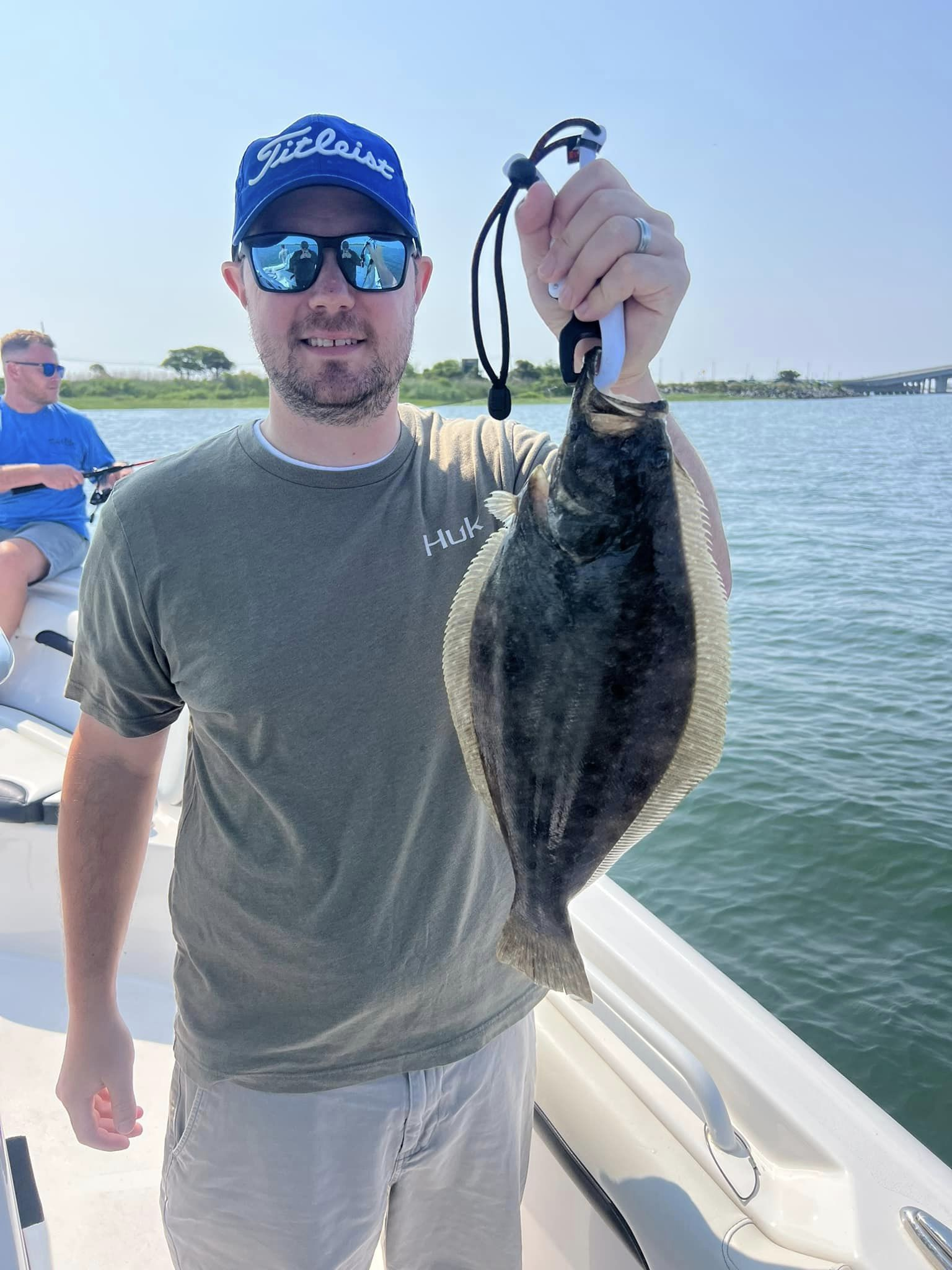
The black sea bass bite has been consistently good this year, with fish ranging from keeper size (15+ inches) up to some real doormat sea bass pushing 4-5 pounds. Most of what we're catching falls in that 1-3 pound range, which is perfect eating size. The limit is generous – you can keep 15 sea bass per person when they're in season, and trust me, you'll have shots at filling up. We've had multiple trips this season where everyone on board limited out before we even thought about heading in. The fish have been holding on the deeper wrecks, especially when the water temperature is right. Some days we'll pick away at them steadily all day, other days it's wide open for an hour or two and then slows down. That's wreck fishing for you – when it's good, it's really good. The crew has been tracking the bite and adjusting which wrecks we hit based on recent reports and conditions.
Species You'll Want to Hook
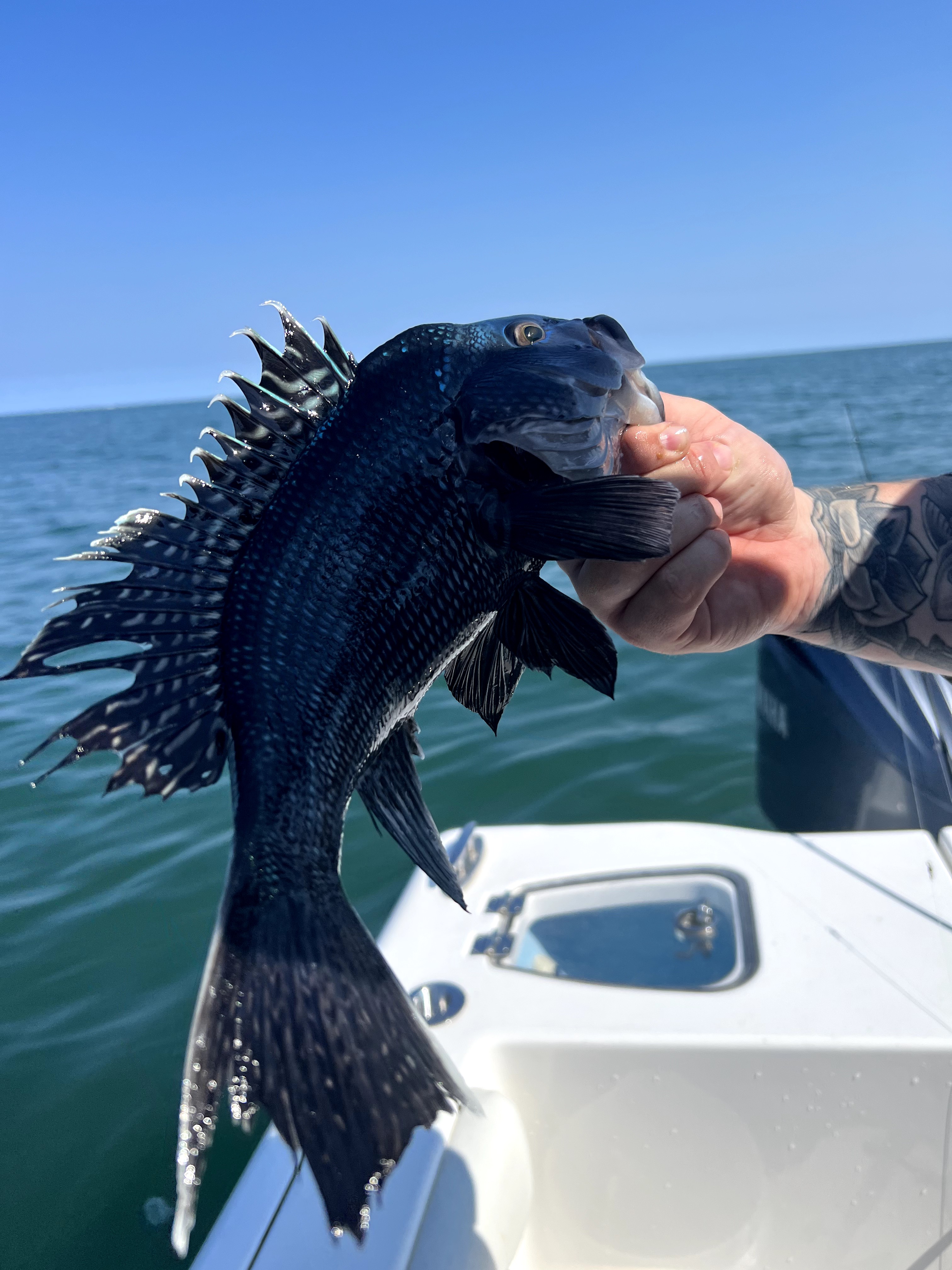
Black sea bass are the main target, and for good reason. These fish are scrappy fighters that will test your drag, especially the bigger ones. They've got oversized mouths and will eat just about any bait you put in front of them when they're feeding. Sea bass spawn in late spring and early summer, then spread out over the wrecks and hard bottom through fall – that's when we get our best fishing. The fish we're catching now are post-spawn and feeding heavily to bulk up for winter. What makes them so popular with anglers is the combination of action and table fare. Sea bass have firm, white meat with a mild flavor that's hard to beat. They're also cooperative fish – when you find them, you can usually catch them. The bigger fish, anything over 3 pounds, are typically older females and real fighters. They'll strip drag and make multiple runs before you get them to the boat. Smaller fish are usually more numerous and perfect for filling the cooler. The best part about sea bass fishing is the consistency – these fish are predictable once you learn their patterns, and they're willing biters when conditions are right.
Time to Book Your Spot
Sea bass season runs through the end of December, so you've got time to get out there, but the best fishing happens when conditions line up right. Weather, tides, and water temperature all play a role in how the fish bite, and this crew knows when to go and when to stay tied to the dock. With only 6 spots available, these trips fill up fast, especially on weekends and during peak season. The 8-hour format gives you the best shot at getting into fish and staying on them when the bite is hot. You're not rushing back to the dock just when things get good. Bring a cooler for your catch, dress in layers since it can be cooler offshore, and come ready to fish. This is hands-on fishing at its best – no frills, just serious angling on productive water with a crew that knows how to put you on fish. Book your trip with Blue Collar Charters and see why sea bass fishing off New Jersey keeps anglers coming back trip after trip.
 Private Trip
 Wrecks/Reefs Fishing
 New Jersey
 Target sea bass on productive wrecks 20-40 miles offshore