Full Day Reef Fishing Trip in Charleston
Charleston's offshore waters hold some of South Carolina's best-kept fishing secrets, and this 8-hour adventure with BoSs Fishing Company puts you right in the action. We're talking about serious bottom fishing on both natural live bottoms and artificial reefs where the big boys hang out. With just 6 anglers max, you'll get the personal attention and prime fishing spots that make all the difference between a good day and an epic day on the water.
What to Expect on the Water
Your day starts early as we head offshore to Charleston's most productive fishing grounds. We'll be working both live bottom structures – those natural rocky outcroppings that fish love – and artificial reefs created from sunken vessels and concrete structures. The beauty of this trip is the variety: one minute you're dropping cut bait into 60 feet of water over a natural ledge, the next you're working a slow pitch jig around a sunken tugboat. The smaller group size means you're not fighting for rail space, and Captain and crew can work with each angler to dial in their technique. Whether you're new to bottom fishing or you've been doing this for years, having that one-on-one guidance makes a huge difference in your success rate.
Techniques & Tackle Breakdown
This isn't your typical party boat fishing – we're using three distinct approaches to maximize your chances. Cut bait fishing involves dropping fresh chunks of mackerel, sardines, or squid down to structure using circle hooks and enough weight to stay put in the current. Live bait takes it up a notch with frisky offerings that drive predators crazy, especially when the current is moving just right. But the real game-changer is slow pitch jigging – a technique that's been revolutionizing reef fishing. You're working specialized jigs in a rhythmic lift-and-drop motion that mimics wounded baitfish. It sounds simple, but there's an art to it, and once you get the hang of it, you'll wonder why you ever fished any other way. All tackle and bait are provided, but if you've got your own favorite setup, bring it along.
Top Catches This Season
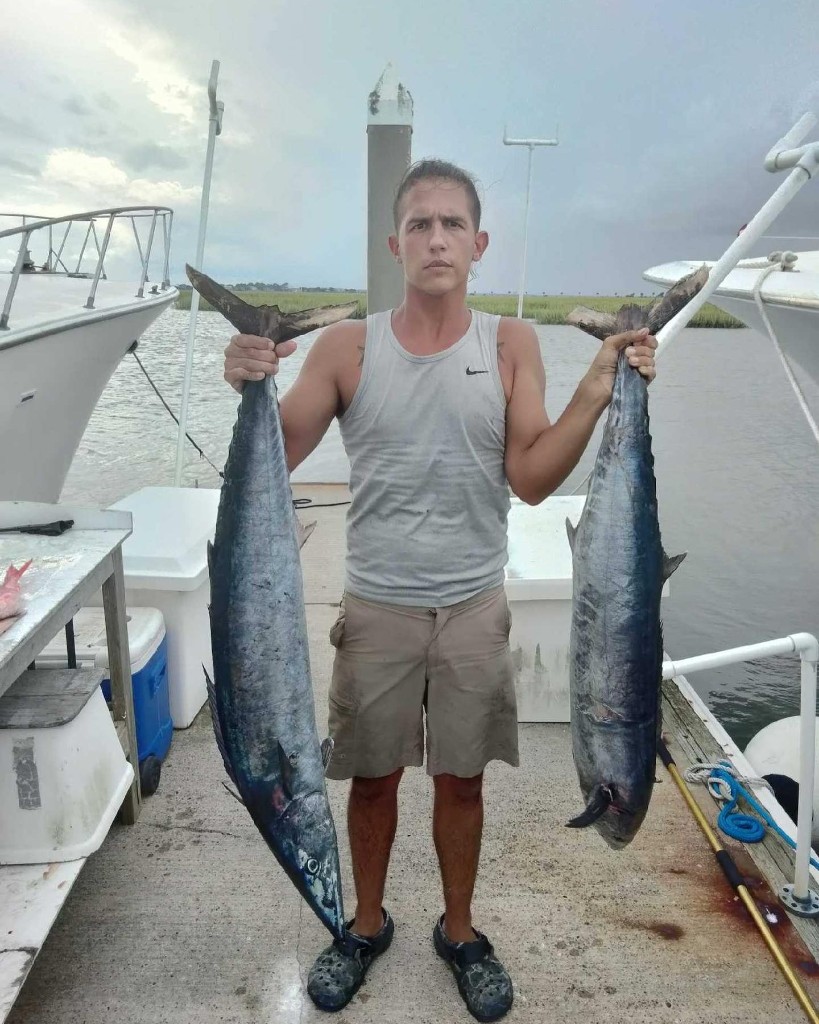
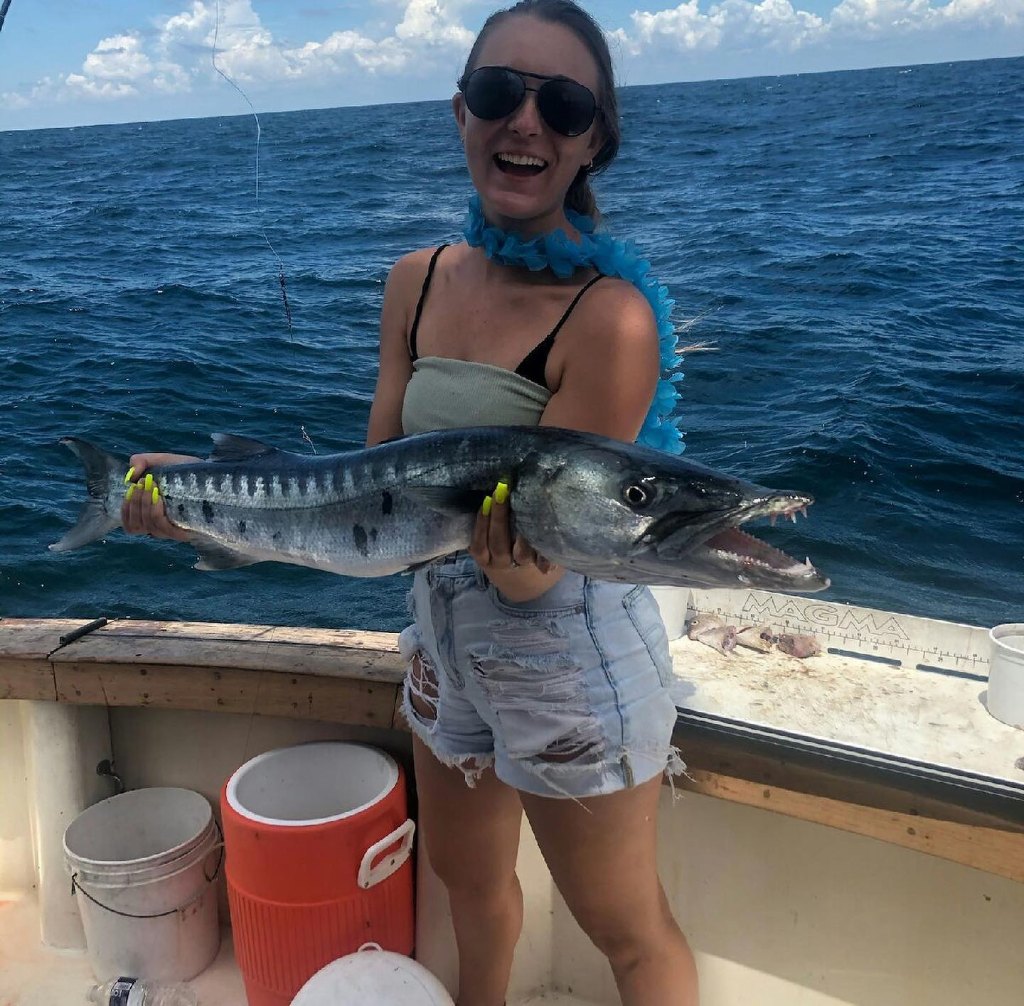
King Mackerel are the speed demons of Charleston's offshore scene, and they're absolute rockets when they hit your bait. These silver bullets typically run 15-40 pounds around here, with the bigger fish showing up during the warmer months from May through October. What makes kings so addictive is their initial run – they'll peel line off your reel like there's no tomorrow. Best part? They're excellent eating when handled properly, with firm white meat that's perfect for grilling or smoking.
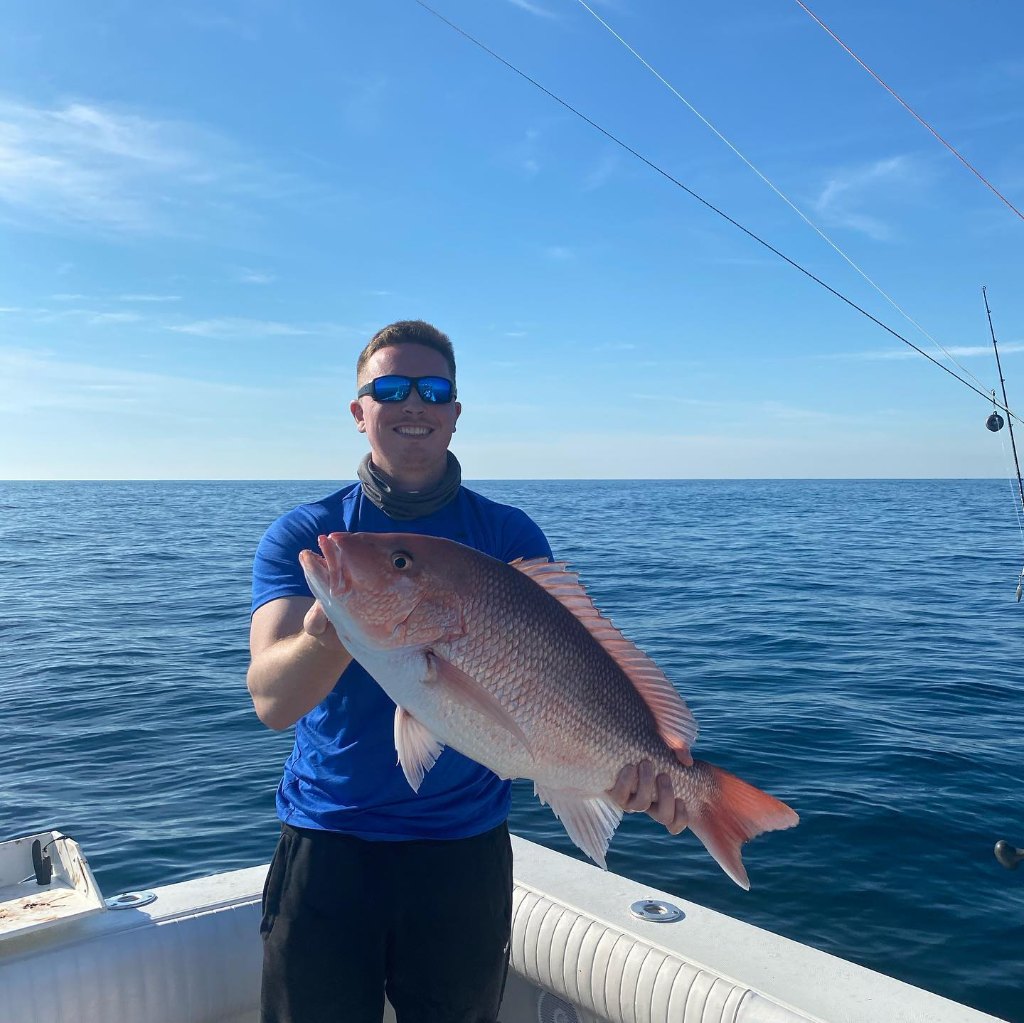
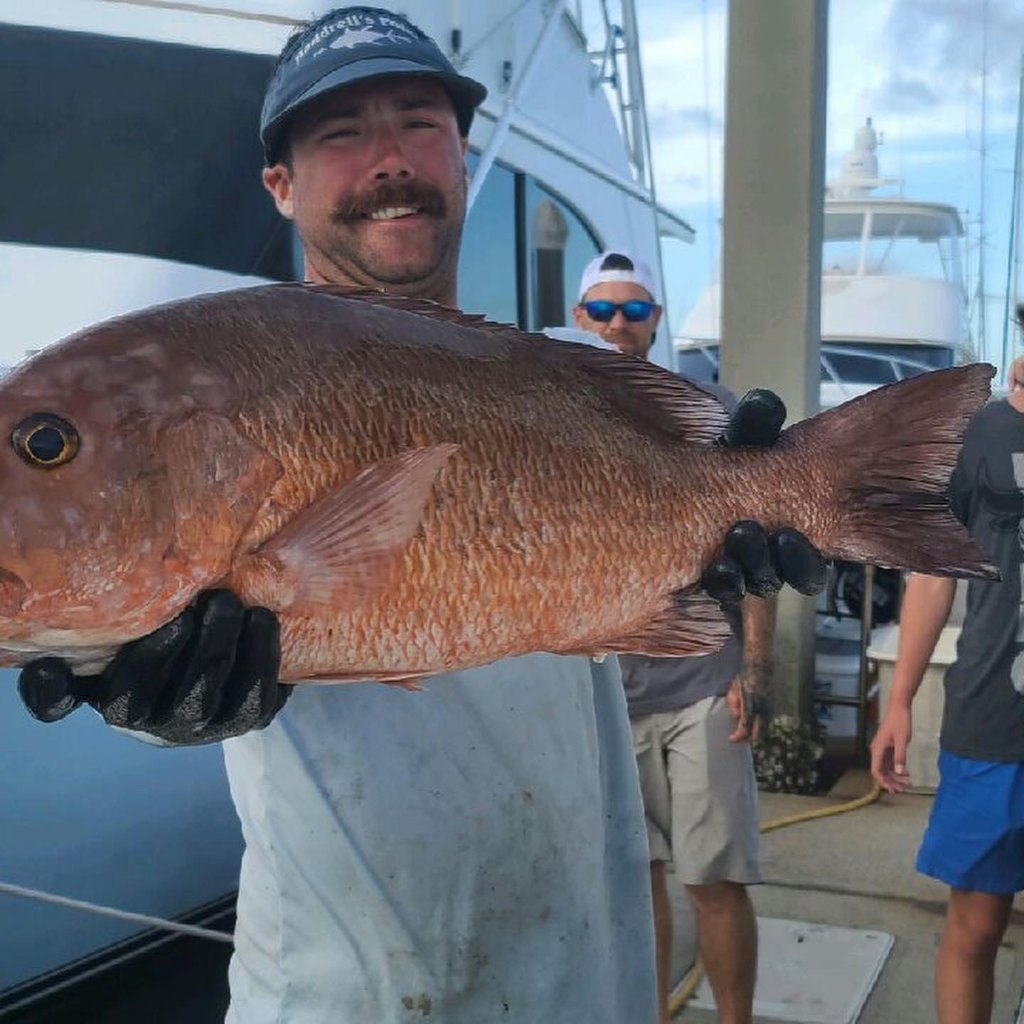
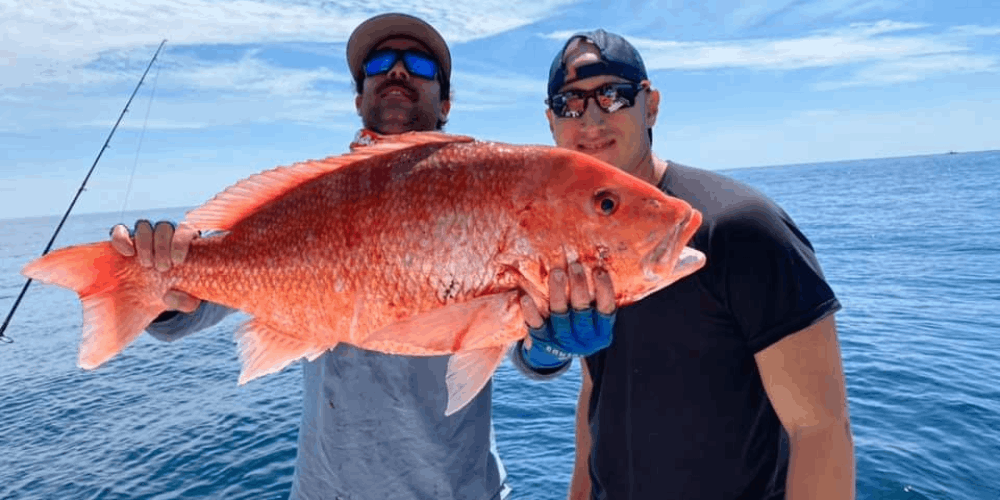
Red Snapper are the holy grail of reef fishing, and Charleston's offshore structure holds some beautiful fish. These crimson beauties are smart, strong, and absolutely delicious. They typically range from 5-15 pounds in our waters, with the occasional monster pushing 20-plus. Reds are structure-oriented fish, so you'll find them tight to the bottom around reefs and wrecks. They can be finicky eaters, but when they're feeding, it's game on. The key is getting your bait right to them before the sea bass and other aggressive feeders grab it.
Mutton Snapper are the underrated stars of Charleston reef fishing. These gorgeous fish sport yellow fins and a distinctive black spot, and they fight way above their weight class. Muttons are typically more active during warmer months and are known for their bulldogging runs back toward structure. They're also fantastic table fare – many locals consider them even better eating than their red cousins. The trick with muttons is patience; they often feed in schools, so where you catch one, there are usually more.
Gag Grouper are the bruisers of the reef, and landing one is always a battle. These mottled brown fighters can push 30+ pounds in Charleston waters and are known for their powerful runs straight back to their rocky hideouts. Gags are ambush predators that sit in holes and crevices, waiting for an easy meal to swim by. They're most active during cooler months, and there's nothing quite like the thump-thump-thump of a big gag trying to get back to its hole. Fair warning: they're notorious bait stealers, so be ready to set the hook at the first sign of a bite.
Black Sea Bass might be smaller than the other targets, but they make up for size with numbers and attitude. These feisty little fighters are abundant around Charleston's reefs and are perfect for keeping the action steady between bigger fish. They typically run 1-3 pounds, with the occasional jumbo pushing 5+. Sea bass are aggressive feeders and excellent for beginners to cut their teeth on. Plus, they're absolutely delicious – sweet, flaky white meat that's perfect for fish tacos or a good old-fashioned fish fry.
Time to Book Your Spot
Charleston's reef fishing doesn't get much better than this. With BoSs Fishing Company's experience, top-notch equipment, and access to the area's most productive fishing grounds, you're setting yourself up for the kind of day that becomes fish stories for years to come. The small group size means personalized attention, better fishing, and memories that'll last long after the sunburn fades. Whether you're looking to put dinner on the table or just need to get that fishing fix, this 8-hour adventure delivers the goods. The reefs are calling – time to answer.
 Private Trip
 Wrecks/Reefs Fishing
 Charleston


 Full-day Charleston reef fishing targeting snappers and groupers