Apalachicola Inshore Fishing - 4 Hour Adventure
When you're looking for some of Florida's best inshore fishing action, the waters around Apalachicola deliver in spades. This 4-hour charter puts you right in the thick of it, working the flats and nearshore structure where redfish cruise the shallows and trout stack up on grass beds. We'll cover water from the historic Apalachicola Bay all the way to the pristine beaches of St. George Island and Cape San Blas, hitting the spots where fish love to feed. Your captain knows these waters like the back of his hand, and with all your tackle, bait, and licenses included, you can focus on what matters most - putting fish in the boat.
What to Expect on the Water
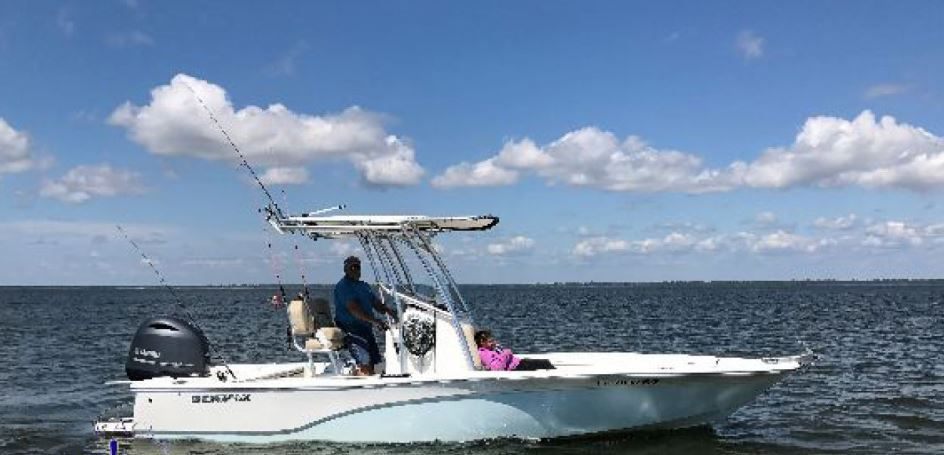
This trip keeps things relaxed but productive, perfect for families wanting to get everyone on fish or serious anglers looking to dial in on multiple species. You'll fish waters that range from crystal-clear flats where you can sight-cast to tailing reds, to deeper grass beds where trout and flounder ambush baitfish. The boat stays comfortable with space for up to 4 anglers, so nobody's bumping elbows when the bite gets hot. Your guide reads the conditions daily - wind, tide, and water clarity all play into where we fish and what techniques work best. Some days we're throwing topwater plugs at dawn, other trips we're working live shrimp under popping corks. The variety keeps things interesting and your chances high no matter what Mother Nature throws at us.
Techniques & Tackle Setup
We run light to medium tackle that matches perfectly with these inshore species - think spinning gear spooled with 15-20 pound braid and fluorocarbon leaders. Depending on what's biting, you might find yourself casting DOA shrimp imitations at redfish, bouncing jigs along channel edges for black drum, or working live bait under structure for tripletail. The guide provides all rods, reels, terminal tackle, and fresh bait, but feel free to bring your lucky lure if you've got one. Live shrimp and finger mullet are staples, but we also keep an arsenal of soft plastics, spoons, and plugs ready to go. The fishing style adapts to conditions - shallow water sight fishing when it's calm, deeper structure work when it's breezy, always moving to stay on active fish.
Species You'll Want to Hook
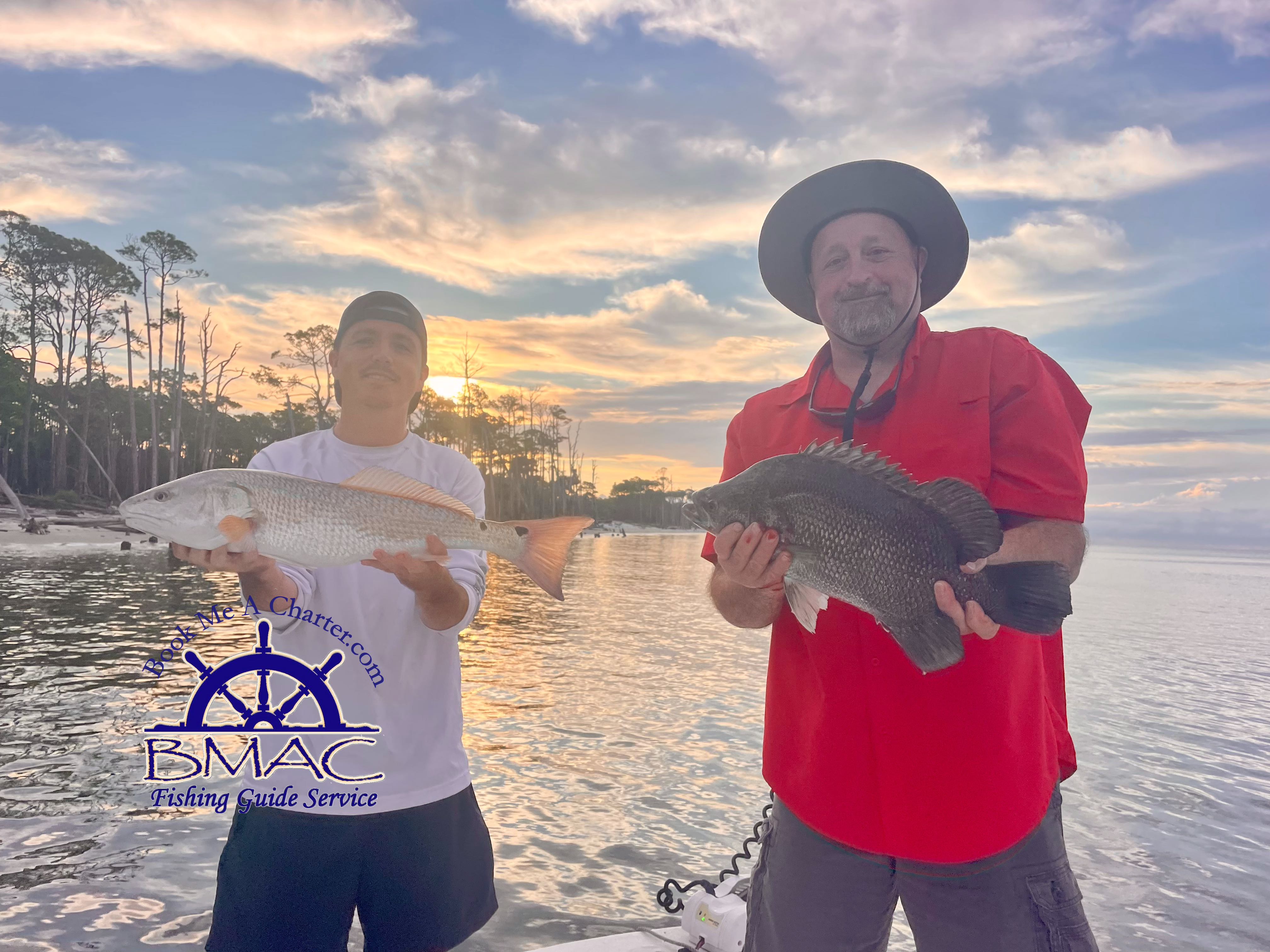
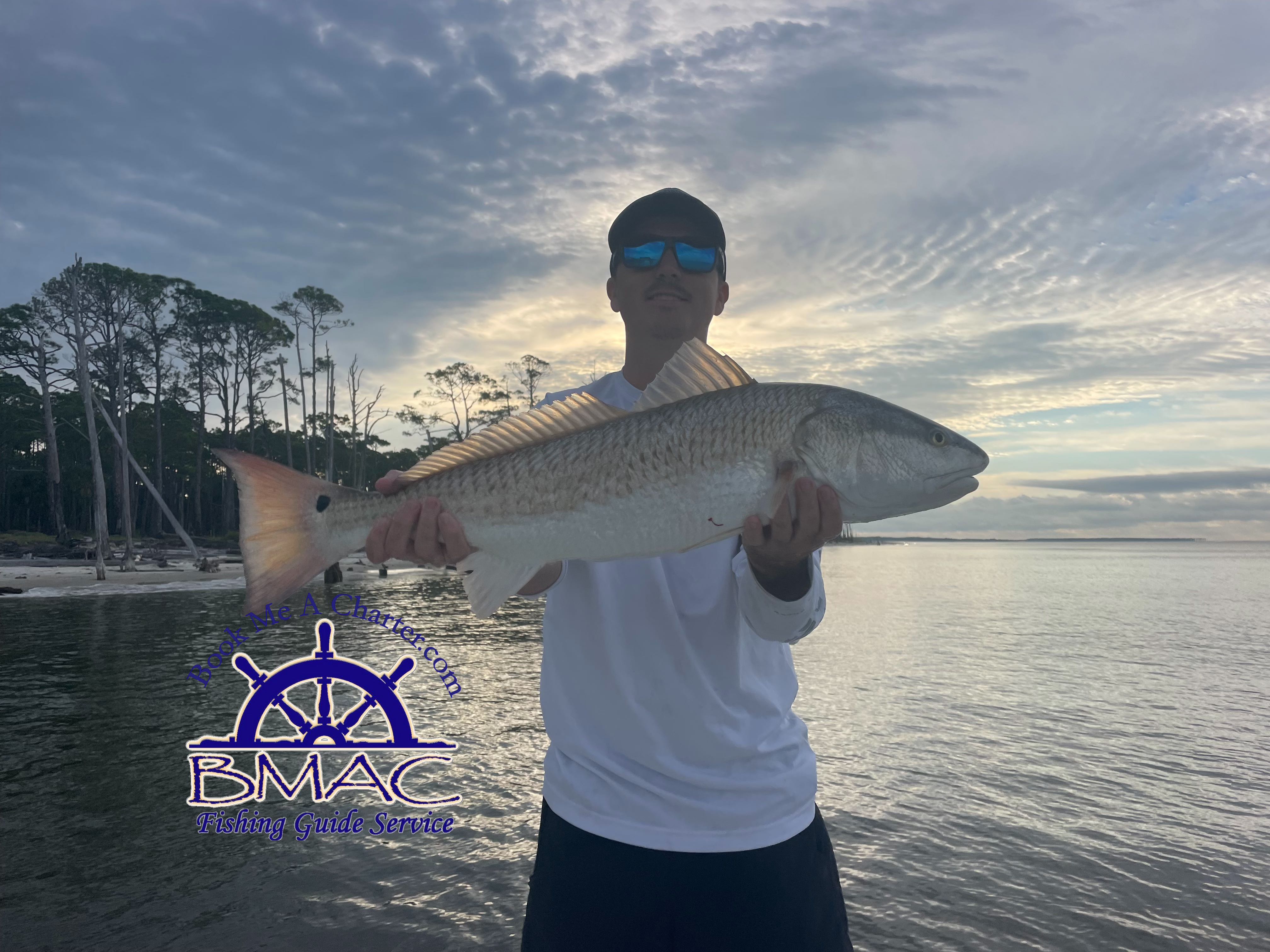
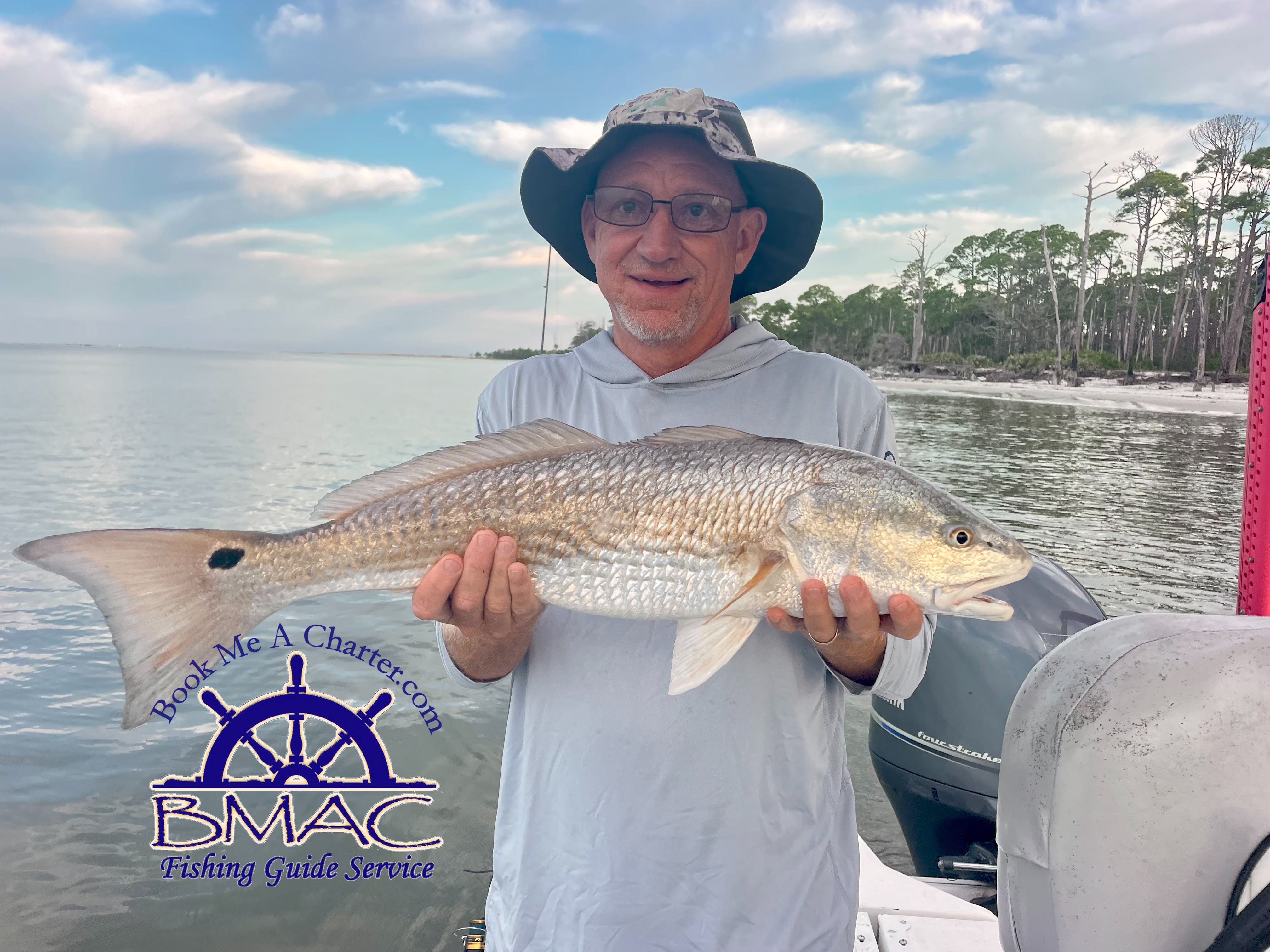
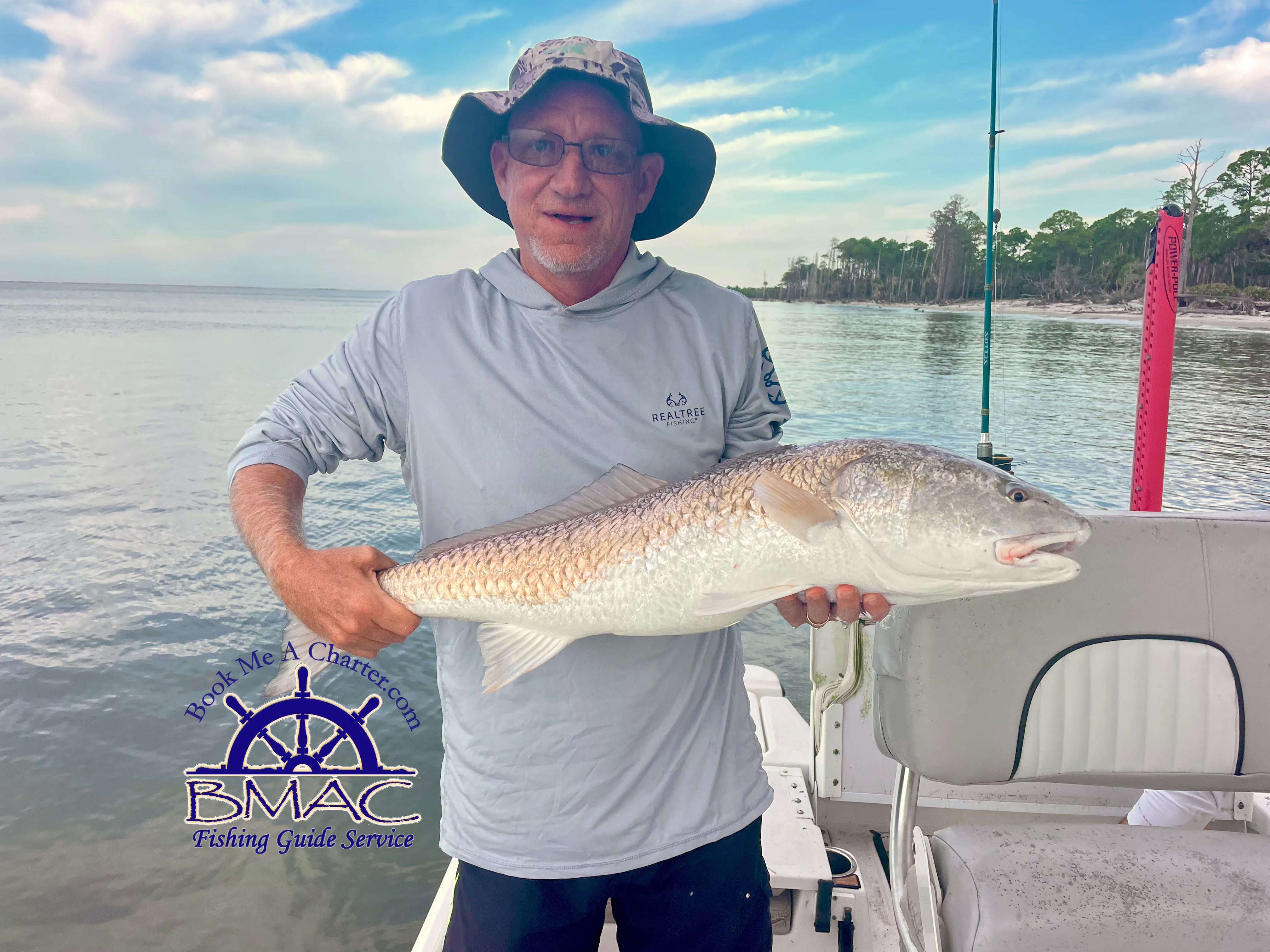
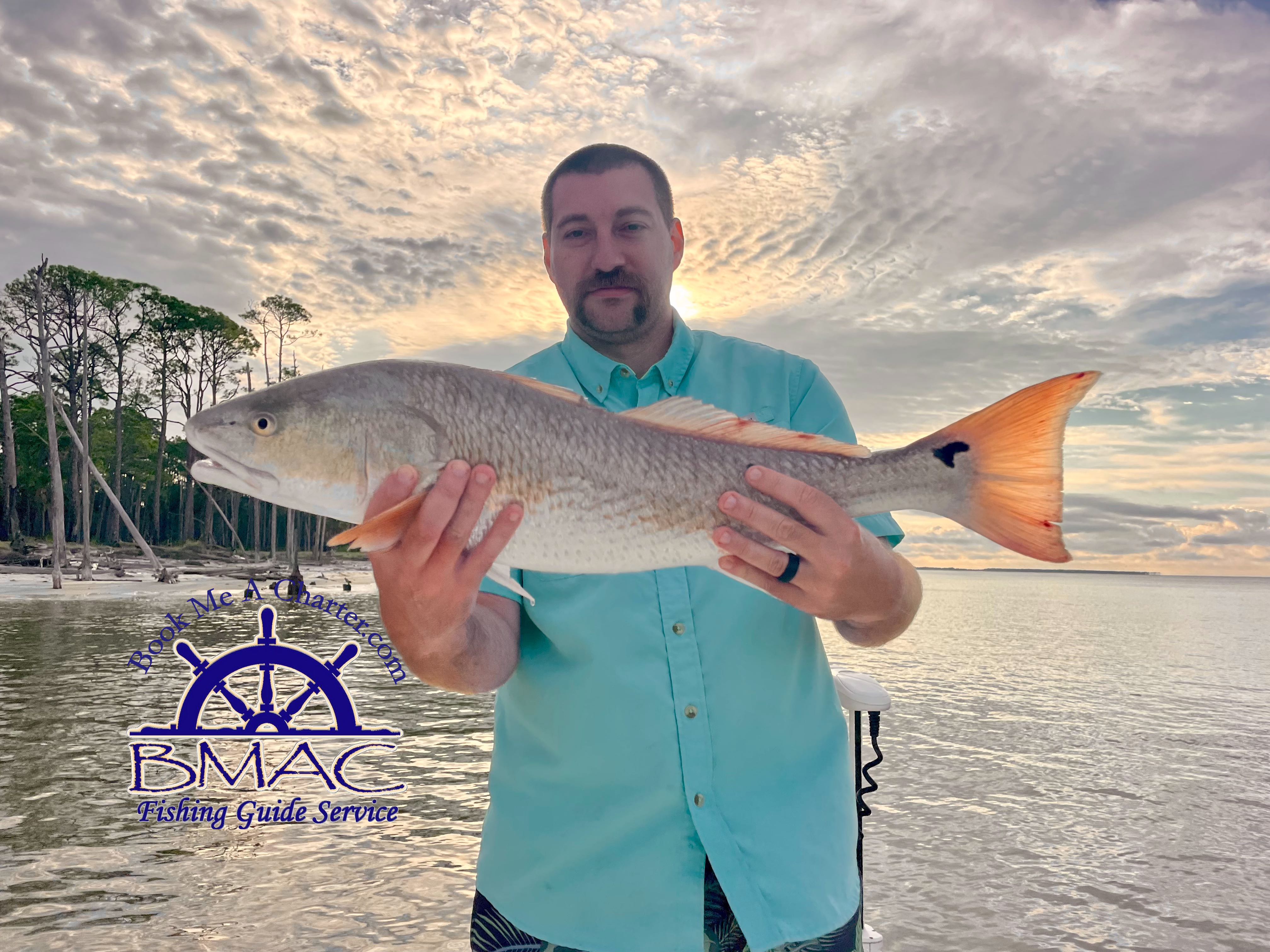
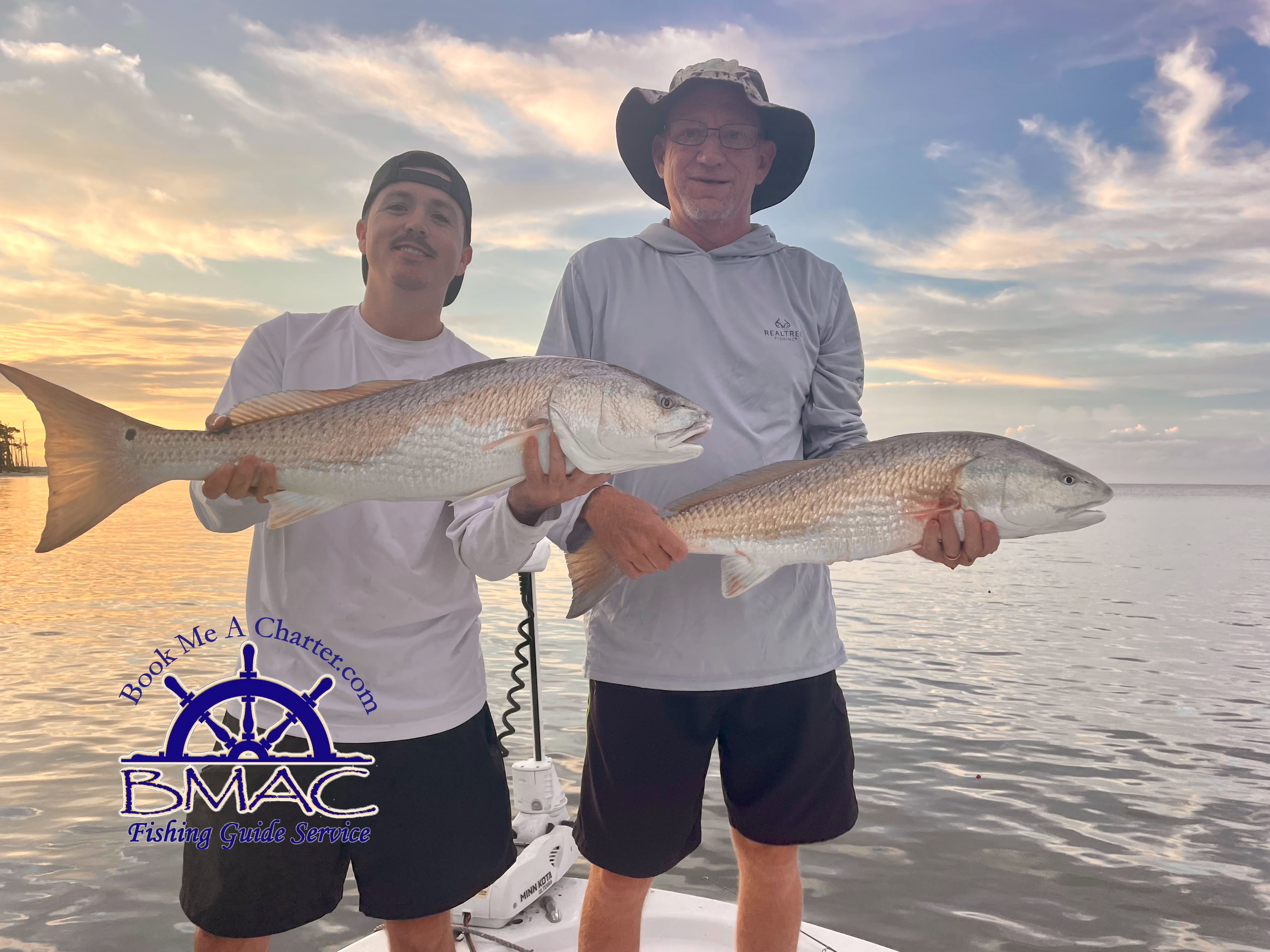
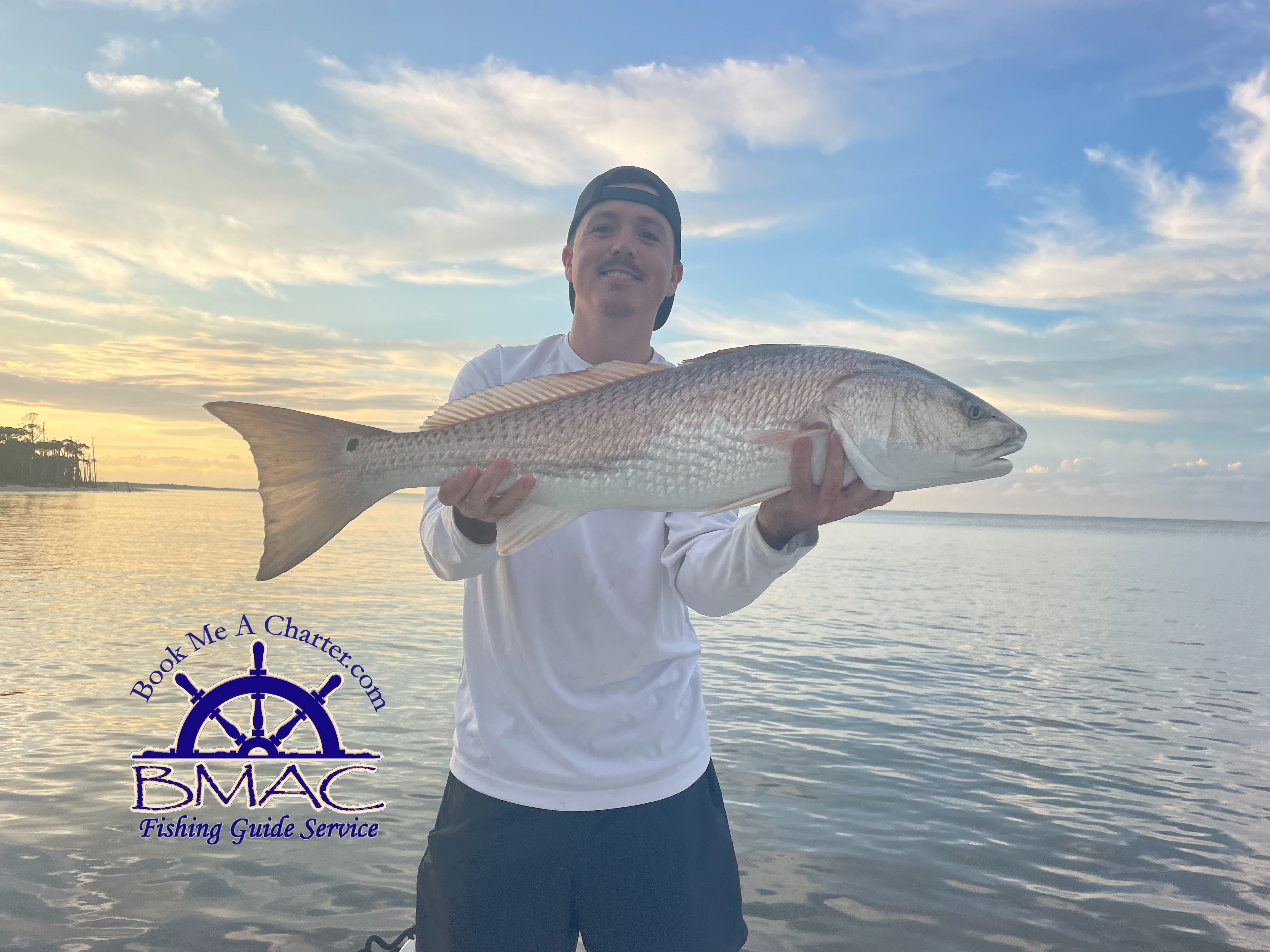
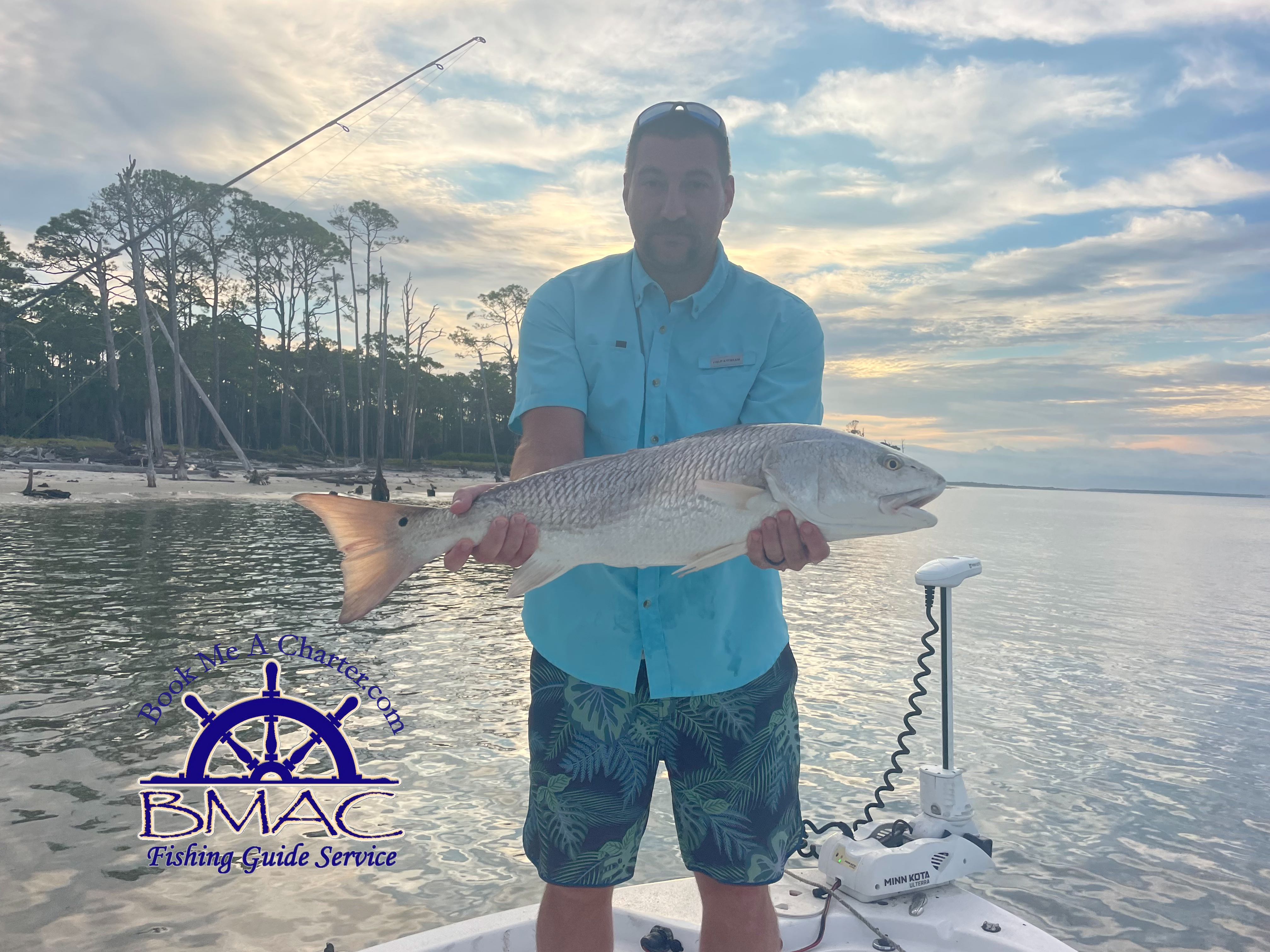
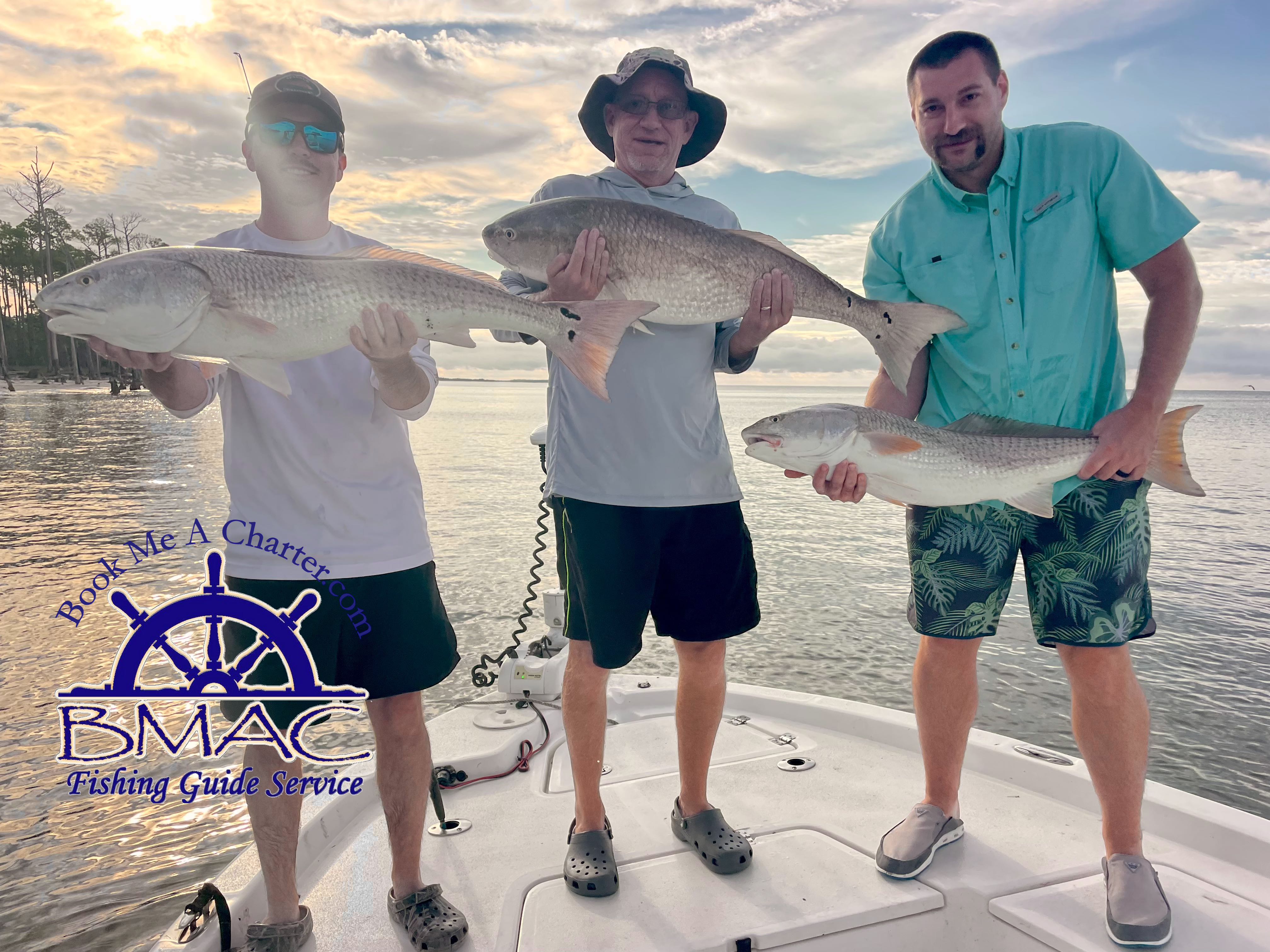
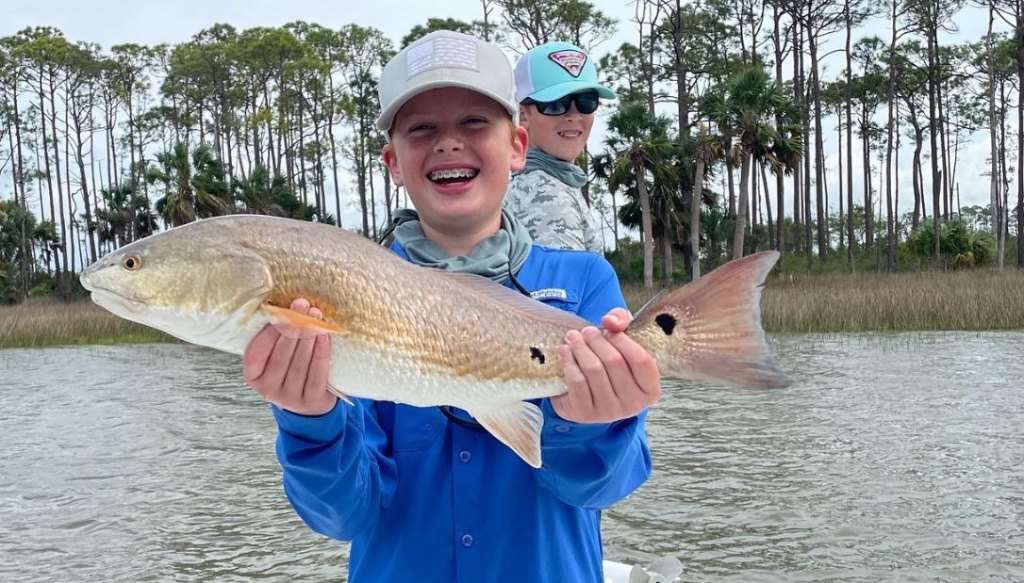
Redfish are the crown jewel of these waters, with fish ranging from schoolie slots to bruiser bulls pushing 40+ inches. They're most active during moving tides, especially around oyster bars and grass flats where they root for crabs. Fall and spring offer the most consistent action, though summer brings the big schools. What makes reds special here is their willingness to eat - they'll crush everything from topwater plugs to live shrimp, and their drag-screaming runs never get old.
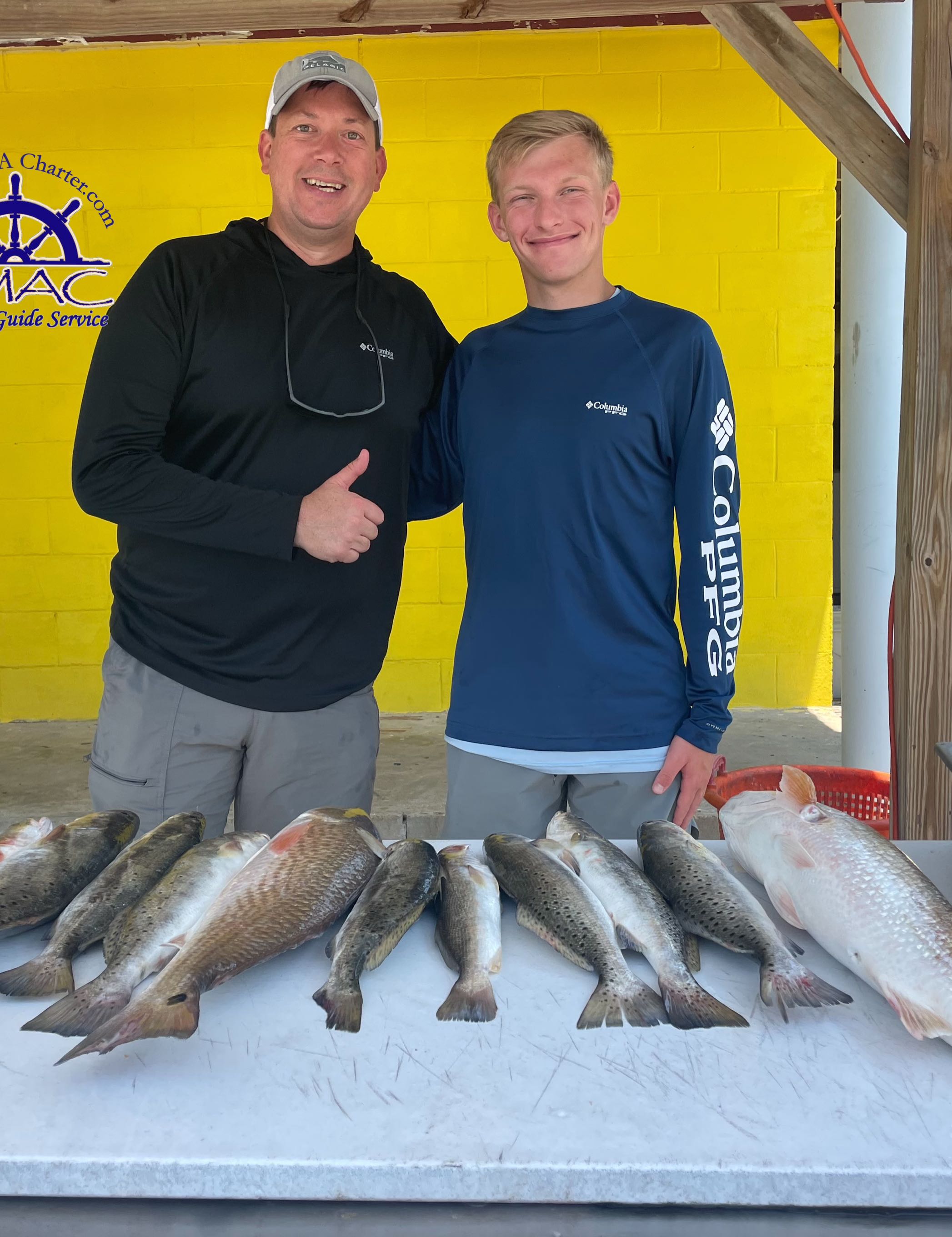
Sea Trout stack up on the grass beds throughout the area, with the best fish coming during cooler months when they school in deeper holes. These spotted beauties are notorious for their soft mouths, so keeping steady pressure without horsing them is key. The 15-20 inch fish are most common, but gator trout over 5 pounds show up regularly for anglers who know how to target them. They're suckers for live shrimp fished under popping corks, especially during first light.
Tripletail might be the most unique species you'll encounter - these odd-looking fish float like debris around structure, from channel markers to crab trap floats. Summer months bring the best tripletail action, and once you spot one, the fight is on. They're strong, bulldogging fish that dive for cover, and at 3-10 pounds, they're perfect table fare. Finding them is half the battle, but guides who know what to look for can put you on multiple fish per trip.
Black Drum are the overlooked heavyweights of the flats, with fish ranging from 5-30 pounds cruising oyster beds and channel edges. They're bottom feeders with incredible pulling power, perfect for anglers who want to test their tackle. Peak season runs spring through fall, and they're particularly active during spawning season when big schools gather in deeper water. Fresh shrimp or blue crab gets their attention every time.
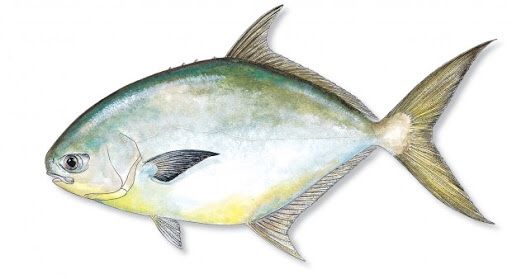
Florida Pompano are pure silver bullets when hooked, making screaming runs across the flats before turning and doing it again. These 1-3 pound fish are some of the best eating in the Gulf, with sweet, flaky meat that's perfect for the dinner table. They love sandy bottom near structure and respond well to small jigs tipped with shrimp. Spring and fall migrations offer the most consistent pompano action.
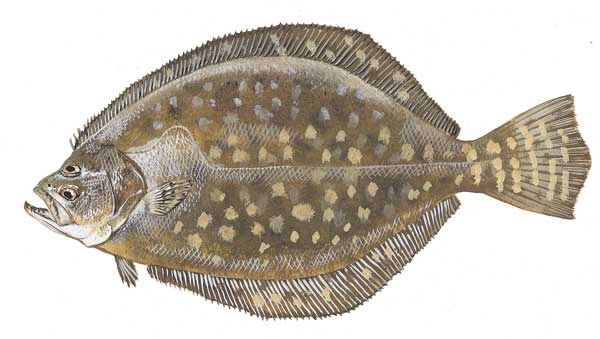
Southern Flounder are the masters of camouflage, lying perfectly still on sandy bottom until baitfish swim overhead. These flatfish can surprise you with their size - 3-8 pounders are common, with doormat flounder over 20 inches providing bragging rights. They're structure-oriented fish that love channel edges, dock pilings, and grass line drop-offs. Live finger mullet or soft plastic jigs bounced along the bottom are deadly effective.
Time to Book Your Spot
Four hours on these world-class inshore waters gives you plenty of time to target multiple species while soaking up the natural beauty of Florida's Forgotten Coast. Whether you're a first-timer looking to learn the ropes or an experienced angler wanting to explore new waters, this trip delivers the goods. With tackle, bait, and licenses all handled, you just need to bring sunscreen, snacks, and drinks for a day on the water. Book your charter with Book Me A Charter Guide Service and get ready to see why Apalachicola's inshore fishing keeps anglers coming back year after year.
 Private Trip
 Inshore Fishing
 Apalachicola, FL



 Target redfish, trout, and flounder in Apalachicola waters