Vero Beach Nearshore Fishing for Skilled Anglers
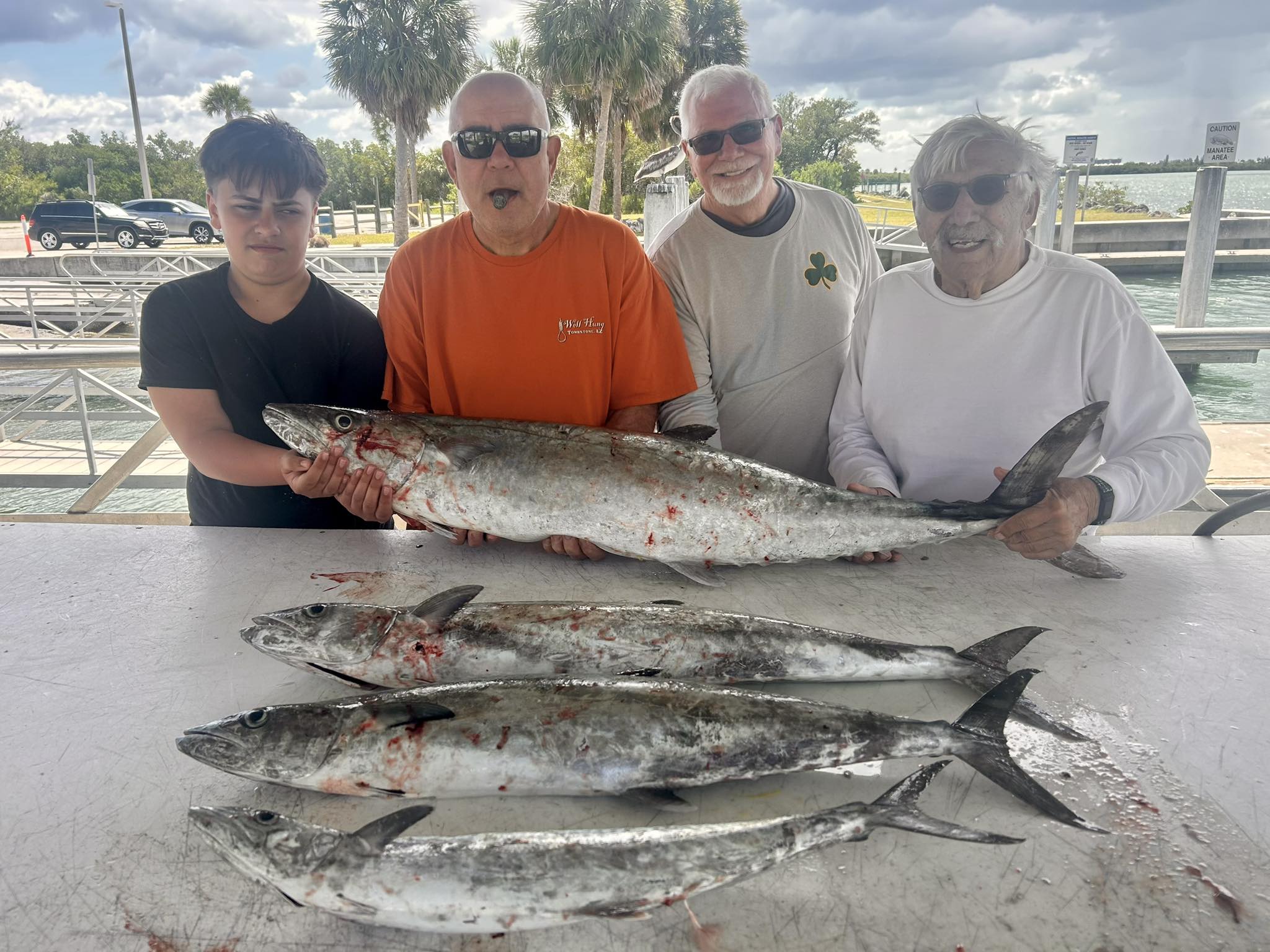
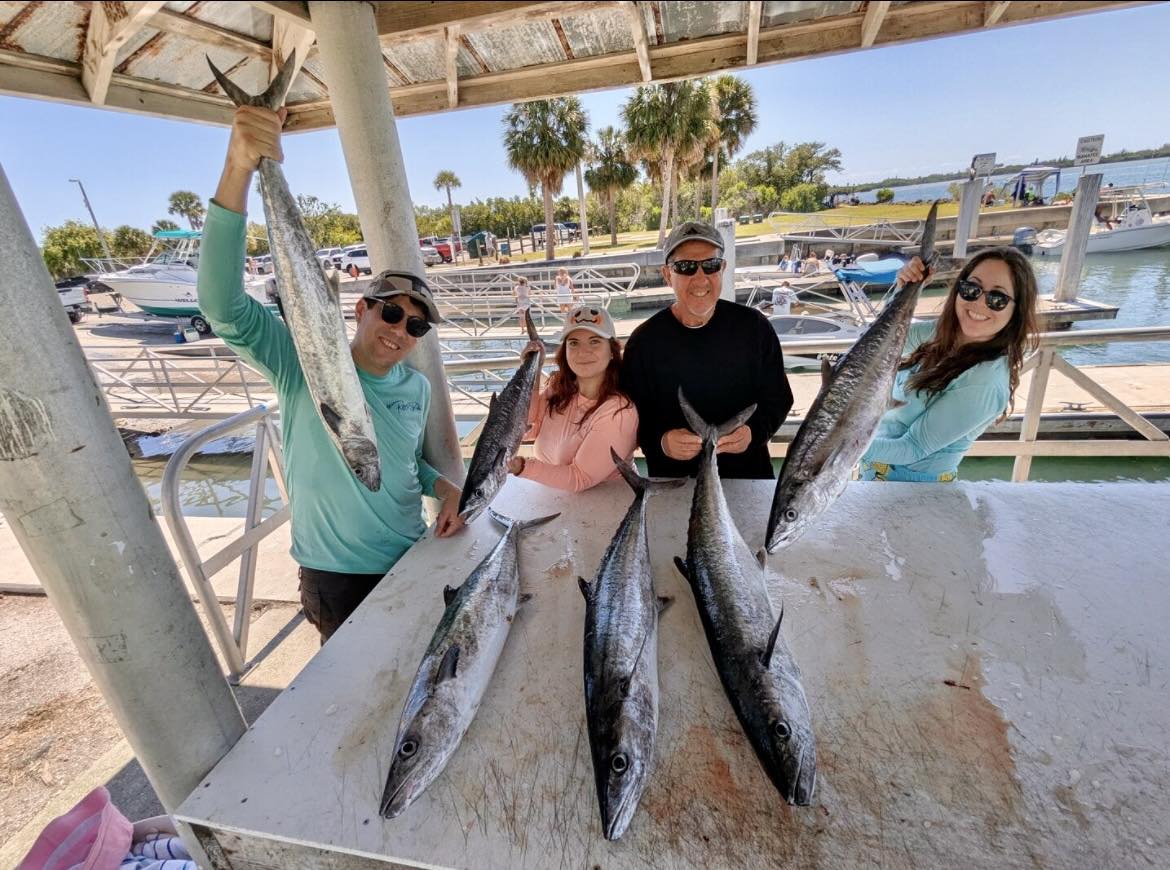
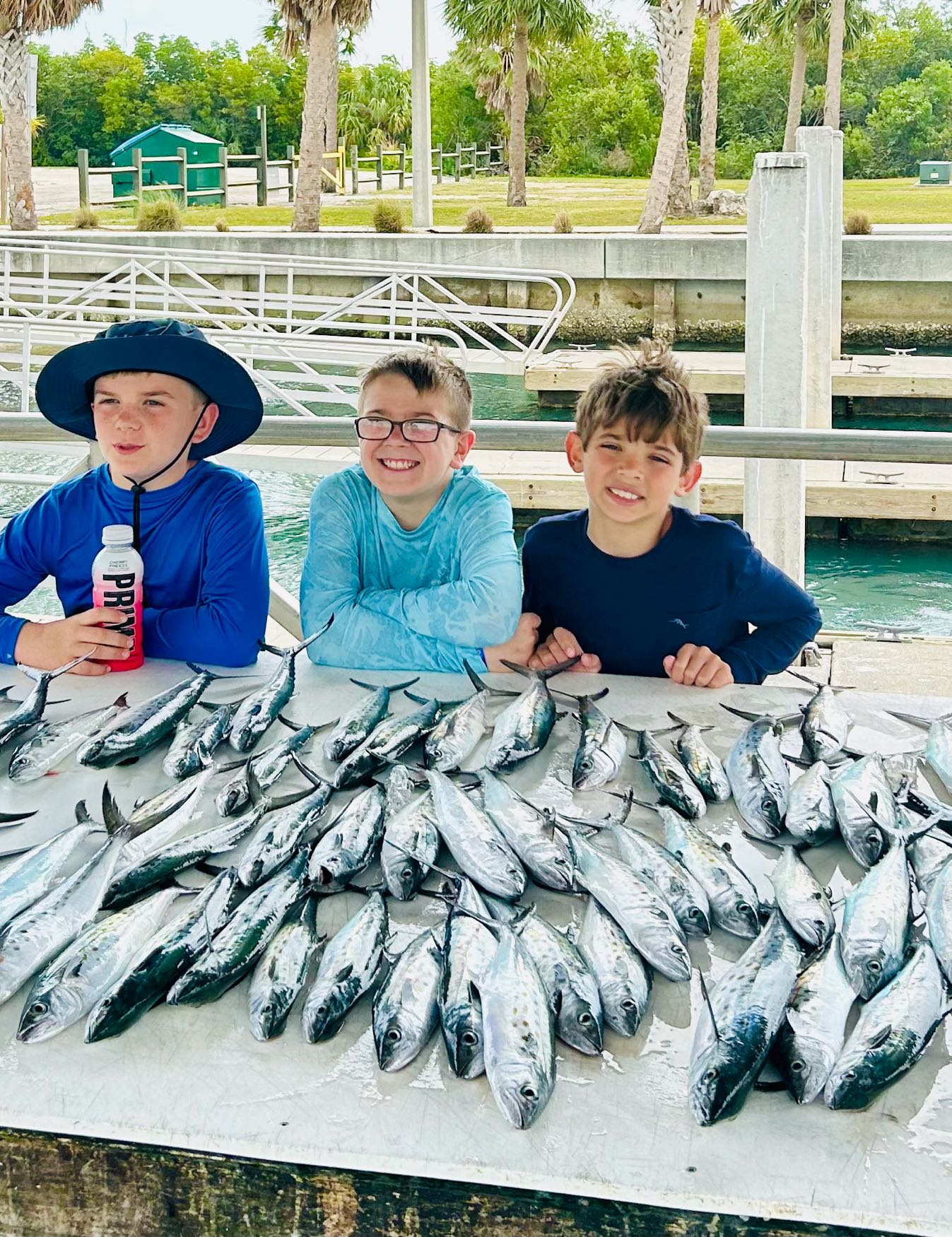
When you're ready to get serious about fishing the nearshore waters off Vero Beach, this full-day charter is exactly what you've been looking for. We're talking about a solid 8-hour trip that puts you right in the sweet spot - just 3 miles from shore where the fish are feeding and the action stays hot all day long. This isn't your typical tourist fishing trip; it's designed for anglers who know what they want and aren't afraid to work for it. You'll be targeting some of Florida's most prized species in waters that have been producing trophy fish for decades. Bring your drinks, pack some snacks, and get ready to put your skills to the test in some of the most productive nearshore waters on the Treasure Coast.
What to Expect on the Water
Your day starts early, and that's exactly how we like it. The nearshore waters off Vero Beach come alive at first light, and that's when the smart money gets on the water. We'll cruise out those 3 miles to structure that's been holding fish consistently, and you'll immediately understand why this area has such a reputation among serious anglers. The bottom composition changes dramatically once you hit these depths, creating the perfect habitat for grouper, snapper, and other bottom dwellers that make this fishery so special. You're looking at water depths ranging from 40 to 80 feet, with plenty of structure, ledges, and artificial reefs that concentrate the baitfish and attract the predators you're after. The boat stays positioned perfectly over productive spots, and with only 4 anglers maximum, you'll have plenty of room to work and won't be fighting for rail space. This trip runs for a full 8 hours, giving you the time needed to really dial in the bite and make the most of changing conditions throughout the day.
Tackle and Techniques
We come equipped with premium tackle that's specifically rigged for nearshore bottom fishing, and that makes all the difference when you're dealing with structure-loving species like grouper and snapper. You'll be fishing with conventional reels spooled with heavy braid, because when a big gag grouper tries to head for the rocks, you need the stopping power to turn that fish around fast. Circle hooks are the standard here - they're required for certain species and they significantly improve your catch and release success rates. The rigs vary depending on current and what we're targeting, but expect to see everything from knocker rigs for tight structure work to fish finder rigs when we're covering more open bottom. Fresh bait is key in these waters, and we keep a good selection of sardines, pinfish, and cut bait that's proven to produce. When the bite is on, you might find yourself dropping baits on 6-8 ounce sinkers to get down quickly and stay in the strike zone. The technique is straightforward but requires attention - drop to the bottom, reel up a turn or two, and stay alert. These fish don't mess around, and neither should you.
Species You'll Want to Hook
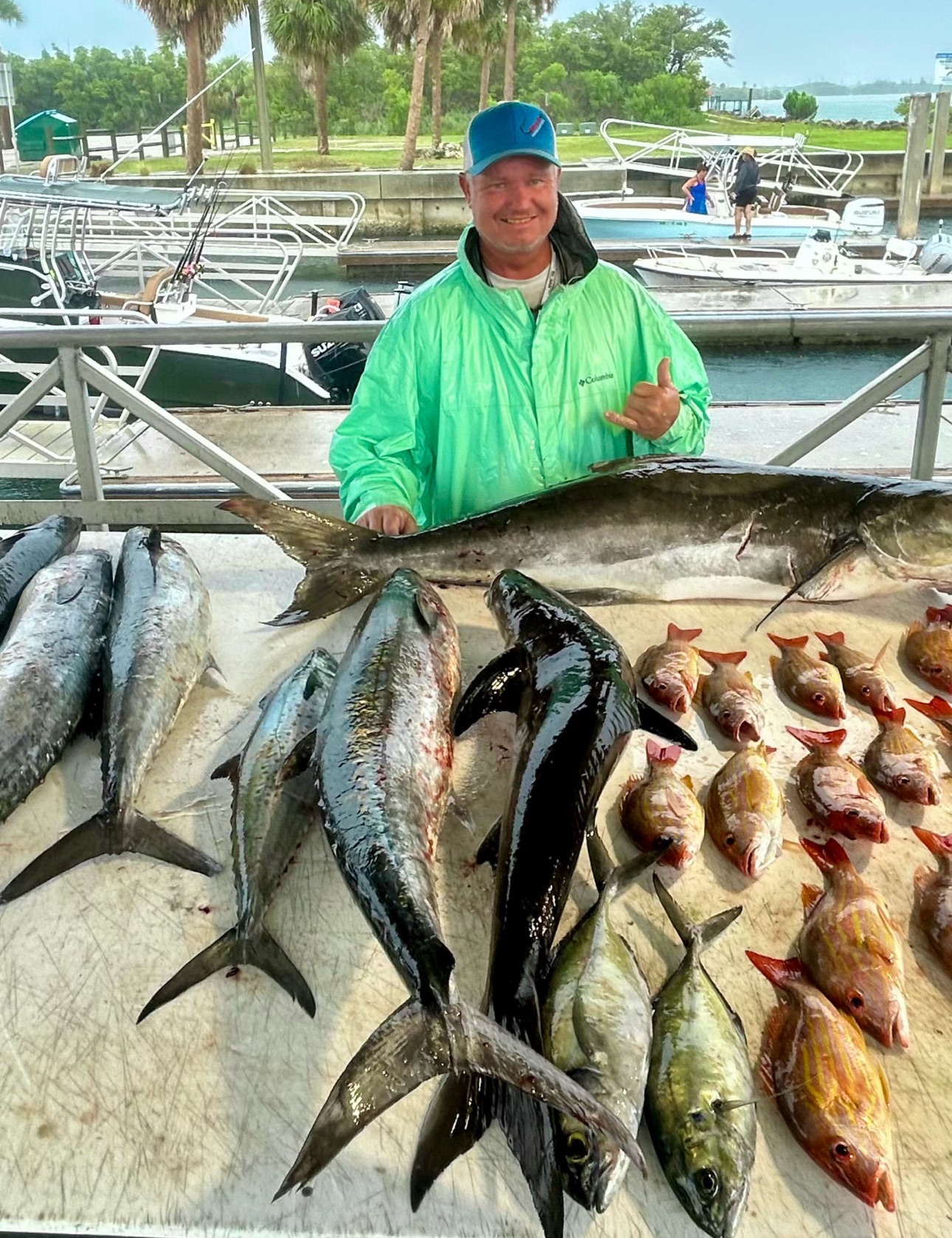
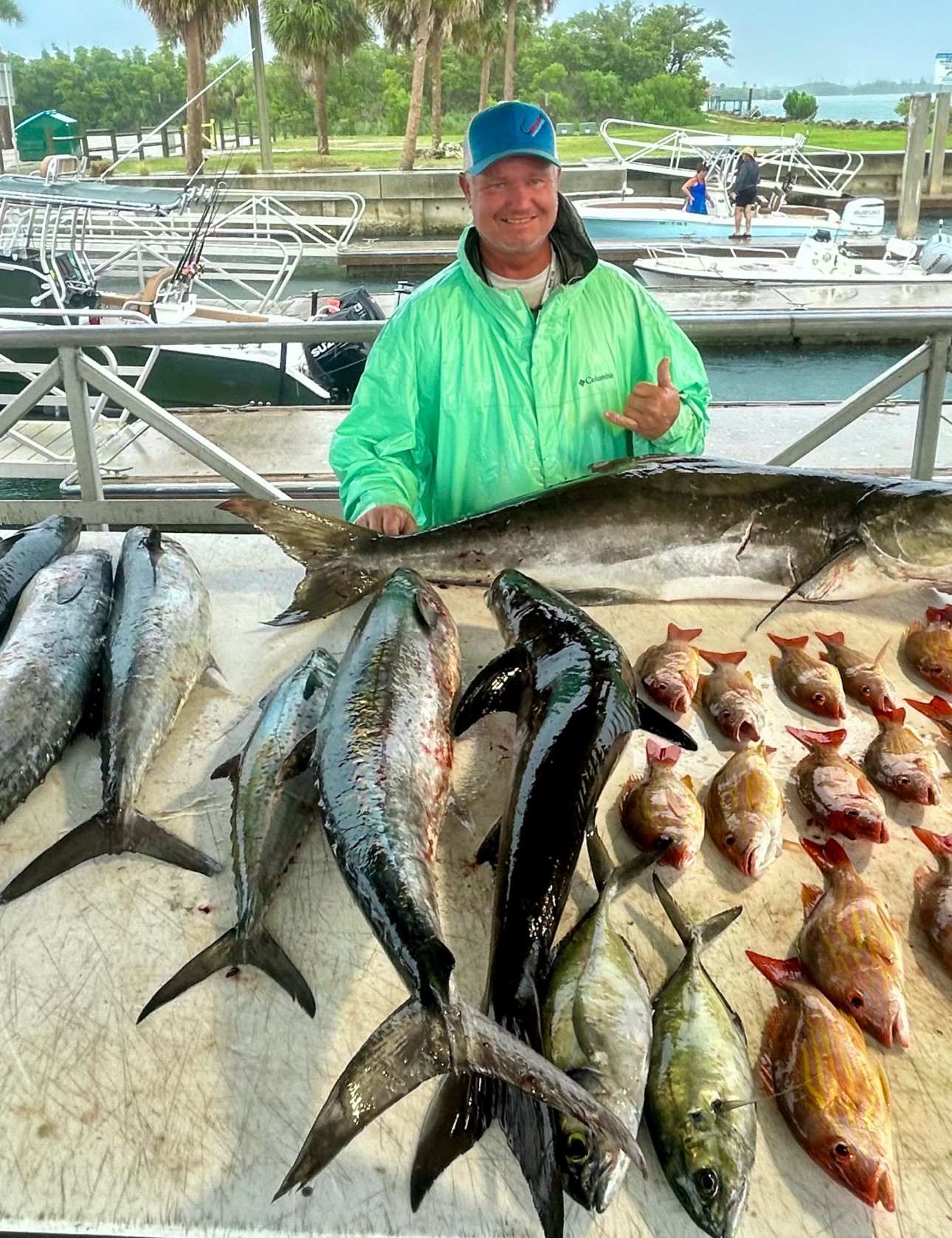
Gag Grouper are the crown jewel of nearshore fishing around Vero Beach, and for good reason. These fish are smart, strong, and absolutely delicious. Gags typically range from 5 to 25 pounds in these waters, with the occasional trophy pushing 30 pounds or more. They're most active during the cooler months from November through April, when they move into shallower water to feed. What makes gag grouper so exciting is their fight - they hit hard, dive for structure immediately, and test every component of your tackle. The key to success is getting them up and away from the bottom quickly, which is why we use heavy tackle and don't mess around once the hook is set.
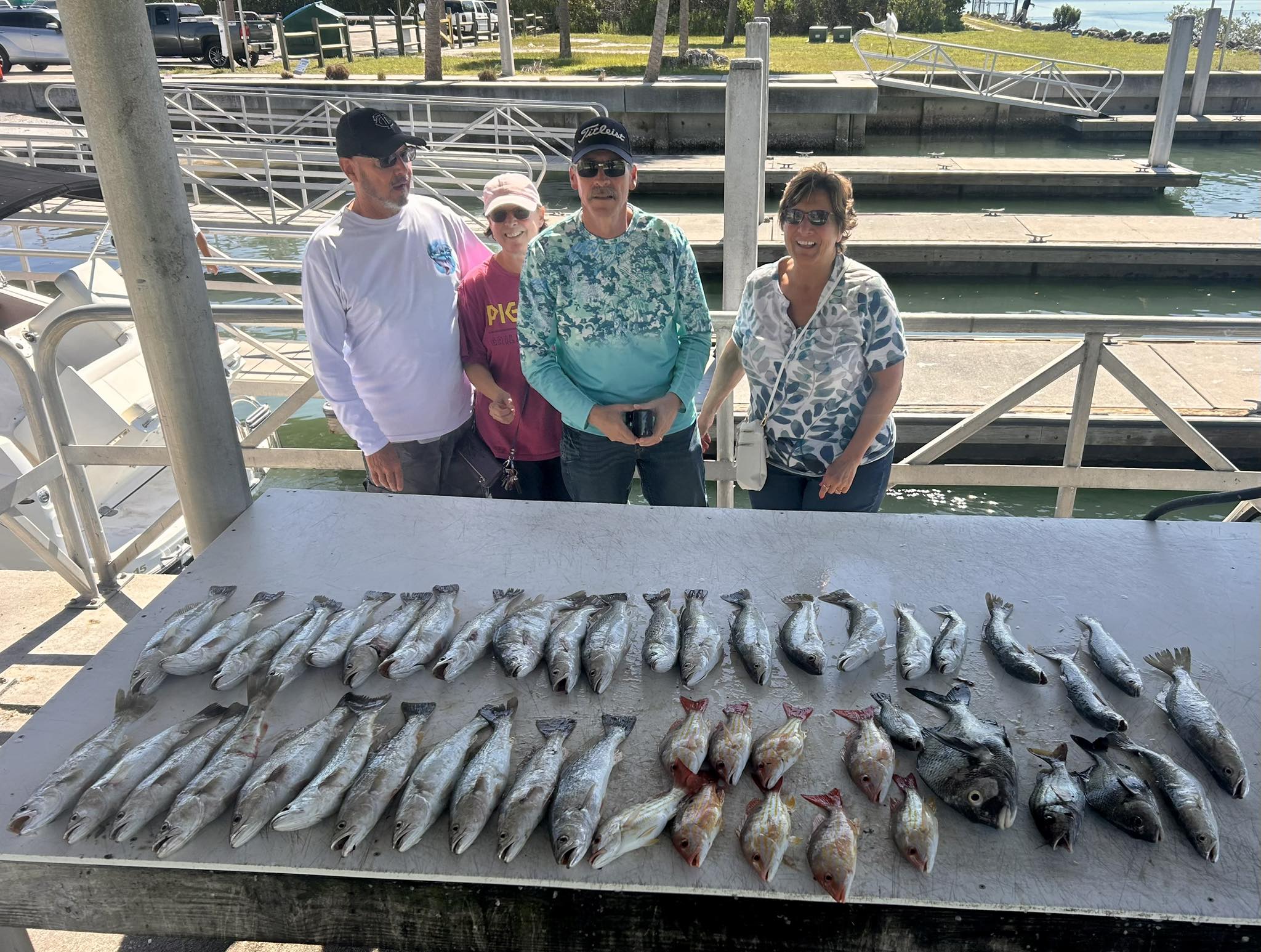
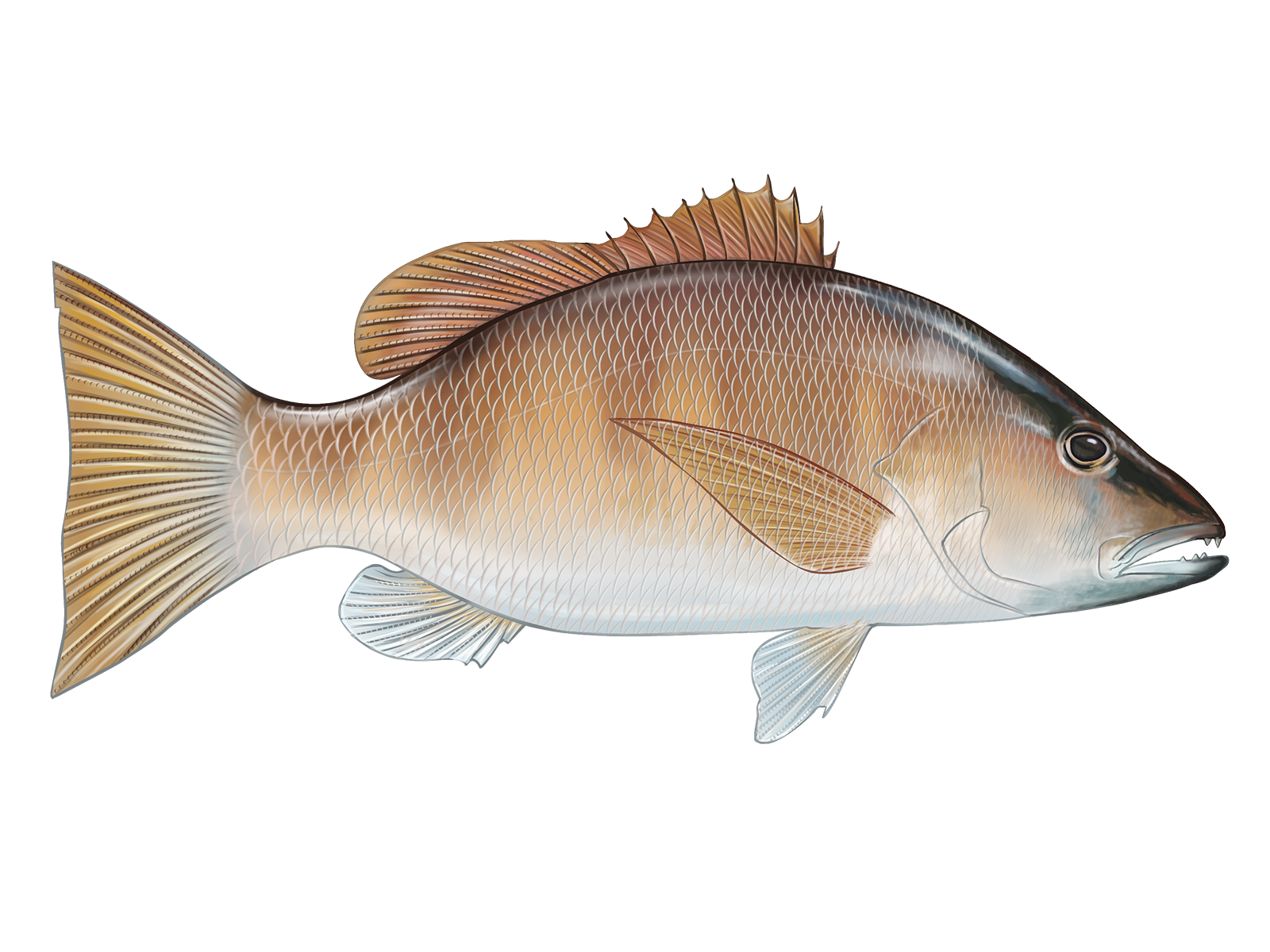
Grey Snapper, also known as mangrove snapper, are year-round residents that provide consistent action when other species might be finicky. These fish are incredibly abundant in the 12 to 18-inch range, with larger specimens reaching 4 to 6 pounds. They're notorious bait stealers, so you'll need to stay sharp and set the hook at the slightest tap. What anglers love about grey snapper is their cooperative nature - where you catch one, you'll usually find more. They school up on structure and feed aggressively, especially during moving tides.
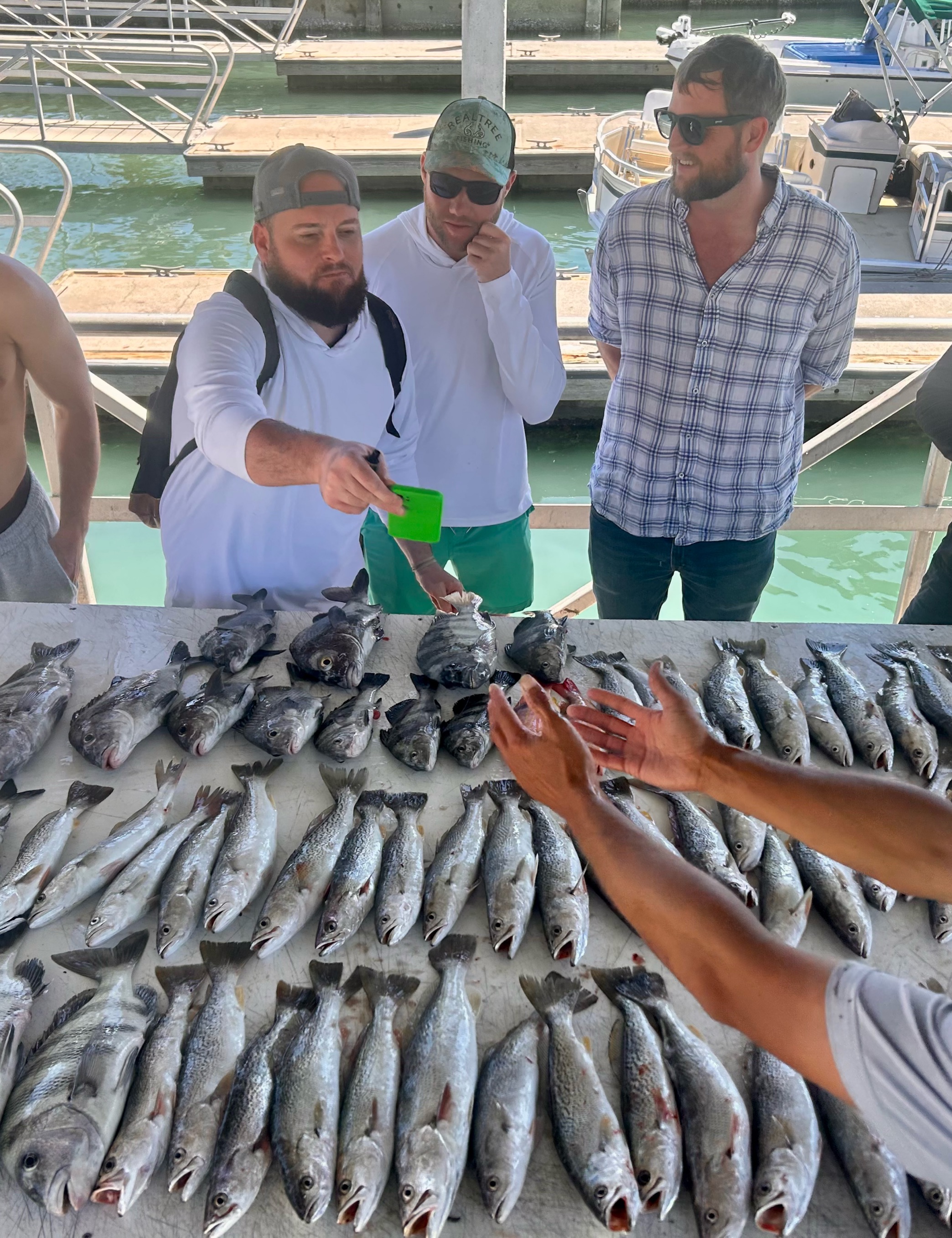
Sheepshead are the technical challenge that keeps things interesting. These black and white striped fish have some of the strongest jaws in the ocean, capable of crushing barnacles and crabs with ease. They're most active during the winter months and early spring, and they require a completely different approach. Light tackle, small hooks, and live shrimp or fiddler crabs are essential. Sheepshead rarely exceed 5 pounds, but their fight is impressive for their size, and they're considered some of the best eating fish in the ocean.
Sea Trout add a different dimension to the nearshore experience, especially around grass flats and sandy areas adjacent to the hard bottom structure. These fish are most active during the warmer months and provide explosive strikes on both live and artificial baits. Trout in the 2 to 5-pound range are common, with occasional fish pushing 6 pounds or more. They're perfect for anglers who enjoy variety, as they'll hit everything from live shrimp to soft plastic jigs.
Snowy Grouper represent the ultimate nearshore challenge. These deep-water specialists occasionally move into the 60 to 80-foot depths we fish, particularly during the winter months. They're significantly larger than gag grouper, with fish in the 10 to 30-pound range being typical. Snowy grouper are less common but provide an opportunity for a true trophy fish. When you hook one, you'll know immediately - they have incredible power and will test your tackle to its limits.
Time to Book Your Spot
This nearshore fishing experience represents everything that makes Vero Beach such a special fish
 Private Trip
 Shore Fishing
 Vero Beach


 Full day nearshore fishing just 3 miles from Vero Beach coast