Fort Lauderdale Fishing Charters
There's something special about heading out into the deep blue waters off Fort Lauderdale with Captain Taco at the helm. This isn't your typical half-day charter where you're stuck trolling the same tired grounds - we're talking about a legitimate 4-hour sportfishing adventure that puts you right where the big fish live. Captain Taco's Hooked Up Sportfishing has been putting anglers on quality fish in these waters, and whether you're chasing your first sailfish or looking to add another kingfish to your season tally, this charter delivers the goods. Fort Lauderdale's offshore waters are known for holding some serious fish, and with a maximum of 6 anglers aboard, you're not fighting crowds for rod time.
What to Expect on the Water
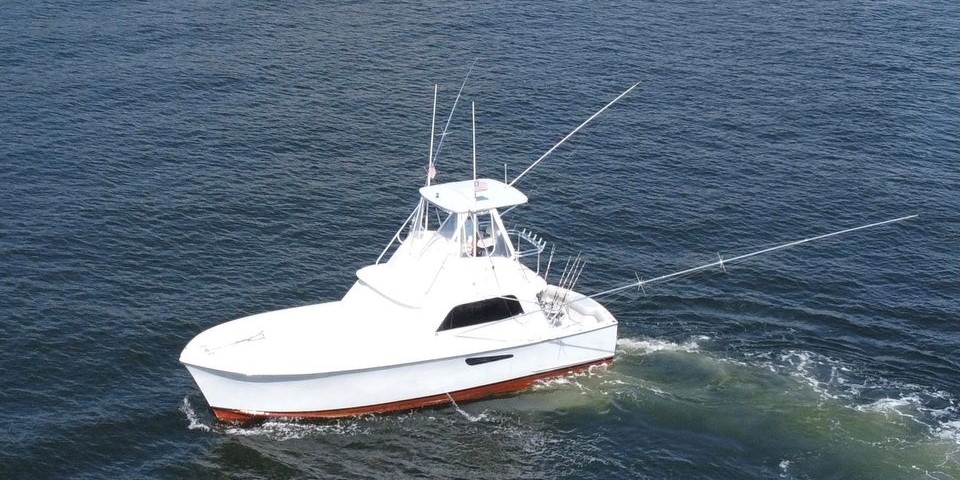
Captain Taco runs his operation like a true sportfishing charter should - professional, focused, and all about putting fish in the boat. Your 4-hour window gives you plenty of time to work different depths and structures without feeling rushed. We're talking about real offshore fishing here, not some inshore milk run. The boat heads out to where the Gulf Stream's influence brings in the bait, and that's where you'll find the action. Morning trips often start strong as the fish are actively feeding, while afternoon charters can be perfect when the bite picks up later in the day. Captain Taco reads the water and adjusts the game plan based on what's happening out there - that's the difference between a guide who knows these waters and someone just going through the motions. The boat is set up for serious fishing with quality tackle and the captain handles all the technical stuff, so you can focus on what matters most: fighting fish.
Trolling Tactics & Gear
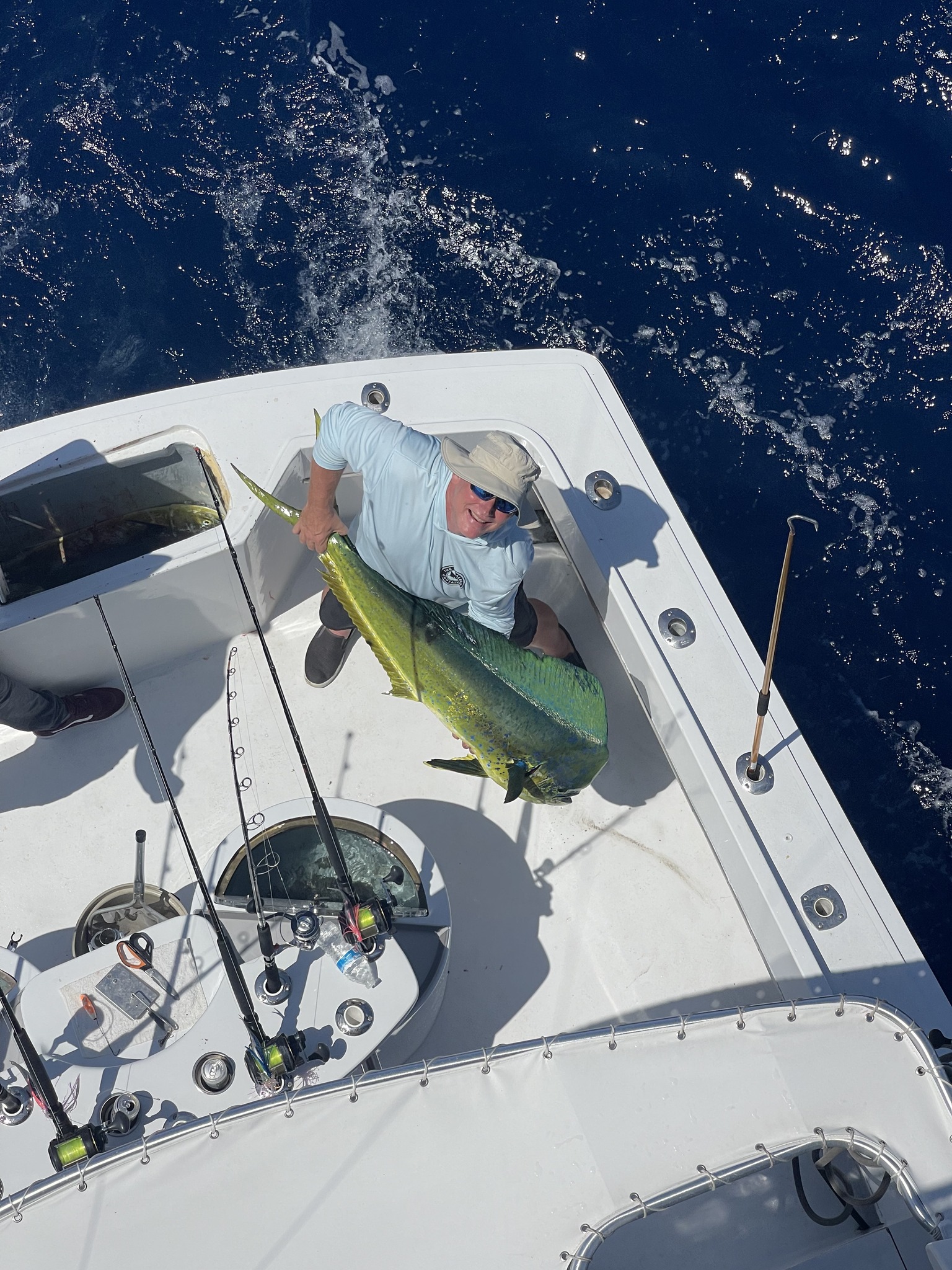
Out here in Fort Lauderdale's offshore waters, we're primarily trolling to cover water and locate active fish. Captain Taco sets a spread of baits and lures designed to attract everything from fast-moving kingfish to the sailfish that cruise these waters. The boat carries proper offshore tackle - we're talking about reels with serious drag systems and rods that can handle the long runs these pelagic species are known for. When a sail lights up a bait, you'll know it immediately. The key to success out here is staying mobile and reading the signs - bird activity, bait schools, temperature breaks, and current lines all play a role in where we set up. The captain handles boat positioning and bait presentation while you focus on the fight. Circle hooks are standard for billfish conservation, and Captain Taco knows the proper release techniques to ensure these trophy fish swim away healthy. The tackle is matched to the species we're targeting, so you're not over-gunned for bonito or under-equipped when a big cobia decides to crash the party.
Top Catches This Season
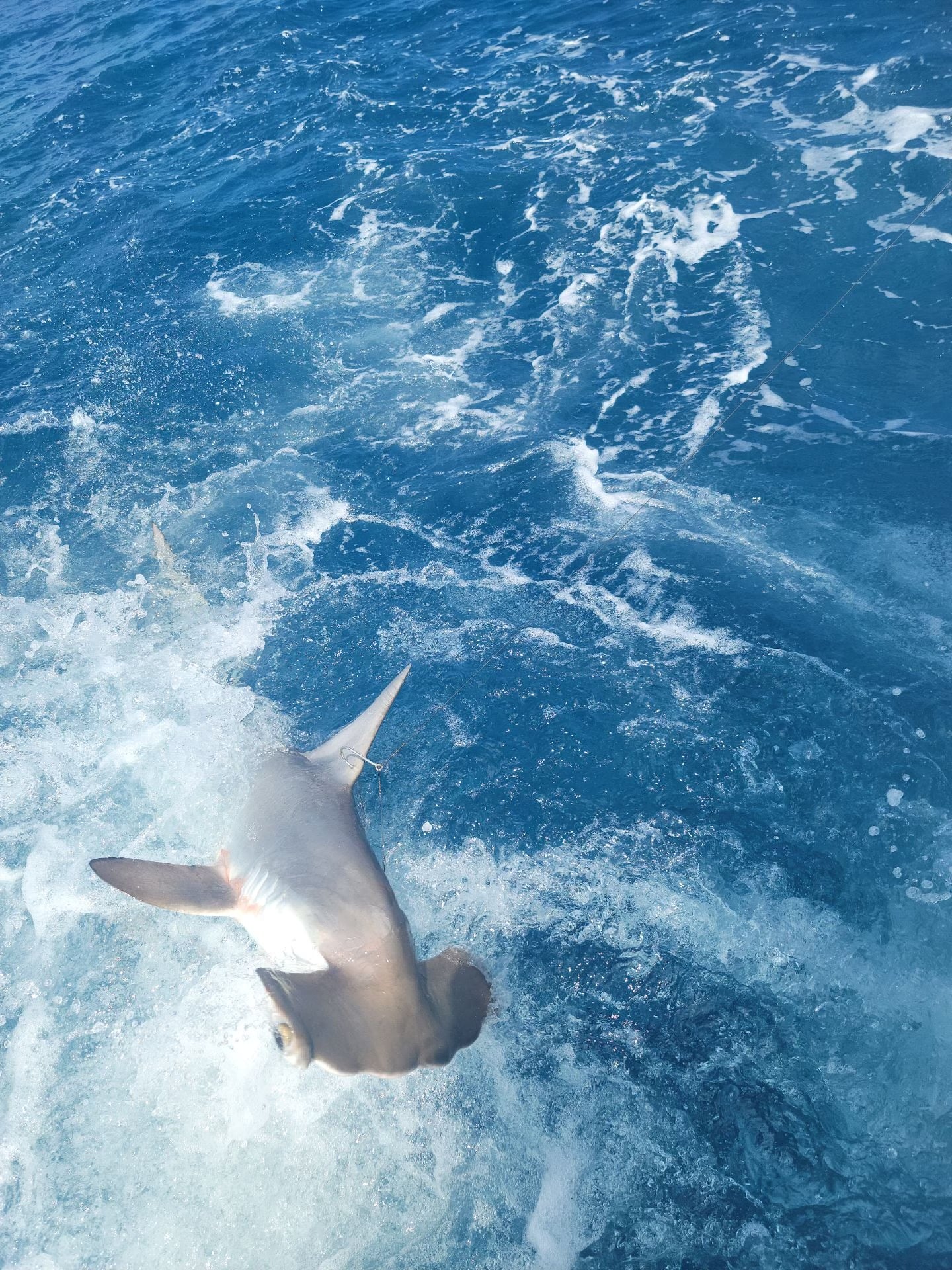
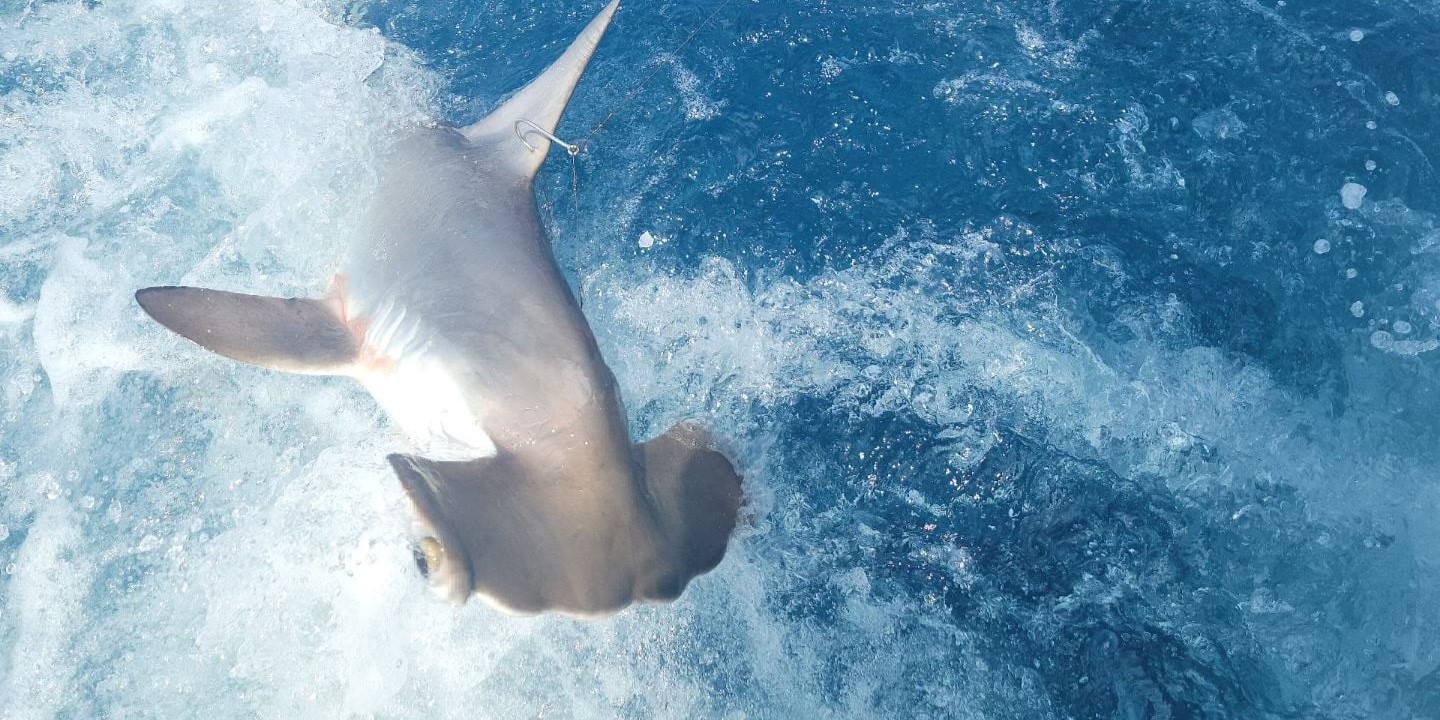
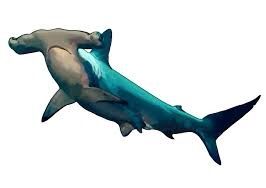
The scalloped hammerhead is one of those species that gets your heart racing the moment you realize what's on the other end of your line. These sharks are surprisingly common in Fort Lauderdale's offshore waters, especially during warmer months when they move in closer to shore following bait schools. They're incredibly strong fighters that make long, powerful runs and aren't afraid to jump when hooked. What makes them special is their distinctive hammer-shaped head and the way they use their size - often reaching 6 to 8 feet - to their advantage during the fight. The best time to target them is late spring through early fall when water temperatures are in the upper 70s and low 80s.
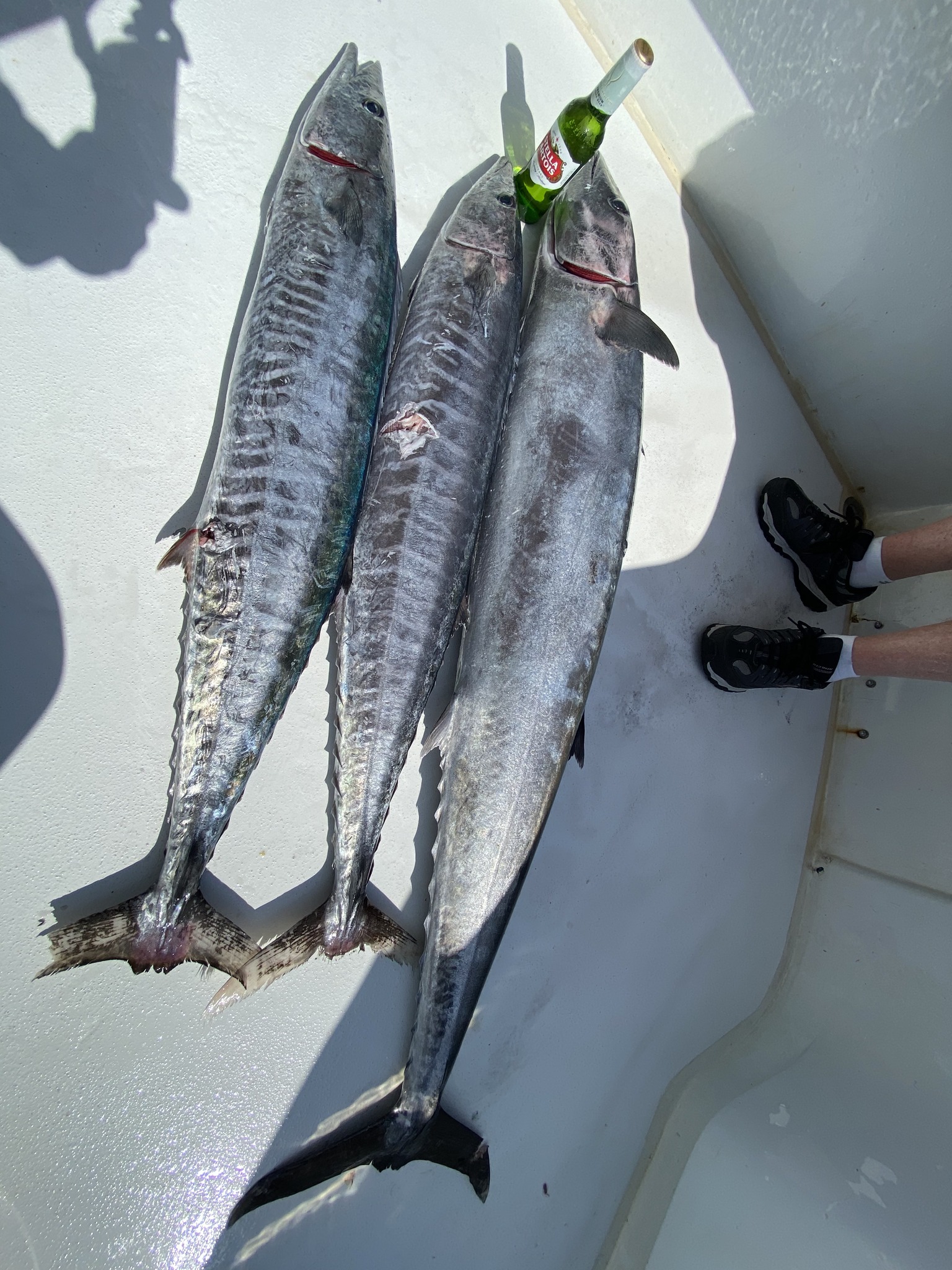
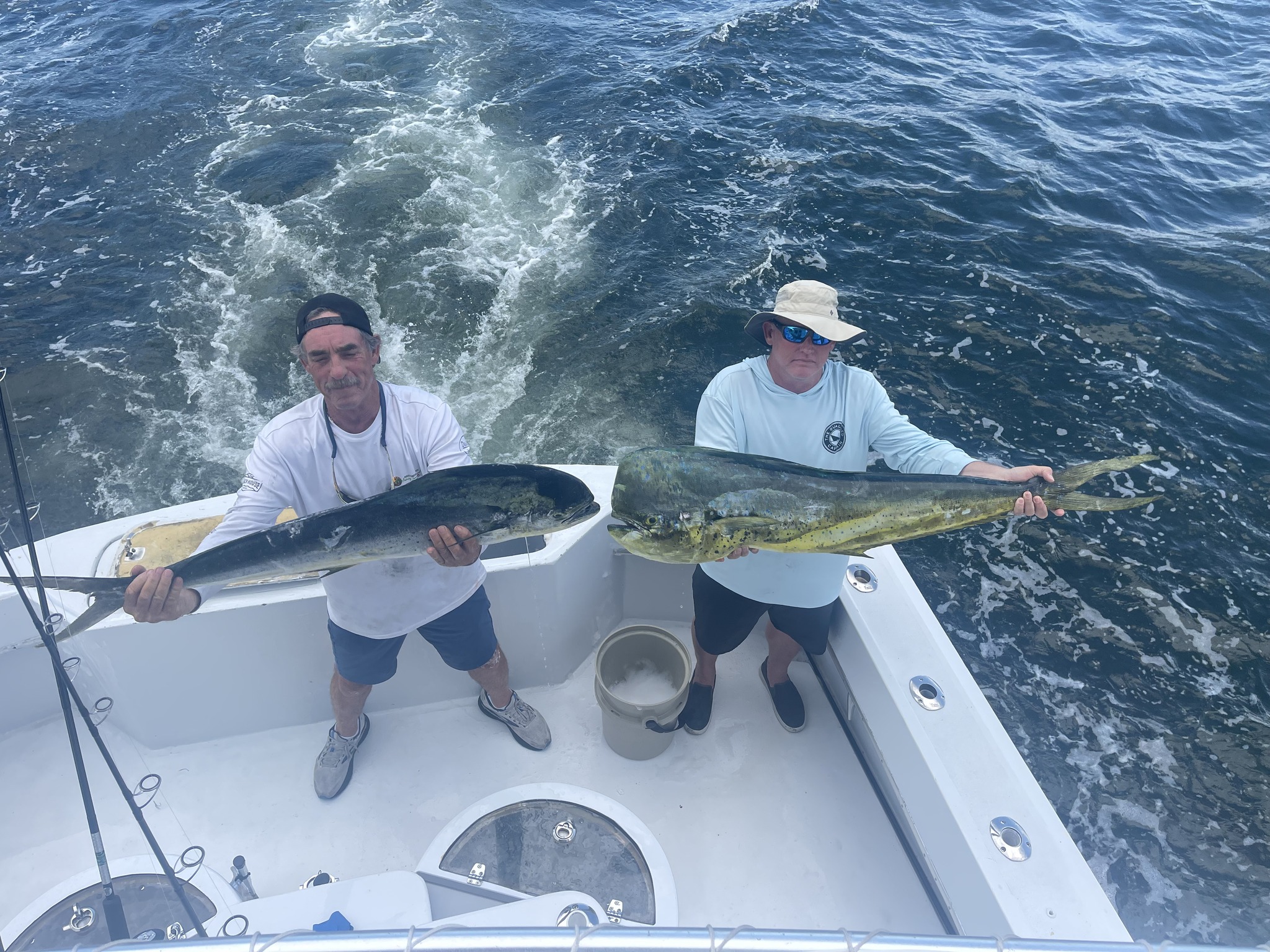
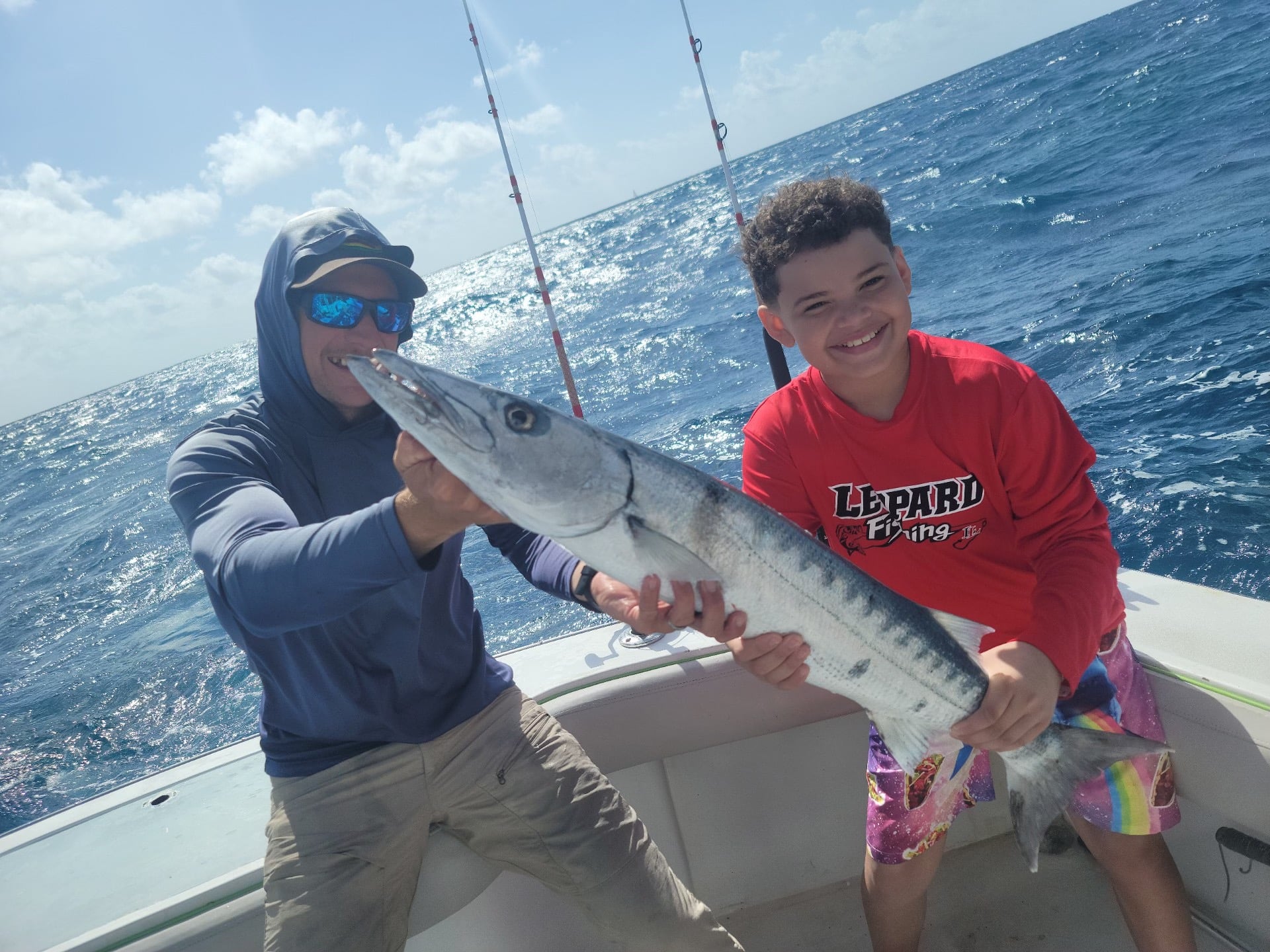
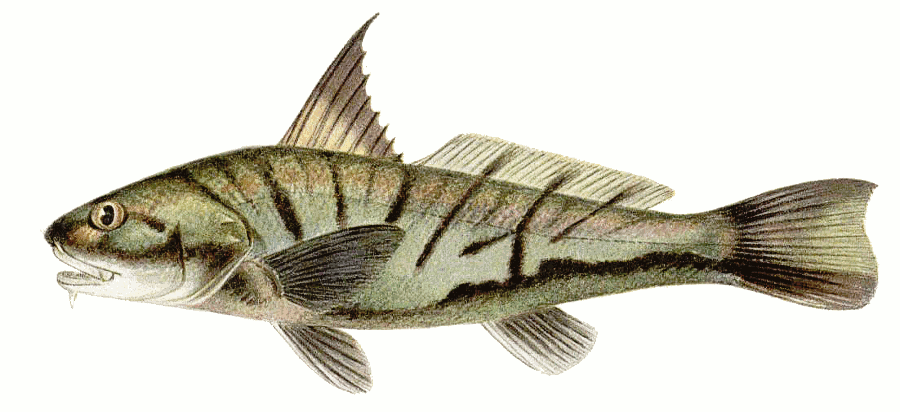
Northern kingfish are the bread and butter of Fort Lauderdale offshore fishing, and for good reason. These fish are aggressive predators that hit baits hard and make blistering runs that will test your drag system. Kings typically range from 15 to 40 pounds in these waters, though bigger fish definitely cruise through. They're most active during the cooler months from October through April, when they migrate along the coast following massive bait schools. What anglers love about kingfish is their willingness to bite and the way they fight - fast, powerful runs combined with sharp teeth that can cut through wire if you're not careful. They're also excellent table fare, making them a favorite among anglers who like to bring dinner home.
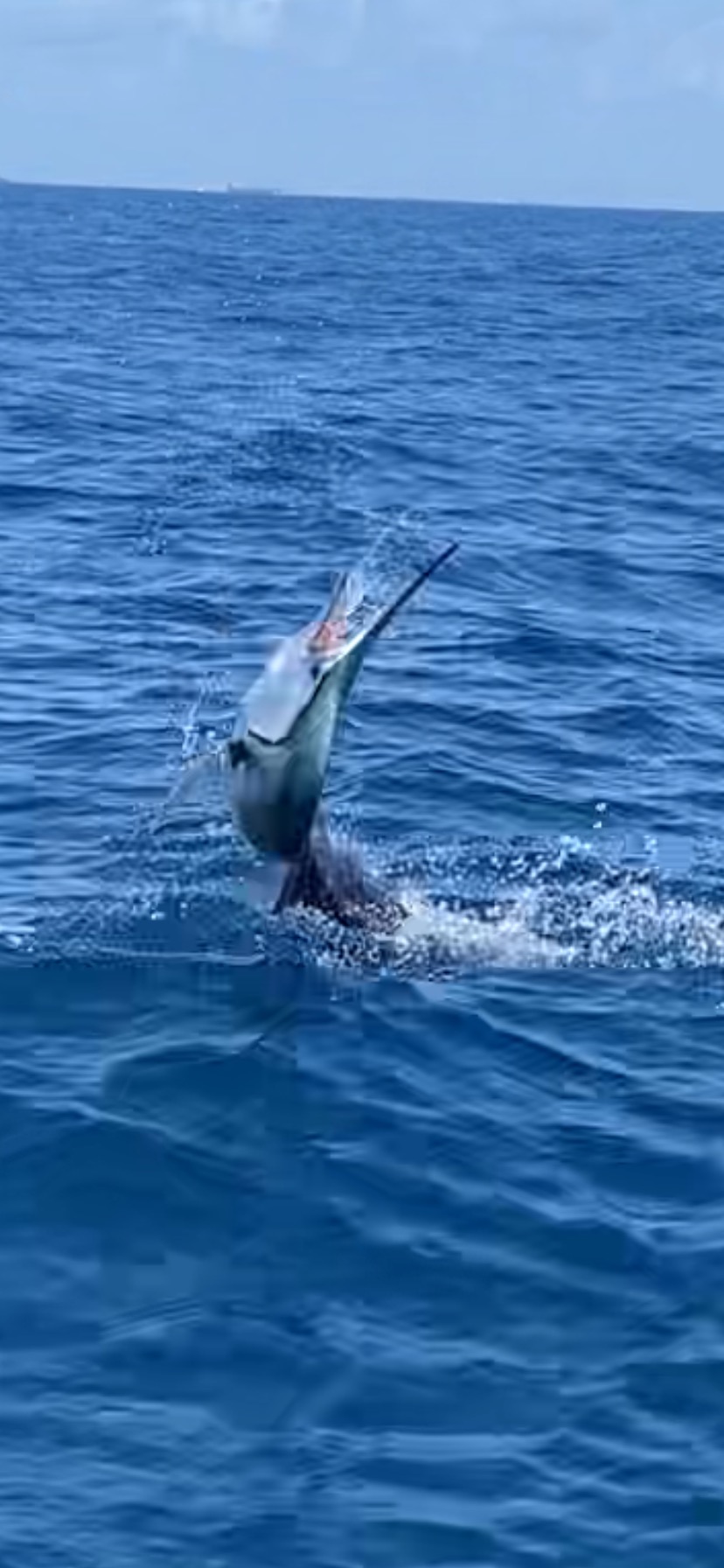
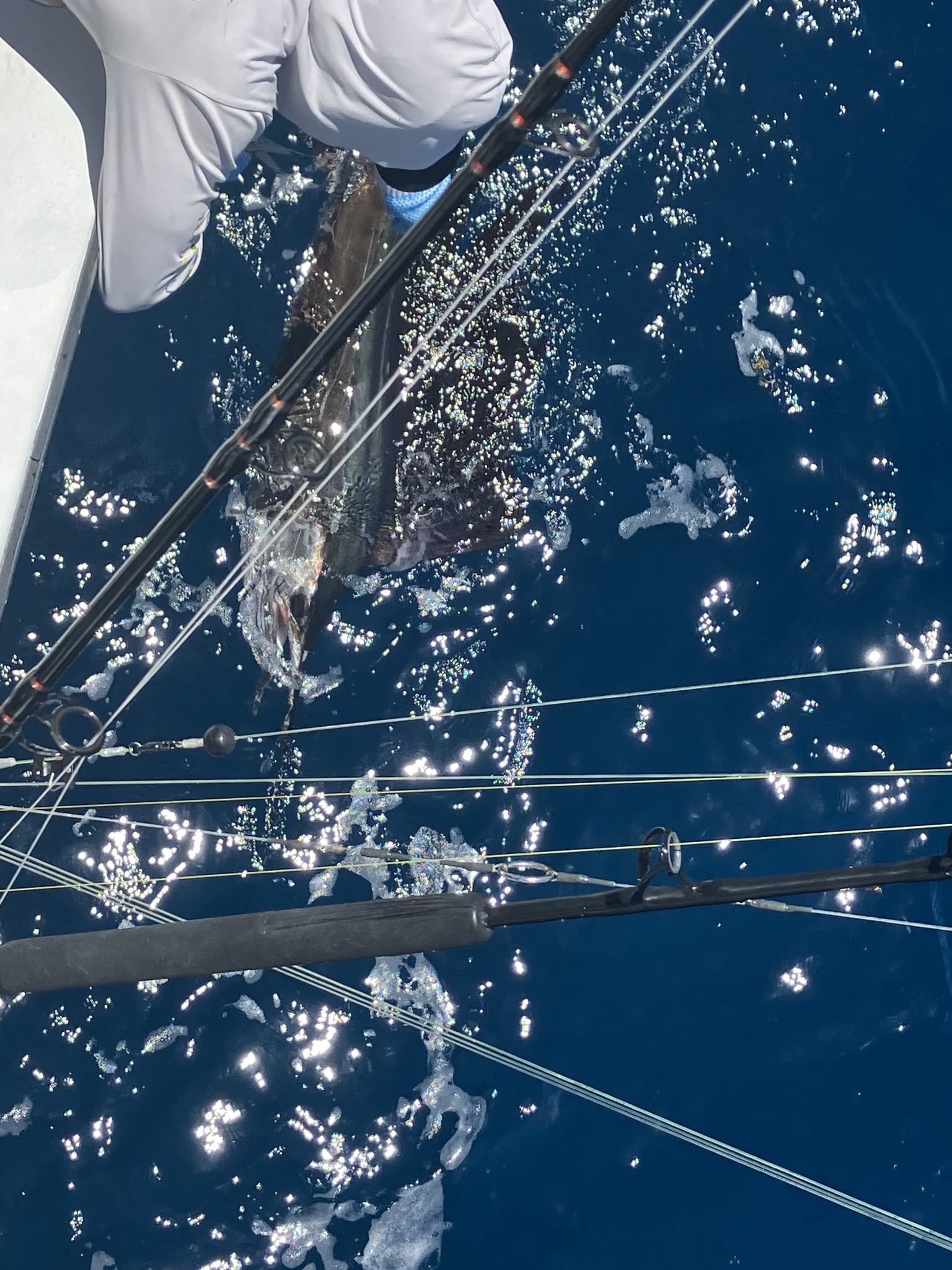
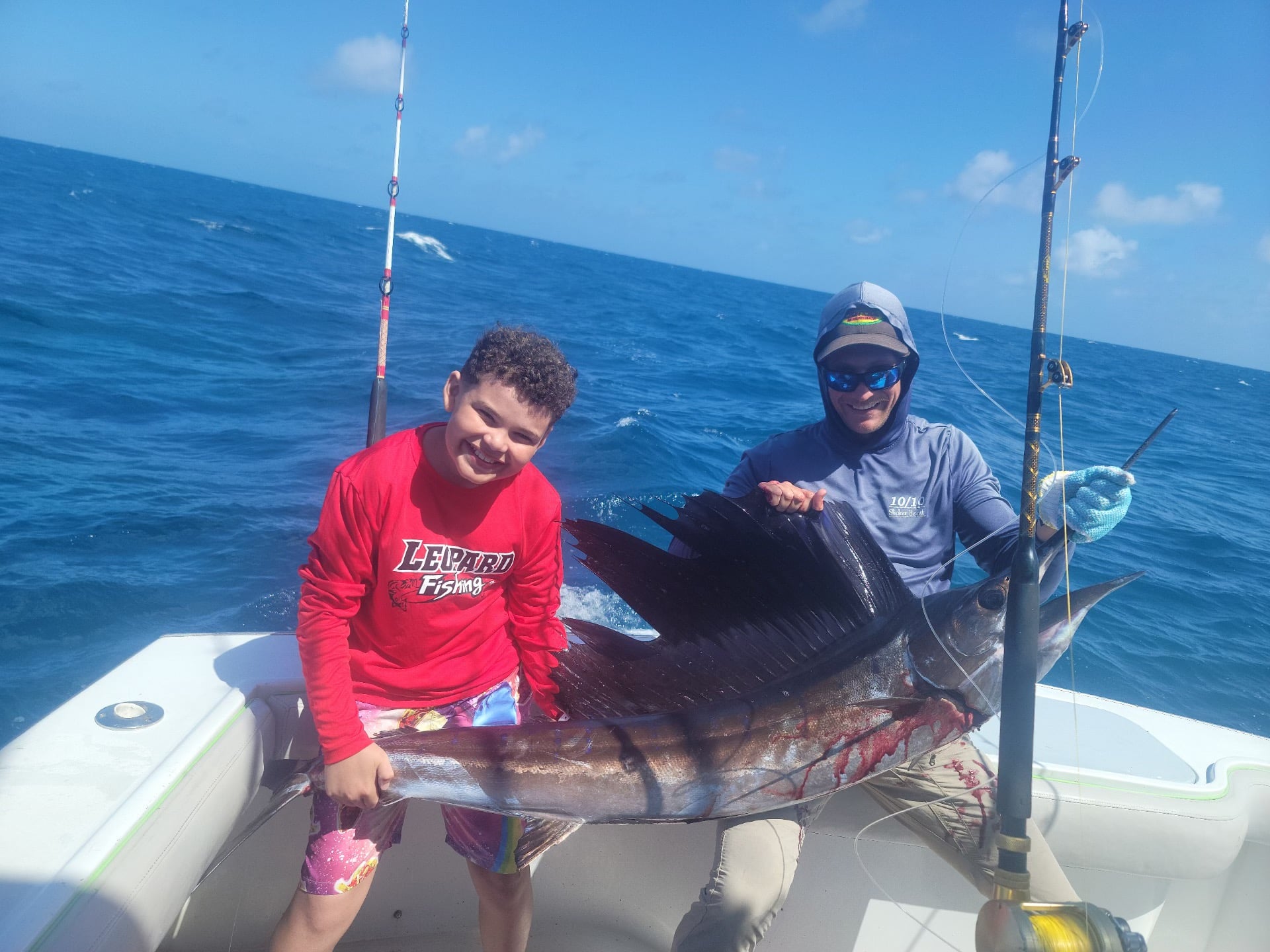
Atlantic sailfish are the crown jewel of Fort Lauderdale sportfishing and the reason many anglers keep coming back. These bills are pure dynamite when hooked - they'll go airborne multiple times, make long screaming runs, and test every knot in your tackle. Sailfish in these waters typically run 6 to 8 feet long and are most abundant during the winter months from December through March, when the cooler water temperatures bring them in close to shore. The excitement factor is off the charts when a sail takes your bait - the initial run and subsequent jumps create fishing memories that last a lifetime. Most sailfish are released to fight another day, making this a true conservation-minded fishery.
Atlantic bonito might be smaller than the other species we target, but don't let their size fool you - these fish are pure muscle and fight way above their weight class. They typically run 3 to 8 pounds and are incredibly fast, making them a blast on lighter tackle. Bonito are most common during spring and fall migrations when they move through in large schools. They hit small lures and baits aggressively and never give up during the fight. What makes them special is their speed and endurance - they'll make multiple runs and keep fighting right up to the boat. They're also excellent eating when handled properly, with firm, flavorful meat that's perfect for the grill.
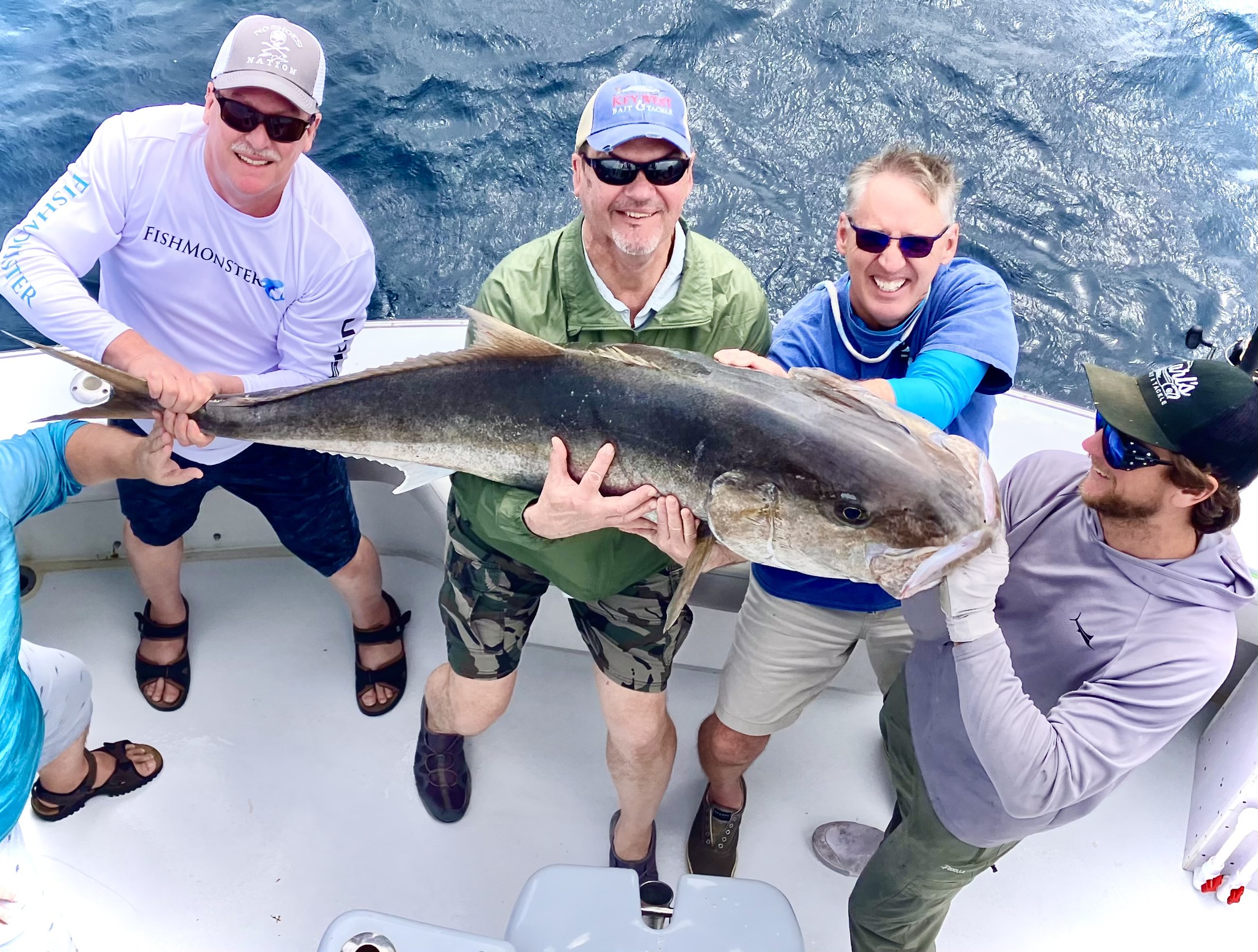
Cobia are the wild cards of Fort Lauderdale offshore fishing - you never know when one might show up, but when they do, it's game on. These fish are curious by nature and will often approach the boat to investigate, giving you a shot at sight-fishing for them. Cobia can reach impressive sizes, with fish over 40 pounds not uncommon in these waters. They're strongest during the spring months when they're moving north along the coast. What anglers love about c
 Private Trip
 Offshore Fishing
 Fort Lauderdale, FL


 4-hour offshore fishing adventure with Captain Taco in Fort Lauderdale waters.