Weekend Inshore Fishing Charter in Mount Pleasant
There's nothing quite like getting on the water early on a weekend morning when the fish are hungry and the Charleston Harbor is still calm. This 4-hour inshore charter with Captain J Hook Charters kicks off at 7:00 AM, putting you right in the sweet spot when redfish and black drum are most active. You'll fish the productive waters around Charleston Harbor and Shem Creek, two of the most consistent fishing spots along South Carolina's coast. Whether you're just getting started with saltwater fishing or you've been working these waters for years, this trip delivers the kind of hands-on experience that keeps anglers coming back. All your gear and fishing licenses are covered, so you can focus on what matters most – putting fish in the boat.
What to Expect on the Water
Your morning starts with a quick meet-up at the dock where Captain J Hook will go over the game plan for the day. The beauty of inshore fishing in Mount Pleasant is the variety – one cast you might be working a creek mouth for redfish, the next you're drifting over grass flats targeting flounder. Charleston Harbor offers protected waters that stay fishable even when the ocean gets rough, making it perfect for a relaxed morning on the water. Shem Creek is legendary among local anglers for its year-round action, especially when the tide is moving. You'll cover different structure and depths throughout the trip, from shallow oyster bars where redfish cruise to deeper channels where black drum hang out. The captain knows these waters like the back of his hand and will put you on fish while sharing tips that'll make you a better angler long after the trip ends. With a maximum of 4 guests, there's plenty of room to fish comfortably and get personalized instruction.
Techniques & Tackle Setup
Inshore fishing in Charleston waters calls for versatile techniques that can handle everything from spooky redfish in skinny water to stubborn black drum in deeper holes. You'll primarily use medium-action spinning gear loaded with 15-20 pound braid, perfect for feeling light bites while having the backbone to turn fish away from structure. Live bait is king here – fresh shrimp, mud minnows, and cut bait will make up your arsenal depending on what the fish are eating that day. When targeting redfish around oyster bars, you'll often fish with a Carolina rig or knocker rig to keep your bait near the bottom where these copper-colored fighters like to feed. For black drum, expect to use heavier weights and circle hooks to get down to where these bottom dwellers cruise. The captain will also have artificial lures ready when fish are actively feeding – soft plastics on jig heads work magic around grass beds, and topwater plugs can create explosive strikes during the right conditions. You'll learn to read the water, understand how tide affects fish behavior, and pick up techniques that work specifically in Lowcountry waters.
Target Species You'll Hook
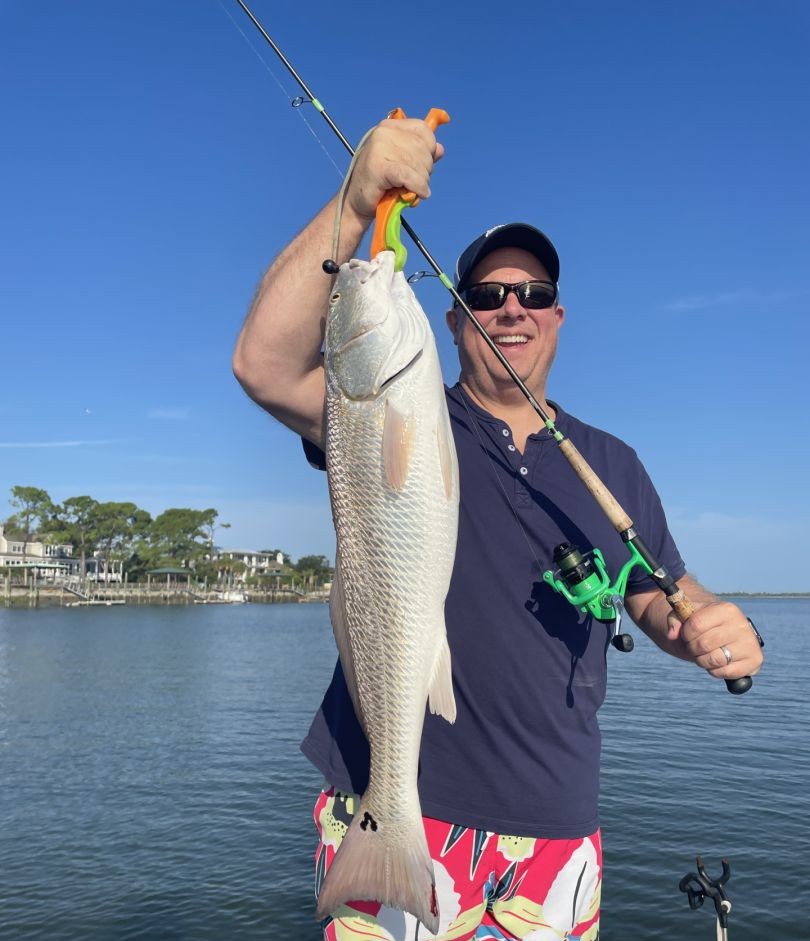
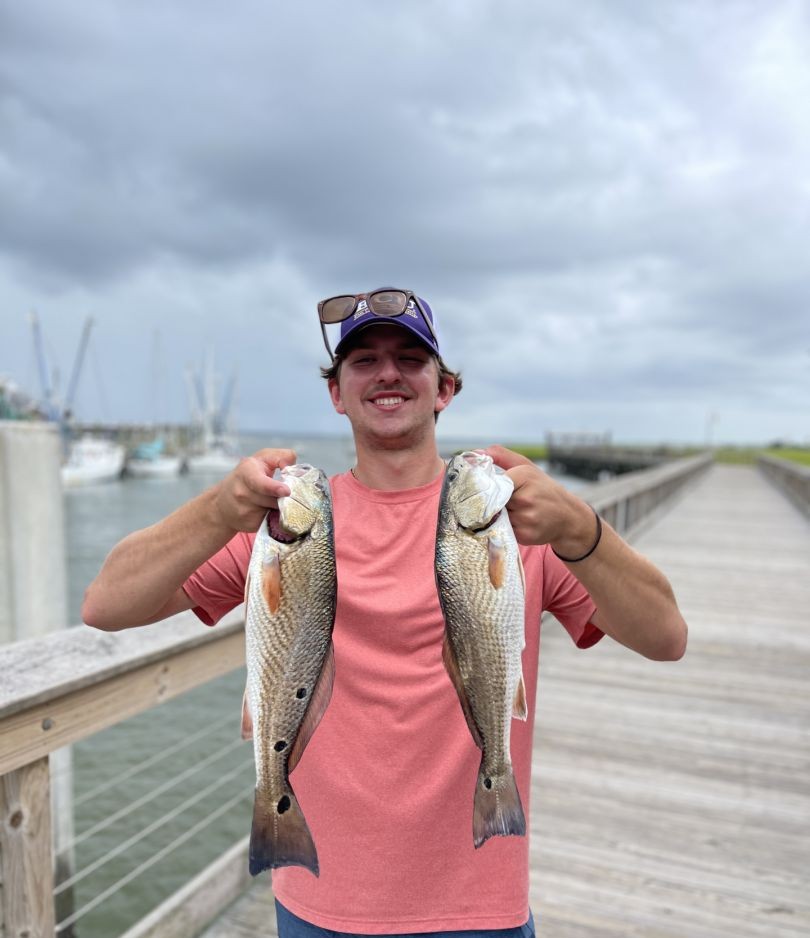
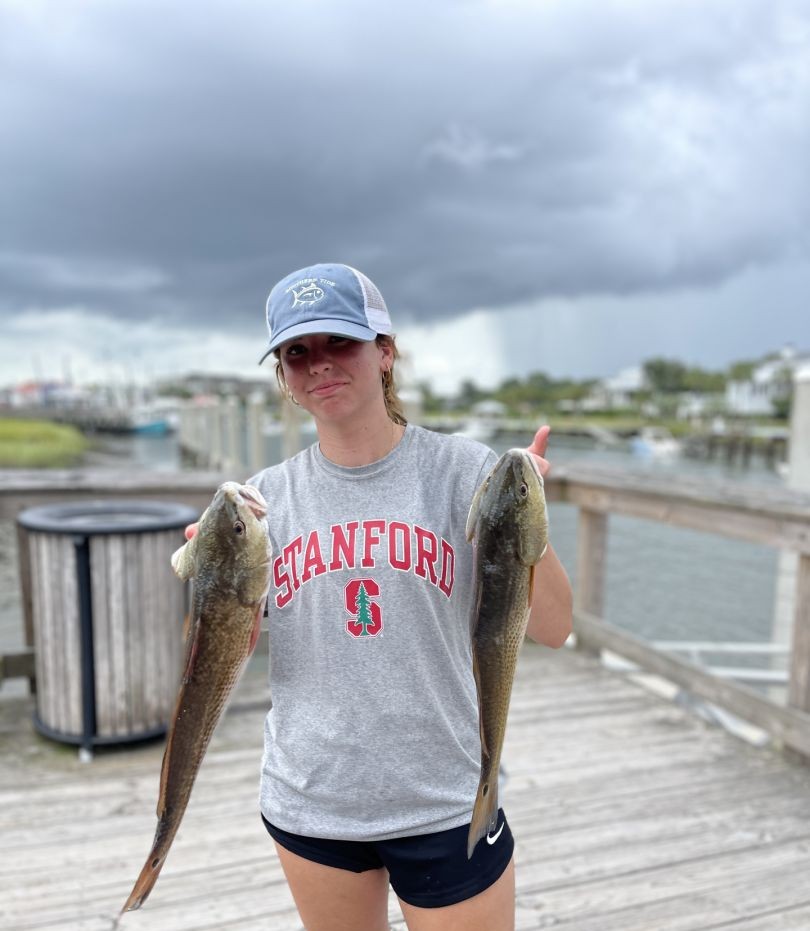
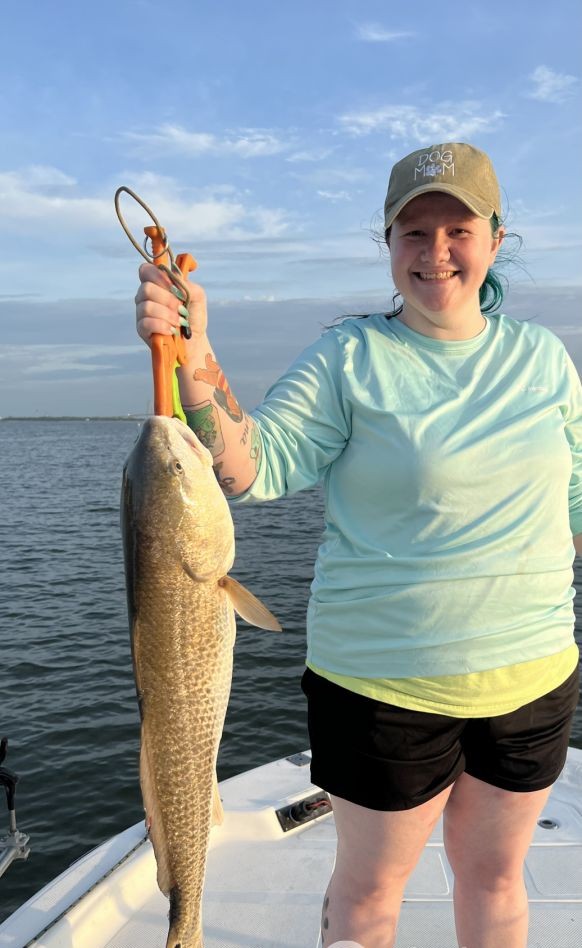
Redfish are the crown jewel of Charleston inshore fishing and for good reason. These bronze-backed bruisers range from 18 to 30 inches in local waters and fight like they've got something to prove. Fall through spring offers the most consistent action, but you can find them year-round if you know where to look. What makes redfish so special is their willingness to eat and their bulldogging fight style – they'll pull drag and use every oyster bar and piece of structure to try breaking you off. When you hook a slot-sized red, expect a battle that'll test your drag system and leave your arms burning.
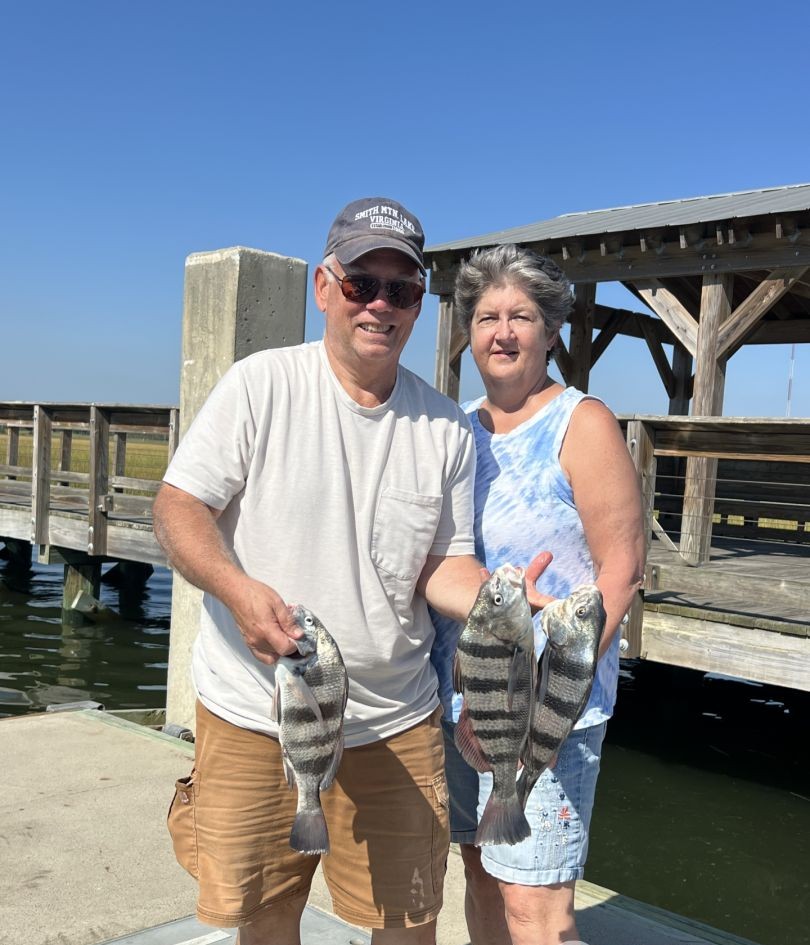
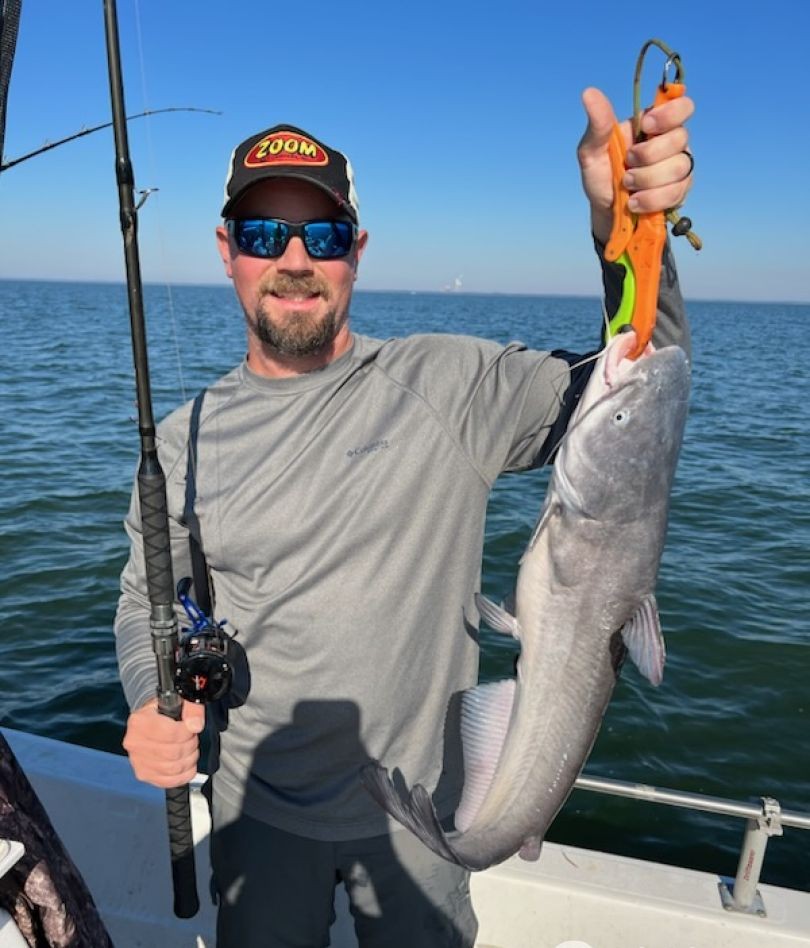
Black drum might not be the prettiest fish in the creek, but they're absolute tanks that'll humble even experienced anglers. These chunky bottom-dwellers can weigh anywhere from 5 to 40 pounds in Charleston waters, with the bigger fish showing up in cooler months. They're notorious for their subtle bite – often feeling like you've snagged bottom until that bottom starts swimming away. Black drum have crushing power in their jaws from eating oysters and crabs all day, so when you set the hook, you better hold on tight. They're excellent table fare when kept in the slot, with firm white meat that's perfect for blackening or frying.
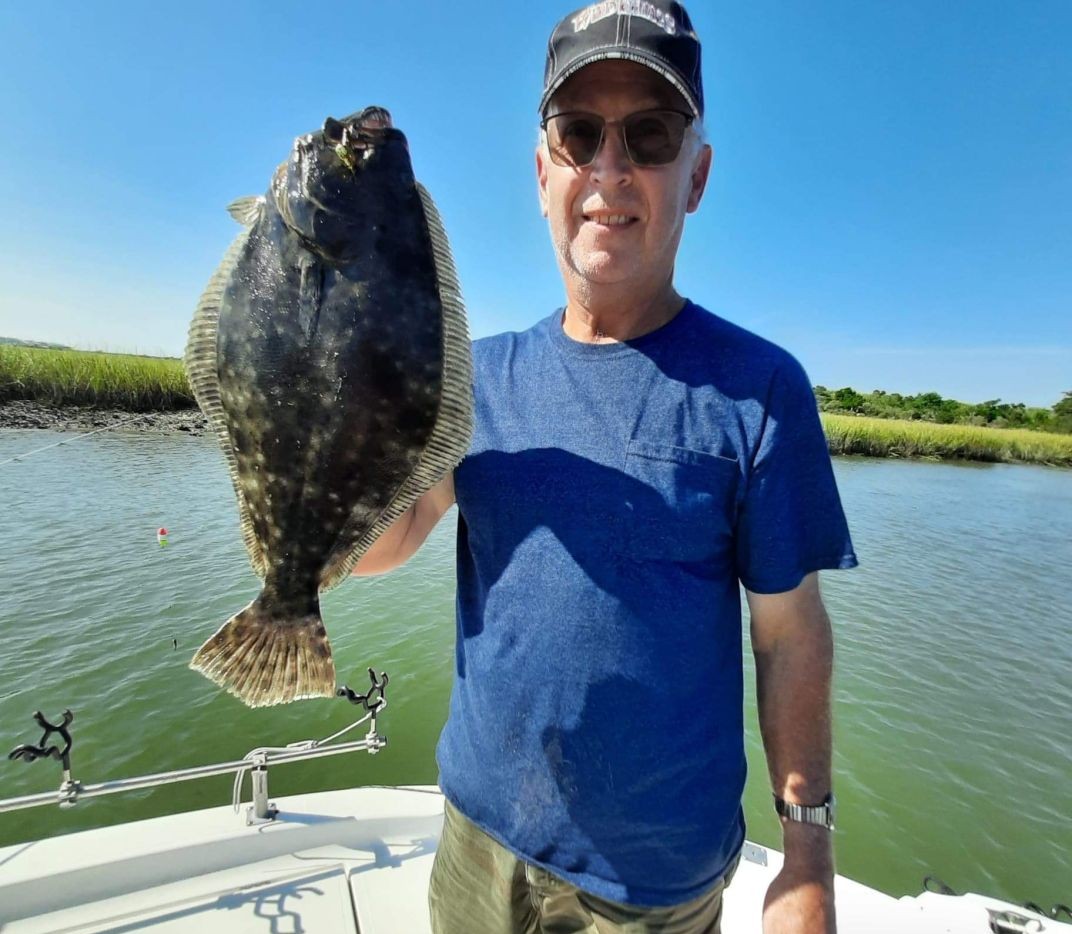
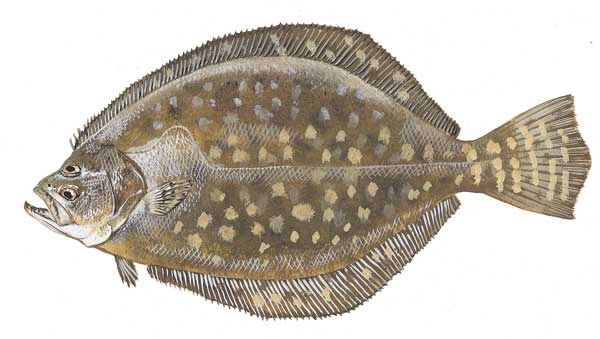
Southern flounder are the chameleons of the inshore world, lying flat on sandy bottoms waiting to ambush unsuspecting baitfish. These flatfish are masters of disguise and can be tricky to locate, but that's what makes catching them so rewarding. Peak flounder season runs from late summer through fall when they're fattening up before their offshore spawning run. A good Mount Pleasant flounder will measure 16 to 22 inches and provide some of the best eating you'll find in coastal waters. Their strike is often subtle – just a slight tick on your rod tip – so you'll need to stay alert and develop a feel for their bite.
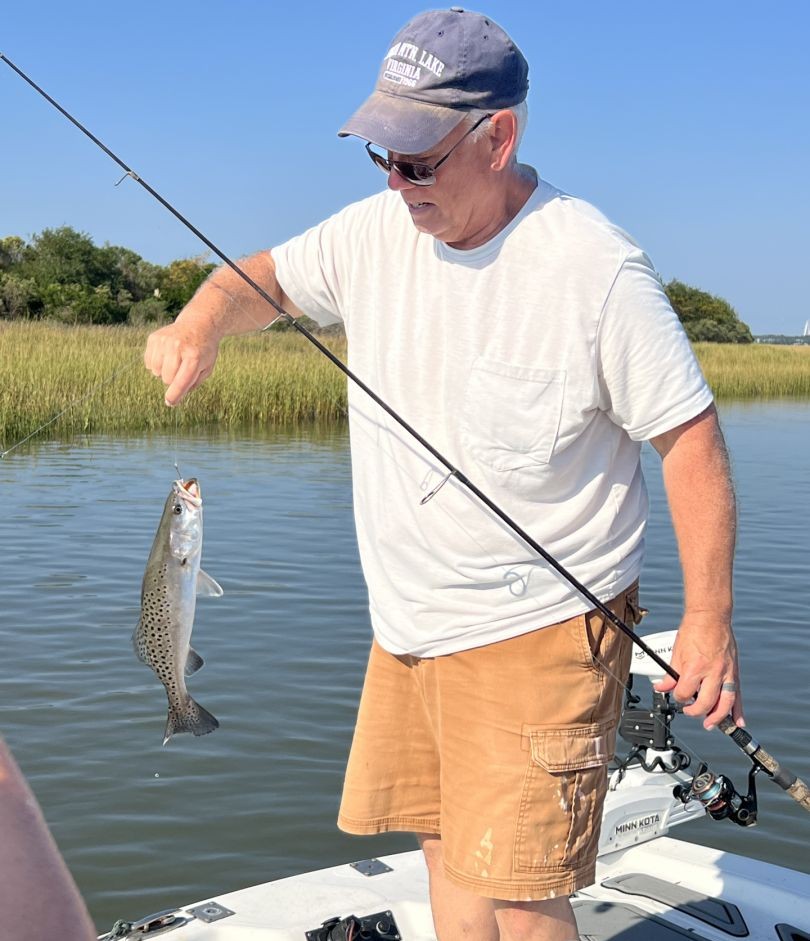
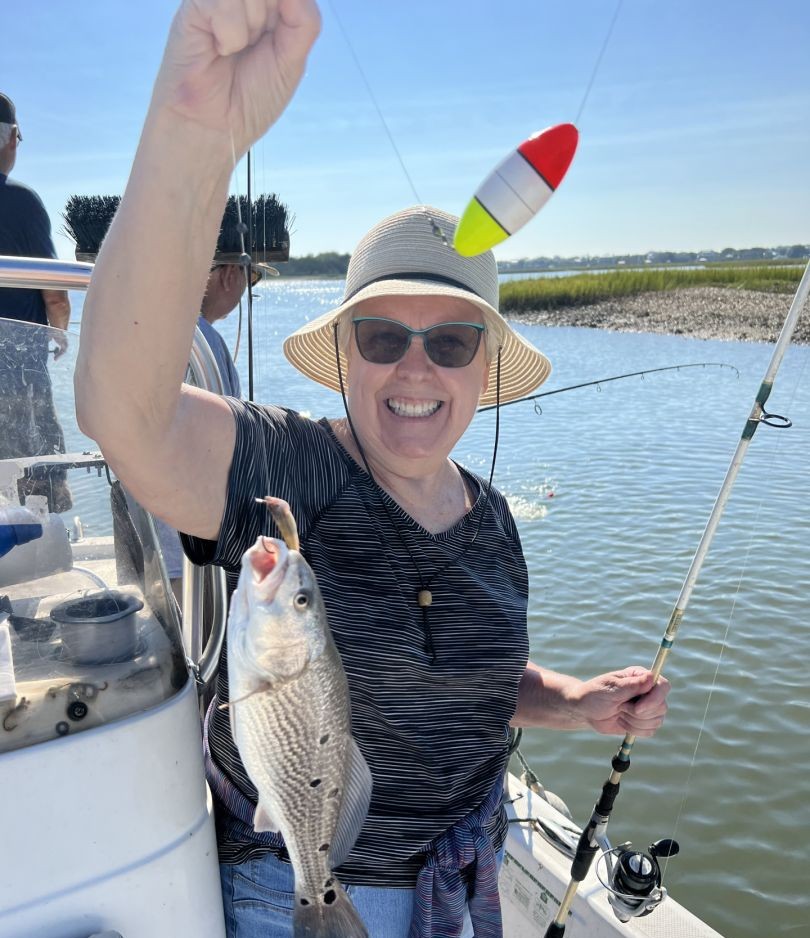
Spotted seatrout, or "specks" as locals call them, are probably the most cooperative fish you'll encounter on this trip. These beautiful fish with distinctive spotted patterns are willing biters that respond well to both live bait and artificials. Spring and fall offer the best speckled trout action in Charleston Harbor, with fish ranging from 14 to 20 inches being most common. They school up around grass beds and drop-offs, making them relatively predictable once you understand their patterns. Specks have a soft mouth, so you'll need to play them carefully, but their aggressive nature means you'll often get multiple chances if one breaks off.
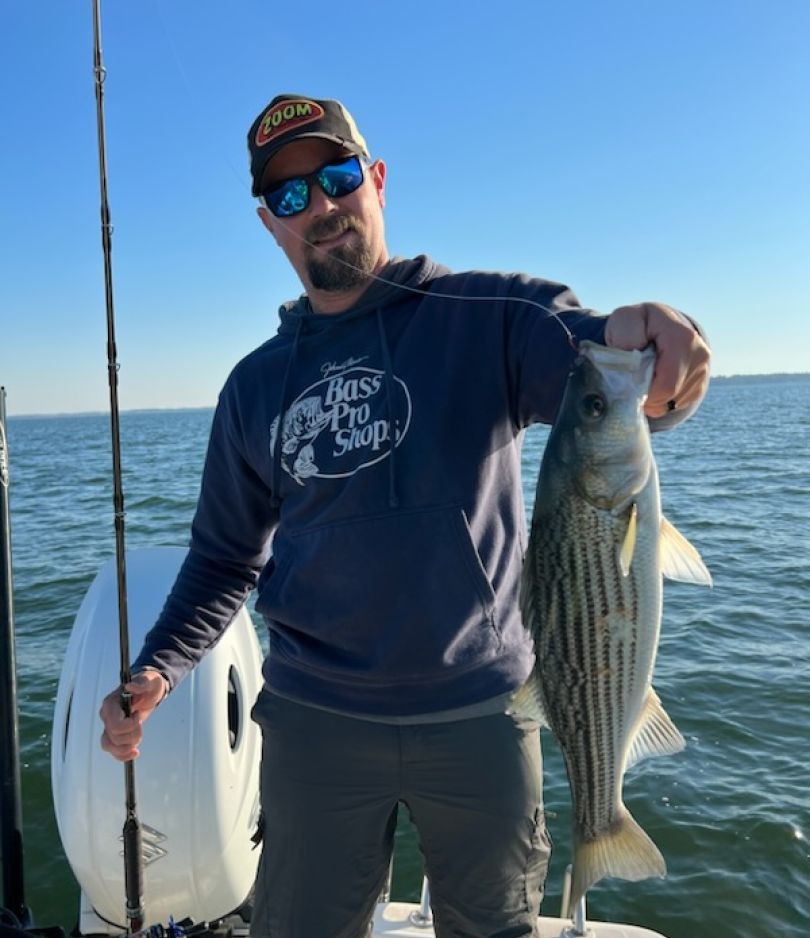
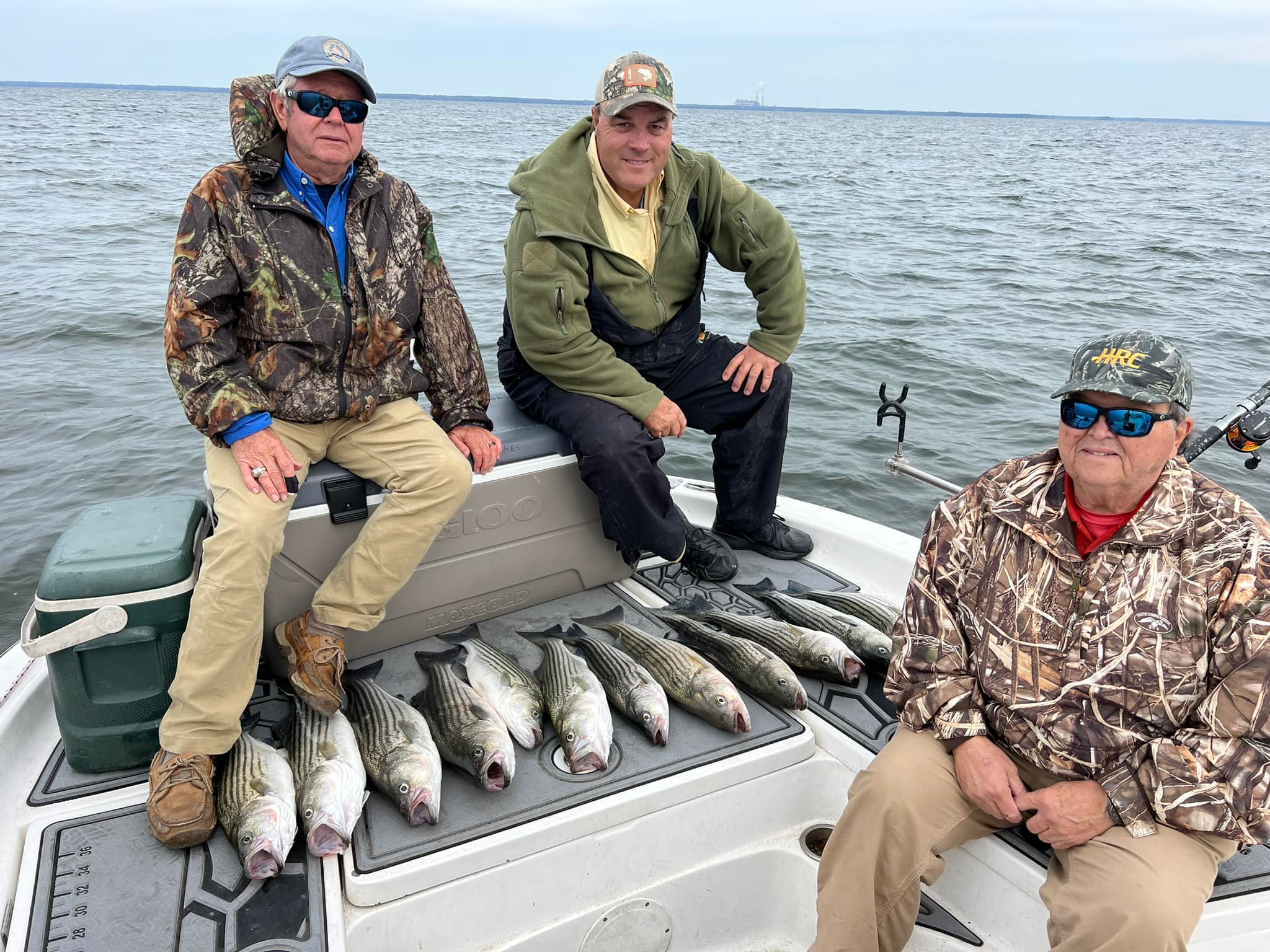
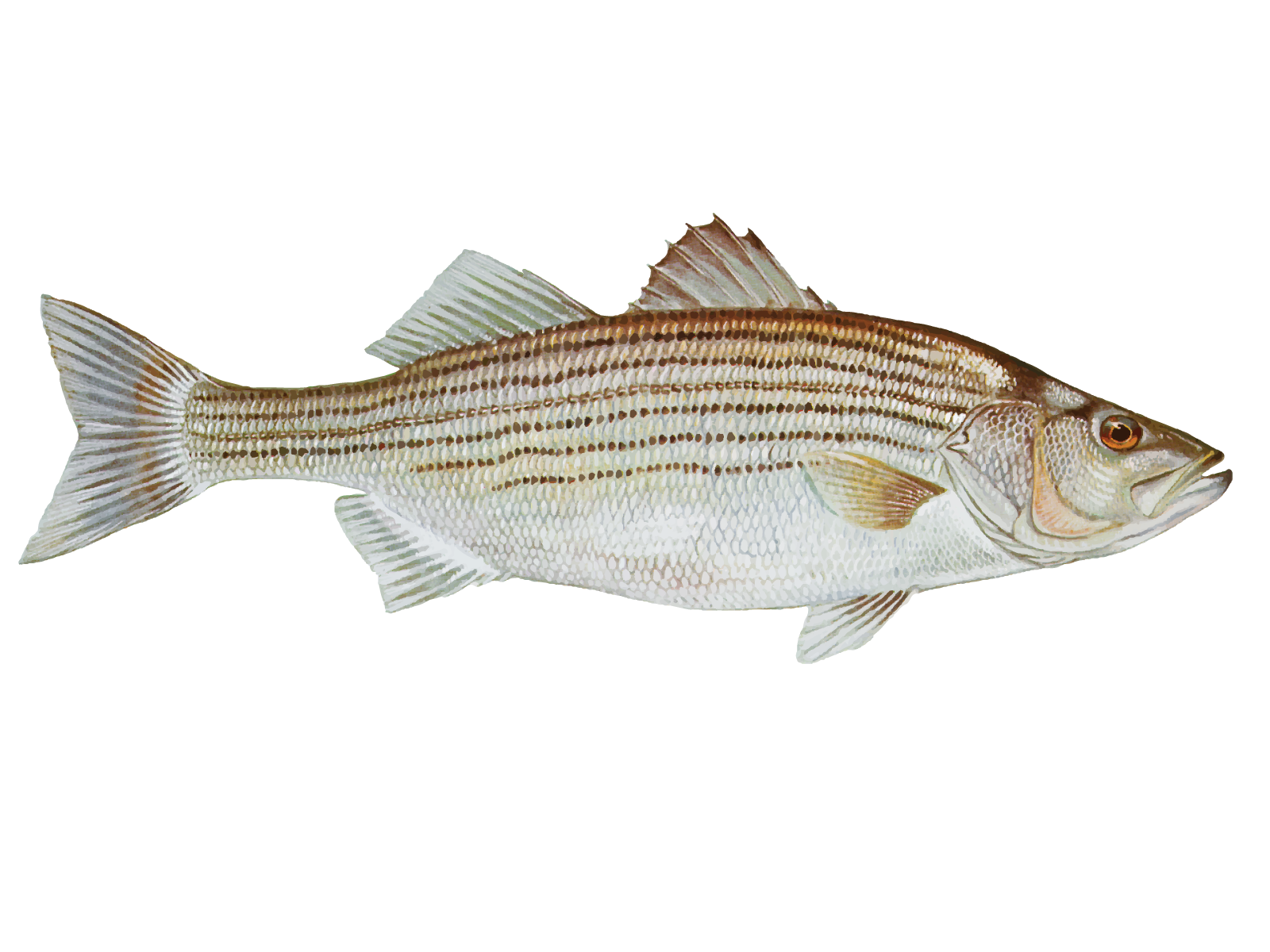
Striped bass round out your target list and bring some serious pulling power to the table. While not as common as the other species, when stripers are in Charleston Harbor, they make their presence known with aggressive feeds and hard fights. These silver rockets can show up any time of year but are most consistent during cooler months when baitfish are thick. A good Charleston striper runs 20 to 30 inches and will give you a fight that combines speed with endurance. They're excellent table fare and provide some of the most exciting action when they're feeding on the surface.
 Private Trip
 Inshore Fishing
 South Carolina


 Four-hour inshore charter targeting redfish and black drum