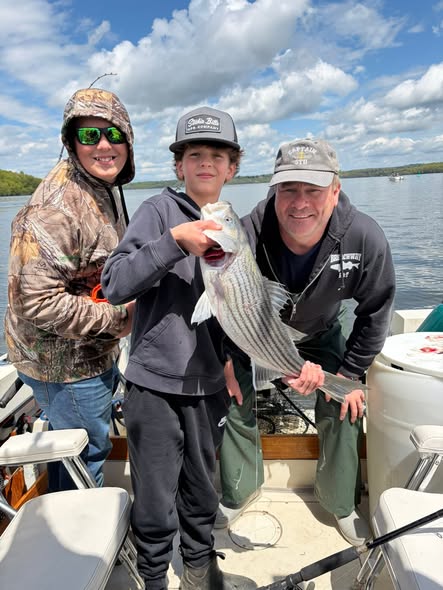
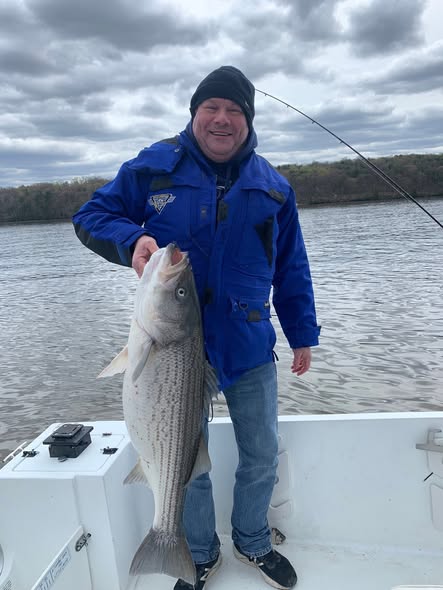
Hudson River Powerboat Training with Captain Stu
Ready to take your powerboat skills to the next level? Captain Stuart McKenzie's follow-up training session on the Hudson River is perfect for anyone who's completed their initial instruction and wants to really dial in their boat handling. This isn't your typical classroom course – we're talking two hours of hands-on time at the helm, working through real-world scenarios that'll make you a confident captain. With space for just one or two participants, you'll get personalized attention that you simply can't find in larger group settings. At $100 for a comprehensive two-hour session, it's one of the best values for advanced powerboat instruction in the Hudson Valley.
What to Expect on the Water
This follow-up session picks up where your initial training left off, focusing on the skills that separate weekend boaters from truly competent operators. Captain McKenzie structures each lesson around practical scenarios you'll actually face out there – tight marina approaches, dealing with current and wind, and reading water conditions that change throughout the day. The Hudson River provides an ideal training ground with its mix of protected coves and more challenging open water stretches. You'll spend time working on close-quarters maneuvering, which is where most new boaters struggle, and learn how to use throttle and steering inputs smoothly rather than fighting the boat. The beauty of this format is that everything happens in real time with real consequences, so the lessons stick. Captain McKenzie has been running these waters for years and knows exactly where to take you for the best learning opportunities without putting you in over your head.
Skills & Boat Handling Focus
The core of this training revolves around three key areas that make or break your confidence as a powerboat operator. Docking techniques get major attention because let's face it – that's where everyone's watching and judging your skills. You'll practice different approach angles, learn how to read wind and current effects, and master the art of using reverse thrust effectively. Navigation skills go beyond just reading charts – Captain McKenzie teaches you how to anticipate traffic patterns, understand right-of-way situations, and position your vessel for optimal safety and efficiency. The maneuvering component covers everything from backing and filling in tight spaces to handling wake from larger vessels. All training happens on Captain Stu's well-maintained powerboat equipped with modern electronics and safety gear. The boat's twin-engine setup gives you experience with more advanced throttle control, and the instrumentation package includes GPS, depth finder, and VHF radio – all tools you'll need to understand for independent operation. Safety protocols aren't just talked about but practiced, including emergency procedures and proper radio etiquette that could save your life someday.
Hudson River Conditions
The Hudson River presents unique challenges and opportunities that make it an excellent training environment for powerboat operators. Unlike coastal waters, river conditions change dramatically with tidal flow, creating learning scenarios you won't find in lakes or protected bays. During flood tide, you'll experience how current affects your approach angles and stopping distances, while ebb tide teaches you about planning ahead and using natural forces to your advantage. Commercial traffic on the Hudson means you'll gain real experience in dealing with large vessel wake and understanding traffic separation – skills that translate directly to coastal boating. The river's varying depths and numerous marinas provide perfect practice opportunities for anchoring, docking, and navigation in different bottom conditions. Weather patterns along the Hudson can shift quickly, especially in spring and fall, giving you firsthand experience in recognizing changing conditions and making smart decisions about when to head for shelter. Captain McKenzie knows which areas provide the best wind protection for practicing specific maneuvers and where you can safely experience more challenging conditions as your skills improve. The scenic backdrop of the Hudson Valley makes this training environment far more enjoyable than typical boat training facilities.
Time to Level Up Your Skills
If you're serious about becoming a competent powerboat operator, this follow-up training with Captain Stuart McKenzie delivers exactly what you need. The combination of personalized instruction, real-world conditions, and affordable pricing makes it a standout choice for anyone looking to build genuine confidence at the helm. Remember that deposits are non-refundable if you're late – Captain Stu runs a tight schedule and will only wait one hour at the dock before rebooking with another client. This policy ensures everyone gets the full value of their time on the water. The two-hour format gives you enough time to work on multiple skills without fatigue setting in, and the small group size means every minute is focused on your development. Whether you're planning to charter boats during vacation, considering a boat purchase, or just want to feel more confident when friends invite you out on the water, this training investment pays dividends every time you step aboard a powerboat. Book your session with Captain Stu's Charters and discover why so many Hudson River boaters trust him for their advanced training needs.
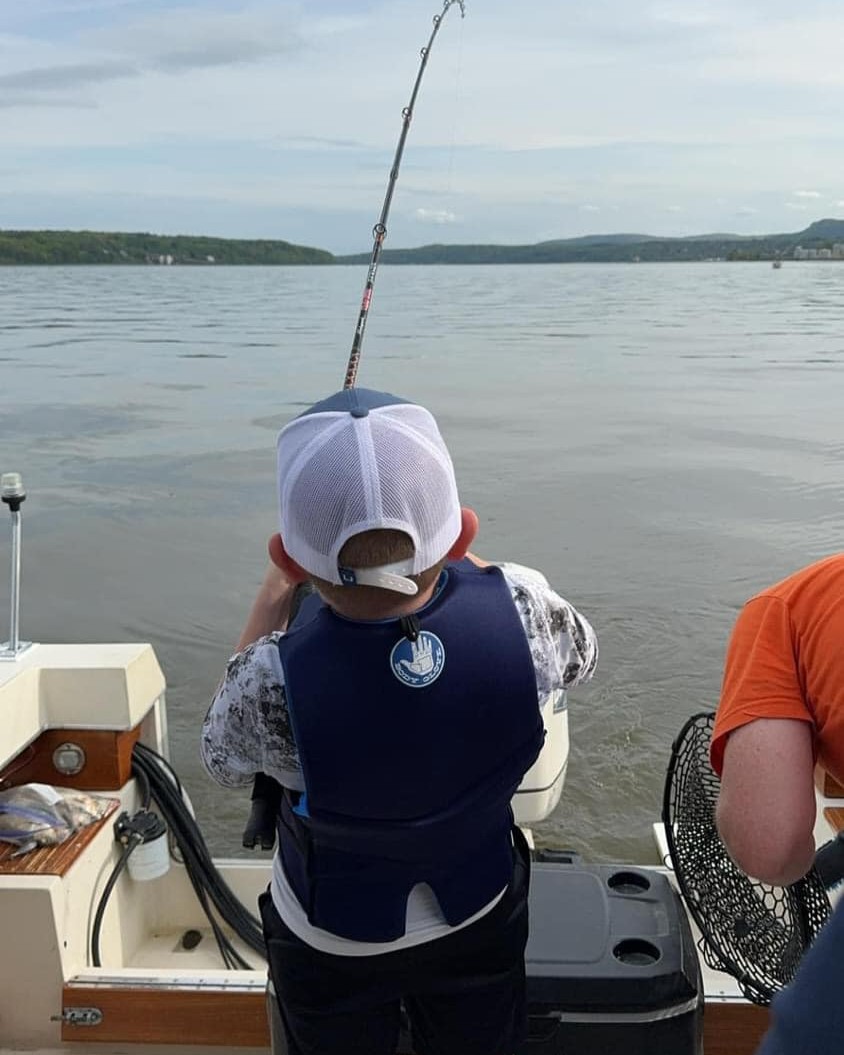
 Private Trip
 River Fishing
 Hudson River
 Follow-up powerboat training builds on initial Hudson River instruction