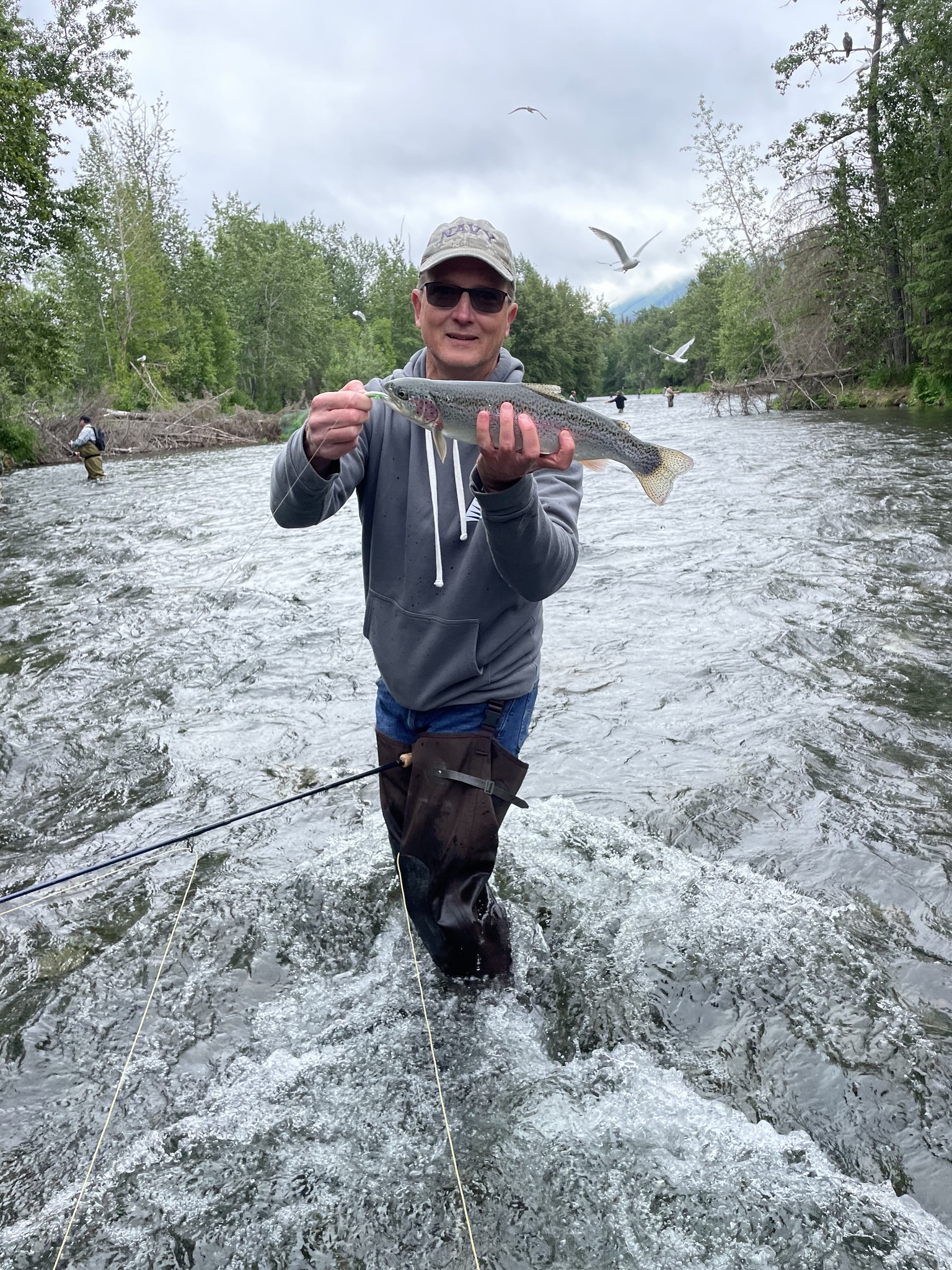
Light Tackle Fishing for Reds, Stripers & Trout
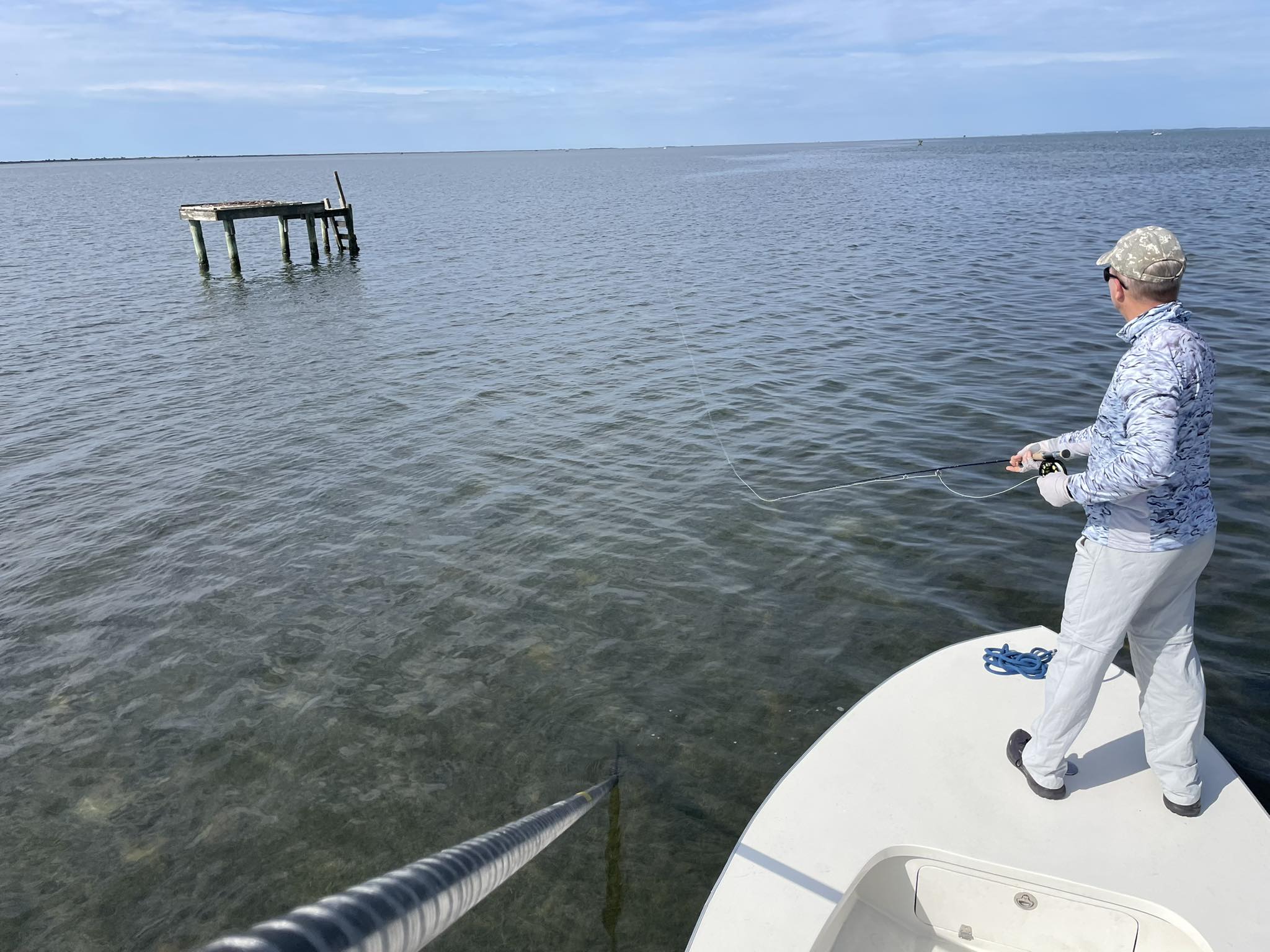
If you're looking for a solid half-day charter that puts you on fish without the crowds, this Beaufort light tackle trip hits all the marks. Captain at Cast'n Carolina knows these waters around New Bern like the back of his hand, and he's set up to get you dialed in on redfish, striped bass, and speckled trout using techniques that actually work. Whether you're a fly angler wanting to sight-cast to tailing reds or prefer throwing artificials on spinning gear, this charter adapts to what gets you fired up about fishing. The beauty of fishing these North Carolina waters is the variety – one cast you're working a grass flat for trout, the next you're pitching to structure for stripers.
What to Expect on the Water
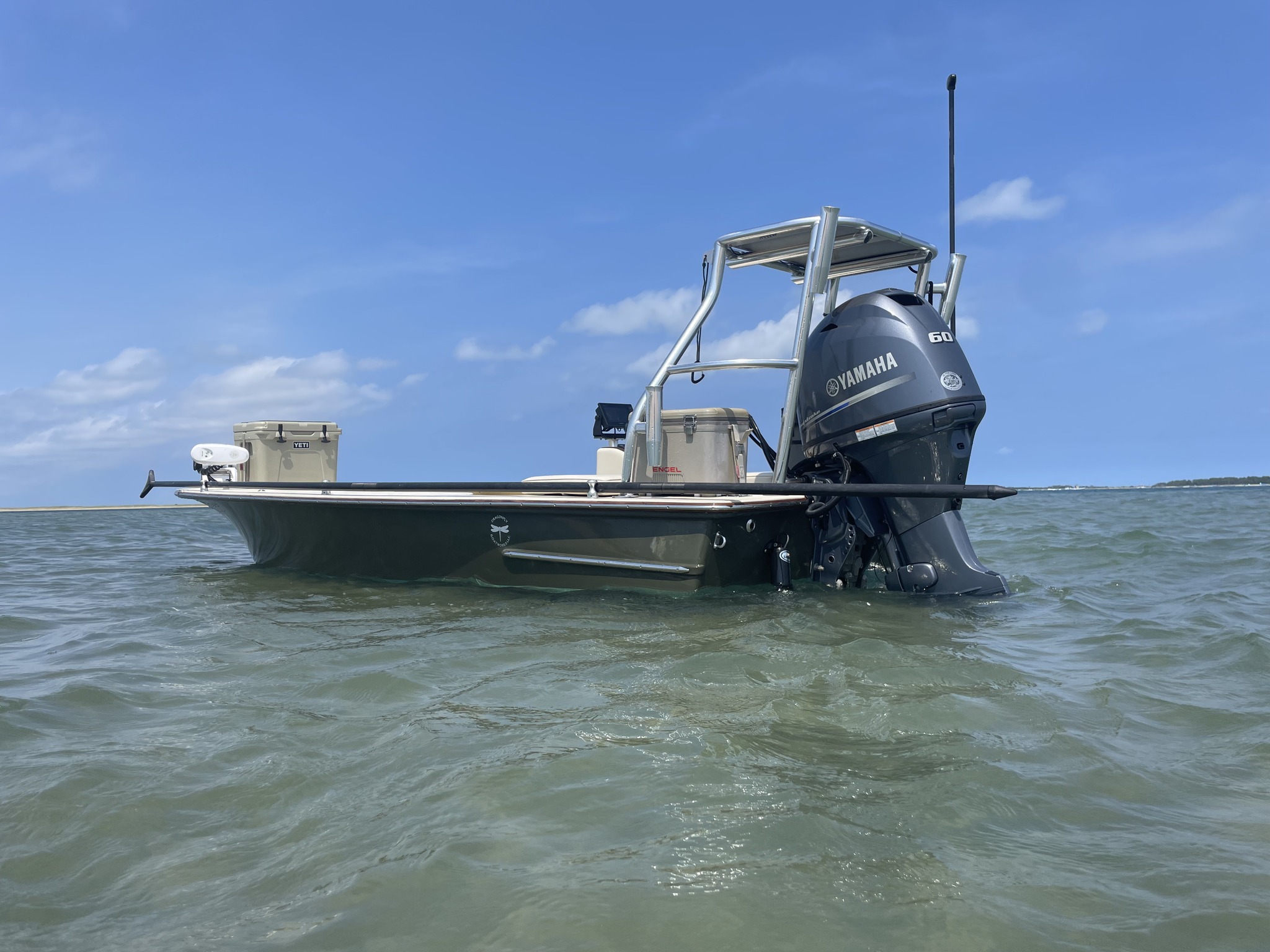
This isn't your typical crowded party boat situation. You'll be fishing from either a nimble 16-foot technical poling skiff that's perfect for 1-2 anglers, or if you've got a bigger crew (up to 4 total), you'll hop aboard the 27-foot Contender that opens up nearshore and offshore options. The smaller boat is where the magic happens for sight fishing – shallow draft means you can get into skinny water where big fish feel safe. Your captain handles the pole, positioning you for perfect shots at cruising reds or schooling trout. All your tackle is provided, from rods and reels to a selection of lures that produce in these specific waters. The only thing you need to handle is your fishing license, some sunscreen, and polarized glasses – trust me on those glasses, they're game-changers for seeing fish in the water.
Light Tackle & Fly Options
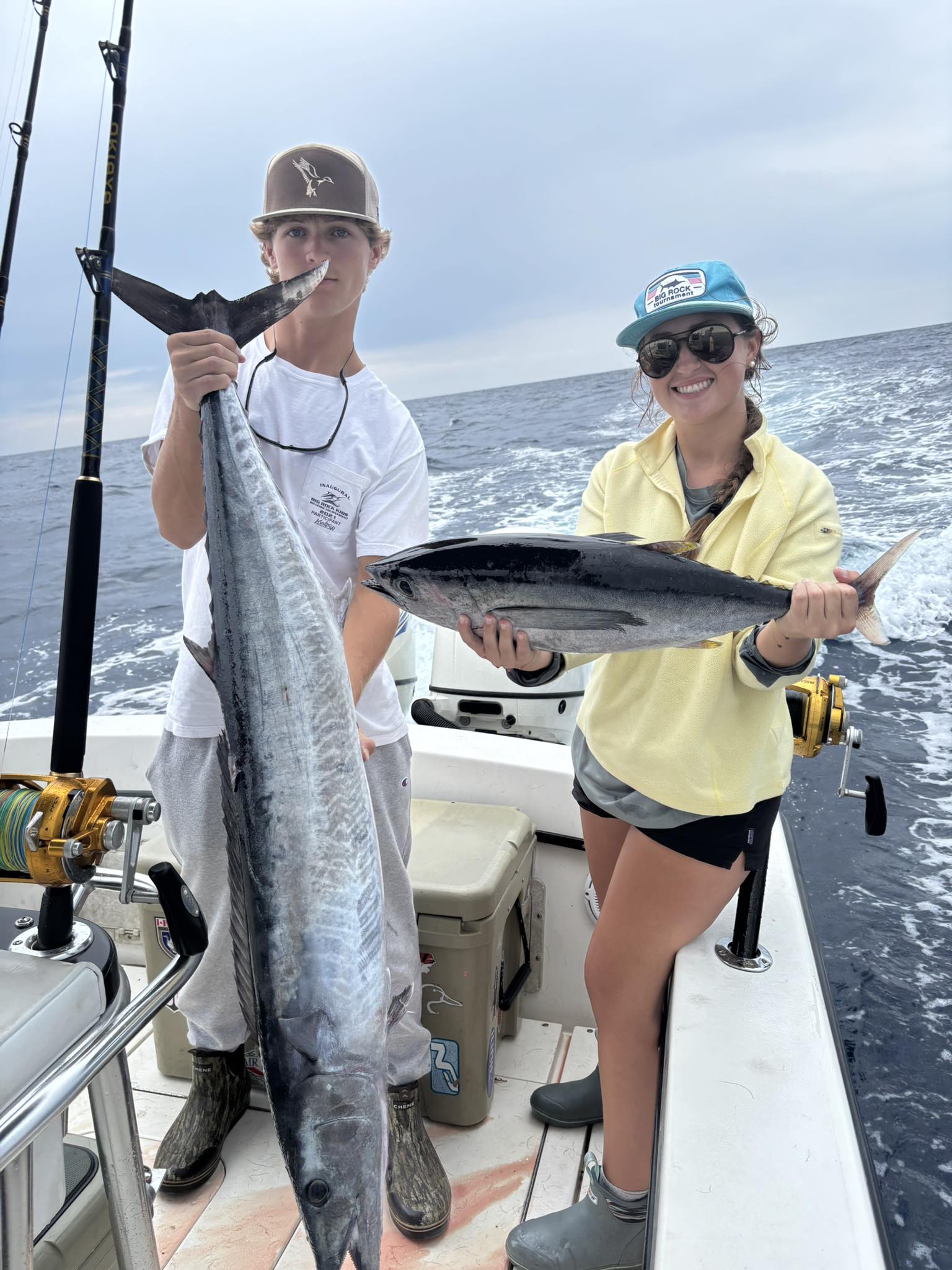
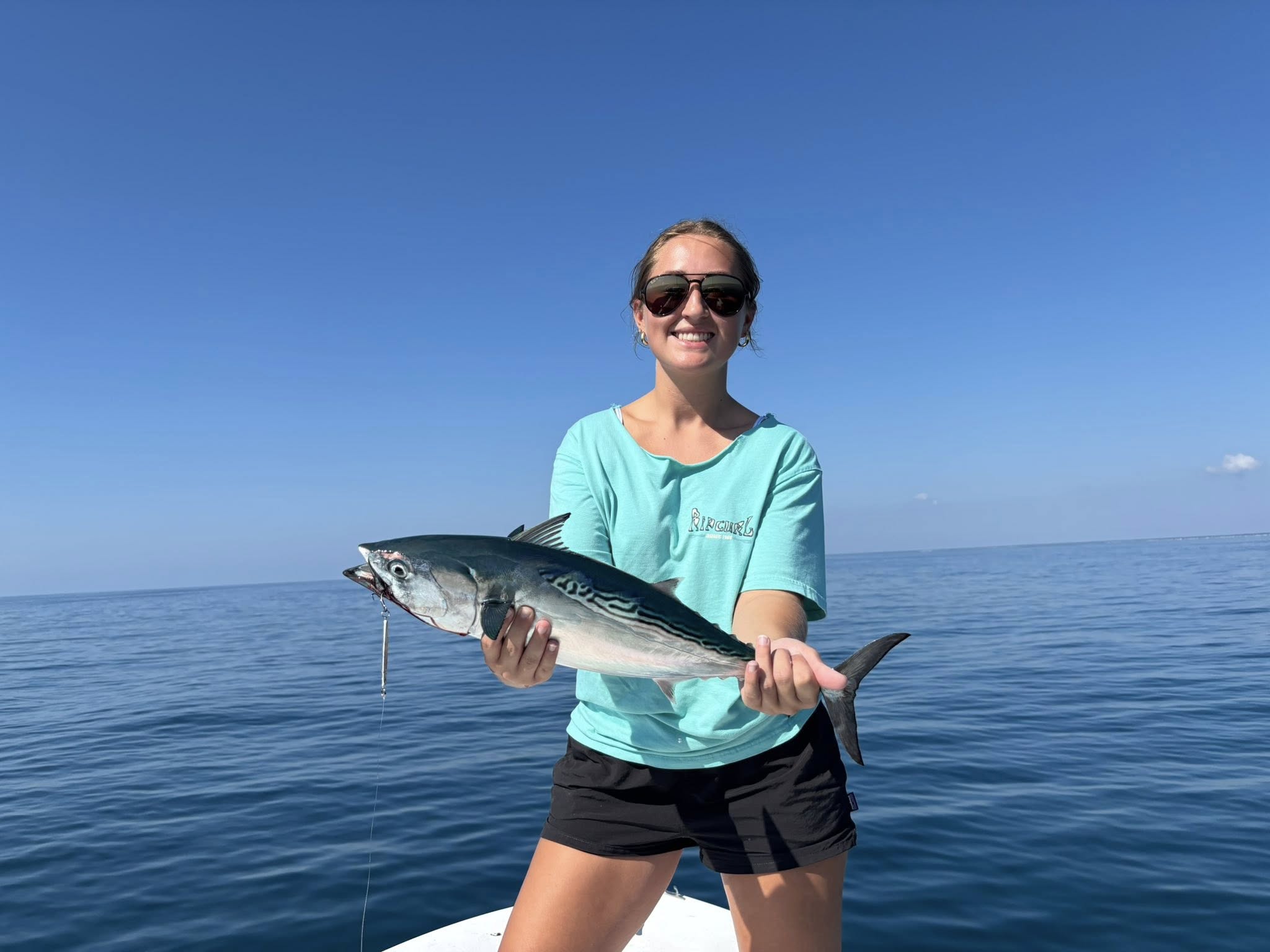
The approach here is all about finesse and getting the most out of every hookup. Light tackle fishing means you're using gear that matches the fish – typically spinning rods in the 7-foot range spooled with 10-15 pound braid, maybe a fluorocarbon leader when the water's clear. This setup lets smaller fish like specks feel substantial while still having the backbone to handle a bull red that decides to make a run. For fly fishing, your captain sets up scenarios where you can actually present flies effectively – poling into position on tailing fish, working creek mouths during moving water, or finding birds working bait. The flies and artificials rotate based on conditions, but expect to throw everything from topwater poppers at sunrise to soft plastics when fish are holding deeper. Bottom fishing comes into play around structure, and when conditions allow, trolling opens up opportunities for false albacore and other pelagic species.
Top Catches This Season
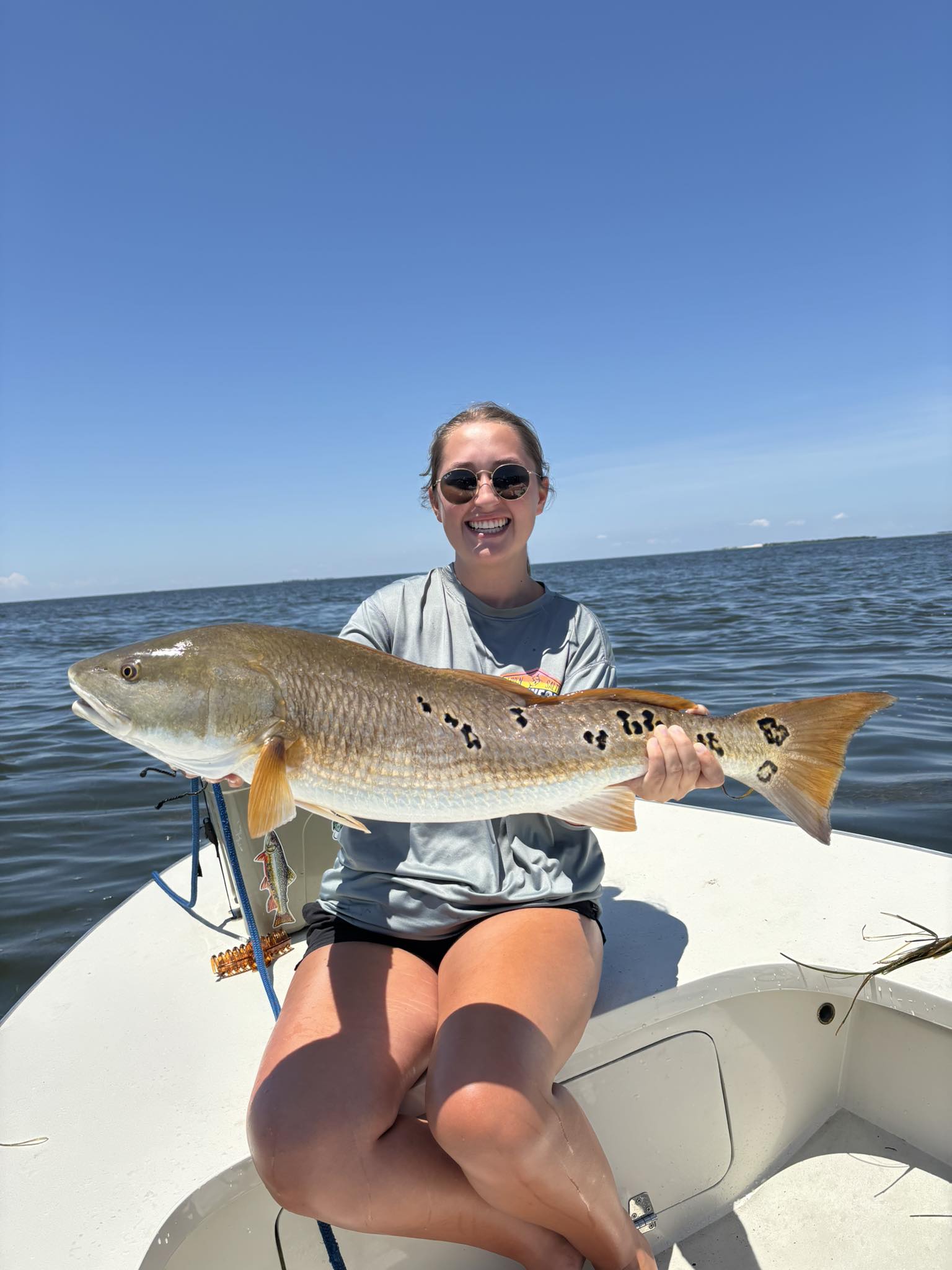
Redfish are the backbone of this fishery, and for good reason. These copper-colored bruisers patrol the grass flats, creek mouths, and oyster bars year-round, though they're most predictable during warmer months when they're actively feeding in shallow water. A typical Beaufort red runs 18-27 inches – perfect slot fish that fight like they're twice their size. They'll crush topwater baits early morning, then transition to subsurface presentations as the sun climbs. What makes reds special here is the sight fishing opportunities; watching a 25-inch fish cruise through two feet of water, then seeing it turn and eat your bait is what keeps anglers coming back.
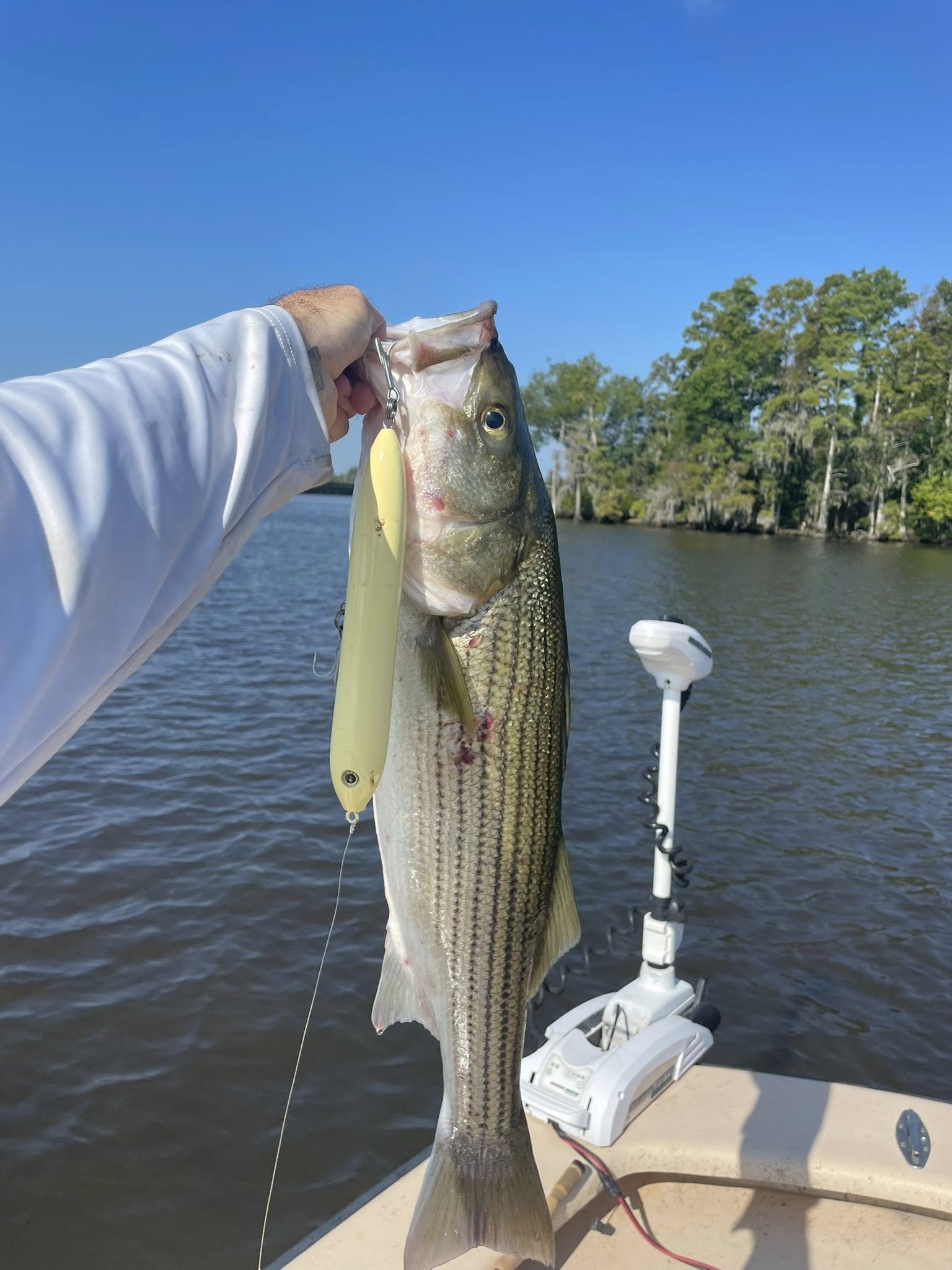
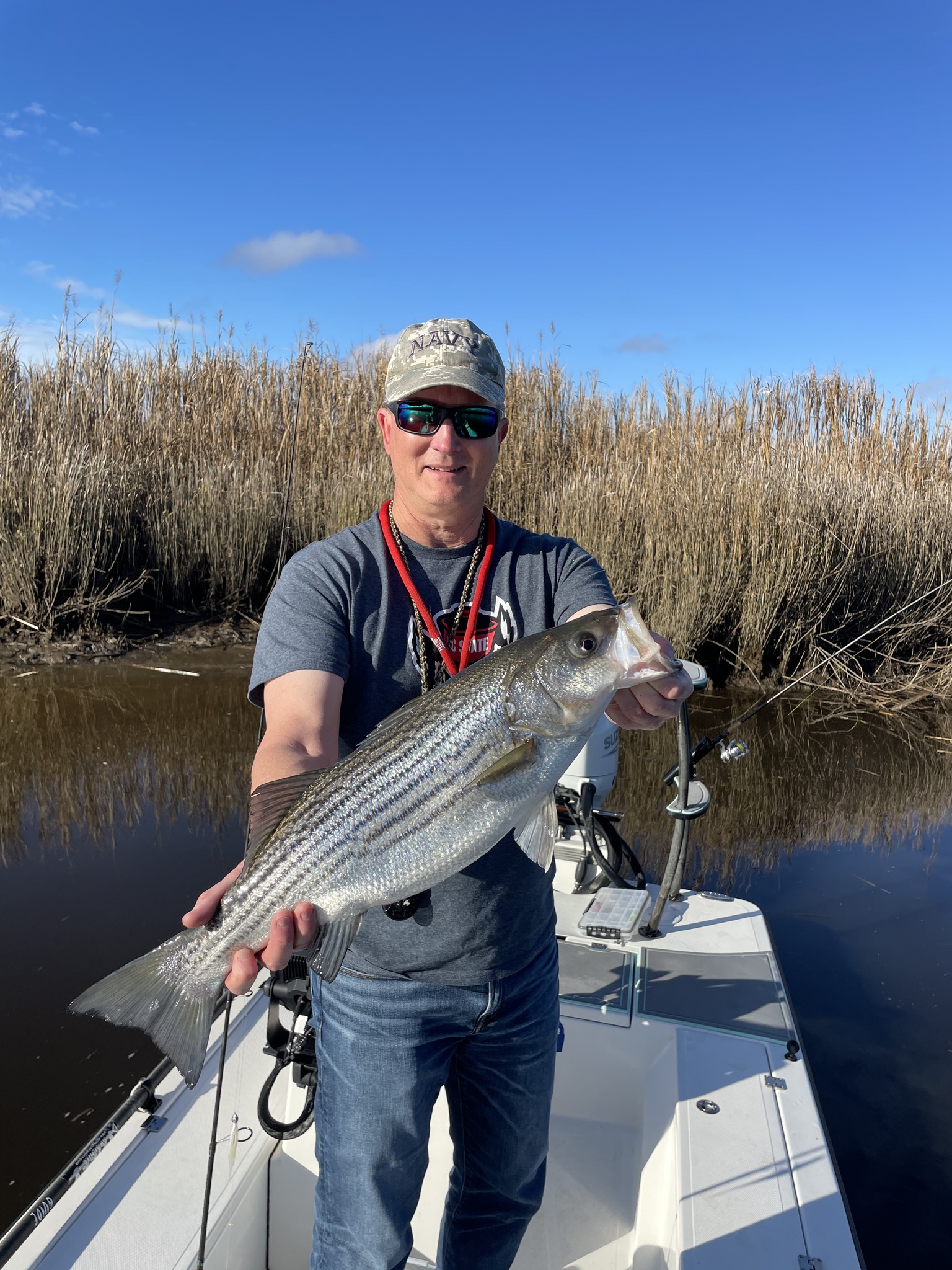
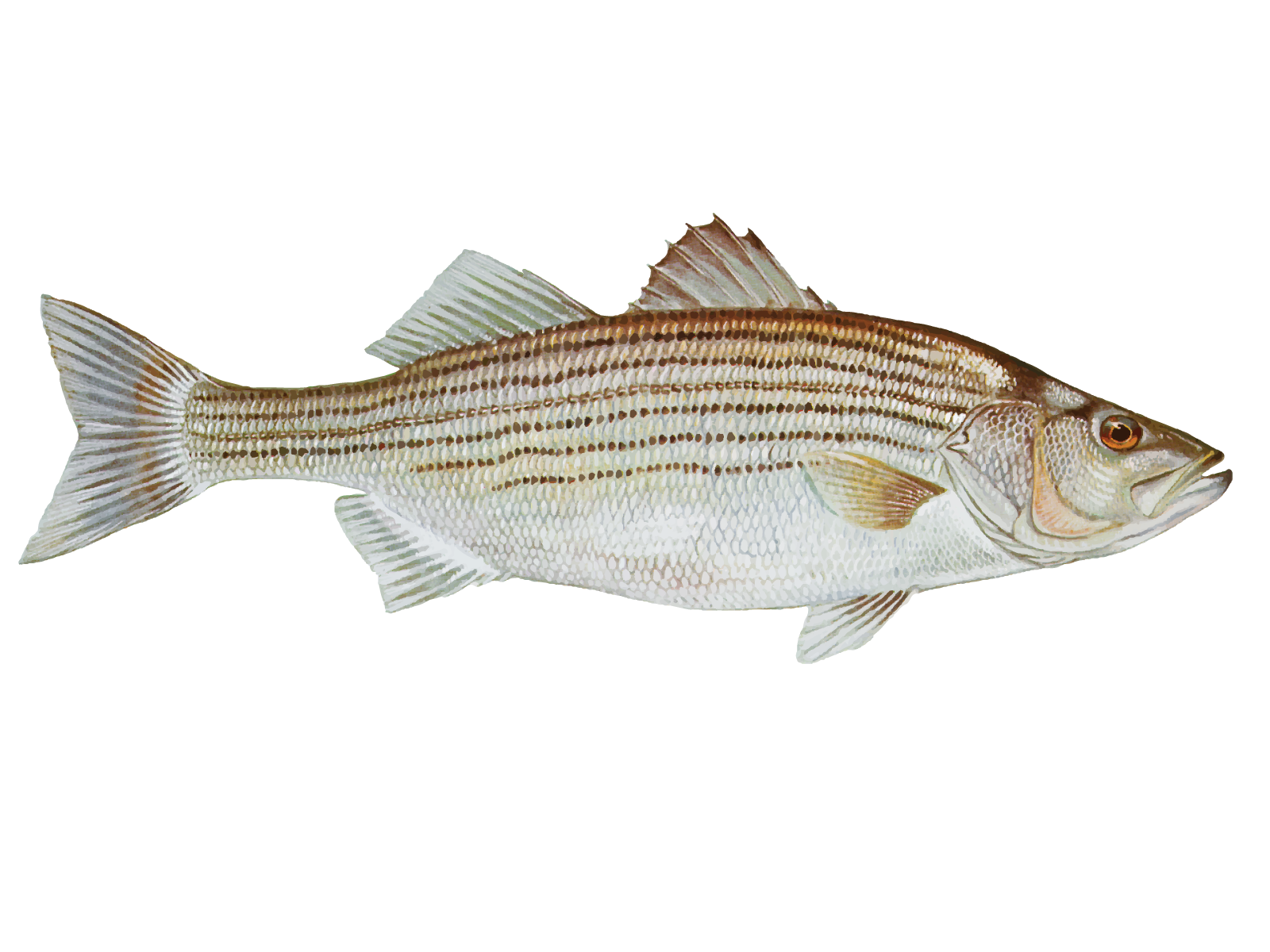
Striped bass bring a different energy to the trip. These silver rockets show up in schools, often driving bait to the surface where birds give away their location. Carolina stripers average 20-28 inches and fight with pure aggression – long runs, head shakes, and aerial displays that'll test your drag system. Spring and fall are prime time when they're feeding heavily during migration, but summer fishing can be outstanding early morning or evening. They're structure-oriented fish, so expect to work around docks, channel edges, and drop-offs where they ambush prey.
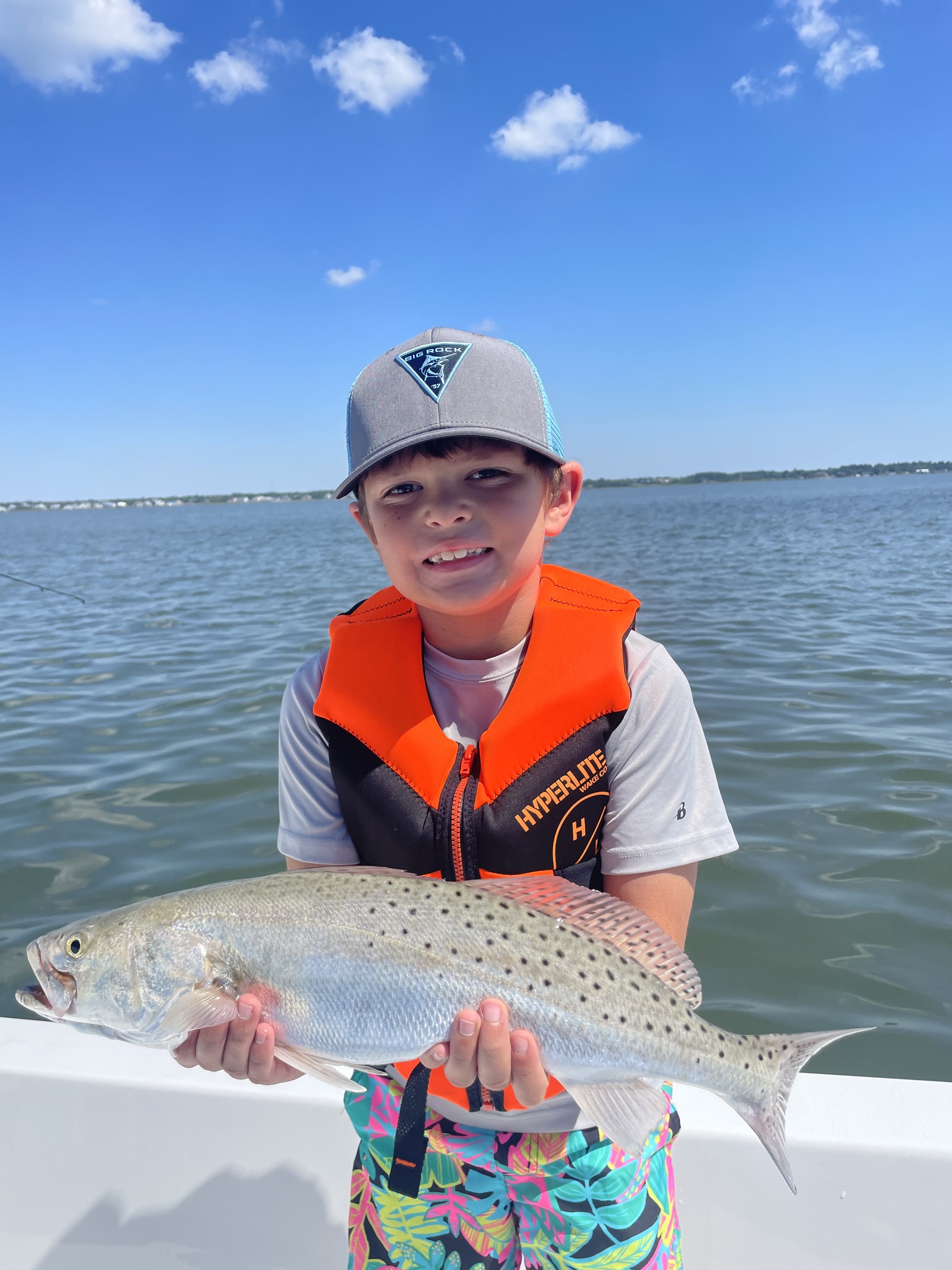
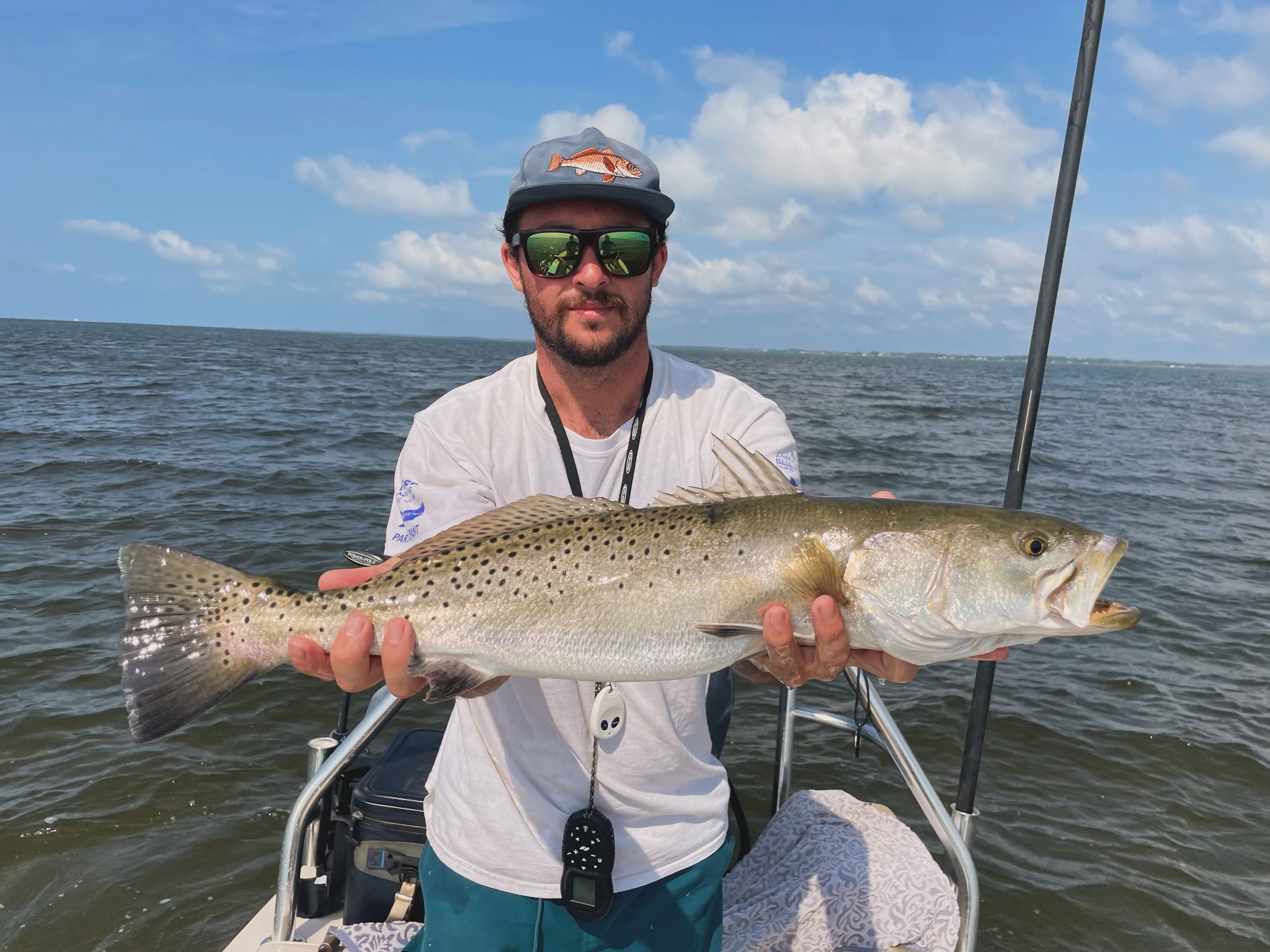
Speckled trout are the technical challenge of the three species. These spotted beauties are incredibly light biters – sometimes you'll barely feel the pickup. They average 14-18 inches in these waters, with occasional fish pushing 20-plus inches that locals call "gator trout." Specks are most active during moving water, especially around grass beds and creek mouths where they feed on shrimp and small baitfish. They're temperature-sensitive, preferring water in the 60-75 degree range, making spring and fall peak seasons. The reward for patience is some of the best eating fish in the ocean.
Time to Book Your Spot
This Beaufort light tackle charter delivers exactly what serious anglers want – quality fishing without the circus atmosphere, knowledgeable guidance that puts you on fish, and techniques that'll improve your game long after the trip ends. Whether you're looking to dial in your sight fishing skills, experience the rush of a red drum peeling drag, or just spend a productive half-day on some of North Carolina's best inshore waters, Cast'n Carolina has the setup and experience to make it happen. The combination of intimate boat size, diverse fishing options, and prime Beaufort location creates opportunities that bigger operations simply can't match. Book your dates early, especially during peak seasons, because word travels fast about charters that consistently produce fish.
 Private Trip
 Inshore Fishing
 undefined, undefined

 Half-day light tackle fishing targeting redfish, striped bass, speckled trout