Florida Inshore Fishing Adventure – Full-Day Charter
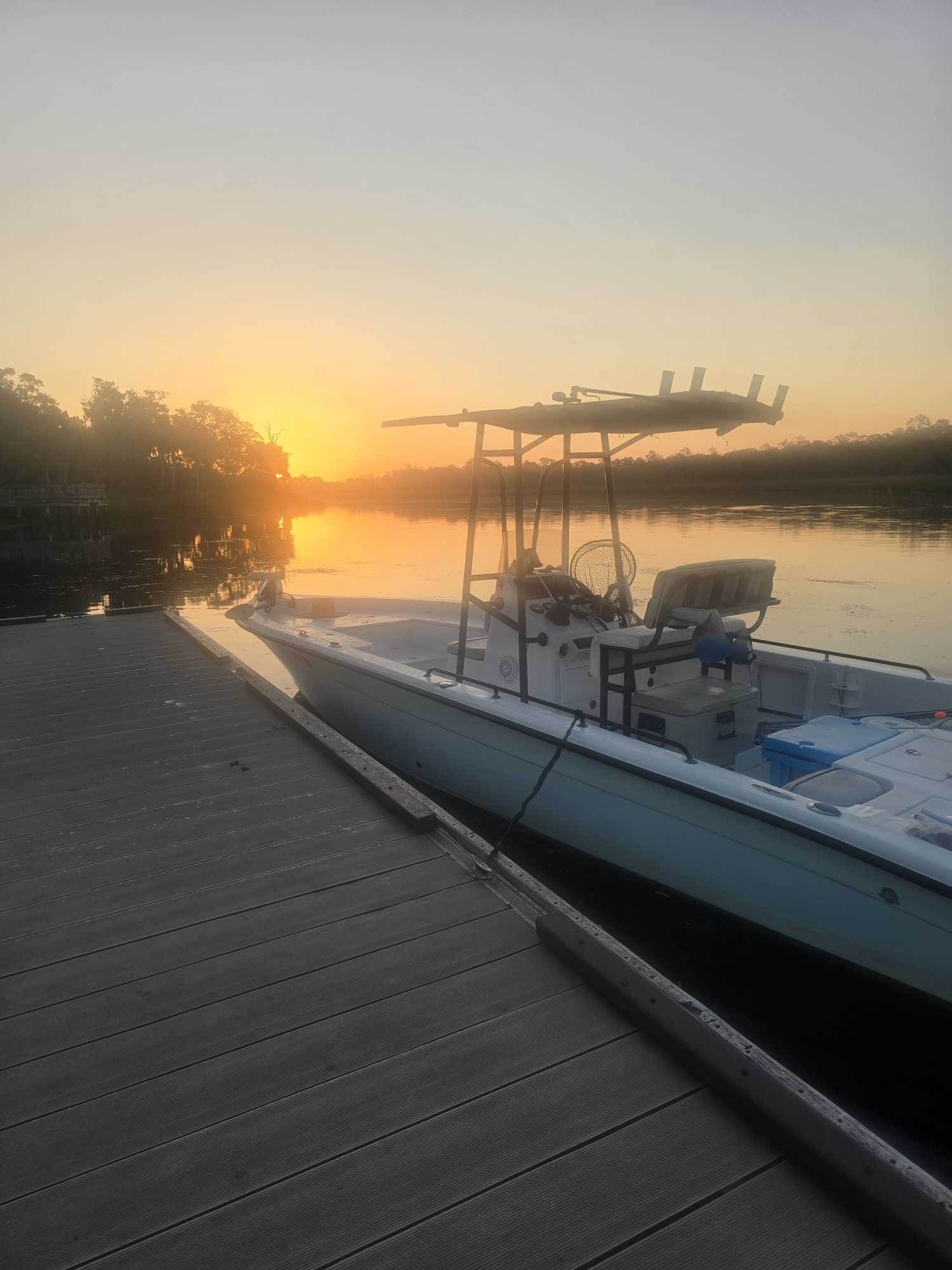
Captain Stacy knows these Florida backwaters like the back of his hand, and he's ready to put you on fish for a solid 8-hour adventure. This isn't some rushed half-day trip where you're just getting started when it's time to head back. We're talking about a full day of working the flats, grass beds, and mangrove edges where the real action happens. You'll be fishing from his trusty 24-foot Carolina Skiff – the perfect boat for getting into those skinny water spots where the big fish like to hang out. Whether you're a weekend warrior or someone who's been chasing fish for decades, Captain Stacy will adjust the game plan to match your skill level and put you in the best position to succeed.
What to Expect on the Water
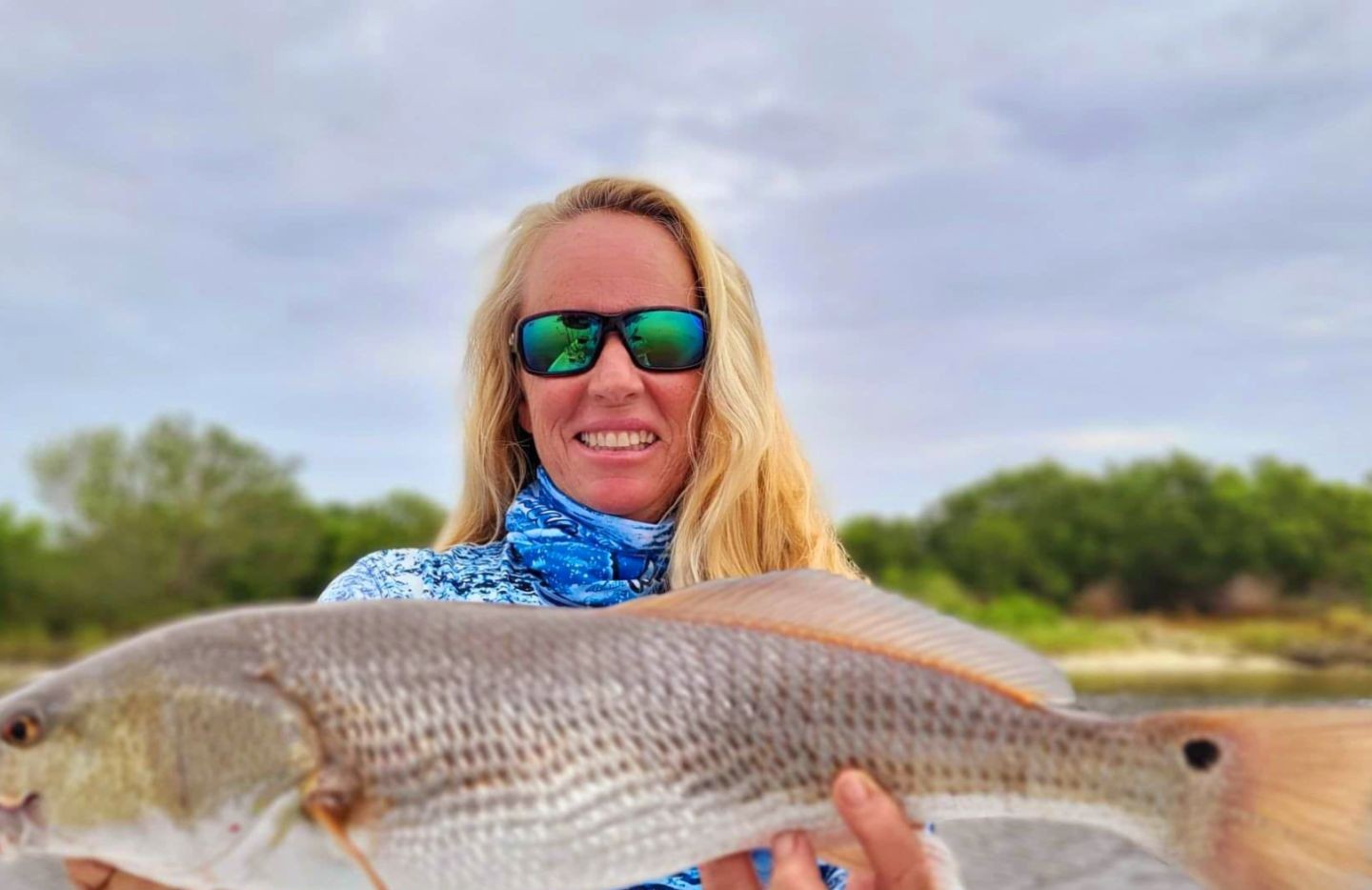
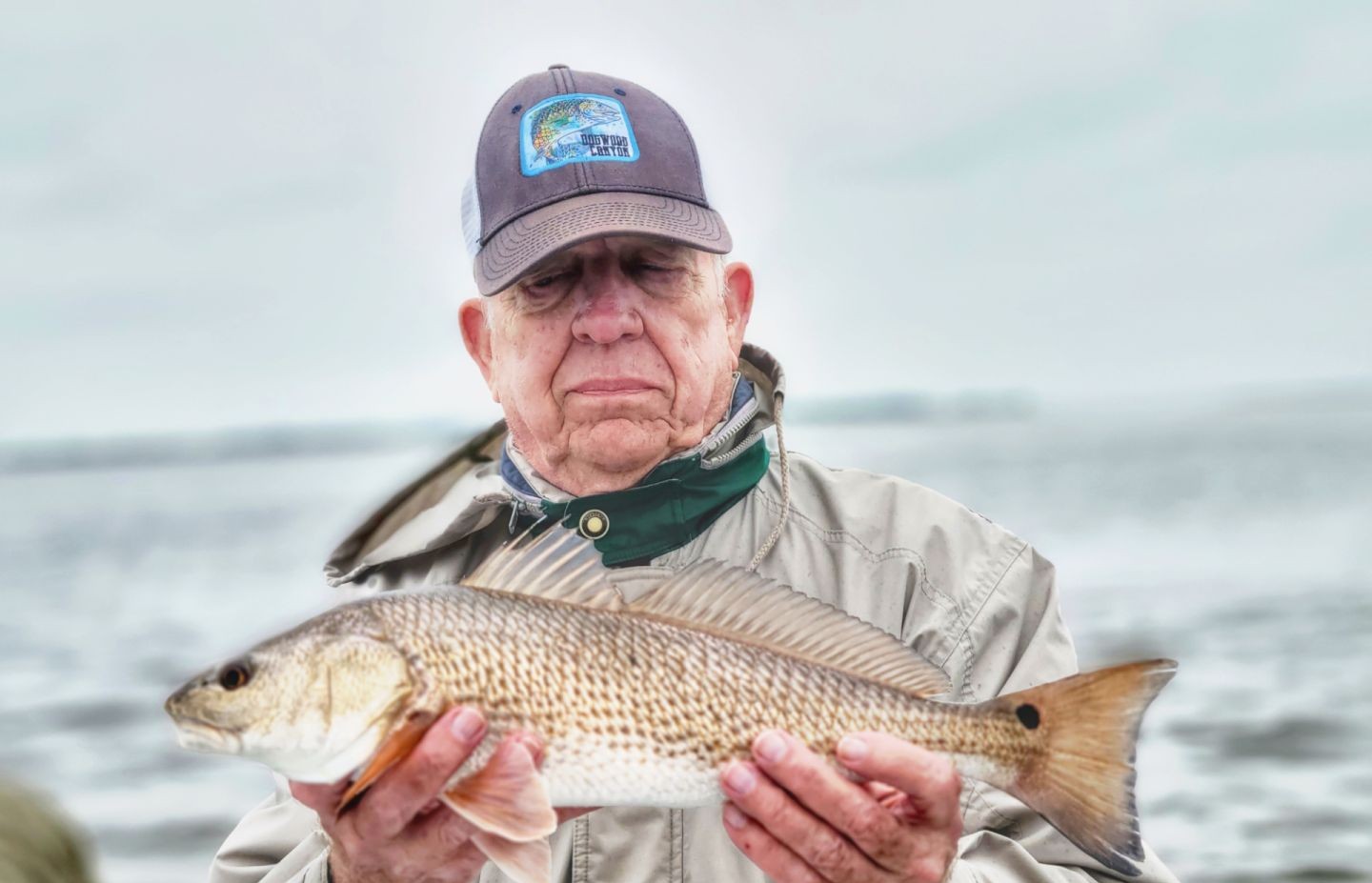
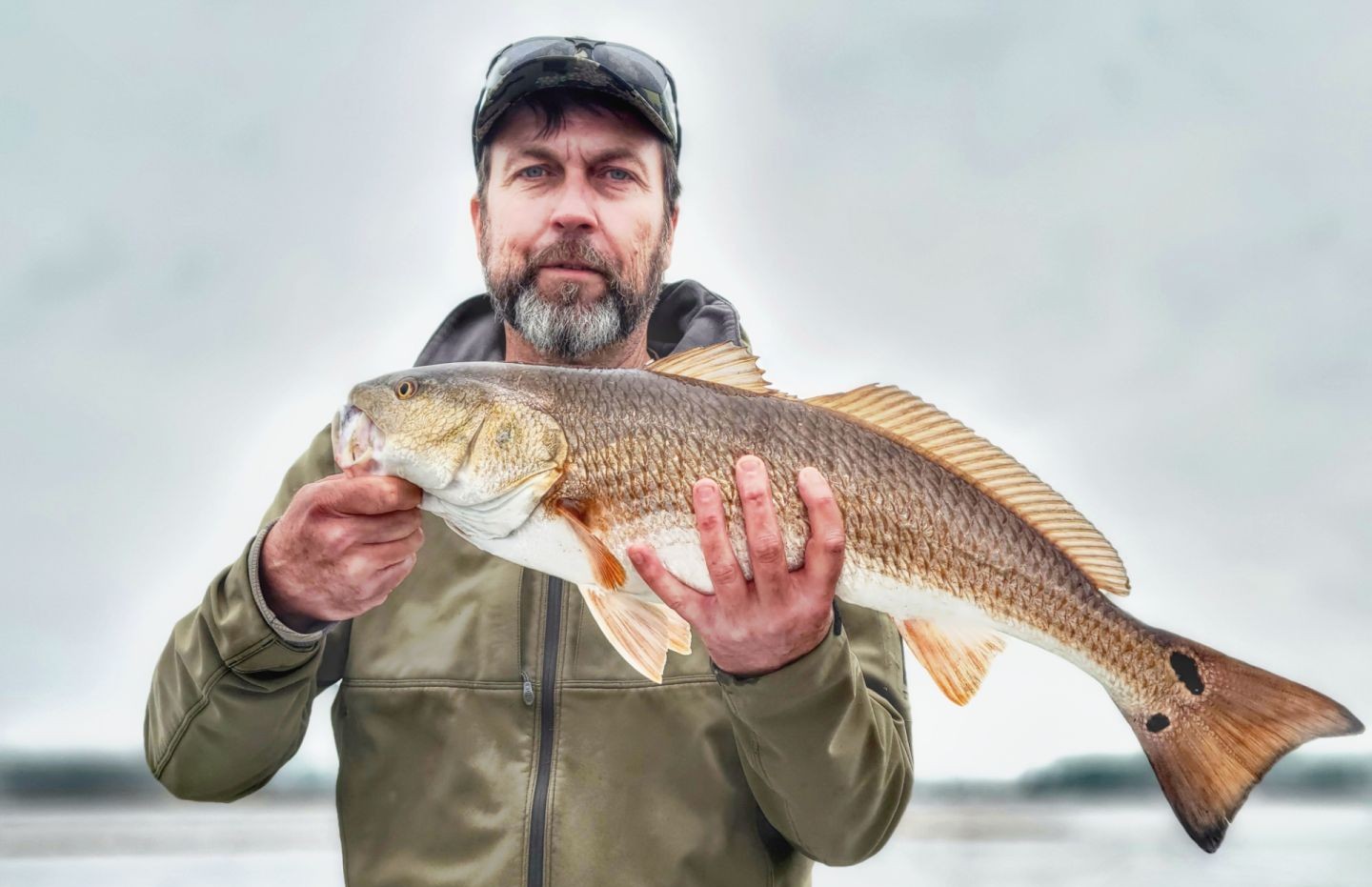
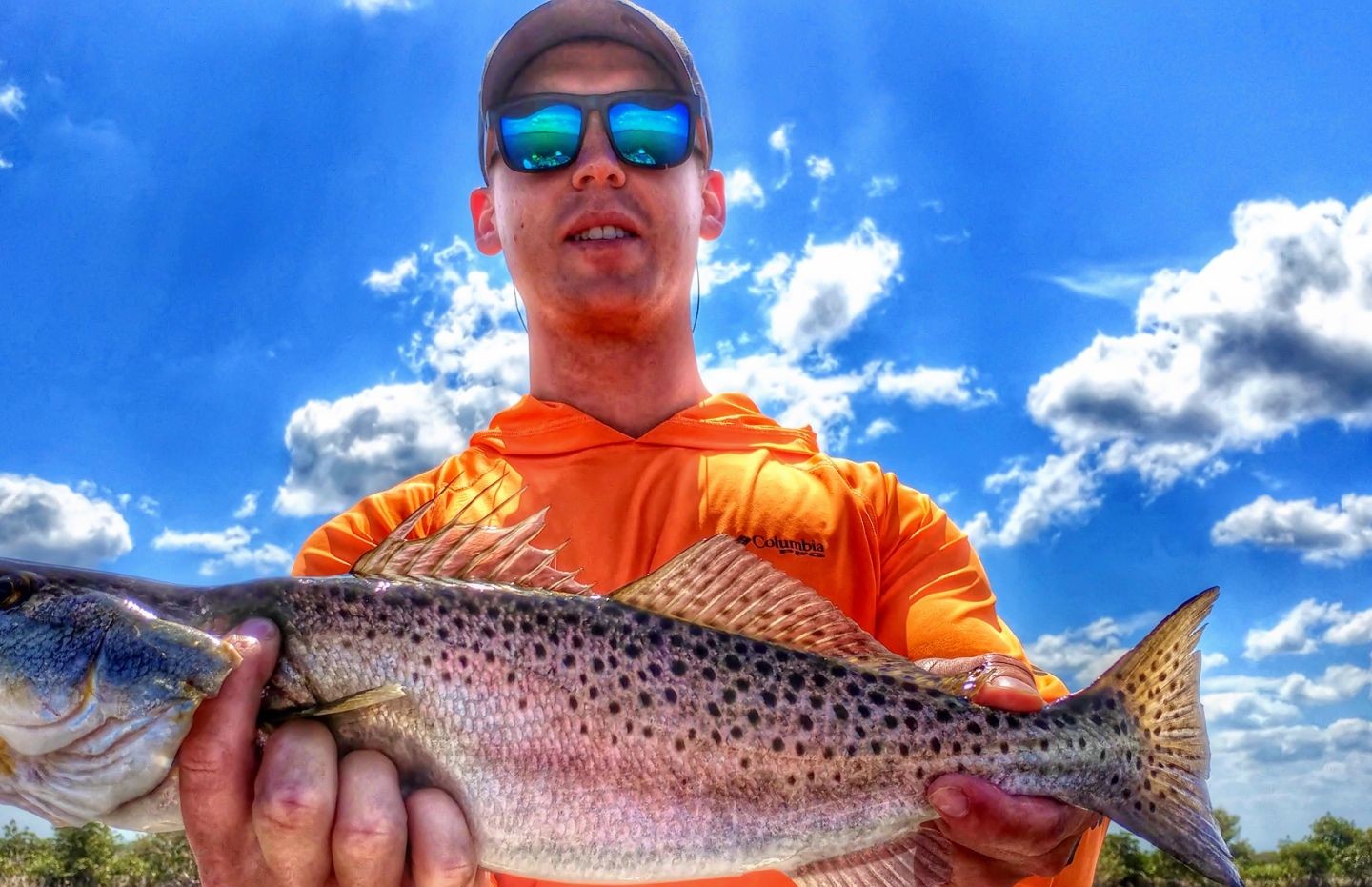
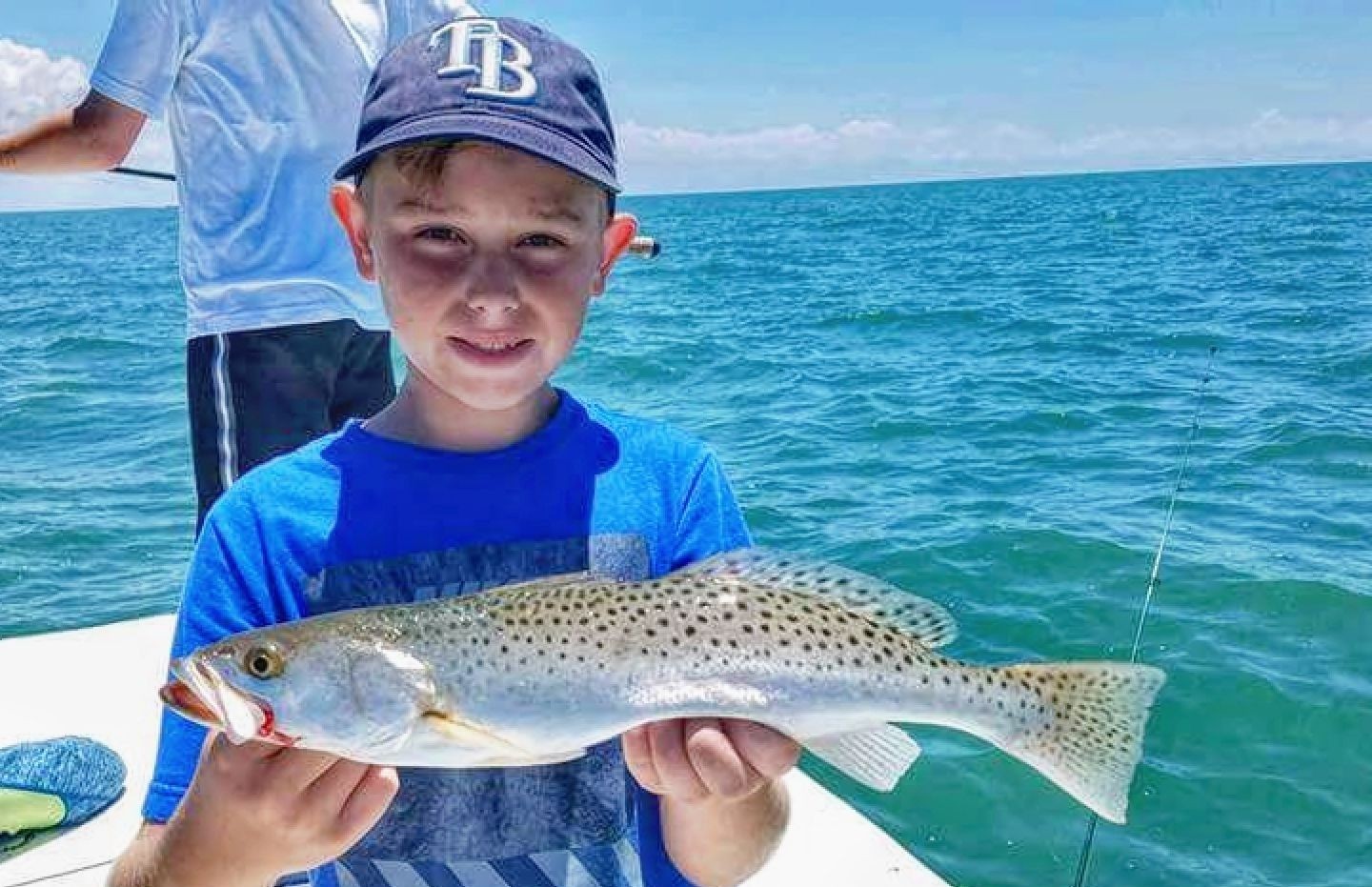
Your day kicks off early when you meet Captain Stacy at the dock, and trust me, the early bird gets the worm when it comes to inshore fishing. The Carolina Skiff is rigged with all the premium tackle you'll need – from light spinning gear for finicky trout to heavier setups when we're targeting those bruiser cobia. The beauty of inshore fishing in Florida is the variety. One minute you're sight-fishing to tailing redfish in two feet of water, the next you're working structure for tripletail or watching your drag scream when a blacktip shark decides your bait looks tasty. Captain Stacy reads the water conditions, tides, and weather to put together a game plan that maximizes your time on productive water. The boat's shallow draft means we can get into spots that bigger boats can't touch, giving you access to some seriously fish-rich territory that stays relatively unpressured. Pack your own lunch and plenty of water – when the fish are biting, you won't want to waste time running back to shore.
Techniques & Tackle Setup
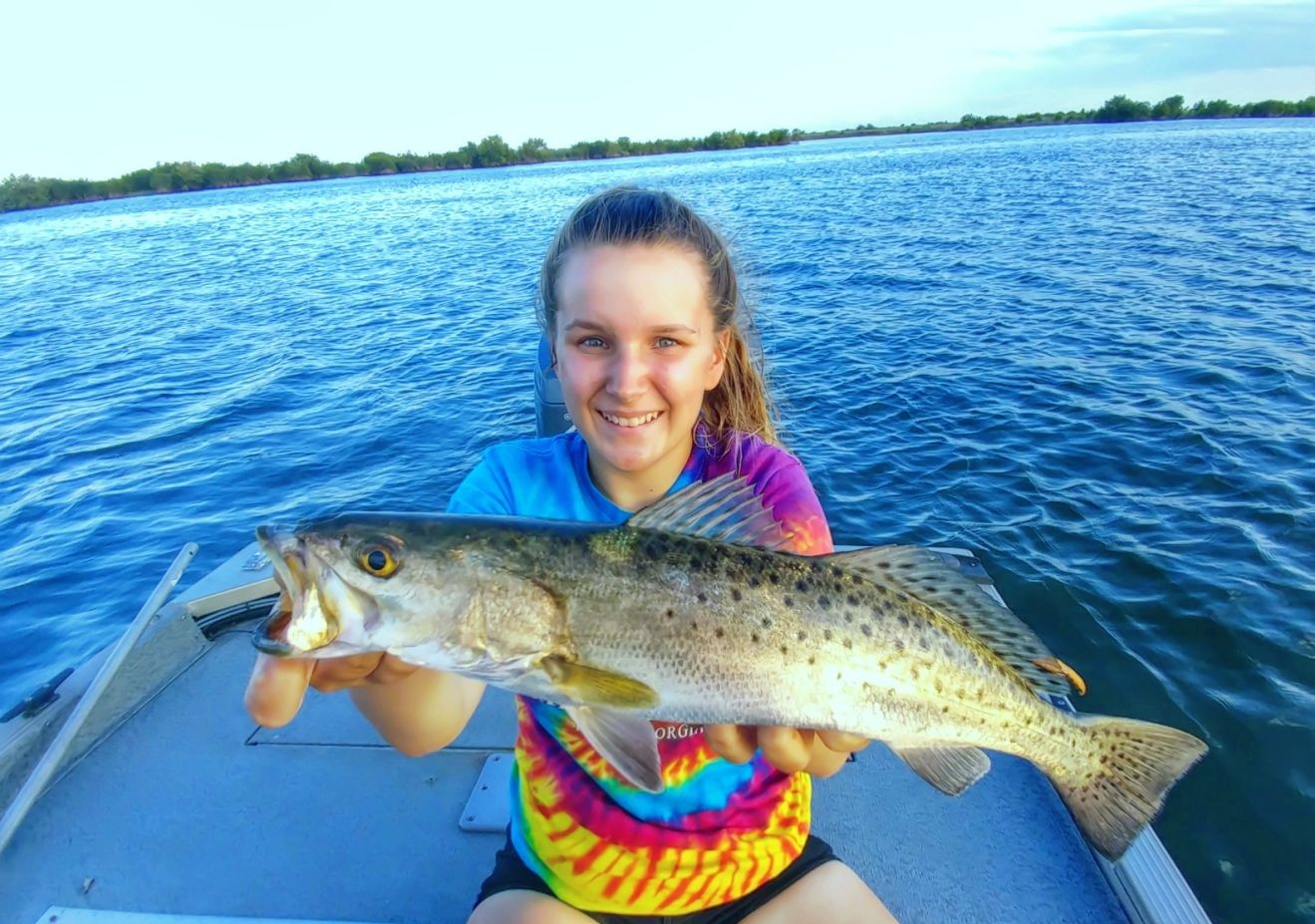
Captain Stacy runs a tight ship when it comes to gear, so you know you're working with quality equipment that's been tested in these waters. We'll be using a mix of live bait and artificials depending on what the fish are telling us. Live shrimp is always a go-to for trout and redfish, but don't be surprised if we switch to cut bait when the sharks are around or break out the jigs when we find schools of cobia cruising the surface. The Carolina Skiff's layout gives everyone plenty of room to cast without tangling lines, and the shallow draft lets us pole into those backcountry spots where the big fish feel safe. We'll work everything from oyster bars and grass flats to channel edges and mangrove shorelines. Captain Stacy will teach you how to read the water – spotting nervous bait, watching for bird activity, and understanding how tides move fish around. It's not just about dropping a line and hoping for the best; it's about putting the puzzle pieces together and being in the right place at the right time with the right presentation.
Top Catches This Season
Permit are the holy grail of flats fishing, and Florida's waters hold some serious specimens. These fish are notorious for being spooky and selective, but when you hook one, you'll understand why anglers travel from around the world just for a shot at them. Permit typically range from 10 to 30 pounds, with their distinctive sickle-shaped fins and compressed bodies built for speed. The best opportunities come during warmer months when they're more active on the flats, often found around crab-rich areas and structure. What makes them special is their intelligence – they'll inspect your bait like a fish detective, and one wrong move will send them bolting. Landing one is a badge of honor that separates the casual angler from the serious saltwater enthusiast.
Blacktip sharks bring the adrenaline factor to any inshore trip. These aggressive feeders range from 20 to 40 pounds on average, but don't let their size fool you – they fight way above their weight class. Summer months are prime time when they move into shallow water to feed and breed. What gets anglers fired up about blacktips is their acrobatic fighting style. Once hooked, they'll jump, spin, and make screaming runs that'll test your drag system and your arms. They're also excellent tablefare if you decide to keep one, with firm white meat that's perfect for the grill. Captain Stacy knows the spots where they cruise, often around bait schools and channel edges.
Cobia are the bulldogs of the inshore world, and Florida waters produce some monsters. These brown torpedoes can range anywhere from 15 pounds to well over 50, and they're built like linebackers with attitudes to match. Spring and fall are peak seasons when they're most active, often found following rays or cruising near structure. What makes cobia fishing so addictive is that it's often a sight-fishing game – you'll see them coming and have to make the perfect cast. They're curious fish that will follow a well-presented bait, but they can also be finicky when they want to be. Once hooked, they dive hard and use their broad heads and powerful bodies to try to wrap you around any structure they can find.
Tripletail are the oddball fish that look like floating leaves until they decide to eat your bait. These unique fish typically run 5 to 15 pounds and are most active during warmer months around floating debris, channel markers, and crab trap floats. They get their name from their anal and dorsal fins, which extend back to make it look like they have three tails. What's cool about tripletail fishing is that it's often a visual game – you spot them floating near structure and make a precise cast. They're ambush predators with big mouths, and when they decide to eat, they inhale the bait with surprising aggression. Plus, they're fantastic on the dinner table with firm, white meat that rivals any restaurant fish.
African Pompano are the speedsters that'll make your reel sing
 Private Trip
 Inshore Fishing
 St Marks, FL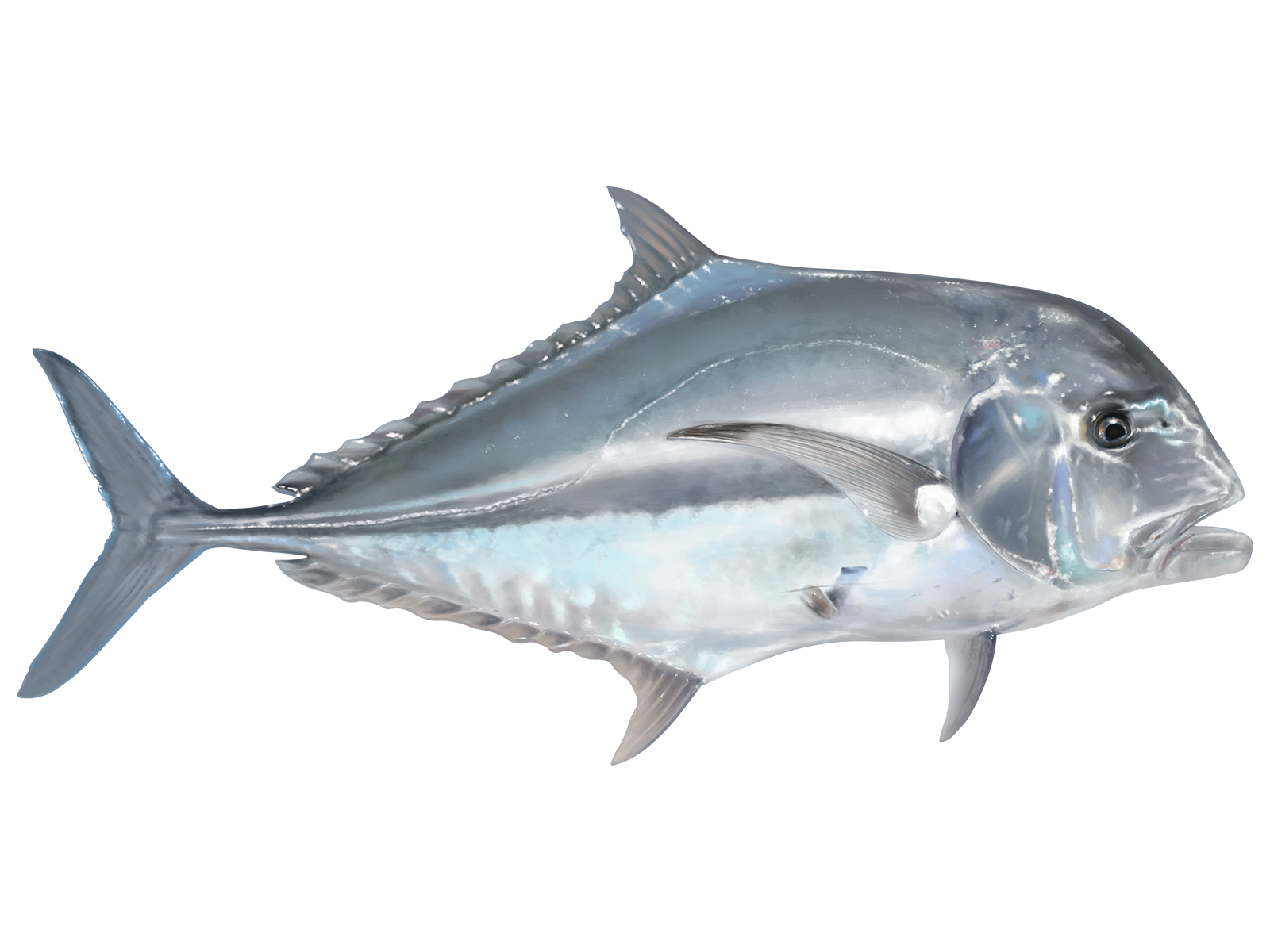


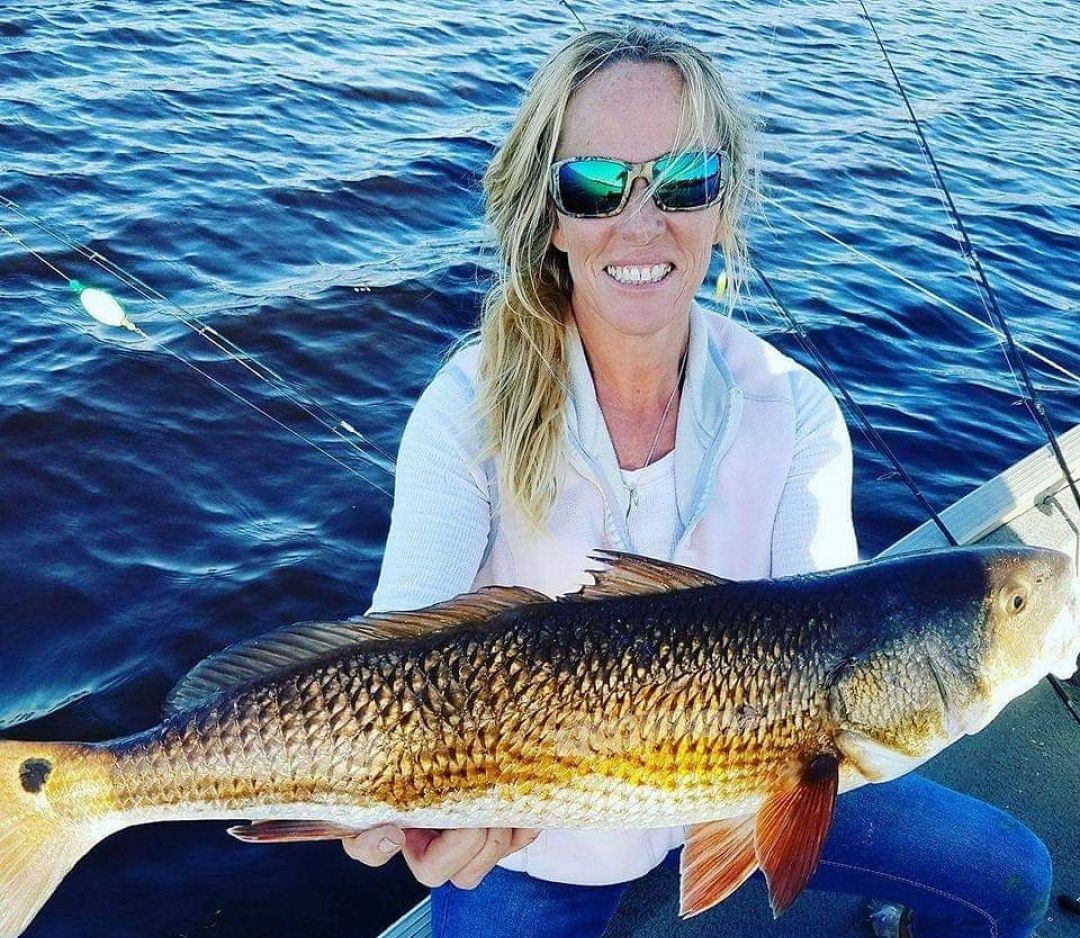
 Full-day charter targeting Redfish, Trout, and Cobia species