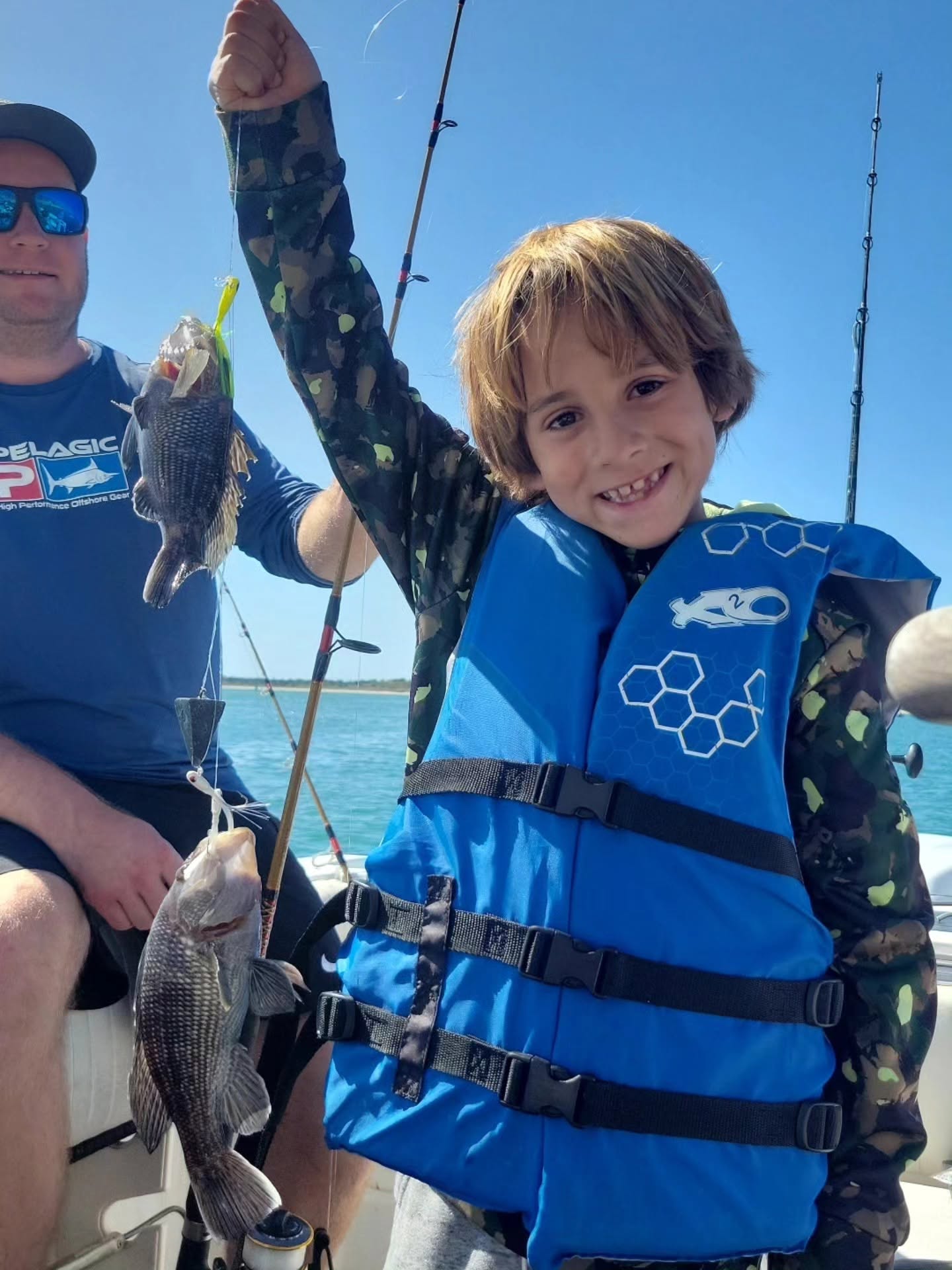
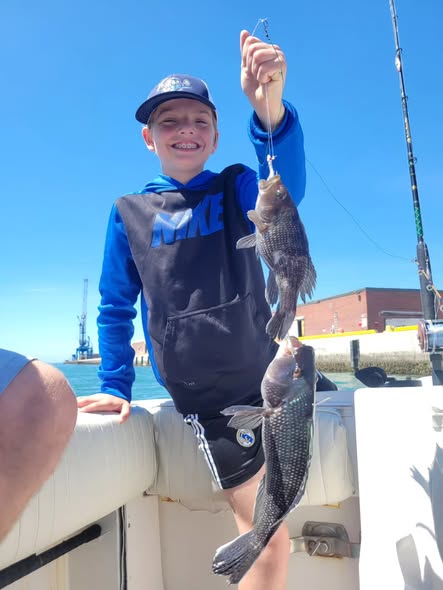
Extended Half Day Offshore in Atlantic Beach
When you're ready to get serious about offshore fishing, this 6-hour charter out of Atlantic Beach is where you want to be. We're talking about real blue water action - the kind that gets your drag screaming and your heart pumping. This isn't your typical inshore trip where you're casting at docks. We're heading out to the deep stuff, where the big pelagics cruise and the action can go from zero to hero in seconds. With room for four anglers, you've got plenty of space to work the rods without bumping elbows, and trust me, you'll want that room when a mahi lights up your spread.
What to Expect on the Water
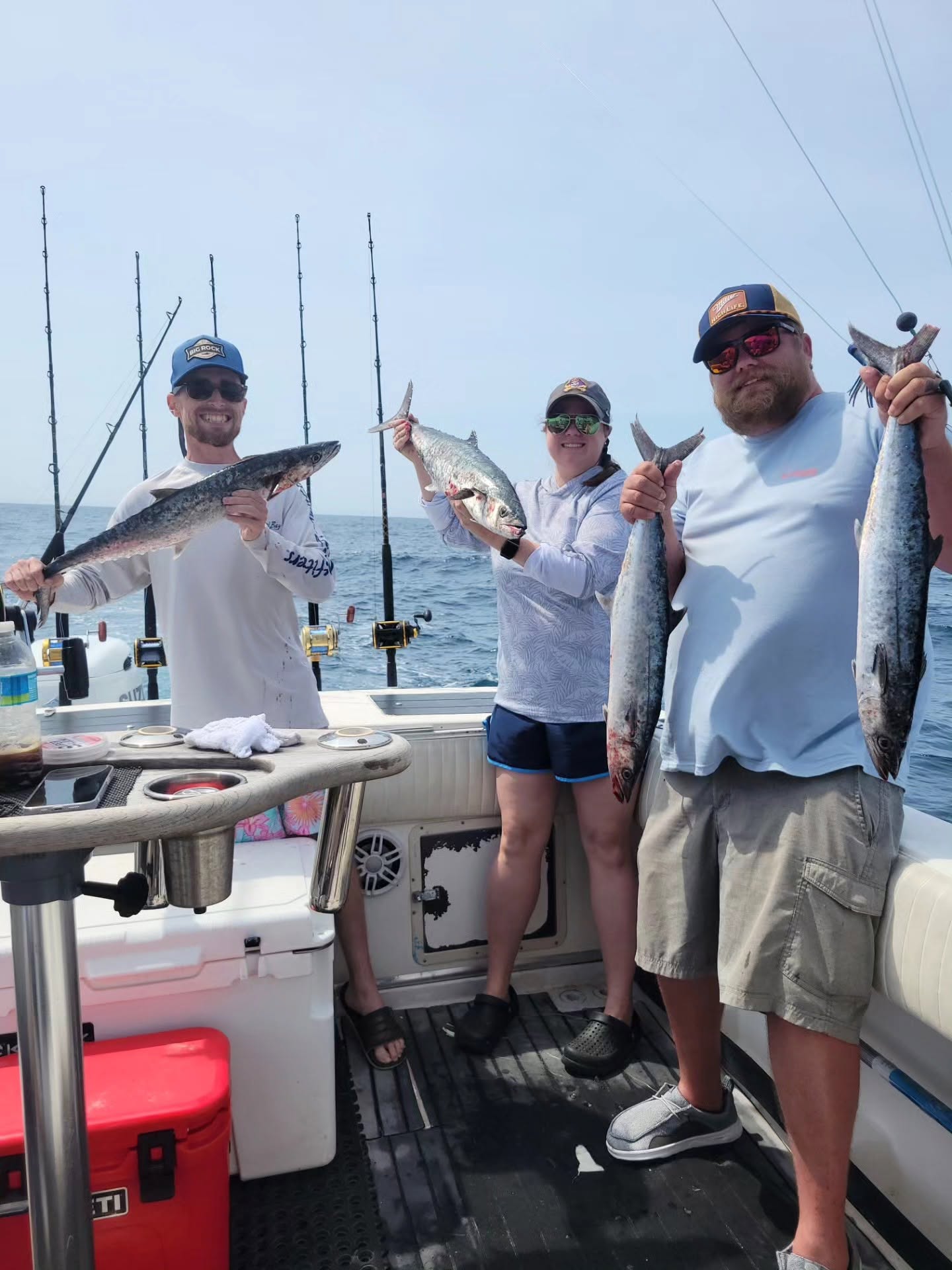
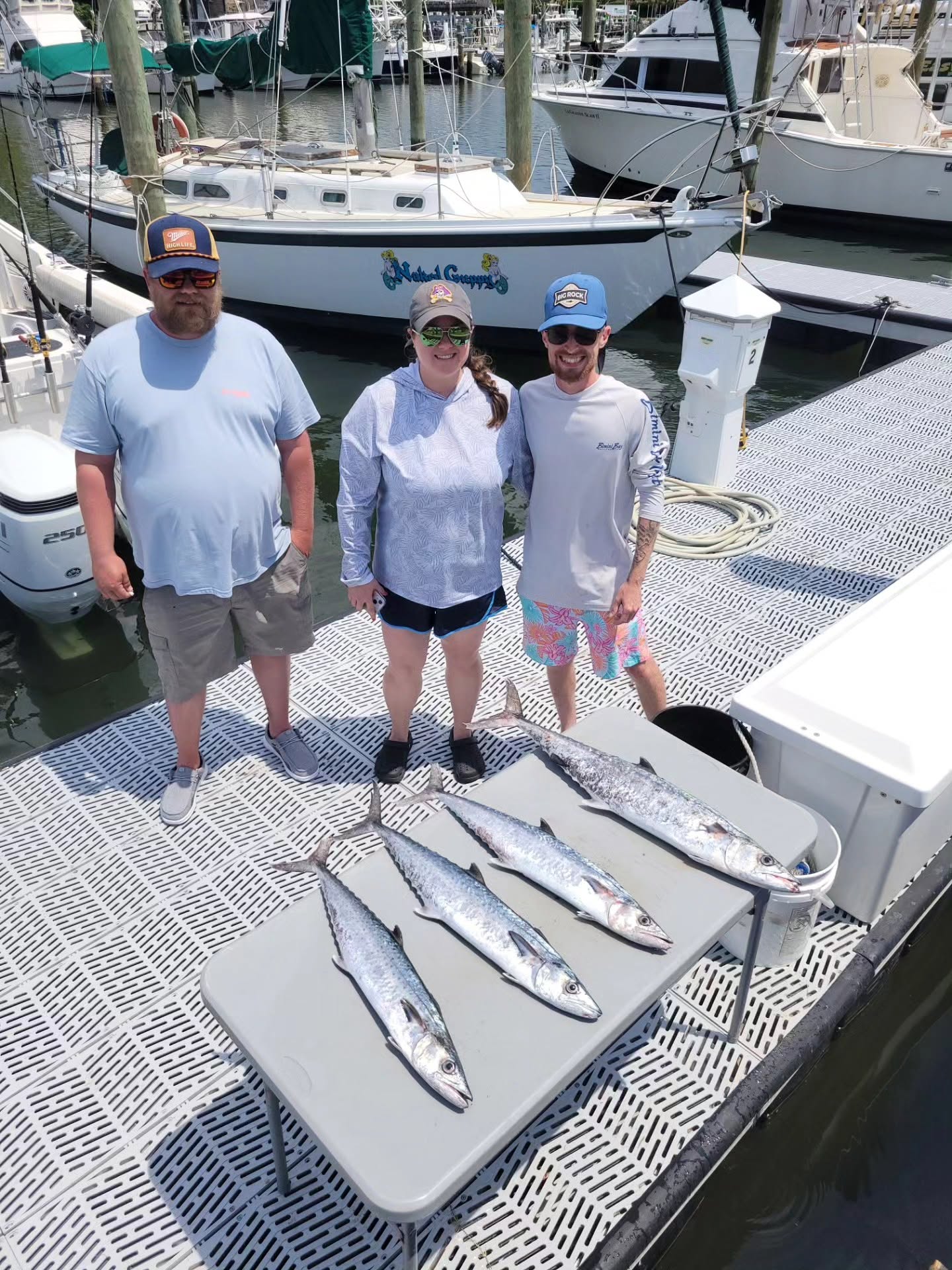
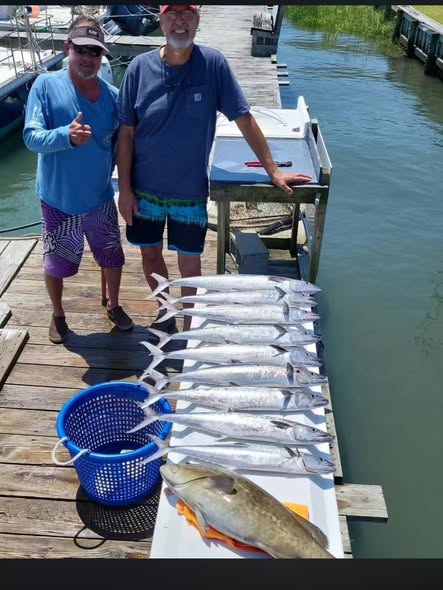
This charter is built for anglers who want to test their skills against Atlantic Beach's top offshore targets. We're talking King Mackerel that'll strip 200 yards of line before you know what hit you, Mahi Mahi that put on aerial shows like they're auditioning for a fishing magazine cover, and Amberjack that fight like they're welded to the bottom. The captain knows these waters like his own backyard - where the temperature breaks set up, which humps hold fish, and when to make the move that turns a slow pick into a wide-open bite. You'll be fishing with quality gear that can handle whatever we hook into, and the crew will keep you in the action all day long. The boat runs clean, the equipment is maintained, and the crew knows how to put you on fish.
Trolling Tactics & Gear
Out here, we're primarily trolling to cover water and find where the fish are holding. The spread typically includes a mix of ballyhoo, cedar plugs, and various lures that mimic the baitfish these pelagics are hunting. We'll adjust our trolling speed based on what we're targeting - kings like it a bit faster, while mahi often prefer a slower, more methodical presentation. The boat carries rods that can handle everything from 20-pound tackle for the smaller kings and mahi up to heavier gear when the amberjack are stacked up on structure. Circle hooks are the standard for live and dead bait presentations, and the crew will coach you through the fight to make sure you land what you hook. When we find a good bite, we might switch to live bait or work some vertical presentations, especially if we're marking fish on the bottom around wrecks or hard structure.
Customer Stories
"Had the best time offshore with this crowd! Jam to music, swig some adult beverages, catch some fish- that's my kind of day!" - Miranda
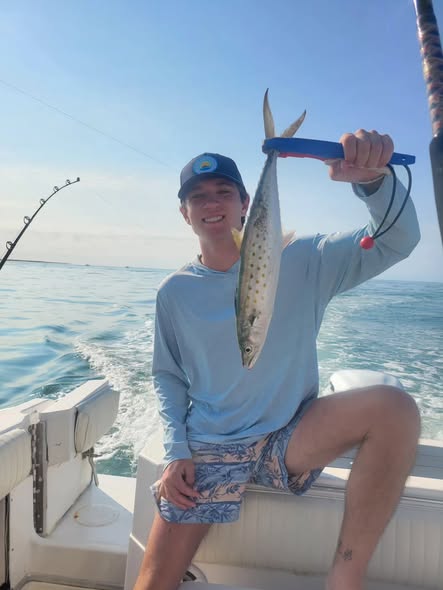
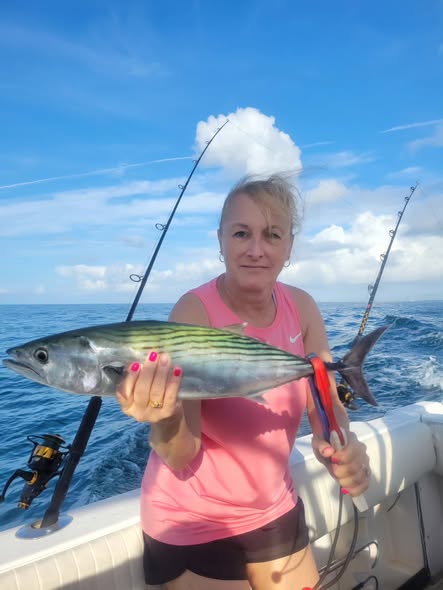
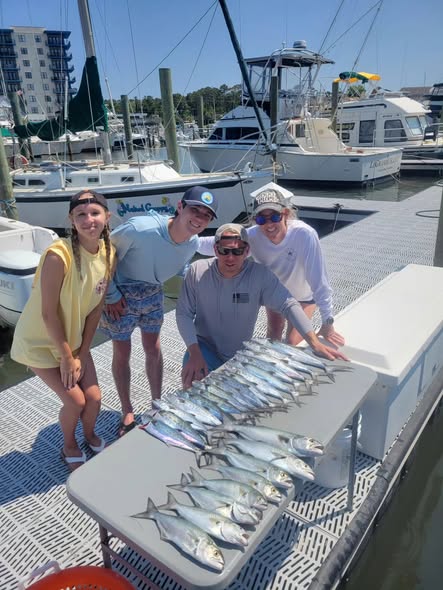
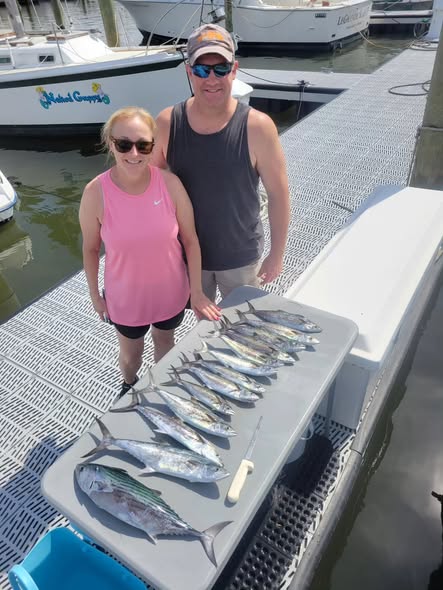
"The captain and mate kept us right in the action for catching Spanish mackerel and bluefish. We came back with around 30 fish in total and it was nice of the captain to fillet them for us. Also they were very flexible and allowed us to end a bit earlier as the fishing slowed down. Can't complain!" - Sam
Species You'll Want to Hook
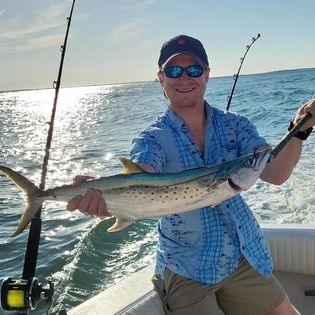
King Mackerel are the bread and butter of Atlantic Beach offshore fishing, and for good reason. These silver bullets typically run anywhere from 10 to 40 pounds, with the occasional smoker pushing 50-plus. Kings are most active during the warmer months, roughly April through October, and they love structure - whether it's natural reefs, artificial reefs, or wrecks. What makes them so addictive is their initial run; when a king hits your bait, it's like somebody just tied your line to a motorcycle. They'll scream drag and make multiple runs before you get them to the boat. The key is keeping steady pressure without being too aggressive early in the fight.
Mahi Mahi, or dolphinfish as the locals call them, are pure eye candy both in the water and on the dinner plate. These fish typically range from 5 to 20 pounds in our waters, though bull mahi can push 40 pounds or more. They're most common from late spring through early fall, and they love floating debris, weed lines, and temperature breaks. Mahi are acrobatic fighters that'll jump, tail-walk, and change colors right before your eyes. The bonus with mahi is they often travel in schools, so when you find one, there's usually more around. They're also some of the best eating fish in the ocean - firm, white meat that's perfect on the grill.
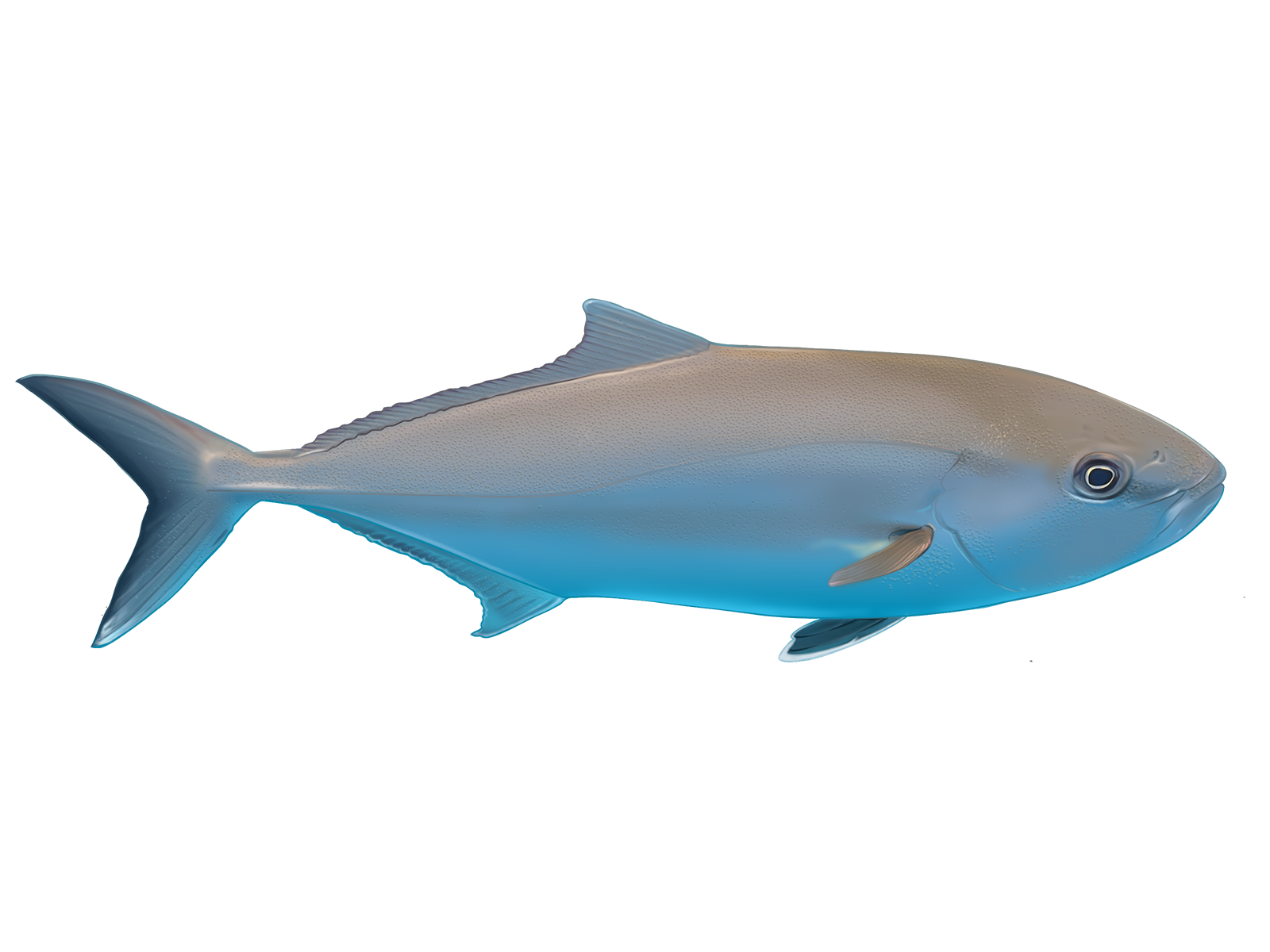
Greater Amberjack are the bulldozers of the offshore world. These bottom dwellers can range from 20 to 60 pounds or more, and they use every ounce of that weight to try to get back to the structure they call home. AJs are year-round residents around our wrecks and reefs, though they're most active during the cooler months when the water temperature drops. What makes amberjack so challenging is their fighting style - they don't make long runs like kings, but they dig deep and use their broad sides to fight you every inch of the way up. It's a test of endurance and tackle, and landing a big AJ is something you'll remember for years.
Wahoo are the speed demons of the offshore world, capable of hitting 60 mph when they want to. These missiles typically run 15 to 40 pounds in our waters, and they're most common during the fall and winter months when they're migrating through. Wahoo have razor-sharp teeth and a habit of cutting lines, so we use wire leaders when targeting them specifically. Their strikes are violent and their runs are blistering fast - there's no mistaking a wahoo bite. The meat is excellent, similar to mahi but with a slightly firmer texture.
Albacore Tuna round out the target species list, and while they might be smaller than their bluefin cousins, they make up for it in numbers and fight. These fish typically run 10 to 30 pounds and they're available year-round, though they're most consistent during the summer months. Alba
 5.0(3 Reviews)
 Private Trip
 Offshore Fishing
 Atlantic Beach, NC


 Six-hour offshore fishing trip targeting Mahi Mahi and Amberjack