Campbell River's Best 6-Hour Fishing Charter
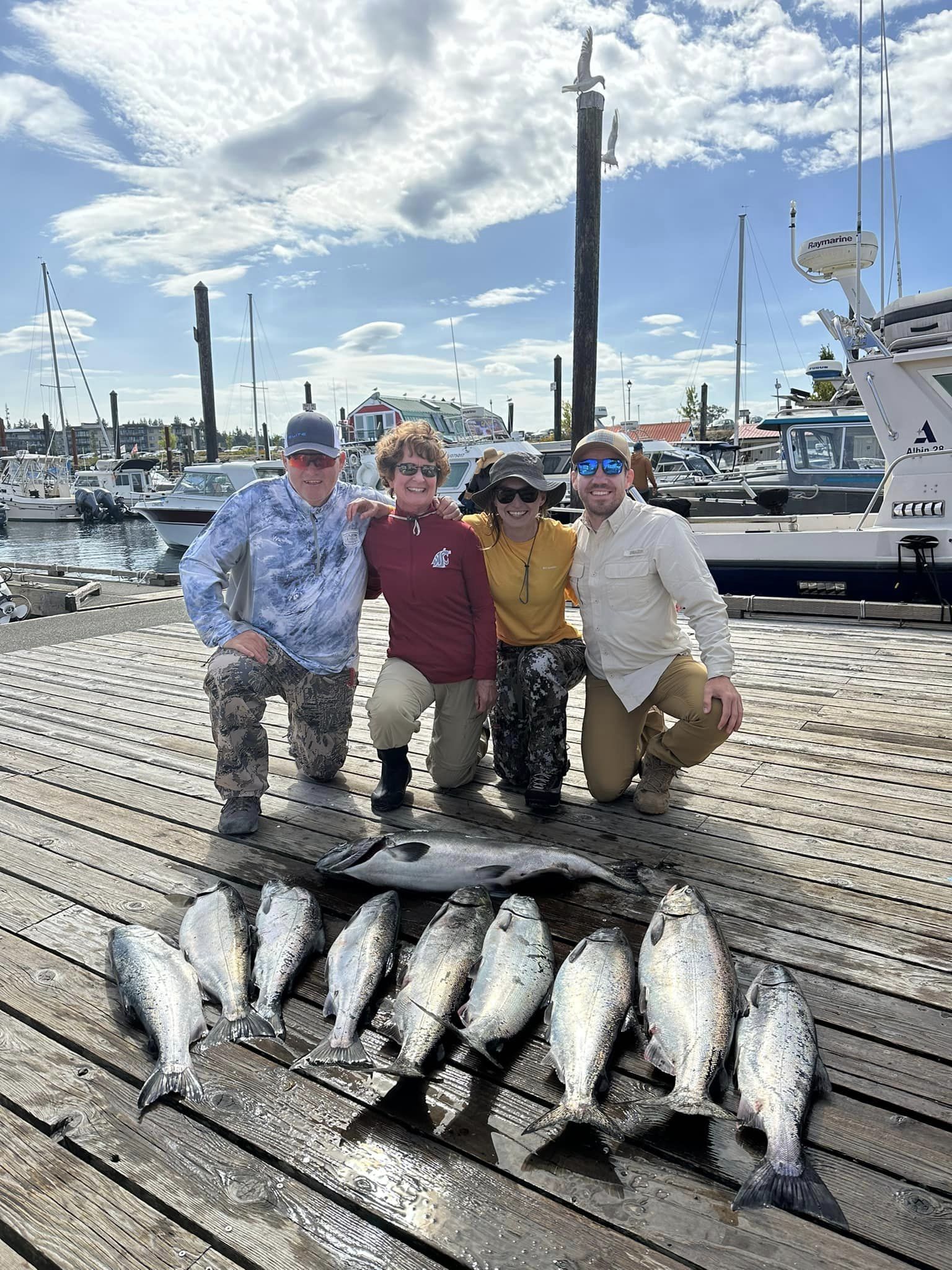
Picture yourself on Campbell River's legendary waters, rod in hand, with the snow-capped Coast Mountains as your backdrop. This isn't just another fishing trip – it's your chance to fish some of BC's most productive salmon waters with guides who've been working these currents for years. At $1139 + GST for up to four anglers, you're getting six solid hours on the water with everything you need to land the fish of a lifetime. Whether you're a weekend warrior looking to fill the freezer or a first-timer wanting to experience what all the fuss is about, these waters deliver consistently. Plus, if the bite's hot and you can't tear yourself away, add extra hours for just $190 each – trust me, you'll be tempted when the action heats up.
What to Expect on the Water
Campbell River sits right in the heart of BC's salmon highway, where massive runs of Pacific salmon funnel through narrow channels on their way to spawning grounds. You'll be fishing the same waters that have made this town famous among anglers worldwide. The boat launches early from the protected harbor, and within minutes you're trolling productive depths where baitfish schools attract everything from feeder chinook to barn door halibut. Your guide knows every underwater ridge, current break, and structure that holds fish, adjusting tactics throughout the day based on tides, weather, and what's biting. Expect to cover serious ground – from shallow kelp beds where rockfish lurk to deeper channels where the big lingcod patrol. The beauty of a six-hour trip is having time to work different areas and techniques, maximizing your shots at multiple species.
Trolling Tactics & Top Gear
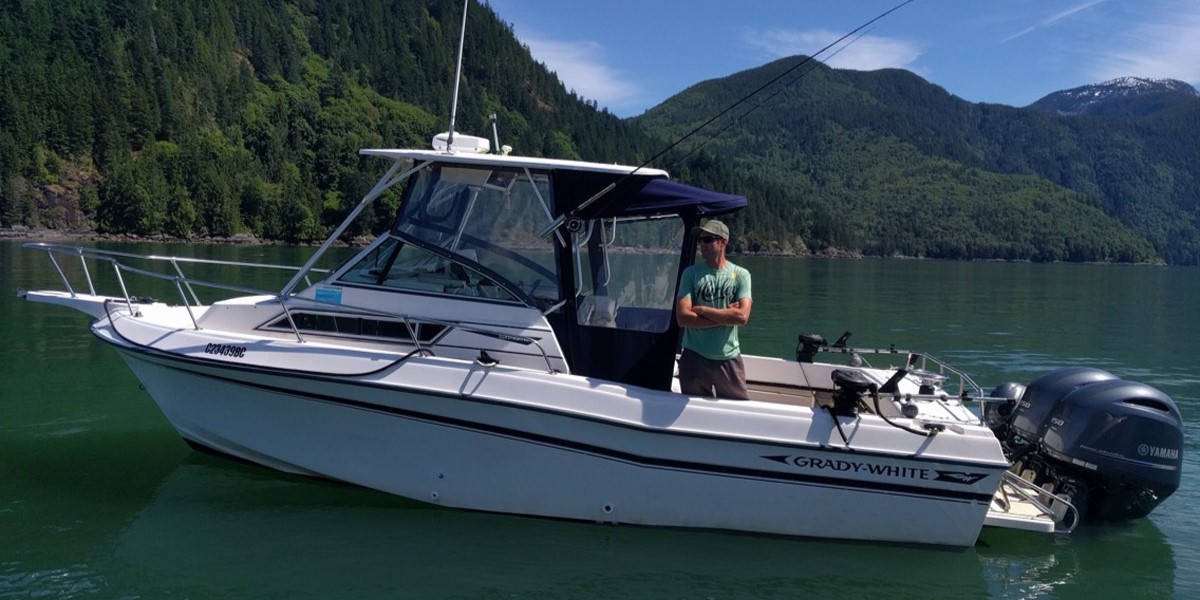
These guides run a tight ship with quality gear that can handle whatever decides to grab your bait. You'll be trolling with downriggers most of the day, keeping your offerings at precise depths where fish are marking on the sonar. Expect to see flashers and spoons working behind the boat – classic BC setups that have been fooling salmon for decades. For the bottom species, you'll switch to heavy jigging rods and work structure with bucktail jigs or live bait when conditions allow. The boat's equipped with top-shelf tackle, but if you've got lucky lures or want to bring your own gear, most guides are happy to let you run your favorites alongside the proven producers. Circle hooks are standard for conservation, and the crew knows proper release techniques to ensure healthy fish make it back to fight another day.
Species You'll Want to Hook
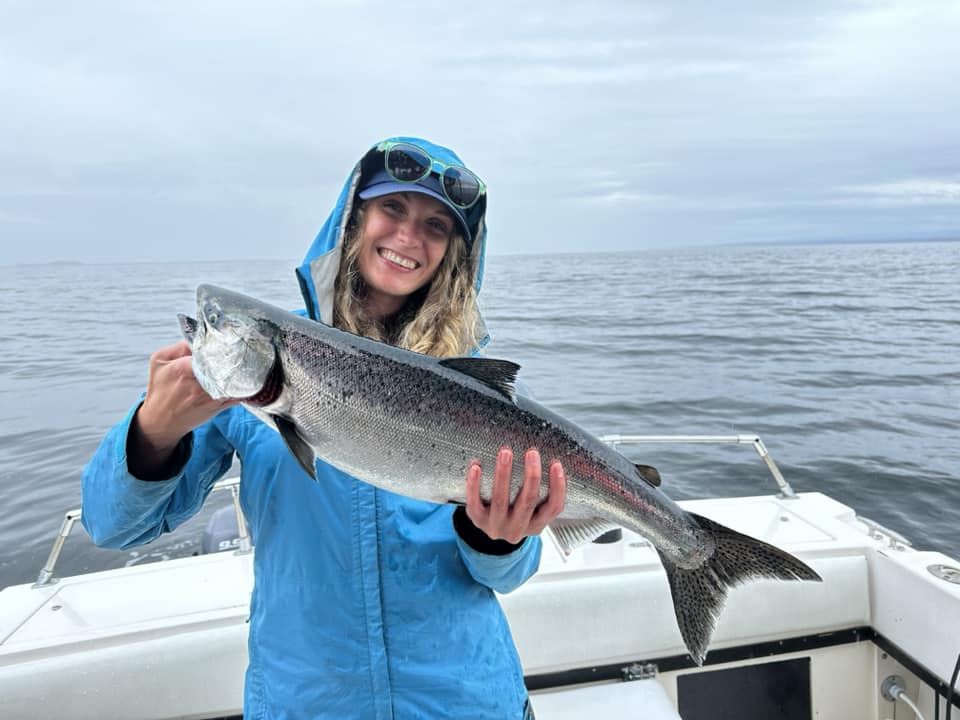
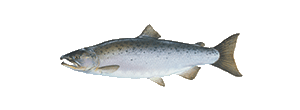
Coho salmon are the acrobats of Campbell River, and hooking one will remind you why they're called silvers. These athletic fish average 8-12 pounds but fight like they're twice that size, clearing the water multiple times before coming to net. Peak season runs from July through September, when fresh chrome coho pour in from the open ocean. What makes them special here is their aggressive feeding behavior – they'll chase down a well-presented spoon with reckless abandon, often hitting with enough force to snap light leaders. The meat is firm and flavorful, perfect for the BBQ or smoker.
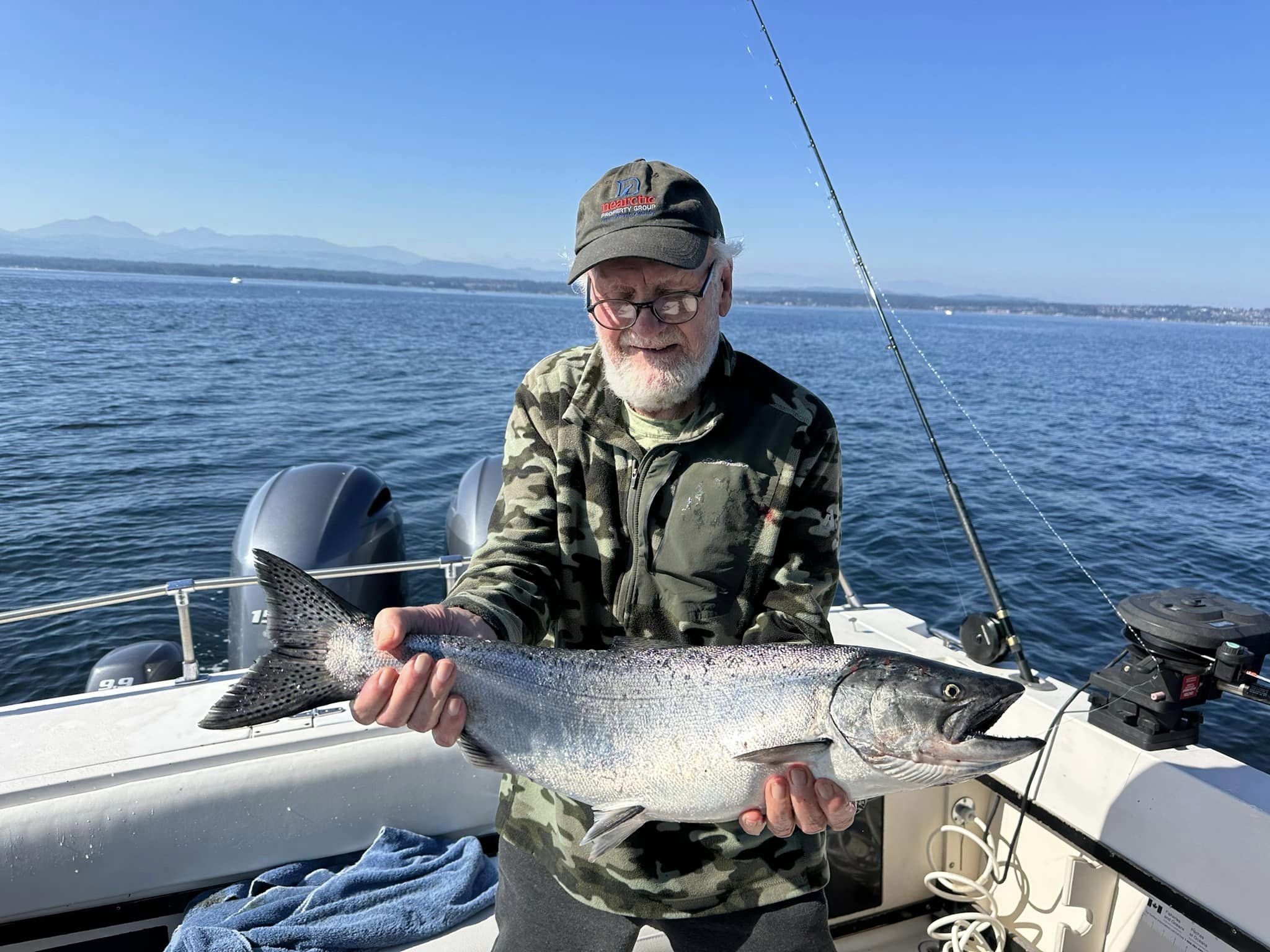
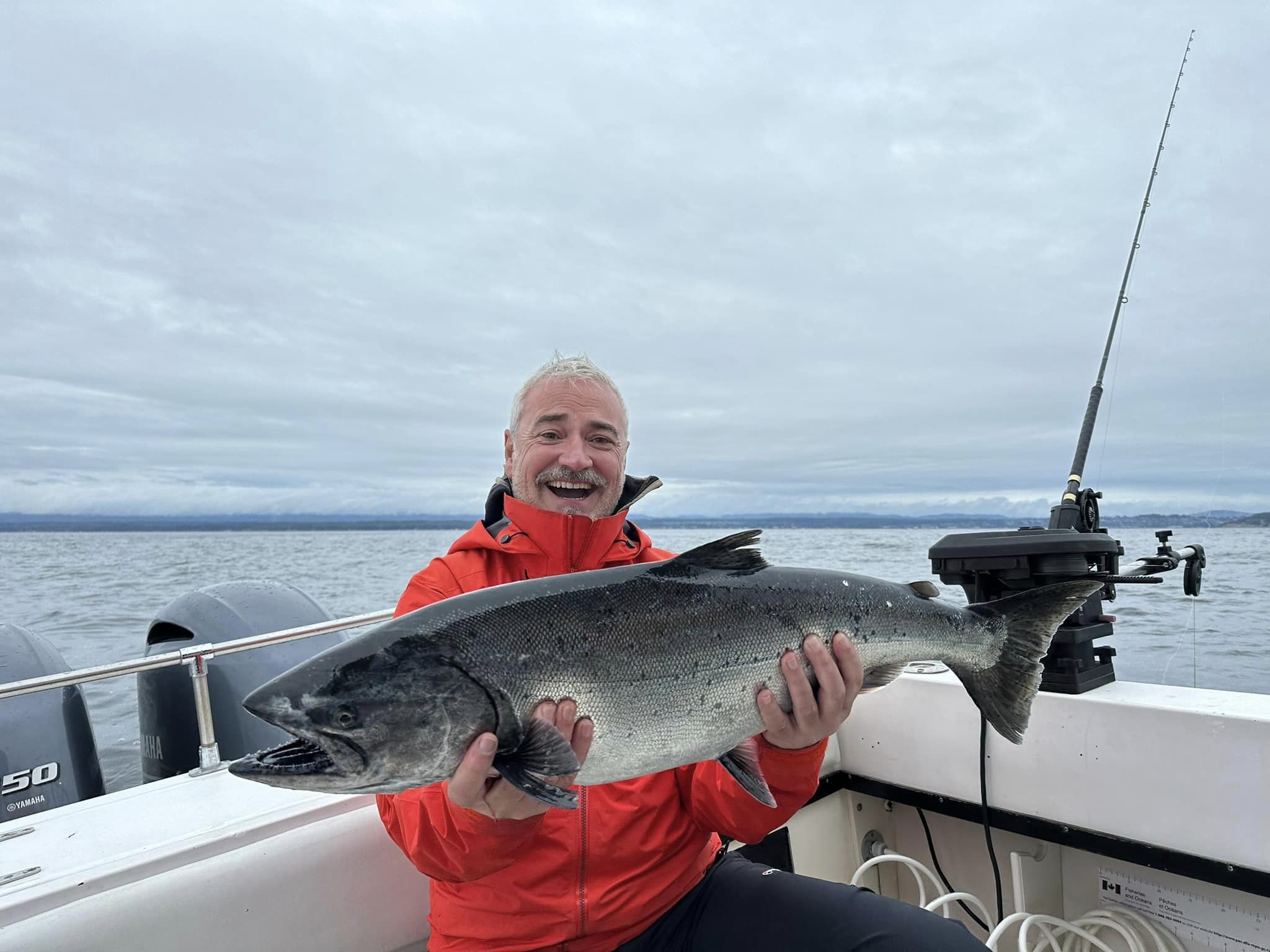
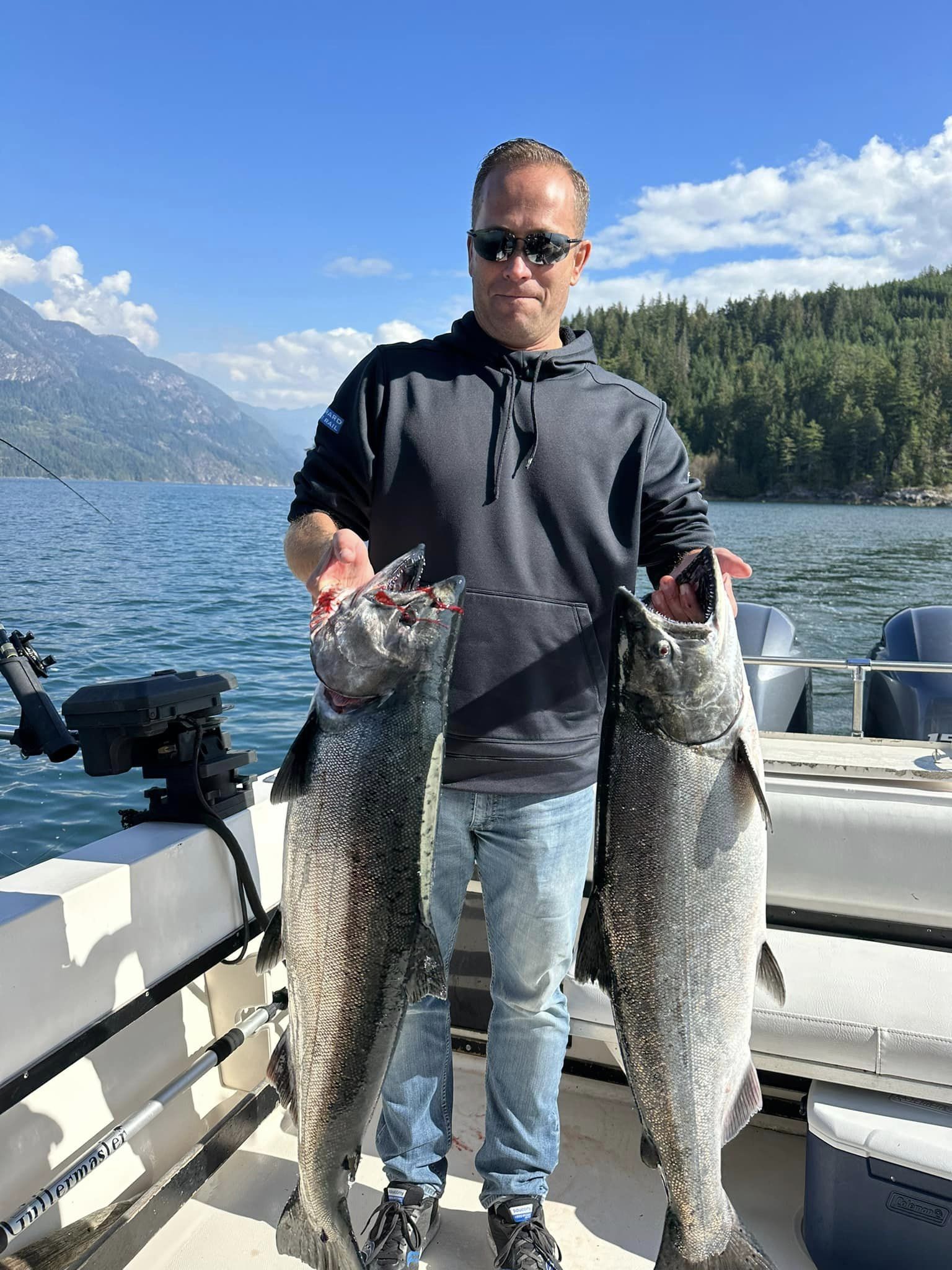
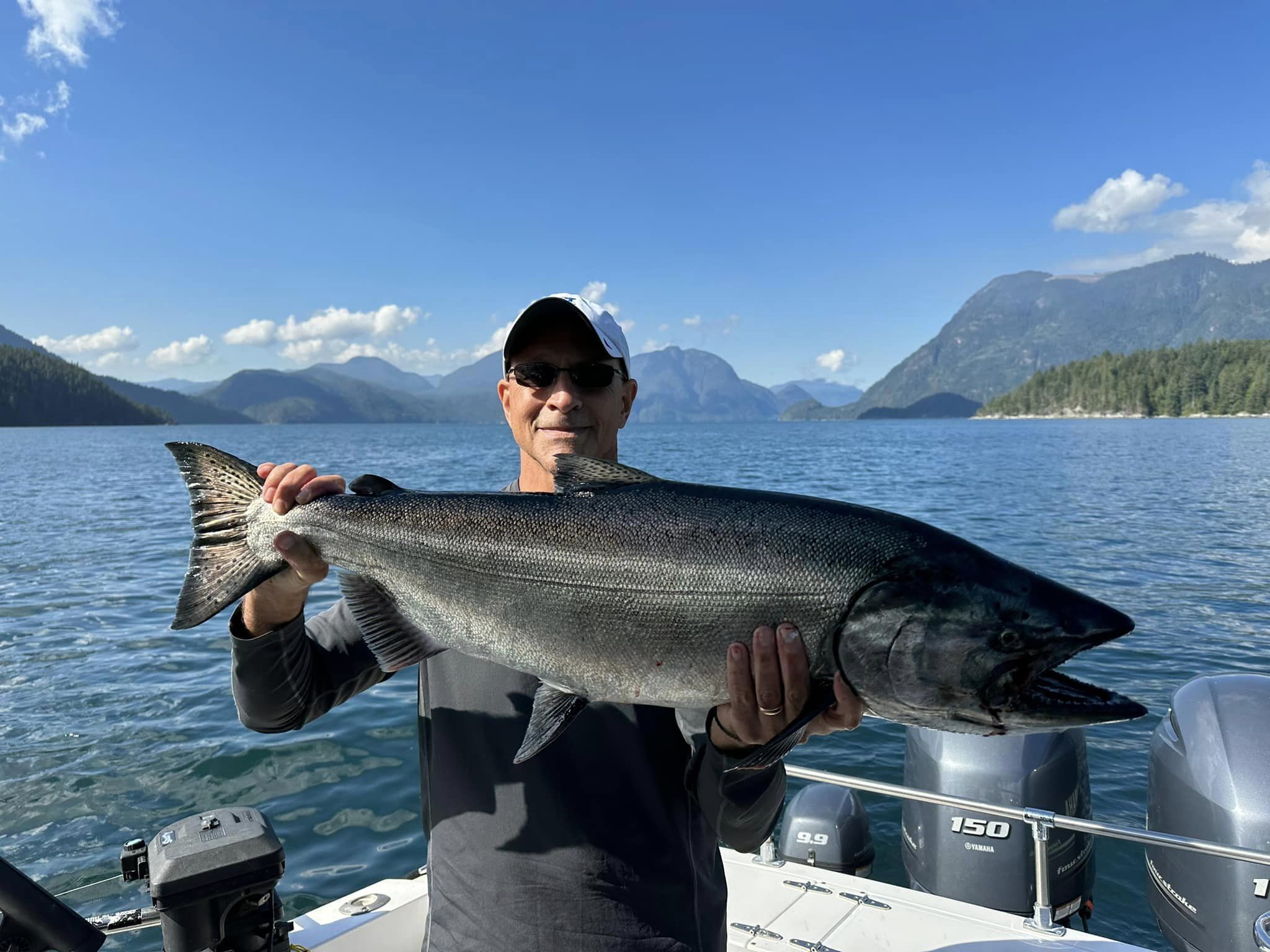
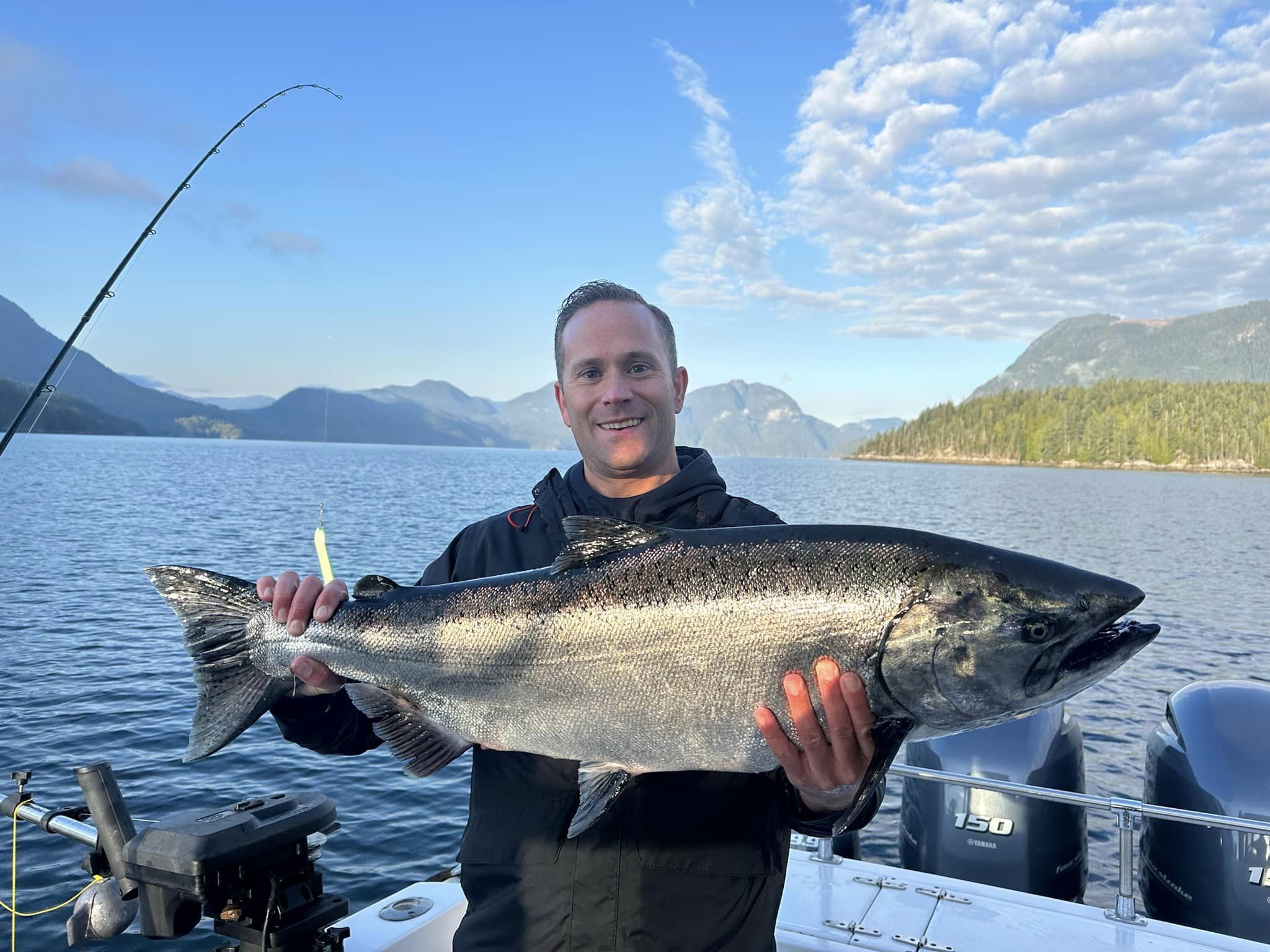
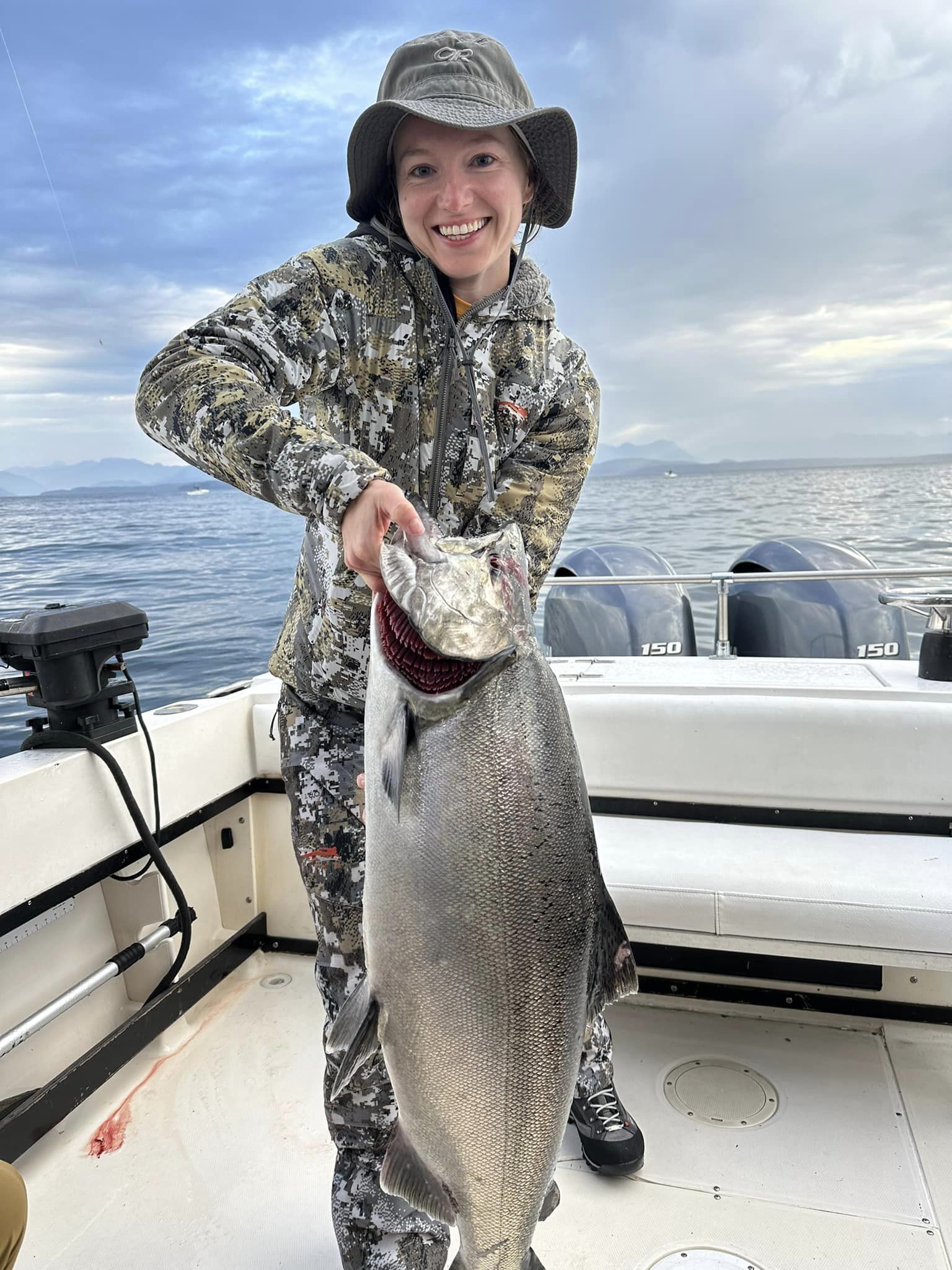
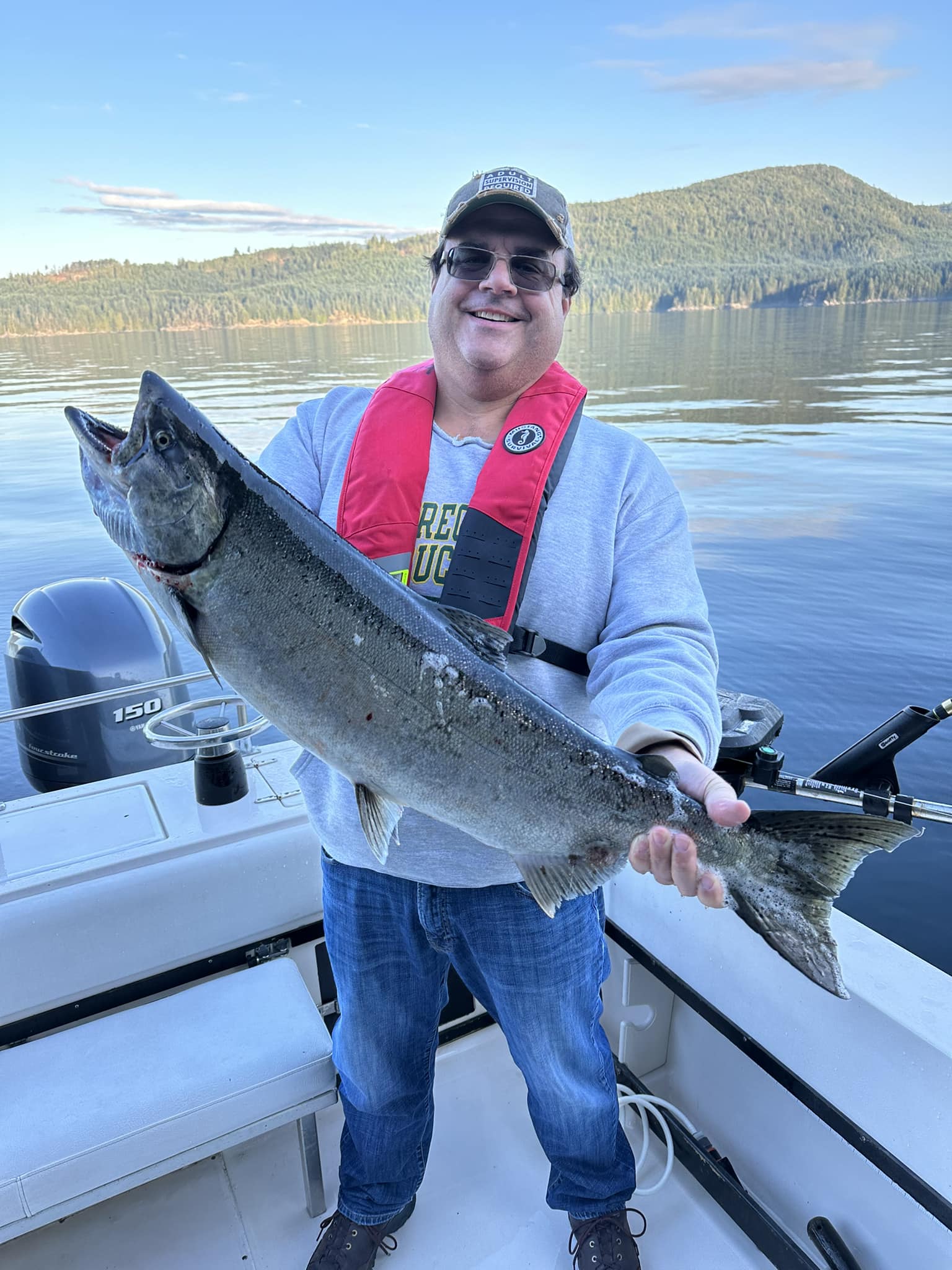
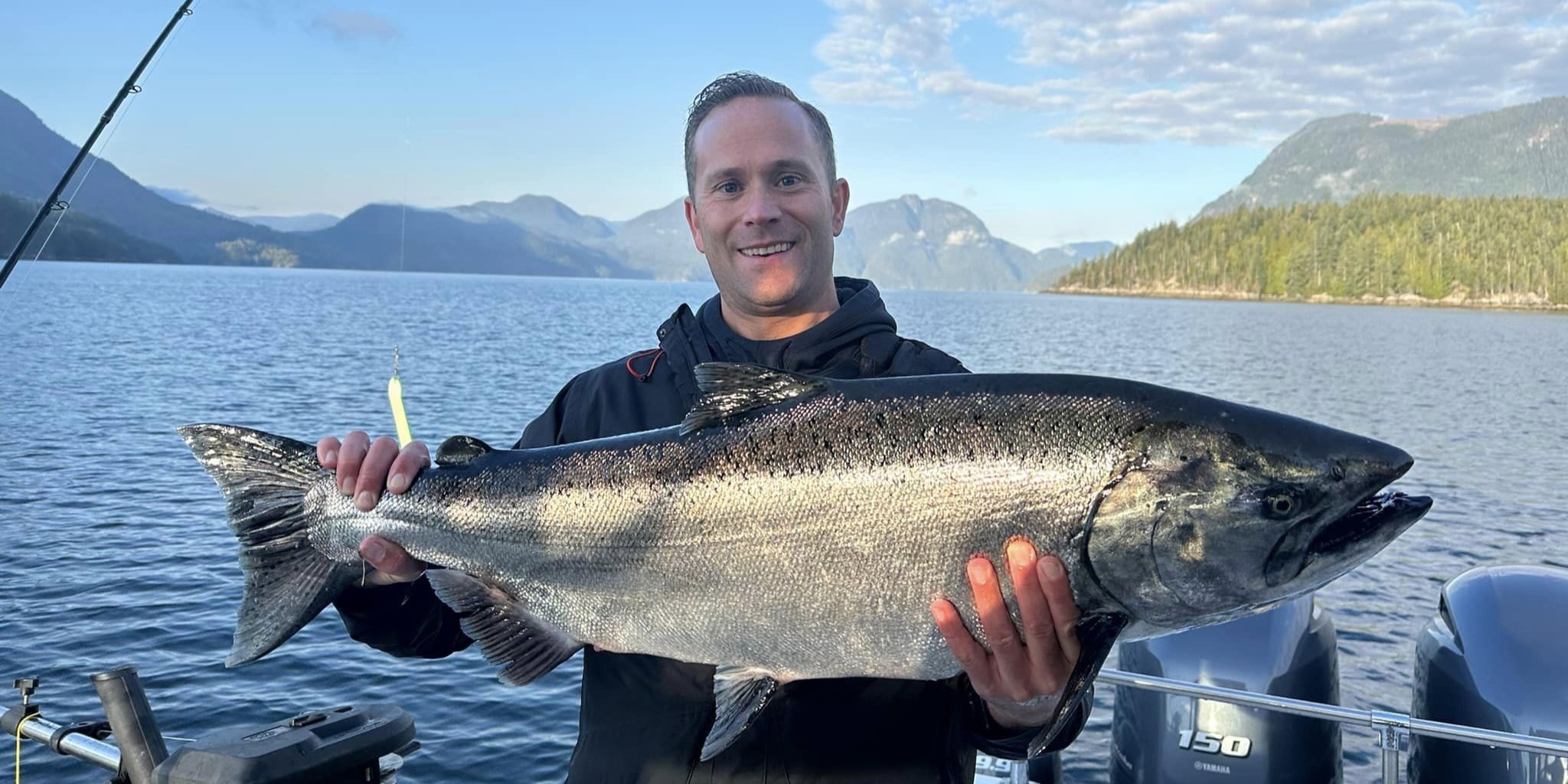
Chinook salmon are the kings for good reason – these bruisers can push 30 pounds or more in Campbell River waters. Spring and early summer offer the best shots at trophy fish, though smaller "feeder" kings provide steady action through fall. What sets chinook apart is their raw power and endurance. They don't jump much, but they'll take you on a tour of the bottom, testing your drag and patience. Landing a big chinook is a team effort between angler and guide, and the celebration when it finally slides into the net never gets old. The rich, oily meat is prized by chefs and home cooks alike.
Pacific halibut might surprise you in these inshore waters – while not the giants found on offshore banks, Campbell River "chickens" in the 15-40 pound range provide fantastic sport and excellent eating. These flatfish are ambush predators that lay motionless on sandy bottoms until prey wanders too close. The initial hookup often feels like snagging bottom until that first head shake sends electricity up your line. Halibut season peaks in summer months, and their firm white fillets are about as good as fish gets on the dinner table.
Vermilion rockfish are the steady producers when salmon fishing slows, and their brilliant orange-red coloration makes them a favorite with photographers. These bottom dwellers inhabit rocky reefs and kelp forests, often schooling in impressive numbers around structure. While not large – most run 2-4 pounds – they're scrappy fighters and excellent table fare. Rockfish are year-round residents, making them reliable backup options when migratory species are between runs. Their sweet, mild flesh works well in fish tacos or simply pan-fried with butter and lemon.
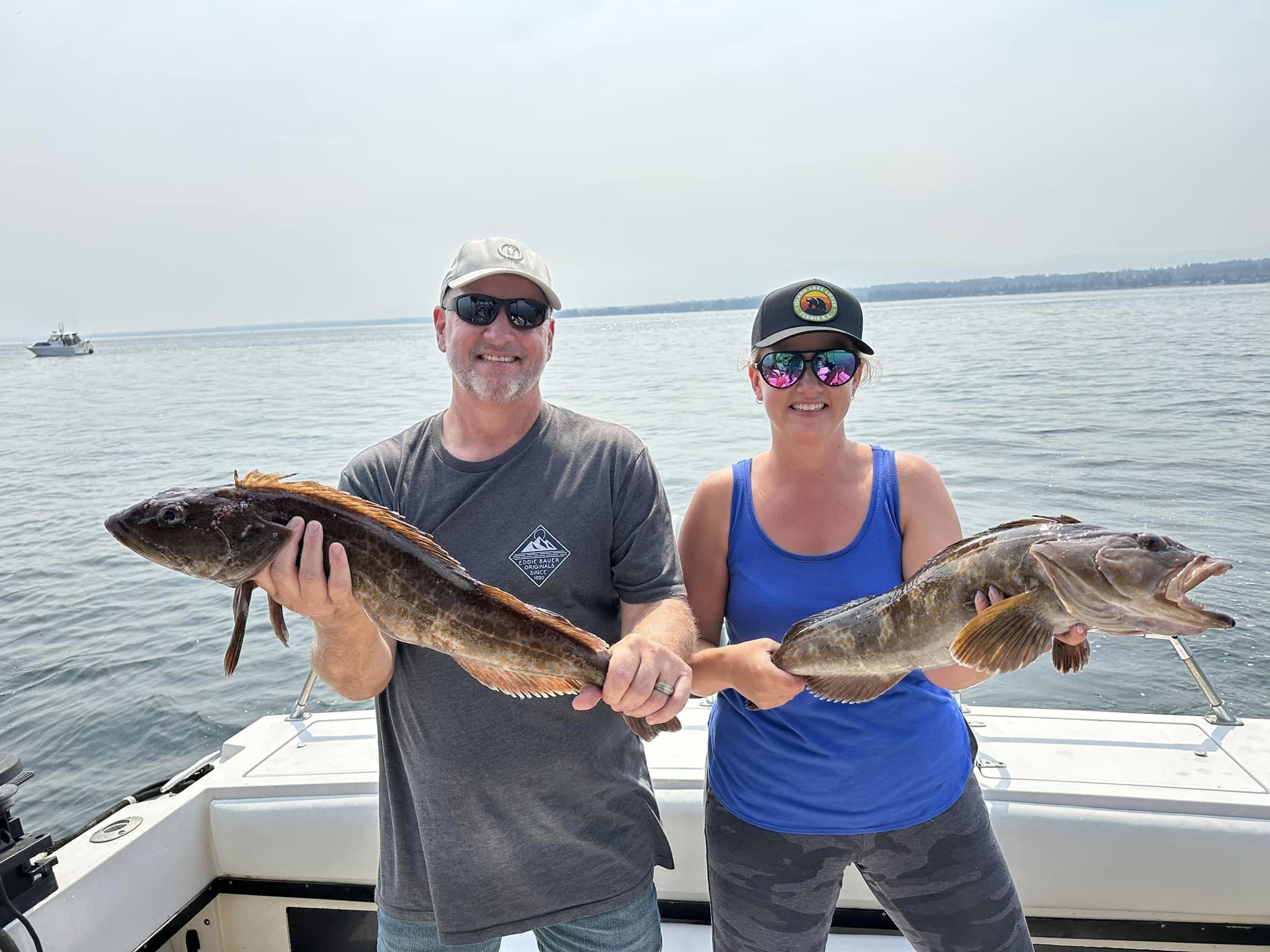
Lingcod are the prehistoric-looking predators that give many first-time anglers a shock when they surface. These mottled green giants can exceed 20 pounds and sport mouths full of needle-sharp teeth. Despite their intimidating appearance, lingcod are highly prized for their snow-white, flaky meat. They're structure-oriented fish, holding tight to rocky reefs and kelp beds where they ambush smaller fish. The best lingcod action typically happens from late spring through early fall, and landing a good one requires heavy tackle and quick reflexes to keep them out of the rocks.
Time to Book Your Spot
Campbell River's reputation as Canada's salmon capital didn't happen by accident – these waters consistently produce fish when others don't. Coastal Elements Charters has the local knowledge and quality equipment to put you on them, whether you're chasing your first salmon or your hundredth. Six hours gives you real fishing time, not just a quick taste, and the option to extend keeps you flexible when the bite turns on. With space for four anglers, it's perfect for couples, families, or a group of fishing buddies
 Private Trip
 Inshore Fishing
 Vancouver



 Six-hour inshore fishing adventure in Campbell River waters