Full Day Campbell River Fishing Adventure
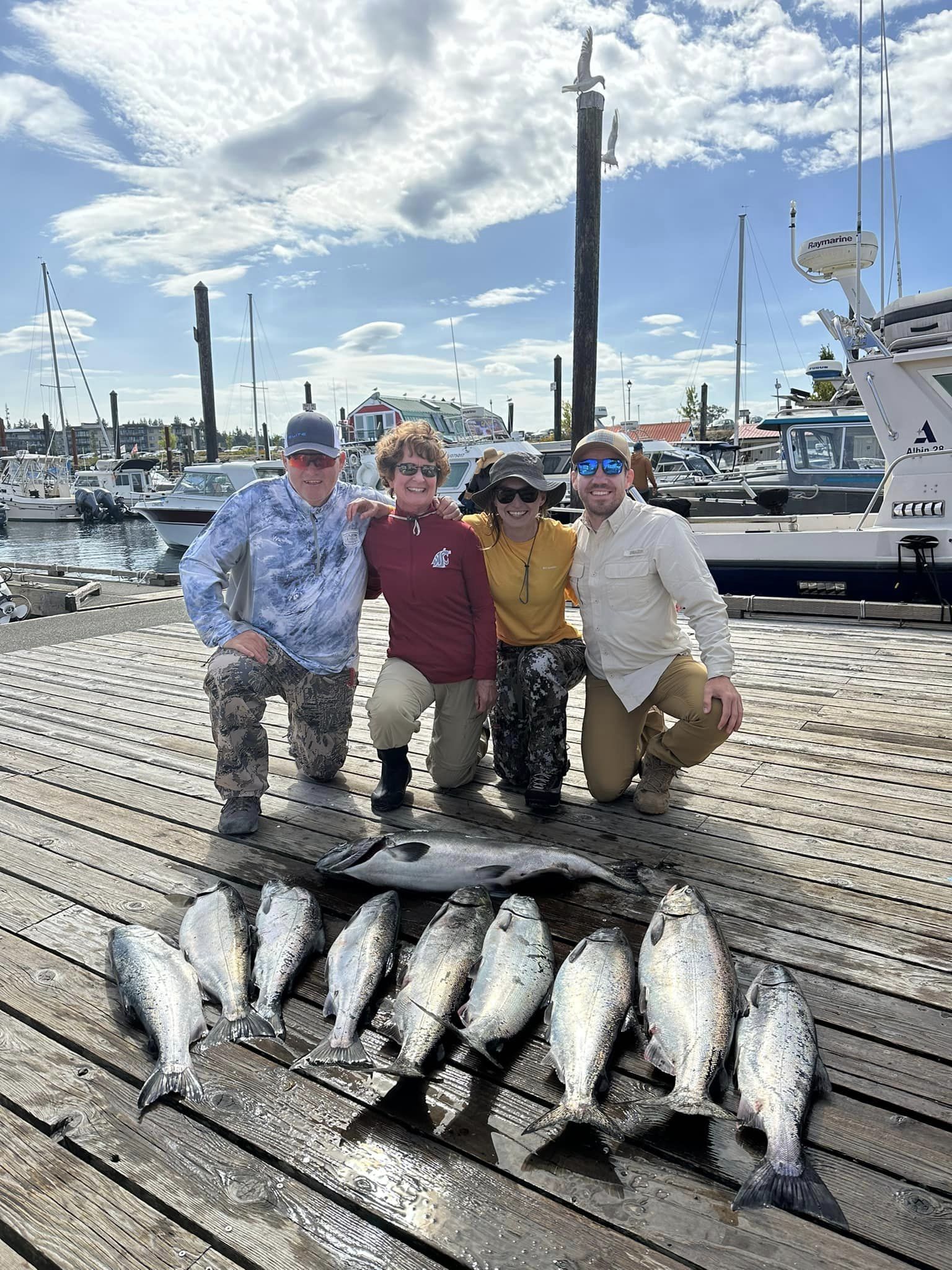
Campbell River isn't called the "Salmon Capital of the World" for nothing. When you step aboard with Coastal Elements Charters, you're getting access to some of the richest fishing waters on the Pacific Coast. Our full-day trips put you right in the heart of where massive Chinook salmon run, halibut patrol the depths, and rockfish swarm the underwater structure. At $1,295 + GST for up to four anglers, this isn't just a fishing trip – it's your chance to experience why guides and locals have been coming to these waters for generations. We provide all the gear, know exactly where the fish are holding, and can extend your day for $170 per hour if the bite is too good to leave.
What to Expect on the Water
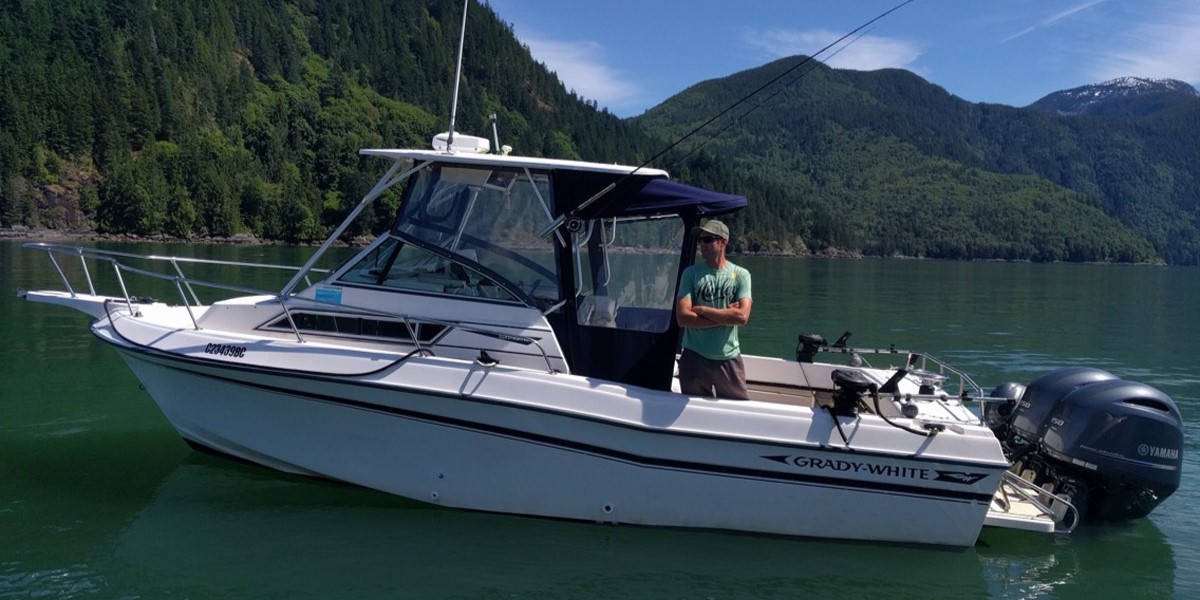
You'll launch from Campbell River's protected harbors into the legendary Discovery Passage, where tidal currents create the perfect feeding zones that attract everything from feeder Chinook to barn door halibut. The boat rides are typically short – we're talking 15-20 minutes to productive water, which means more time with lines wet. These are working fishing grounds where commercial boats, sport anglers, and marine life all converge. You'll see seals following the salmon runs, eagles diving for herring, and orcas occasionally making an appearance during their hunting patterns. The weather can change quickly out here, but our guides know how to read conditions and adjust the game plan. Some days we're working the kelp beds for lingcod, other days we're drifting over structure for rockfish, and when conditions align, we're chasing the big Chinook in the deeper channels.
Techniques & Tackle Setup
We run a mix of downriggers, dipsy divers, and sometimes straight trolling depending on what's working and where we're fishing. For salmon, we're typically pulling spoons, hootchies, and cut-plug herring at depths ranging from 60 to 200 feet. The downriggers let us get your bait right in the strike zone while covering water efficiently. When we switch to bottom fishing for halibut and lingcod, we're using circle hooks with heavy sinkers to get down fast in the current. Rockfish action usually happens with lighter tackle – jigs and soft plastics work great when you find a school. All the rods, reels, and terminal tackle are included, and we keep everything maintained and ready to go. The guides will set up your gear, but they'll also teach you the techniques if you want to learn. Most of our regular customers end up asking about specific lure colors, depths, and timing because they want to replicate the success on their own boats.
Top Catches This Season
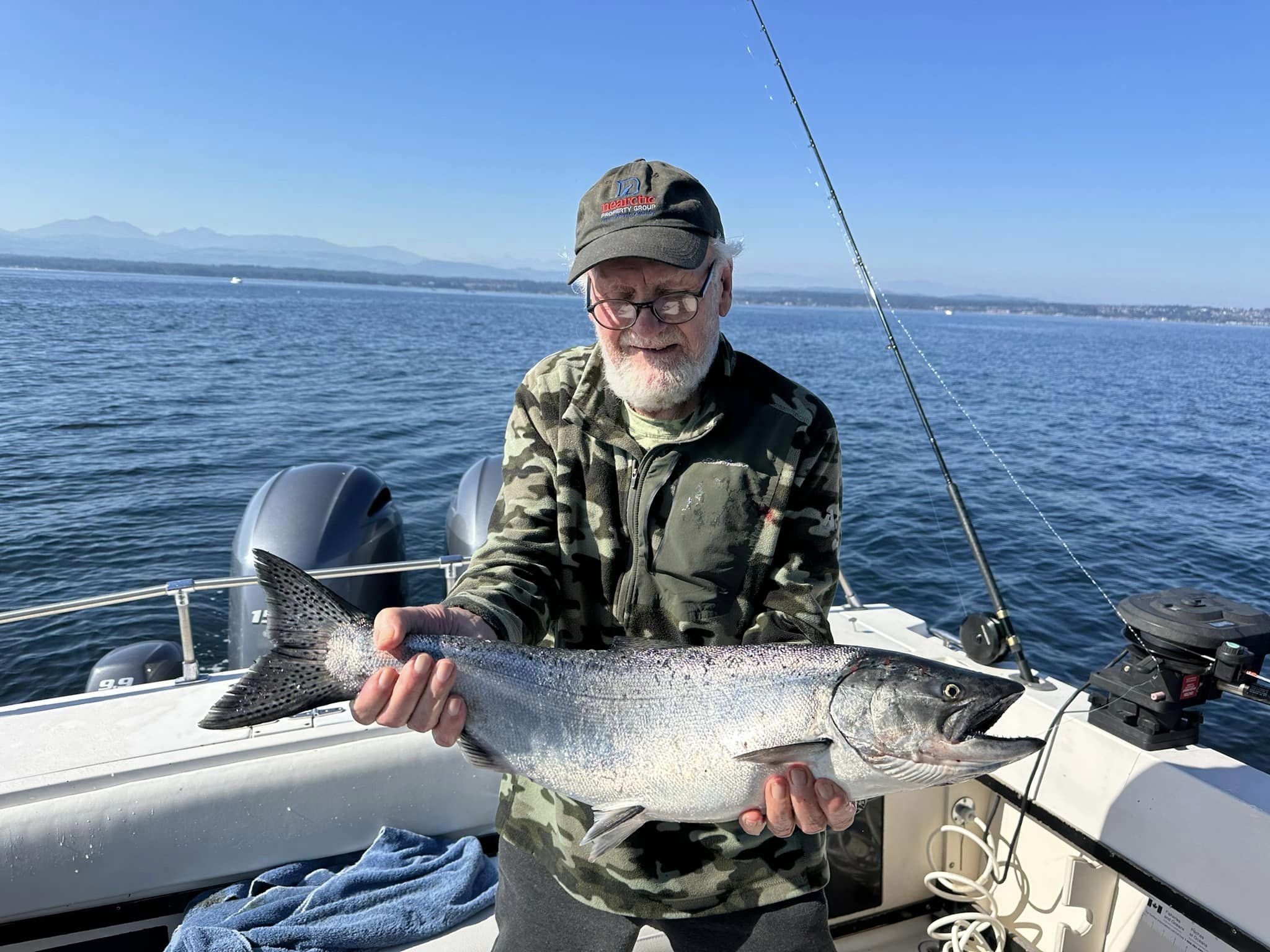
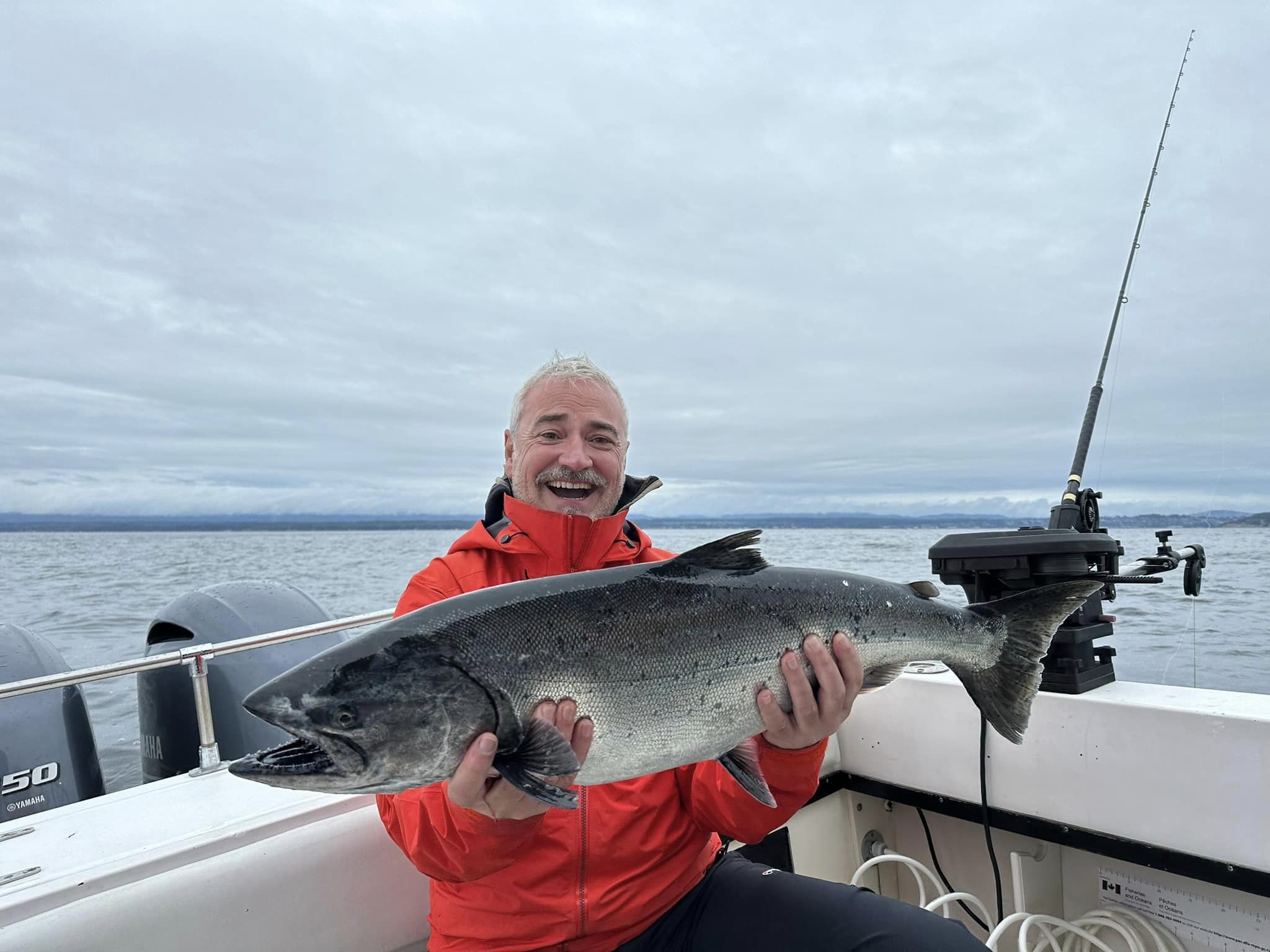
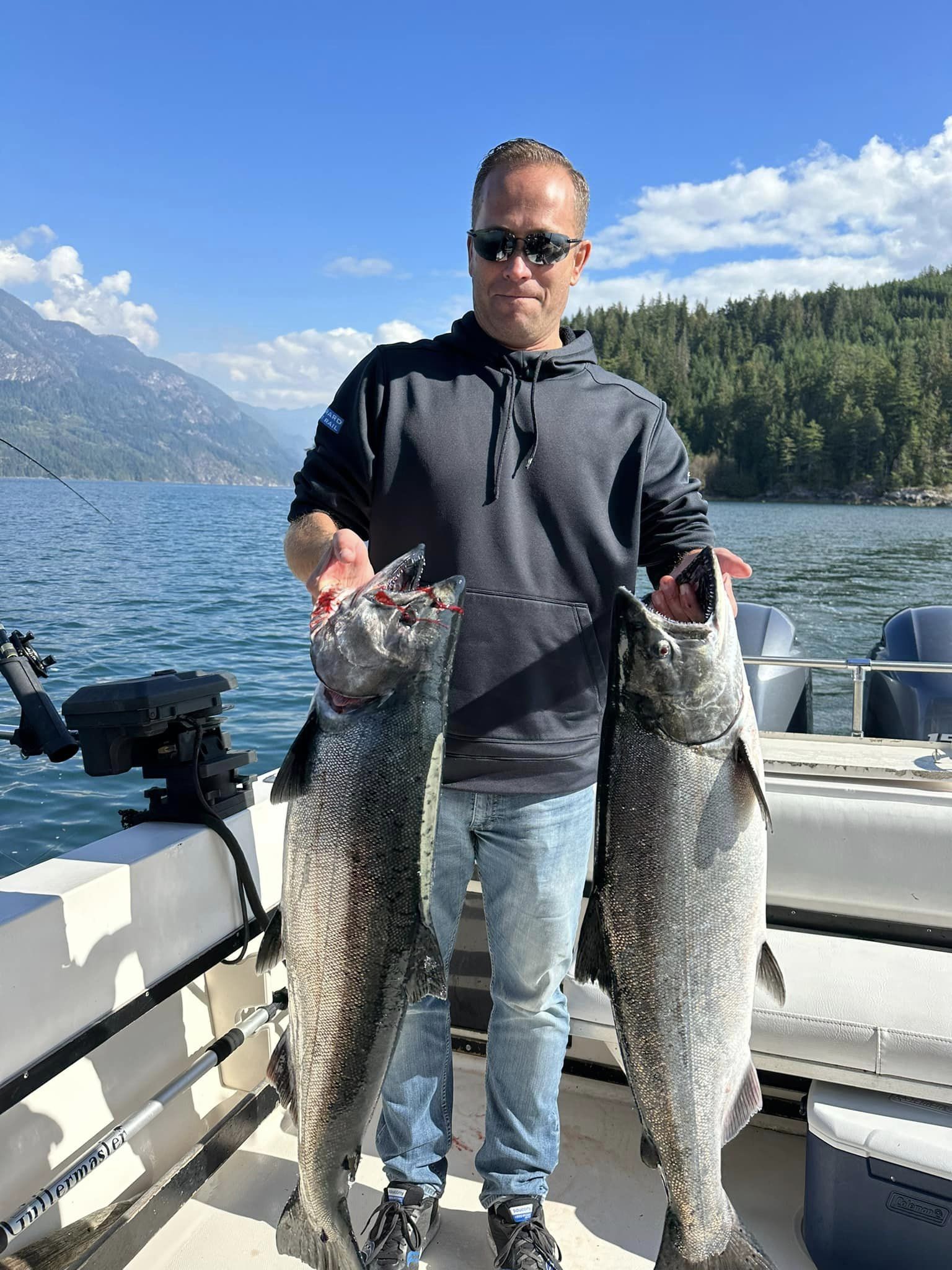
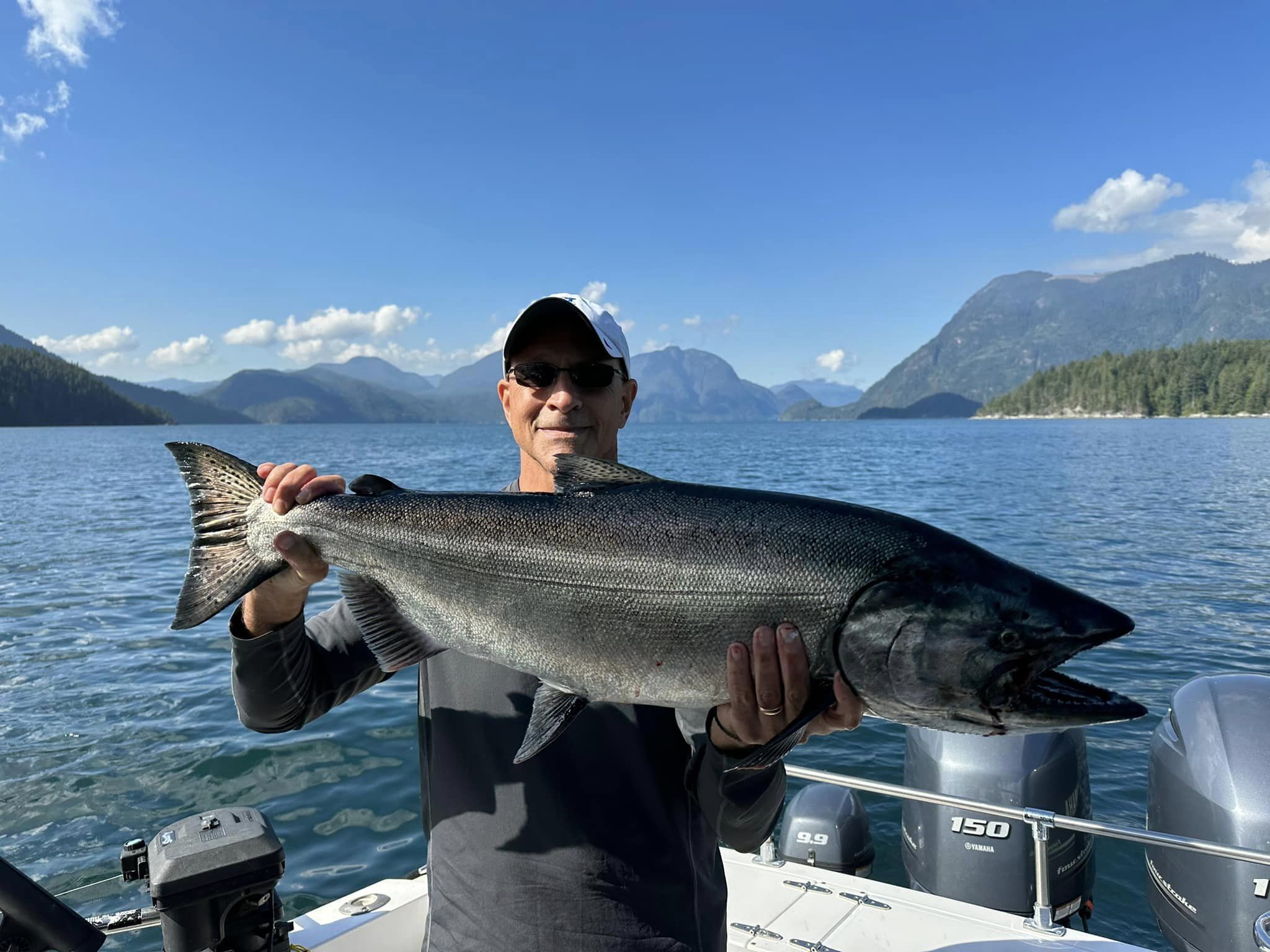
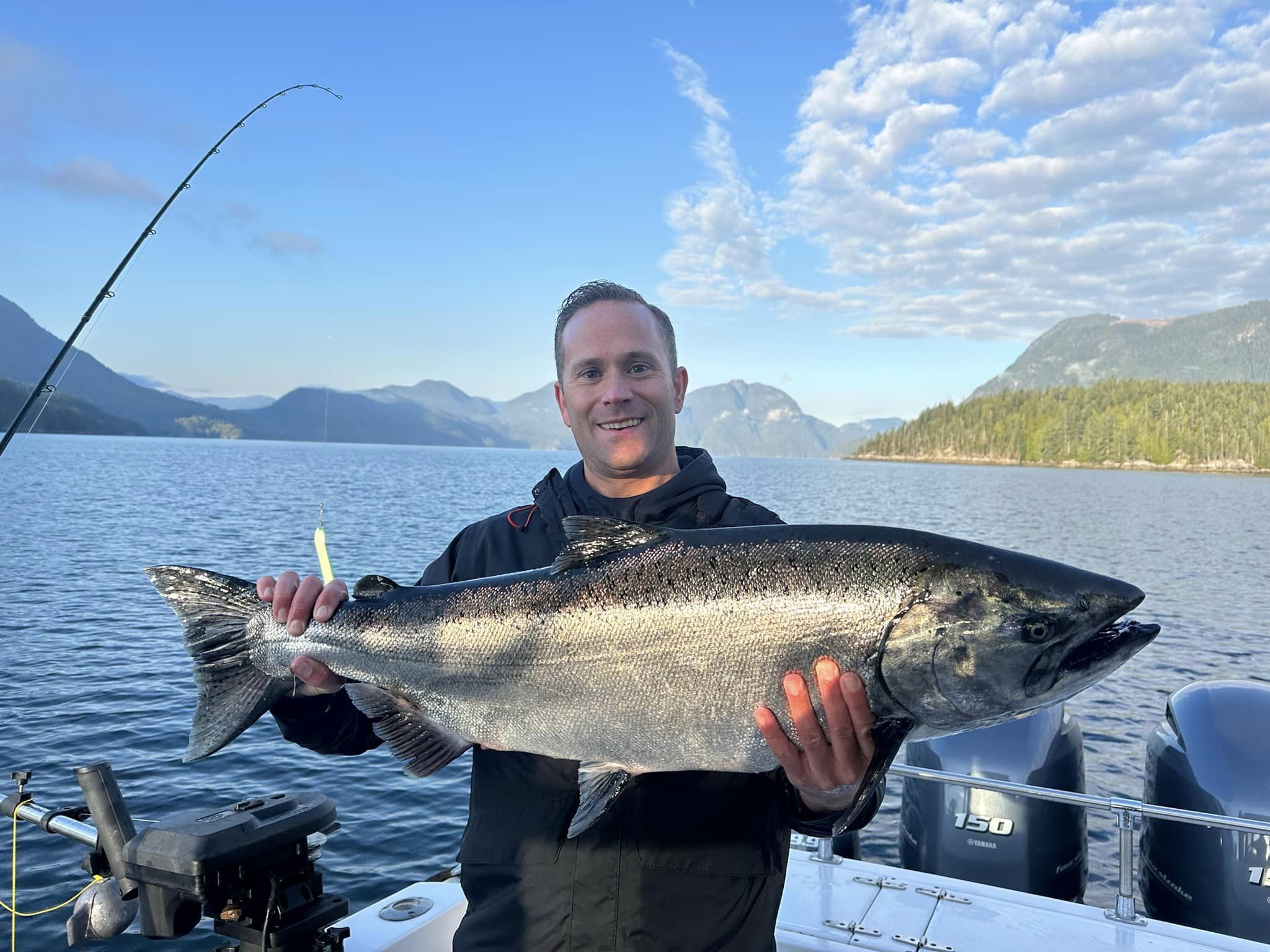
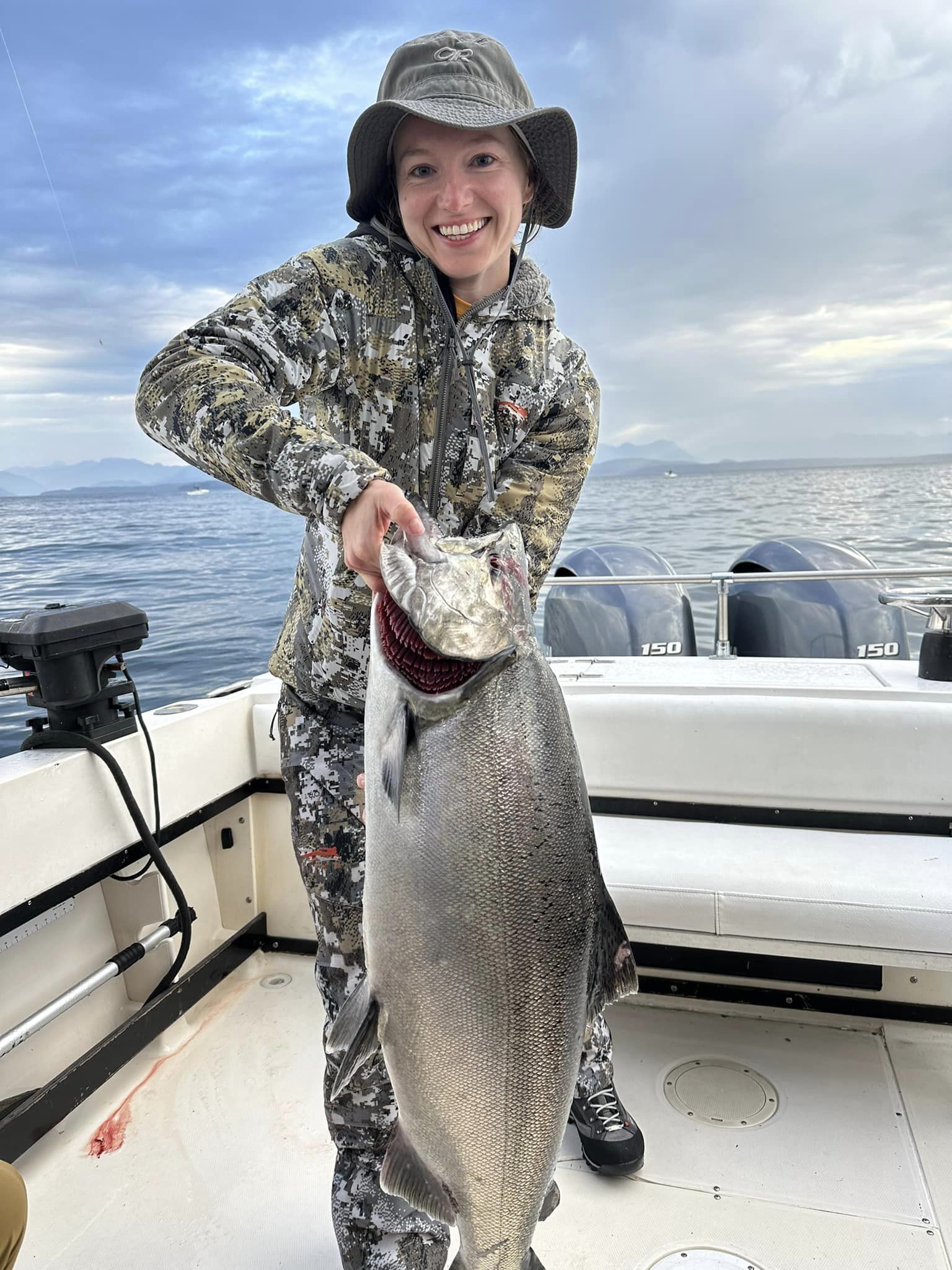
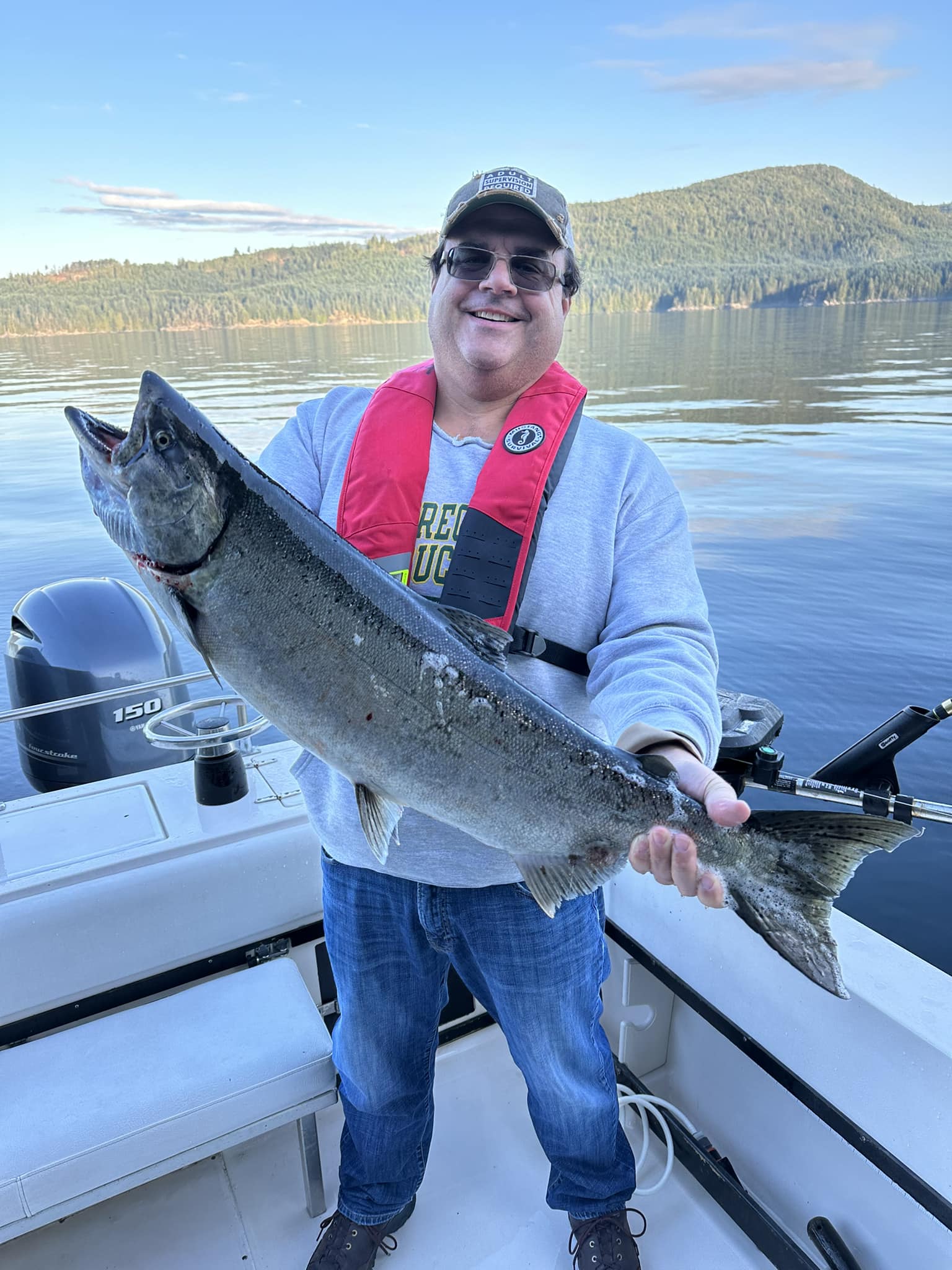
Chinook Salmon: These are the kings for good reason. Campbell River Chinook can push 40+ pounds, with most fish in the 15-25 pound range. They're here year-round but peak from June through September. What makes catching them special is the fight – they'll take long runs, jump, and test every piece of your tackle. The meat is rich and oily, perfect for the barbecue or smoker. You'll find them following baitfish along the drop-offs and current lines.
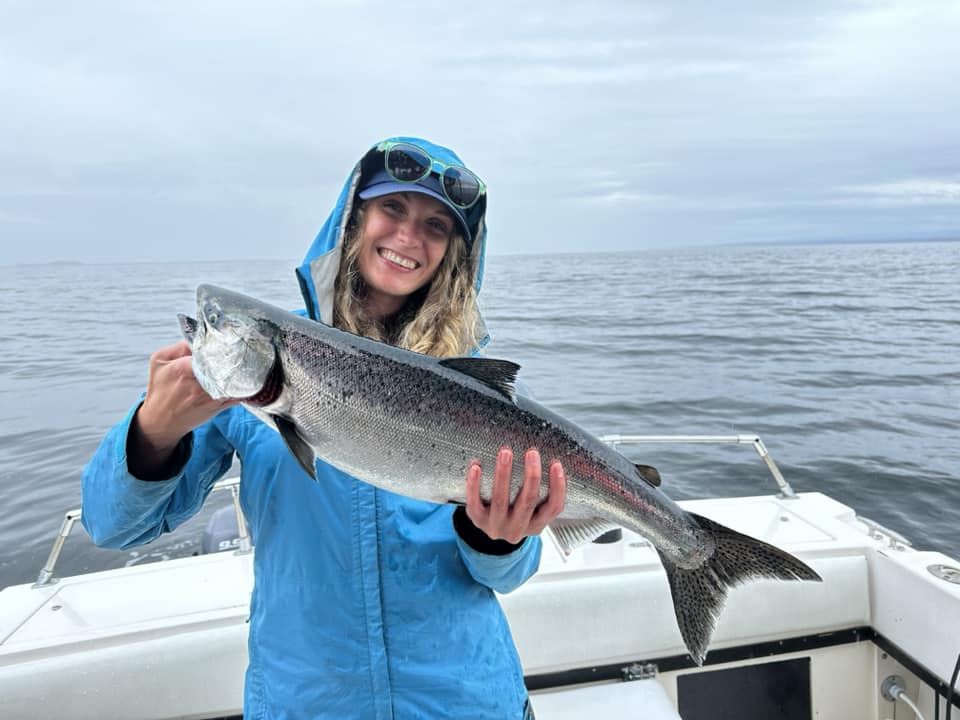
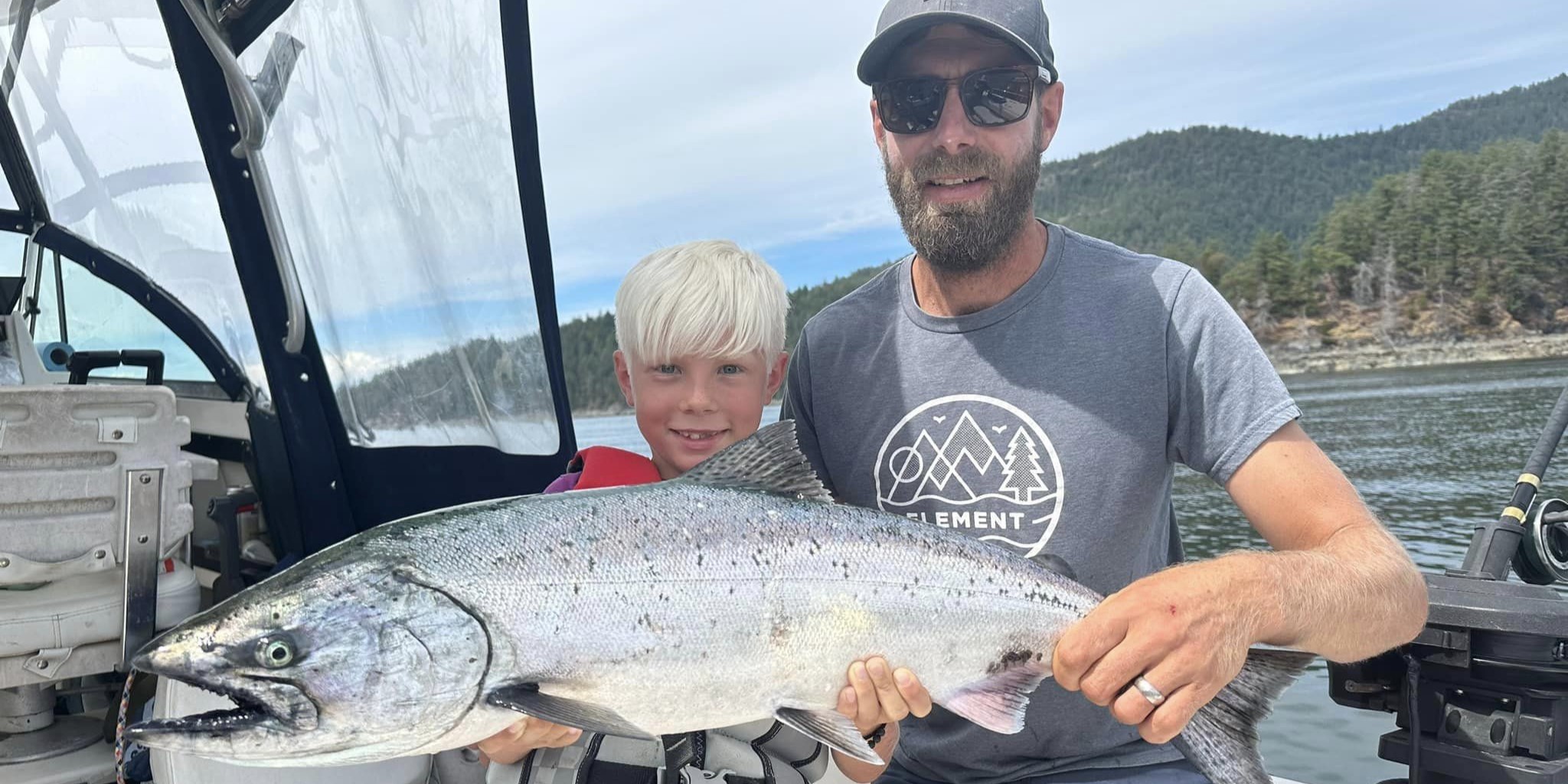
Coho Salmon: Pound for pound, coho might be the scrappiest fish in these waters. They average 8-12 pounds but fight like fish twice their size. Summer and early fall are prime time, especially when they're feeding on needlefish near the surface. Coho are acrobatic – expect multiple jumps and direction changes. The silver sides flashing in the sun make for great photos, and they're excellent eating with firm, flaky meat.
Atlantic Halibut: The flatfish that can make your arms ache. Campbell River halibut range from "chickens" under 10 pounds to genuine barn doors over 100 pounds. They're ambush predators lying on sandy bottoms near rocky structure. When you hook a big halibut, the initial run is powerful, then it becomes a weight-pulling contest. Peak season runs May through September, and there's nothing quite like seeing a 50-pound halibut come up from the depths.
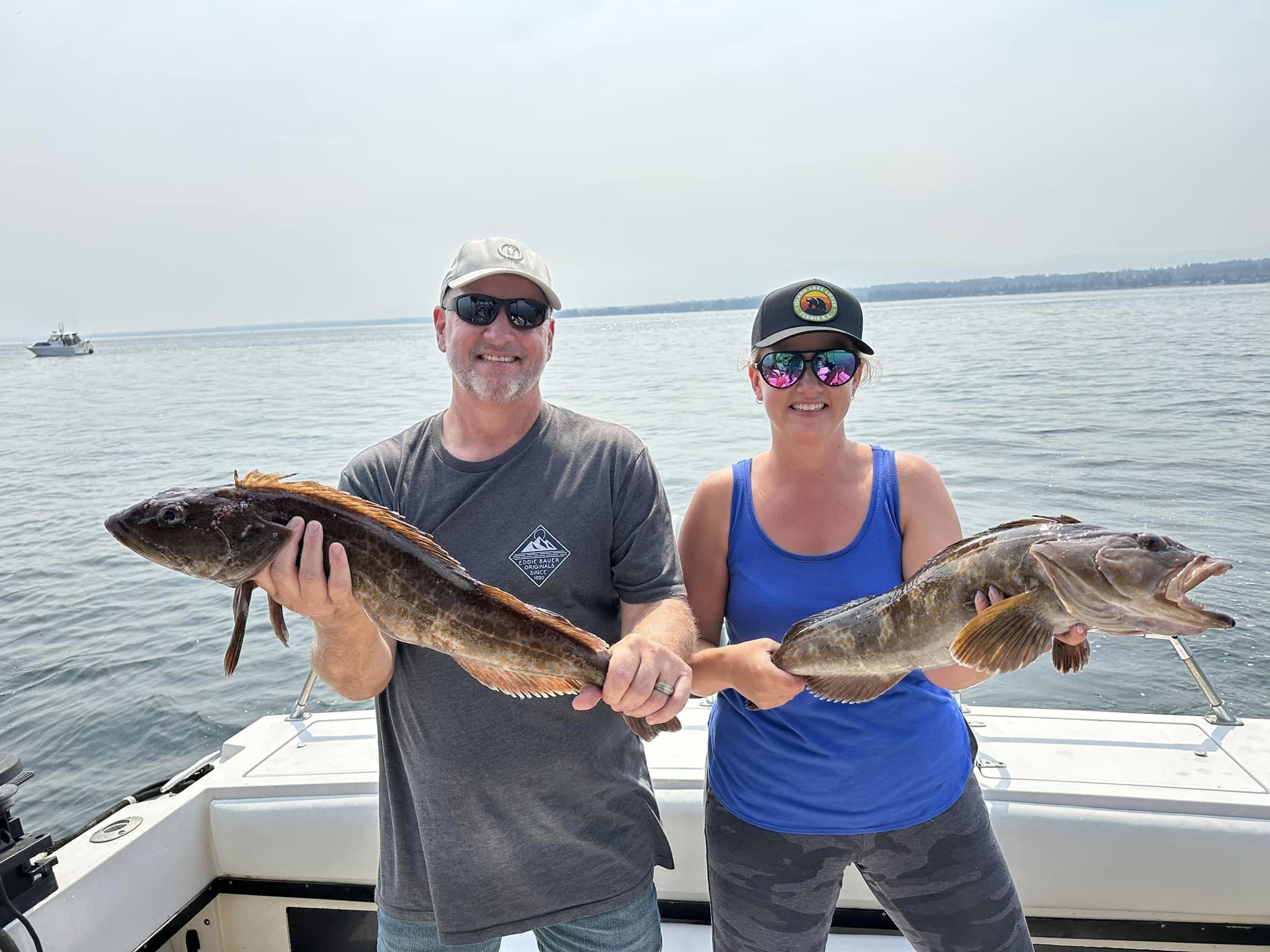
Lingcod: These are the bullies of the bottom, with massive mouths and aggressive attitudes. They'll hit almost anything that moves past their territory in the kelp beds and rocky reefs. Lingcod can reach 30+ pounds in these waters, and they're surprisingly strong fighters for a bottom fish. The meat is white, mild, and excellent in fish and chips. They're most active during slack tide when they venture out from their rocky hideouts.
Vermilion Rockfish: Beautiful orange-red fish that school up around underwater structure. They're excellent eating and fun to catch on lighter tackle. Vermilion rockfish are curious and will often investigate your bait before committing. Once you find a school, the action can be non-stop. They typically range from 2-8 pounds and are perfect for anglers who want steady action and a cooler full of dinner-sized fish.
Time to Book Your Spot
Campbell River's fishing seasons align with salmon runs, baitfish movements, and weather patterns that have been consistent for decades. This isn't just another charter – it's your access to world-class fishing with guides who've been working these waters long enough to know where fish hold during different tides, seasons, and conditions. The four-person boat capacity means personalized attention and room to fight fish without getting tangled up. Whether you're a seasoned angler looking to add Campbell River salmon to your list or someone who wants to experience what Pacific Northwest fishing is all about, this full-day adventure delivers. The fishing here speaks for itself, and the memories you'll make hauling in salmon and halibut in one of BC's most productive fishing destinations will keep you planning your return trip before you even hit the dock.
 Private Trip
 Inshore Fishing
 Vancouver

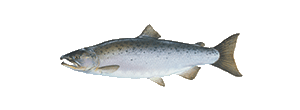


 Full-day inshore fishing adventure in Campbell River waters