Wyoming Fly Fishing Guides | 4 Hour Charter Trip
Picture this: you're standing knee-deep in pristine western Wyoming waters, fly rod in hand, watching your perfectly cast line drift downstream toward a pool where native cutthroat trout are rising. This isn't just another fishing trip – it's your chance to experience some of the best trout water in the country with a seasoned local guide who knows every bend, eddy, and honey hole on the Smith Fork River and Bear River. Our 4-hour charter puts you right in the heart of Wyoming's legendary fly fishing country, where the crowds thin out and the fish get serious. Whether you're a seasoned angler looking to dial in your technique or someone ready to fall in love with fly fishing, this personalized one-on-one adventure delivers the goods without the hassle.
What to Expect on the Water
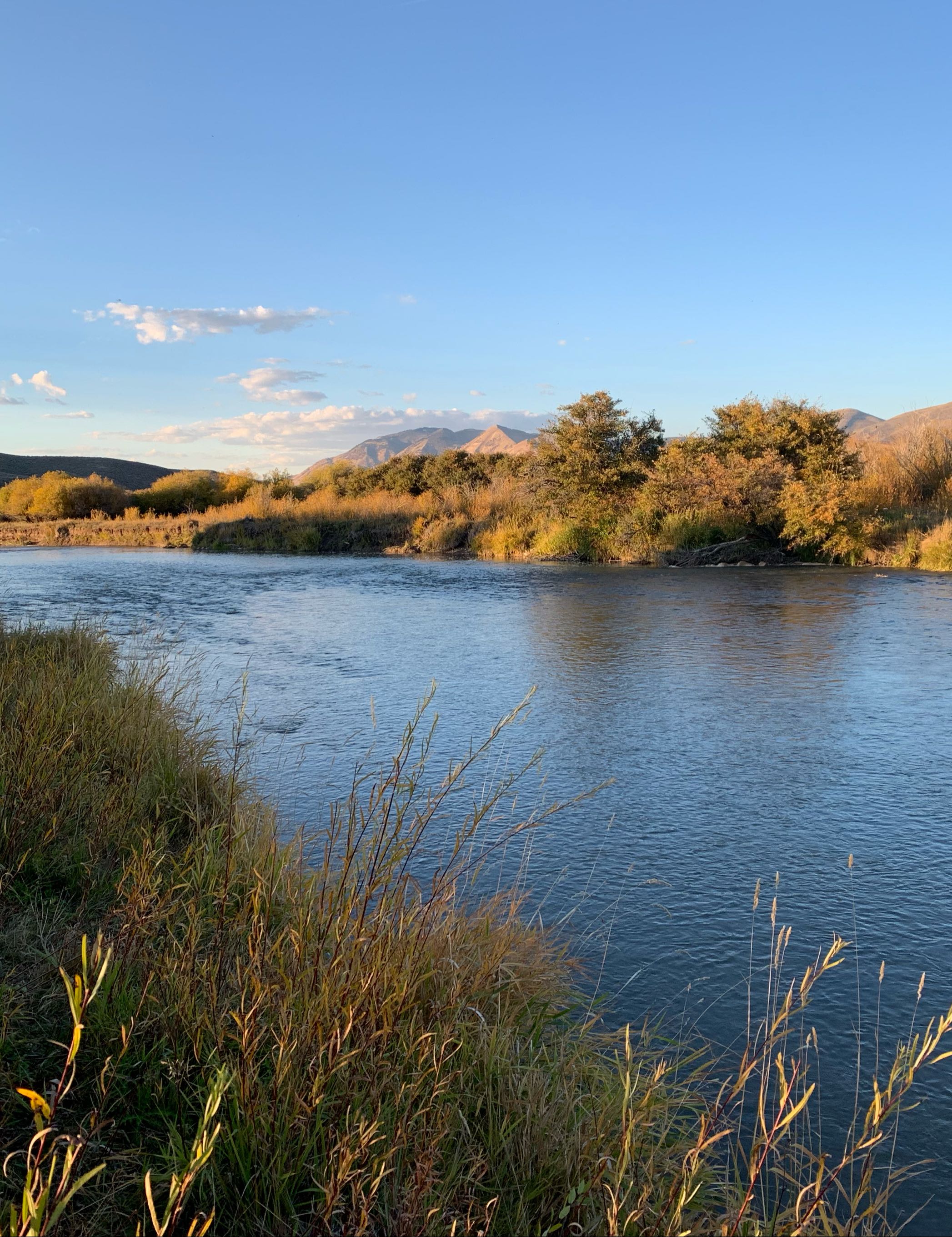
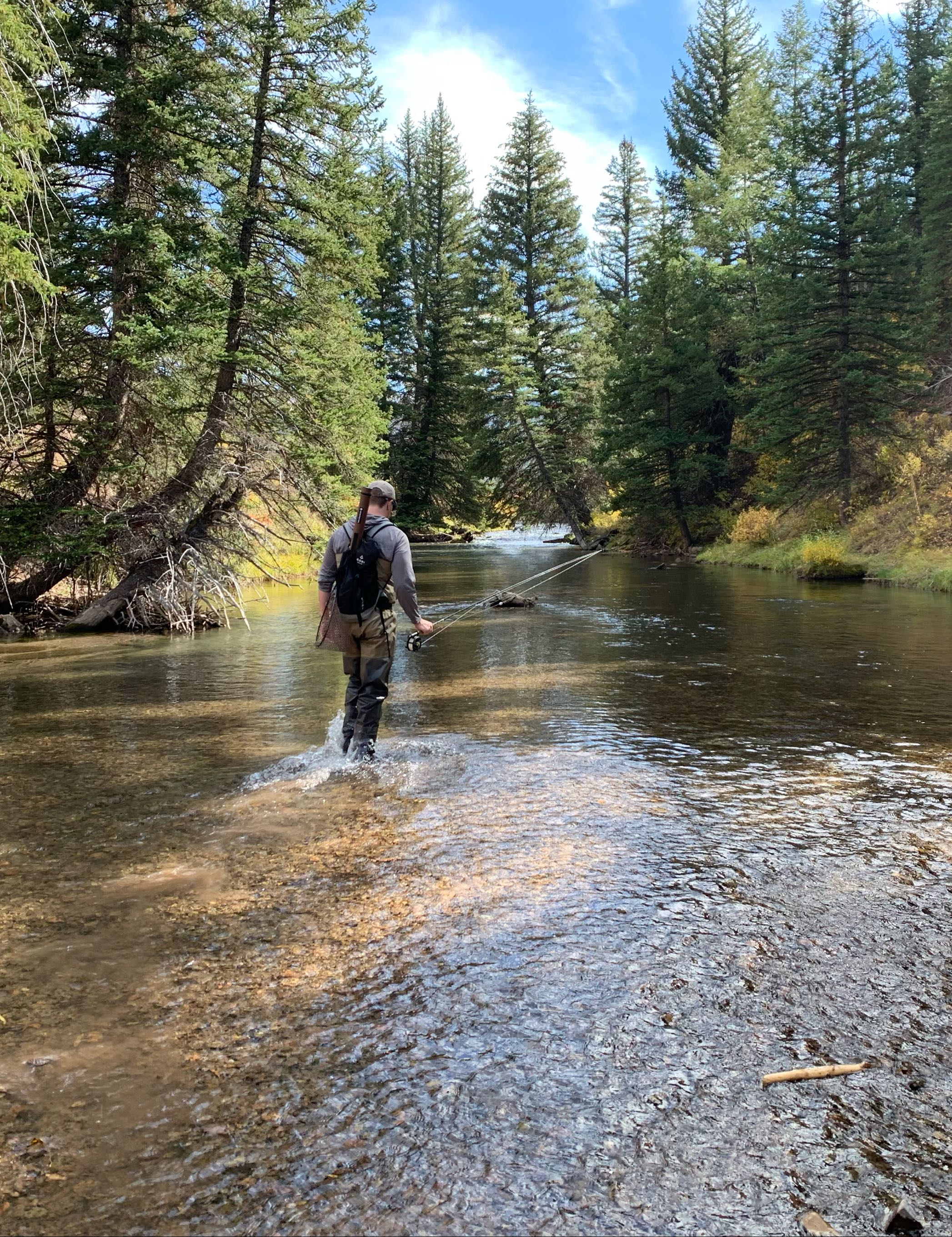
Your day starts early when your guide meets you at the put-in, already rigged and ready to make the most of prime fishing hours. We're talking about two of western Wyoming's crown jewel rivers here – the Smith Fork and Bear River systems that have been producing trophy cutthroat for generations. These aren't your typical crowded tourist waters; we fish the stretches where locals go when they want to get away from it all. You'll spend your four hours working productive runs, learning to read the water, and perfecting your presentation on some seriously fishy water. The beauty of this solo charter setup means your guide can focus entirely on your success, adjusting tactics on the fly and putting you on fish without worrying about anyone else's skill level or preferences. The rivers here flow through stunning high-country terrain, but don't let the scenery distract you – when the fish are active, you'll want your focus locked on that indicator or rising trout.
Fly Selection & Techniques
Western Wyoming cutthroat fishing demands a versatile approach, and your guide comes loaded with the local knowledge that separates good days from legendary ones. We're talking dry fly action during morning and evening hatches, nymph fishing through deep pools and pocket water, and streamer work when the big fish are feeling aggressive. Your guide carries boxes full of proven patterns – think parachute adams, elk hair caddis, copper johns, and woolly buggers tied specifically for these waters. The technique here often involves sight fishing, where you'll spot cruising cutthroat in clear pools and make precise casts to individual fish. It's technical, rewarding fishing that requires finesse over power. The Smith Fork runs clear and cold, perfect for dry fly work, while the Bear River offers deeper pools where subsurface presentations really shine. Don't worry about gear – your guide provides everything from rods and reels to flies and leaders, all dialed in for local conditions. Just bring your fishing license and be ready to learn some tricks that'll make you a better angler wherever you fish.
Species You'll Want to Hook
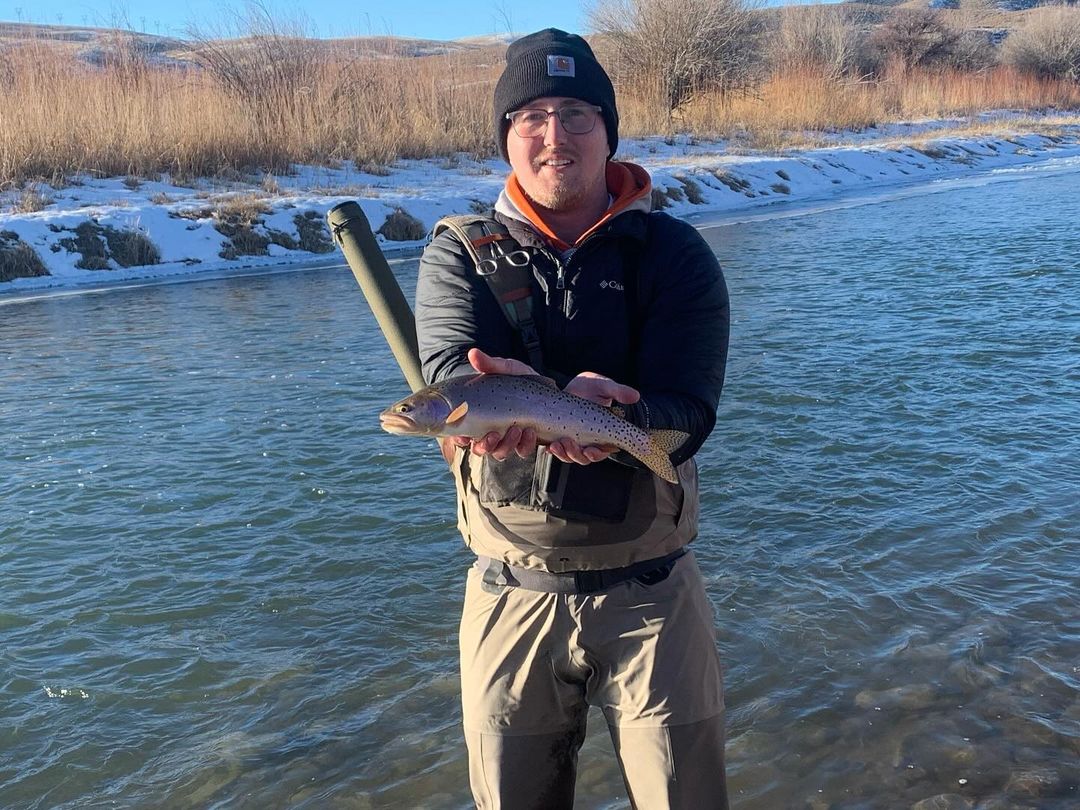
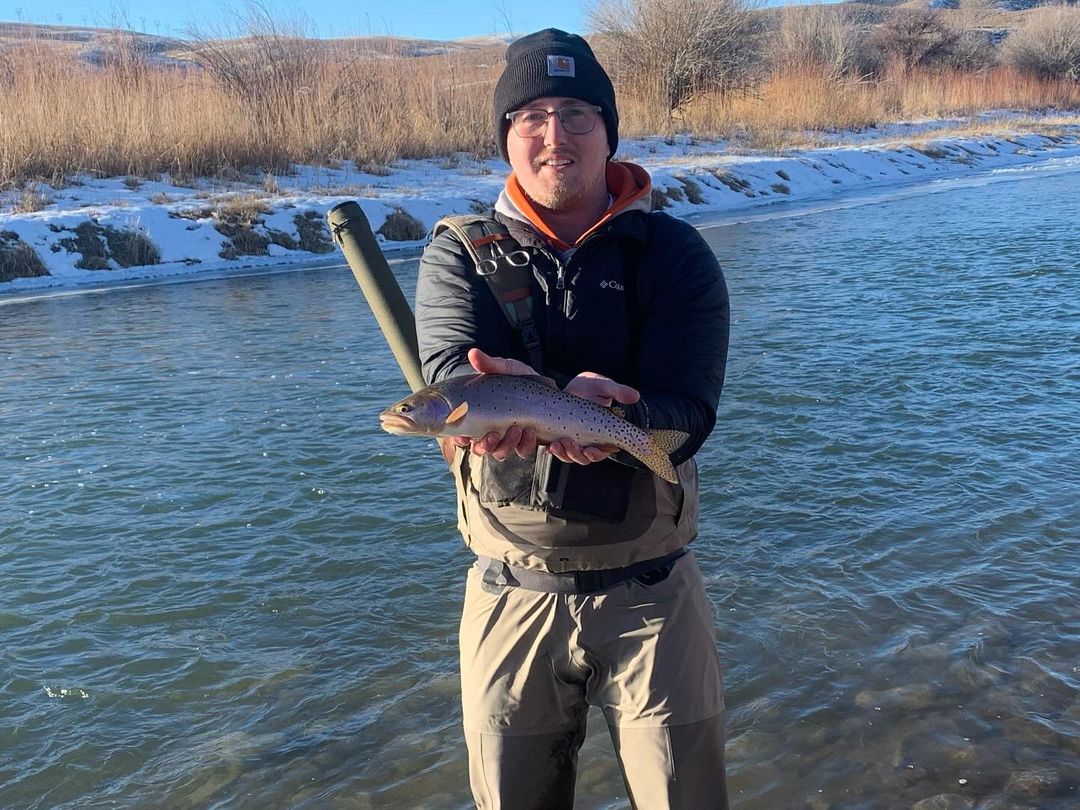
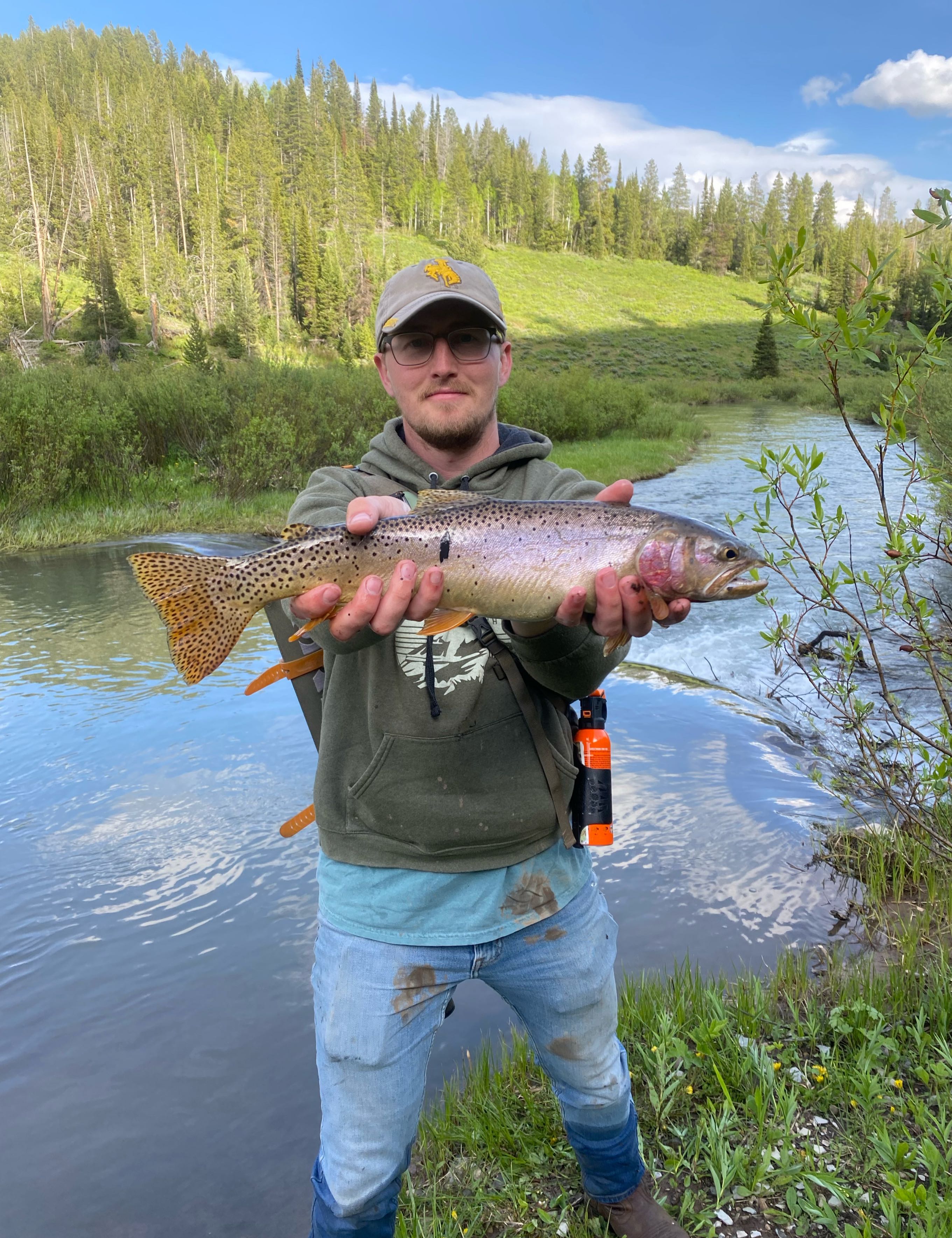
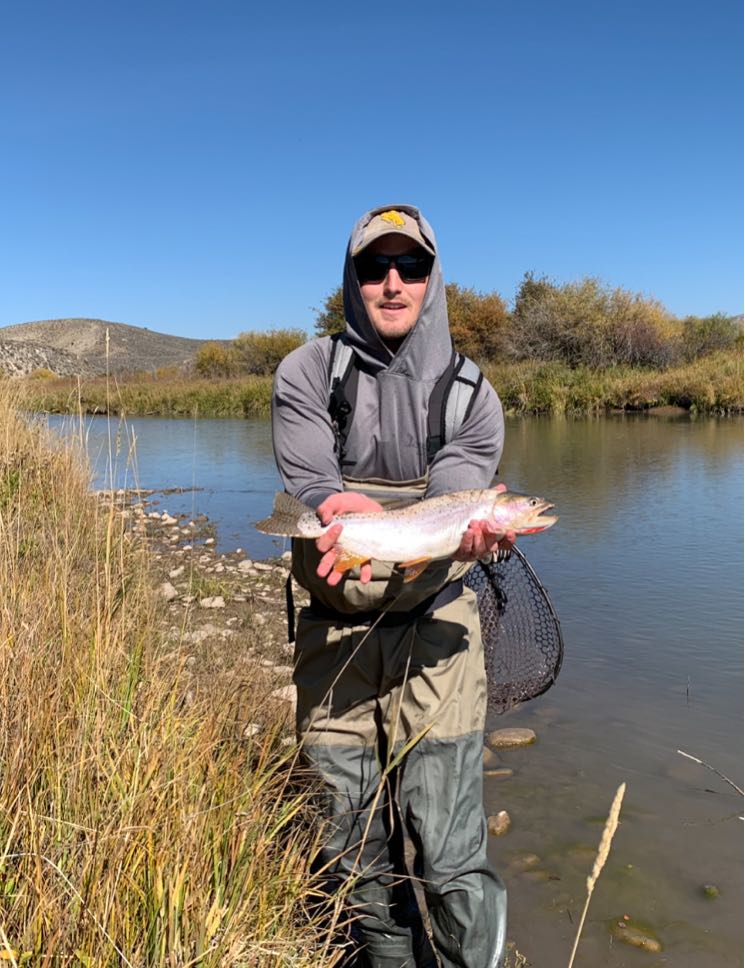
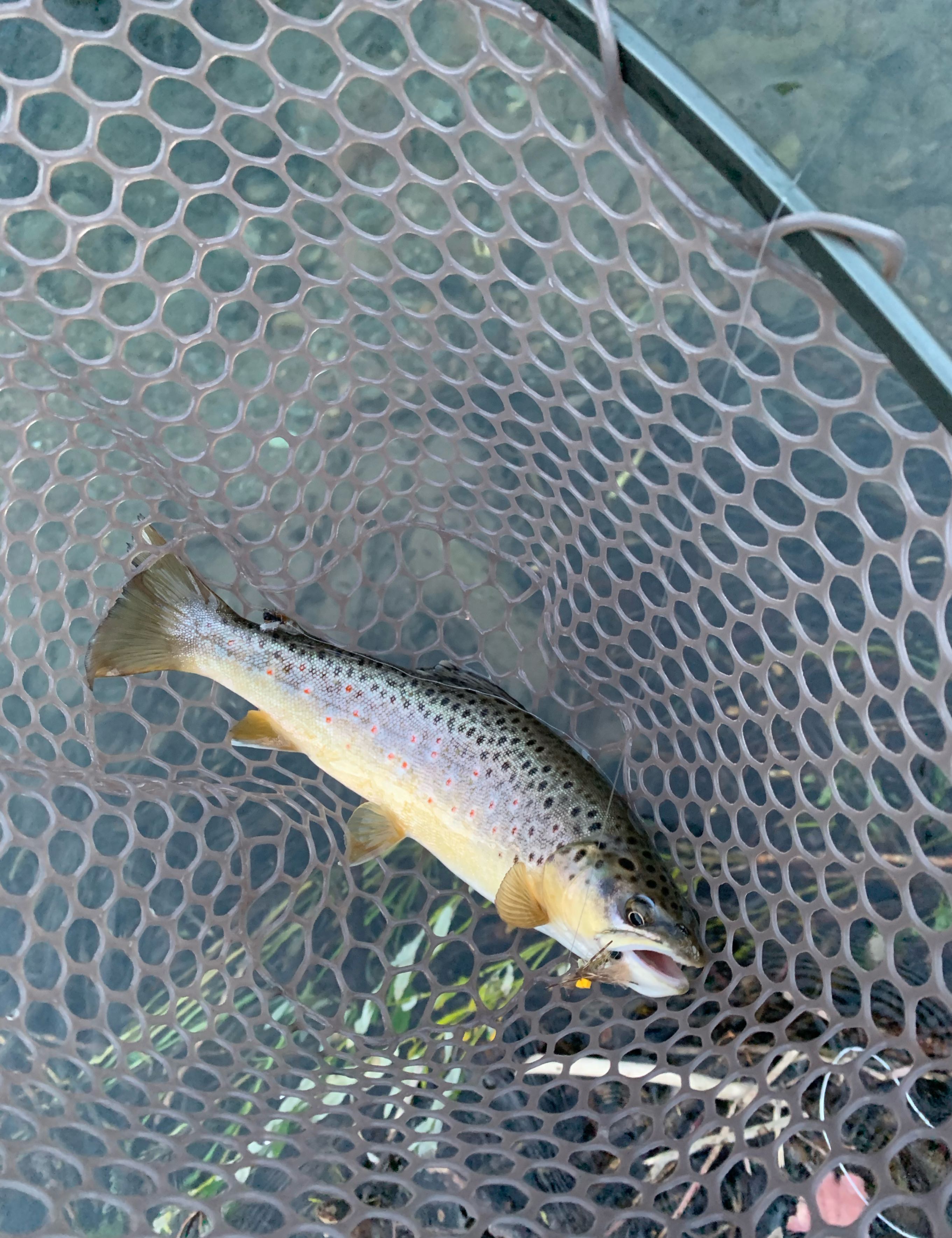
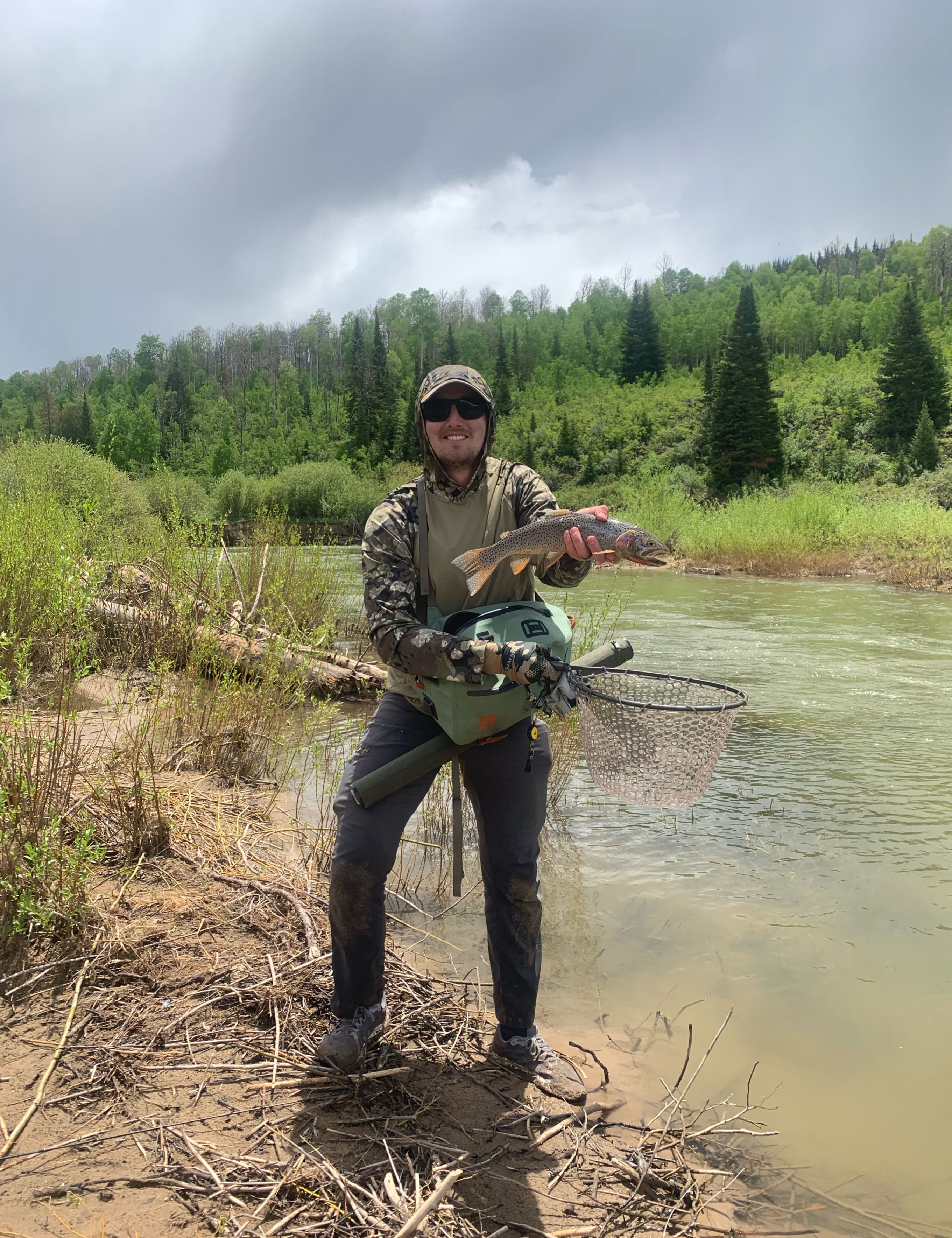
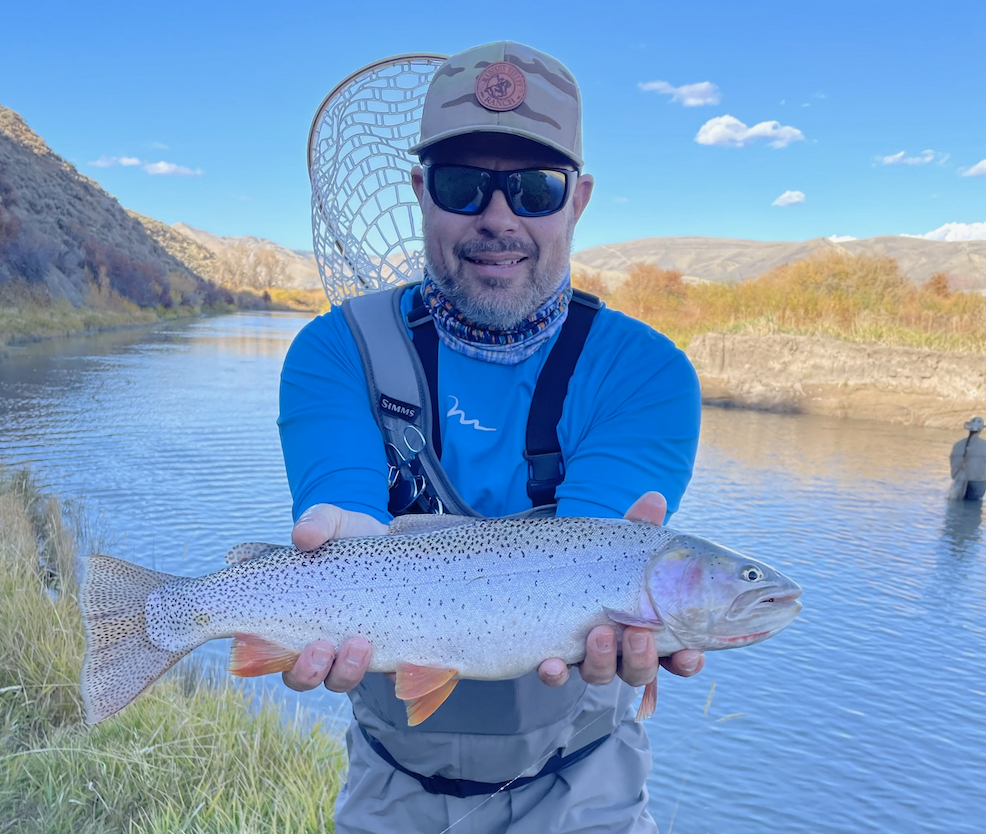
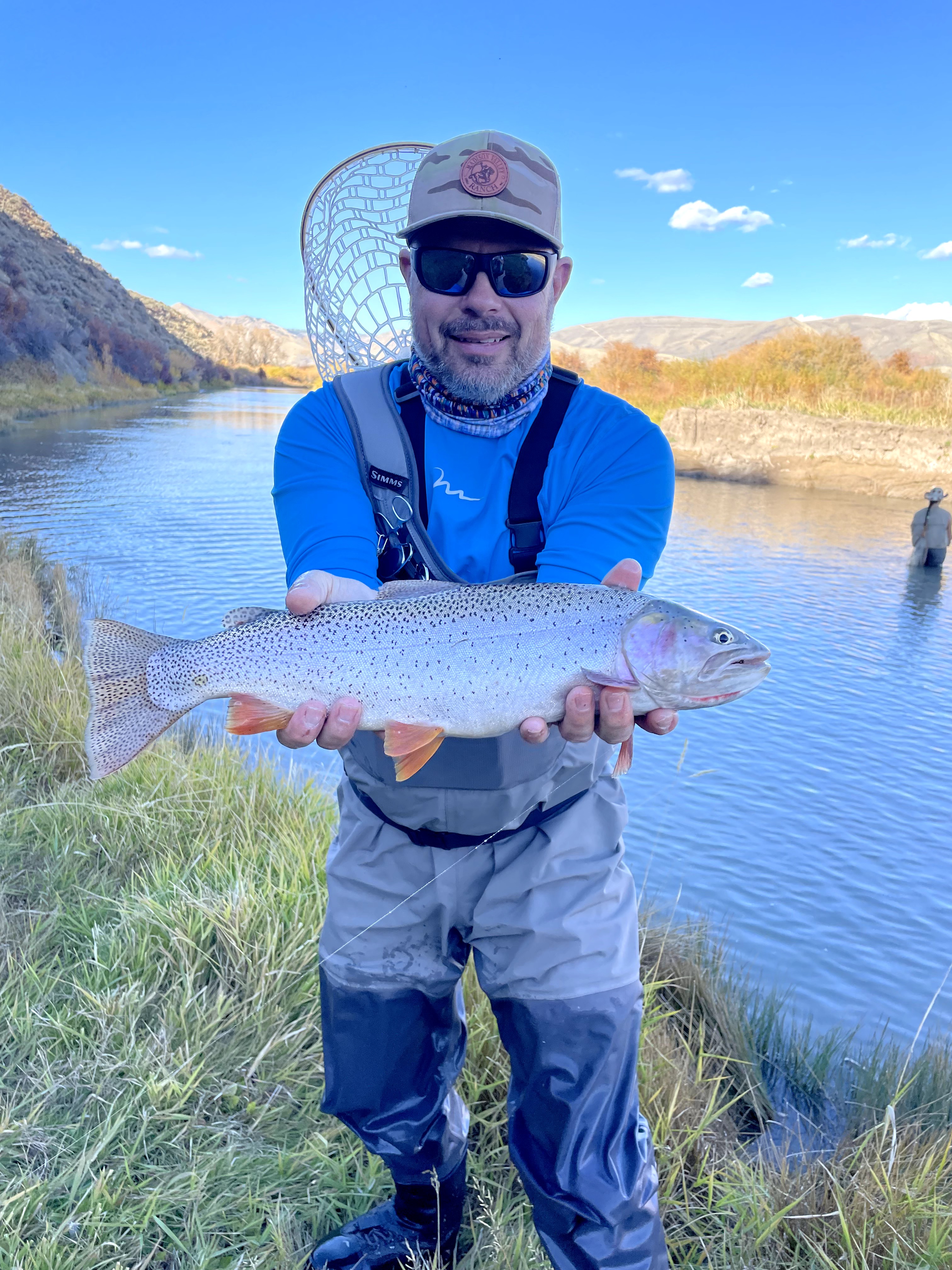
Cutthroat trout are the stars of this show, and western Wyoming's native cuts are something special. These aren't your typical stocked rainbows – we're talking about wild fish that have been thriving in these waters for centuries. Wyoming cutthroat typically run 12-16 inches, with plenty of fish pushing 18+ inches for those who know how to target the prime lies. What makes cutthroat so fun to catch is their aggressive feeding behavior and willingness to rise to dry flies, especially during the summer months when insect activity peaks. These fish are opportunistic feeders that'll slam a well-presented hopper pattern or delicately sip emerging mayflies depending on conditions. The best cutthroat fishing happens from late spring through early fall, with July and August offering consistent dry fly action that gets your heart pumping. When you hook into a good cutthroat, you'll immediately notice their fighting spirit – they jump, run, and use the current to their advantage in ways that test your skills. The native cuts in these waters also display beautiful coloration with vibrant reds and oranges along their gill plates, making every fish a photo-worthy catch. Your guide knows the seasonal patterns and prime feeding times that put you on the best fish of the day.
Time to Book Your Spot
This 4-hour charter gives you everything you need for a world-class Wyoming fly fishing experience without the commitment of a full-day trip. You're getting personalized instruction, access to top-rated local waters, and the kind of one-on-one attention that turns good anglers into great ones. The Smith Fork and Bear River consistently produce fish when other waters struggle, and having a knowledgeable guide who lives and breathes these rivers makes all the difference between a fishing trip and a fishing adventure. Remember that guide gratuity isn't included in your trip cost, so plan accordingly – a good day on the water deserves recognition. Western Wyoming's fly fishing season is relatively short, and the best dates fill up fast with returning customers who know what they've found. Whether you're looking to improve your casting, learn new techniques, or simply enjoy some of the finest trout fishing the region offers, this charter delivers the goods. Book your spot today and get ready to experience why Wyoming ranks among the top fly fishing destinations in North America.
 Private Trip
 River Fishing
 Wyoming
 Four-hour guided fly fishing charter in Western Wyoming rivers