Key Largo Wreck Fishing Charter Adventure
When you're looking for serious bottom fishing action in Key Largo, our 4-hour wreck fishing charters deliver the goods. Captain and crew have been working these waters for over two decades, and we know exactly where the fish are stacking up. Whether you're a seasoned angler or just getting your feet wet, this trip puts you right on top of productive wrecks where yellowtail snapper, grouper, and other trophy bottom fish call home. We handle all the details – tackle, bait, and local knowledge – while you focus on the fun part: hooking up and bringing dinner to the boat.
What to Expect on the Water
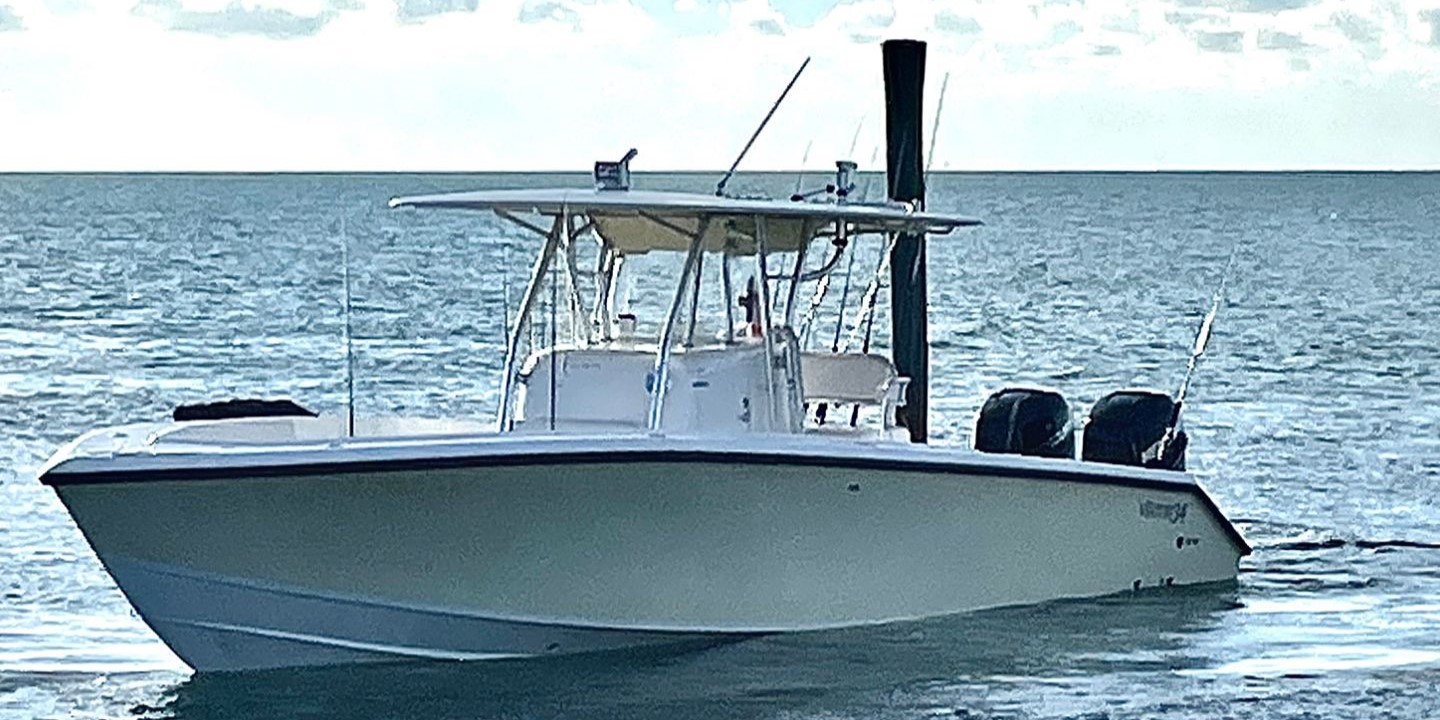
Your day starts with either a 7:00 am or 1:00 pm departure, depending on what works best for your schedule and the season. We run these trips from December through September, timing them perfectly with the best fishing conditions and species availability. The boat accommodates up to 4 anglers comfortably, though we can squeeze in 2 more if your crew is bigger – just give us a heads up when booking. Once we're underway, it's a quick run to our favorite wreck sites where the real action begins. These artificial reefs and sunken structures create perfect habitat for the species we're targeting, and our captains know every nook and cranny where fish like to hide. Expect to spend most of your time with lines in the water, working different depths and techniques to maximize your catch. We provide complimentary bottled water, but feel free to bring your own snacks and beverages to keep energy levels up throughout the trip.
Wreck Fishing Techniques
Fishing wrecks requires a different approach than open water trolling, and that's where our experience really pays off. We use heavy tackle capable of pulling fish away from structure before they can cut you off on sharp metal or coral growth. Most of the action happens with live bait or cut bait presented near the bottom, though we'll adjust techniques based on what's working best that day. Our GPS marks are dialed in to position the boat perfectly over productive sections of each wreck, and we use quality fish finders to locate exactly where fish are holding. Circle hooks are standard for most bottom fishing to improve hook-up ratios and fish survival, especially important when targeting species with seasonal restrictions. The key is getting your bait down quickly through the water column before current pushes you off the structure, then maintaining good bottom contact while staying alert for that telltale tap-tap-pull of a hungry snapper or grouper. Don't worry if this sounds complicated – our crew walks every angler through the process and helps with everything from rigging to landing fish.
Target Species You'll Hook
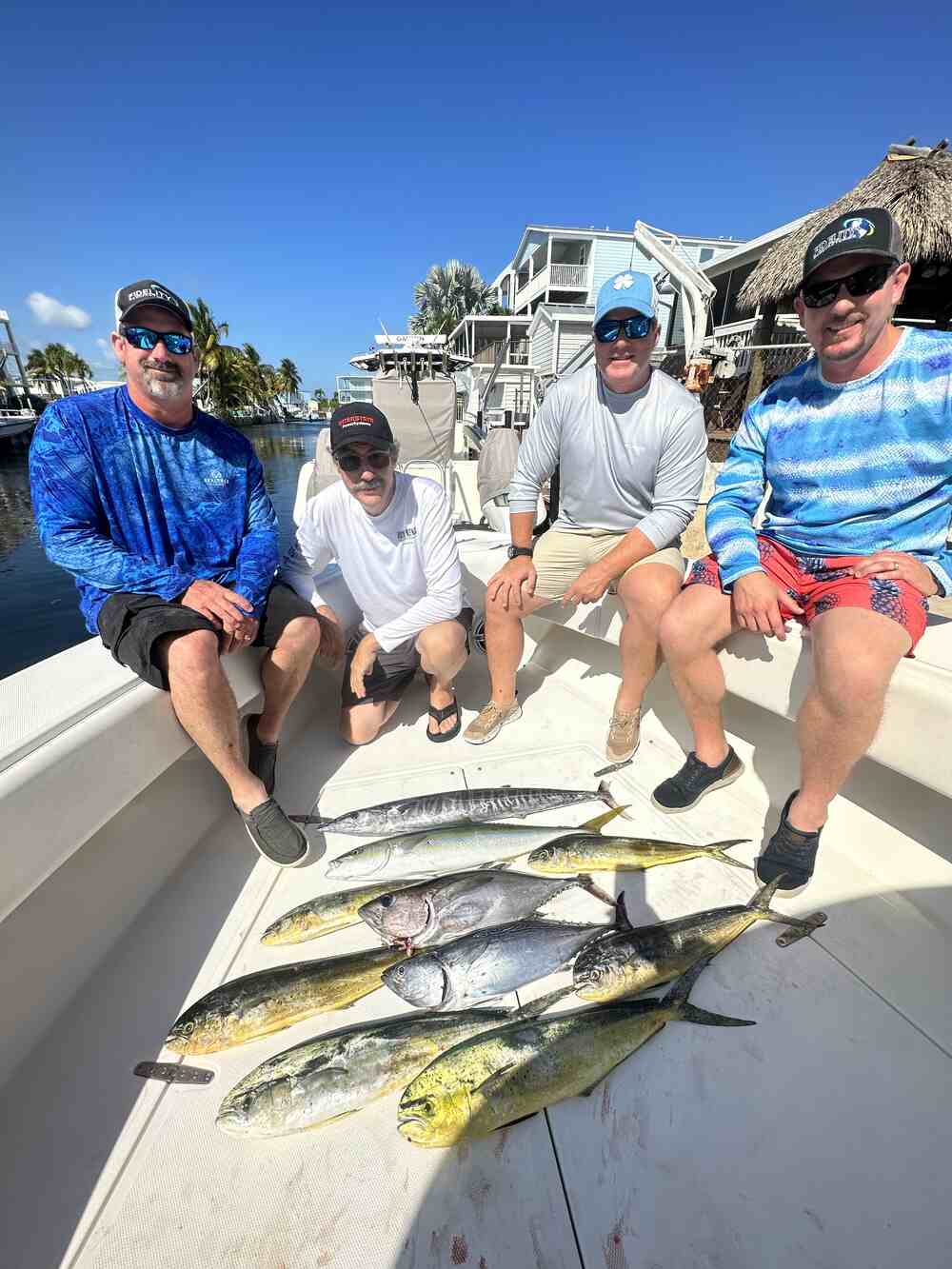
King Mackerel are apex predators that patrol wreck sites looking for easy meals, and when they're around, you'll know it. These silver bullets can reach 20-40 pounds in our waters and provide some of the most exciting fights you'll experience. Spring and fall see the best king mackerel action as they migrate along the reef line. What makes them special is their incredible speed and tendency to make long, screaming runs that test your drag system and fighting skills. The meat is excellent when prepared fresh, with a firm texture that grills beautifully.
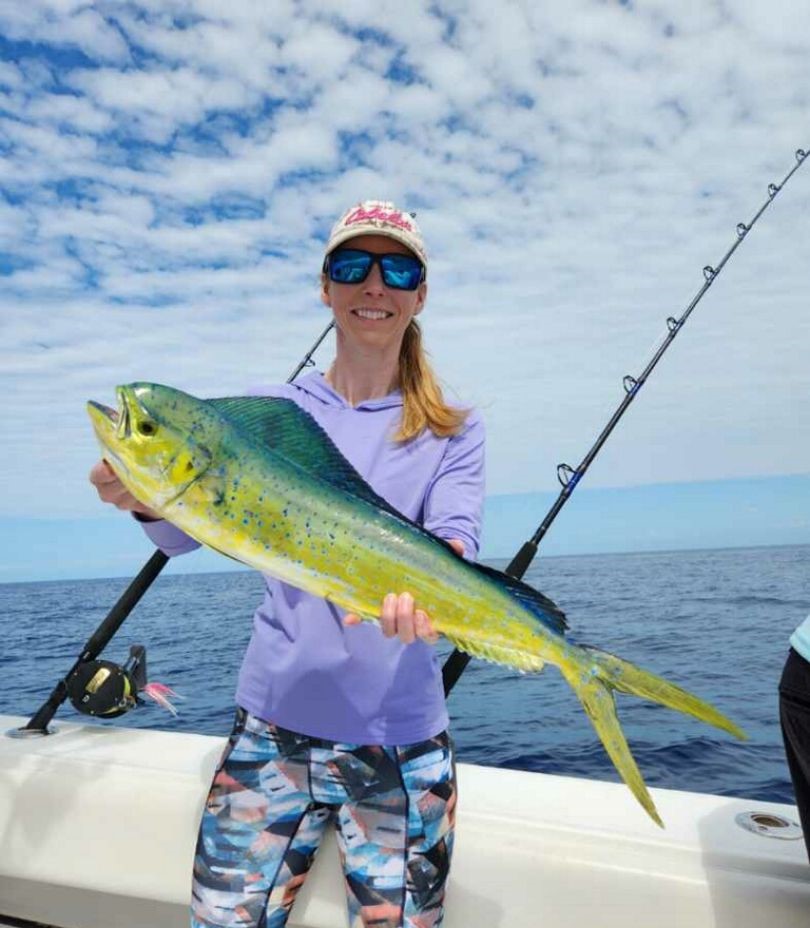
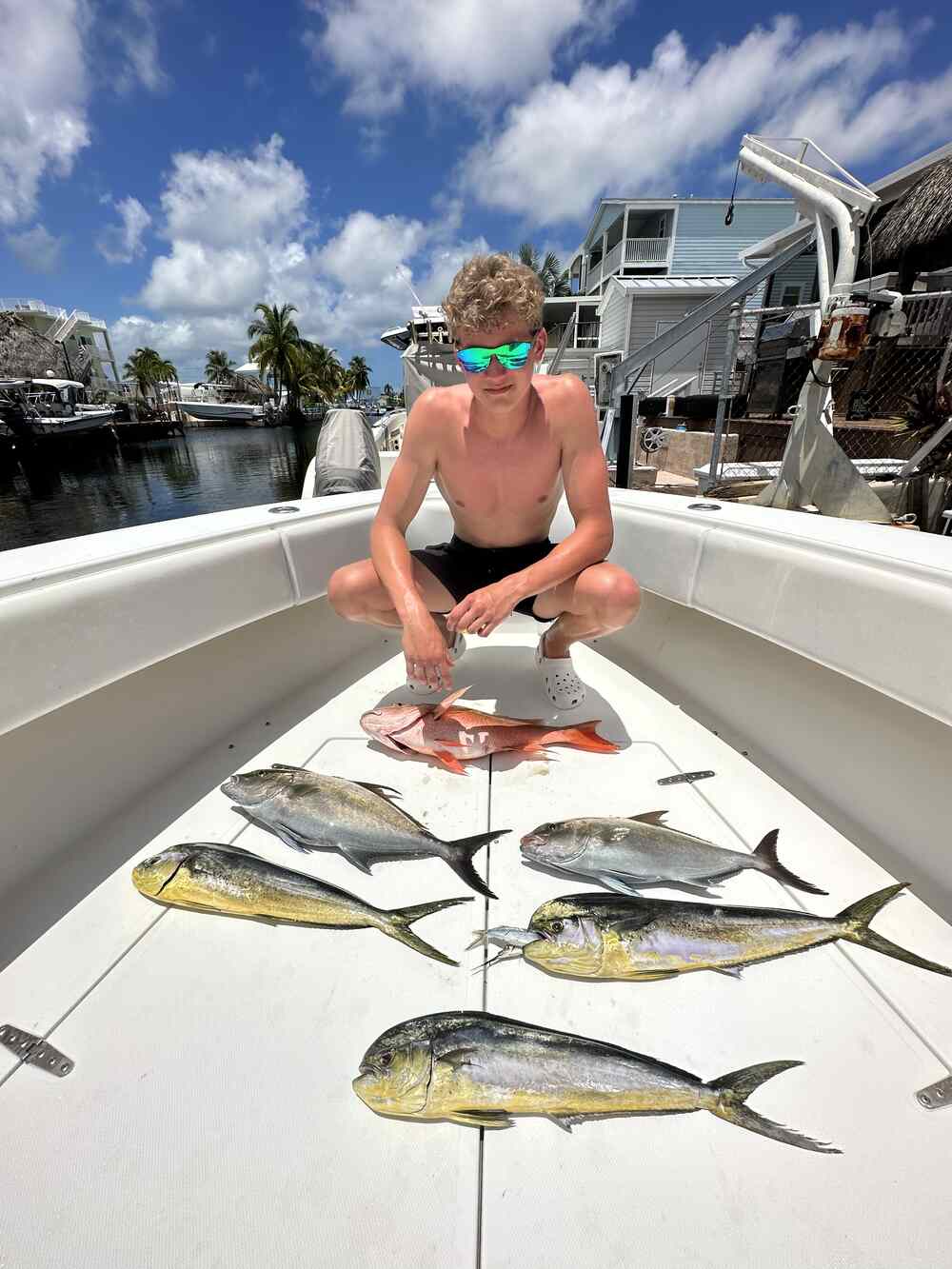
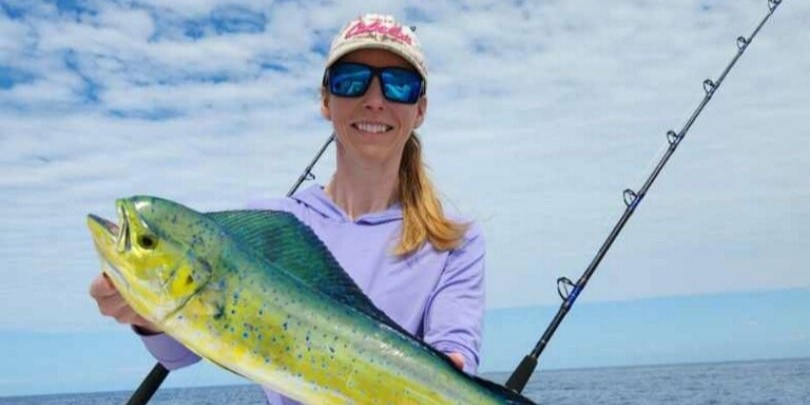
Mahi Mahi, also called common dolphinfish, are absolutely gorgeous fish that change colors dramatically when hooked. These 10-30 pound beauties love floating debris and structure, making wrecks prime real estate for finding schools. Peak season runs late spring through early fall, and they're famous for their acrobatic fights – expect multiple jumps and powerful runs toward the bottom. Beyond the excitement factor, mahi mahi are considered one of the best eating fish in the ocean, with sweet, flaky white meat that works in virtually any recipe.
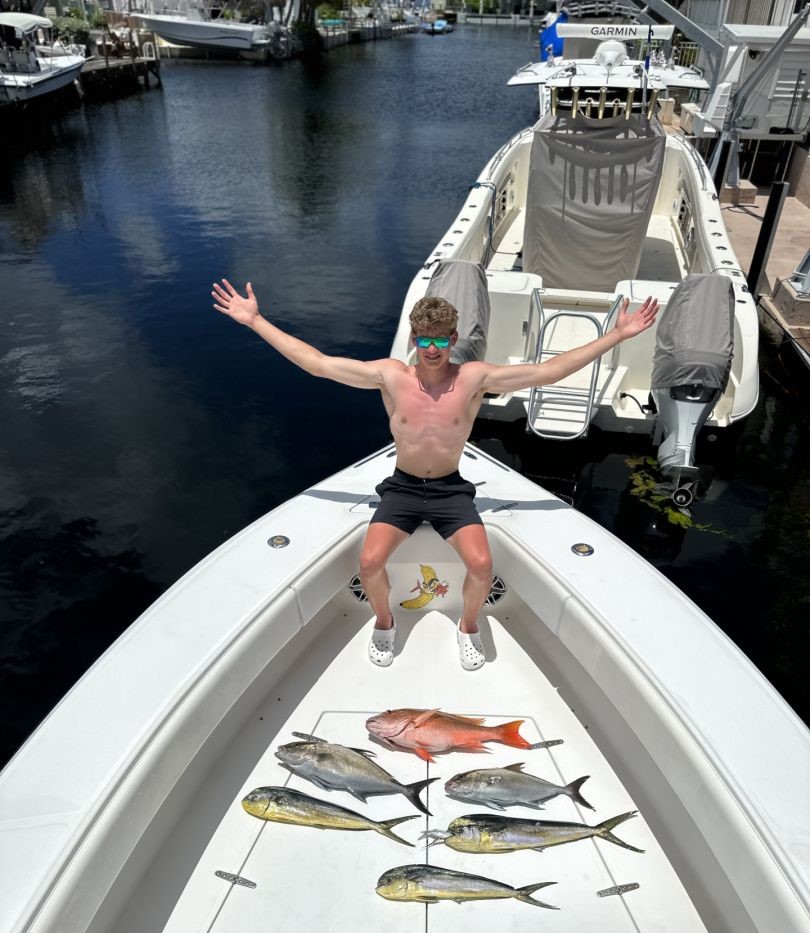
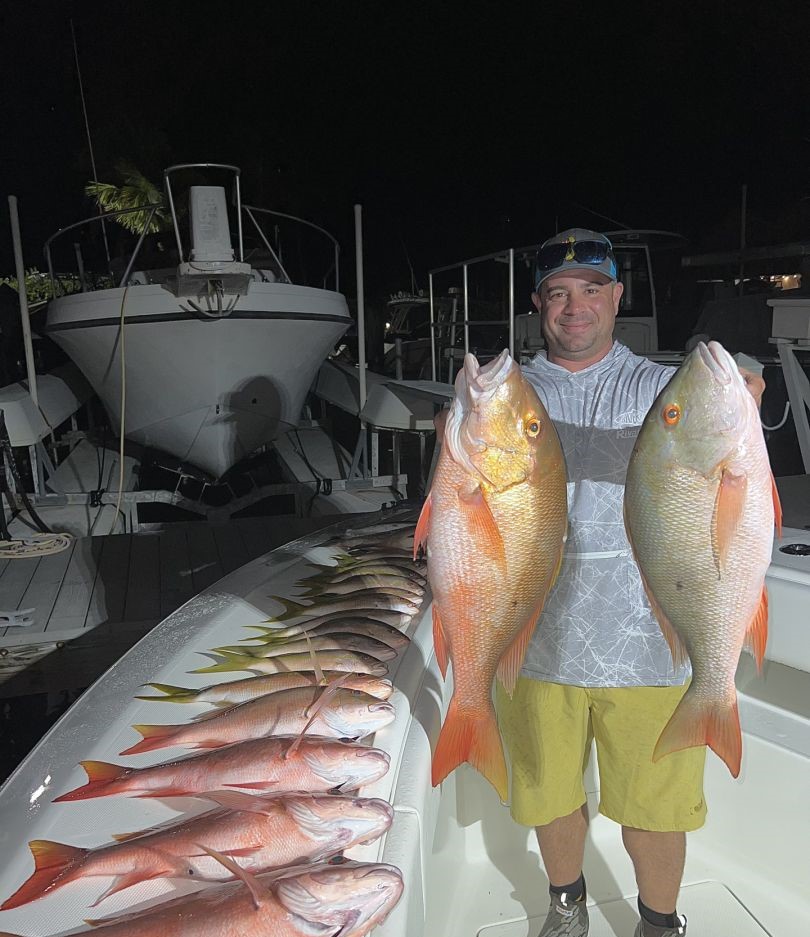
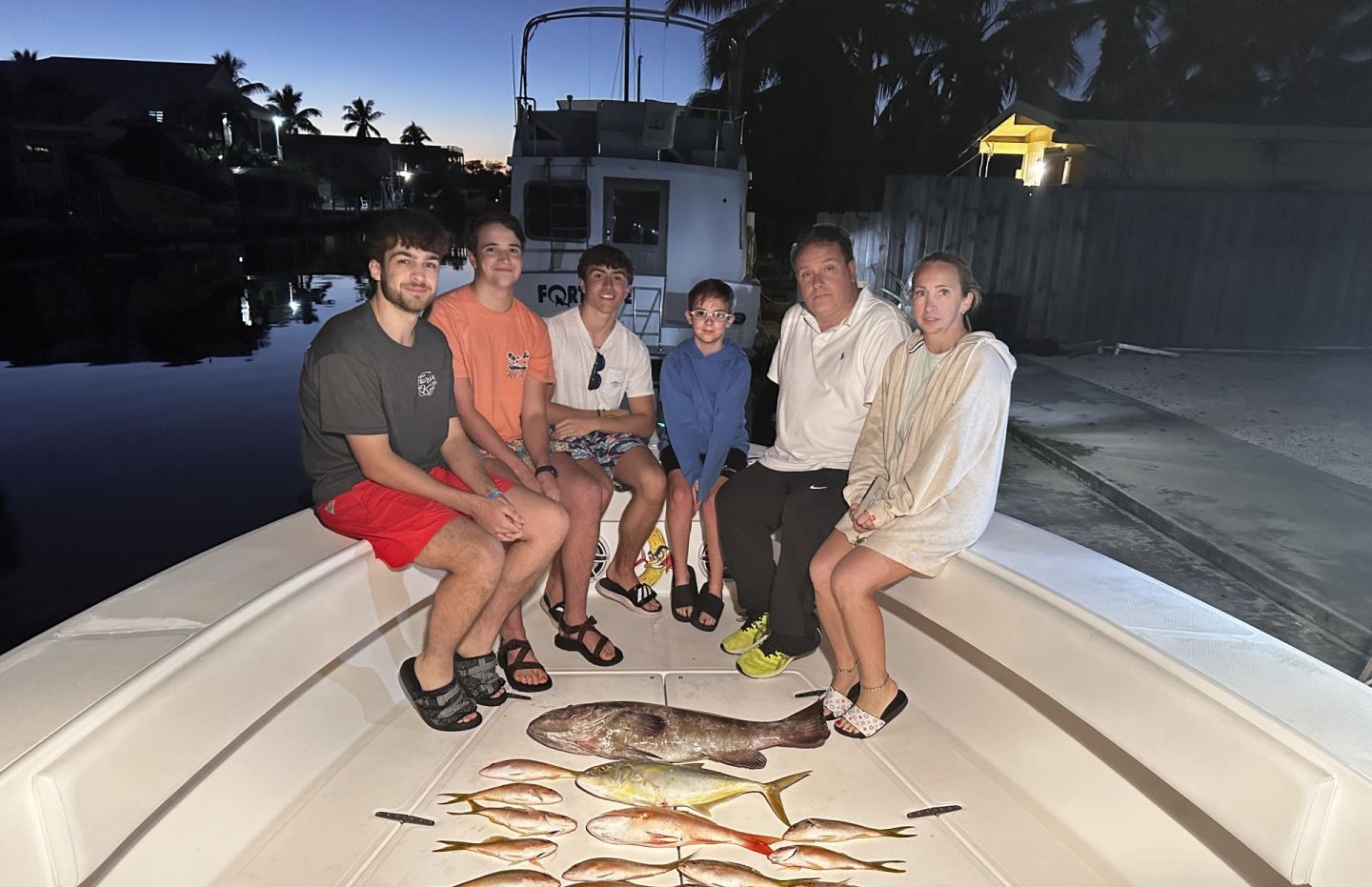
Yellowtail Snapper are the bread and butter of wreck fishing in the Keys, and for good reason. These pink and yellow beauties school heavily around structure and provide non-stop action when conditions are right. They typically run 1-3 pounds with occasional larger fish pushing 5 pounds or more. Year-round residents, they're most active during warmer months and offer excellent table fare with mild, sweet flesh. What anglers love most is their willingness to bite and the steady action they provide – it's not uncommon to boat dozens during a productive trip.
Mutton Snapper are the heavyweight champions of the snapper family in our area, with fish ranging from 5-15 pounds and occasional monsters pushing 20+. These bronze and red beauties are more selective feeders than their yellowtail cousins, making each hookup feel like a real achievement. They're most active during summer months and full moon periods, when they aggregate around deeper wrecks for spawning. The fight is powerful and determined, with strong runs toward structure that require quick action and steady pressure to win.
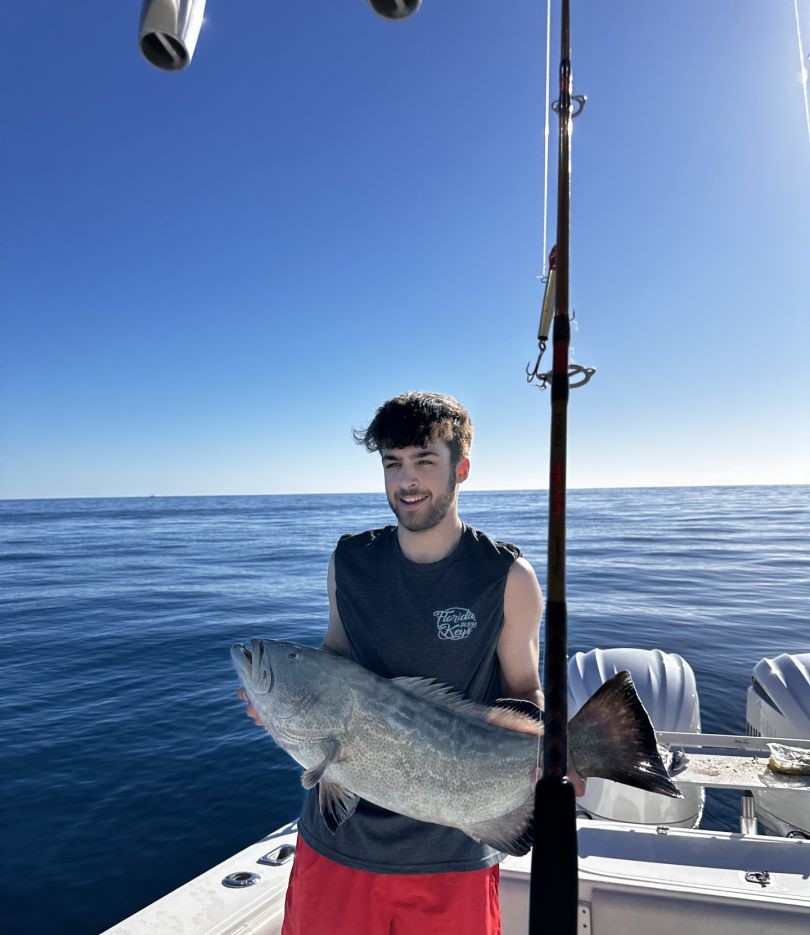
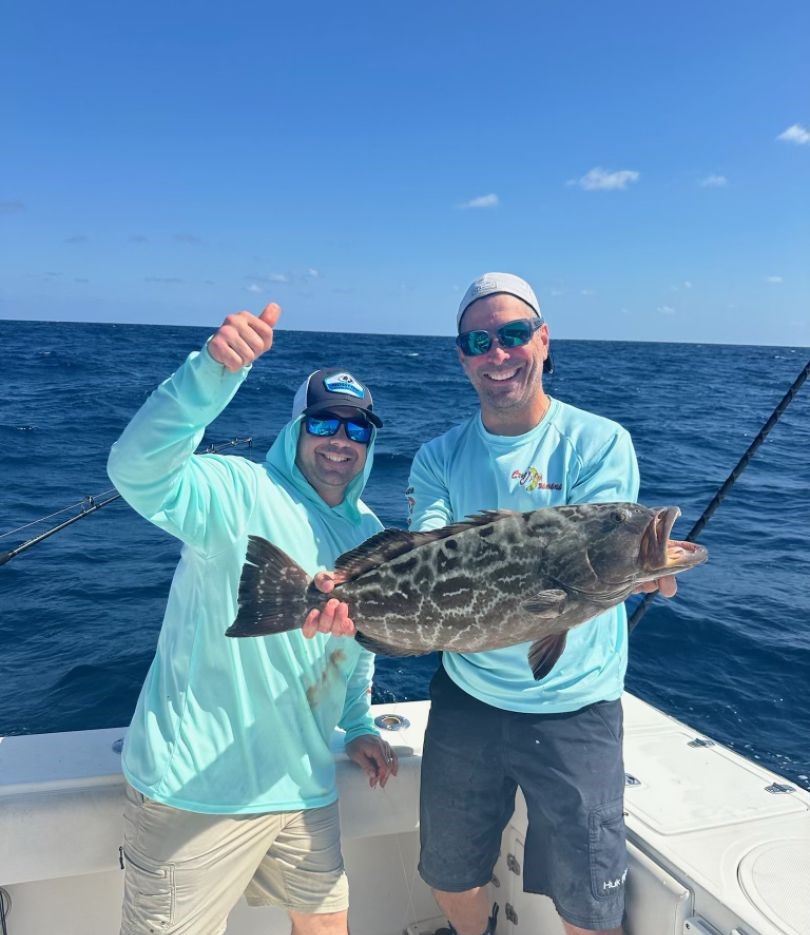
Black Grouper represent the ultimate bottom fishing prize, with their massive mouths and bulldozer-like power. These fish range from 10-40 pounds in our area and provide heart-stopping battles as they try to reach the safety of their wreck homes. Season runs through December, and they're ambush predators that require precise bait placement and quick hook-sets. What makes them special is their incredible strength and the satisfaction of winning a tug-of-war with one of the ocean's most powerful fish. The thick, white fillets are restaurant-quality and perfect for any preparation.
Time to Book Your Spot
This world-class wreck fishing experience books up quickly, especially during peak season when the fishing is hottest. Our top-rated captains and prime departure times fill fast with repeat customers who know what we deliver. Whether you choose morning or afternoon, you're getting the same professional service and fish-finding expertise that's made us a customer favorite for over 20 years. The boat is equipped and ready, the fish are biting, and all that's missing is you. Don't let another season pass without experiencing the best wreck fishing Key Largo
 Private Trip
 Wrecks/Reefs Fishing
 Key Largo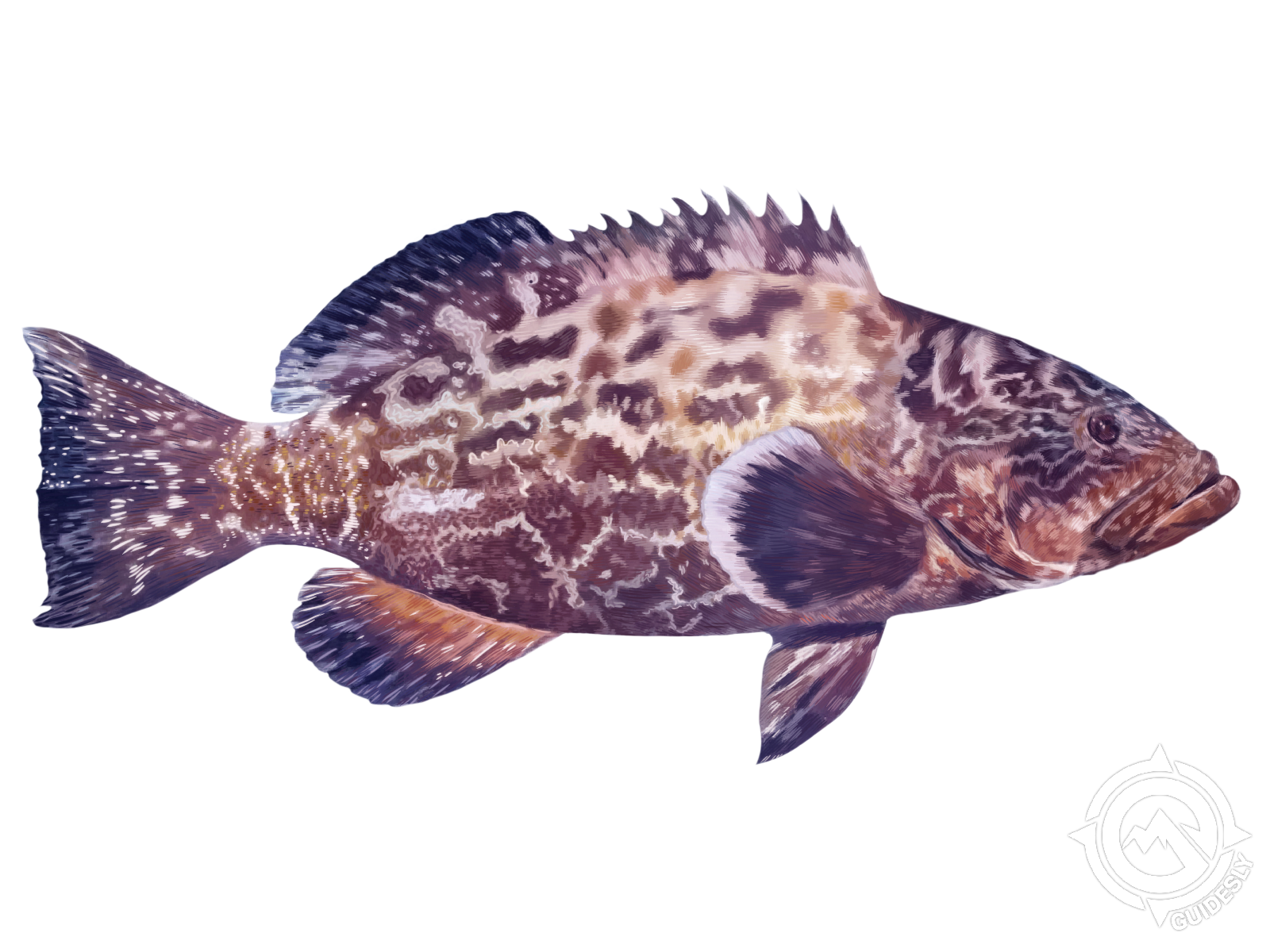


 Four-hour reef and wreck fishing adventure in Key Largo waters.