Seasonal Waterfowl & Sandhill Crane Hunting
Get ready for some serious bird hunting in the Texas Panhandle with David Morris Outfitters. This isn't your typical day in the blind – we're talking about carefully managed private land where the birds actually want to be, combined with the kind of local knowledge that only comes from years of working these fields. The season runs October through January when migration patterns bring massive flights through our area, and we keep our groups small at 2-4 hunters max so everyone gets quality shooting opportunities instead of fighting for position.
Inside the Hunt
Every hunt starts with a purpose-built game plan based on what we've been seeing in the field. We're not just throwing decoys out and hoping for the best – this is strategic hunting that adapts to weather patterns, bird movement, and daily scouting reports. You'll meet us at 8:00 AM sharp, and we'll have already been out checking locations to put you where the action is hottest that particular morning. The private land we hunt has been managed specifically for waterfowl, which means better habitat and more consistent bird traffic than public spots that get hammered every weekend. We position hunters based on wind direction, flight patterns, and what species are moving that day. Some mornings you might be in a traditional pit blind, other days we'll be setting up in field edges or stock tanks depending on where we're seeing birds work. The key is flexibility – Mother Nature calls the shots, but our job is reading those signs and putting you in the right place at the right time.
Tracking Tips & Terrain
Texas Panhandle terrain gives us a huge advantage for waterfowl hunting. The mix of grain fields, stock ponds, and seasonal wetlands creates natural funnels that concentrate birds during migration. We use a combination of full-body decoys, shell spreads, and motion decoys depending on conditions and target species. For Sandhill Cranes, we're talking about different setups entirely – these birds are smart and require specific decoy patterns and calling techniques that we've dialed in over years of hunting them. Wind direction is everything out here, and the flat terrain means we can see weather systems coming from miles away. That's why morning meets include a full briefing on conditions and strategy adjustments. You'll want to bring steel shot in appropriate sizes – we typically recommend 2s and 3s for ducks, BBs or 1s for geese, and 2s work great for cranes. The open country means longer shots are possible, so practice with your gun beforehand and know your effective range. Layering is critical because pre-dawn setups can be brutally cold, but once the sun comes up and you're active, you'll want to shed some clothes. We provide exact GPS coordinates the night before so you're not driving around in the dark trying to find us.
Target Game Breakdown
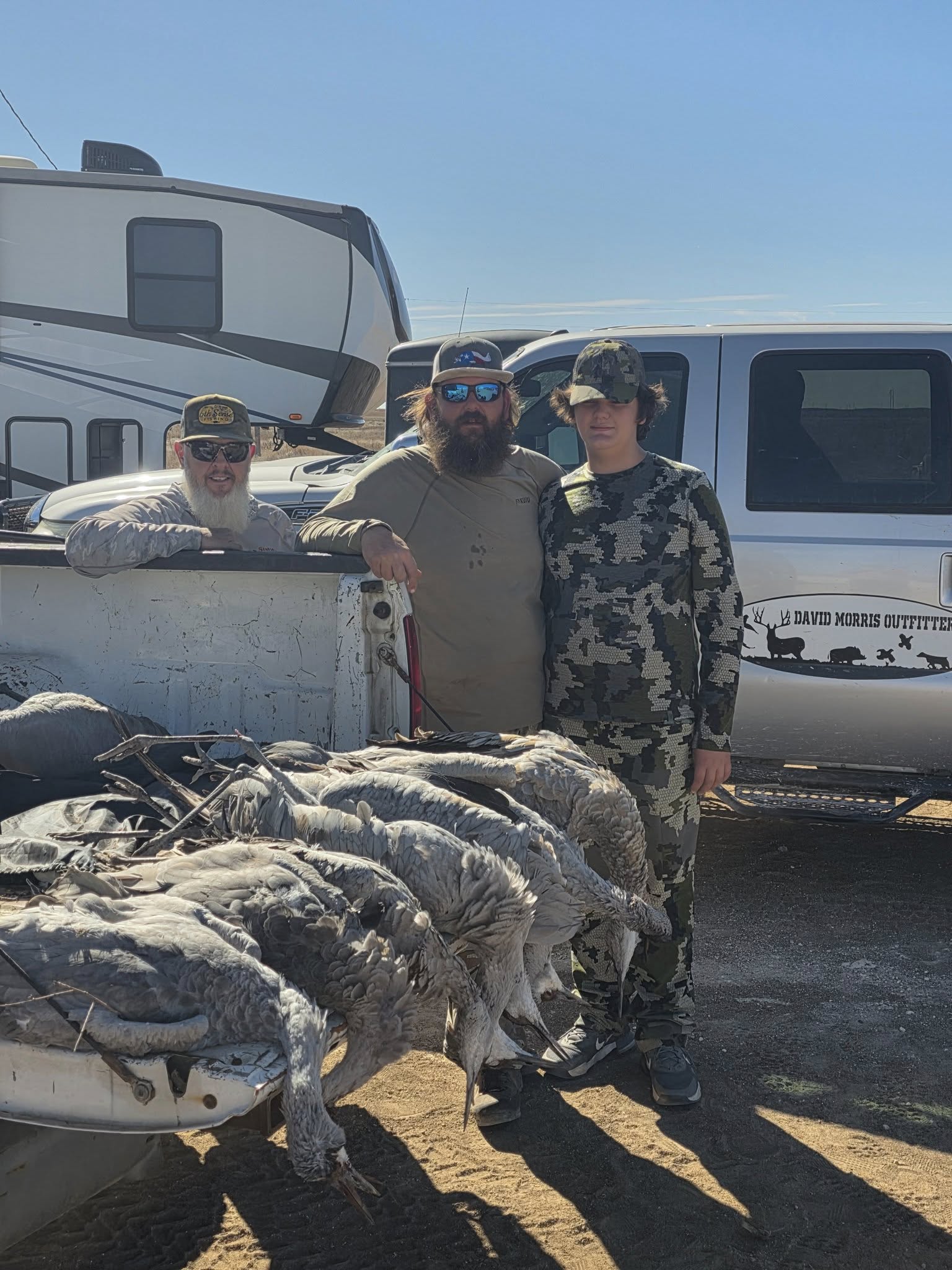
Sandhill Cranes are the crown jewel of this hunt and honestly one of the most challenging and rewarding birds you can pursue. These giants stand nearly four feet tall with wingspans over six feet, and they're incredibly intelligent birds that can spot danger from amazing distances. What makes them special in the Texas Panhandle is the massive numbers that funnel through our area from October through January as they migrate from breeding grounds in the north to wintering areas along the coast. Cranes are creatures of habit – they roost in shallow water overnight and fly to feeding areas in grain fields during the day, creating predictable movement patterns that skilled hunters can intercept. The key to crane hunting is understanding their daily routine and getting permission on both roost sites and feed fields. These birds are extremely vocal, and learning their calls is essential for success. They make a distinctive rolling bugle that carries for miles across the flat terrain. When cranes commit to your decoy spread, it's pure magic – watching these massive birds set their wings and glide in on approach is something every serious hunter needs to experience. The meat is outstanding too, often called the ribeye of the sky, with a rich, beefy flavor that's nothing like typical waterfowl. Hunting pressure affects crane behavior significantly, which is why hunting private land with limited pressure makes such a difference in success rates.
Book Your Next Tag
This hunt represents everything that makes waterfowl hunting in Texas special – wide open spaces, incredible bird numbers during peak migration, and the expertise that comes from guides who live and breathe this stuff year-round. The small group size means personalized attention and better shooting opportunities for everyone involved. David Morris Outfitters has built a reputation on consistency and local knowledge that you simply can't get from weekend warriors or fly-by-night operations. The private land access alone is worth the investment, but when you combine that with professional guiding and strategic hunting approaches, you're looking at a hunt that delivers results instead of just hopes. Don't wait until the last minute to book your dates – the best weeks fill up fast once migration patterns establish themselves. Whether you're a seasoned crane hunter looking for better access or a waterfowler ready to try something new, this hunt will give you stories worth telling. Contact David Morris Outfitters now to secure your spot for the upcoming season and experience what serious waterfowl hunting looks like in the Texas Panhandle.
 Private Trip
 Active hunting
 Lake Fork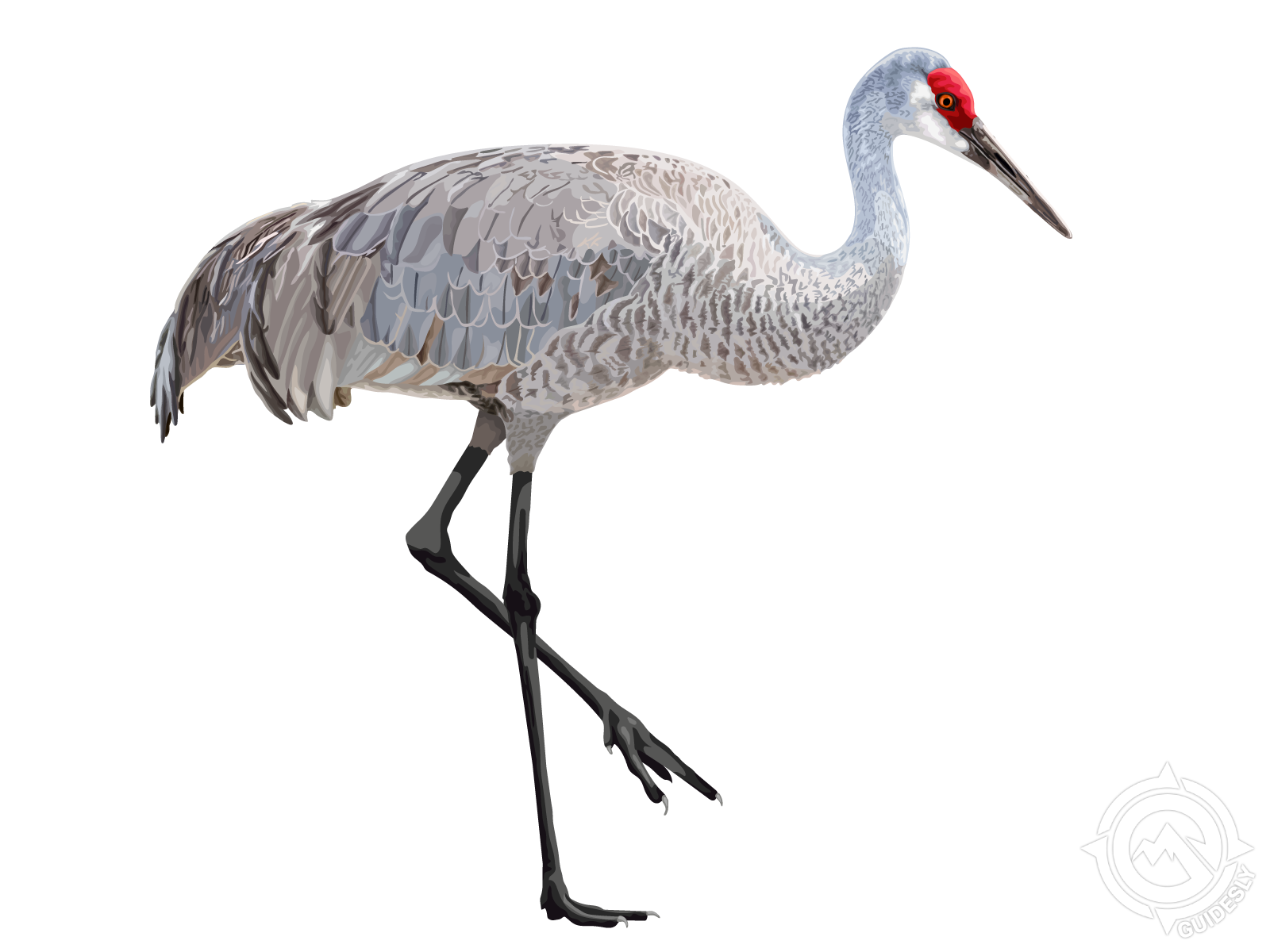
 Guided waterfowl and Sandhill Crane hunting on private Texas land