Texas Panhandle Waterfowl & Crane Hunting
When October rolls around in the Texas Panhandle, serious waterfowl hunters know it's time to get after some of the best crane and duck hunting in the state. David Morris Outfitters has been putting hunters on birds for years, and this seasonal waterfowl program is built for folks who want to hunt hard and hunt smart. We're talking private managed land, daily scouting reports, and the kind of local knowledge that comes from living and breathing these birds every season. This isn't a casual morning hunt – it's a 2-day minimum commitment designed for hunters who understand that the best opportunities come to those willing to put in the time and effort.
Inside the Hunt
This hunt runs from October through January, hitting prime migration windows when the Texas Panhandle becomes a major flyway for waterfowl moving south. You'll be hunting with groups ranging from 2 to 12 hunters, all based on private managed properties that we've been working for years. The setup changes daily based on what our scouts are seeing – bird movement, weather patterns, and feeding areas all factor into where we'll position you each morning. Meet times are typically before dawn, and locations get confirmed in advance based on current conditions. This is hands-on guiding where every decision is made to put you in the best possible position when birds start flying. We handle the scouting and positioning, but you need to bring your A-game with proper licenses, permits, cold-weather gear, firearms, and ammunition. The Texas Panhandle can throw some serious weather at you, so being prepared for everything from mild mornings to bitter cold fronts is essential.
Tracking Tips & Terrain
The Texas Panhandle terrain gives us a huge advantage for waterfowl hunting – wide open agriculture fields, stock tanks, and natural water sources that birds use for feeding and resting. We're constantly moving based on daily scouting reports, which means flexibility is key to success out here. Morning hunts often focus on roost-to-feed patterns, while afternoon setups target birds coming back to water. Decoy spreads vary based on species and conditions, but expect everything from small tight groups for ducks to massive crane spreads that can cover serious ground. Wind direction plays a huge role in blind placement, and the open country means we can adjust quickly when birds change their patterns. Shot opportunities typically come at first light and last light, with crane hunting often producing action throughout the day when birds are moving between feeding and roosting areas. The key is reading daily weather patterns and bird behavior – something that comes from years of hunting these specific properties and understanding how waterfowl use this landscape during migration.
Target Game Breakdown
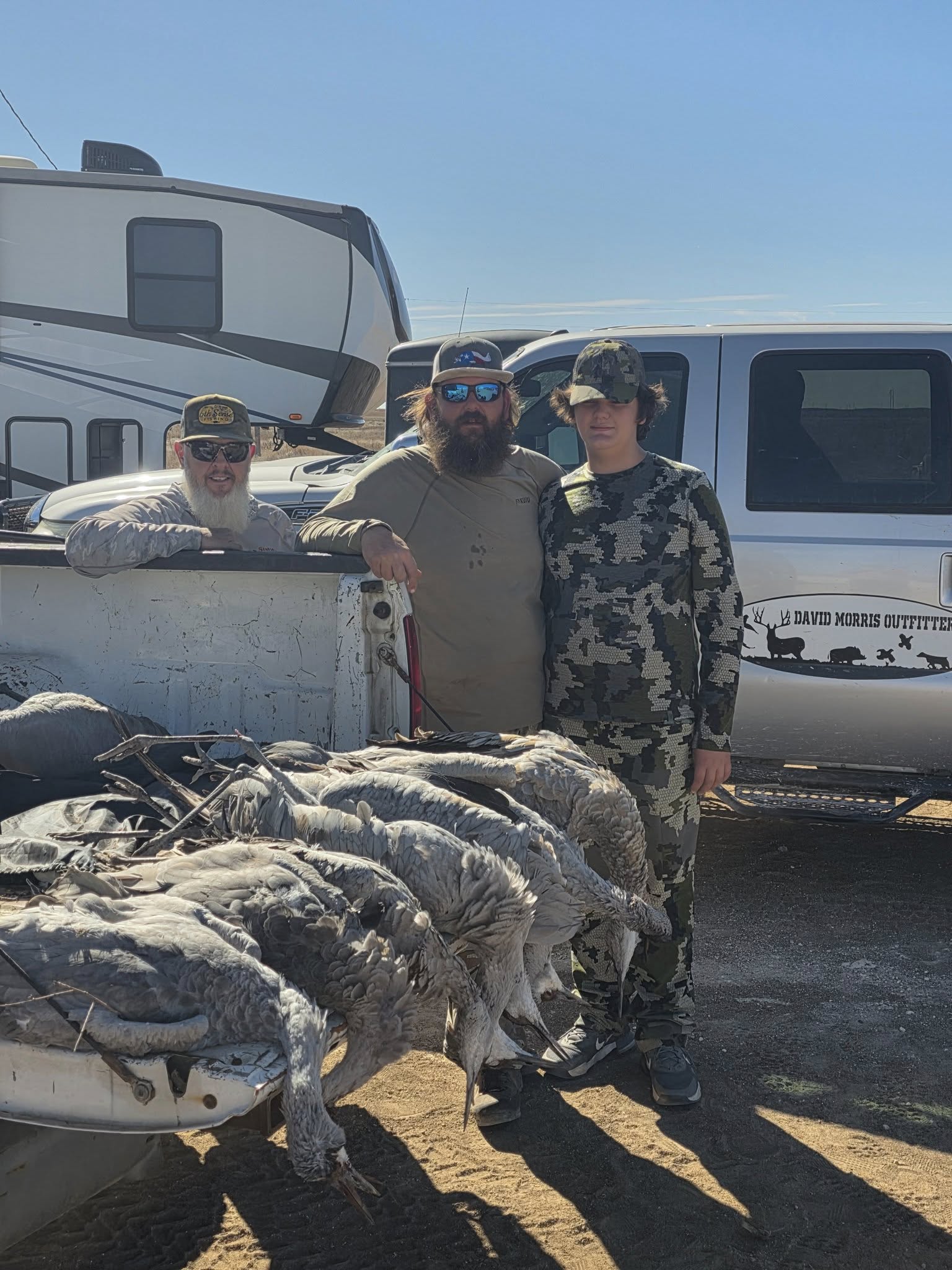
Sandhill Cranes are the star of this show, and for good reason. These birds are massive – adults average 10-12 pounds and stand nearly four feet tall with wingspans reaching seven feet. They're incredibly smart, with eyesight that'll pick you out from hundreds of yards away if you're not properly concealed. Peak crane movement in the Texas Panhandle typically runs November through December, when thousands of birds filter through on their way to wintering grounds. What makes crane hunting so addictive is the combination of their size, intelligence, and the skill required to call them into range. Their bugling calls can be heard for miles, and watching a flock of 50+ cranes circle your decoy spread is something every serious waterfowl hunter needs to experience. These birds feed in agricultural fields during the day and roost in shallow water at night, creating distinct patterns that experienced guides can predict and exploit. The meat is outstanding – often called the "ribeye of the sky" – with a rich, beef-like flavor that's completely different from duck or goose. Beyond cranes, this hunt also targets seasonal waterfowl including various duck species that use the same water sources and feeding areas. Mallards, pintails, and teal all move through the area during prime season, often providing fast-paced action that contrasts perfectly with the methodical approach needed for crane hunting.
Book Your Next Tag
This Texas Panhandle waterfowl hunt delivers the kind of experience that keeps hunters coming back season after season. The combination of prime private land access, daily scouting, and local expertise creates opportunities that you simply can't replicate on public ground. With the 2-day minimum, you'll have time to adjust to bird patterns and weather conditions while maximizing your chances at multiple species. The October through January season window covers peak migration periods, giving you flexibility to plan around your schedule and target the best hunting conditions. David Morris Outfitters has built a reputation on putting hunters on birds, and this program represents years of relationship-building with landowners and understanding waterfowl behavior in this specific region. Whether you're after your first crane or looking to add to a lifetime of waterfowl hunting memories, this Texas Panhandle experience delivers the kind of hunting that reminds you why you started chasing birds in the first place.
 Private Trip
 Active hunting
 Lake Fork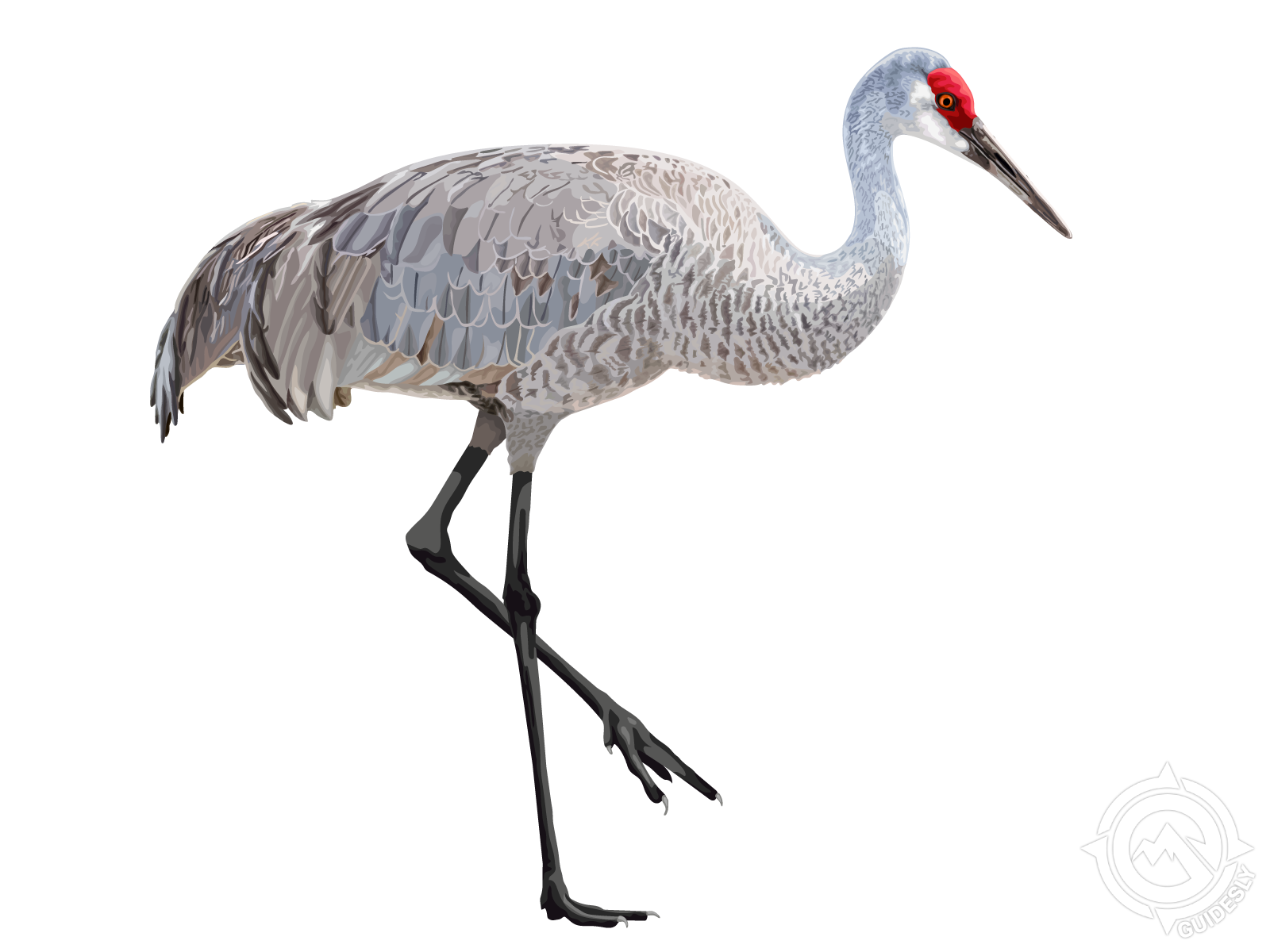
 Guided waterfowl and Sandhill Crane hunting on private Texas land