Half Day Guided Fishing Trip In St. Petersburg
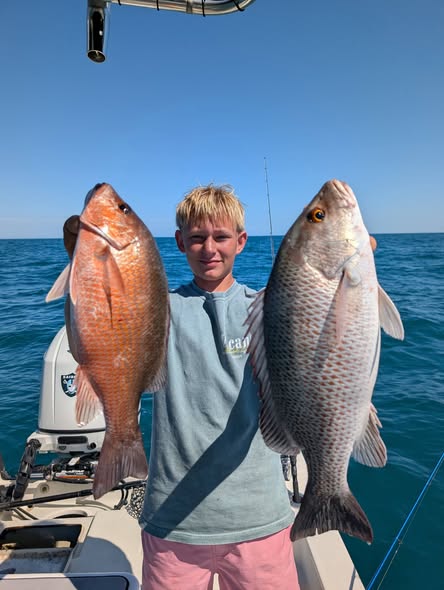
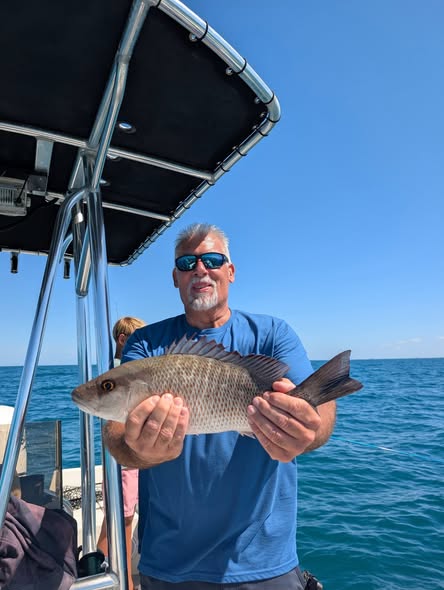
Get ready for four hours of top-rated inshore fishing action along St. Petersburg's legendary Gulf Coast waters. This customer favorite trip puts you right in the heart of some of Florida's best fishing grounds, where Cobia, Grouper, and a whole lineup of sought-after species are waiting to test your skills. We're talking about waters that consistently produce fish year-round, and with our high-quality gear provided, you can focus entirely on what matters most – getting that next fish in the boat. Whether you've been fishing these waters for years or you're just getting started, this half-day adventure delivers the kind of fishing that keeps anglers coming back to St. Pete again and again.
What to Expect on the Water
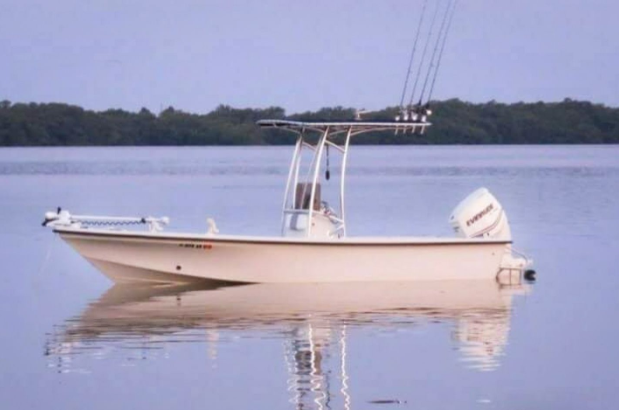
Your four-hour fishing adventure kicks off from St. Petersburg's prime fishing launch points, where we'll head out to target structure and grass flats known for holding quality fish. The Gulf Coast waters around St. Pete offer incredible diversity – one minute you might be working artificial reefs for Grouper, the next you're sight-fishing for cruising Cobia or working the flats for Sheepshead around dock pilings. This isn't your typical cookie-cutter fishing trip. We adjust our approach based on conditions, tides, and what's biting that day. The boat accommodates just two anglers, so you're getting personalized attention and prime positioning for every cast. Water conditions around St. Petersburg tend to be forgiving, making this trip perfect for anglers who want to experience Florida's renowned inshore fishing without dealing with rough offshore seas.
Techniques & Tackle Setup
We fish a mix of live bait and artificials depending on what we're targeting and what the fish are telling us that day. For Grouper, we'll drop live pinfish or grunts on heavy tackle around structure, keeping tight to the bottom where these bruisers like to ambush their prey. Cobia fishing often means sight-casting with live crabs or jigs when we spot them cruising the surface or following rays. Sheepshead require finesse – we'll rig up with small hooks and fiddler crabs, working them around barnacle-encrusted pilings where these black-and-white bandits hang out. King Mackerel action typically involves trolling with live bait or spoons along depth changes and bait schools. The tackle we provide ranges from medium spinning setups for the finicky Sheepshead to heavy conventional gear for the bigger Grouper and Cobia. We've got everything dialed in so you can concentrate on reading the water and making good presentations rather than worrying about whether your drag is set right or if you've got the right hook size.
Species You'll Want to Hook
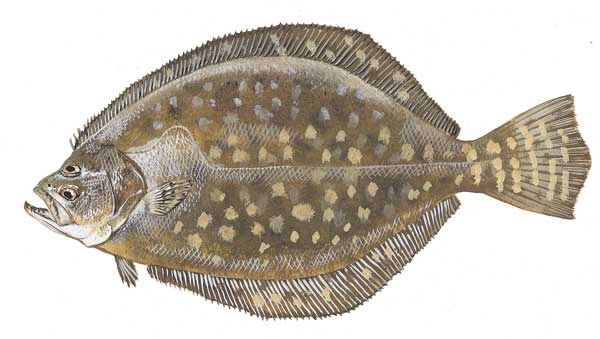
Southern Flounder are masters of camouflage that lay buried in sandy bottoms waiting to ambush unsuspecting baitfish. These flatfish typically range from 2-8 pounds in our local waters, with the bigger "doormat" flounder showing up more frequently during cooler months from November through March. What makes them exciting to catch is their subtle bite – you've got to develop a feel for that gentle tap-tap before they commit. Once hooked, they put up a surprisingly strong fight for a flatfish, making long runs and using their broad sides to pull hard against the current.
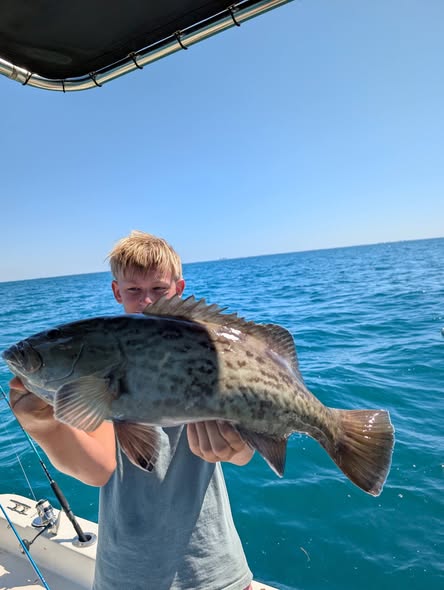
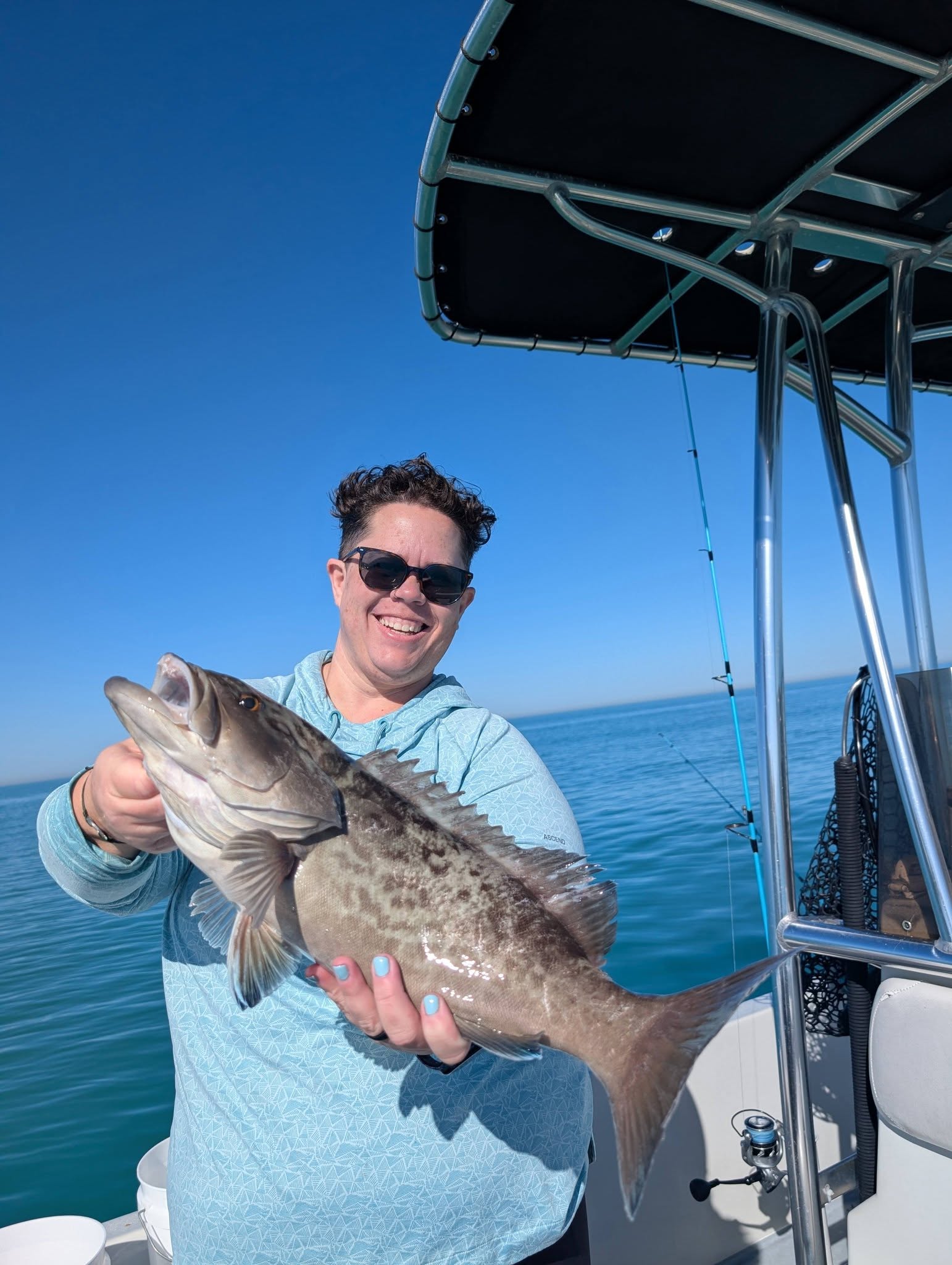
Gag Grouper are the bullies of the reef, averaging 5-15 pounds around St. Petersburg's artificial reefs and structure. Peak season runs from late fall through early spring when they're more accessible in shallower water. These fish hit hard and immediately try to get back to their rocky hideouts, so you've got to muscle them up quickly. The fight is all about power – they don't jump or make long runs, but they'll test your drag and your back as they bulldoze toward cover. Gag Grouper are also excellent table fare, making them a favorite among anglers who like to bring dinner home.
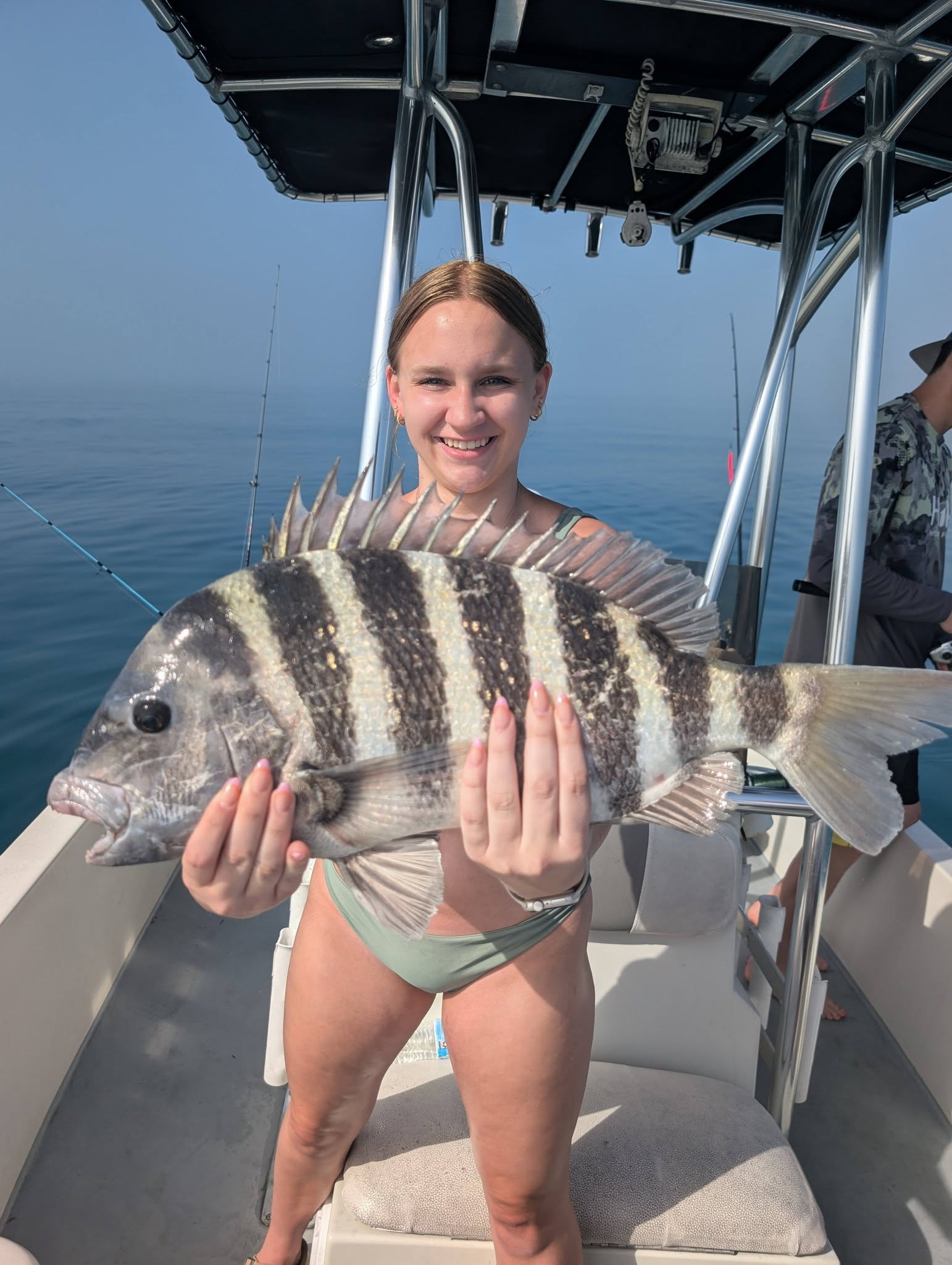
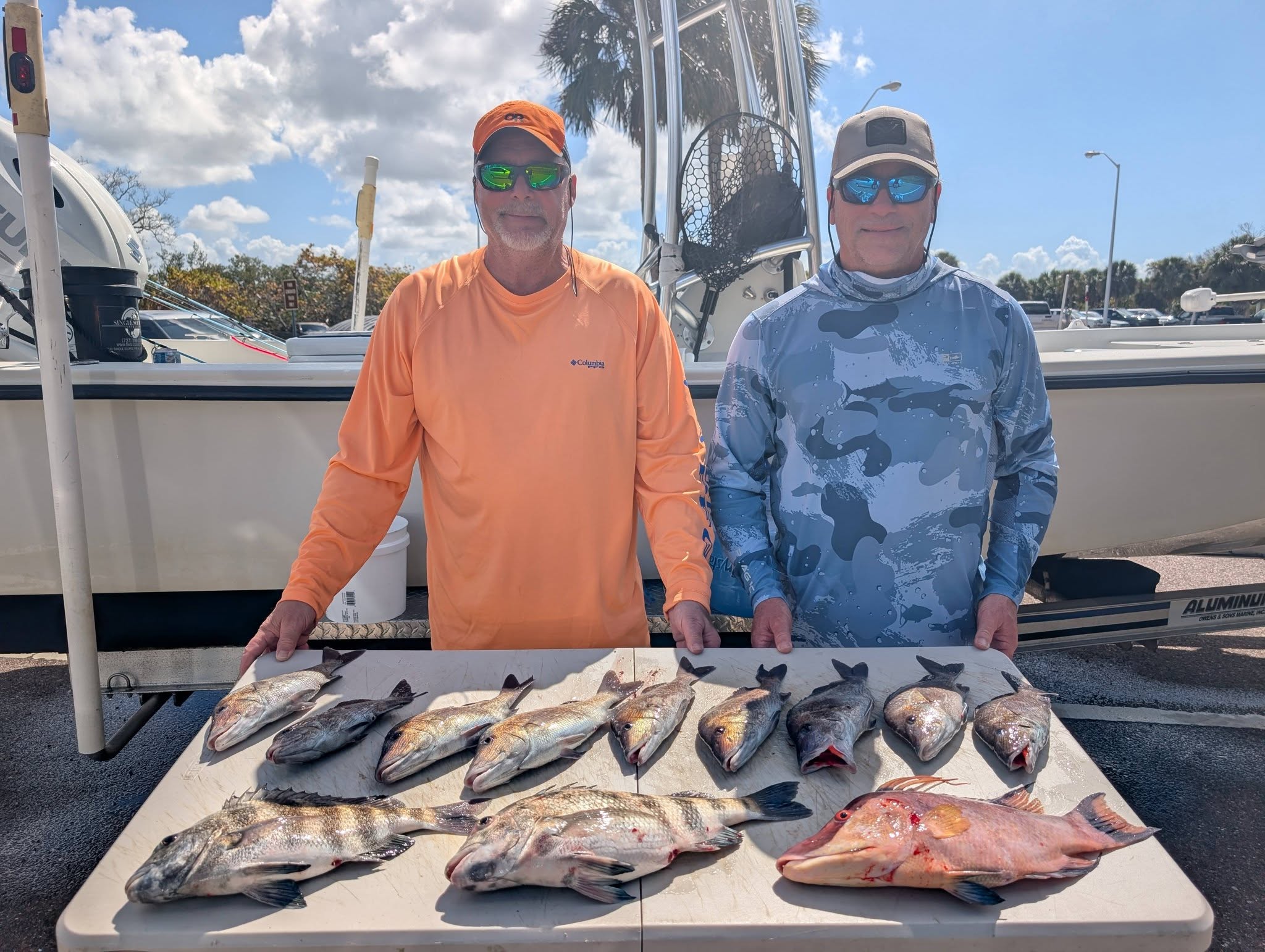
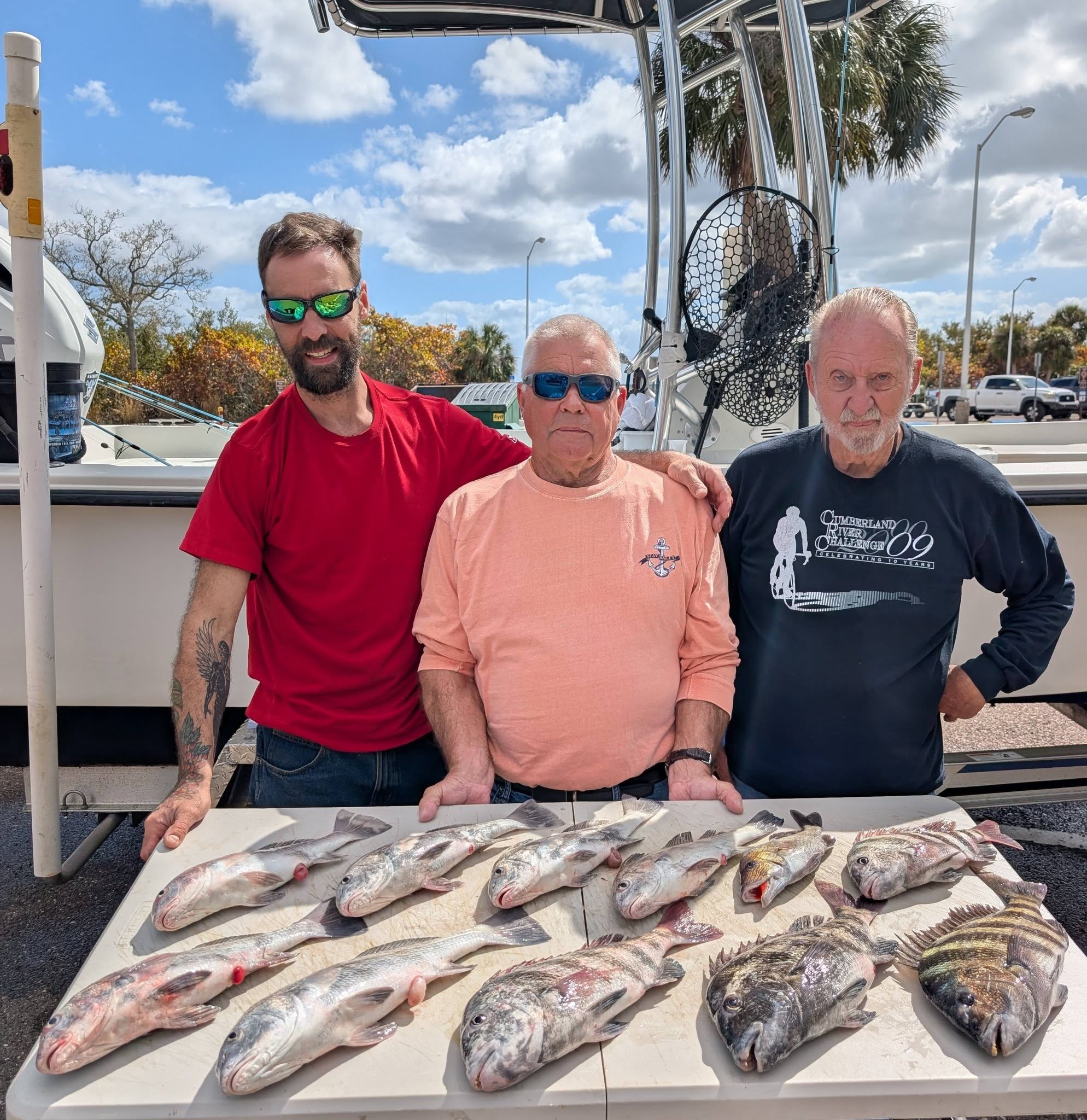
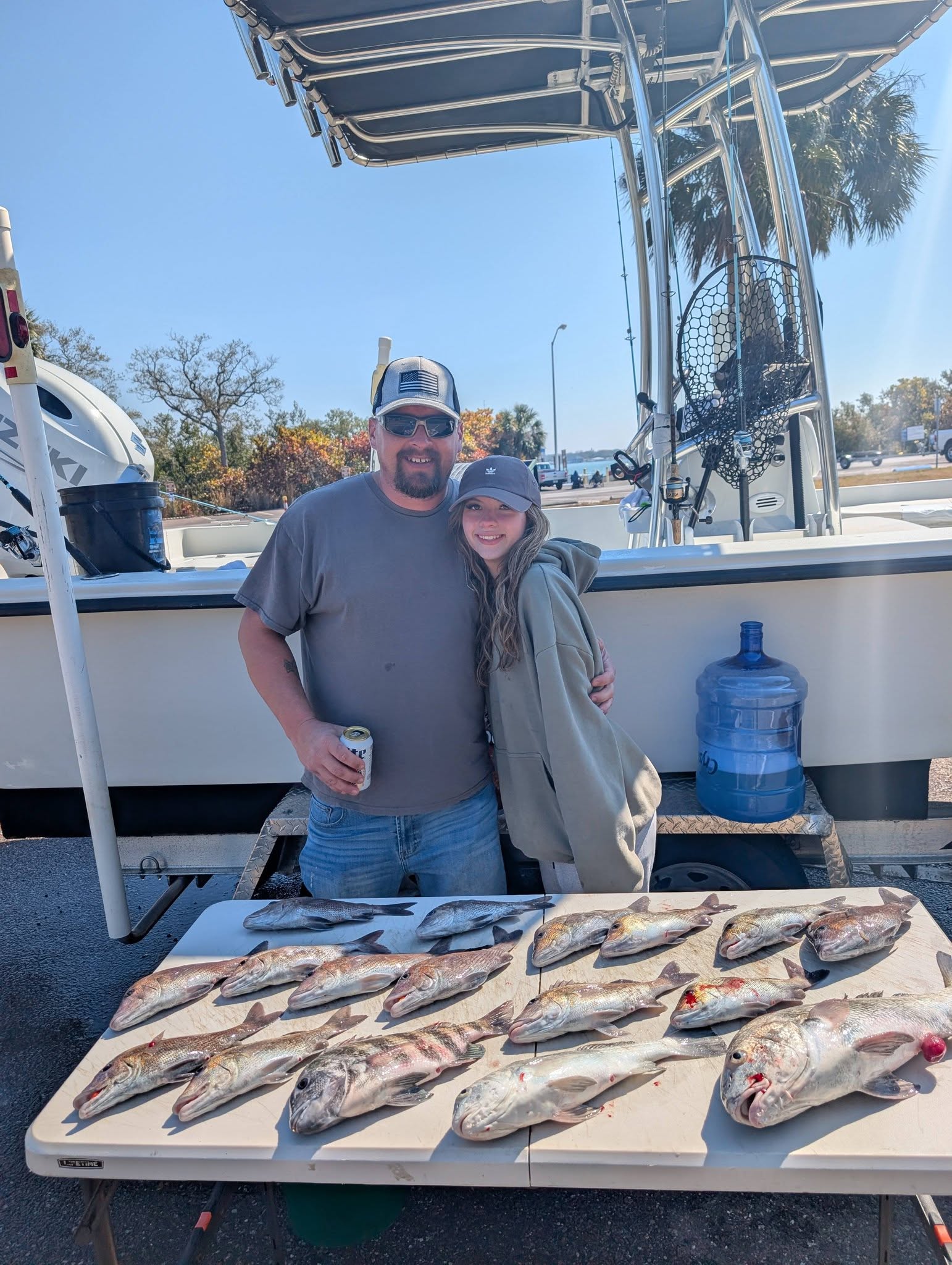
Sheepshead are the pickiest eaters in the Gulf, requiring patience and finesse to consistently hook up. These black-and-white striped fish average 2-5 pounds and are most active during their spawning season from February through April when they stack up around structure. They're famous for stealing bait, so detecting their light bites takes concentration. What makes Sheepshead special is their incredible table quality – firm, white meat that rivals any fish in the Gulf. Plus, they're a year-round species, so you've always got a shot at a few even when other fish aren't cooperating.
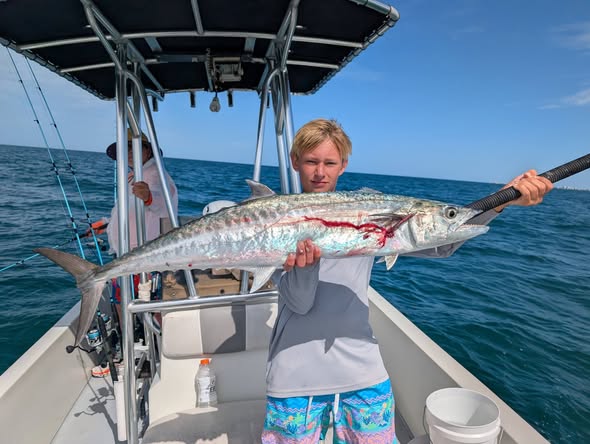
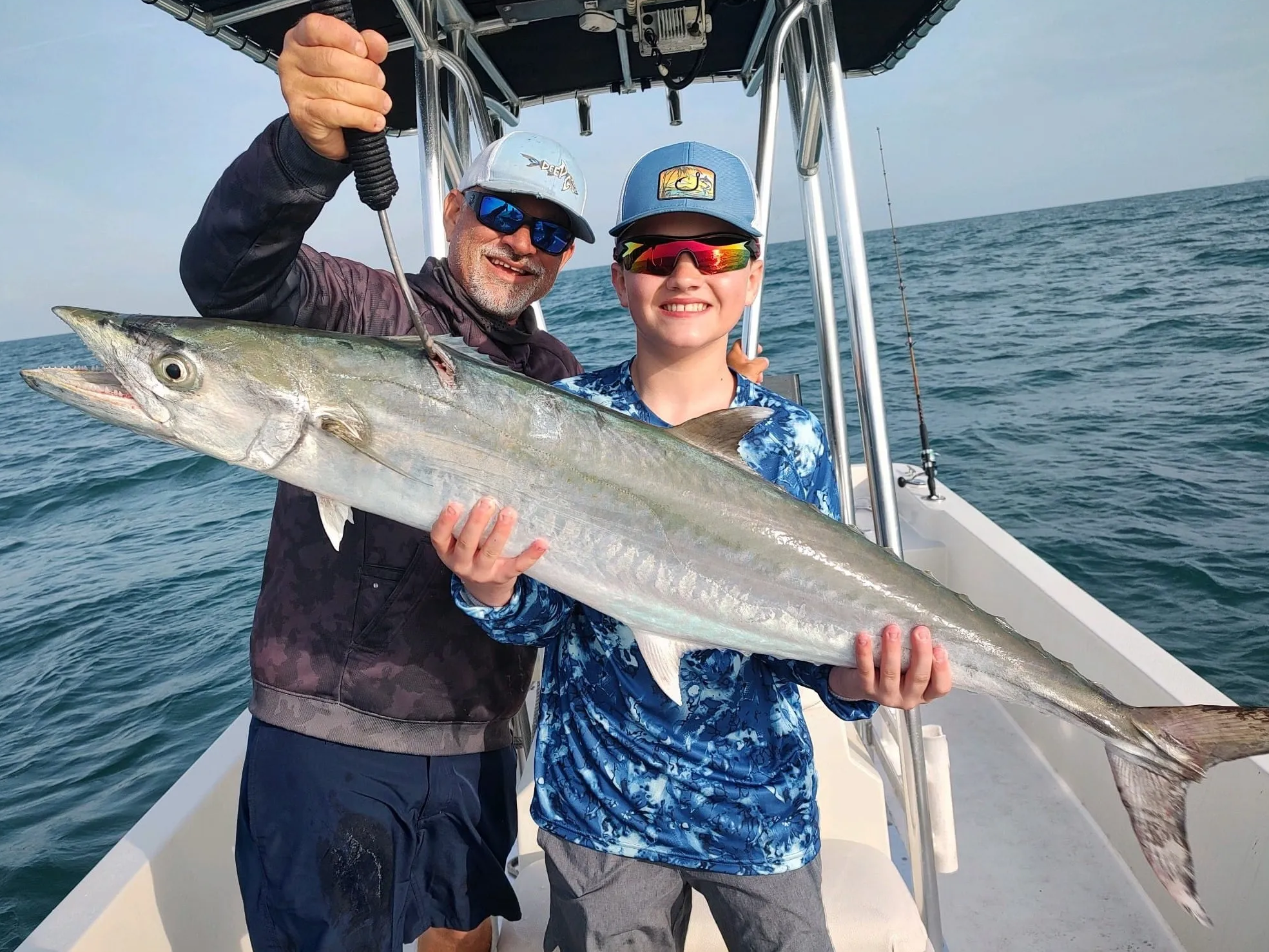
King Mackerel bring the speed and acrobatics that get your heart pumping. These silver rockets can reach 20-40 pounds in our waters and are most abundant during warmer months from May through October. Kings are known for their blistering initial runs and spectacular jumps, often going airborne multiple times during the fight. They're also notorious for their razor-sharp teeth, which can slice through leaders in a heartbeat. The key to King Mackerel fishing is having your drag set properly and being ready for that screaming run when they hit.
Sea Trout provide consistent action throughout the year, with fish ranging from schoolie-sized 12-inchers to hefty 4-pound "gator" trout. Spring and fall offer the best chances at bigger specimens, while summer brings non-stop action with smaller fish. They're perfect for light tackle fishing, hitting both live bait and soft plastics worked over grass flats. Sea Trout have a soft mouth, so keeping steady pressure without horsing them is key to landing them consistently.
Cobia are the ultimate sight-fishing target, cruising the surface like brown sharks and often following stingrays or other fish. These powerful fighters can reach 20-50 pounds and are most common from April through October. What makes Cobia fishing so exciting is the visual aspect – you'll often see them coming before you cast, creating that rush of anticipation as you make your presentation. They're curious fish that will often follow a lure for quite a distance
 Private Trip
 Inshore Fishing
 St. Petersburg, FL


 Four-hour Gulf Coast fishing trip targeting premium species