8 Hour Fishing Charters in Jupiter, Florida
Nothing beats a full day on Jupiter's blue water with lines in and the cooler ready. This 8-hour offshore charter puts you right in the heart of some of Florida's most productive fishing grounds, where the Gulf Stream runs close to shore and the bite stays hot year-round. You'll fish aboard a well-rigged boat that handles both trolling runs and drift fishing setups, so we can adapt to whatever the fish are doing that day. Whether you're a seasoned angler or picking up a rod for the first time, our crew knows these waters inside and out and will put you on fish. With all gear, licenses, and water provided, you just need to show up ready to fish.
What to Expect on the Water
Your day starts early at the Jupiter Inlet, where we'll load up and head offshore into prime fishing territory. The beauty of an 8-hour trip is we've got time to cover serious ground and try different techniques based on what's biting. We might start with some high-speed trolling to cover water and locate schools, then switch to drift fishing over structure when we find the action. The boat's equipped with a private head, so you'll stay comfortable throughout the long day. Jupiter's unique because the continental shelf drops off quickly here, putting us in deep blue water within minutes of leaving the inlet. That means more time fishing and less time running to the grounds. The crew handles all the rigging, bait prep, and fish cleaning – your job is to hang on when that rod bends over.
Trolling & Drift Techniques
We run a mixed bag of tactics to maximize your shots at different species. Trolling lets us cover miles of water while pulling ballyhoo, cedar plugs, and diving lures through the strike zone at 6-8 knots. When we're marking fish or working structure, we'll switch to drift fishing with live bait like pilchards, goggle eyes, or bonitos. The boat carries quality Penn and Shimano reels spooled with enough line to handle whatever swims up from the depths. Circle hooks keep fish pinned while reducing gut hooking, and our tackle boxes are stocked with everything from light spinning gear for snappers to heavy conventional setups for kings and sails. We read the conditions daily – wind direction, current, water temperature, and recent reports all factor into our game plan. Some days we're working the reef in 80 feet, other times we're pushing out to the 300-foot line where the big pelagics cruise.
Top Catches This Season
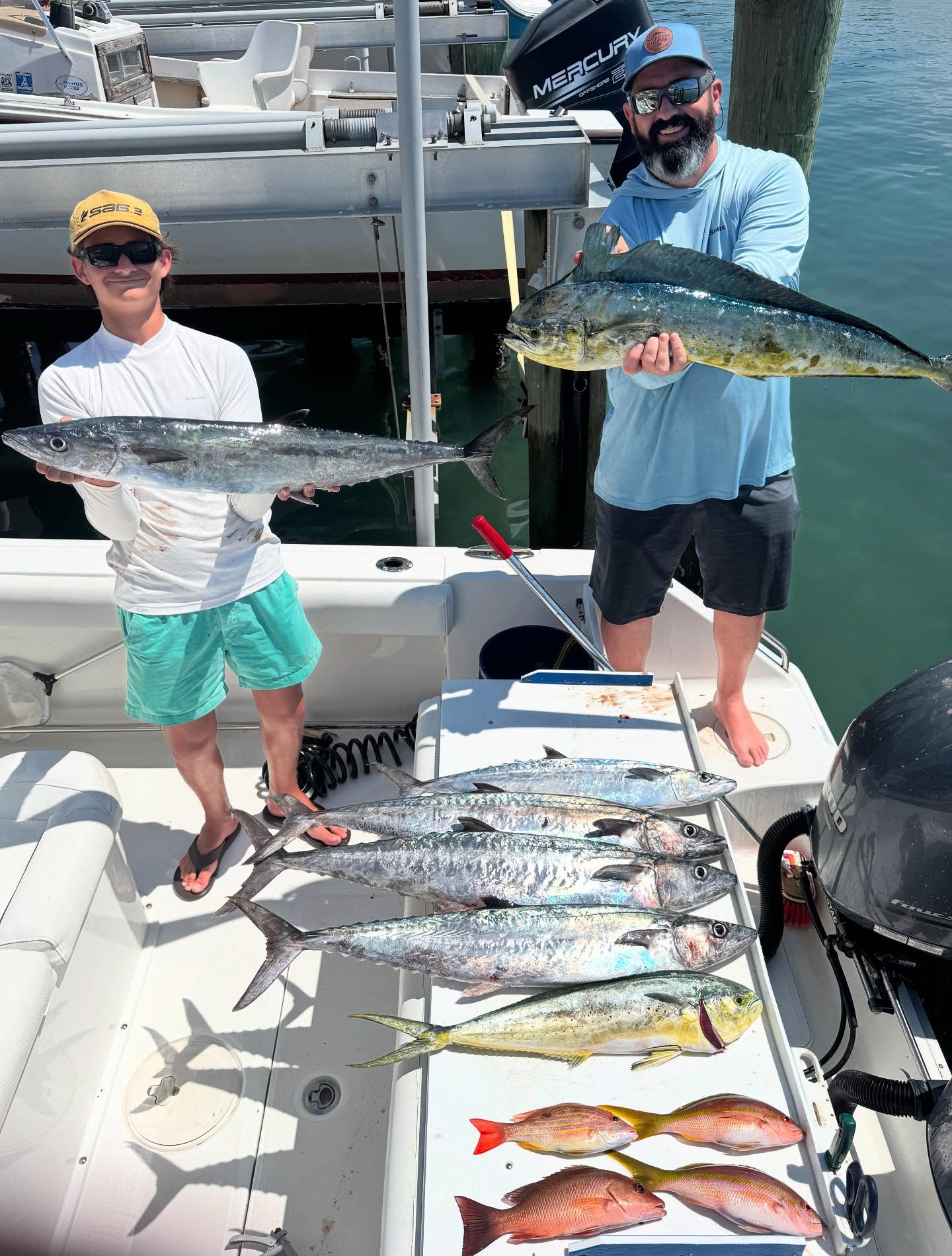
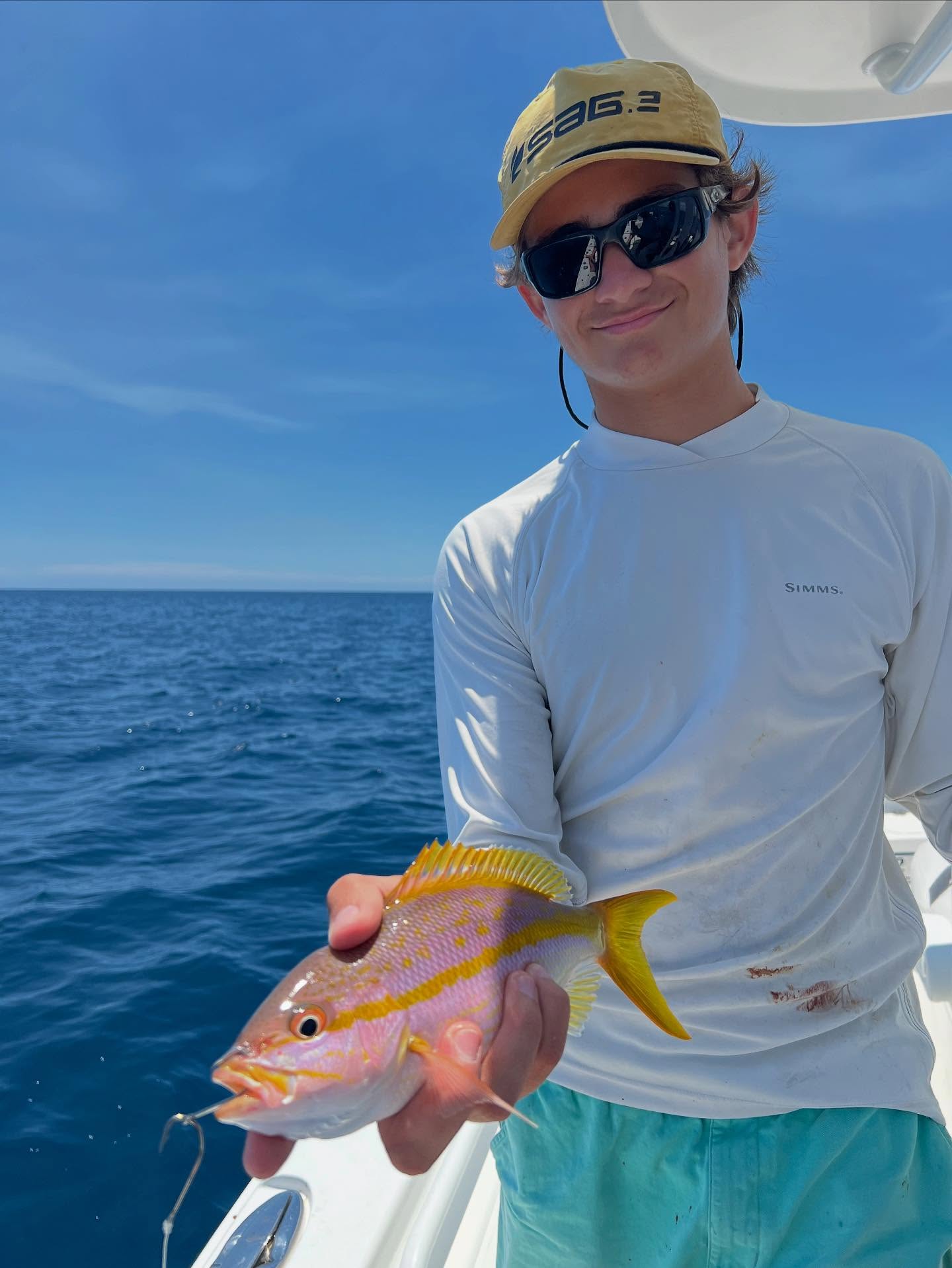
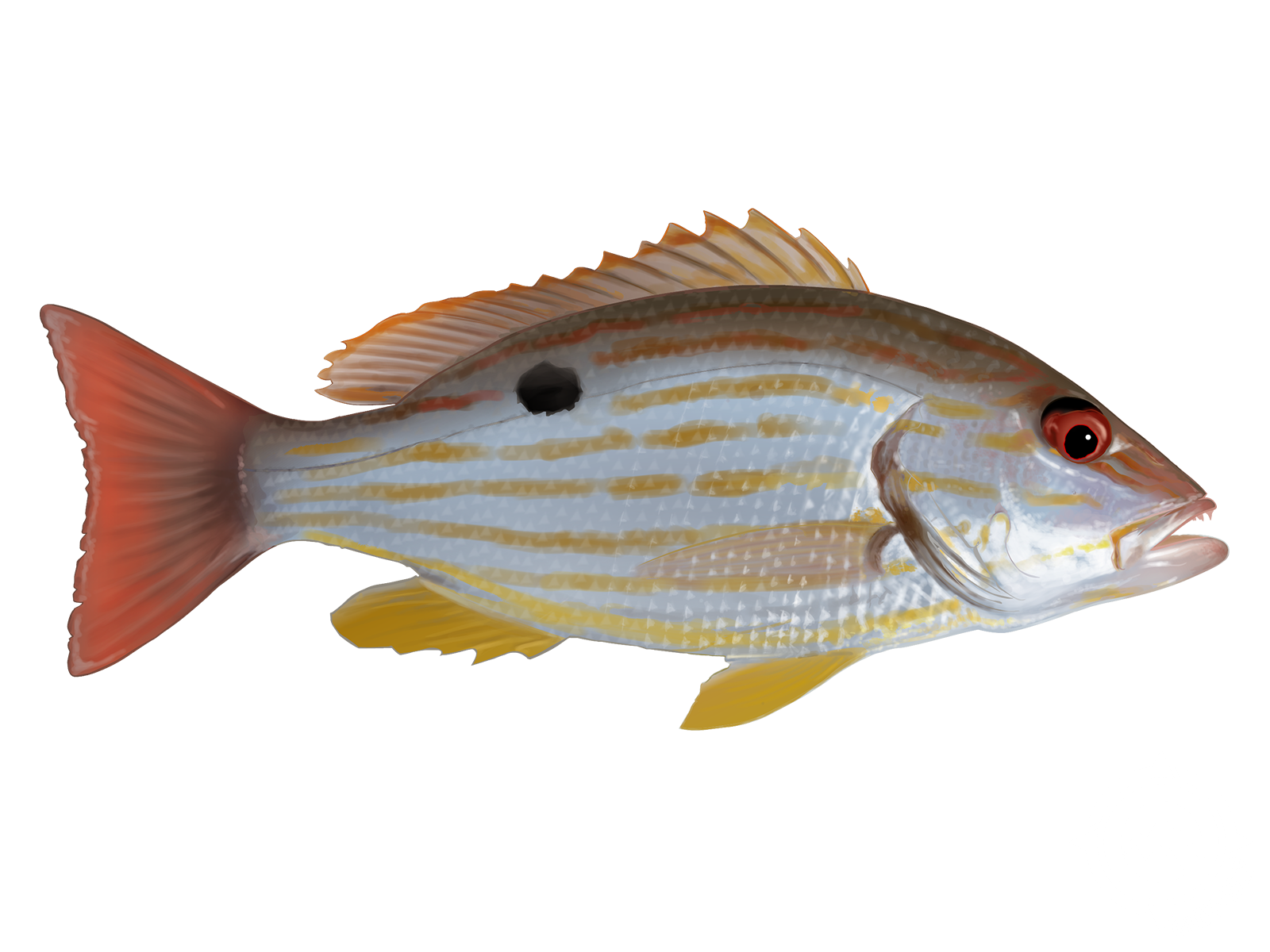
Lane Snapper are the bread and butter of Jupiter fishing, and these tasty bottom dwellers stack up over the reefs year-round. They typically run 12-16 inches and hit live shrimp or cut bait dropped in 60-120 feet of water. What makes them special is their willingness to bite and their excellent table fare – crispy whole fried lane snapper is a South Florida classic. They school heavily, so once you find them, the action stays steady.
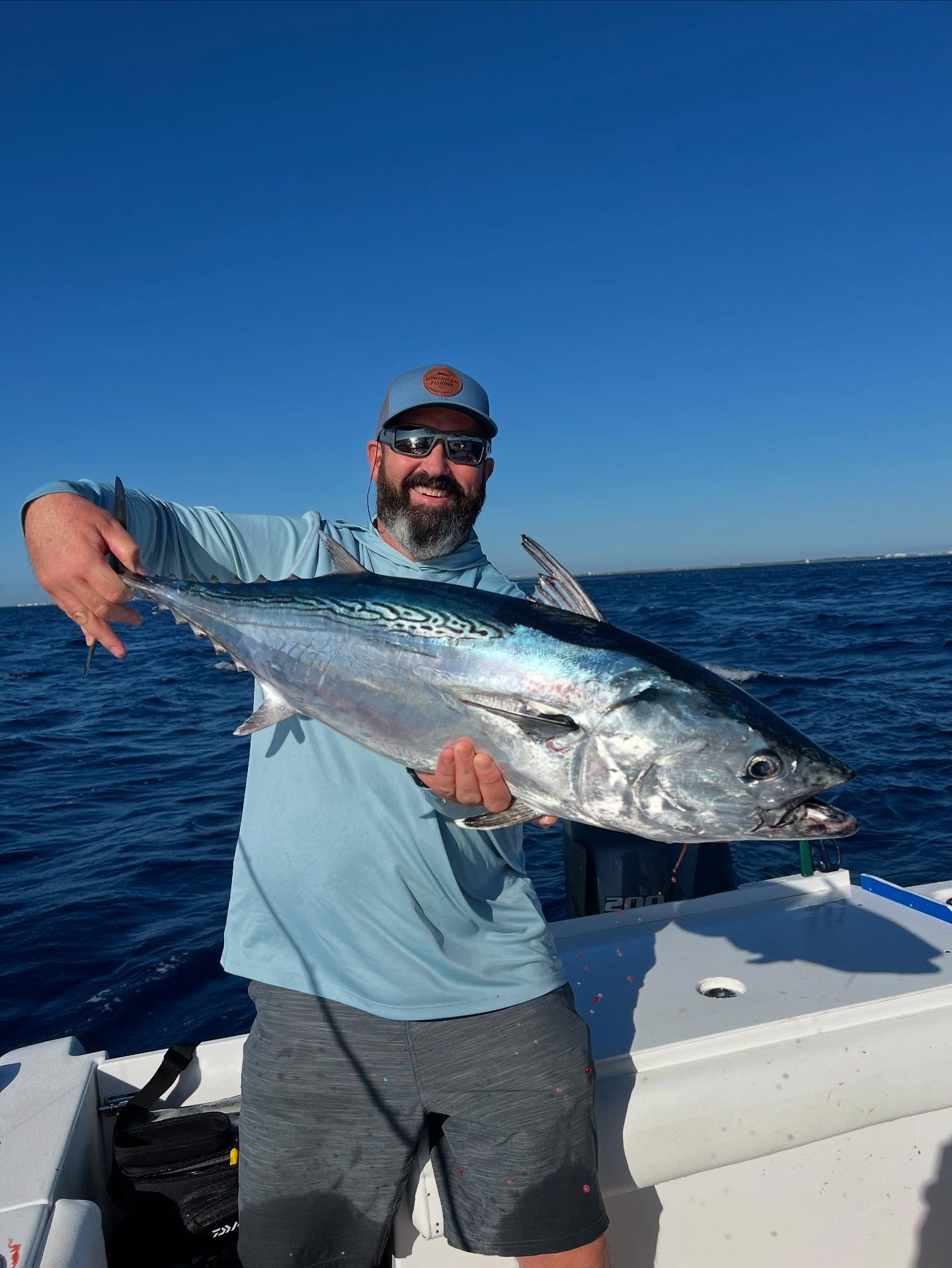
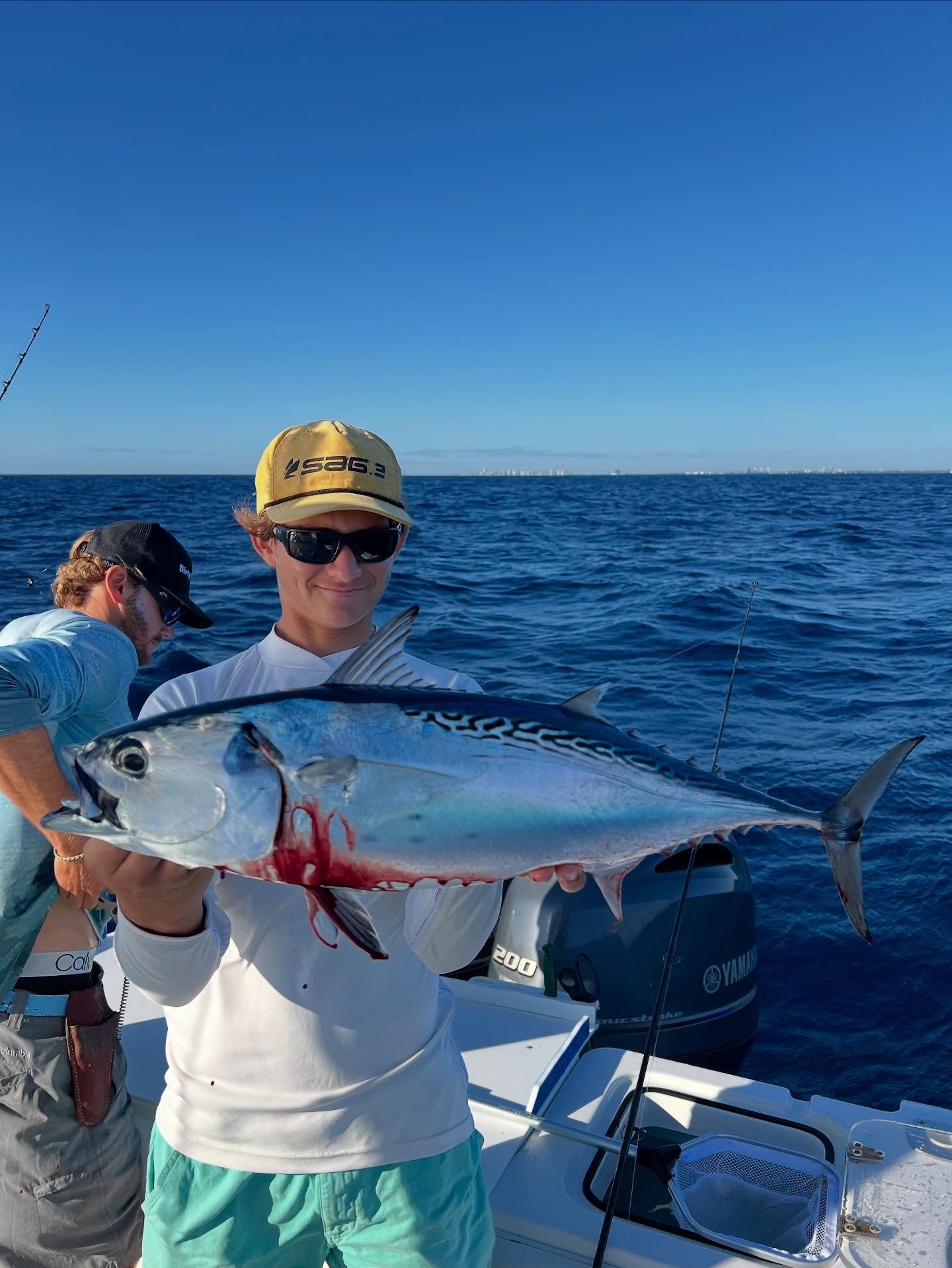
Blackfin Tuna show up in good numbers from fall through spring, especially when the water temps drop into the mid-70s. These 10-20 pound speedsters are pure muscle and will test your drag system on light tackle. They love small trolled baits and chunk baits fished around structure. Blackfins make incredible sashimi and are one of the most underrated eating fish in these waters.
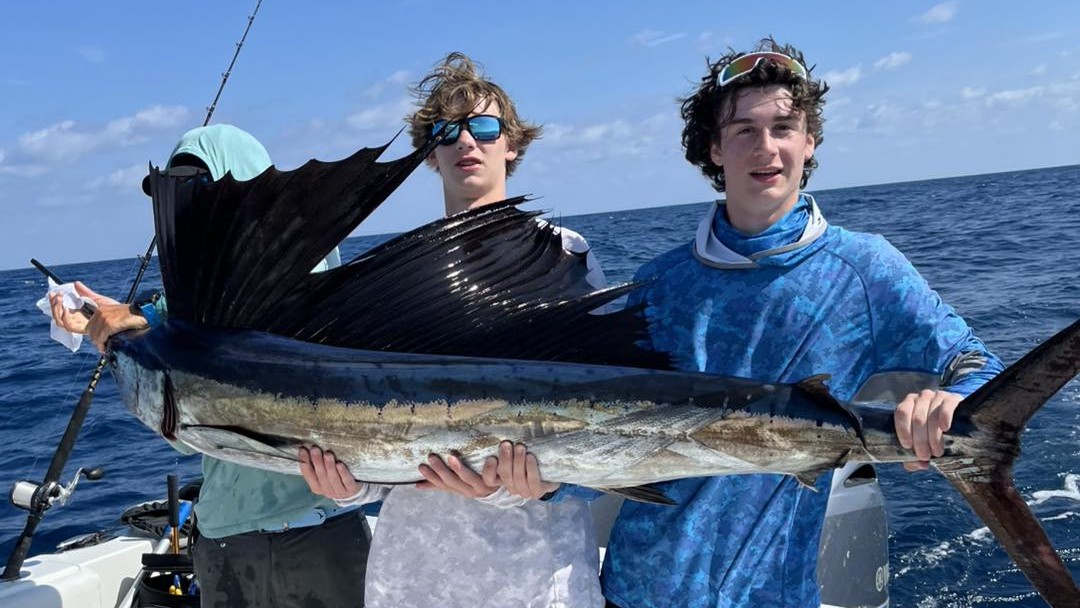
Atlantic Sailfish are the crown jewel of Jupiter fishing, with our peak season running December through April. These acrobatic billfish average 6-7 feet and put on an aerial show that'll have you hollering. We typically raise them on trolled ballyhoo or live bait, and the fights are legendary – multiple jumps, long runs, and plenty of line peeling off the reel. Most anglers choose to release these magnificent fish for conservation.
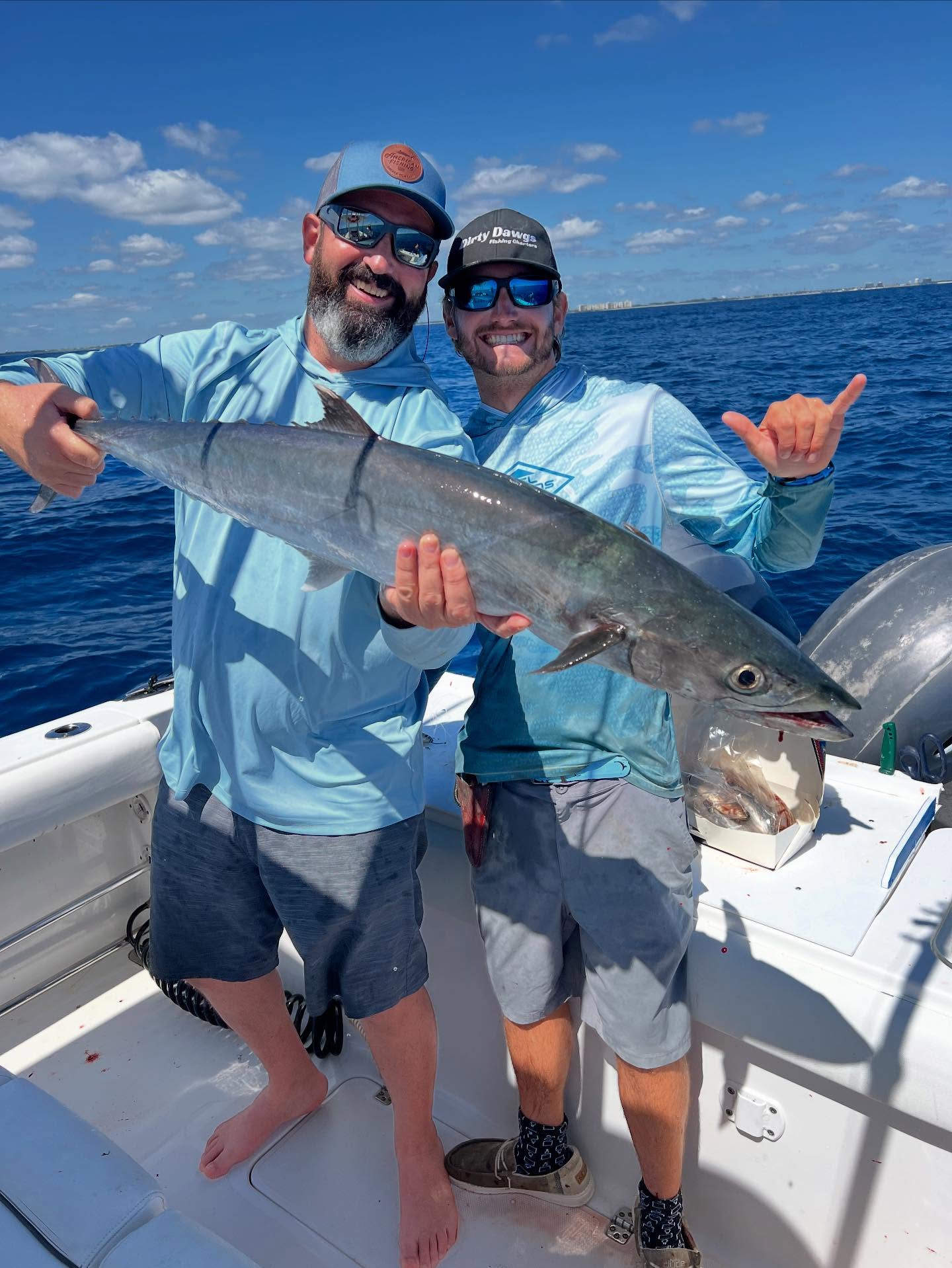
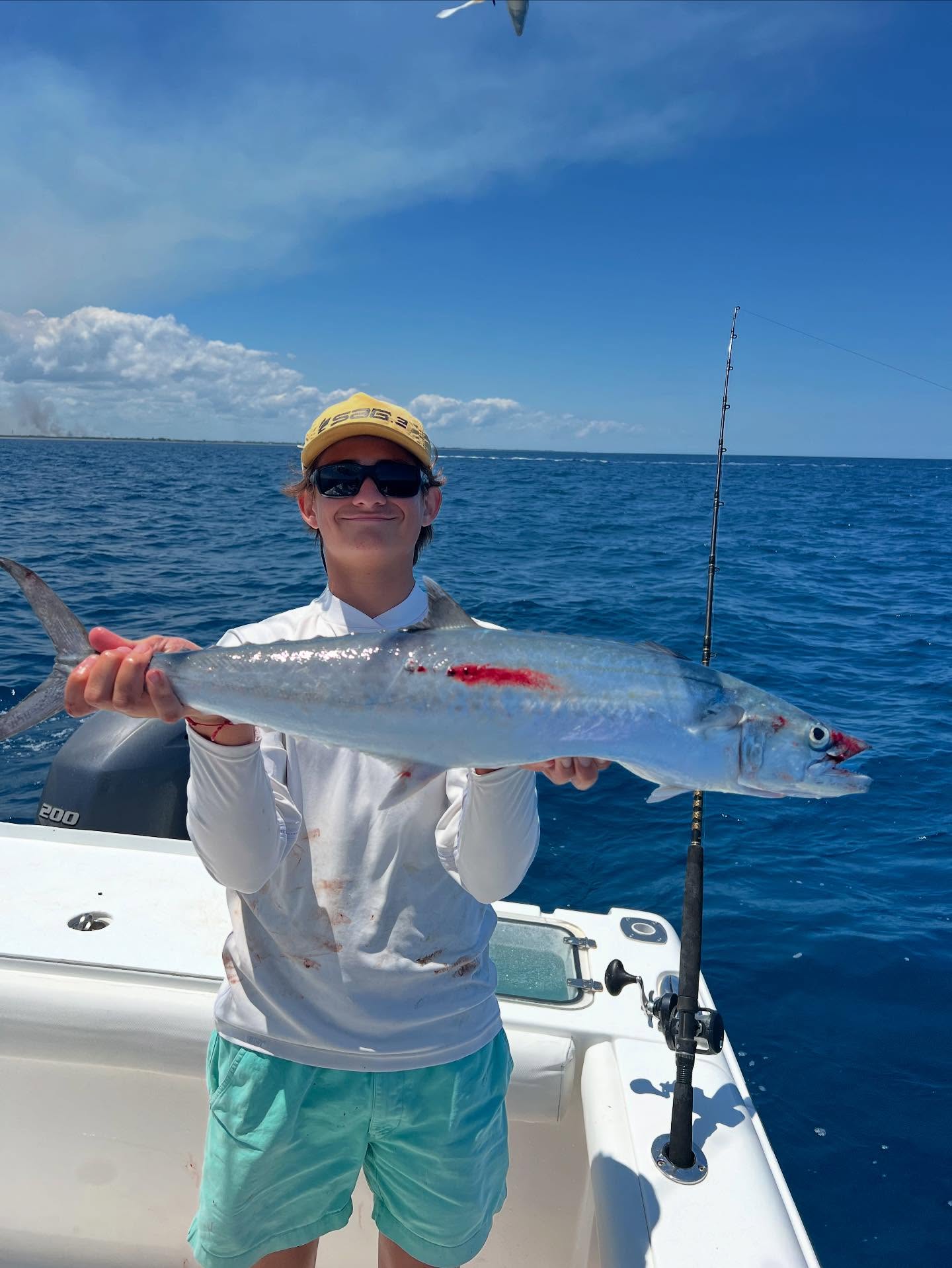
King Mackerel patrol these waters from spring through fall, with fish ranging from schoolie-sized "snake kings" to 40+ pound smokers. They're aggressive predators that crush trolled spoons, live baits, and slow-trolled dead baits. Kings are notorious for their blistering initial runs and sharp teeth – wire leaders are a must. The meat is excellent grilled or smoked, though larger fish can be wormy.
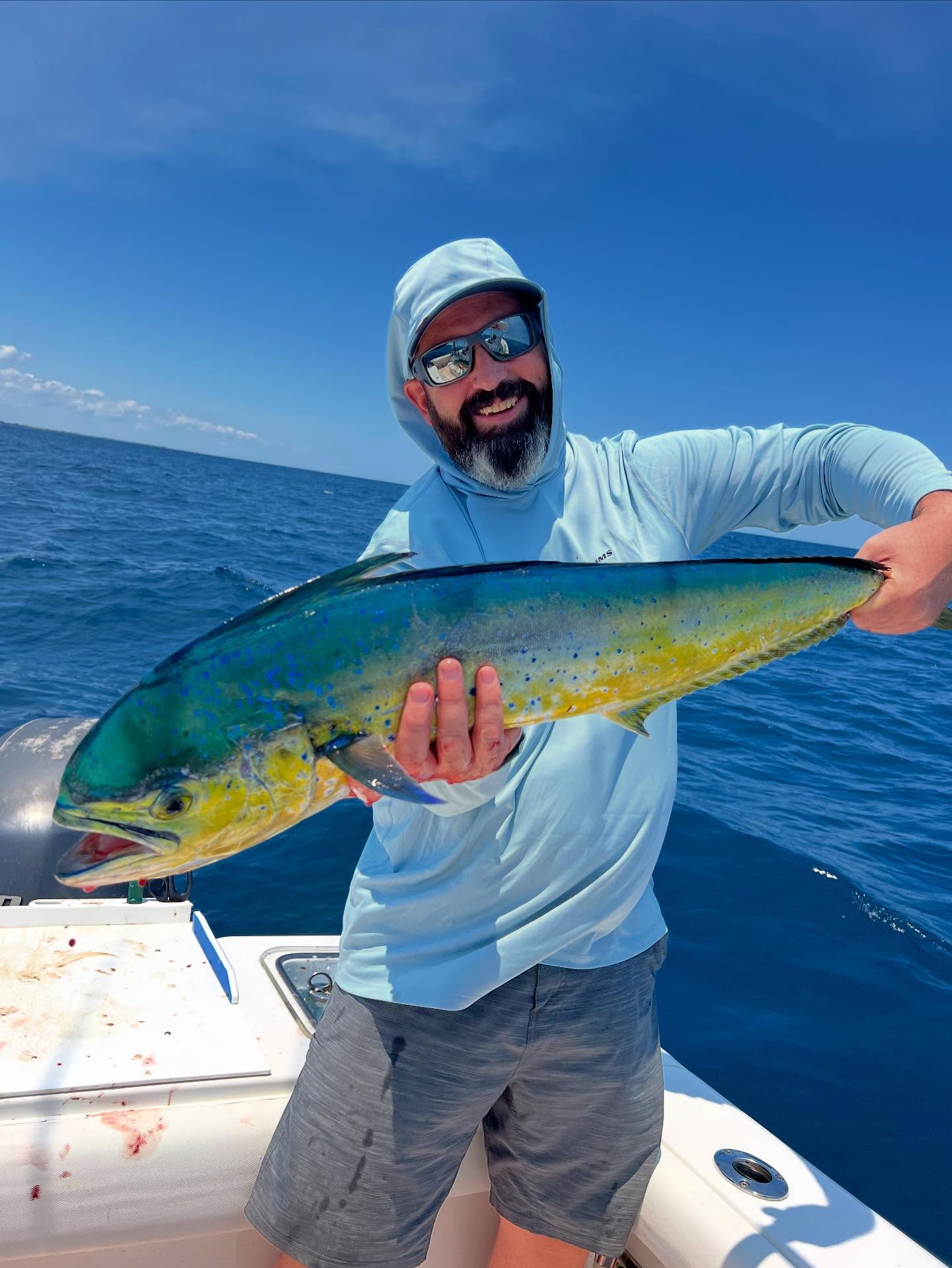
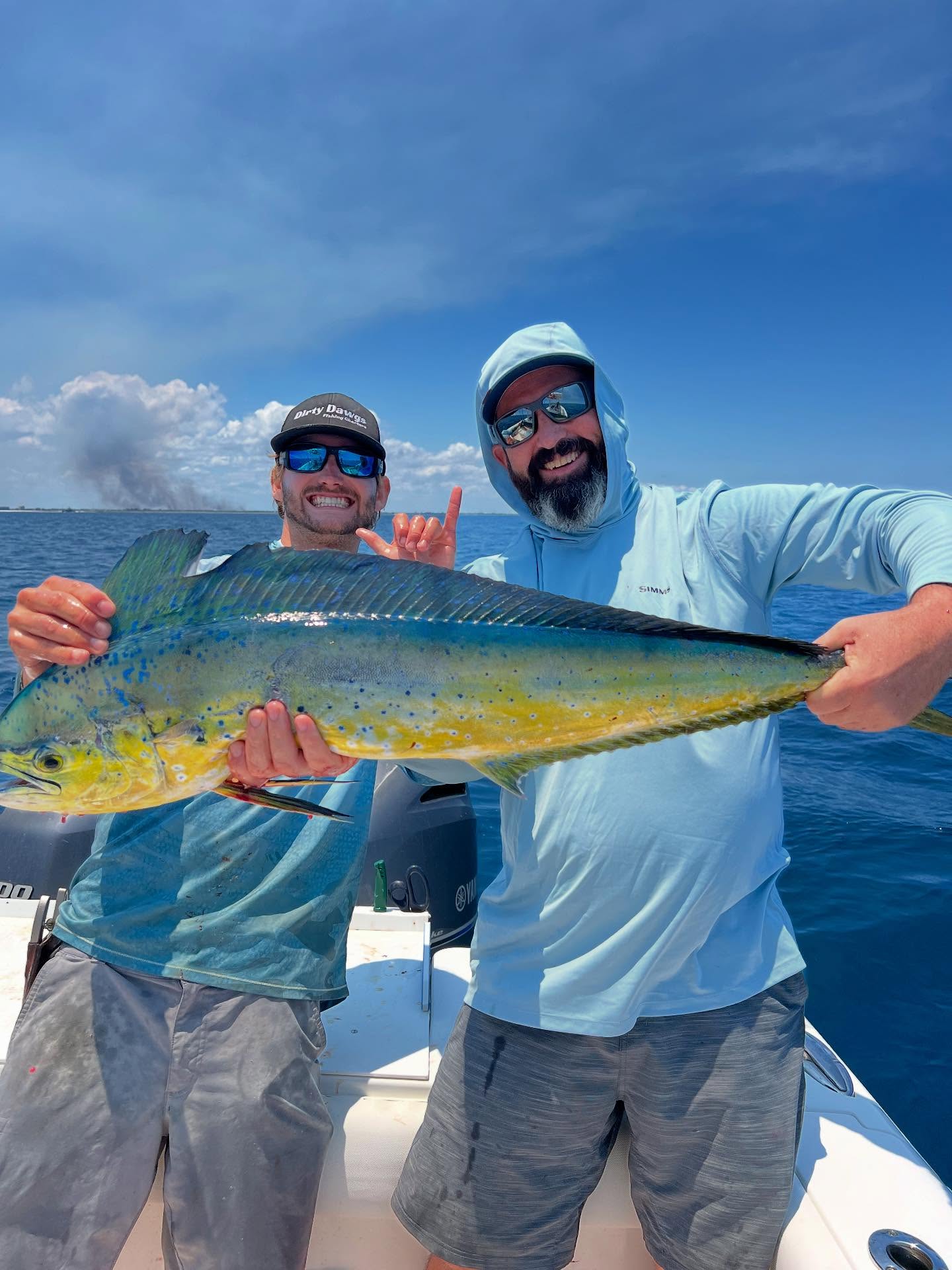
Mahi Mahi are the wildcards of offshore fishing here. When conditions align – usually spring through fall with floating sargassum or debris lines – these colorful fighters provide non-stop action. Bulls can push 30-40 pounds, while smaller schoolies travel in packs and hit anything that moves. Their electric colors and acrobatic fights make them a favorite, plus they're arguably the best eating fish in the ocean.
Time to Book Your Spot
Jupiter's fishing stays productive year-round, but booking ahead ensures you get your preferred dates, especially during peak sailfish season or summer mahi runs. This 8-hour format gives you the best shot at multiple species while experiencing everything from high-speed trolling to finesse bottom fishing. With gear, licenses, and water covered, all you need is sunscreen, snacks, and the willingness to fight some fish. The crew's local knowledge and years of experience mean you're fishing with guides who live and breathe these waters daily. Whether you're after a cooler full of dinner or that photo-worthy release, this charter delivers the complete Jupiter offshore experience. Don't let another season pass watching from shore – get out there where the real fishing happens.
 Private Trip
 Offshore Fishing
 Jupiter, FL



 Full-day offshore fishing targeting multiple species year-round