Offshore Fishing Adventure with Dirty Dolly
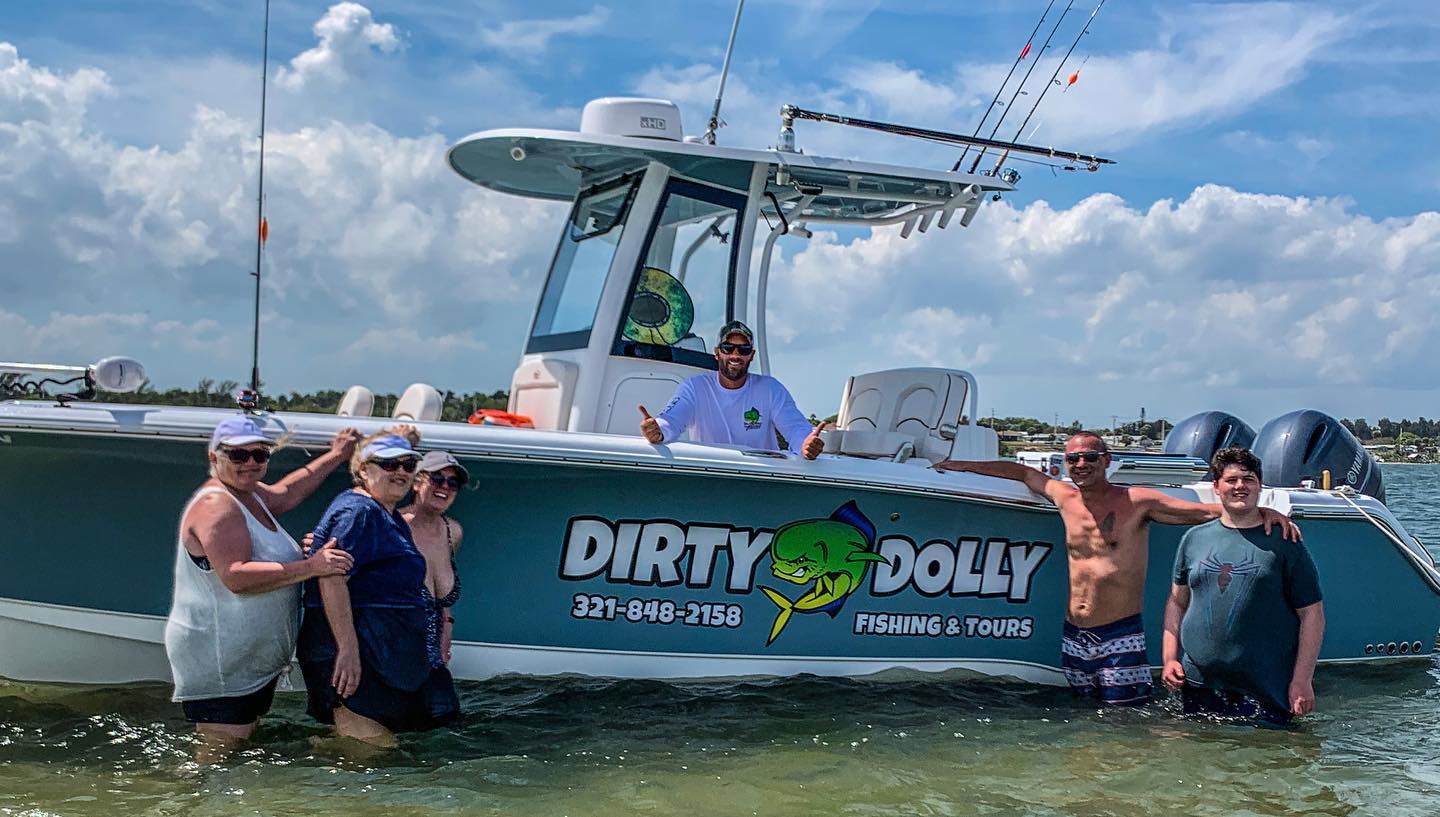
Ready to get serious about offshore fishing? Captain and crew at Dirty Dolly Fish Company know exactly where the fish are biting 10-40 miles out, and they're ready to put you on them. This isn't your typical inshore trip – we're talking deep water fishing where the big boys live. You'll be cruising out on a well-maintained 30' Sea Hunt Gamefish powered by twin outboards, built specifically for these offshore runs. The boat handles rough seas like a champ and gets you to the fishing grounds fast, so you can spend more time with lines in the water instead of just getting there.
What to Expect on the Water
Your day starts early – that's just how offshore fishing works if you want to catch fish. The crew handles all the prep work while you grab your coffee and get ready for what could be the fishing trip of a lifetime. Once we clear the inlet and hit blue water, you'll see why offshore fishing gets anglers so fired up. The water changes color from green to that deep blue that screams pelagic species, and that's when things get real. Captain keeps an eye on the fish finder, water temperature, and current breaks – all the spots where fish like to hang out. You're not just randomly dropping lines; this is strategic fishing based on years of experience reading these waters. The boat's equipped with everything you need: rods, reels, tackle, bait, and even your fishing license. All you need to bring is sunscreen, a hat, sunglasses, and some snacks to keep your energy up during the long fights.
Trolling Tactics & Gear Setup
Offshore fishing is all about covering water and presenting baits where the fish are cruising. The crew runs a spread of trolling lures and live baits designed to attract everything from mahi to sailfish. They'll set up multiple rods at different depths and distances behind the boat – some running surface lures for mahi and sailfish, others pulling deeper for kings and tuna. When you're bottom fishing for grouper and snapper, they switch to heavy tackle and circle hooks, dropping baits down to structure 60-150 feet below. The twin outboards give the captain precise boat control, whether he's trolling at 6 knots or holding position over a wreck in 15-foot seas. Rods are rigged with 20-50 pound test depending on target species, and the crew knows exactly which bait works best for each situation. Live pilchards, goggle eyes, and ballyhoo are staples, but they also run artificial lures that drive pelagics crazy.
Top Catches This Season
Cobia are the bruisers of the offshore world, and when you hook into a 40-pound brown shark look-alike, you'll know why anglers get so excited about them. These fish fight dirty – they'll wrap you around anything they can find and test your drag system to the limit. Best time to target cobia is spring through fall when they're cruising the surface near buoys, wrecks, and floating debris. They're curious fish that will come up to investigate the boat, giving you shot at sight-fishing one of the strongest fish in the ocean.
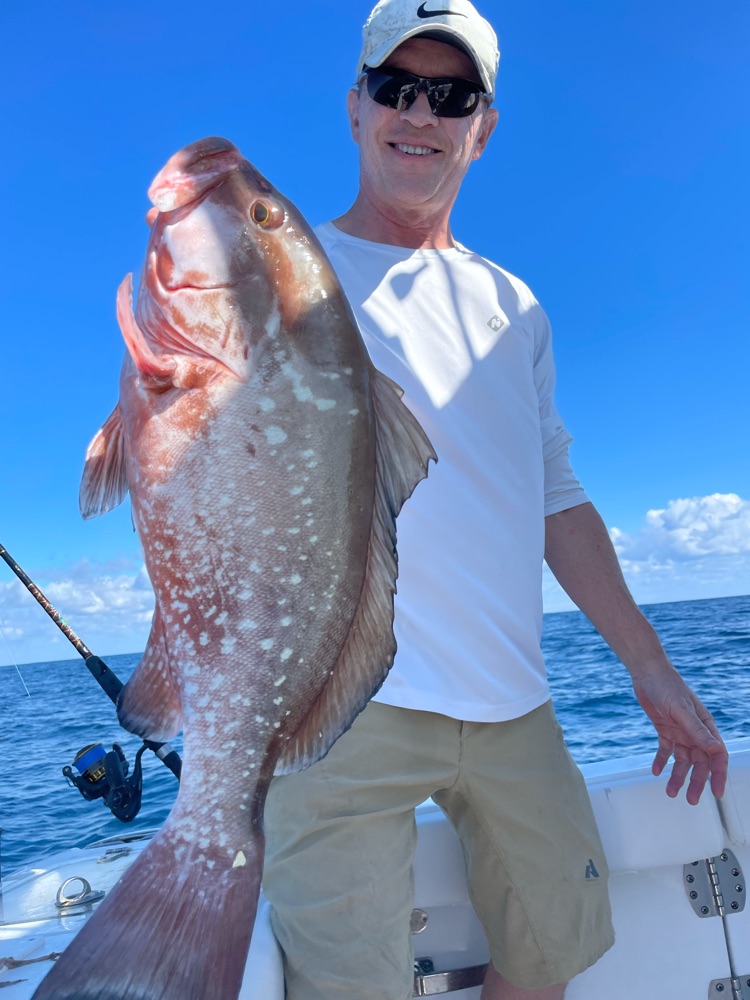
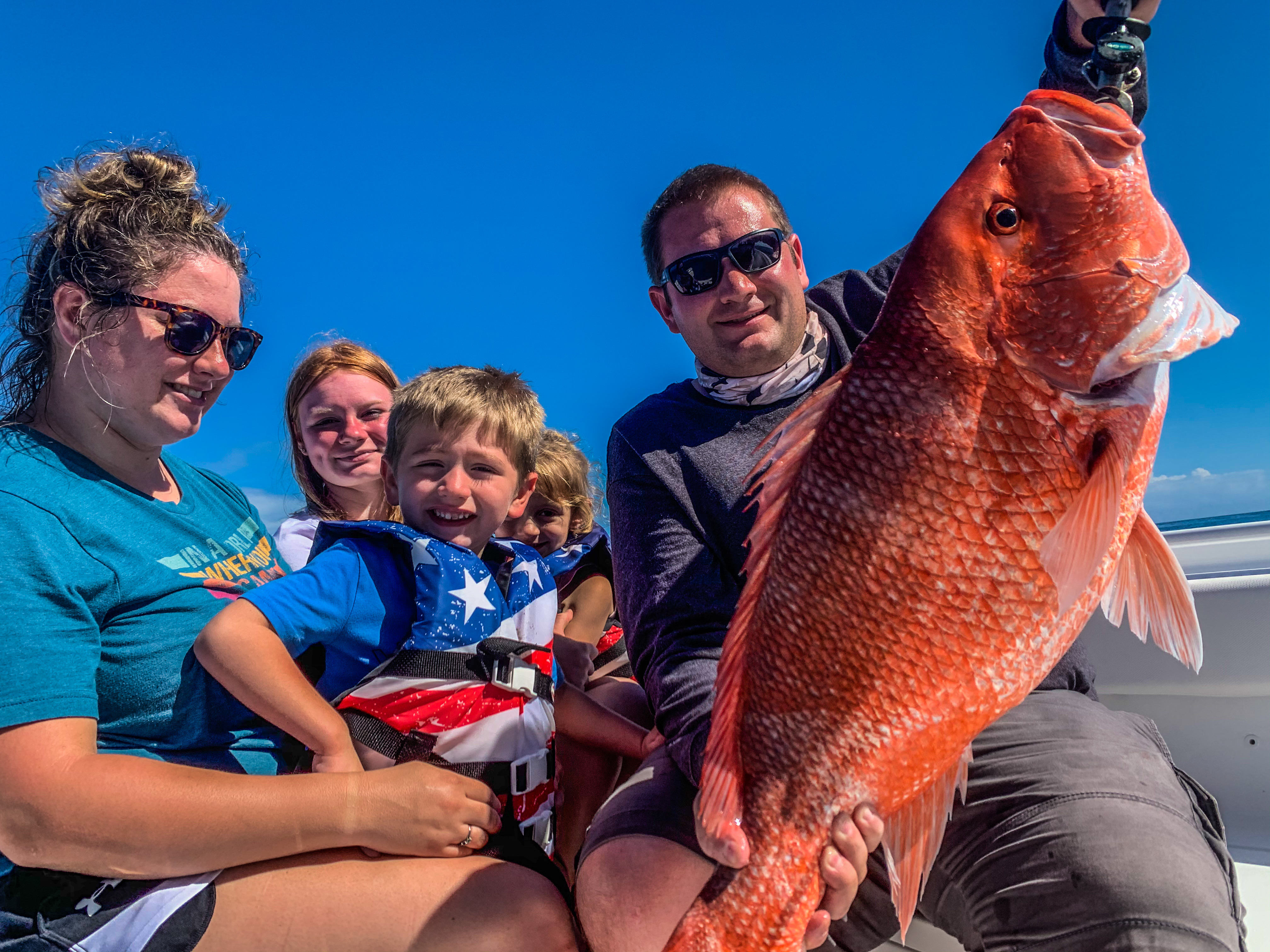
Red Snapper are the bread and butter of offshore bottom fishing, and there's a reason they're so popular. These bright red bulldogs live around hard bottom and structure, and when you drop a bait down to them, they'll slam it without hesitation. A good red snapper bite means steady action and excellent table fare. They average 5-15 pounds but can push 20-plus, and they fight harder than you'd expect for their size. Peak season runs summer through early fall when they're most active on the feeding grounds.
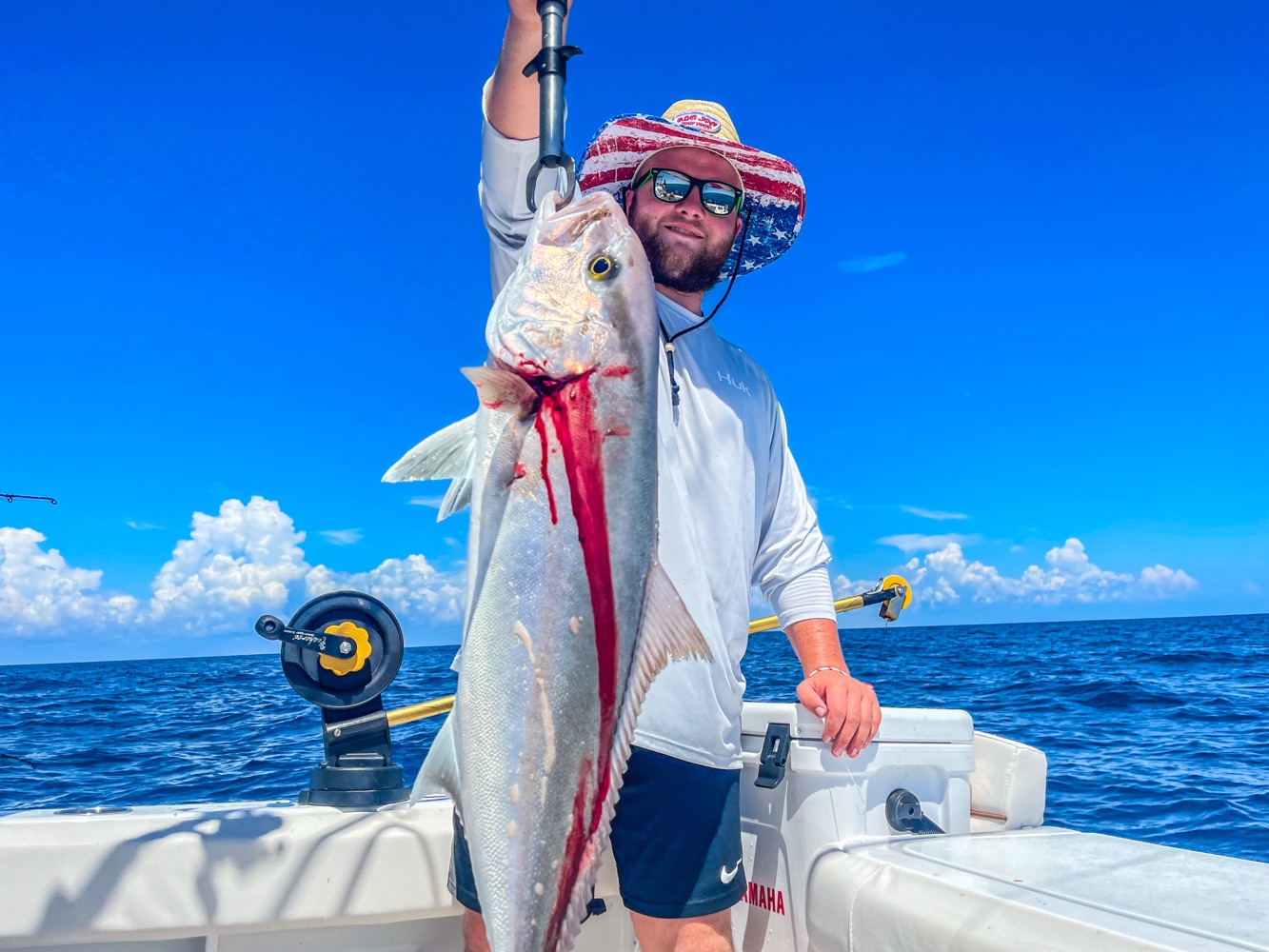
Mutton Snapper are the pretty cousins of red snapper, with their olive and pink coloring and distinctive black spot. They're more finicky eaters than reds but just as strong fighters. Muttons love live bait and clear water, often found around the same structure as grouper. They're excellent eating and a bit more challenging to catch, making them a favorite target for experienced anglers looking for something different.
Gag Grouper are the heavyweight champions of the reef, and landing a 20-30 pound gag is like arm wrestling a truck. These fish live in caves and holes in the bottom, and when you hook one, their first move is straight down trying to cut you off on the rocks. You need heavy tackle and a strong drag to turn their head and get them up before they break you off. Gags are most active in cooler months and provide some of the best eating you'll find offshore.
Atlantic Sailfish are pure adrenaline on a fishing rod. When a sail crashes your trolling spread and starts tail-walking across the surface, everything else stops. These acrobatic speedsters can hit 60+ mph and jump 10 feet out of the water, putting on a show that'll get your heart pumping. Most captains practice catch and release with sails, but the fight alone is worth the trip. Peak sailfish action typically runs from late fall through early spring when they're migrating through offshore waters.
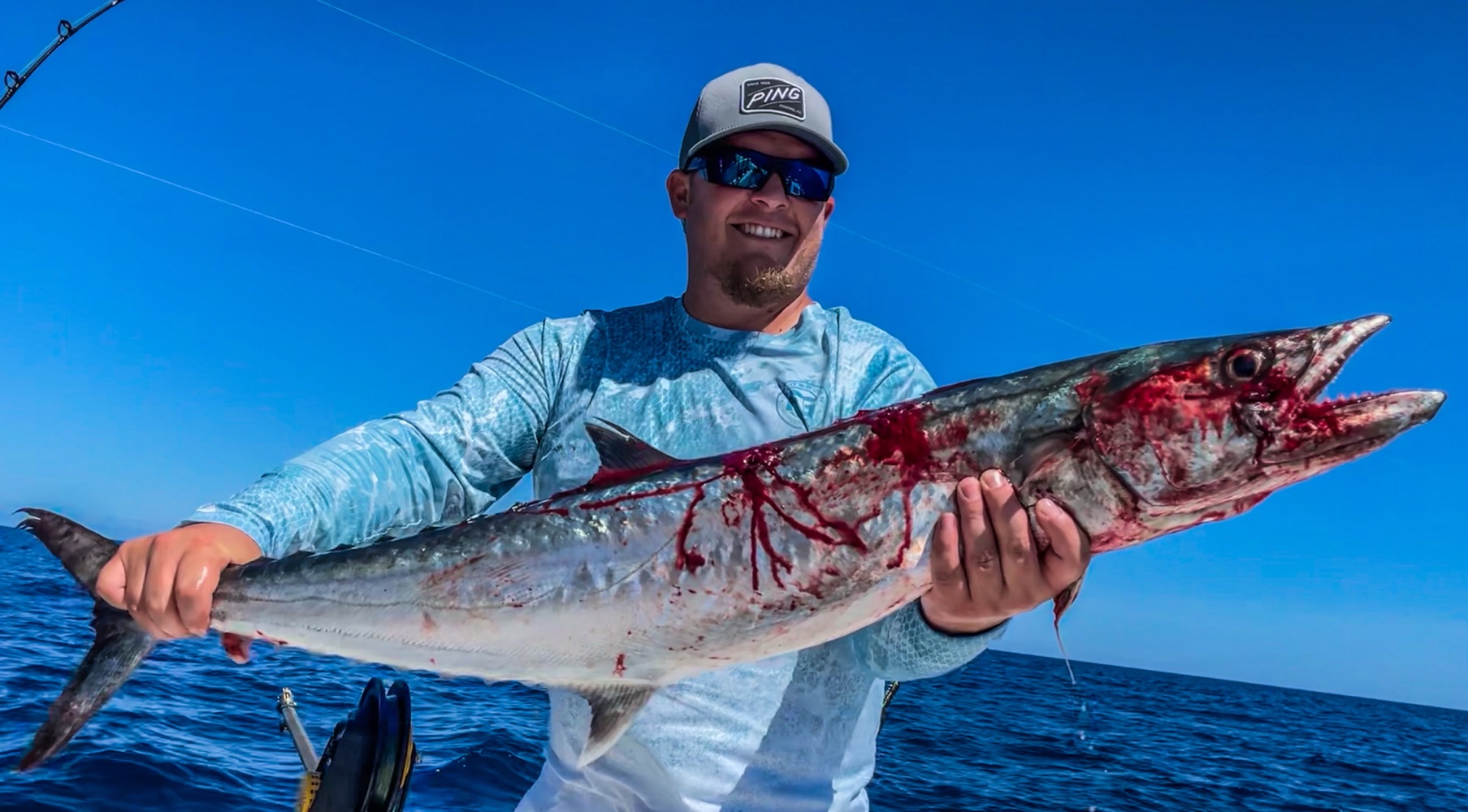
King Mackerel are speed demons with razor-sharp teeth, and they'll test your reflexes and your wire leader. Kings cruise the offshore waters looking for baitfish, and when they find your trolling spread, they hit like a freight train. These fish make blistering runs and have the stamina to keep fighting right to the boat. A 20-30 pound king will give you all the fight you want, and they're excellent on the grill or smoker.
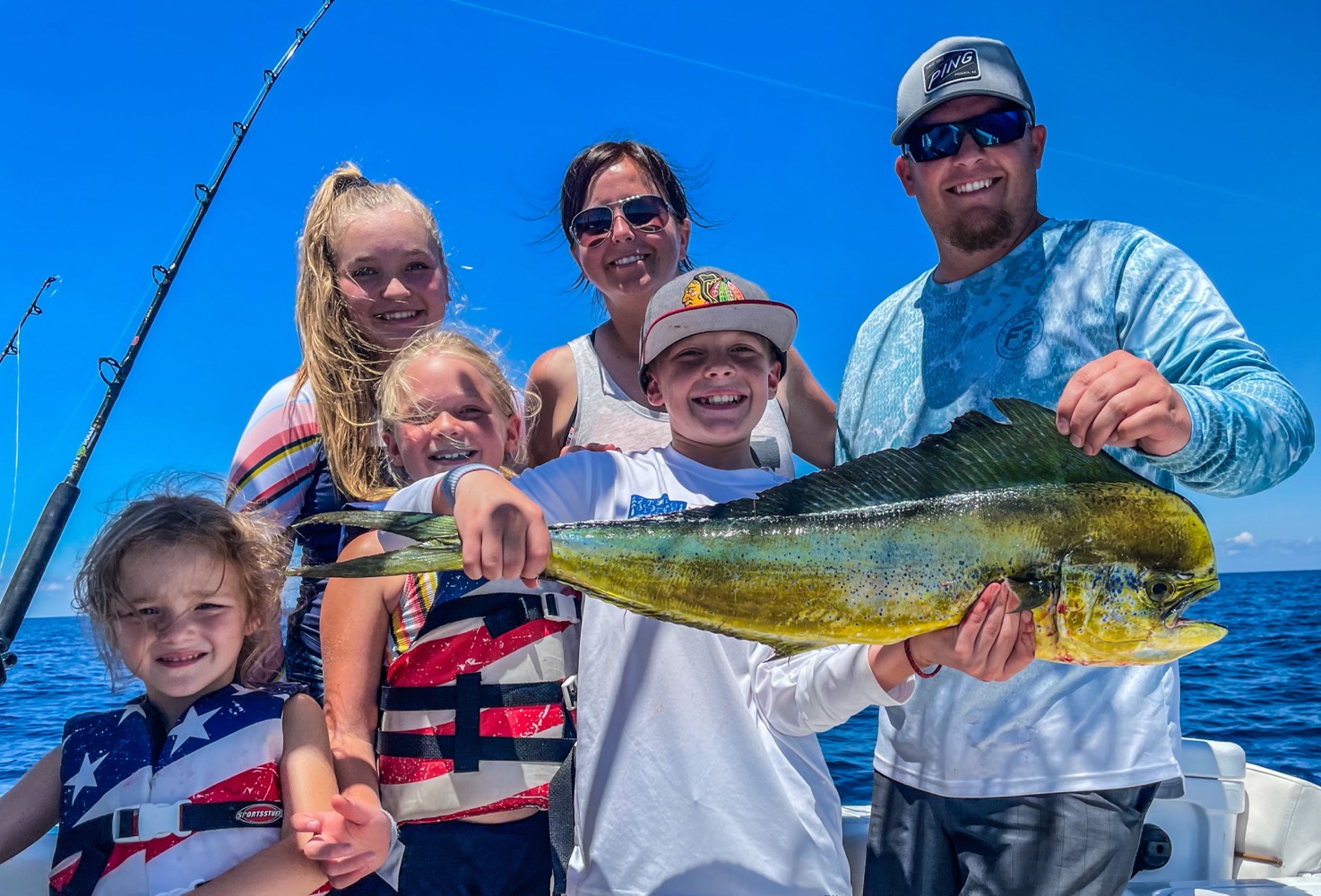
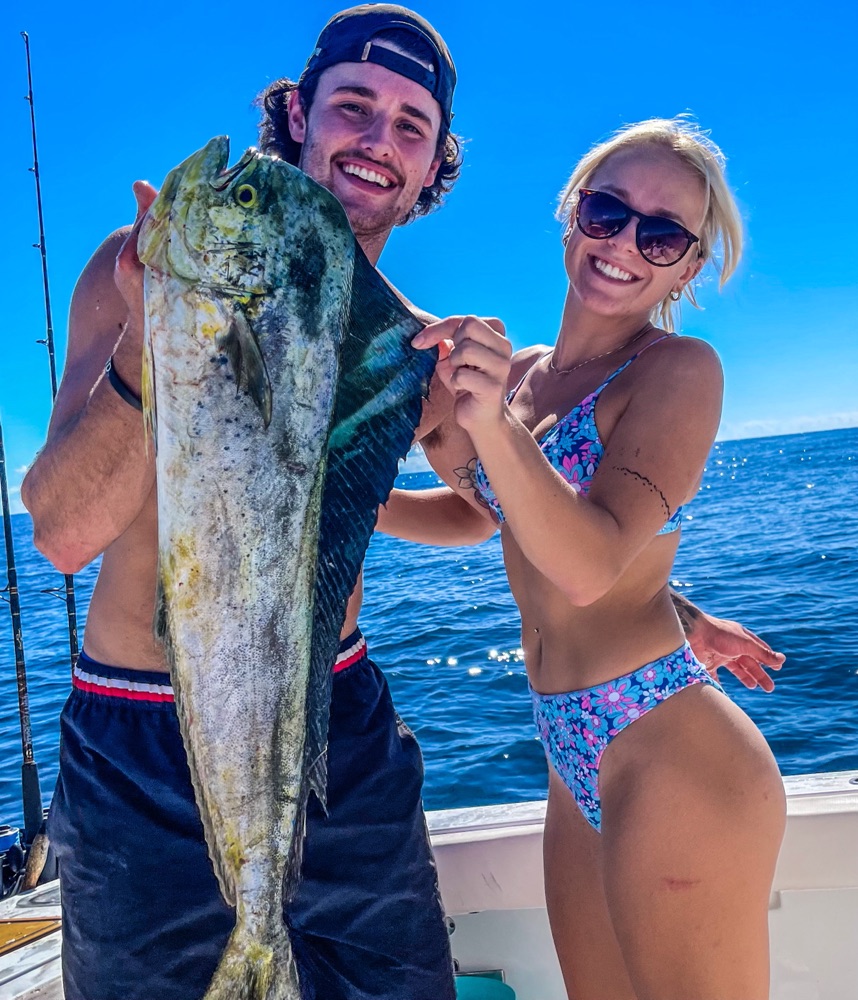
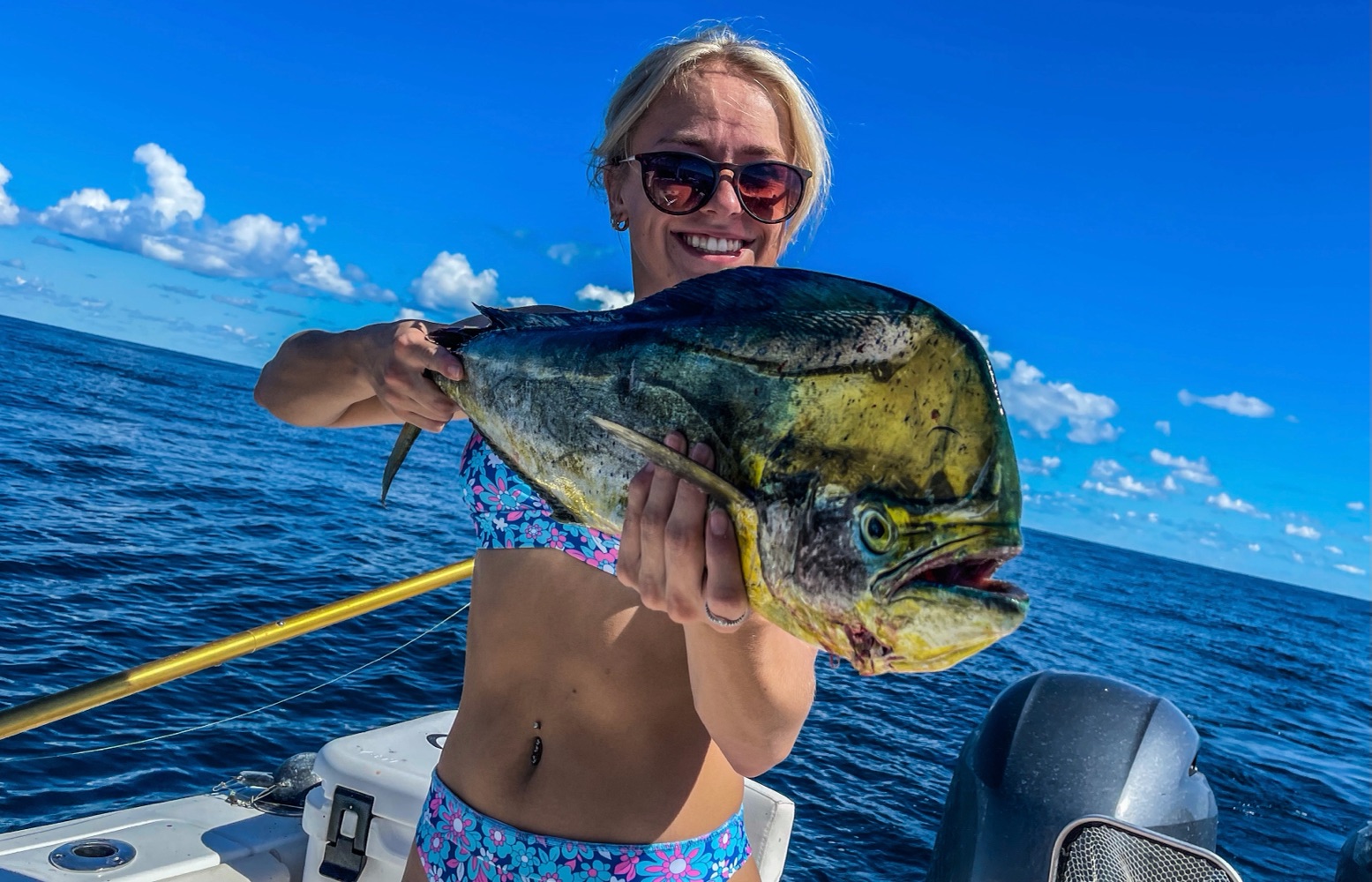
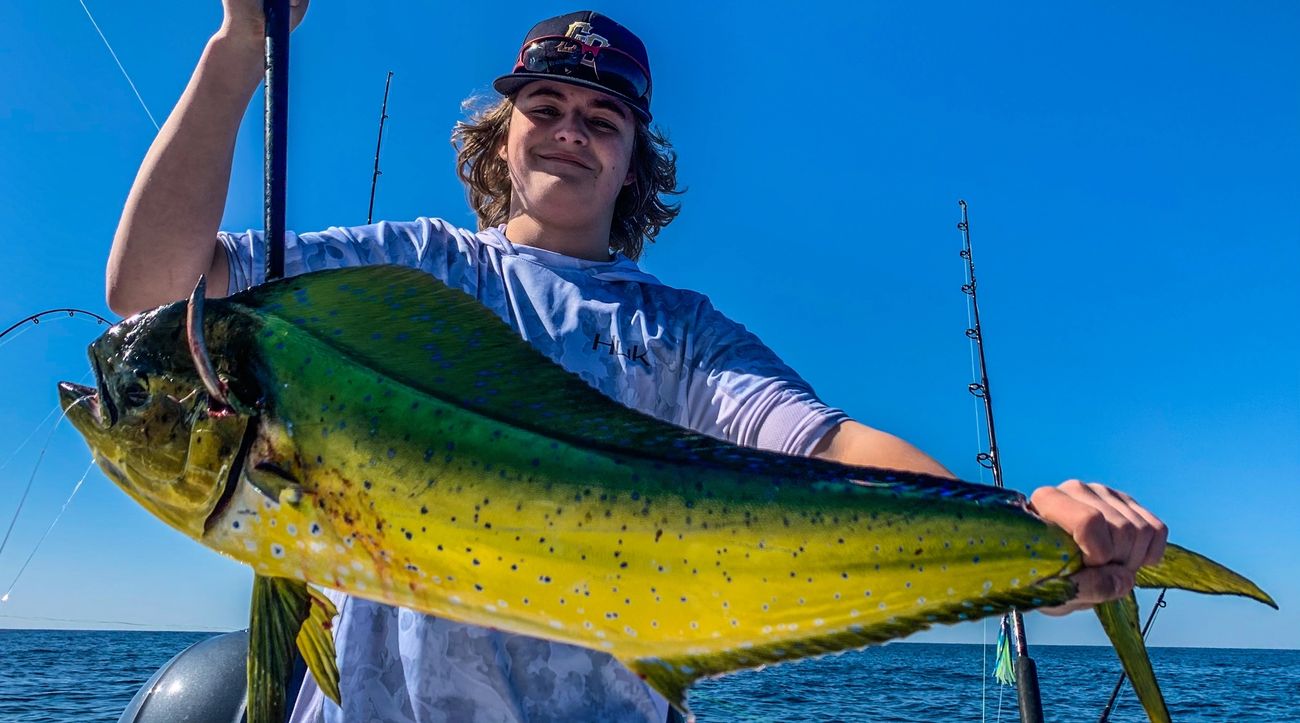
Mahi Mahi are the golden boys of offshore fishing – literally. Their bright yellow and green colors are stunning, and they're one of the most fun fish to catch and eat. Mahi are aggressive feeders that travel in schools, so when you find one, there are usually more around. They love floating debris, weed lines, and current breaks. A good mahi
 Private Trip
 Offshore Fishing
 Cape Canaveral, FL


 Target Mahi, Kingfish, Tuna, and Sailfish offshore