Deep Sea Sportfishing Adventure in Fort Lauderdale
Captain William Daley and his crew know Fort Lauderdale's offshore waters like the back of their hands. When you step aboard the 46-foot Hatteras "Don't Tell Mom Sportfishing," you're not just booking a fishing trip—you're signing up for six hours of serious action with one of the area's most experienced captains. This isn't some cookie-cutter charter operation. Captain Daley has been working these waters for years, and his track record speaks for itself. The boat handles beautifully in offshore conditions, and with space for up to six anglers, you'll have plenty of room to work without bumping elbows. Whether you're a seasoned angler looking to add to your species count or a first-timer ready to feel that rod bend, this trip delivers the goods.
What to Expect on the Water
You'll meet the crew at 301 Seabreeze Blvd, where Captain Daley will brief you on the day's game plan. The 46-foot Hatteras is rigged for serious fishing—we're talking outriggers for spreading baits, a fighting chair for the big fish, and livewells stocked with fresh bait. The boat's equipped with top-notch electronics including GPS and fishfinder, so the captain can put you on productive water fast. Your professional first mate knows these rigs inside and out, so don't hesitate to ask for help with technique or gear setup. The vibe on board is relaxed but focused—everyone's here to catch fish, and the crew works hard to make that happen. Six hours gives you real time to work different spots and adjust tactics based on what's biting. Some days you'll be working the reef edges, other days pushing further offshore where the blue water holds different opportunities.
Trolling Tactics and Gear
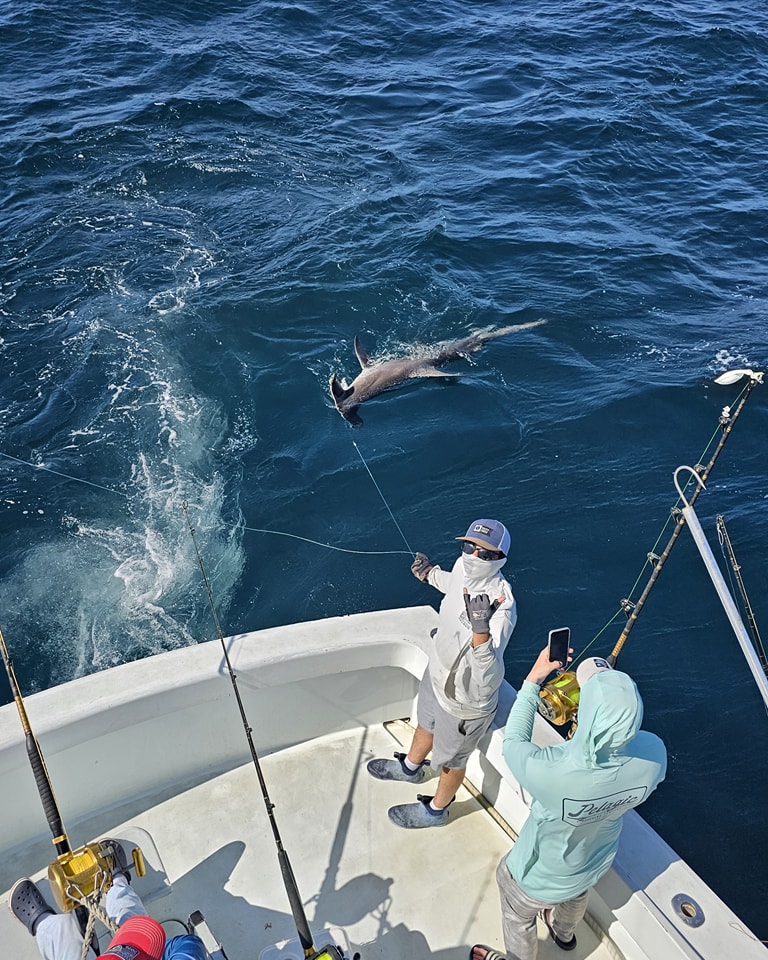
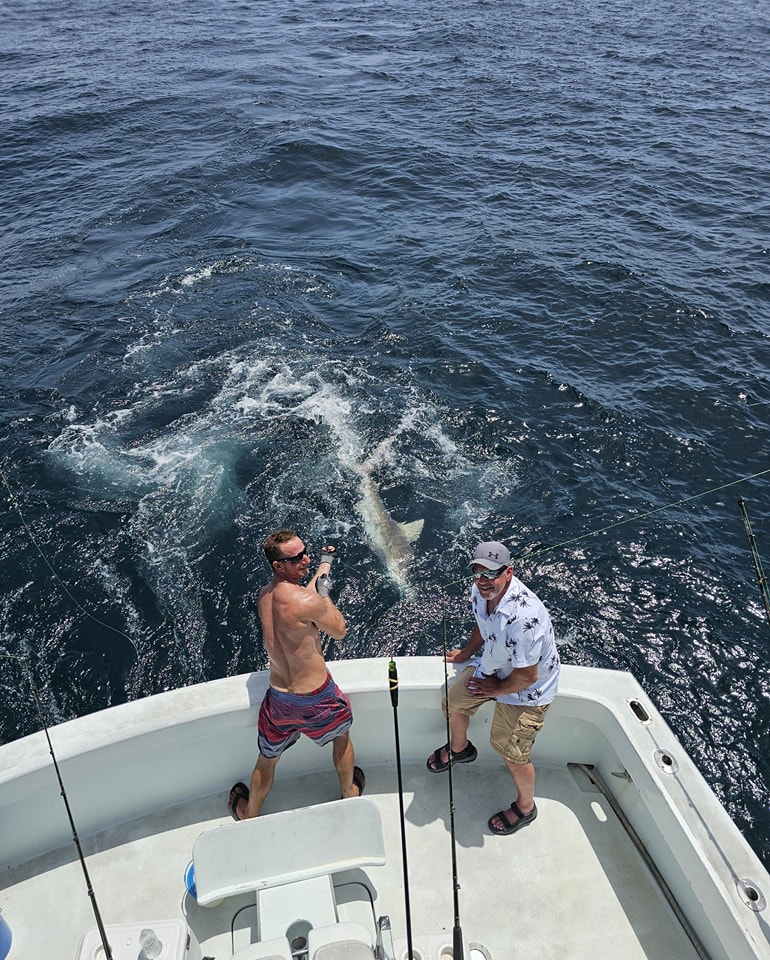
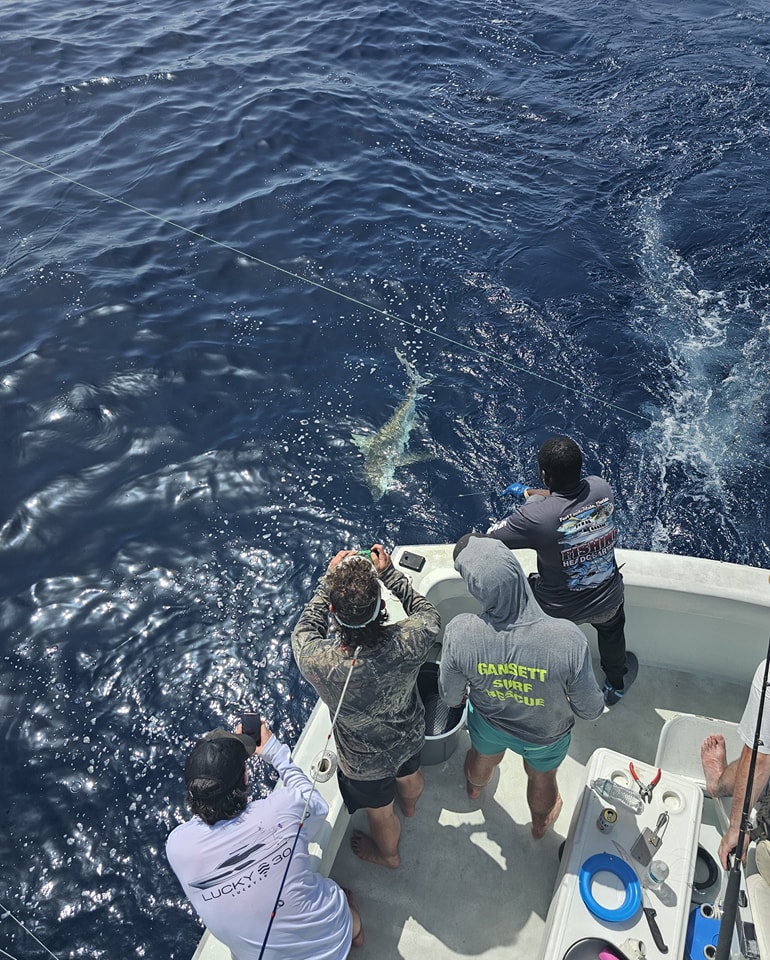
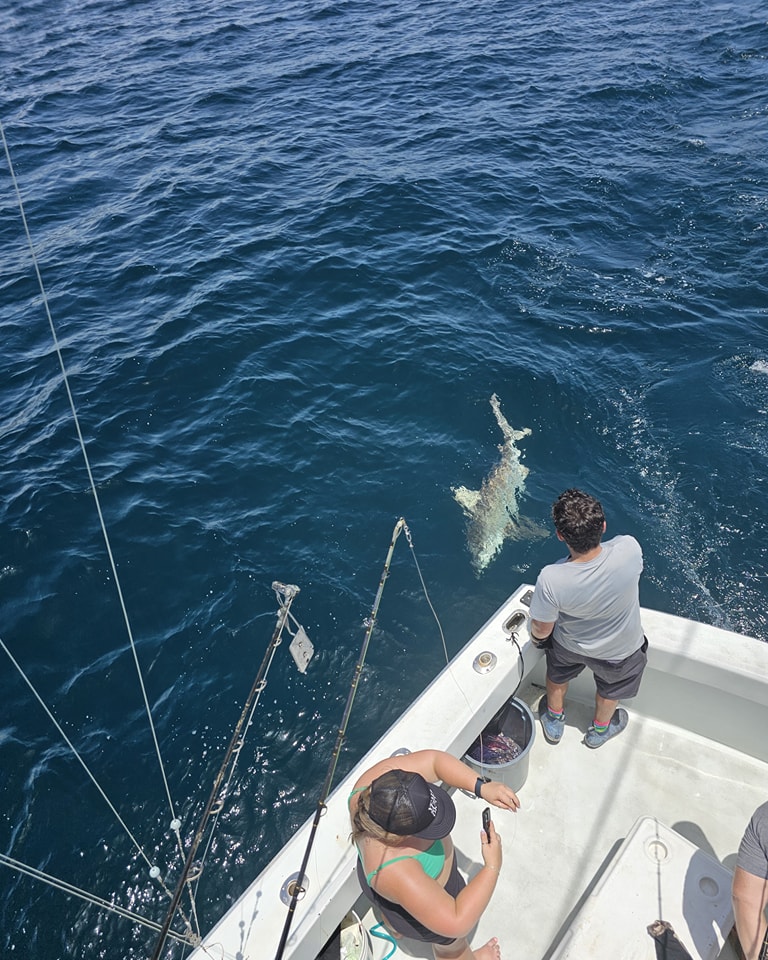
This operation runs a tight ship when it comes to tackle and technique. The crew sets up a spread that covers different depths and speeds, using a mix of live bait, dead bait, and lures depending on conditions and target species. The outriggers let you run multiple lines without tangles, and the captain adjusts trolling speeds based on what he's targeting. When you hook up, the first mate clears other lines quickly so you can fight your fish without interference. The fighting chair comes into play for the bigger fish—grouper, sharks, and any wahoo that decide to cooperate. Don't worry if you've never used a fighting chair before; the mate will coach you through it. For vertical fishing over structure, the crew switches to bottom rigs and knows exactly how much weight you need to stay connected in the current. The livewells keep bait fresh throughout the day, and the captain isn't shy about moving spots if the action slows down.
Top Catches This Season
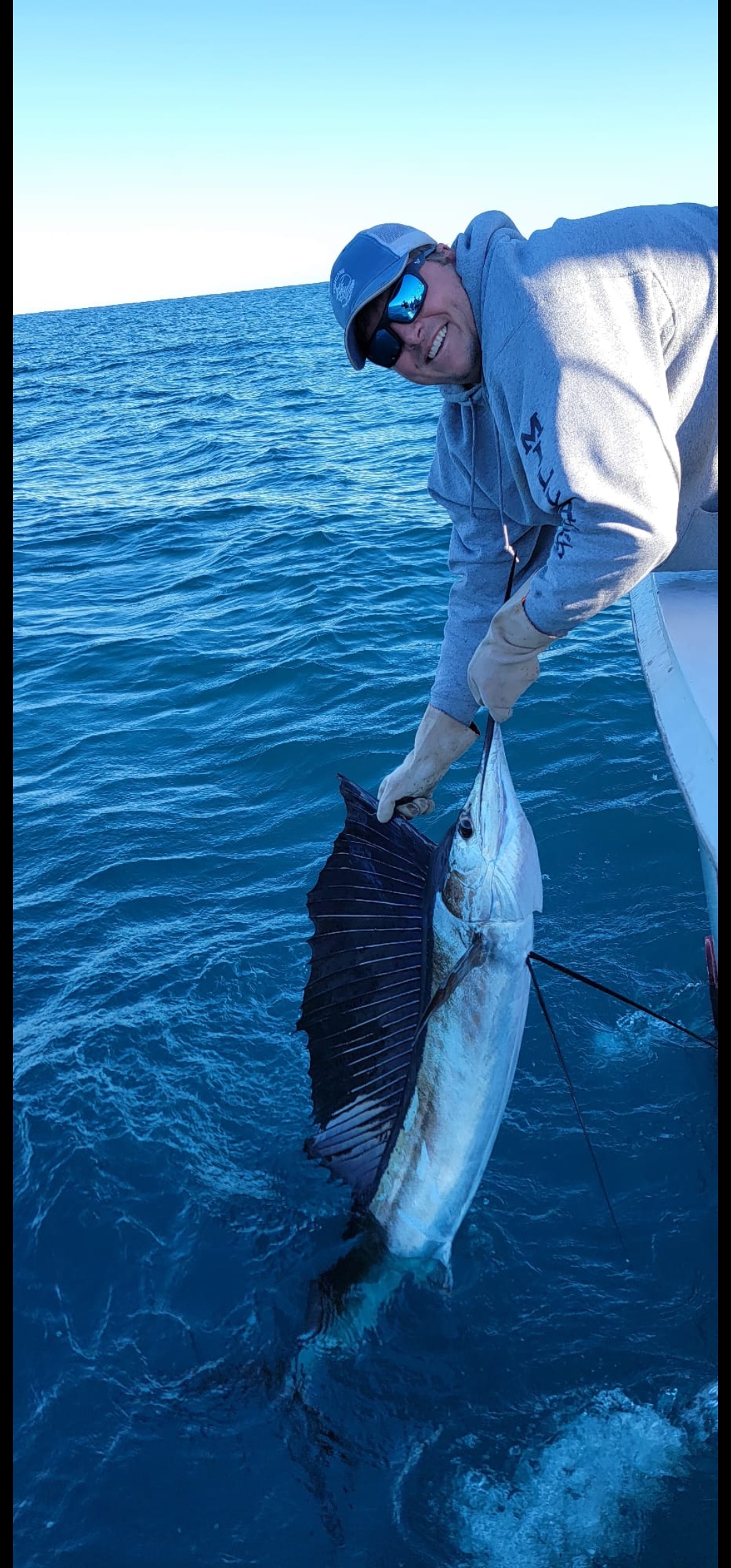
Atlantic Sailfish are the showstoppers out here, and Fort Lauderdale's offshore waters host some of the best sailfishing on the East Coast. These fish typically run 6-8 feet long and put on an aerial show that'll get your adrenaline pumping. Winter months from December through March are prime time for sails, when they move through in good numbers following baitfish. What makes sailfish so special is their fighting style—they jump, they run, they change direction, and they test every bit of your drag system. Captain Daley positions the boat in 80-200 feet of water where sailfish cruise the edges looking for ballyhoo and pilchards.
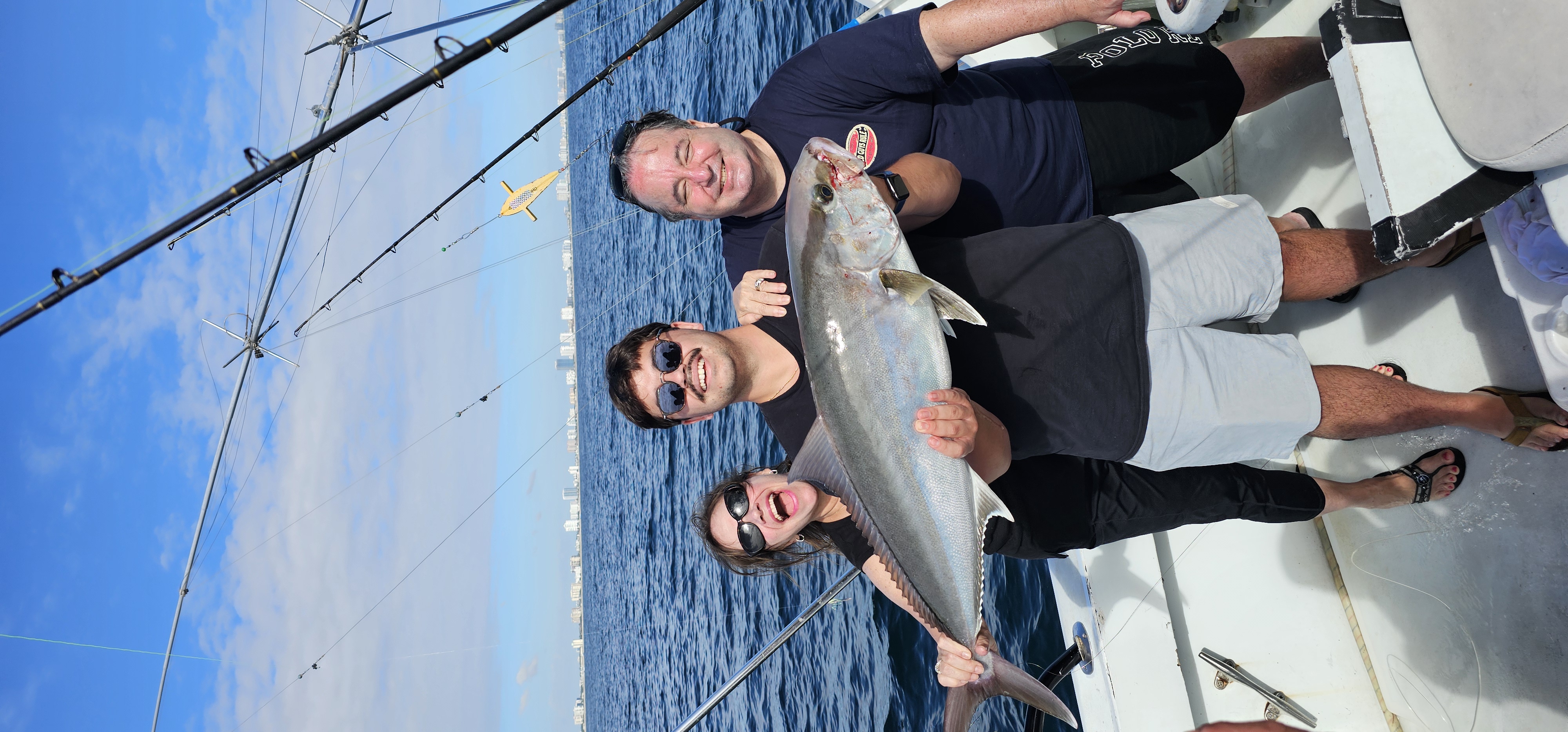
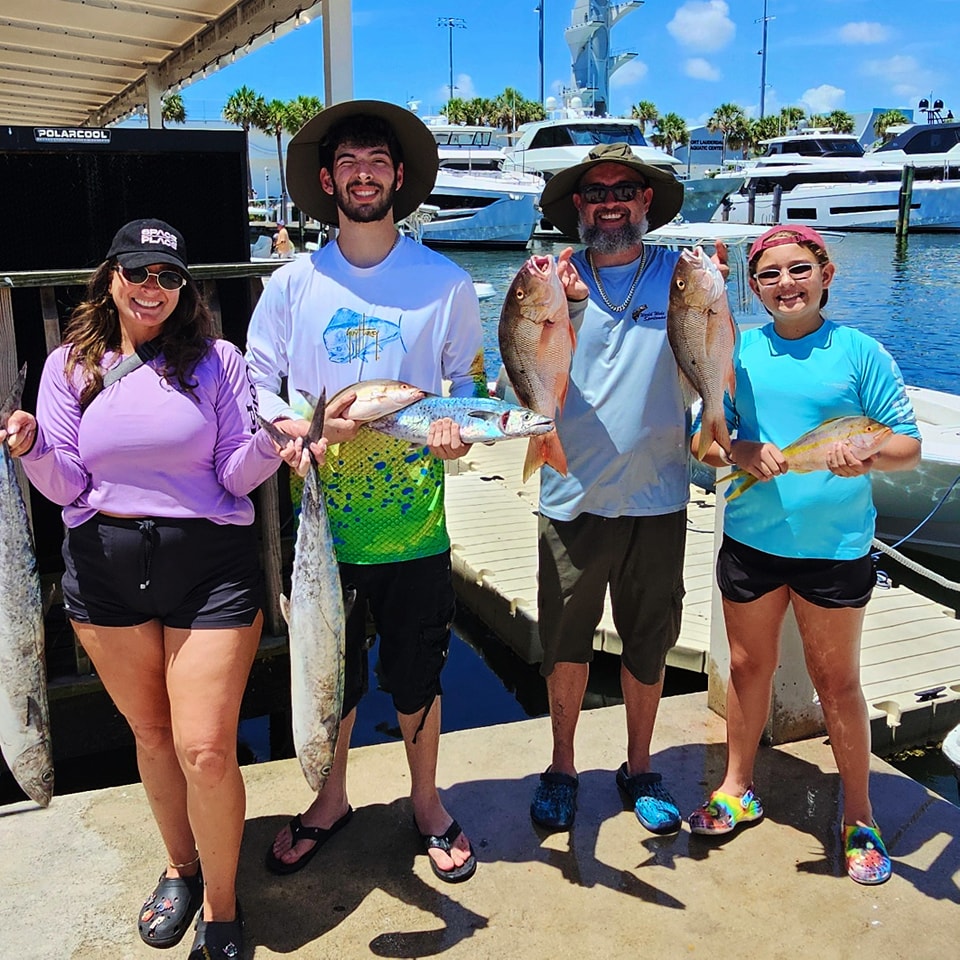
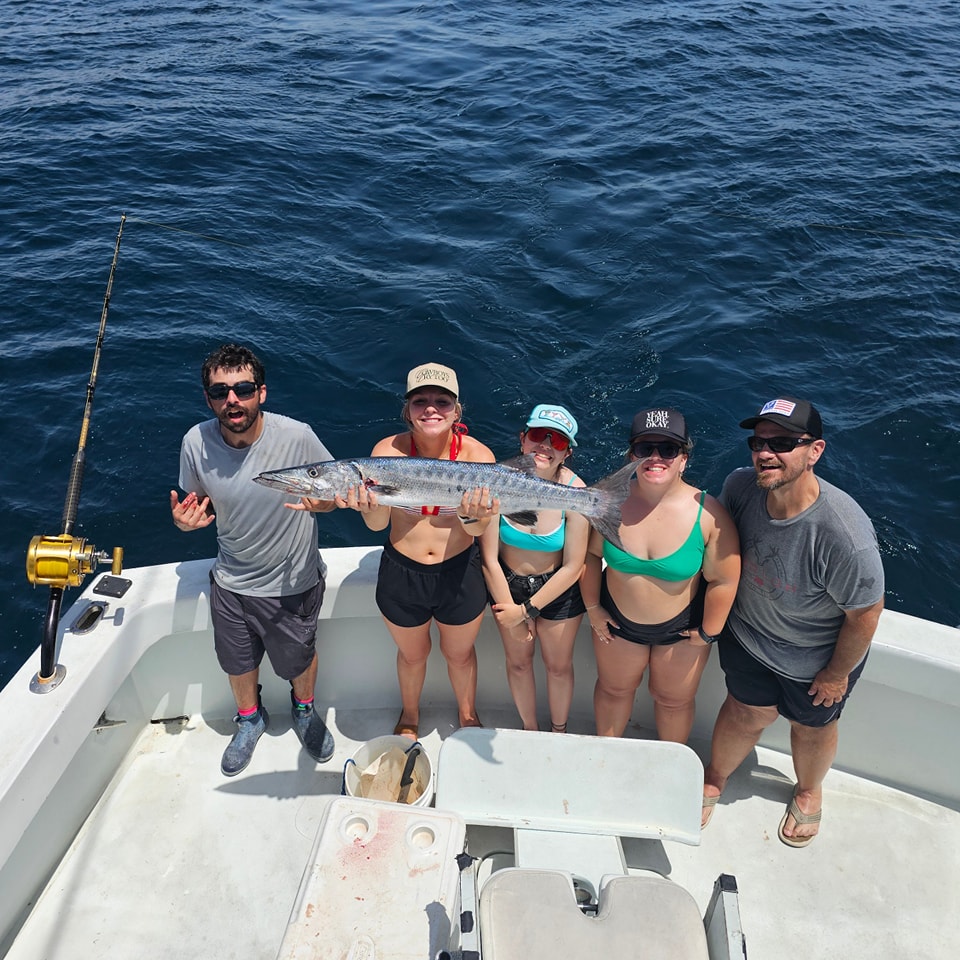
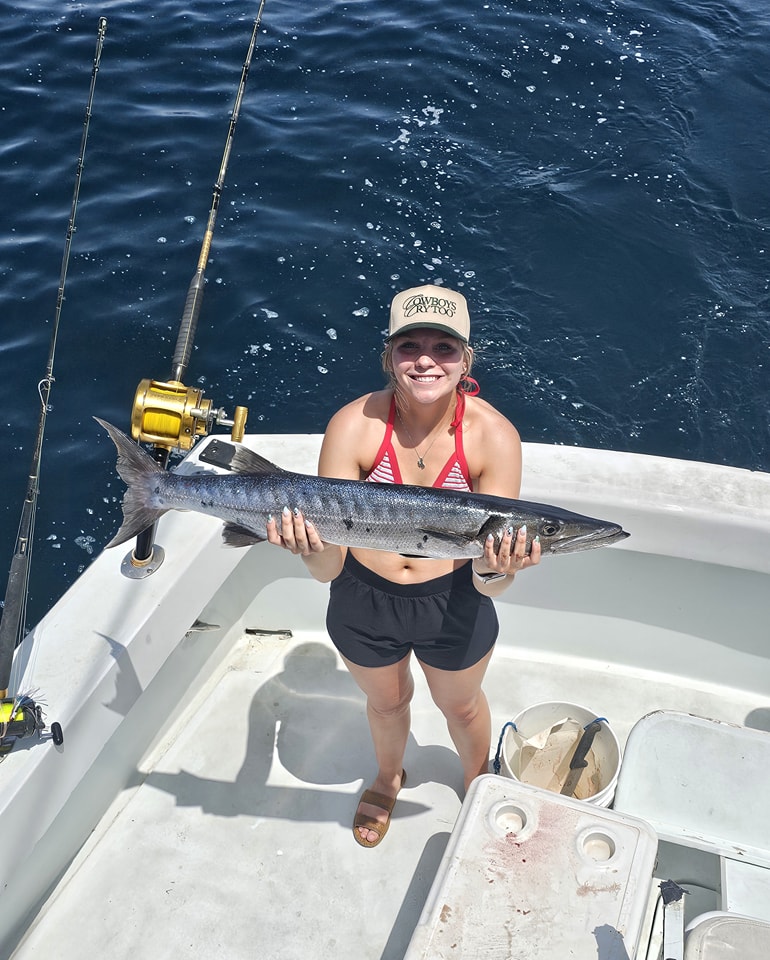
King Mackerel are year-round residents that never fail to deliver excitement. These fish average 15-30 pounds but can push much bigger, and they hit baits with serious aggression. Kings patrol the reef lines and wrecks, ambushing baitfish with explosive strikes. The best part about king mackerel is their willingness to bite—they're not picky eaters, and once you find a school, multiple hookups are common. Summer months see the biggest fish, but you'll find action throughout the year. Their razor-sharp teeth and blistering runs make every hookup memorable.
Mahi Mahi bring tropical color and excellent table fare to your cooler. These fish love floating debris, weed lines, and temperature breaks where baitfish congregate. Mahi typically show up in spring and summer, with the best action from April through September. What makes mahi special is their beauty—brilliant gold and green colors that really pop when they come to the boat. They're also fantastic eating, with firm white meat that's perfect for grilling. Schools of smaller mahi are common, but the bigger bull mahi that cruise solo are the real prizes.
Wahoo are speed demons that test your reflexes and your tackle. These fish can hit 60 mph and strip line off your reel like nothing else in these waters. Fort Lauderdale's deep water edges hold wahoo year-round, with peak action in fall and winter. They're ambush predators that strike fast-moving lures and baits, often taking anglers by surprise with their savage hits. Wahoo are also phenomenal table fare, with dense white meat that rivals any fish in the ocean. The tricky part is getting them to the boat—their sharp teeth and incredible speed make them master escape artists.
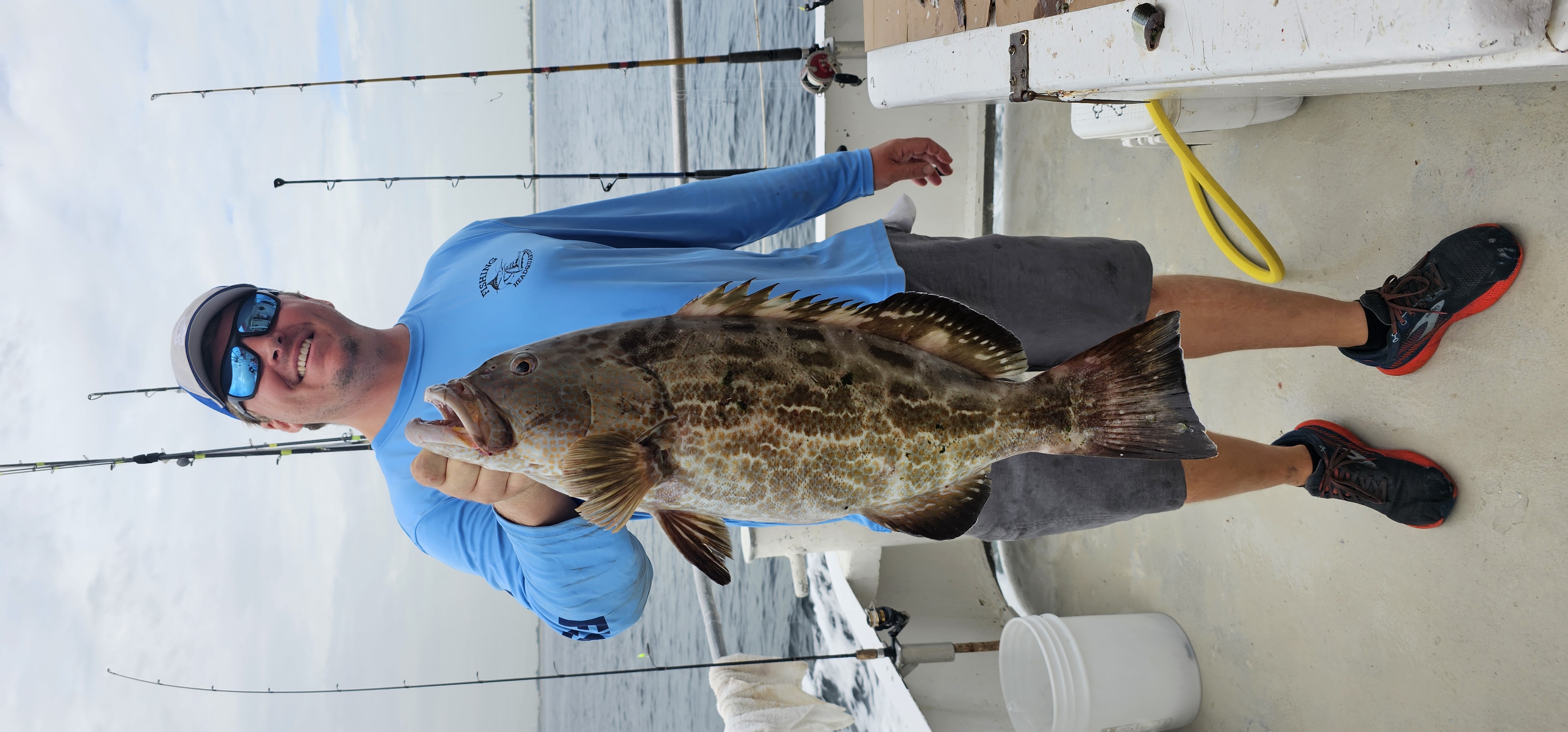
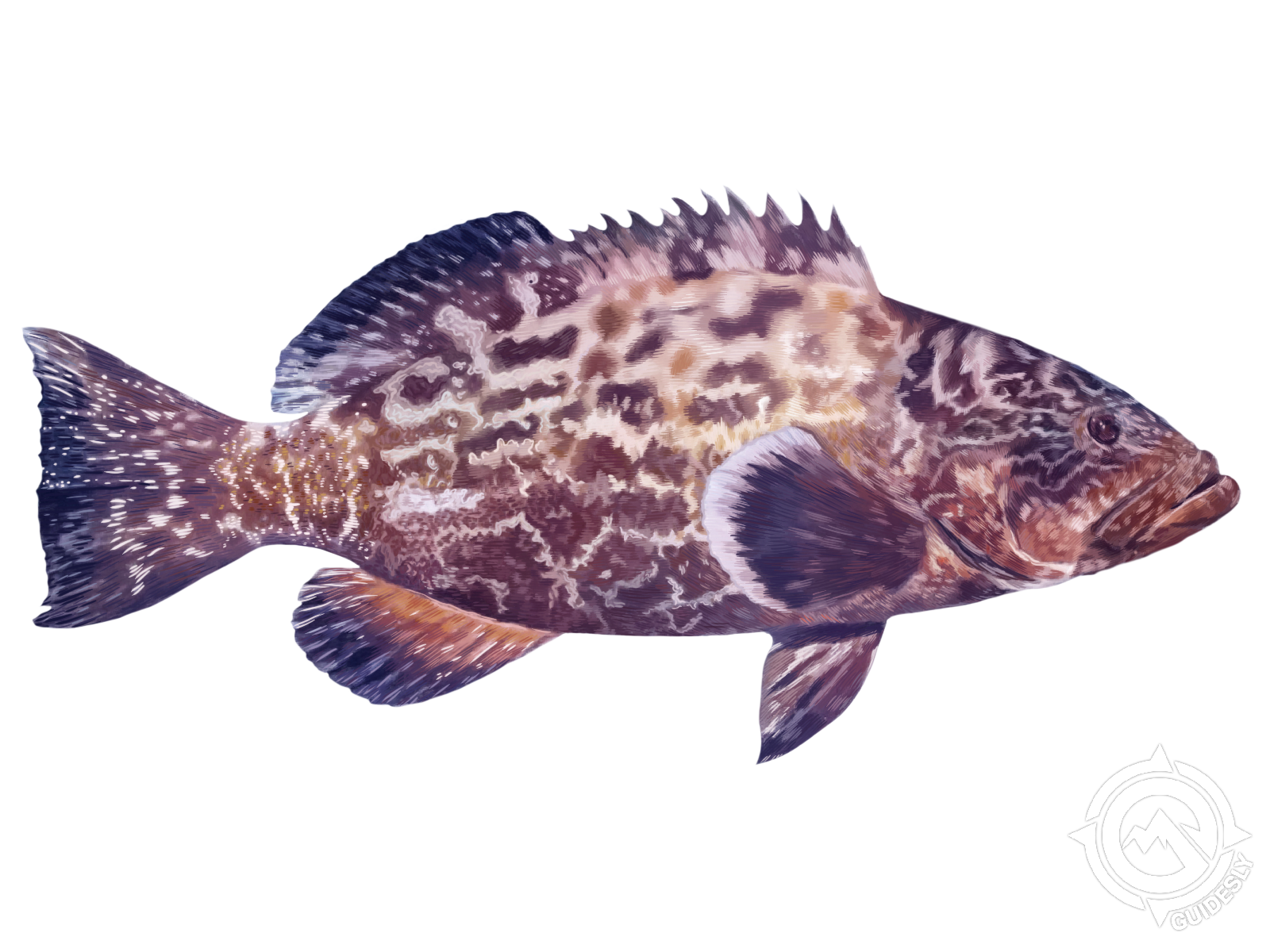
Black Grouper represent the heavyweight division of bottom fishing around Fort Lauderdale's reefs and wrecks. These fish can exceed 50 pounds and fight with pure power, trying to drag your bait back into their rocky homes. Grouper fishing requires heavy tackle and quick reflexes—when you feel that thump, you better lift hard and keep lifting. Winter months typically produce the largest fish, though you'll find action year-round. What makes grouper special is their combination of fight and flavor—they're stubborn as mules on the bottom but absolutely delicious on the dinner table.
Time to Book Your Spot
Fort Lauderdale's offshore fishing scene is world-class, and Captain Da
 Private Trip
 Offshore Fishing
 Fort Lauderdale, FL


 Six-hour offshore fishing trip targeting mahi, tuna, and sailfish