Full Day Fishing Trip In Jupiter, FL
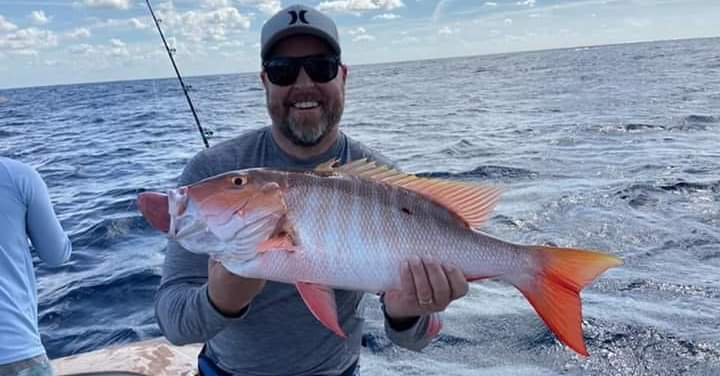
Jupiter's got some of the most productive offshore waters on Florida's east coast, and this full-day charter puts you right in the action. We're talking about a solid 8-hour adventure that takes you into the legendary Gulf Stream, where the deep blue water holds some serious gamefish. Captain and crew handle all the details - gear, licenses, drinks, even cleaning your catch - so you can focus on what matters most: putting fish in the boat. With room for up to 6 anglers, this trip strikes the perfect balance between having enough hands to work multiple lines while keeping things comfortable on deck.
What to Expect on the Water
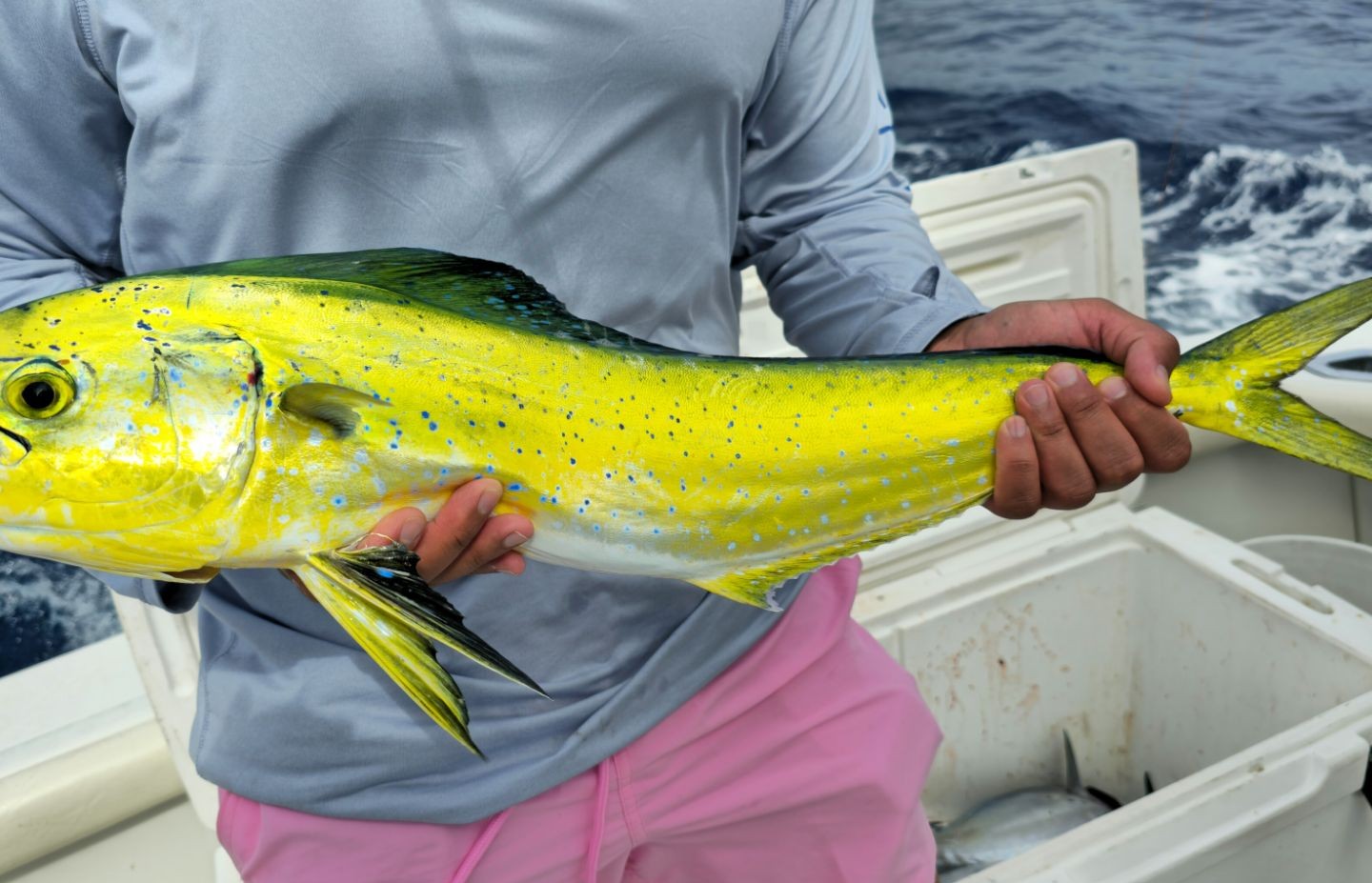
Your day starts early at the Jupiter Inlet, one of the most famous fishing ports in South Florida. We'll head out through the inlet and make our way to the Gulf Stream edge, typically a 20-30 minute run depending on conditions. The Gulf Stream current creates an underwater highway that attracts baitfish, and where there's bait, there are hungry predators. The water color changes from that inshore green to deep cobalt blue, and that's when you know you're in the zone. Expect to see flying fish, dolphins, and maybe even some sea turtles during the steam. The boat stays busy with four to six lines in the water most of the day, rotating anglers so everyone gets their shot at the rod when fish start biting.
Trolling the Blue Water
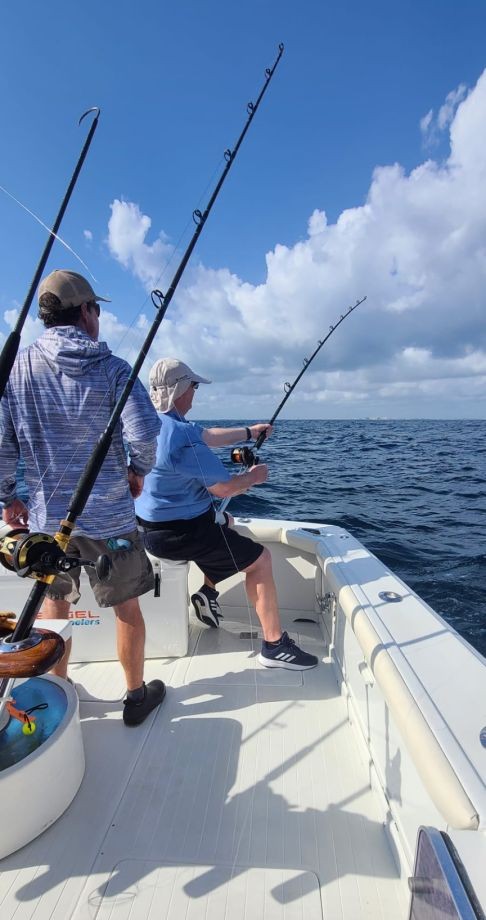
This is a trolling operation from start to finish, which means we're covering water and letting the fish find us. The spread typically includes a mix of ballyhoo, bonito strips, and artificial lures - all rigged to perfection and running at different depths and distances behind the boat. We'll adjust the trolling speed based on what we're targeting, usually between 6-8 knots. When a fish hits, you'll know it - the reel starts screaming and it's game on. The crew coaches you through the fight, helping with the drag and making sure you stay connected to the fish. Circle hooks are standard for most of our trolling rigs, which makes for better hookups and easier releases when we're practicing catch and release on billfish like sailfish.
Target Species
Atlantic Sailfish are the crown jewel of Jupiter's offshore scene, and for good reason. These acrobatic fighters put on an air show like no other gamefish, often jumping completely out of the water multiple times during the fight. Peak sailfish season runs from November through April, when cooler water temperatures push them closer to shore and concentrate them along current edges. Most Jupiter sailfish range from 6-8 feet long and 30-60 pounds, making them perfect on light tackle. The crew typically rigs them with circle hooks and encourages catch and release to preserve this amazing fishery. Nothing beats watching a sailfish light up those electric blue stripes when it's fired up and ready to fight.
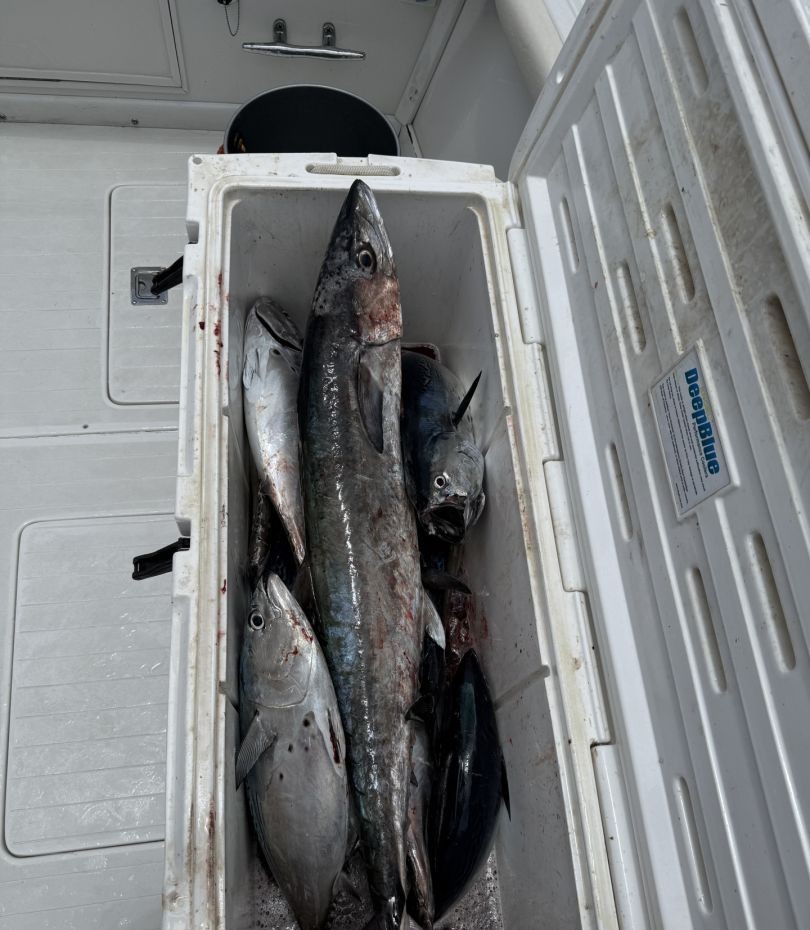
Blackfin Tuna are probably the most reliable catch on these trips, and they're absolute rockets once hooked. These guys school up in good numbers from spring through fall, often mixed in with bonito and smaller dolphin. They average 10-20 pounds in Jupiter waters, but don't let the size fool you - pound for pound, they're some of the strongest fish in the ocean. Blackfins are also fantastic table fare, with deep red meat that's perfect for sashimi or searing. They typically bite best in the morning and late afternoon, often showing up as birds start working bait on the surface. Watch for diving birds and you'll usually find blackfins underneath.
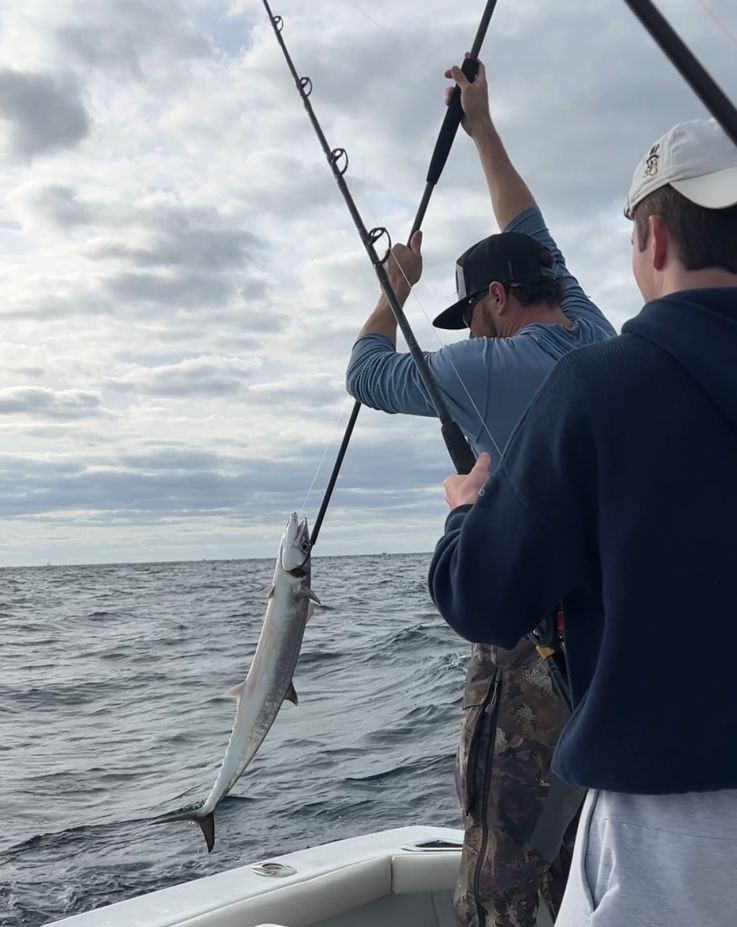
Wahoo are the speed demons of the deep, capable of hitting 60+ mph and known for absolutely destroying tackle. Jupiter's wahoo fishing peaks during the winter months, particularly January through March, when these torpedo-shaped predators follow bait schools along the reef line. Most wahoo here run between 20-50 pounds, though 60+ pound fish show up regularly. They're notorious for their razor-sharp teeth and lightning-fast runs, often taking 200+ yards of line before you can even react. Wire leaders are a must, and the crew usually runs high-speed lures specifically designed to trigger these speed merchants. The meat is white, flaky, and considered some of the best eating fish in the ocean.
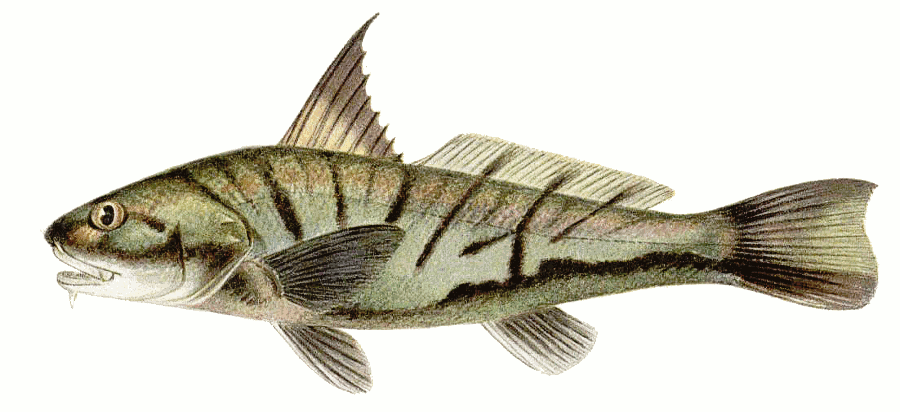
Northern Kingfish, better known locally as king mackerel, are consistent producers year-round in Jupiter's waters. These toothy critters love live bait and trolled baits equally, and they're known for their blistering initial runs followed by dogged fights near the boat. Kings typically range from 15-40 pounds, with bigger fish showing up during the spring and fall migrations. They're particularly fond of the temperature breaks created where the Gulf Stream meets cooler inshore water. The trick with kings is keeping them away from the boat's hull and other lines - they love to wrap you up. Fresh king mackerel on the grill with some blackening seasoning is hard to beat.
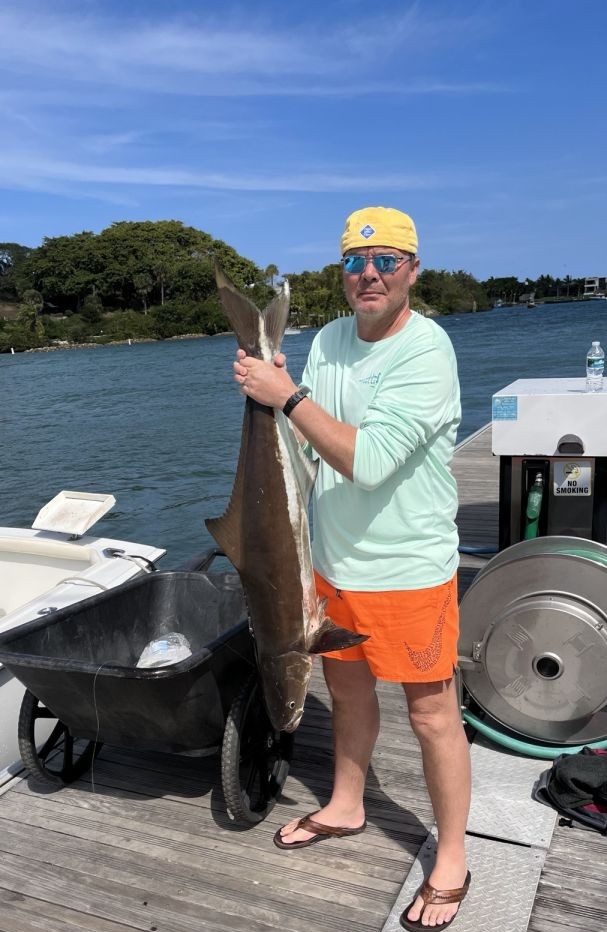
Cobia are the wildcards of Jupiter offshore fishing - you never know when one might show up, but when they do, it's always memorable. These chocolate-colored bruisers are curious fish that often approach the boat, giving anglers a chance to sight-cast with live bait or jigs. Spring and early summer are prime time for cobia, when they're moving north along the coast in good numbers. They're excellent table fare with firm, white meat similar to shark, and they fight like submarines with their broad shoulders and stubborn nature. Cobia also grow large - 40-60 pound fish are common, with some pushing 70+ pounds in these waters.
Time to Book Your Spot
Jupiter's offshore fishing scene is world-class for a reason - consistent action, multiple species, and relatively short runs to productive water. This full-day trip gives you the best shot at experiencing everything these waters have to offer, from the heart-stopping jumps of a sailfish to the brute strength of a wahoo. The crew takes care of all the details, so you can focus on
 Private Trip
 Offshore Fishing
 Jupiter, FL



 Full-day offshore fishing targeting sailfish, tuna, and wahoo