Kodiak Alaska Fishing Charter for Skilled Anglers
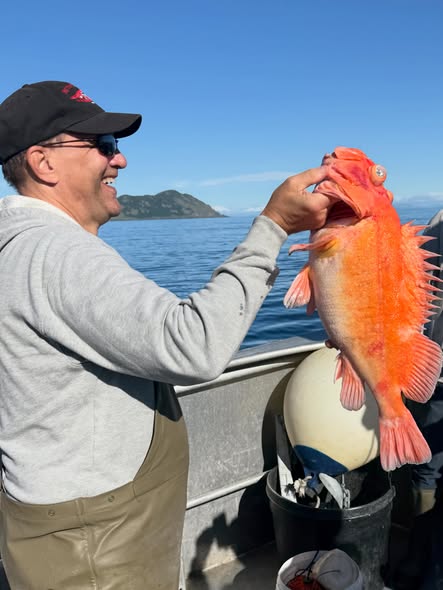
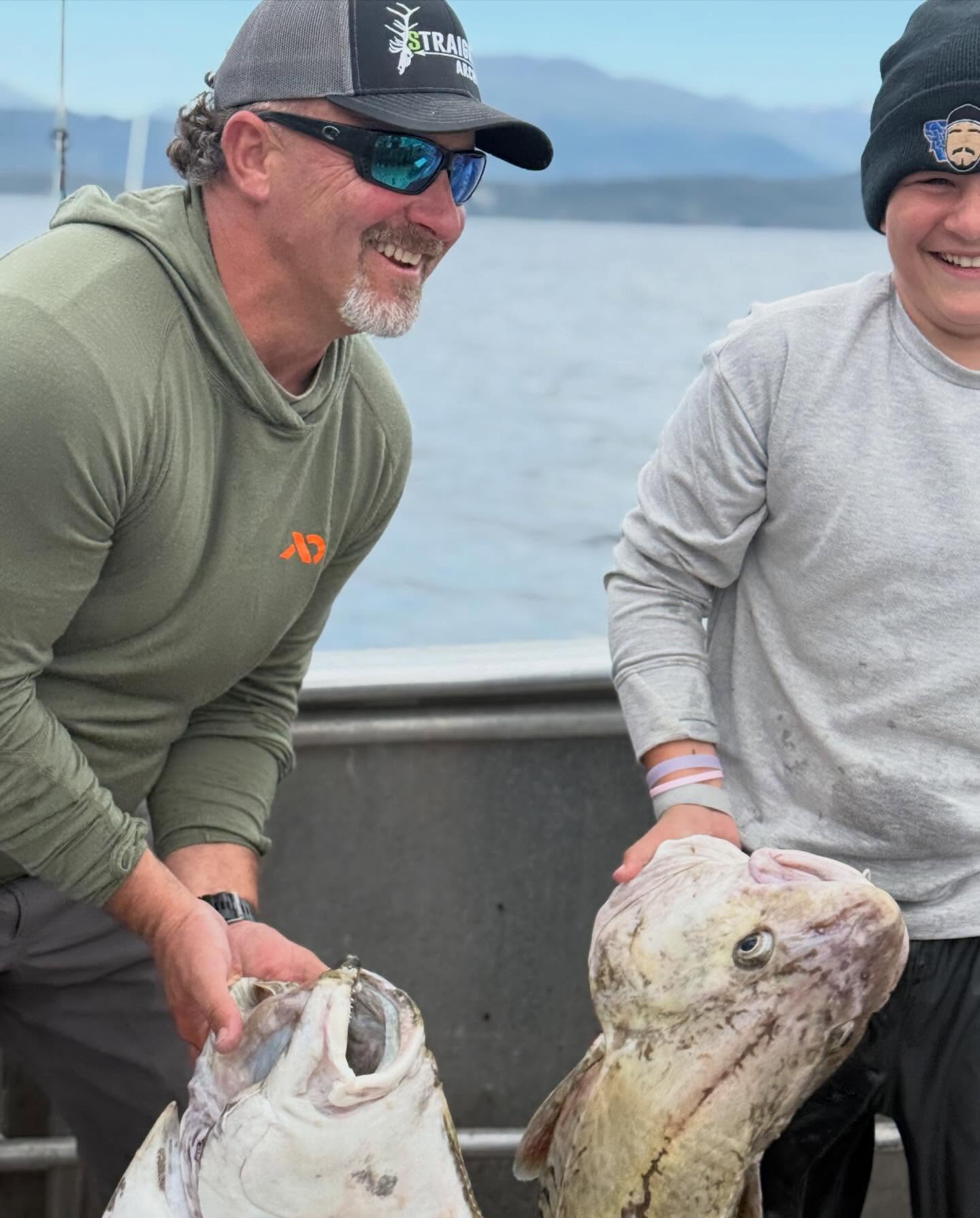
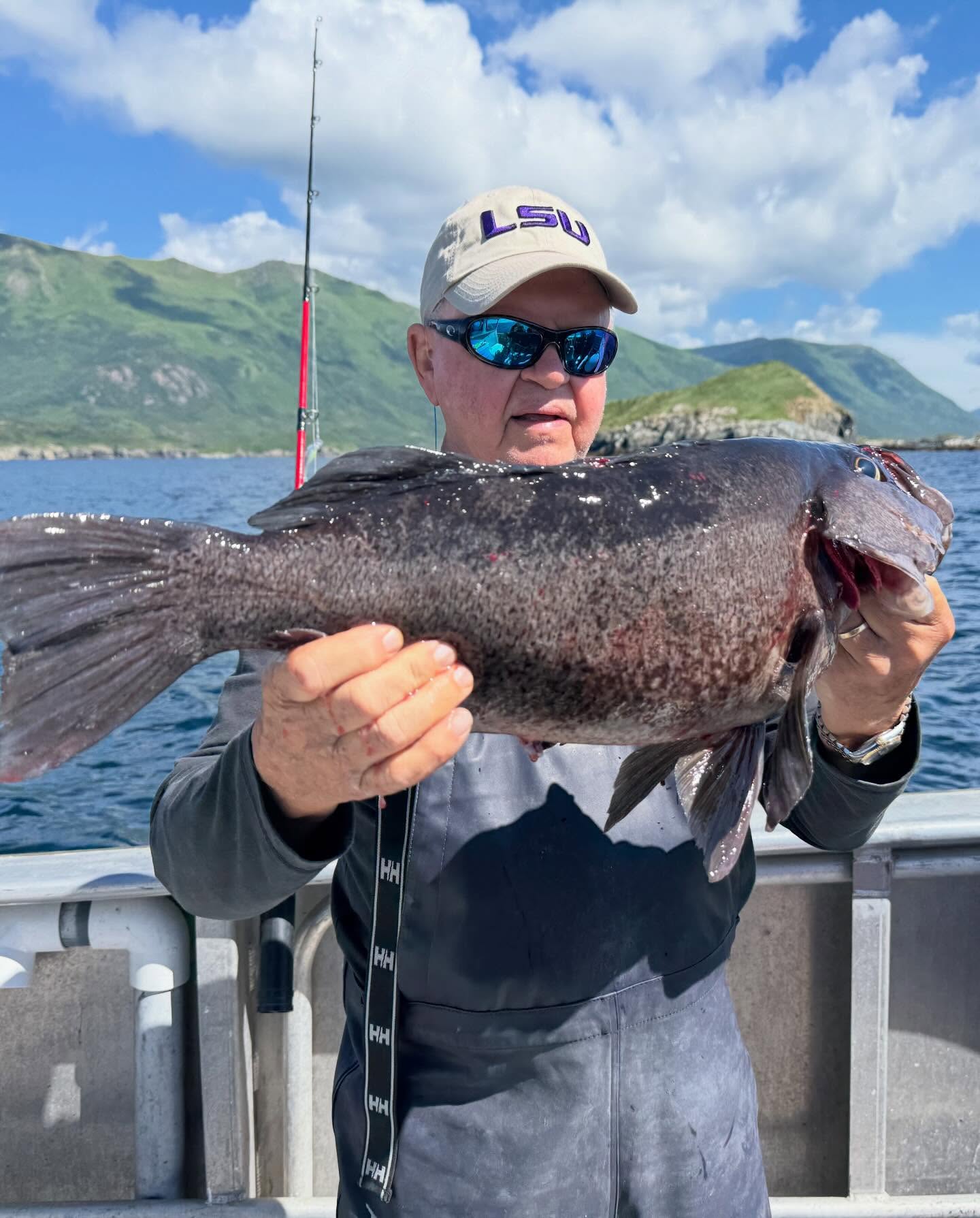
This isn't your average fishing charter—it's a real deal Alaska experience designed for anglers who know their way around a rod and reel. Based out of Kodiak, you'll be targeting trophy-class halibut, king salmon, and silvers in waters that most folks never get to fish. The remote location means fewer boats and more fish, exactly what serious anglers are looking for. After long days on the water, you'll head back to Driftwood Wilderness Lodge where the atmosphere is relaxed and the meals are hearty. This is fishing the way it should be: productive waters, comfortable accommodations, and enough space to really enjoy the experience without feeling crowded.
What to Expect on the Water
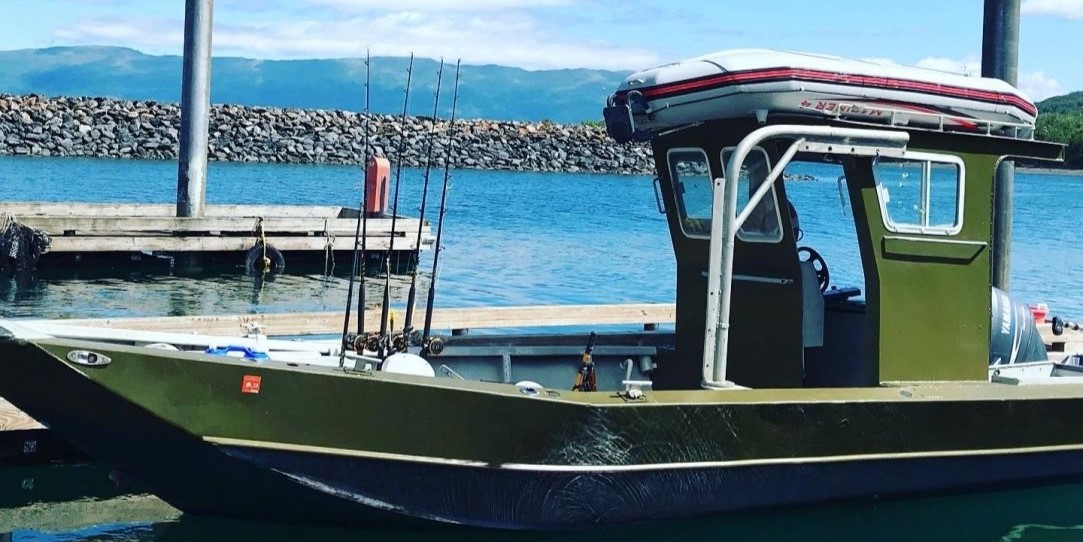
Your days start early with coffee and a quick weather check before heading out to some of Kodiak's most productive fishing grounds. The waters around this part of Alaska are known for holding serious fish—we're talking barn door halibut that'll test your drag system and king salmon that fight like they've got something to prove. The boat capacity is limited to just two anglers, which means you're not fighting for rail space or waiting your turn to work a hot bite. Your guide knows these waters inside and out, from the rocky structure that holds big halibut to the tidal rips where salmon stage before heading upriver. The fishing here changes with the tides and weather, so flexibility is key. Some days you'll be drifting over deep structure, other times working the shallows where silvers are feeding aggressively. Each trip is different, but the quality of fishing remains consistently high throughout the season.
Techniques and Tackle
The fishing style here is classic Alaska inshore—heavy tackle, strong currents, and fish that don't give up easy. For halibut, you'll be fishing with circle hooks and heavy sinkers, bouncing bait along the bottom where these flatfish hunt. The technique is straightforward but requires patience and good feel—you need to distinguish between current, bottom contact, and that subtle tap of a halibut picking up your bait. Salmon fishing involves more active techniques, from trolling herring and spoons to casting lures at feeding fish. The gear is built to handle Alaska-sized fish: sturdy rods with backbone, reels with smooth drags, and terminal tackle that won't fail when a big fish makes its run. Your guide will have backup gear available, but experienced anglers often prefer bringing their own setup. The key is having equipment that can handle both the 20-pound silvers that'll make screaming runs and the 100-plus-pound halibut that fight with pure power. Weather can change quickly out here, so layered clothing and rain gear are essential—you want to stay comfortable so you can focus on fishing when the bite is hot.
Target Species You'll Hook
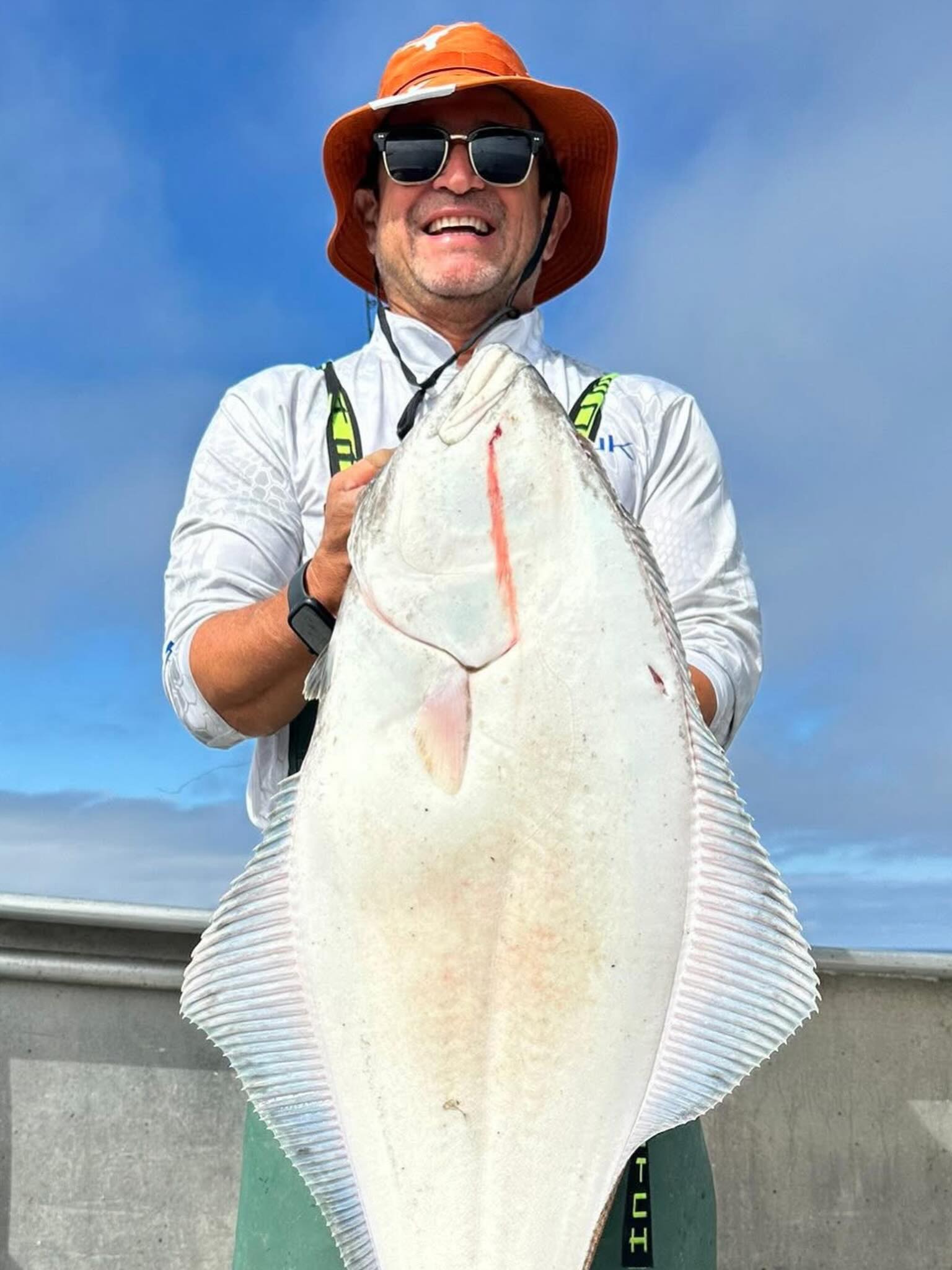
Pacific Halibut are the main attraction for many anglers, and Kodiak's waters consistently produce trophy-class fish. These flatfish can live over 50 years and reach massive sizes—200-pounders aren't uncommon in these waters. Halibut are ambush predators that lie on the bottom waiting for baitfish to swim overhead, then explode upward to engulf their prey. The best fishing happens during strong tidal movement when baitfish are pushed along the bottom structure. What makes halibut so exciting is their sheer power—even a 50-pound fish will surprise you with how hard it fights. The meat is outstanding too, with firm white fillets that are perfect for the grill.
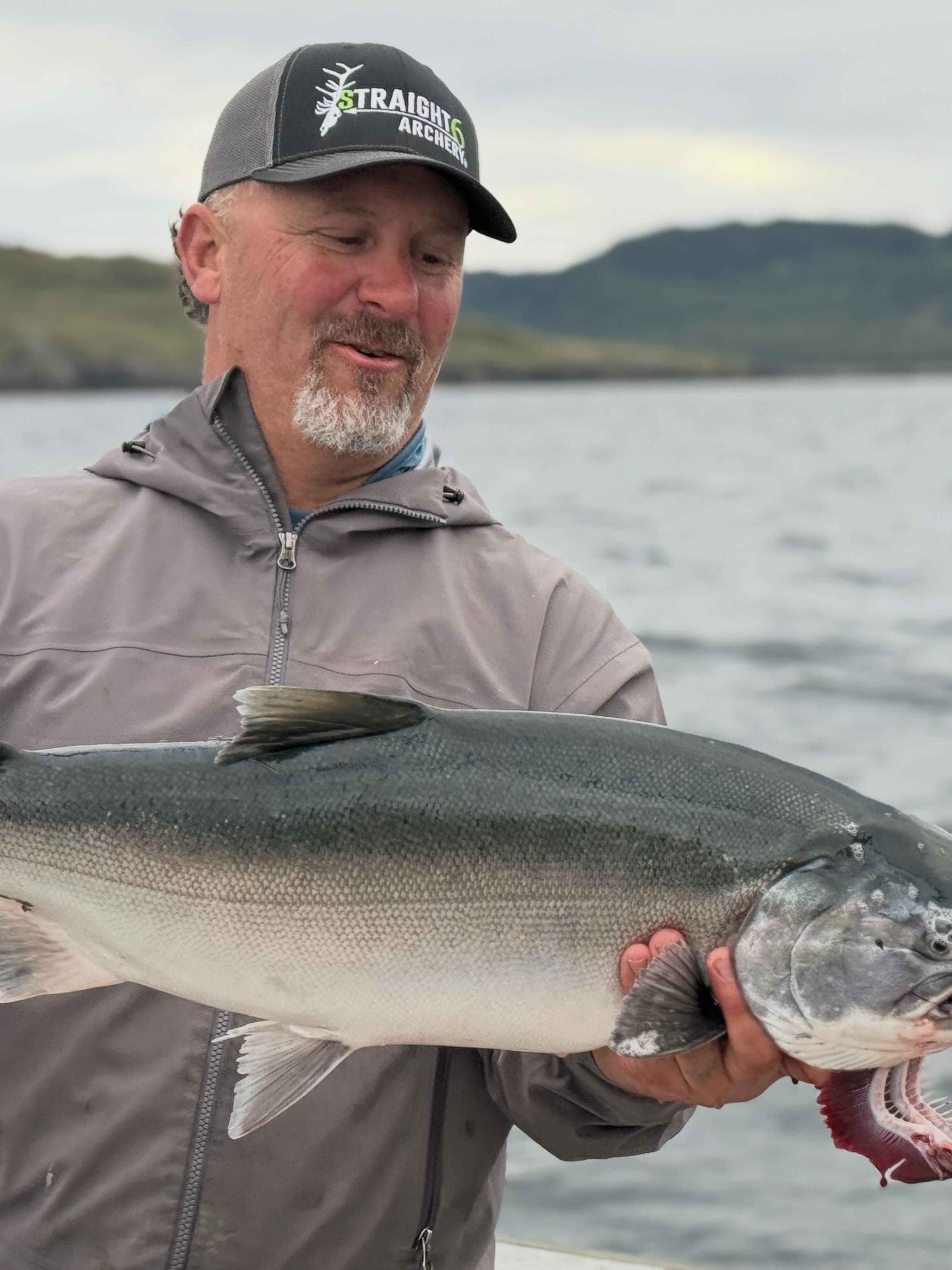
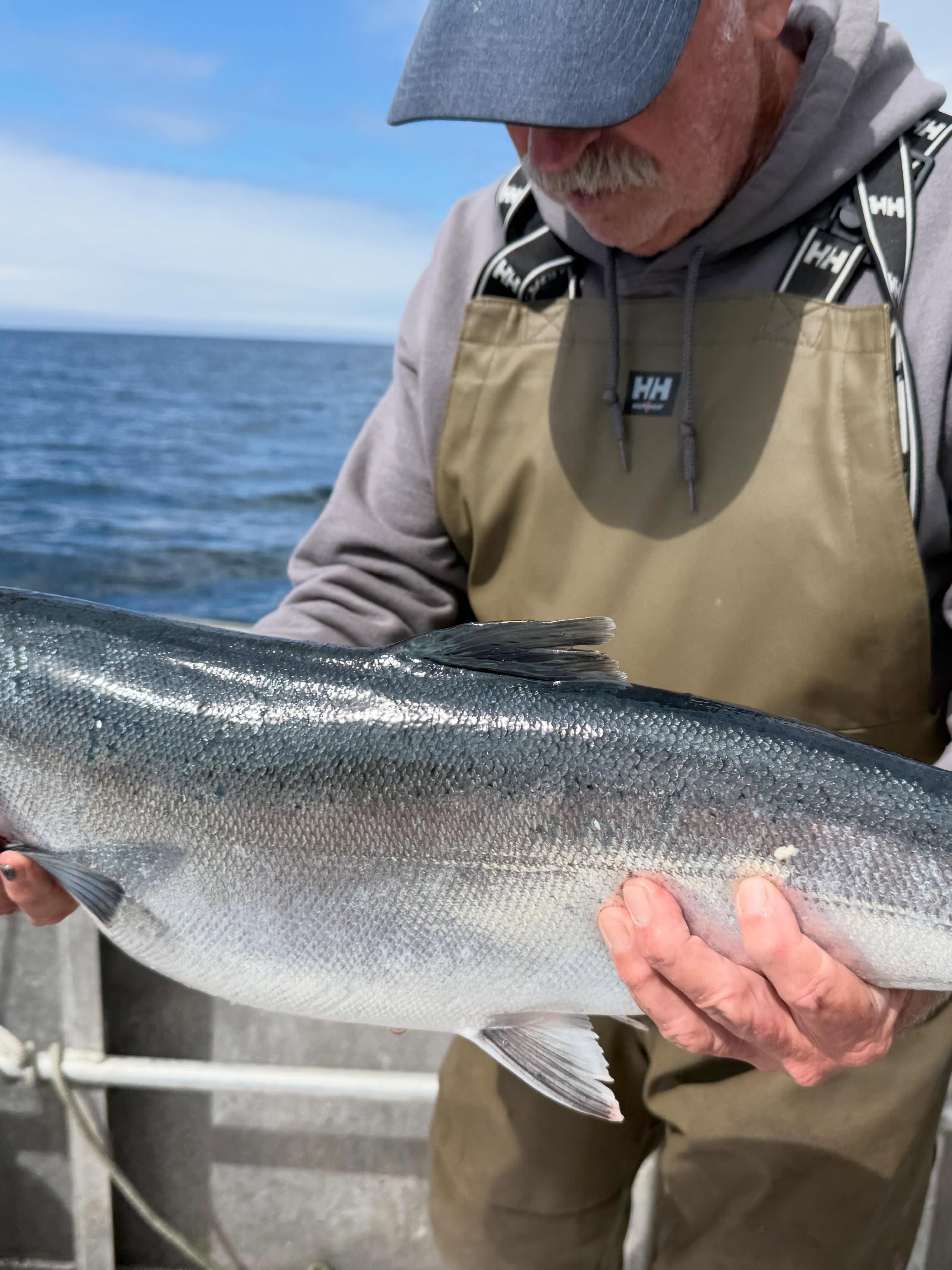
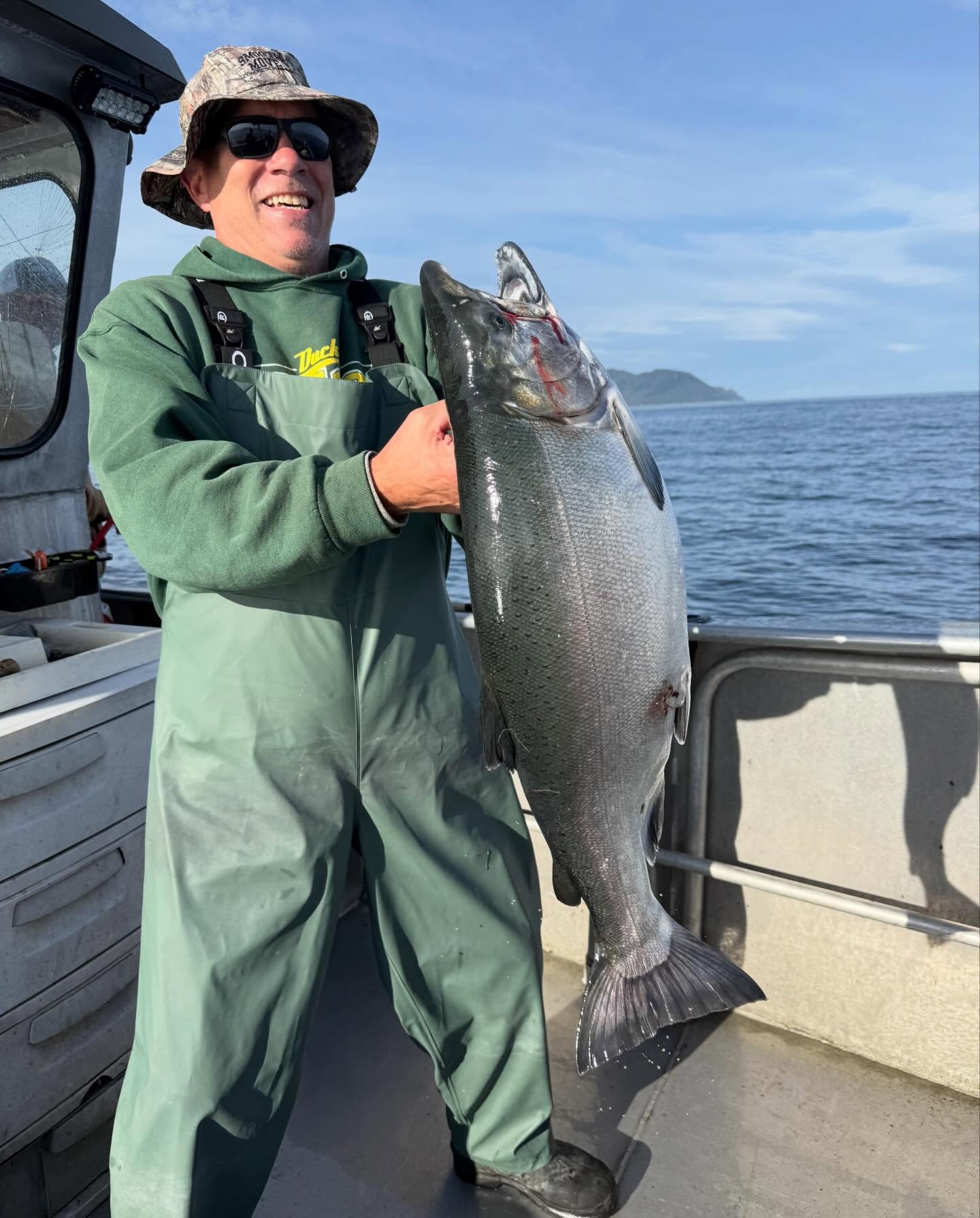
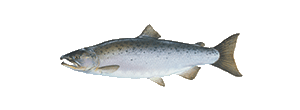
Chinook Salmon, or kings as locals call them, are Alaska's premier salmon species and Kodiak produces some real giants. These fish can exceed 30 pounds and are known for their powerful runs and dogged fighting style. Kings feed heavily in the salt water before spawning, gorging on herring, anchovies, and other baitfish. They're most active during early morning and evening hours when baitfish are moving. What sets king salmon apart is their intelligence—they're wary fish that require precise presentation and quality gear. The reward is worth it though: kings are considered the finest eating salmon, with rich, firm flesh that's perfect for smoking or grilling.
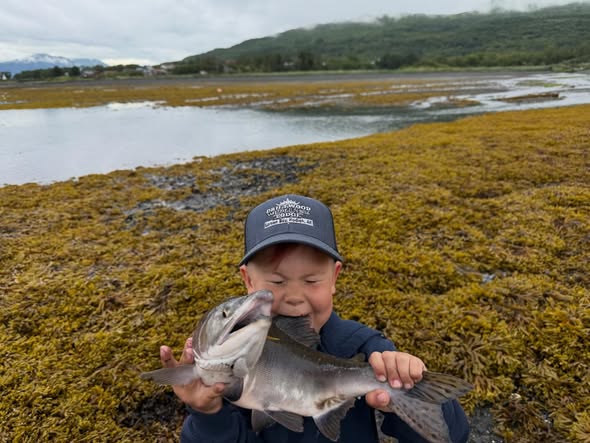
Coho Salmon bring a different kind of excitement to the table—these fish are pure adrenaline on a fishing line. Also called silvers, coho are known for their acrobatic fights, often jumping multiple times when hooked. They're aggressive feeders that will hit everything from spoons to flies, making them a favorite target for anglers who like active fishing. Coho typically run 8-12 pounds in these waters, but what they lack in size they make up for in attitude. They're excellent table fare too, with bright red meat that's perfect for the smoker. The best coho fishing happens when schools are feeding near the surface, creating visible action that gets every angler's heart racing.
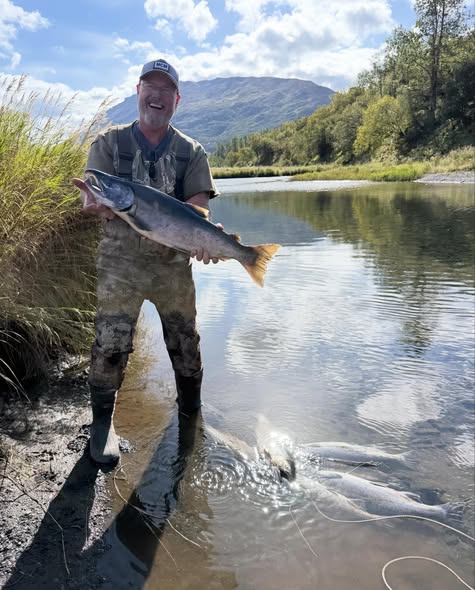
Pink Salmon might be the smallest Pacific salmon, but they make up for size with sheer numbers during peak runs. These fish are fun to catch on lighter tackle and provide consistent action when they're running. Pinks have a two-year life cycle, so odd and even years can produce dramatically different runs. They're excellent for anglers who want to stay busy, as schools can provide hook-up after hook-up during hot bites. While not as prized for the table as other salmon species, fresh pinks are still good eating and perfect for smoking or canning.
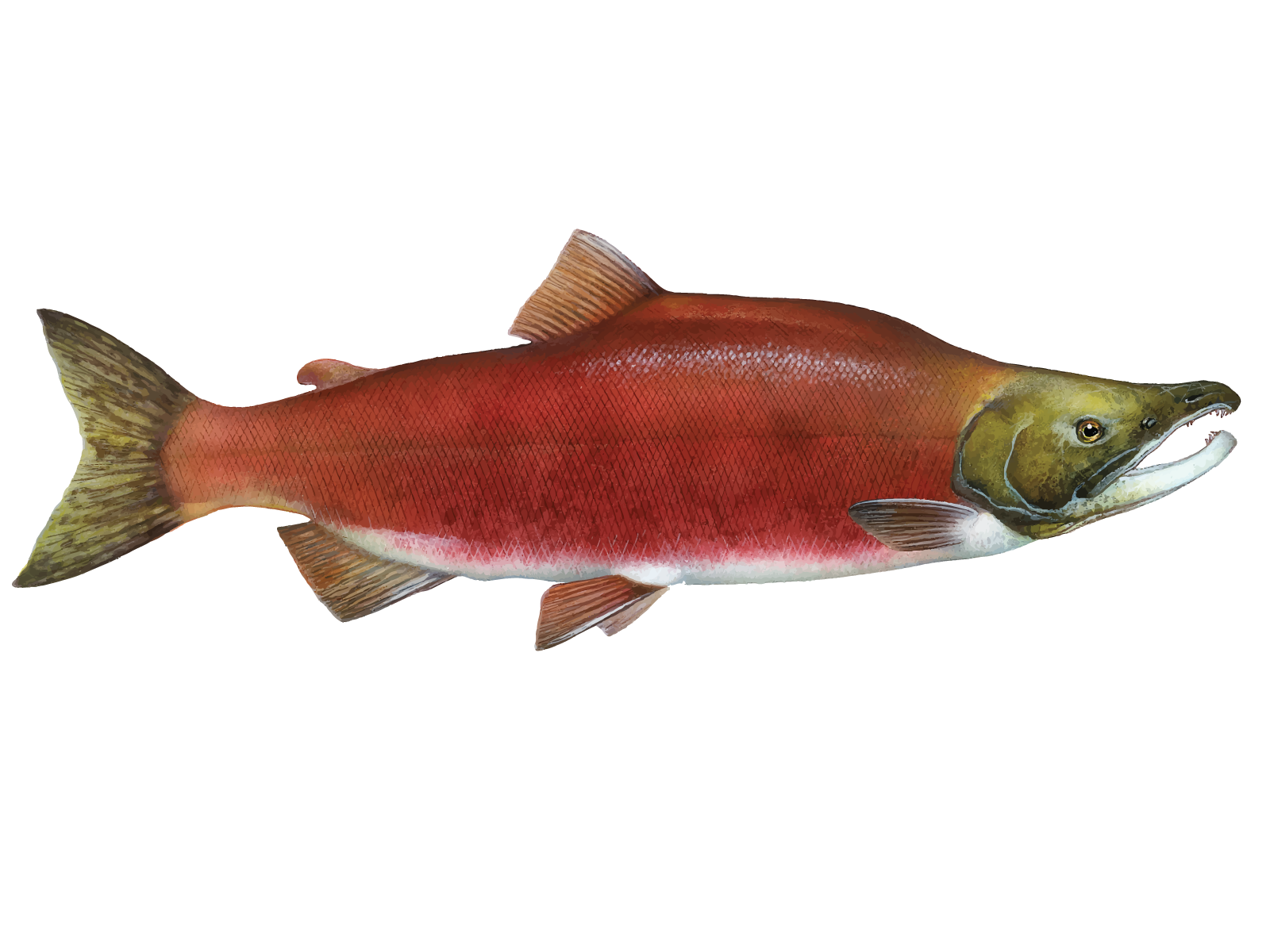
Sockeye Salmon are considered by many to be the finest eating salmon, with deep red meat and rich flavor that's unmatched. These fish are challenging to catch because they feed primarily on plankton rather than baitfish, making them less likely to hit traditional lures. When they do take a bait or lure, sockeye fight with surprising strength for their size. They're typically 6-8 pounds but are incredibly strong and make blistering runs. The key to sockeye fishing is being in the right place at the right time—when a school moves through, the action can be fast
 Private Trip
 Inshore Fishing
 Kodiak


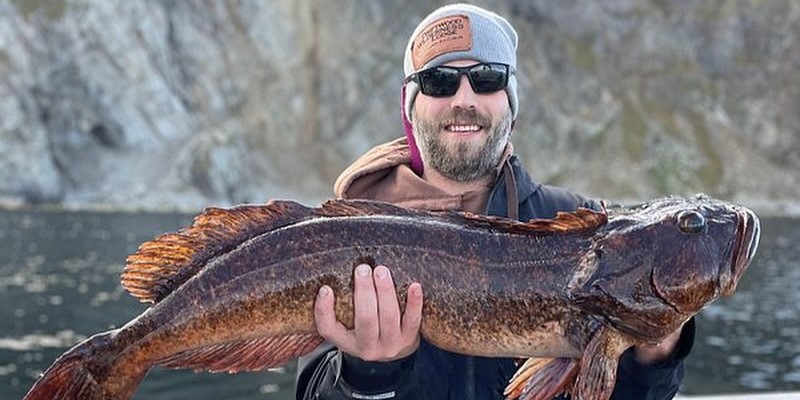
 Target halibut, king salmon, and silver salmon in remote Kodiak waters