North Carolina Duck Hunting Adventure
Picture this: you're settled in a perfectly concealed blind as dawn breaks over North Carolina's prime waterfowl habitat, the air crisp with anticipation. Our top-rated duck hunting experience puts you right in the heart of the action from November 4th through January 31st, when the Atlantic Flyway is at its busiest. This isn't some cookie-cutter hunt – we're talking about genuine North Carolina waterways where ducks have been staging for generations. You'll get a maximum group size of just 2 hunters, which means no crowded blinds and plenty of opportunities for everyone to get their shots. Fair warning though – we take a conservation break from November 25th to December 18th, so plan accordingly if you want to be part of this world-class hunting experience.
Inside the Hunt
When you roll up before sunrise, you'll immediately understand why seasoned waterfowlers keep coming back to North Carolina's legendary duck grounds. We're hunting some of the most productive wetlands along the Eastern seaboard, where mallards, gadwall, and other puddle ducks work the shallows while divers like redheads cruise the deeper water. The setup varies depending on conditions – some days we're in permanent blinds overlooking flooded timber, other times we're layout hunting in the open water where the big rafts of birds want to be. Weather plays a huge role here, and that's exactly what makes it exciting. A good cold front pushes fresh birds down from up north, while calm days let you really work your calling skills. You'll be hunting until the end of January, which gives you shots at both the early migrants and those stubborn late-season birds that have seen every decoy spread in three states.
Tracking Tips & Terrain
North Carolina's diverse wetland terrain means we adapt our tactics to match what the birds are doing. In the flooded cypress swamps, we're talking timber hunting where stealth and patience win the day – ducks drop in through the canopy like they own the place, and you better be ready when they commit. Out on the open marshes, it's all about reading the wind and positioning your spread to pull birds off their flight lines. We run a mix of decoy setups depending on what's flying – sometimes it's a simple puddle duck spread with a spinning wing decoy to grab attention, other days we're throwing out diver rigs in deeper water where redheads and ring-necks like to work. The key gear here includes chest waders since you'll be moving through varying water depths, and layered clothing because November through January temperatures can swing from mild mornings to bone-chilling afternoons. Your shotgun should be something reliable in 12 or 20 gauge – we're not hunting geese here, so you don't need a cannon, just something that patterns well with steel shot.
Target Game Breakdown
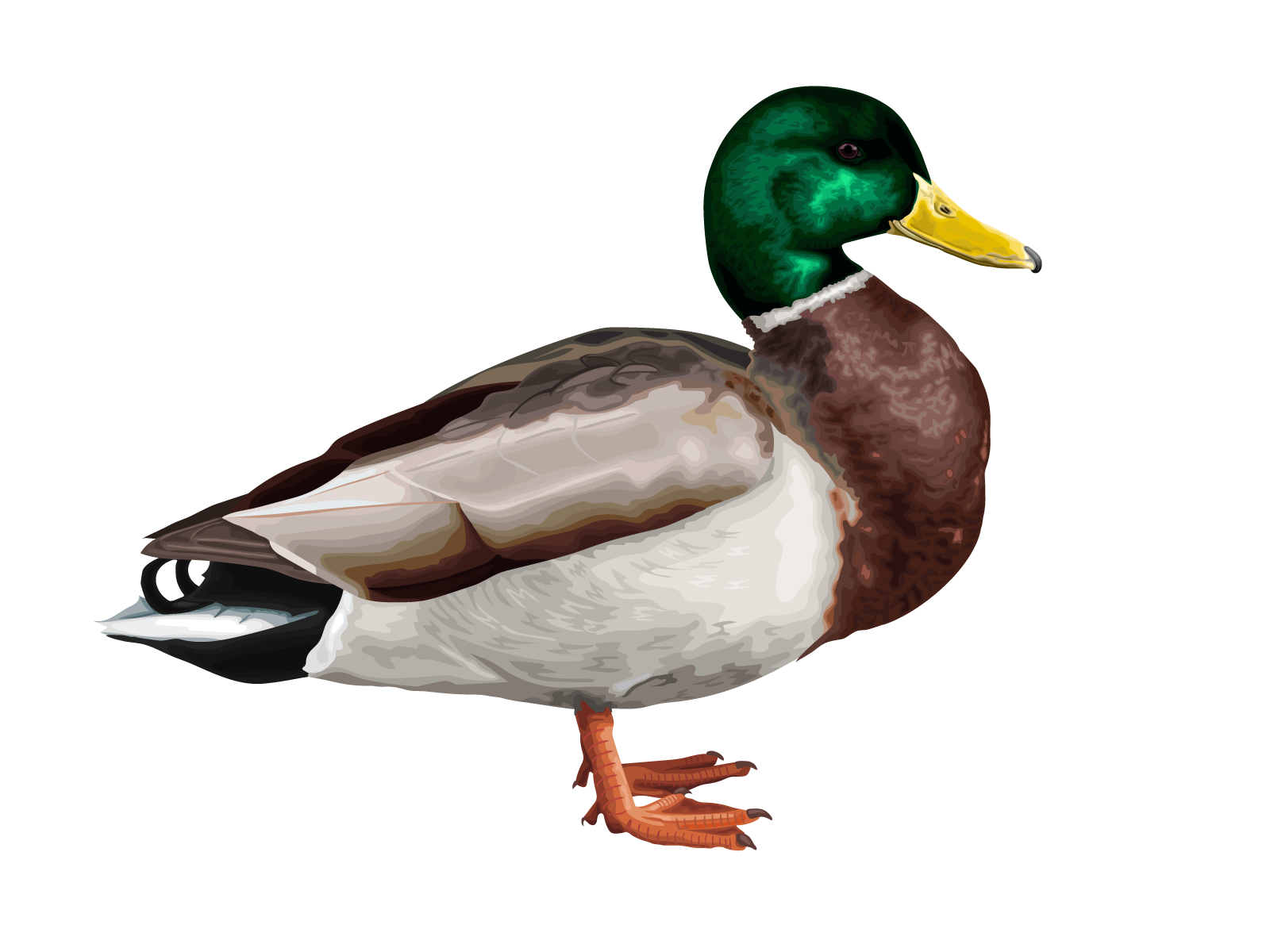
Mallards are the bread and butter of North Carolina duck hunting, and for good reason. These greenheads show up in serious numbers throughout our season, especially after those November cold fronts start pushing birds south. A mature drake mallard is about as pretty as waterfowl get, with that iconic green head and white collar that every hunter recognizes. They're suckers for a good feeding call, and when they commit to your spread, they come in with wings locked and feet down – pure magic. Peak mallard hunting here runs from mid-November through December, though we get stragglers well into January that can provide some fantastic late-season action.
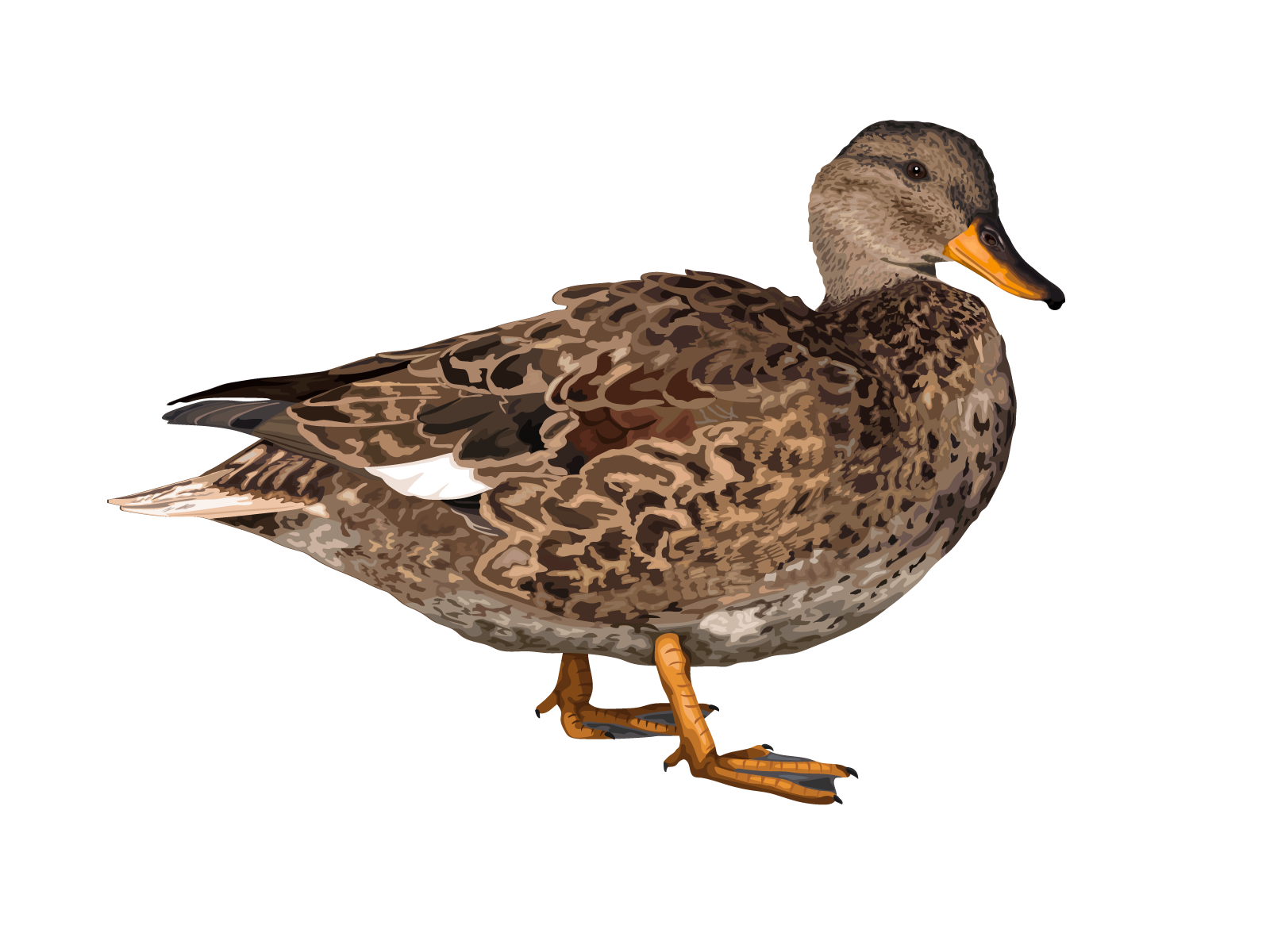
Gadwall might not get the press that mallards do, but these gray ducks are absolutely phenomenal table fare and incredibly fun to hunt. They're sneaky smart birds that often cruise in mixed flocks, and they have this habit of appearing out of nowhere when you're focused on other species. Gadwall love our shallow marsh areas where they can tip up and feed on aquatic vegetation. They respond well to soft mallard calls and decoy spreads, but don't expect them to barrel in like greenheads – these birds take their time and really look over your setup before committing.
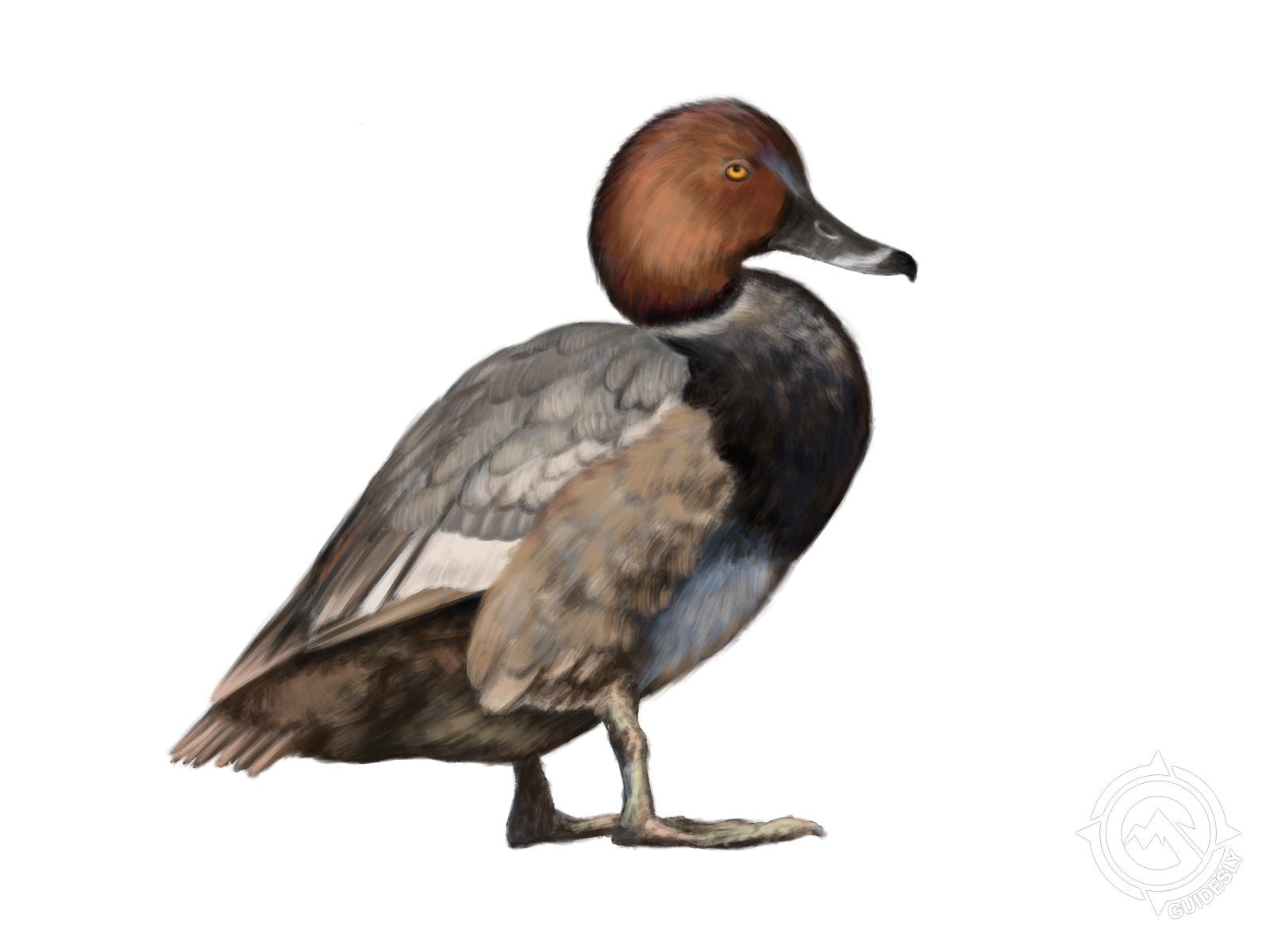
Redheads bring a completely different element to North Carolina duck hunting. These diving ducks prefer deeper water and often raft up in huge numbers offshore before working into smaller groups for feeding. When redheads decide to work your decoys, they come in fast and low over the water, providing some of the most challenging and rewarding shots you'll get. They're at their best during our late November and December periods, and there's nothing quite like watching a flock of redheads lock up and drop into your diver spread.
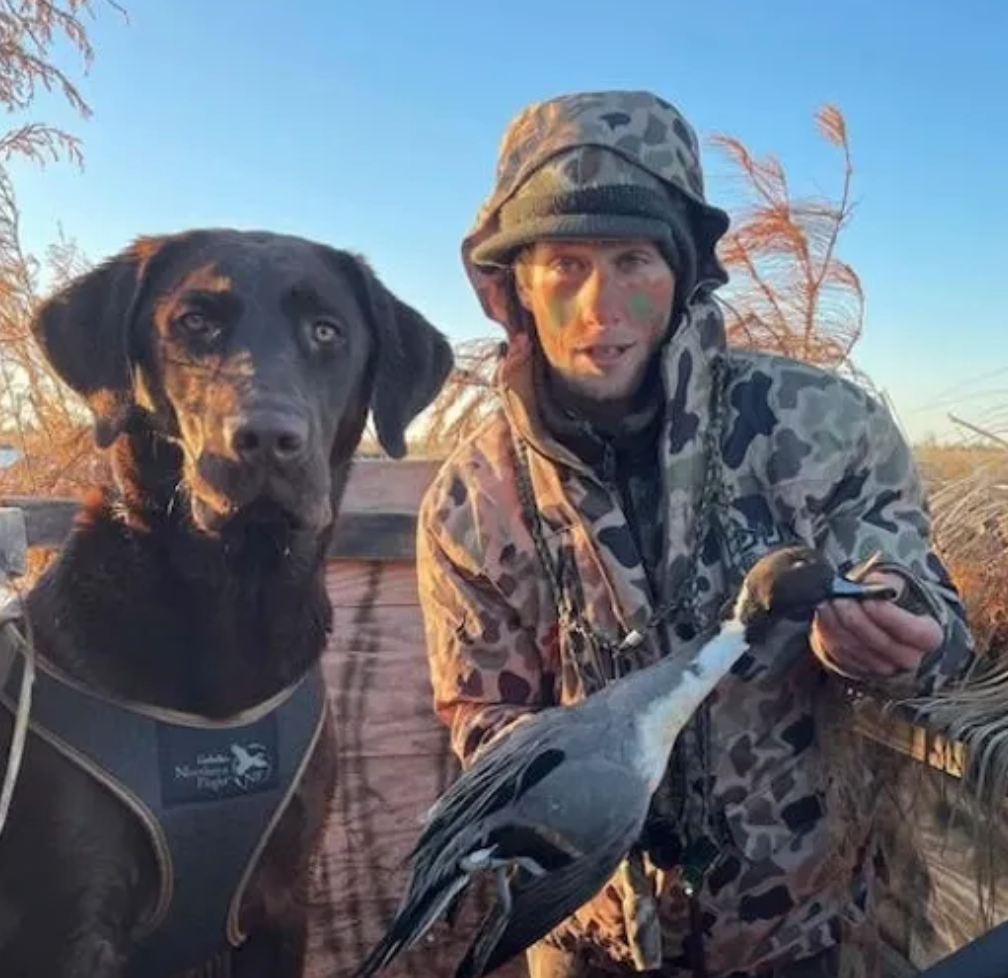
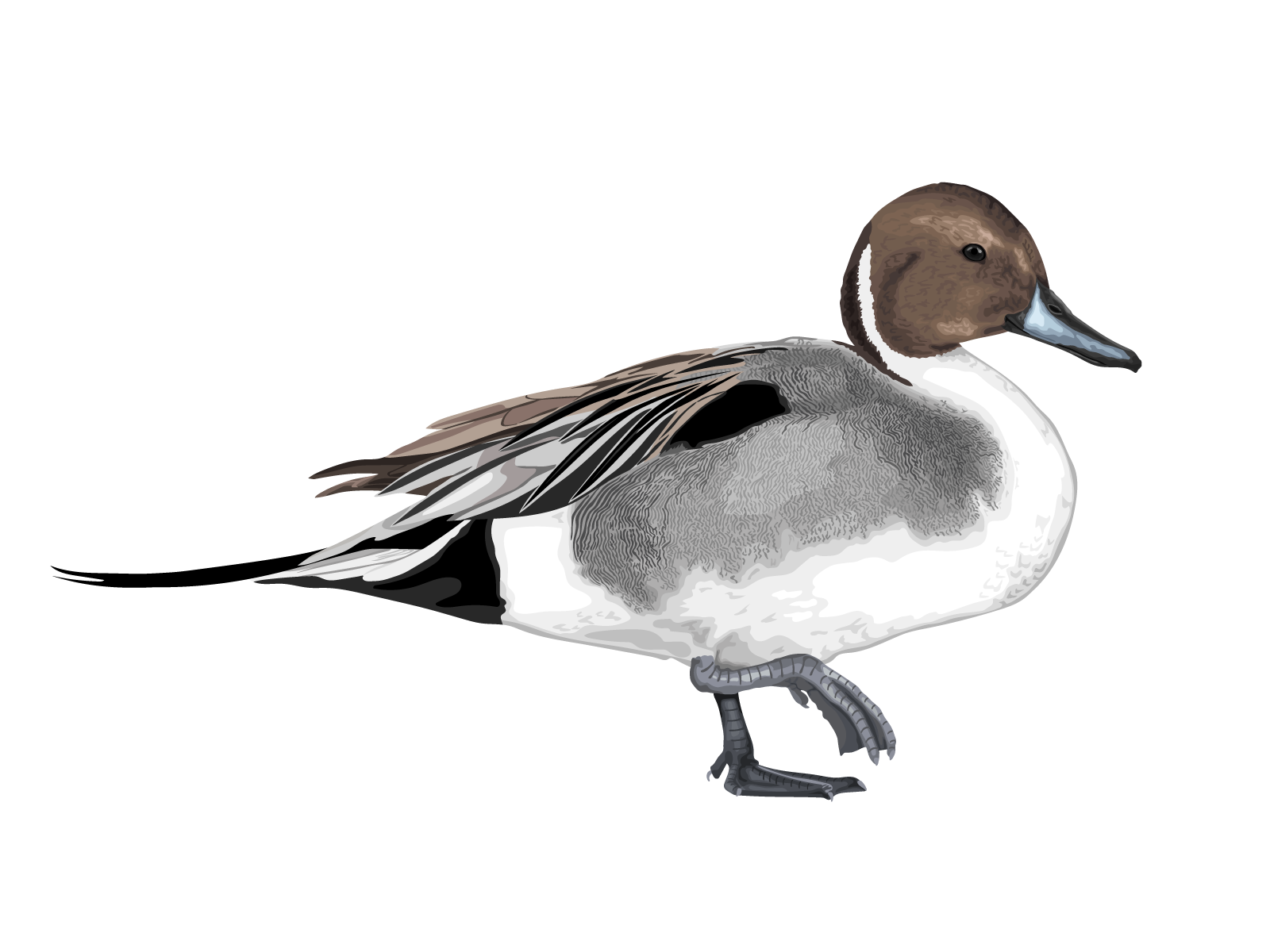
Northern pintail are the aristocrats of the duck world – elegant, wary, and absolutely beautiful birds. These long-necked ducks are usually early migrants, so your best shots at pintails come during the first part of our season in November. They're notorious for flaring at the slightest movement, which makes them a real test of your blind discipline and shooting skills. When you do connect on a mature bull pintail, you've got yourself a trophy that any waterfowler would be proud of.
Black ducks round out our target species list, and they're special for a lot of reasons. These birds are the ultimate wariness test – they've seen it all and survived it all. Black ducks are most active during low-light conditions, which makes those early morning and late afternoon hunts particularly productive. They're virtually identical to hen mallards in size and behavior, but experienced hunters can spot the subtle differences in flight pattern and coloration. Landing a black duck is like earning your waterfowling stripes, and they're becoming increasingly special as their numbers face pressure throughout their range.
Book Your Next Tag
This renowned North Carolina duck hunting experience delivers everything serious waterfowlers are looking for – diverse species, prime habitat, and the kind of intimate hunting that only happens with small groups. From November 4th through January 31st, you've got access to some of the best duck hunting the Atlantic Flyway has to offer, with that conservation break built in to keep things sustainable for years
 Private Trip
 Bird hunting
 Outer Banks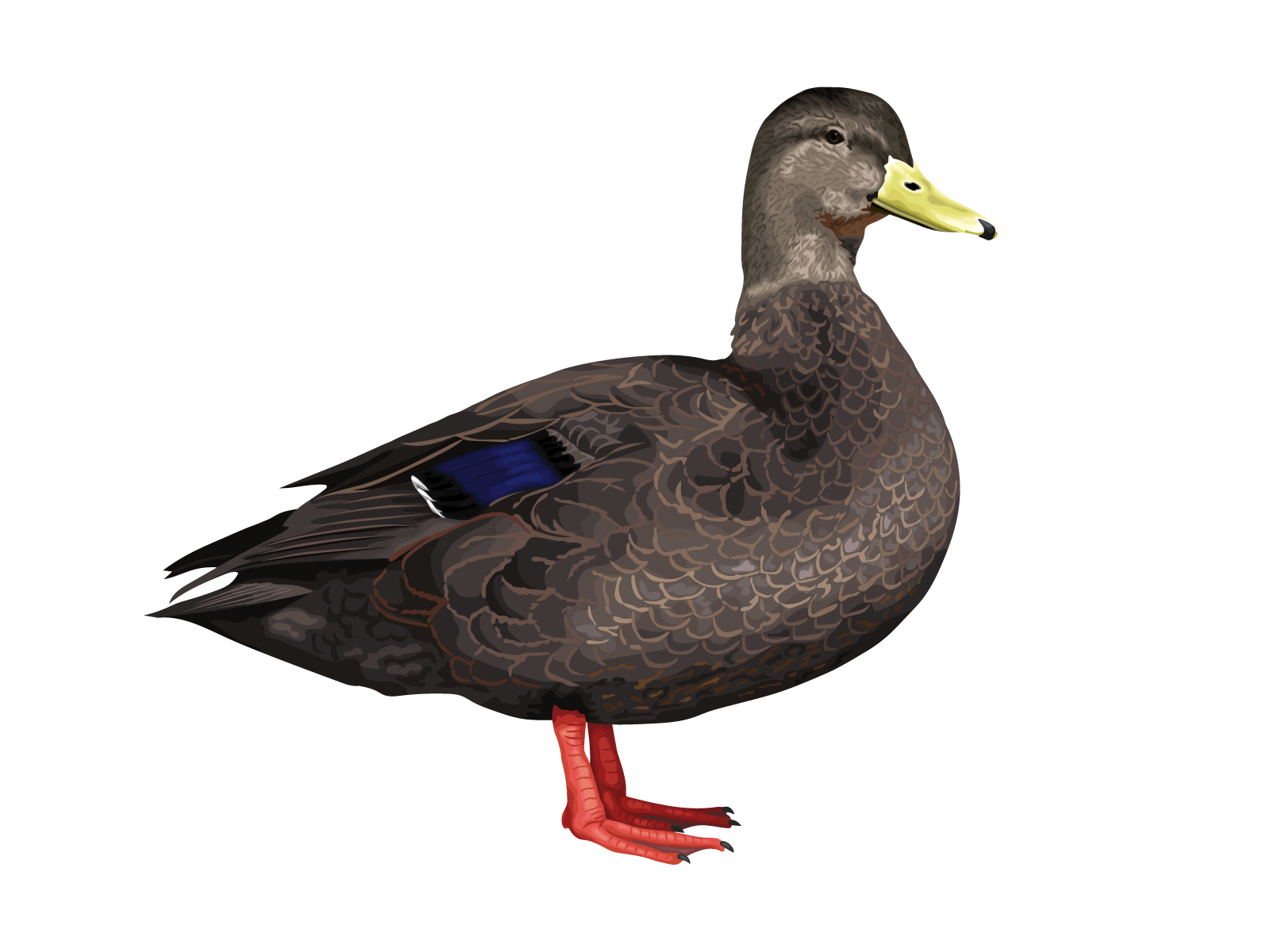
 Duck hunting adventure in North Carolina's premier waterfowl areas