San Clemente Island Fishing Charter
Captain Pablo knows San Clemente Island like the back of his hand, and after years of fishing these waters, he's ready to show you why this offshore destination consistently produces some of Southern California's best catches. This 12-hour charter takes you 60 miles offshore to one of the most productive fishing grounds on the West Coast, where yellowtail, white seabass, and a host of other species call home. You'll spend the day working waters that most weekend warriors never reach, and trust me – that makes all the difference when it comes to filling your fish box.
What to Expect on the Water
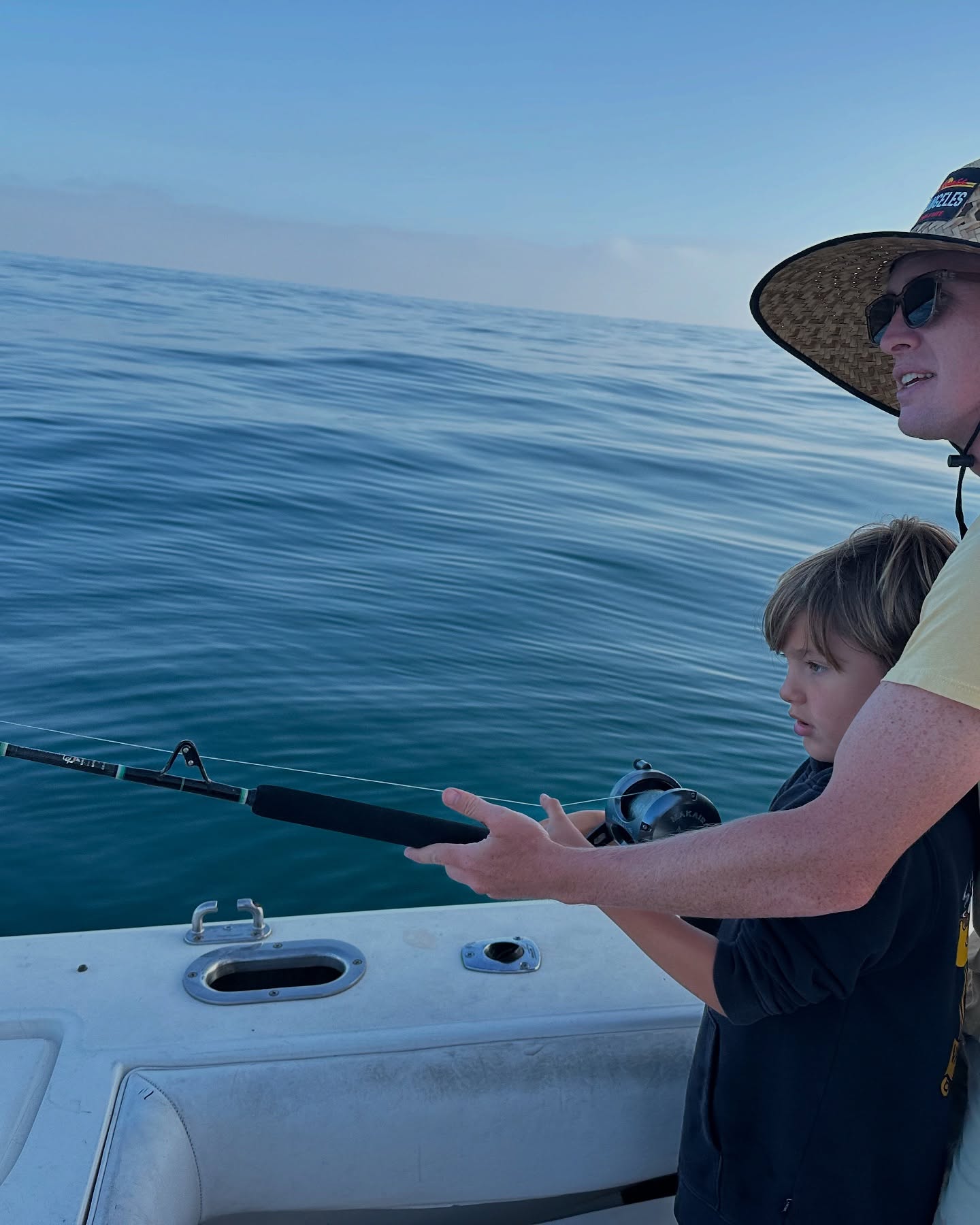
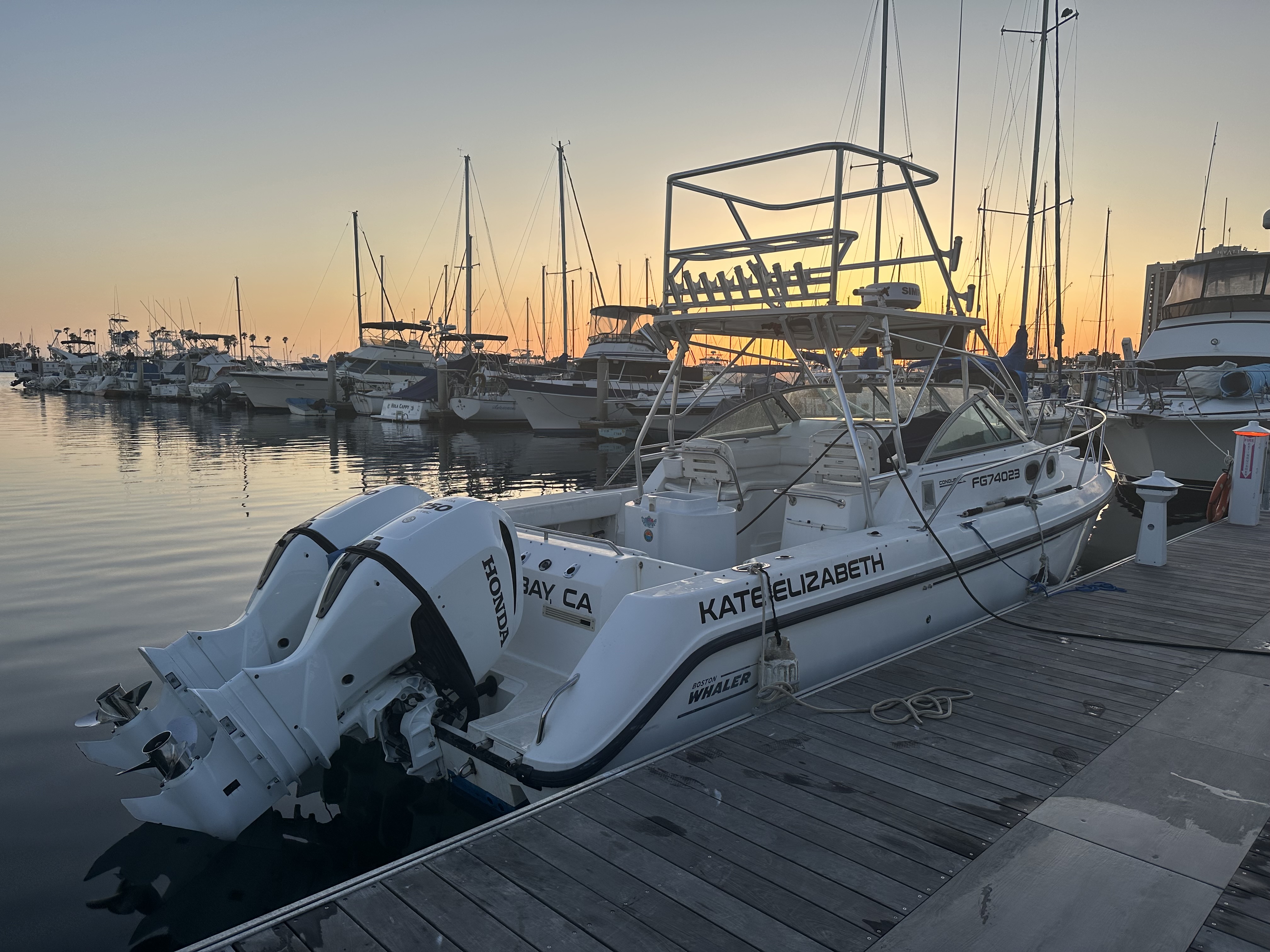
Let's be straight about this trip – it's a commitment. You're looking at 4-5 hours each way depending on sea conditions, which means early mornings and long days on the water. But here's the thing: San Clemente Island sits in deep blue water that stays clean year-round, and the underwater structure around the island creates the perfect setup for big fish. Captain Pablo runs a tight ship with all the gear you need – rods, reels, tackle, bait, ice, and plenty of snacks and water to keep you going. The boat handles up to 4 anglers comfortably, so you're not fighting for rail space like you would on a cattle boat. Pablo can squeeze in extra passengers if you've got a bigger group, but you'll want to clear that with him first. Custom trips are his specialty, so if you've got specific targets in mind or want to focus on certain techniques, just speak up.
Techniques & Tackle
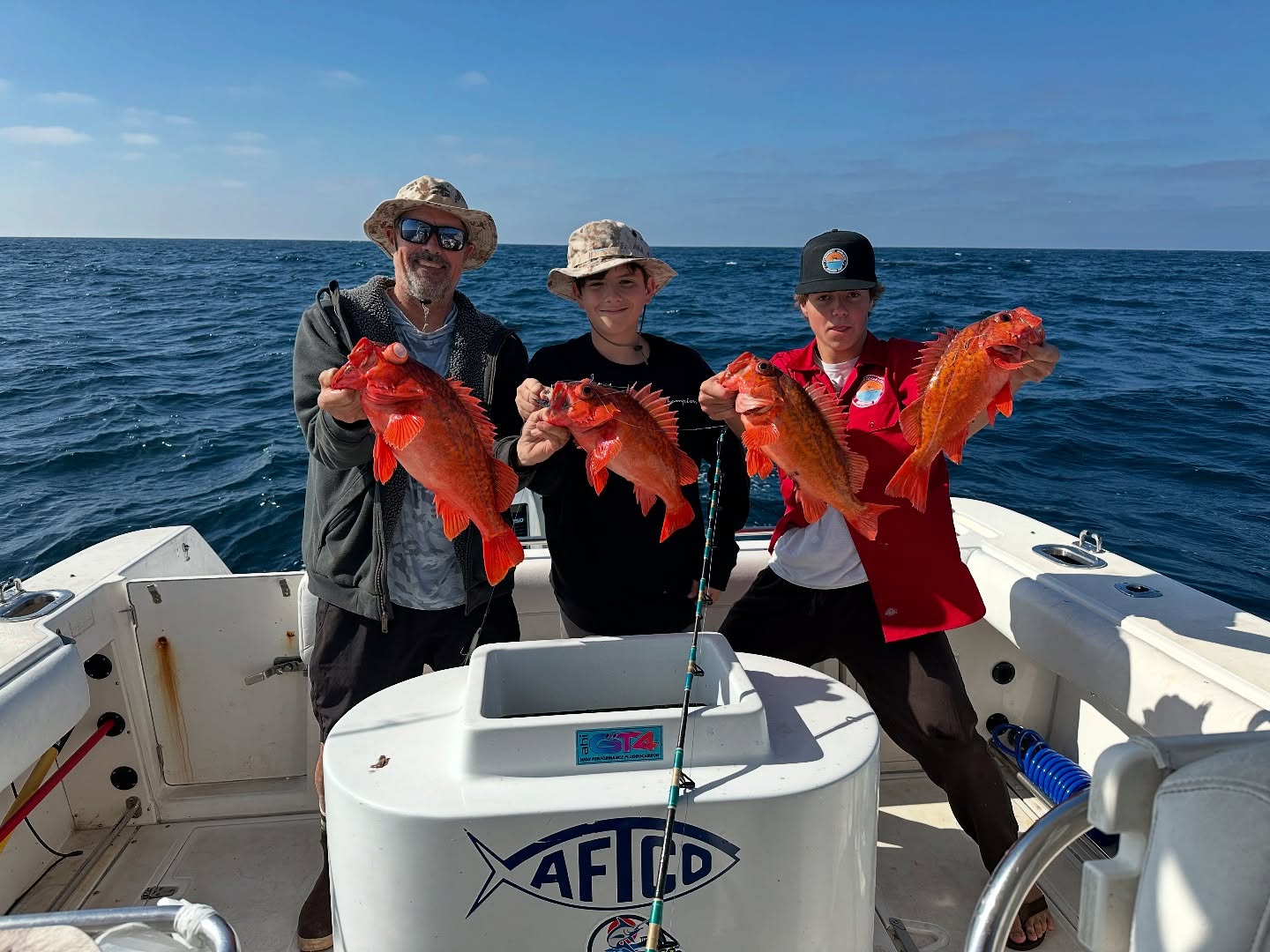
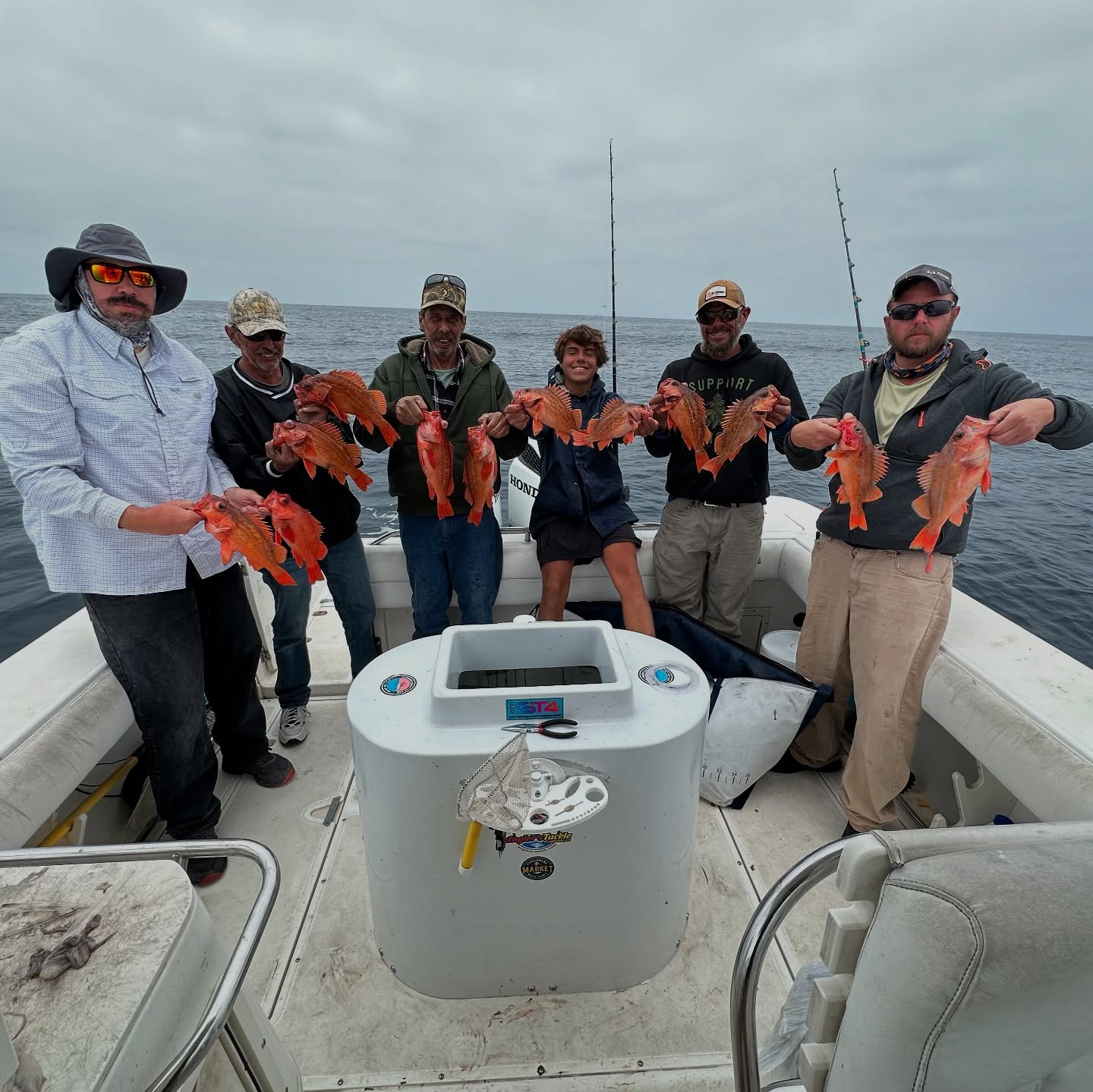
San Clemente's fishing is all about reading the water and adapting to what the fish are doing. Captain Pablo switches between live bait fishing, iron jigs, and surface lures depending on conditions and what's showing up on the sonar. The island's kelp forests hold calico bass and sheepshead, while the deeper drop-offs and pinnacles are where you'll find white seabass and rockfish staging up. Yellowtail patrol the edges where deep water meets structure, and they're suckers for a well-presented sardine or mackerel. Pablo keeps a variety of live bait on board and knows exactly where to find the schools when they're moving through. The gear is all top-shelf stuff – no need to worry about bringing your own rods unless you've got a lucky setup you can't fish without. Circle hooks are the standard here for most species, and Pablo will walk you through the techniques that work best in these waters.
Top Catches This Season
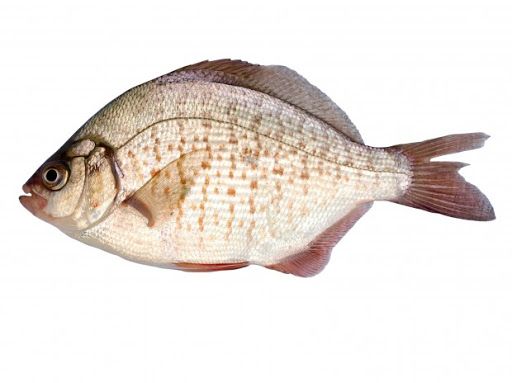
Calico Surfperch around San Clemente might not be the biggest fish you'll hook, but they're scrappy little fighters that love to hit small baits around the kelp edges. These guys are year-round residents, and they're perfect for warming up your arms before the bigger fish show up. Most run 1-2 pounds, but they fight harder than their size suggests and make excellent table fare when prepared right.
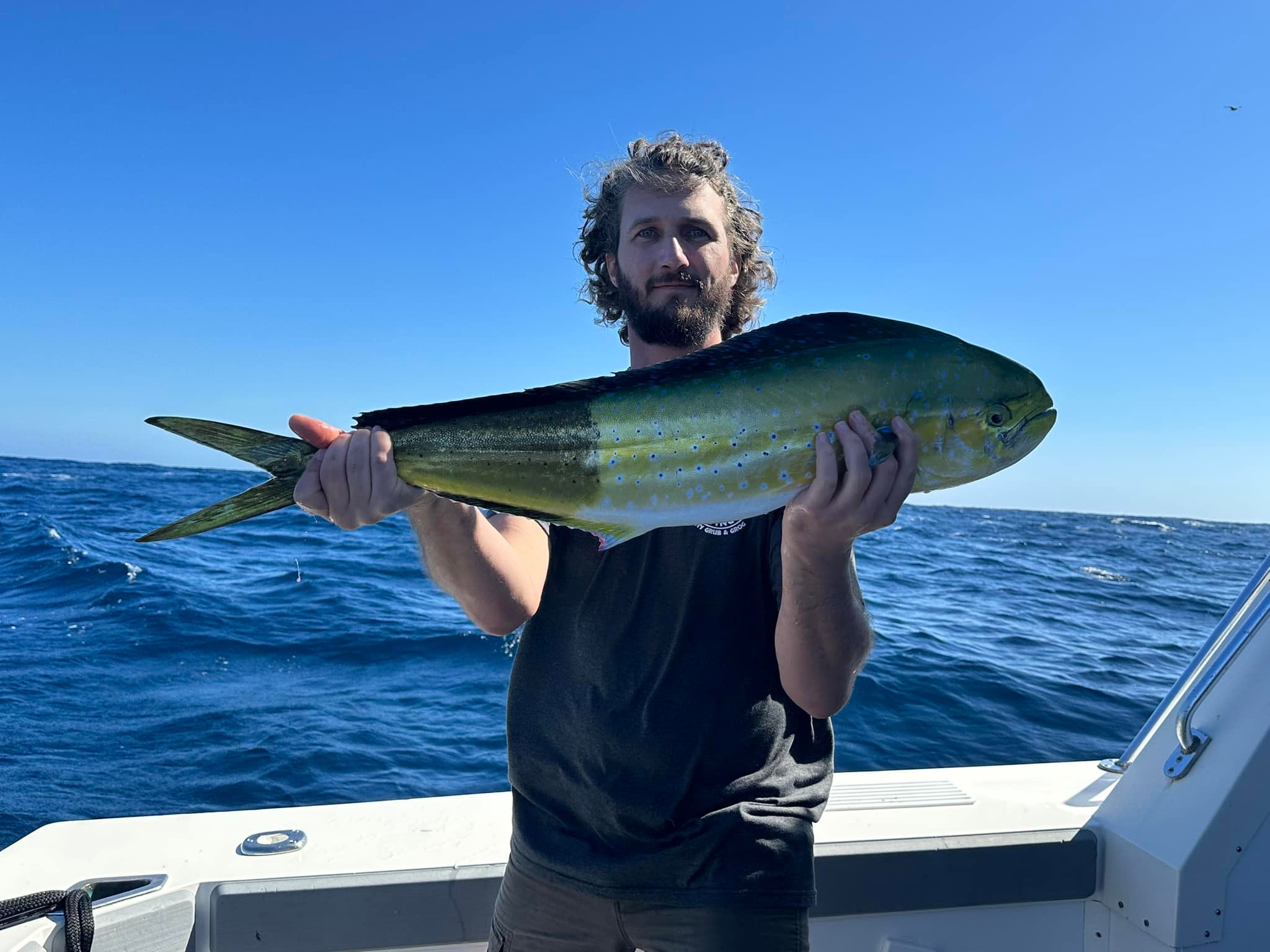
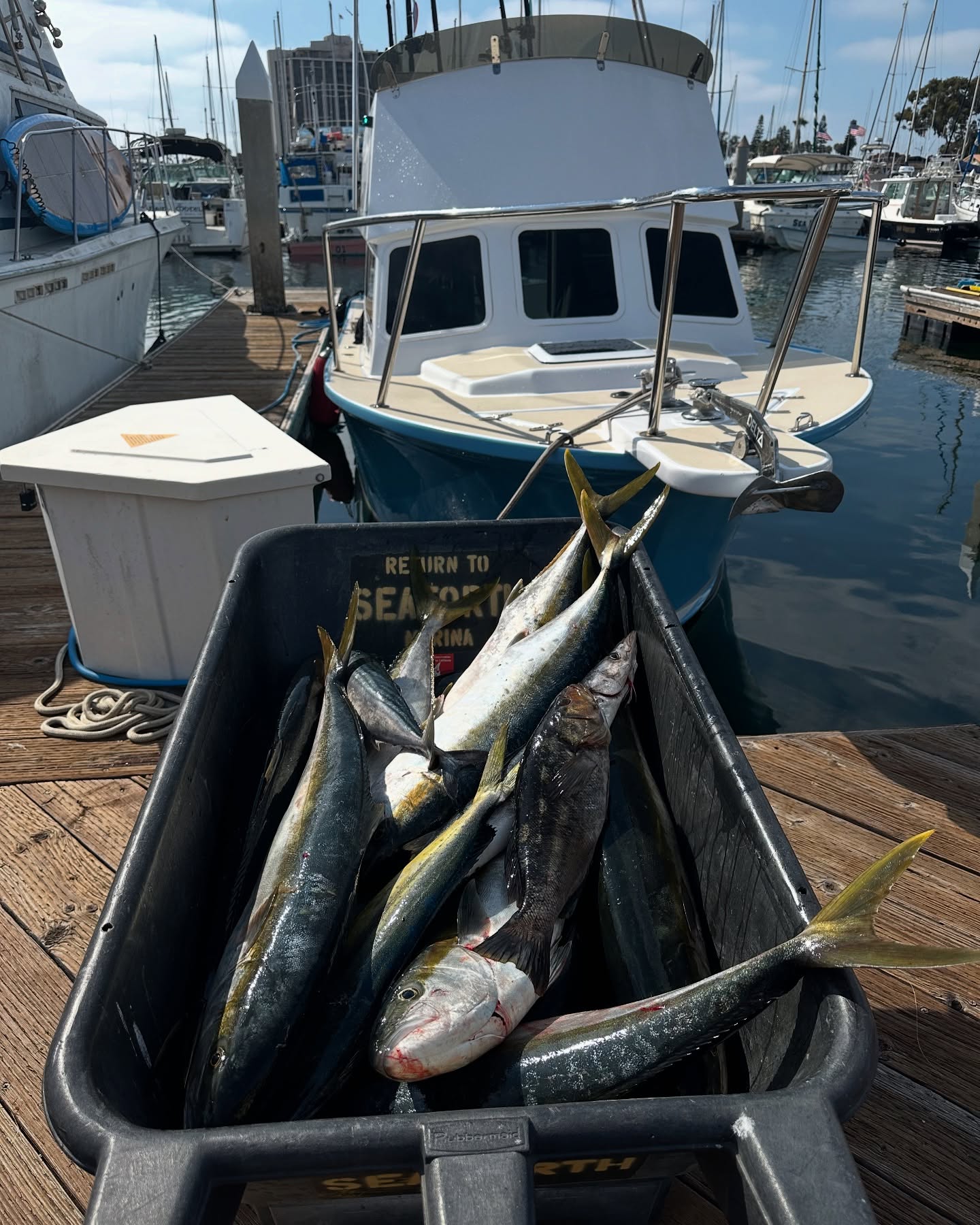
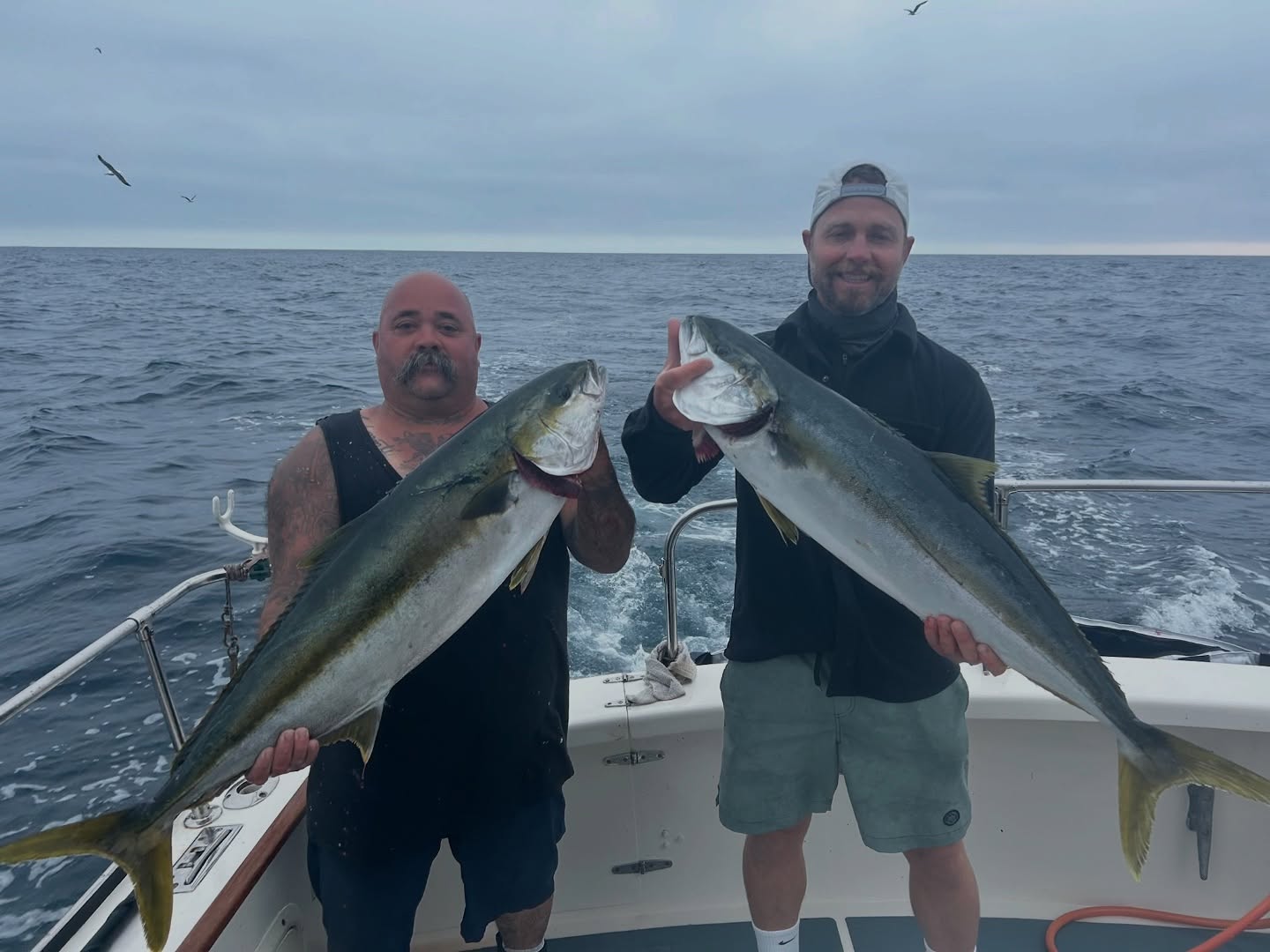
Yellowtail Amberjack are the bread and butter of this fishery, and for good reason. These fish are pure muscle wrapped in silver, and when they take off on that first run, you'll know exactly why anglers travel from all over California to target them. Spring through fall is prime time, with fish ranging from 15-30 pounds being pretty standard. The bigger models – we're talking 40-pounders – show up when conditions align just right. They're ambush predators that cruise the thermoclines and current edges, always looking for an easy meal.
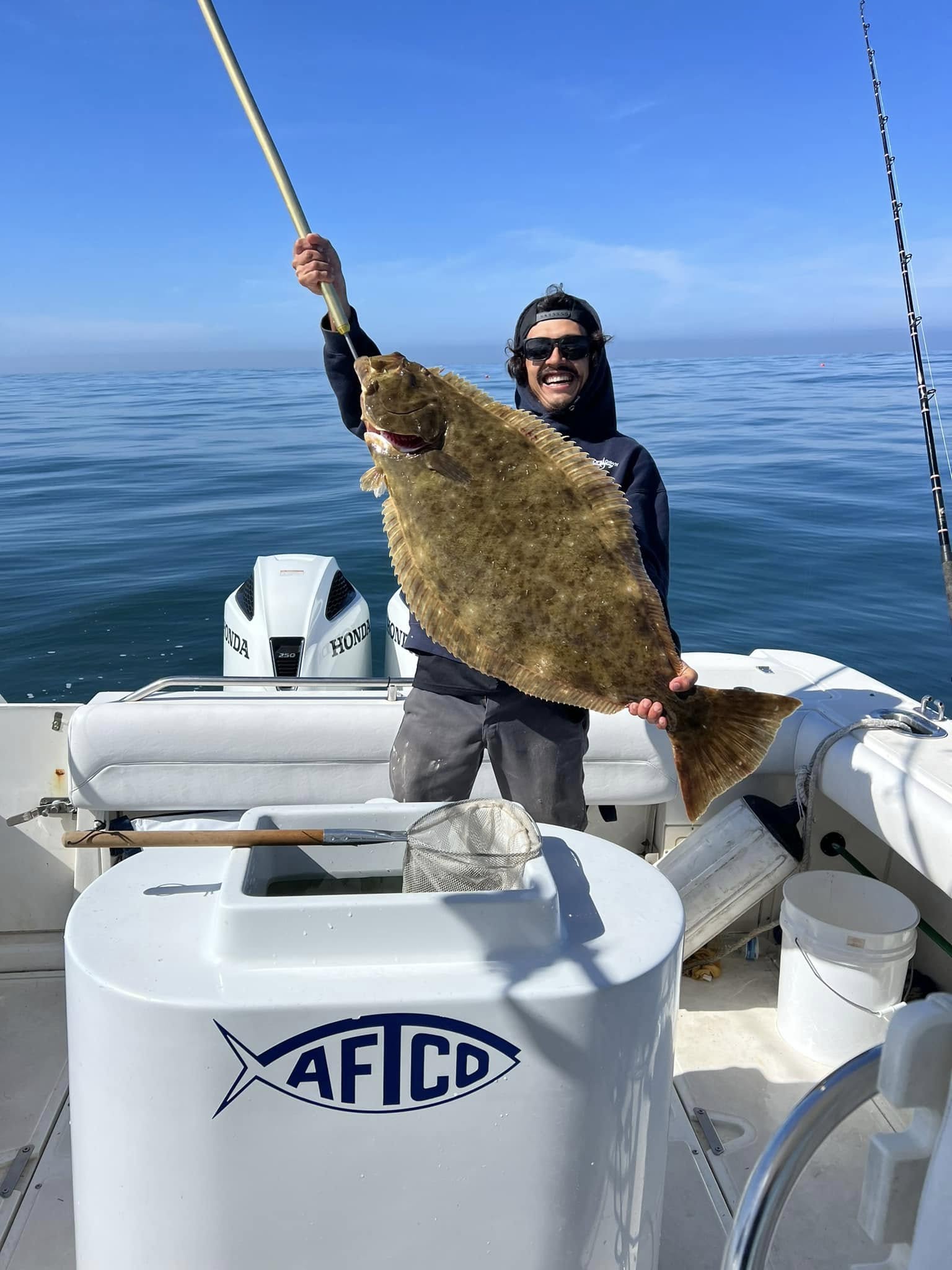
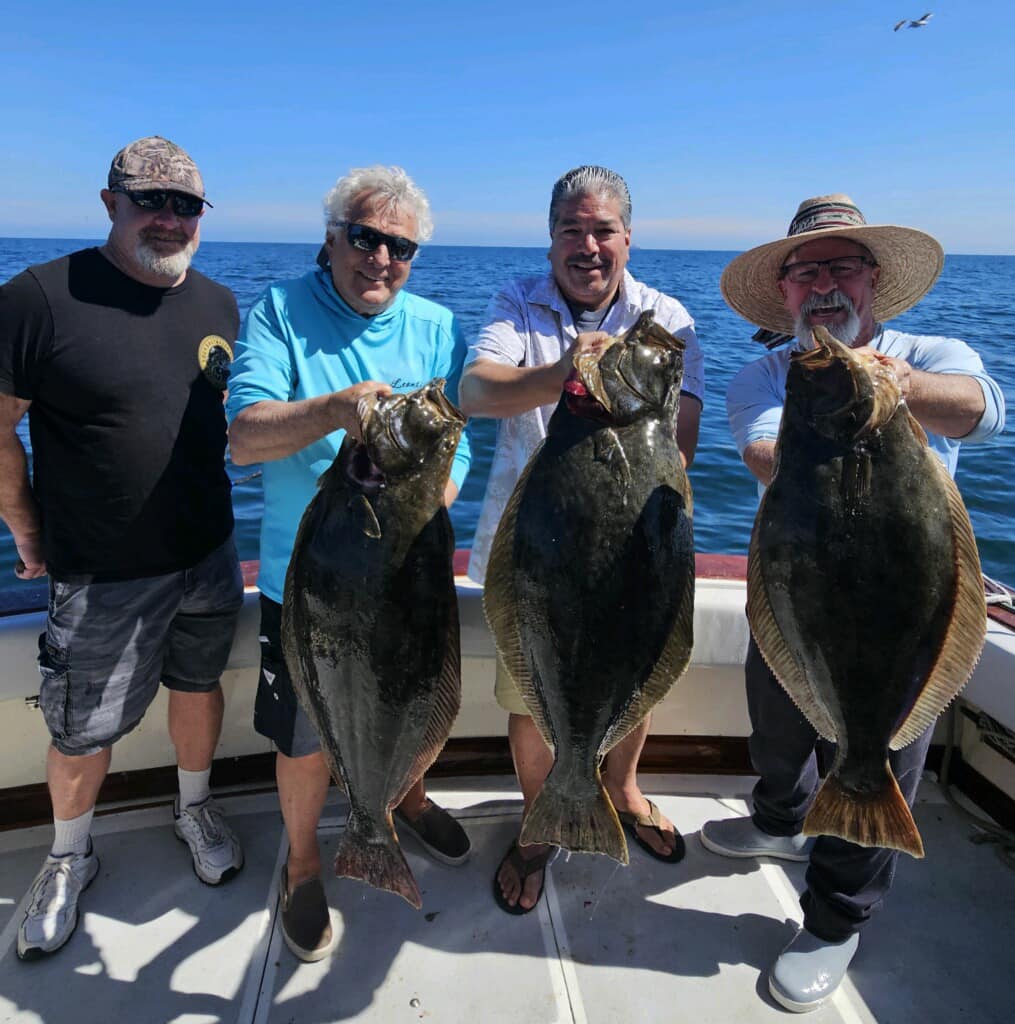
Pacific Halibut are the flatfish dreams are made of. San Clemente's sandy bottoms and structure transitions create perfect halibut habitat, and these fish can grow massive in these waters. Most of what you'll catch runs 10-25 pounds, but the potential for a true doormat – 50 pounds or better – is always there. Summer and early fall are your best bets, and they're absolute table fare royalty.
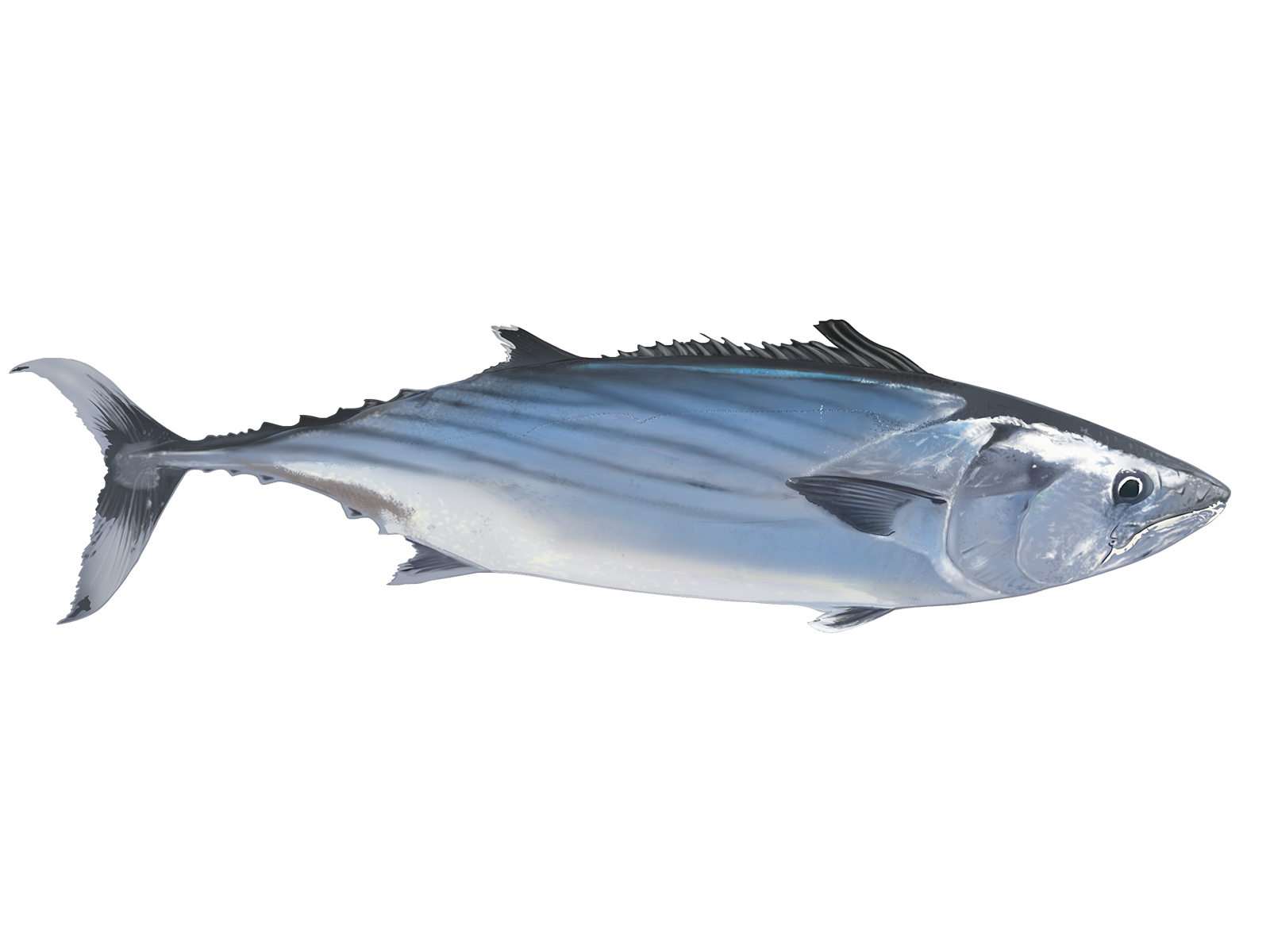
Pacific Bonito are the speed demons of the bunch. When they're around, you'll know it – they travel in schools and attack bait with serious aggression. These fish are perfect on lighter tackle, and they make sashimi that rivals anything you'll get at a high-end restaurant. They show up in warmer months and can turn a slow day into nonstop action in minutes.
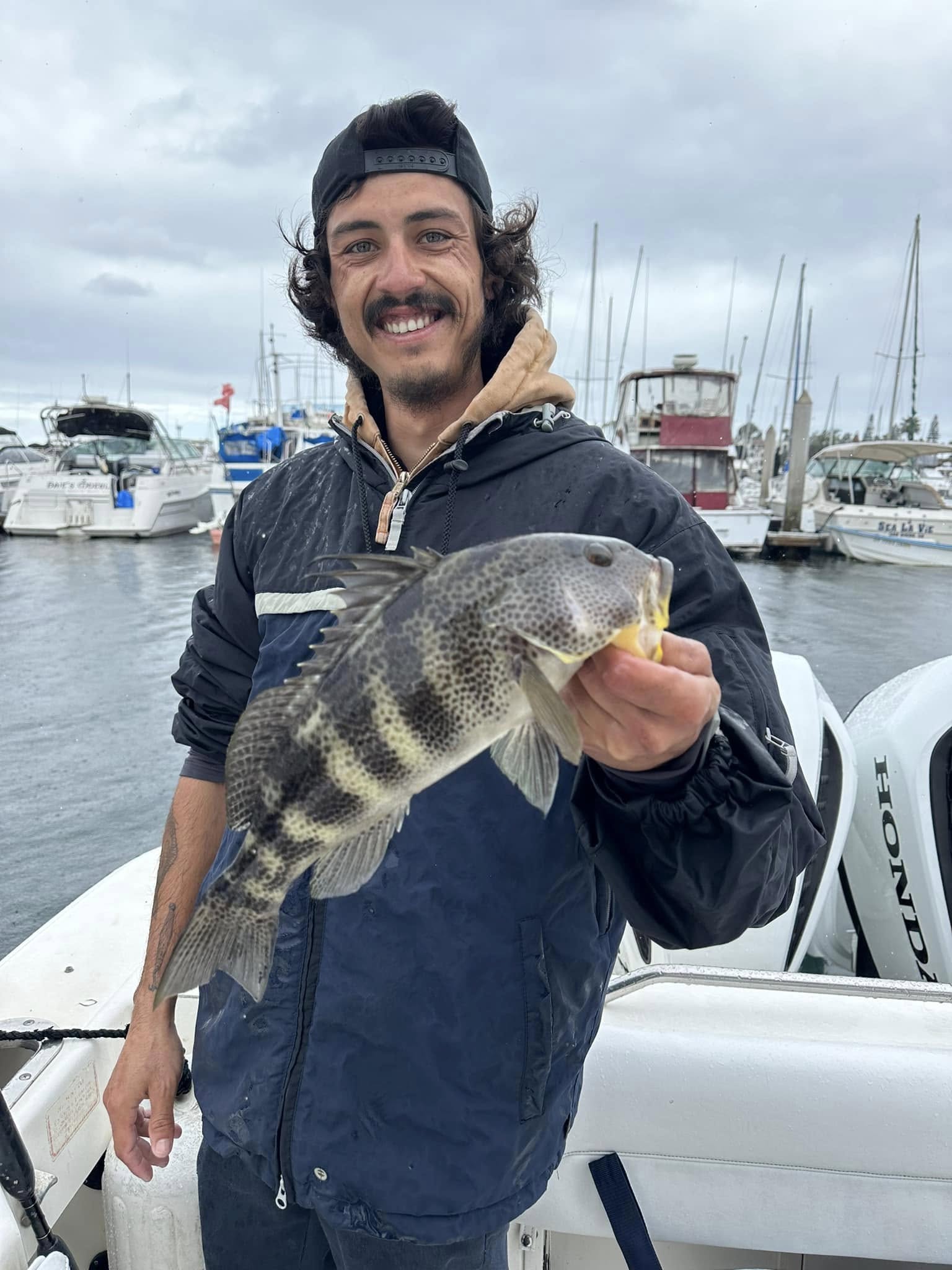
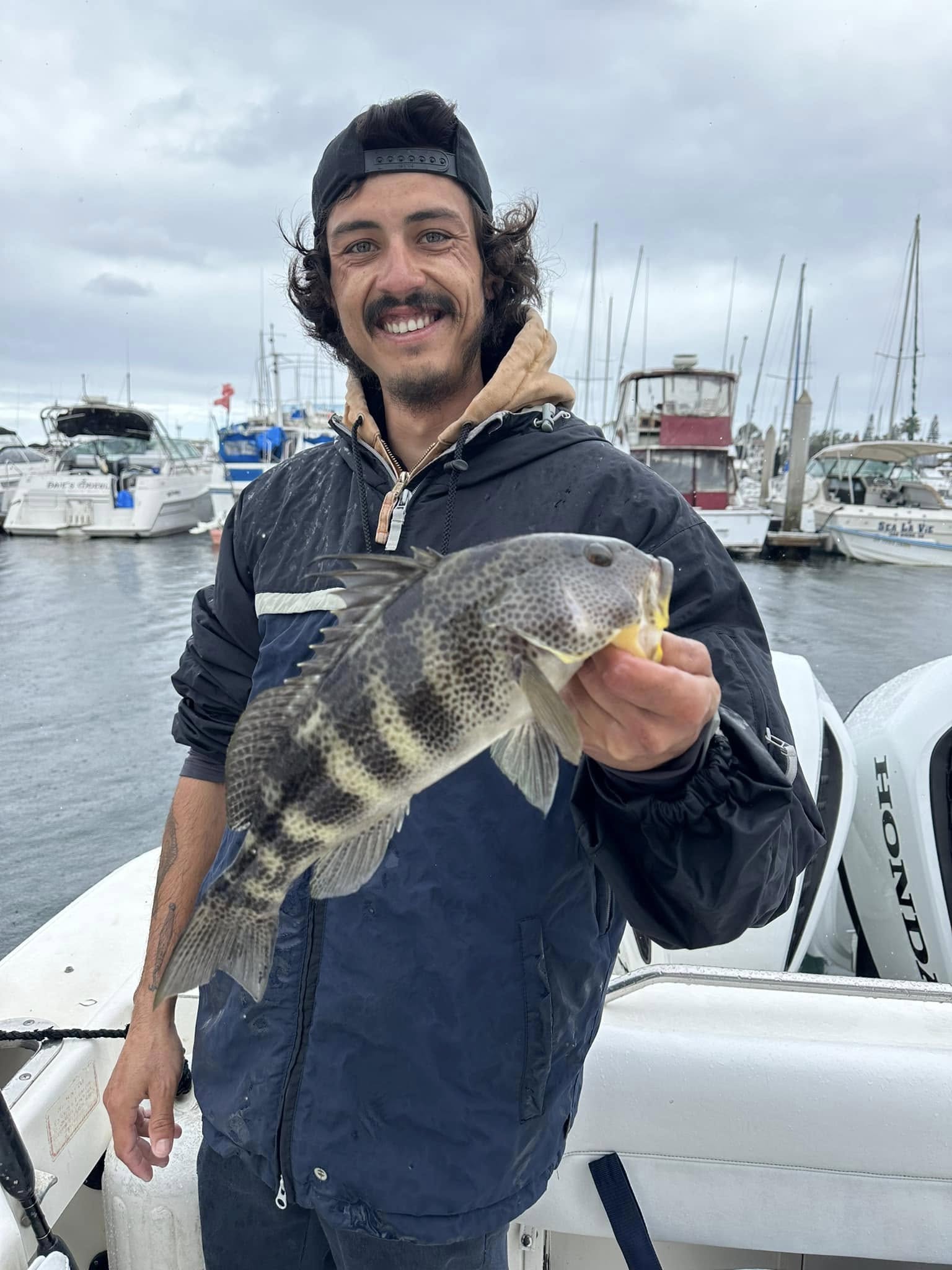
Barred Sand Bass hold tight to structure and are masters of making anglers work for every fish. They're not the biggest bass species around San Clemente, but they're consistent and always ready to bite if you put the bait in the right spot. These fish are year-round residents, and Captain Pablo knows exactly where they stack up around the island's many reefs and rocky areas.
Why Anglers Keep Coming Back
San Clemente Island fishing isn't just about the species diversity – though having shots at everything from surface-feeding bonito to bottom-hugging halibut definitely keeps things interesting. It's about fishing water that still feels wild and untouched, despite being just a few hours from one of the biggest cities in the country. The island's military restrictions keep fishing pressure relatively light compared to more accessible spots, and that shows in both fish quality and quantity. Captain Pablo has been working these waters long enough to know where fish hold during different seasons, tide phases, and weather patterns. That local knowledge is worth its weight in yellowtail, especially when you're making the long run offshore and want to make every hour count.
Time to Book Your Spot
This isn't your typical half-day harbor trip – San Clemente Island fishing is for anglers who want to experience some of Southern California's best offshore action. Captain Pablo's intimate 4-person maximum means you get personalized attention and plenty of room to fight fish properly. The 12-hour format gives you real time on the fishing grounds instead of just burning fuel getting there and back. Whether you're after your first yellowtail, chasing a personal-best white seabass, or just
 Private Trip
 Offshore Fishing
 San Diego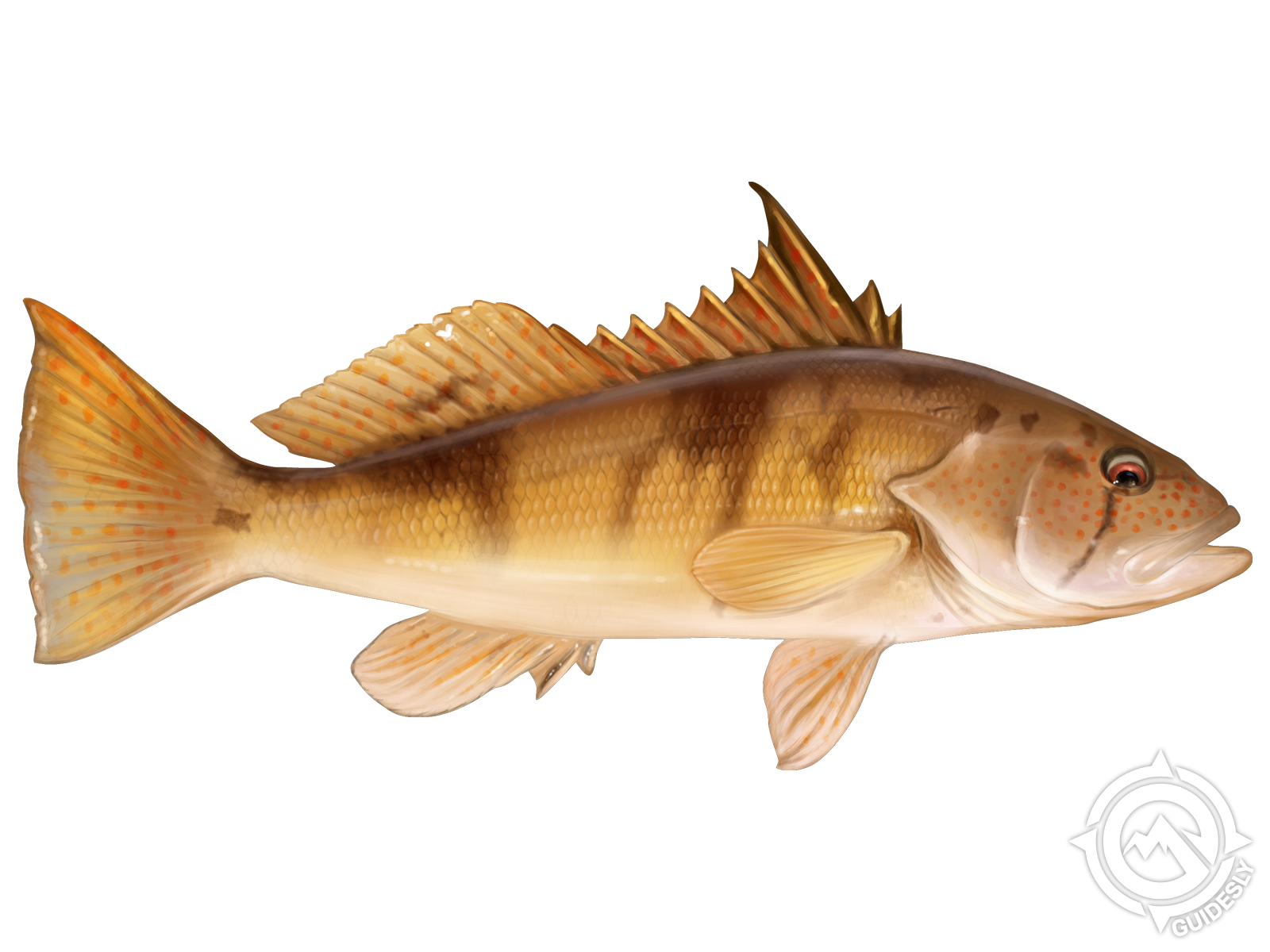


 12-hour charter targeting yellowtail and white seabass offshore