Ponce Inlet Offshore Fishing Adventure
Looking for a solid day on the water that'll put you on some quality fish? This six-hour offshore trip from Ponce Inlet is exactly what serious anglers are after. Captain and crew at Fire Line Charters know these waters like the back of their hands, and they're taking you about twenty miles out to where the big boys live. We're talking productive reefs and wrecks that hold everything from heavyweight Kingfish to hard-fighting Amberjack. With room for up to five anglers, this trip gives you plenty of space to work without bumping elbows, plus the time to really dial in on what's biting.
What to Expect on the Water
Once you clear Ponce Inlet and hit open water, you're in for a different kind of fishing altogether. The captain's got his spots marked – structure that's been producing fish for years. These aren't random drops; we're talking about specific wrecks and reef systems where fish stack up season after season. The ride out takes about an hour depending on conditions, giving you time to get your head in the game and maybe spot some dolphins or sea turtles along the way. Six hours means you're not rushing – there's time to work multiple spots if the bite's slow, or stay put when you find the mother lode. The boat's rigged with everything you need, so you can focus on what matters: getting fish in the boat.
Tackle and Techniques
Fire Line Charters has you covered gear-wise – quality rods and reels spooled with the right line for offshore work, plus a tackle box full of proven rigs. We're talking circle hooks for the snappers, wire leaders for the kings, and heavy enough tackle to handle whatever comes up from the deep. The captain runs a mix of techniques depending on what's working. Some days it's live bait on the bottom for snapper and grouper, other days you're trolling the edges for kings and cobia. When the amberjack are thick, expect to drop jigs down to the wreck and hang on tight. The beauty of a longer trip is adapting to conditions – if one method isn't producing, there's time to switch it up and find what the fish want.
Species You'll Want to Hook
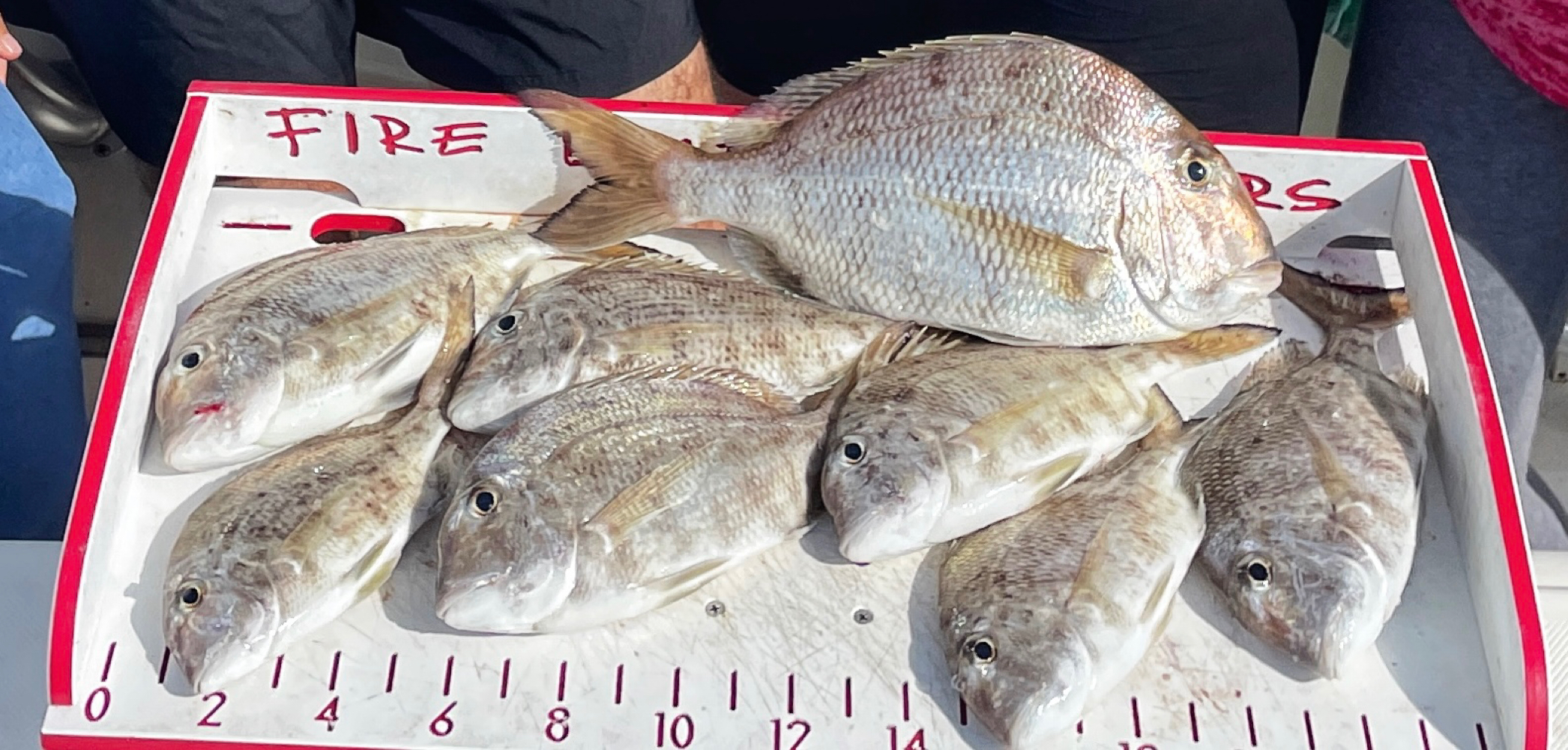
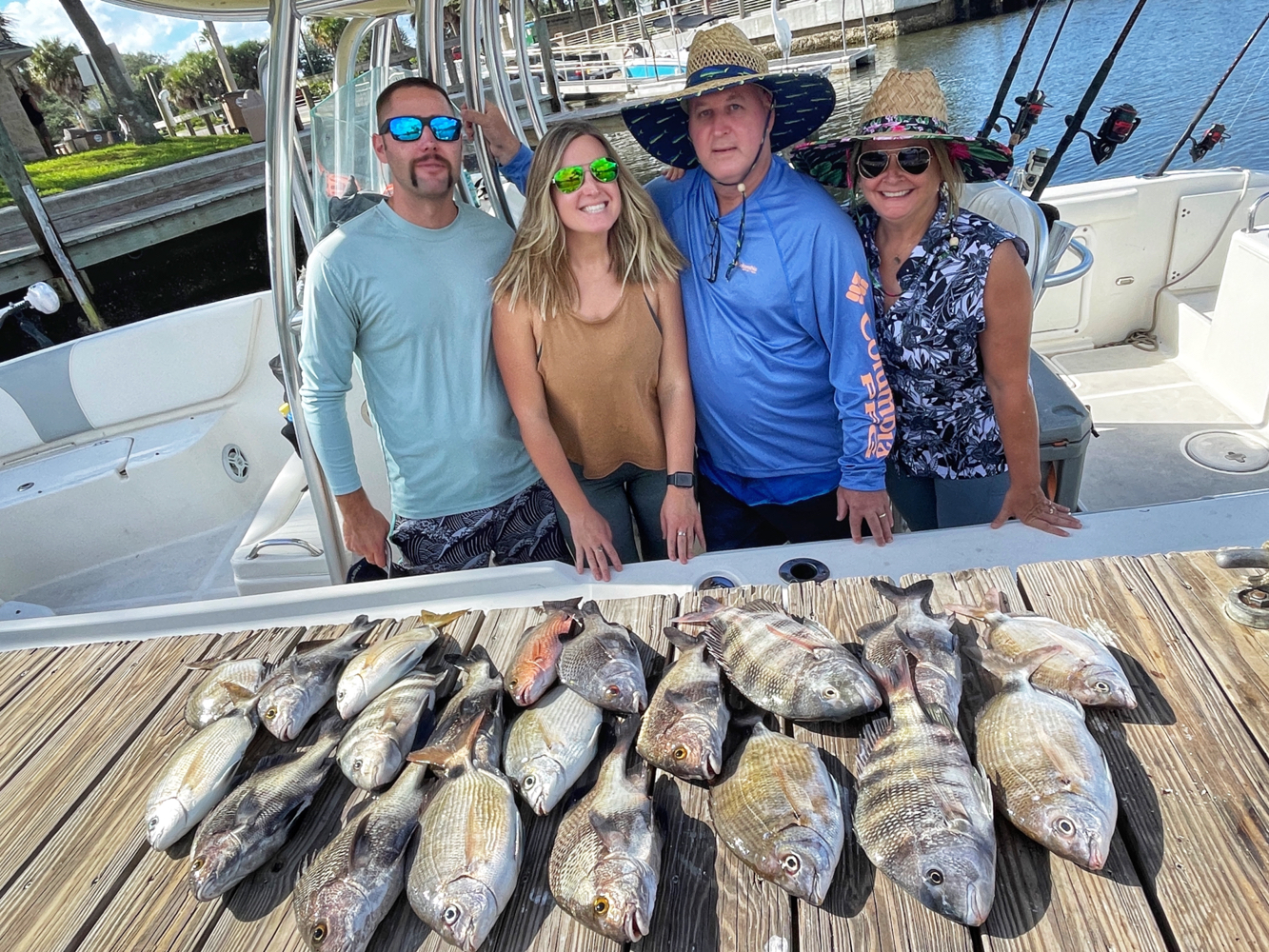
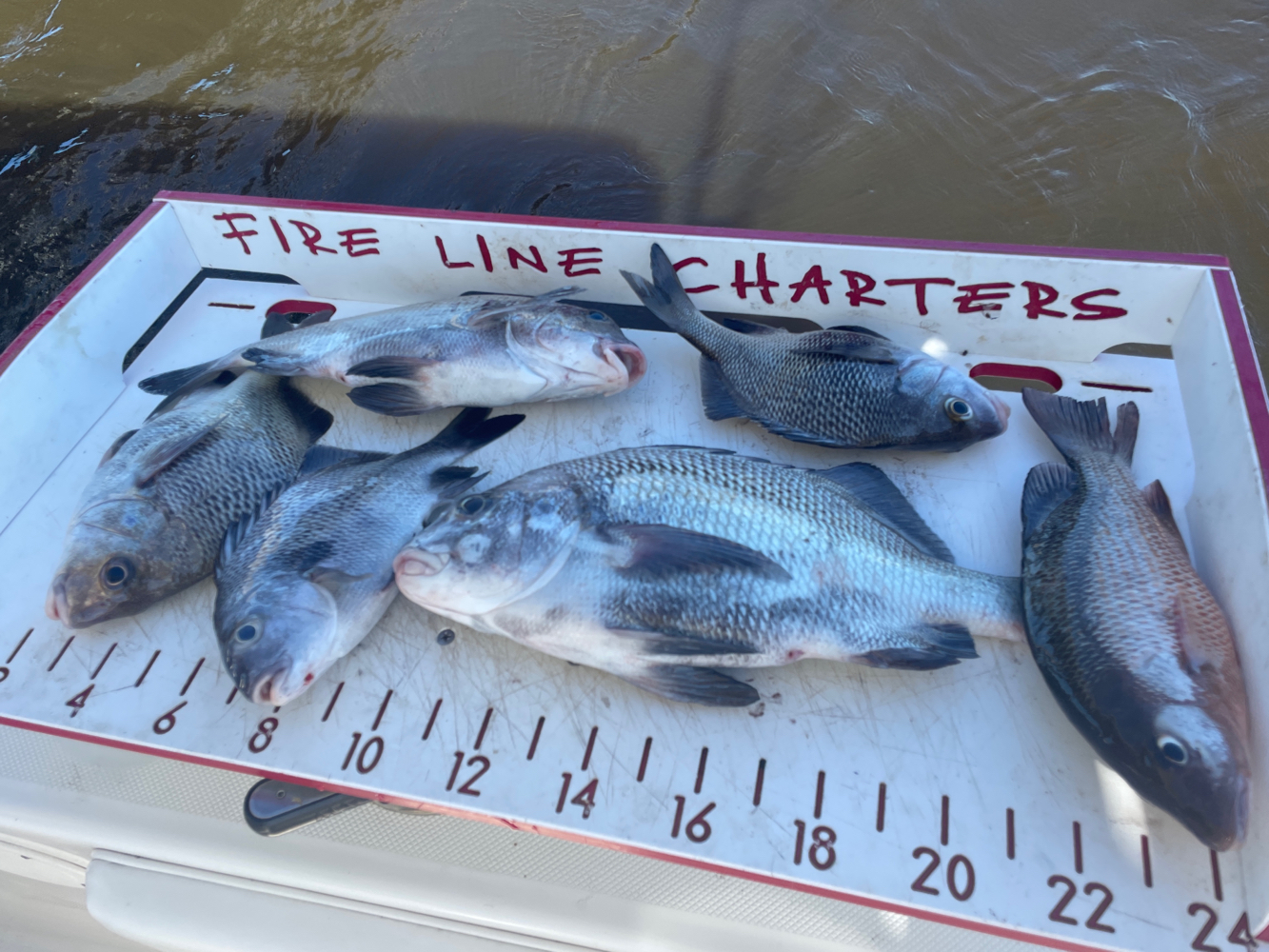
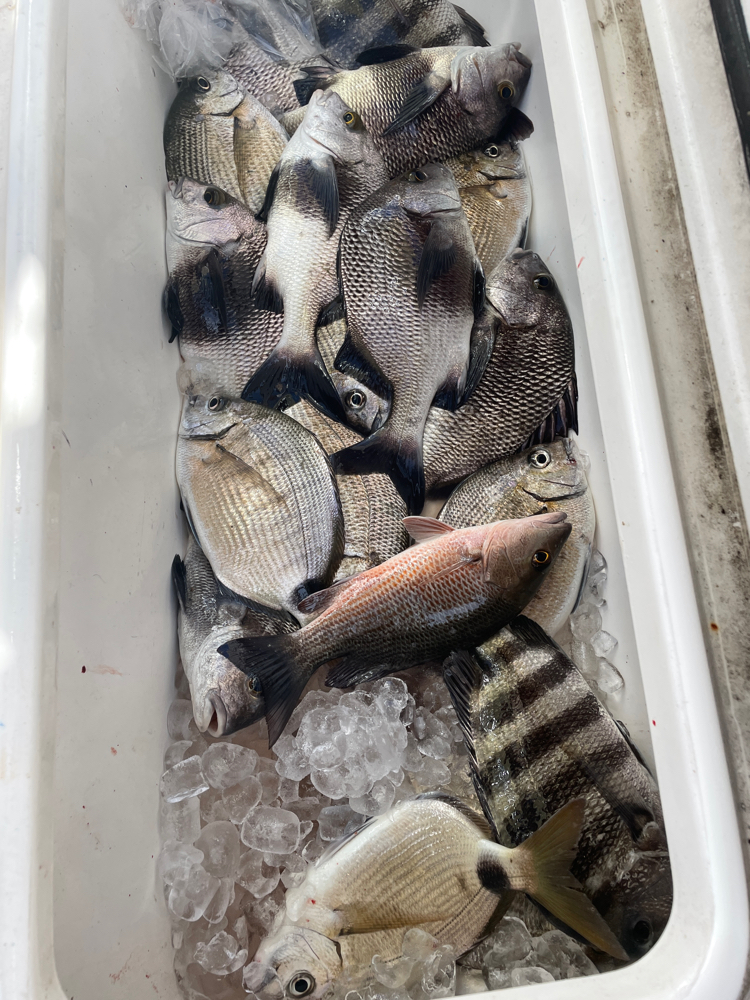
Sheepshead might not win any beauty contests, but these black-and-white striped fighters are as smart as they come. They love hanging around structure, picking at barnacles and small crabs with those human-like teeth. Peak season runs fall through spring, and a good sheepshead will go three to five pounds of excellent table fare. They're notorious bait stealers, so when you feel that subtle tap-tap, you better set the hook quick. Anglers love them because they fight hard for their size and make some of the best fish tacos you'll ever taste.
King Mackerel are the speed demons of the offshore world, and Ponce Inlet's waters are prime kingfish territory. These silver bullets can stretch three to four feet and put on aerial shows that'll get your heart pumping. Spring and fall migrations bring the best action, but you'll find kings out there most of the year. They hit trolled baits like a freight train, peeling drag and making long runs that test your tackle and your nerves. Veterans know that first run is just the beginning – kings have stamina to match their speed.
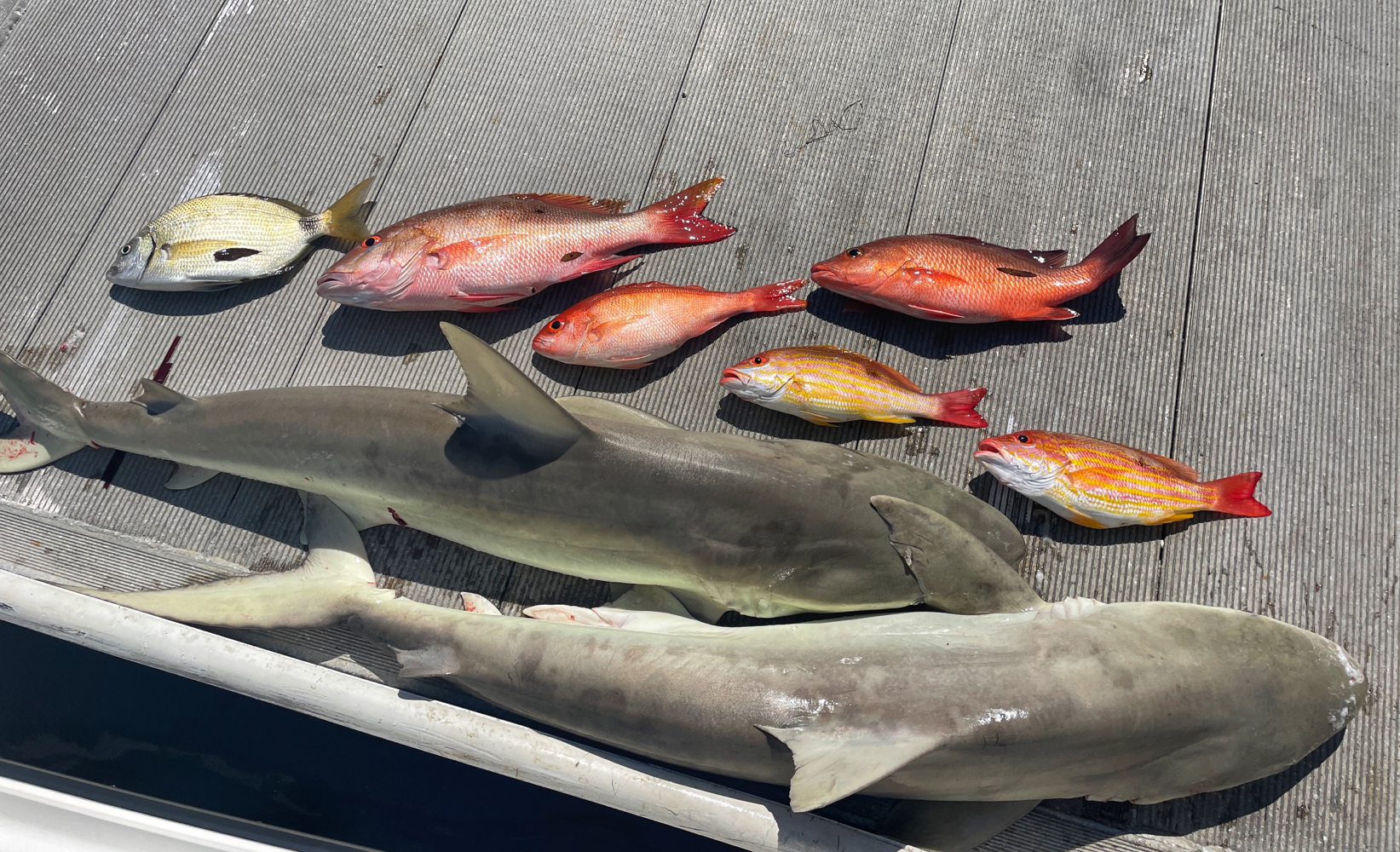
Blacktip Sharks bring that raw power every angler craves, and the waters off Ponce Inlet hold plenty of them. These athletic predators average four to six feet and are famous for their acrobatic jumps when hooked. Summer months are prime time when they move inshore to feed and breed. What makes blacktips special is their fight – they don't just pull hard, they go airborne, spinning and tail-walking across the surface. It's pure adrenaline fishing that separates the rookies from the seasoned anglers.
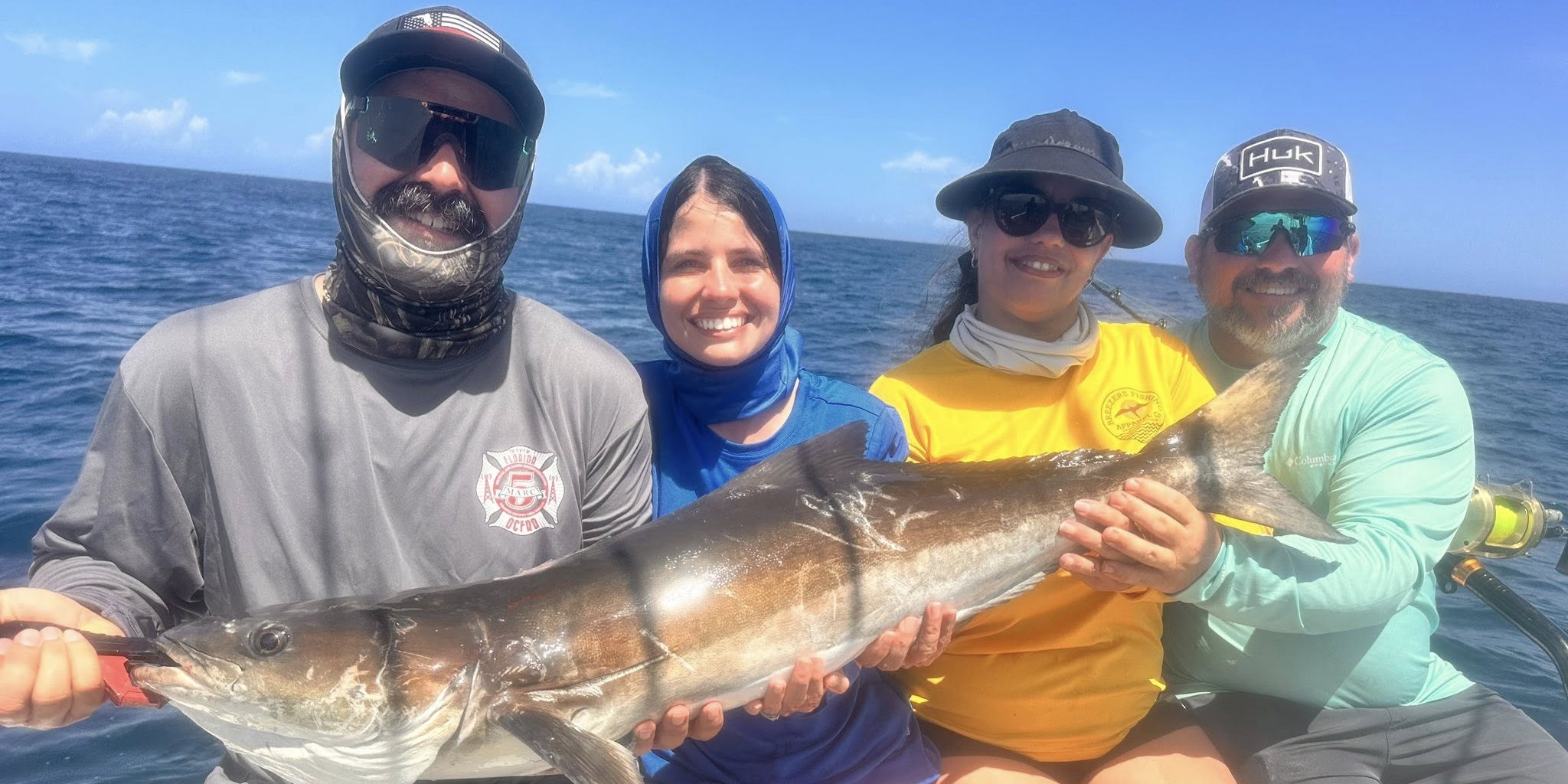
Cobia are the gentle giants that fool you into thinking they're sharks until you see that distinctive flat head. These brown bombers cruise the reefs and wrecks, often following rays and other fish. Peak season hits during their spring and fall migrations, when forty to sixty-pound fish become realistic targets. Cobia are sight-fishing gold – you'll actually see them cruising near the surface, and a well-placed live bait or jig often triggers an aggressive strike. They're also outstanding table fare, earning them the nickname "poor man's tuna."
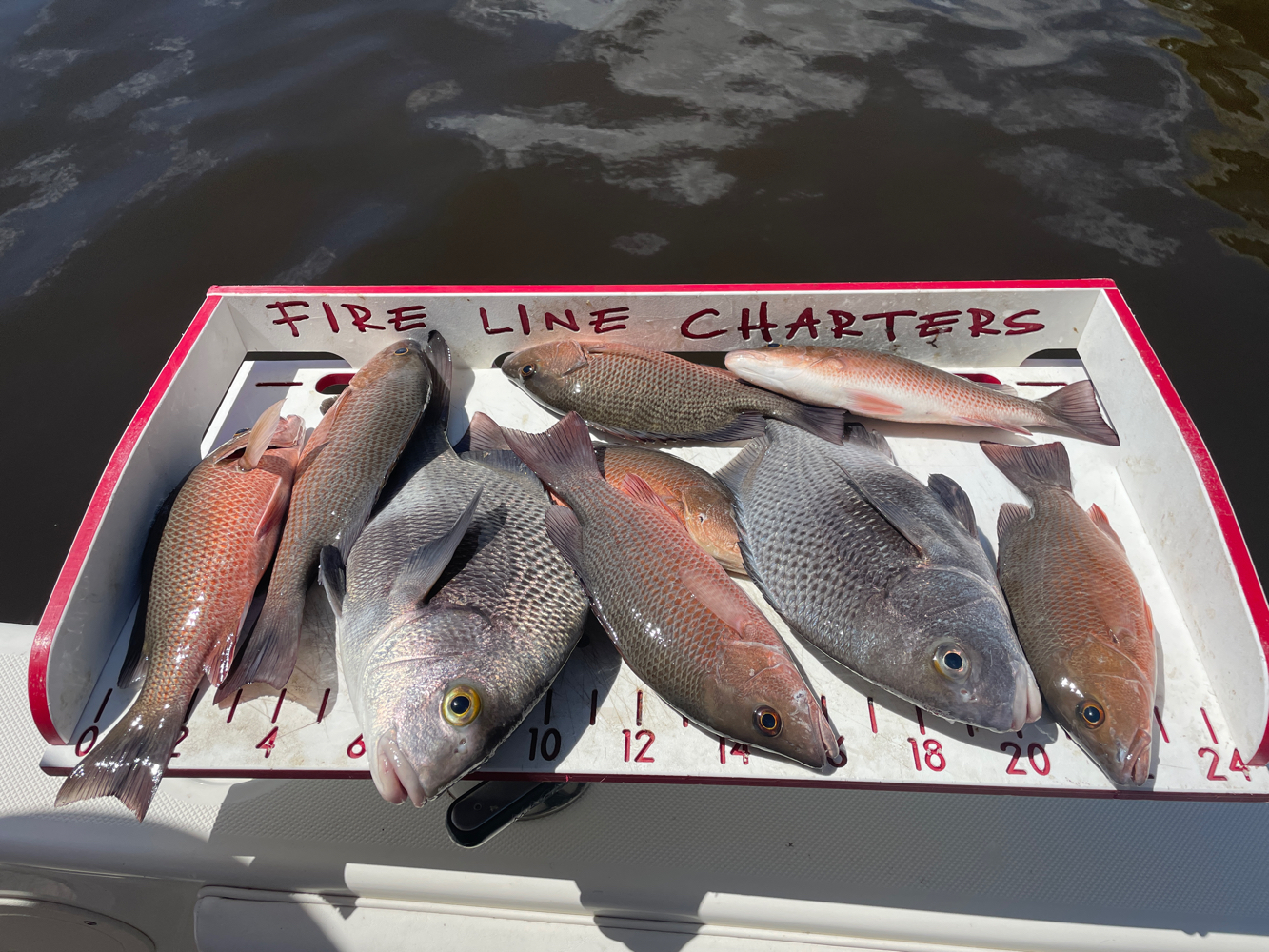
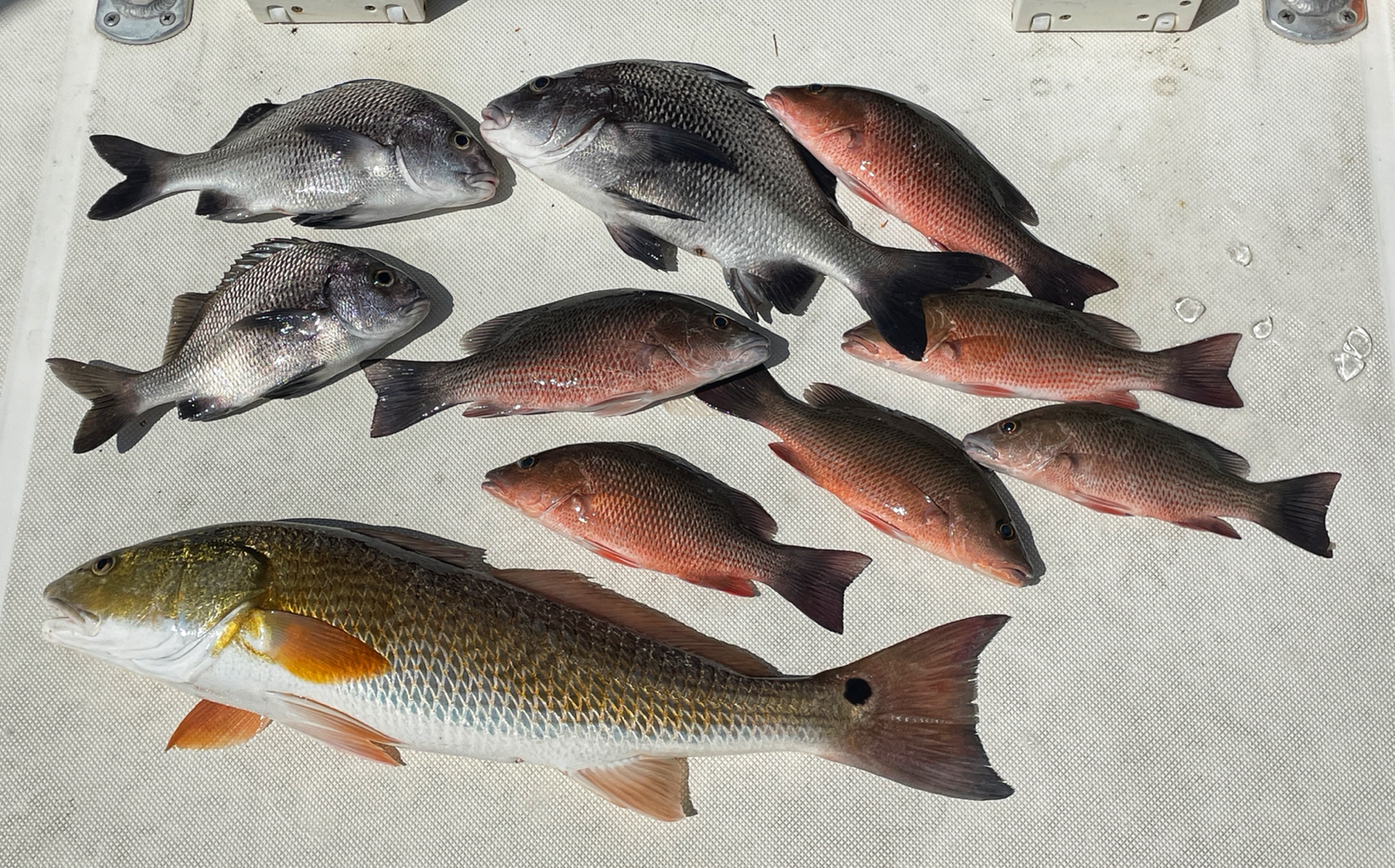
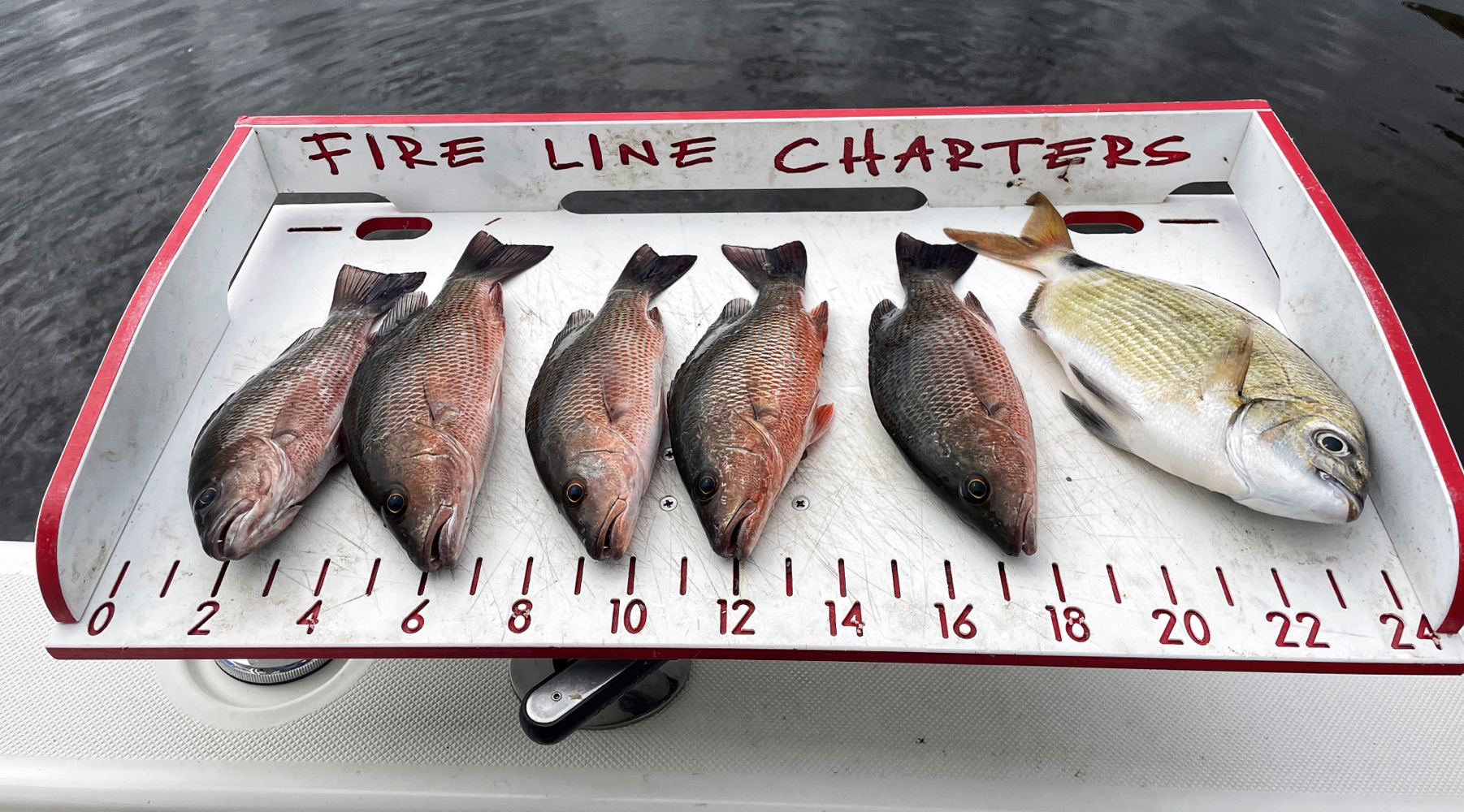
Red Snapper represent the holy grail of bottom fishing, and when the season's open, these ruby-red beauties are worth every bit of effort it takes to catch them. They inhabit the deeper reefs and wrecks, often stacked up in impressive numbers around the best structure. A quality red snapper runs five to fifteen pounds of pure muscle, and they know how to use that structure to their advantage. The fight involves give-and-take – you've got to keep them off the bottom while they try to cut your line on every piece of sharp coral or metal they can find. The reward is some of the finest eating fish in the Gulf Stream.
Time to Book Your Spot
Six hours offshore with Fire Line Charters gives you the kind of fishing day that stays with you long after you dock. This isn't a quick tourist trip – it's real offshore fishing with a captain who knows how to put you on fish. All your gear, bait, and licenses are handled, so you just show up ready to fish. The longer format means more chances at different species, more time to learn the techniques, and more opportunities for that fish of a lifetime. Deposits book up fast, especially during peak seasons, so don't wait around. Get your crew together and lock in your dates – the fish are out there waiting.
 Private Trip
 Inshore Fishing
 Port Orange, FL


 Six-hour offshore trip targets reefs and wrecks twenty miles out