Matagorda Bay Wading Fishing Trip
You want to get up close and personal with Texas inshore fishing? Our 7-hour Matagorda Bay wading trip puts you right in the action. No sitting on a boat deck waiting for fish to come to you – we're talking about getting your feet wet and working the flats where the fish live. The Matagorda Bay system is a classic Texas fishery that's been producing trophy reds and specks for generations. Our family has been guiding these waters for three generations, and we know exactly where to find the fish when conditions change. This isn't your typical half-day charter – with seven full hours on the water, you'll have time to dial in your technique, explore multiple spots, and really understand what makes this bay system so special.
What to Expect on the Water
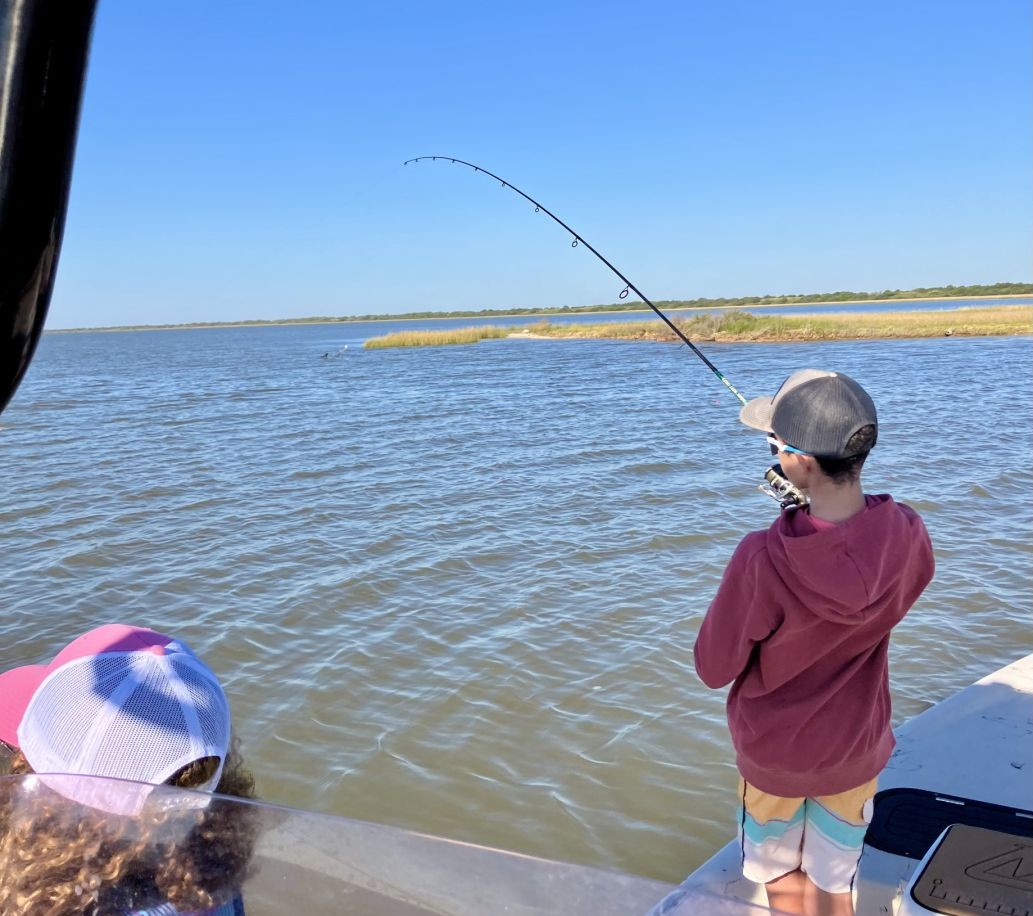
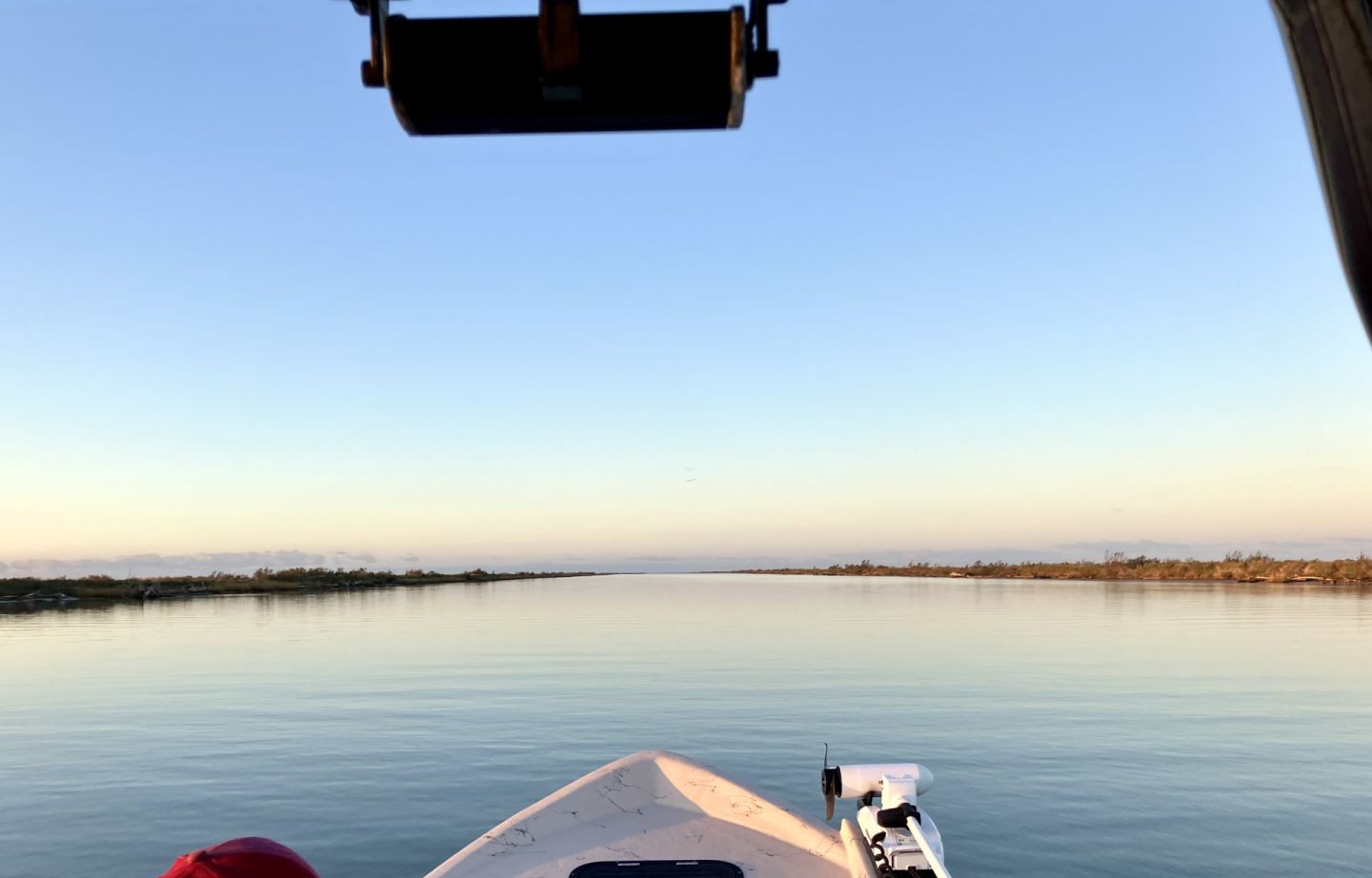
Wade fishing in Matagorda Bay means stepping into knee-deep water over grass beds, shell reefs, and sandy potholes where gamefish hunt for bait. We'll position you in productive areas based on tide, wind, and where we've been seeing fish activity. The water clarity here is typically good enough to sight-fish, especially early morning when the surface is glass-calm. You'll be walking slowly through the shallows, making targeted casts to structure or working likely-looking water systematically. The bay averages 3-4 feet deep in most areas we fish, but we focus on the 18-inch to 3-foot zones where reds and trout do most of their feeding. Expect to cover some ground – we might hit 3-4 different areas depending on what's working best that day. The beauty of wade fishing is you can get into spots that boats can't reach, putting you on fish that don't see much pressure.
Techniques and Tackle
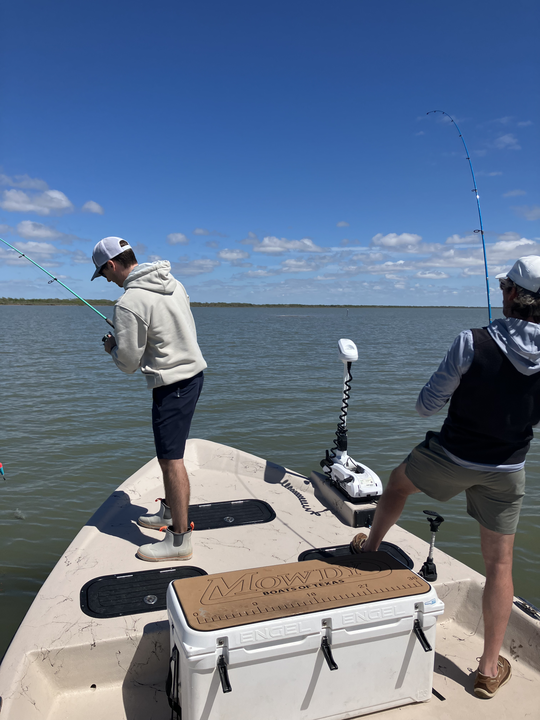
We run both live bait and artificial setups depending on conditions and what you prefer. Live shrimp under a popping cork is deadly when fish are finicky, especially around dawn and dusk. For artificials, soft plastics like paddle tails and shrimp imitations work great bounced along the bottom or swimming through the grass. Topwater action can be explosive during low-light periods – nothing beats watching a big red blow up on a spook or She Dog at first light. We typically fish medium-light spinning gear with 15-20 pound braid and fluorocarbon leaders. Wading boots or old sneakers are essential – the bottom varies from soft mud to shell, and you want good footing. We'll teach you how to read the water, identify productive structure, and present baits naturally in the current. With seven hours to work with, there's plenty of time to master different techniques and figure out what the fish want on any given day.
Top Catches This Season
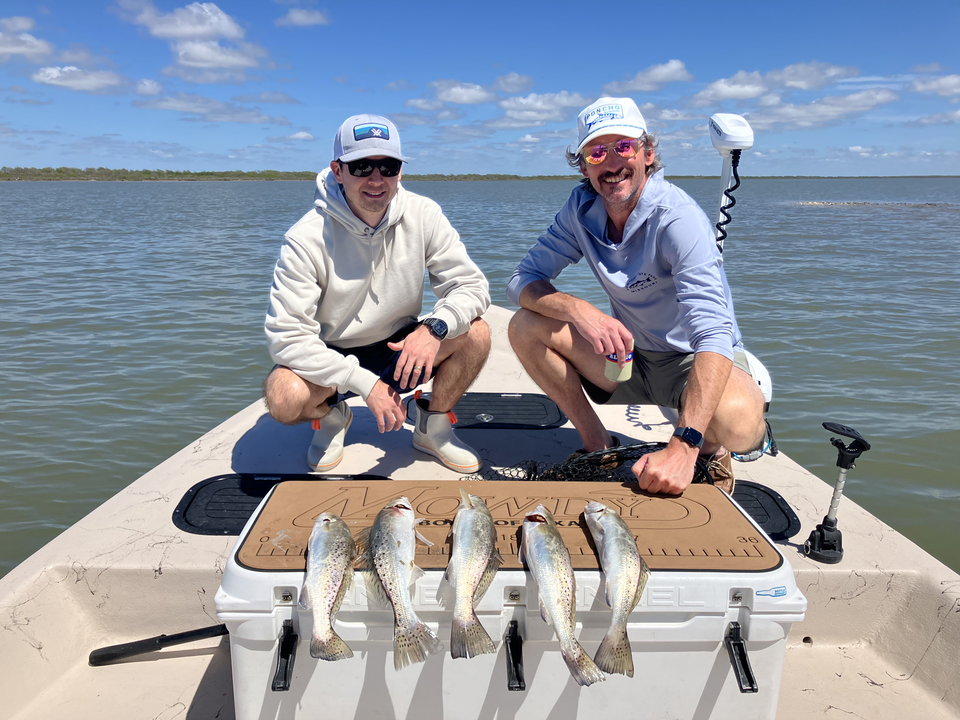
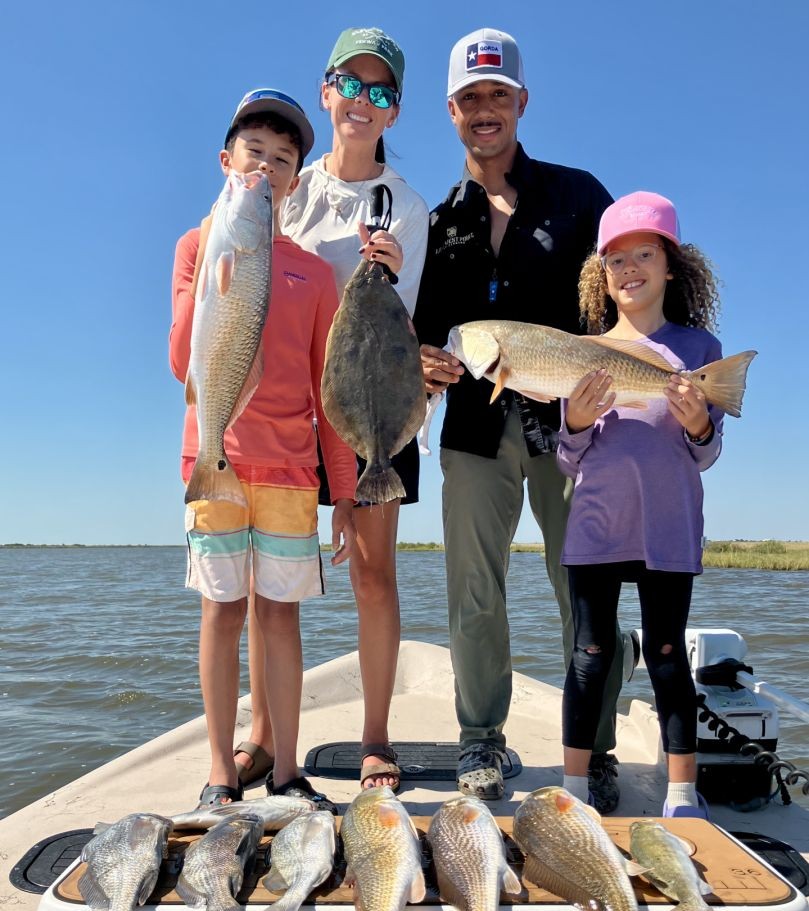
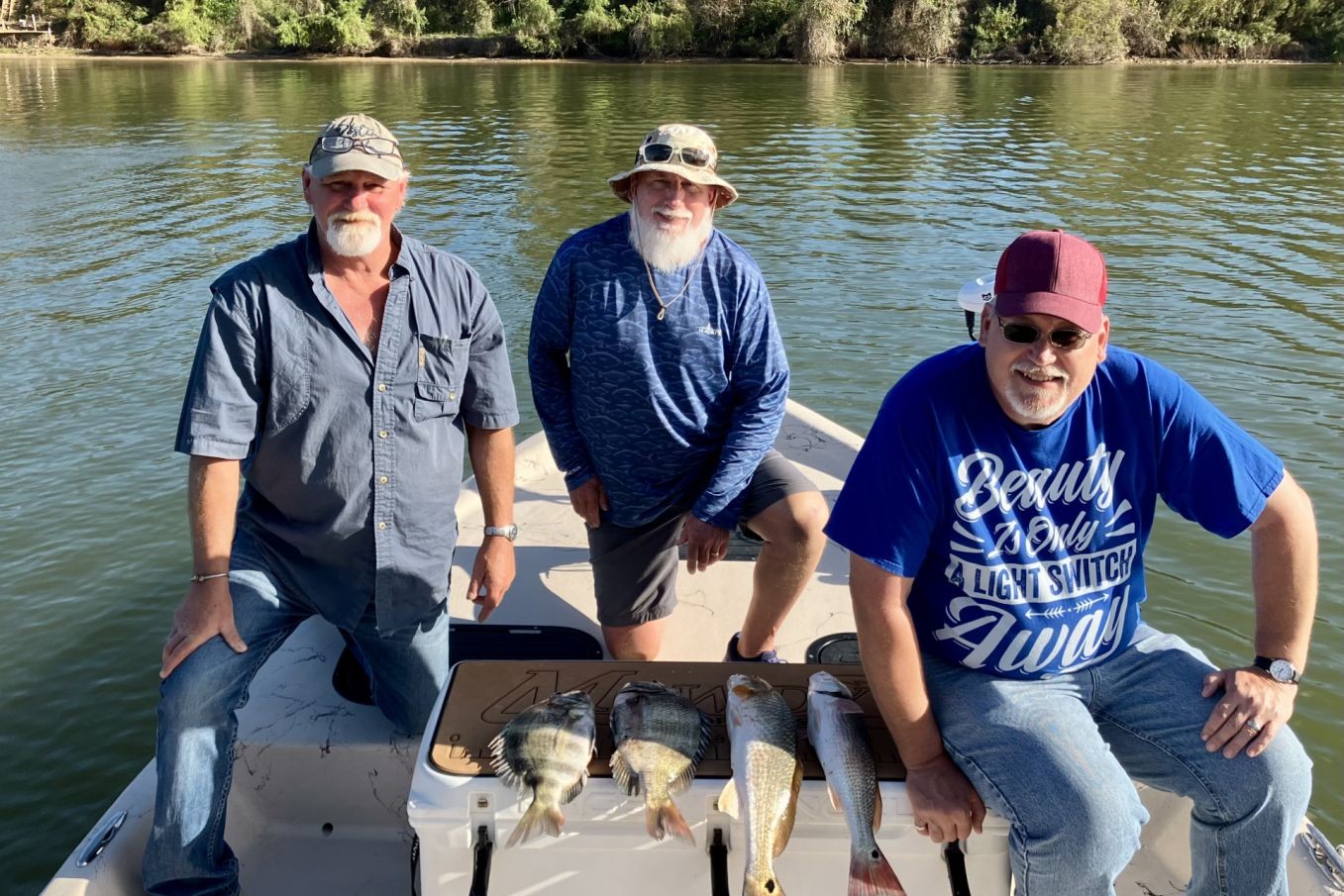
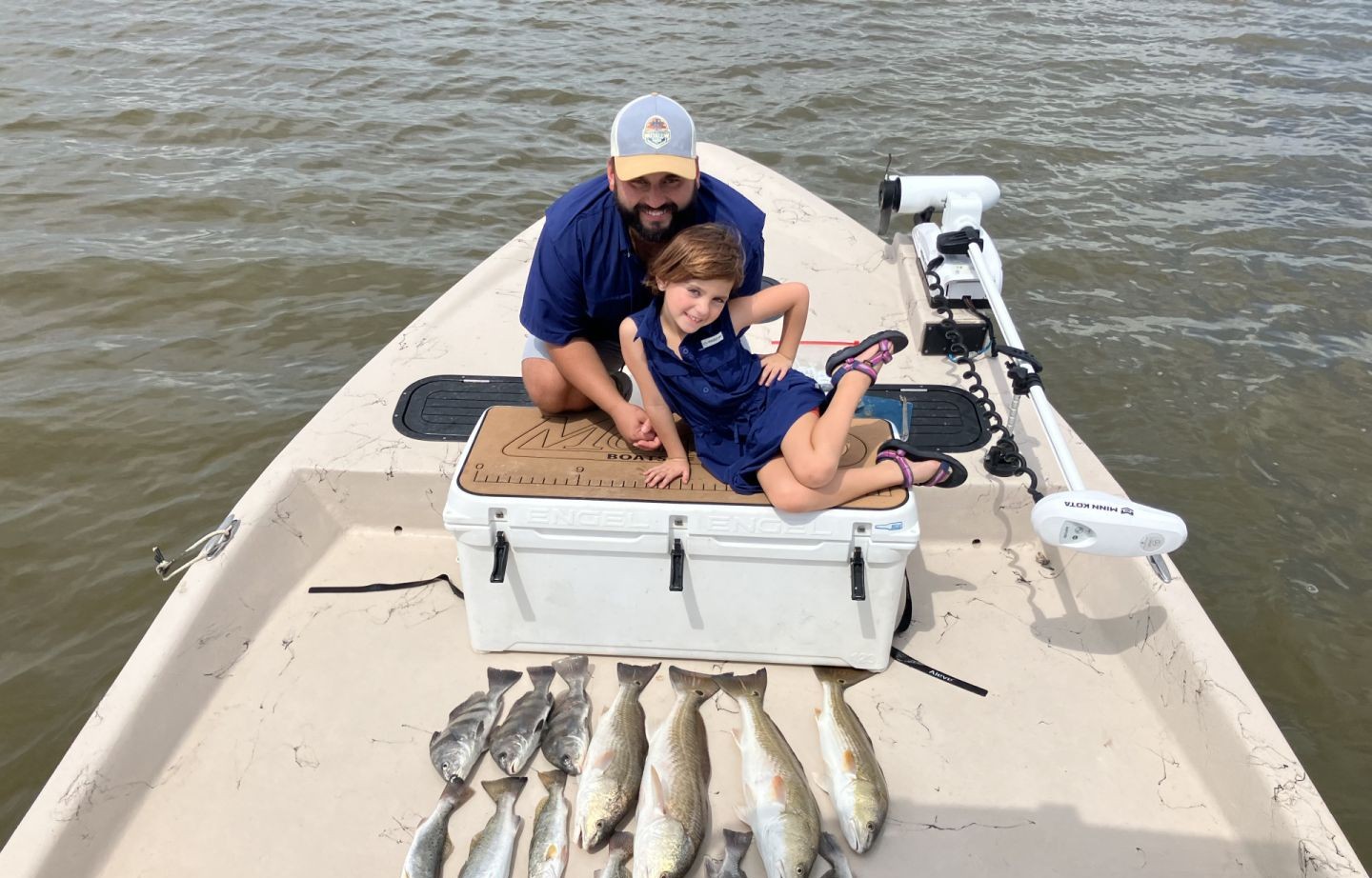
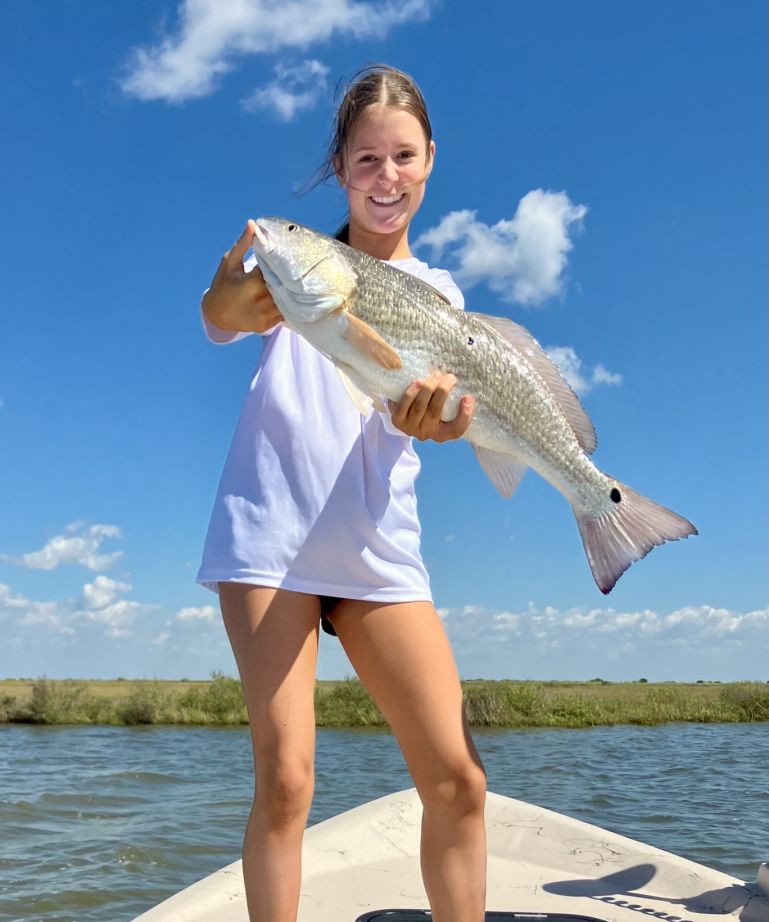
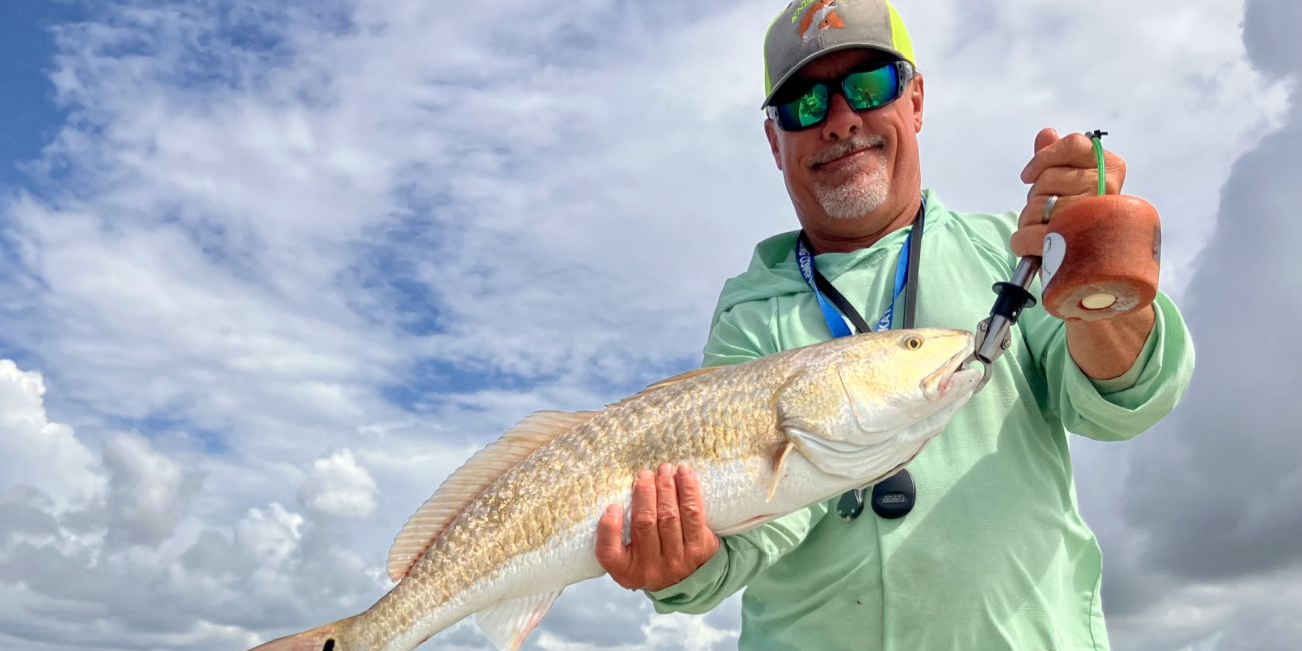
Redfish are the bread and butter of Matagorda Bay wading trips. These copper-colored bruisers love the shallow flats and put up an amazing fight in skinny water. Slot-sized reds between 20-28 inches are common, with bigger bull reds showing up regularly, especially in fall and winter. They'll eat just about anything – live shrimp, soft plastics, spoons, and topwater plugs all produce. Speckled trout are the other main target, and Matagorda Bay grows some beautiful specks. Two to four-pound fish are typical, with trophy trout over 25 inches a real possibility, particularly in winter months. These fish are more finicky than reds but incredibly rewarding to catch on light tackle. Flounder provide steady action year-round, especially around structure changes and drop-offs. Black drum round out the mixed bag – these bottom feeders can surprise you with their size and power. The variety keeps things interesting, and you never know what might grab your bait next.
Species You'll Want to Hook
Redfish are what dreams are made of in Texas shallow water. These fish cruise the flats in small schools or as singles, often with their backs out of water in super shallow areas. They're most active during moving tides and low-light periods. Spring and fall offer the best action, but reds bite year-round in Matagorda Bay. What makes them special is their attitude – they'll eat aggressively and fight like fish twice their size in shallow water. A 25-inch red in two feet of water will test your drag and your nerves.
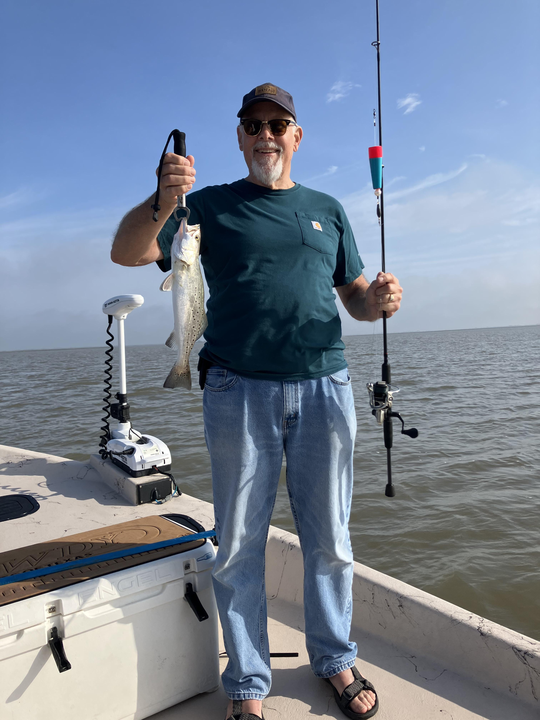
Speckled trout are the technical challenge of the bay system. These beautiful fish are more particular about presentation and conditions than reds, making them a favorite among serious anglers. Winter months produce the biggest specks as they move to deeper grass beds and shell reefs. They're most active during temperature changes and around dawn and dusk. The satisfaction of fooling a smart speck with the right lure presentation is what keeps anglers coming back. Plus, they're excellent table fare when kept within regulations.
Summer flounder are the opportunists of the bay – they lie in ambush near structure changes, channel edges, and anywhere current brings baitfish. These flatfish can surprise you with explosive strikes and acrobatic fights. They're most active during spring and summer months when baitfish are abundant. Flounder fishing teaches patience and precision since they often require a slow, methodical approach. When you connect with a keeper-sized flounder, you've earned it.
Black drum are the heavyweight champions of Matagorda Bay. These bottom-dwellers can range from pan-sized fish perfect for dinner to massive bulls that will challenge your tackle. They're most active during cooler months and around structure like shell reefs and channel drops. What makes drum fishing exciting is you never know what size fish might pick up your bait. A 30-pound black drum in shallow water will humble any angler and create memories that last a lifetime.
Time to Book Your Spot
This top-rated Matagorda Bay fishing charter gives you seven full hours to experience Texas inshore fishing at its finest. With three generations of local knowledge backing every trip
 Private Trip
 Inshore Fishing
 Matagorda


 Full-day 7-hour wade fishing adventure in Matagorda Bay