Key Largo Fishing Charters
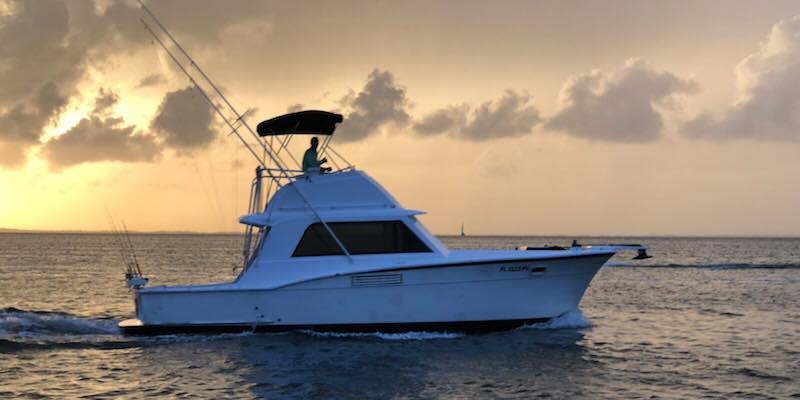
If you're looking for a solid day on the water targeting some of South Florida's most prized bottom fish, Captain Kevin's got you covered. His 36-foot charter operates out of Key Largo, taking up to 6 anglers on both morning and afternoon trips to productive offshore grounds. This isn't some cookie-cutter fishing operation – Kevin knows these waters inside and out, and he's built a reputation for putting his guests on fish consistently. Whether you're a weekend warrior or someone who's been chasing snapper and grouper for decades, you'll appreciate his no-nonsense approach and deep knowledge of local fishing patterns.
What to Expect on the Water
Your day starts with a comfortable ride out to Kevin's proven fishing spots aboard his well-maintained 36-footer. The boat's got everything you need – quality rods and reels, fresh bait, and all the terminal tackle to handle whatever's biting down there. Kevin runs both AM and PM charters, which gives you flexibility if you're not an early bird or want to fish during different tidal conditions. The morning trips typically head out around sunrise, while the afternoon charters let you sleep in and still get a solid half-day of fishing. You'll be targeting structure and ledges where snapper, grouper, and hogfish like to hang out, usually in 60 to 120 feet of water depending on conditions and what's been producing lately.
Bottom Fishing Techniques
Captain Kevin specializes in bottom fishing techniques that consistently produce results in Key Largo's offshore waters. You'll be dropping baits on natural and artificial reefs, ledges, and wrecks where these species congregate. The setup is straightforward but effective – heavy sinkers to get your bait down quickly, circle hooks for better hookups and fish survival, and fresh cut bait or live offerings depending on what the fish are wanting that day. Kevin provides all the gear, but if you've got your own heavy spinning or conventional setup, feel free to bring it along. The key here is being able to feel the bottom and detect those subtle bites that grouper and snapper are famous for. Don't worry if you're new to this style of fishing – Kevin will walk you through reading your rod tip and knowing when to set the hook.
Top Catches This Season
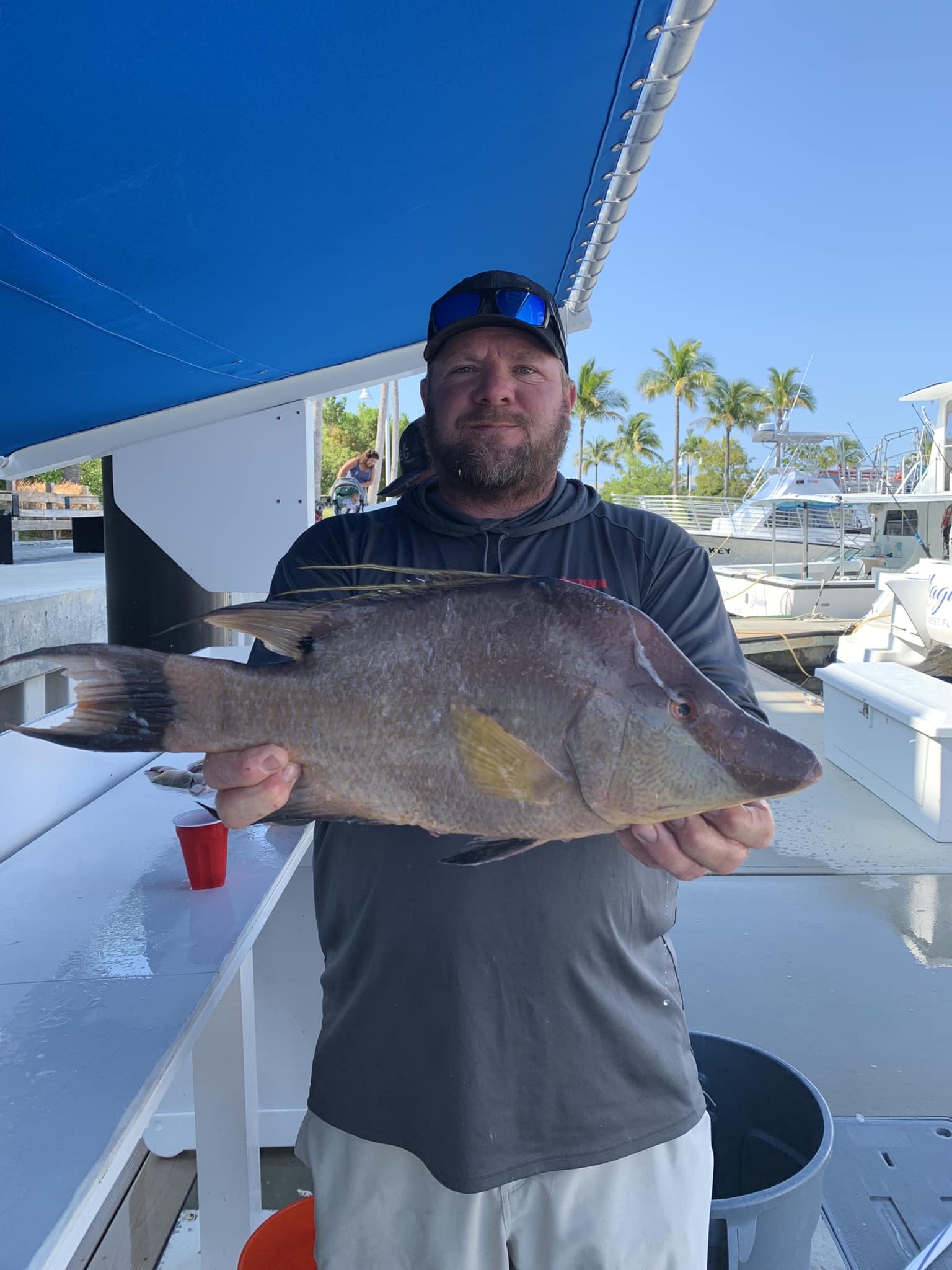
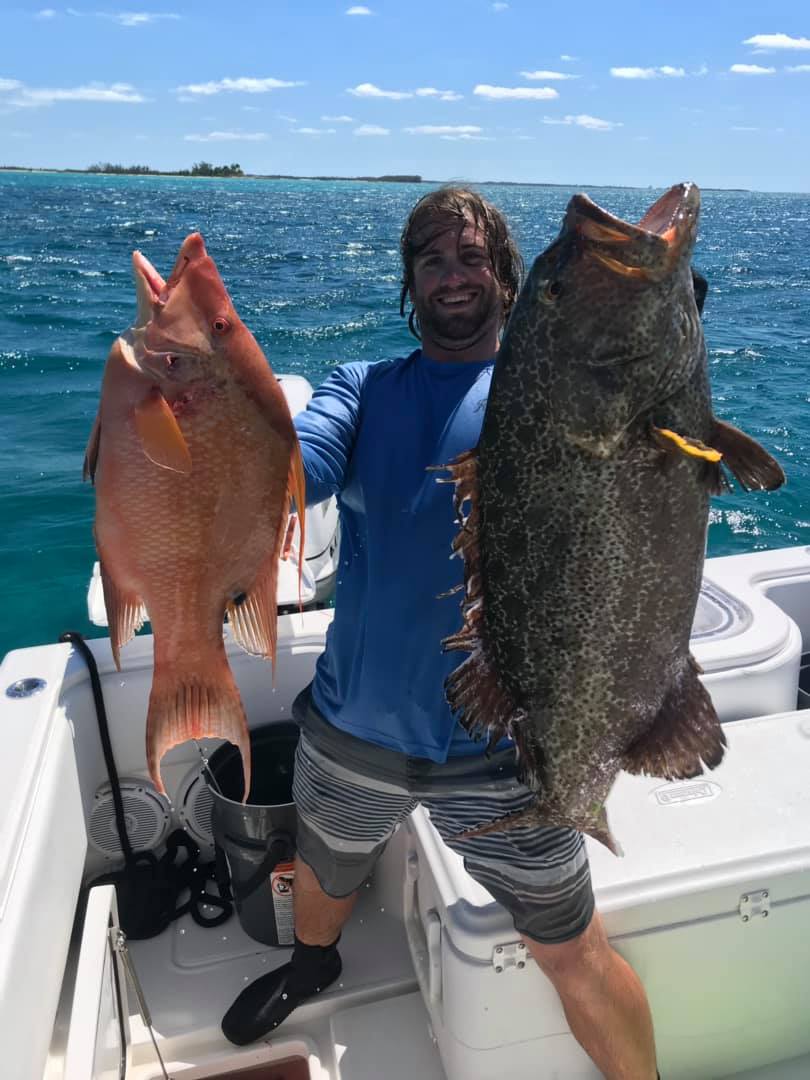
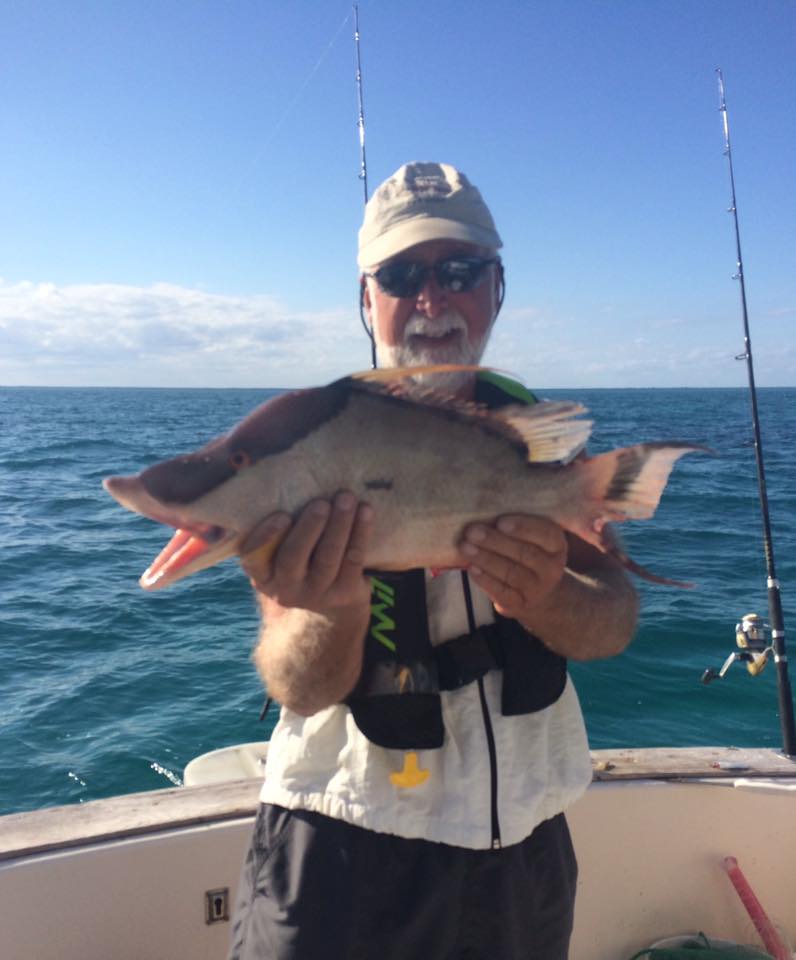
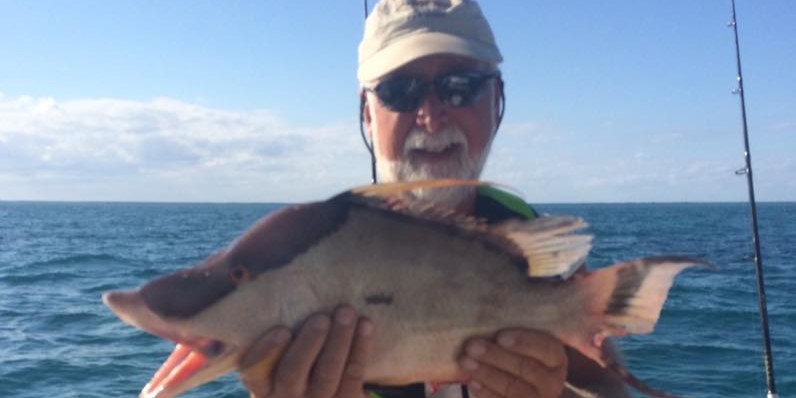
Hogfish are one of the real treats you'll target on these charters. These colorful, pig-faced fish are absolutely delicious and put up a decent fight for their size. They're typically found around sandy areas near reefs, often in 40-80 feet of water. Hogfish can be finicky feeders, preferring fresh shrimp or small crabs, but when you find a school, you can often pick up several nice ones. They're most active during spring and fall months, though you can catch them year-round in the Keys. What makes hogfish special is their incredible table fare – many consider them the best eating fish in South Florida waters.
Cubera snapper represent the trophy end of the snapper family, and Key Largo's deep ledges hold some real giants. These bruisers can exceed 50 pounds and will test both your tackle and your back. They're ambush predators that lurk around structure, waiting to inhale anything that looks like an easy meal. Summer months typically produce the largest cuberas, though you'll find smaller ones throughout the year. When you hook into a big cubera, you'll know it immediately – they make powerful runs and use their broad sides to fight you all the way to the boat.
Red snapper fishing in the Keys offers a different experience than what you'll find in the Gulf. These fish are generally smaller but more abundant, and they're often mixed in with other snapper species on the same reefs. Reds prefer live or fresh dead bait and can be found in 80-200 feet of water. They're excellent table fare and fairly cooperative once you locate them. The key is finding the right depth and structure – Kevin's local knowledge really shines when it comes to putting you on productive red snapper spots.
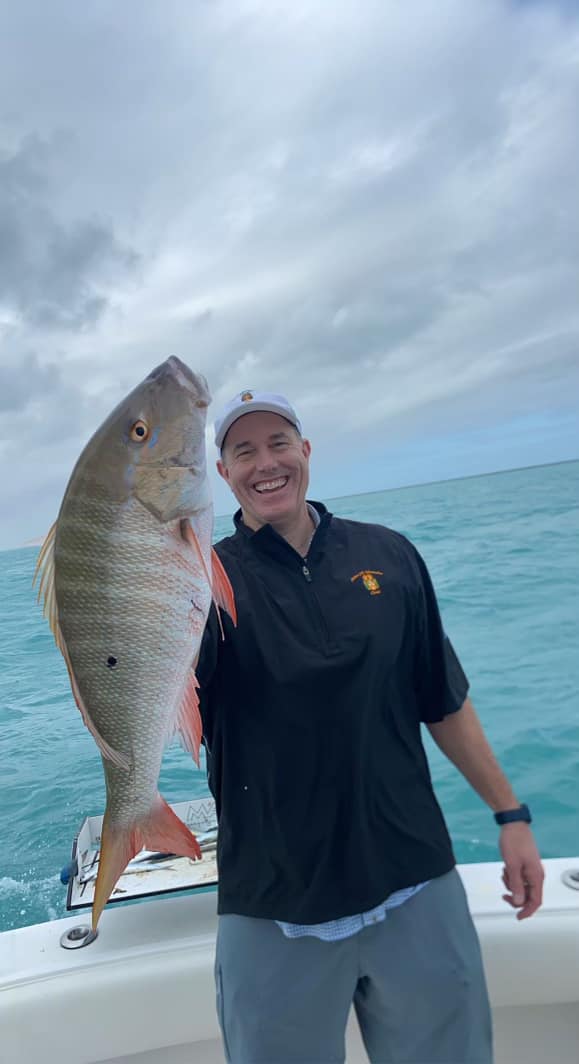
Mutton snapper are perhaps the most beautiful of the snapper family, with their olive backs and distinctive red fins. They're also some of the best eating fish you'll encounter. Muttons can be found in a variety of depths but seem to prefer the 60-100 foot range around hard bottom and coral heads. They're more likely to take live bait than dead, and they can be surprisingly strong fighters. Fall and winter months typically produce the best mutton snapper fishing, though they're available year-round.
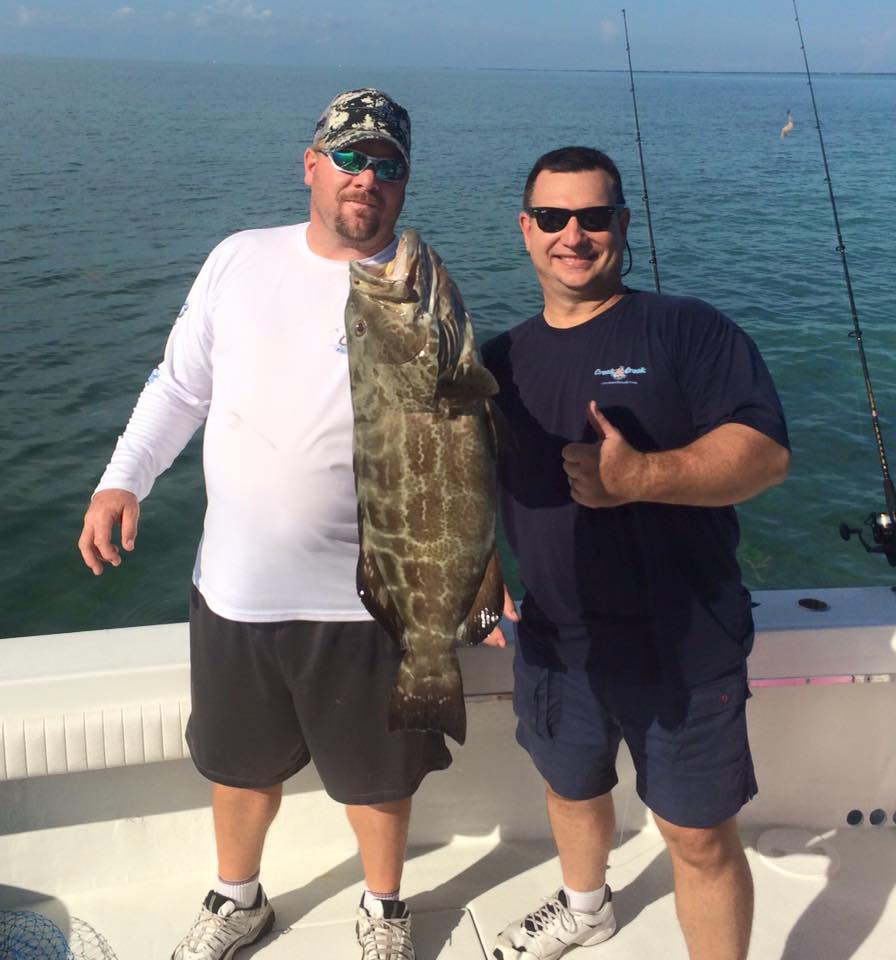
Gag grouper are the bread and butter of Key Largo's grouper fishing scene. These fish are aggressive predators that will eat just about anything that fits in their mouth, from pinfish to grunt to cut bait. They're found around hard bottom, ledges, and artificial reefs, typically in 60-120 feet of water. Gags are excellent table fare and put up a strong fight, making those powerful runs toward structure that grouper are famous for. They're most abundant during the cooler months, but you can target them throughout most of the year.
Time to Book Your Spot
Captain Kevin's Key Largo fishing charters offer excellent value for anyone wanting to experience world-class bottom fishing without the crowds and chaos of larger party boats. His 36-foot vessel provides a stable platform for fishing, and the 6-person maximum ensures you'll get plenty of personal attention and fishing time. Whether you choose the morning or afternoon charter, you'll be fishing productive waters with a captain who knows how to put his guests on fish. The variety of species available means every drop could produce something different, keeping the action interesting throughout your trip. Don't wait too long to book – the best fishing days fill up quickly, especially during peak season. Give Captain Kevin a call and secure your spot for what could be your best Key Largo fishing adventure yet.
 Private Trip
 Offshore Fishing
 Key Largo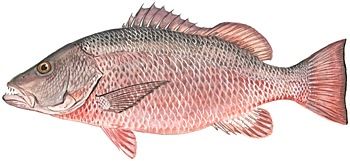


 Captain Kevin guides offshore fishing trips aboard 36' vessel