Key Largo Fishing Trips | Private 8-Hour Trip
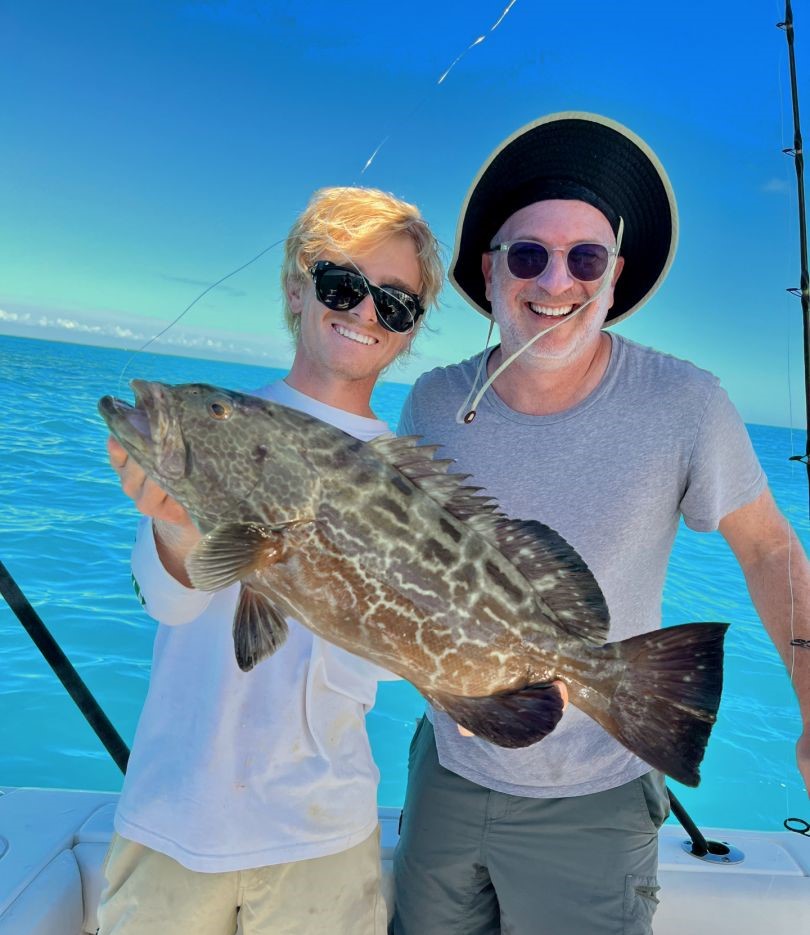
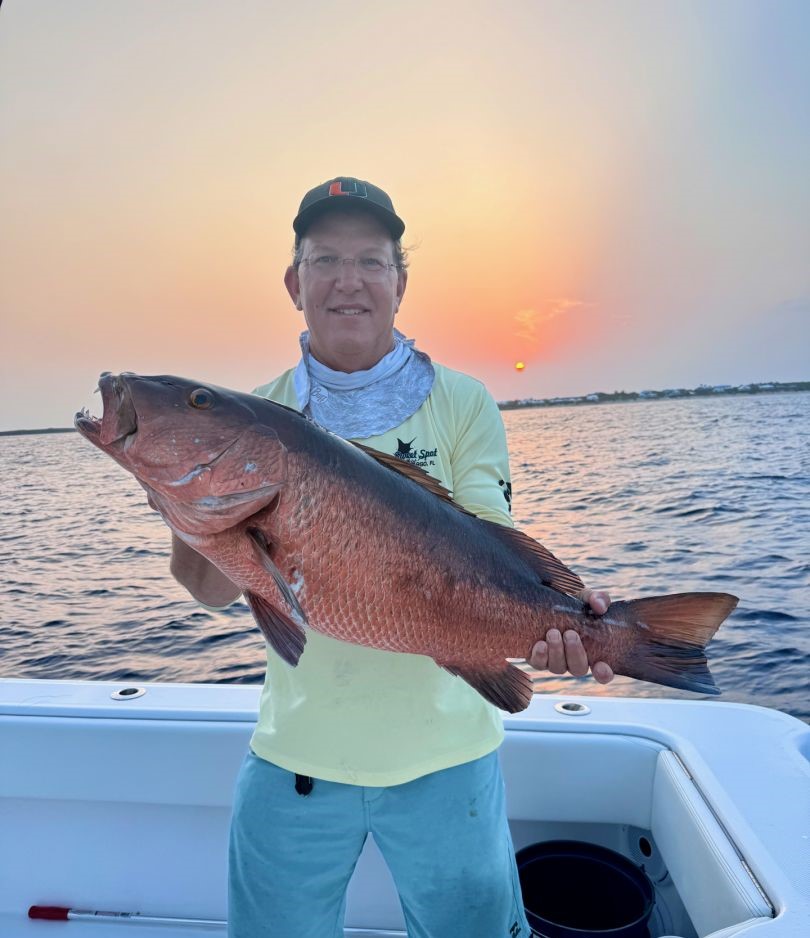
When you're serious about fishing the waters off Key Largo, you need time to do it right. This 8-hour private charter with Captain Tucker Ersek gives you that luxury—enough time to run to the deep blue where the big fish live and work multiple spots without watching the clock. We're talking about a full day on some of the most productive offshore waters in the Florida Keys, with room for up to 6 anglers who want to chase everything from screaming Mahi runs to deep-drop swordfish. This isn't your typical half-day trip where you're heading back just as the bite gets hot. We stay out there and put in the work.
What to Expect on the Water
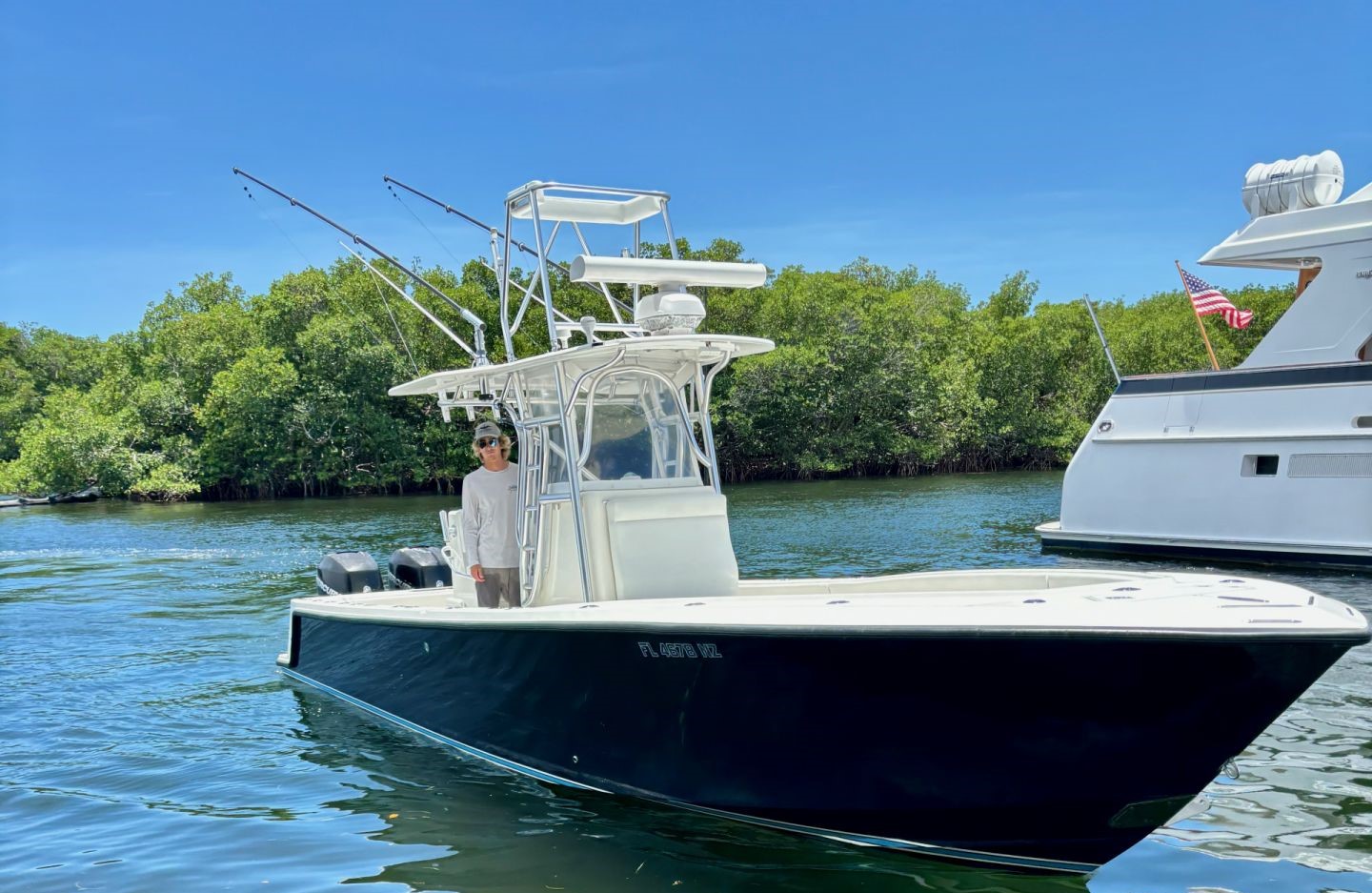
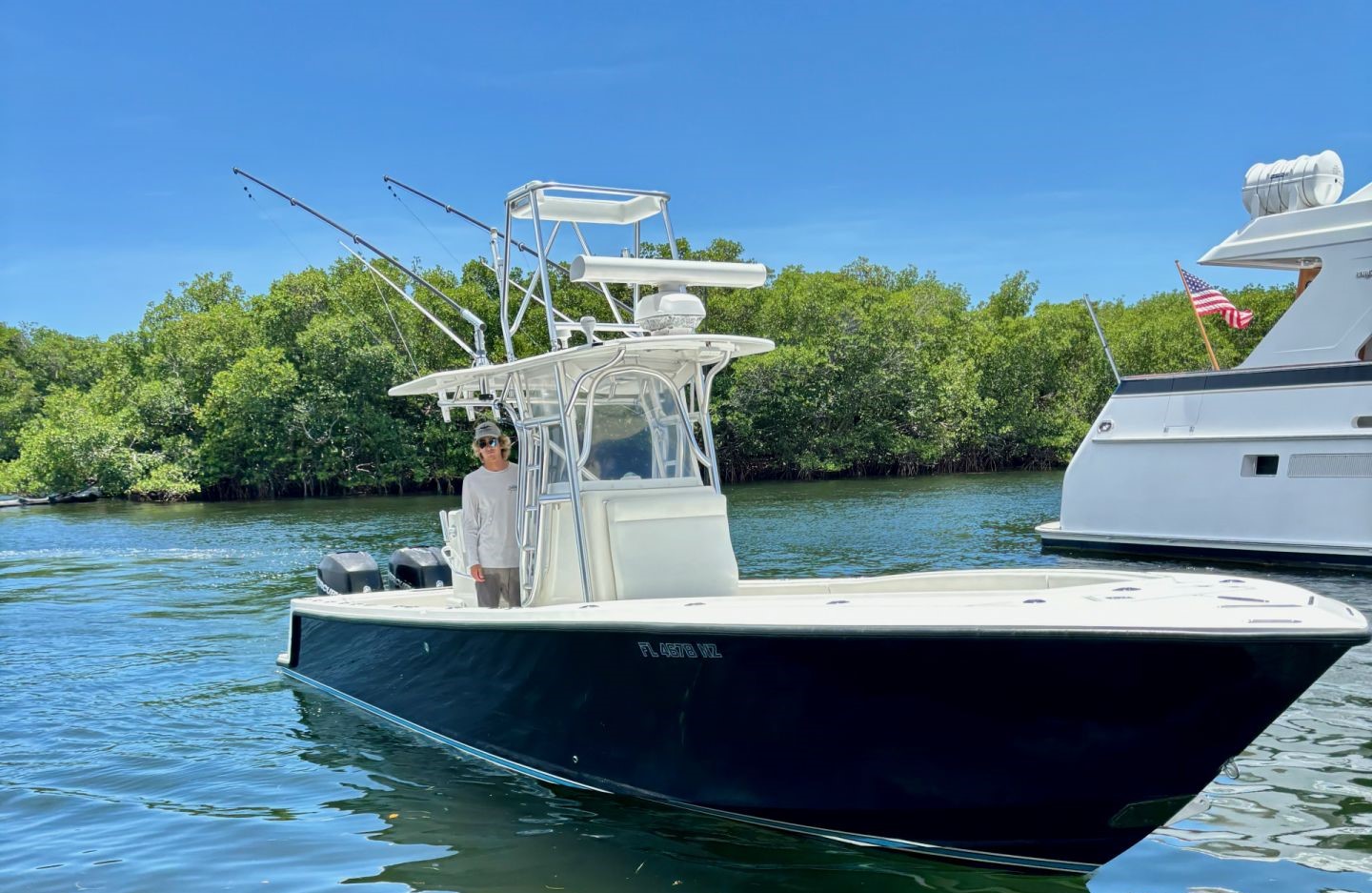
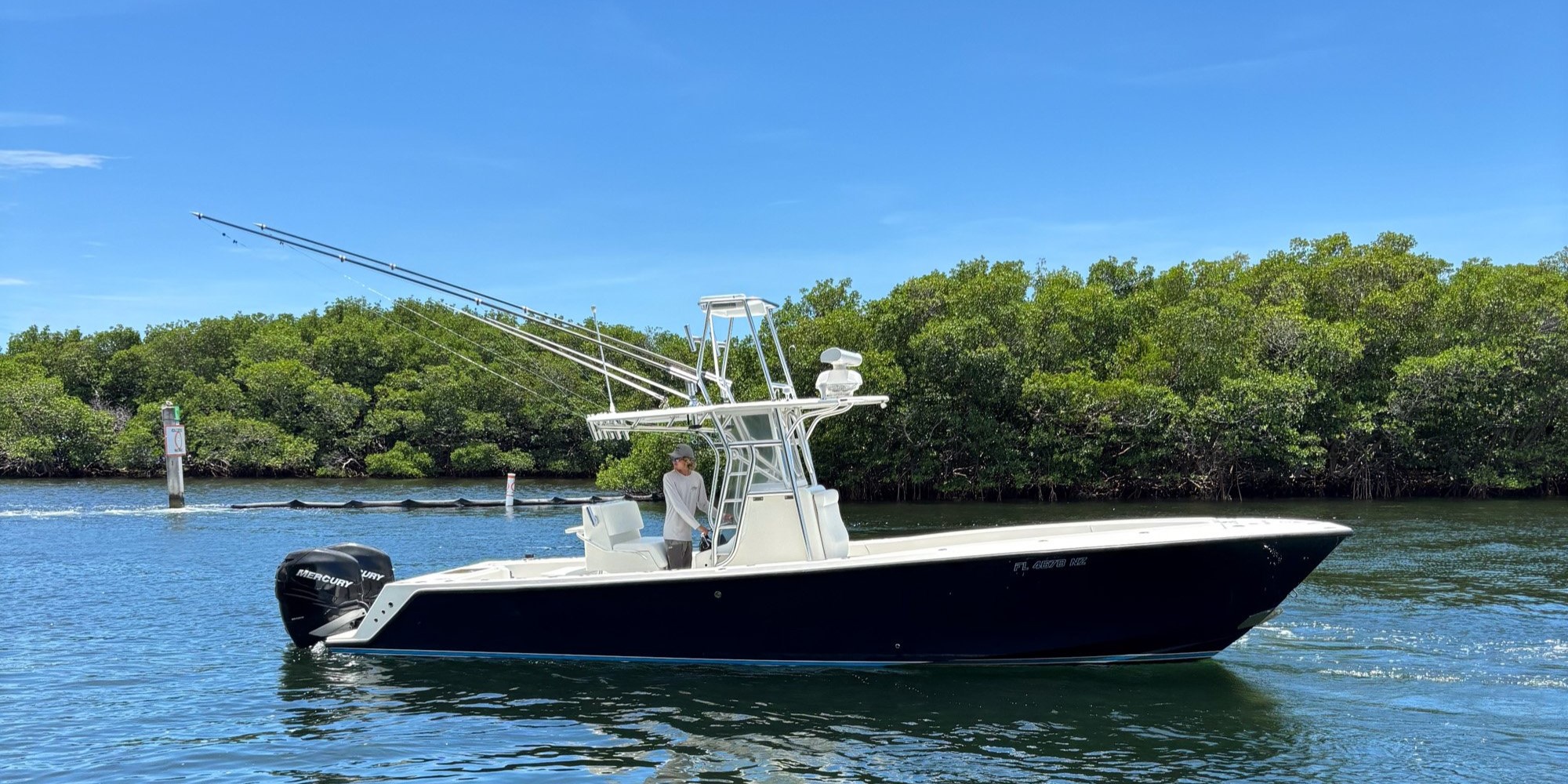
Your day starts early—that's when the fish are most active and the seas are typically at their calmest. Captain Tucker knows these waters like the back of his hand, and he's not afraid to run the extra miles to find where the fish are holding. With 8 hours at our disposal, we can hit multiple zones depending on conditions and what's biting. One morning might start with live bait fishing over structure for hogfish and permit, then transition to trolling the blue water for mahi and wahoo as the sun climbs higher. The boat's rigged with everything you need—from heavy tackle for the big pelagics to lighter gear for finesse fishing. Don't worry about bringing anything except your cooler for drinks and snacks, because we've got the fishing side covered. The extended time means beginners get plenty of coaching while seasoned anglers can focus on technique refinement and targeting specific species they've been wanting to check off their list.
Techniques & Tackle Breakdown
We fish these offshore waters using every trick in the book, and Captain Tucker adjusts the game plan based on what Mother Nature serves up each day. Trolling is our bread and butter for covering water and locating schools of mahi, wahoo, and other pelagics—we'll pull a spread of lures at different depths to find where they're feeding. When we mark fish on the sounder or spot birds working, we switch to live bait or casting jigs to capitalize on the action. For the deep-dwelling swordfish, we break out the electric reels and heavy tackle, dropping baits down 1,000+ feet where these gladiators patrol. Structure fishing around wrecks and reefs requires a different approach entirely—we'll anchor up or drift with lighter tackle, using live pilchards or cut bait to tempt permit and hogfish. The boat carries everything from 20-pound spinning setups to 80-pound trolling outfits, plus all the terminal tackle, lures, and bait you'll need. Part of what makes this trip special is having the time to switch techniques when one approach isn't producing—something you just can't do on shorter charters.
Species You'll Want to Hook
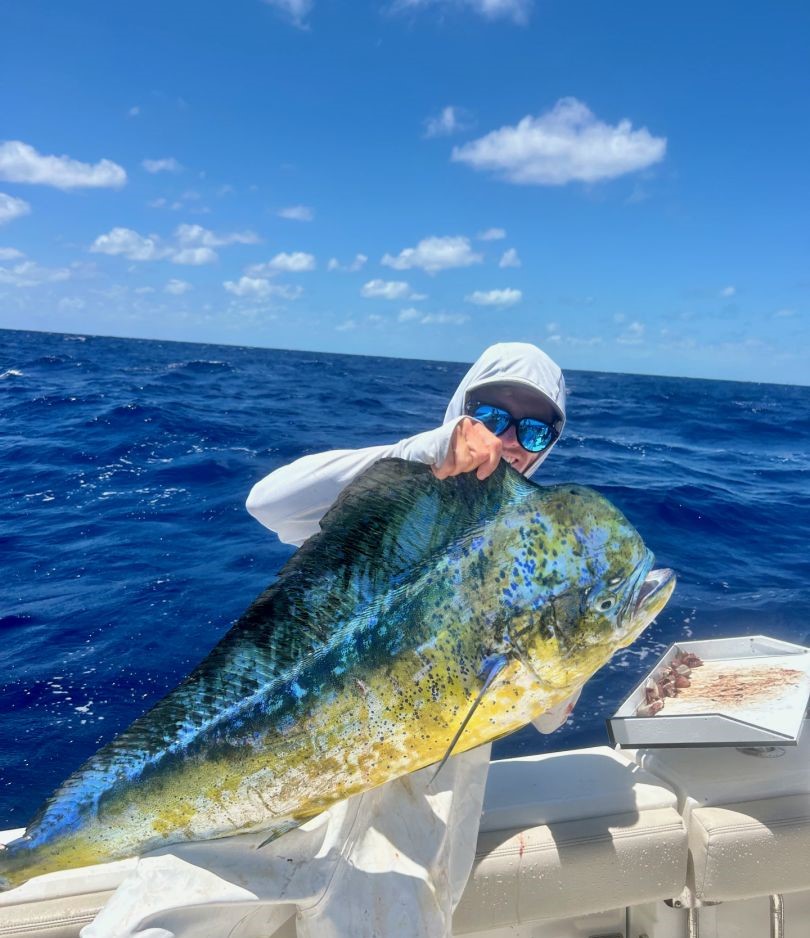
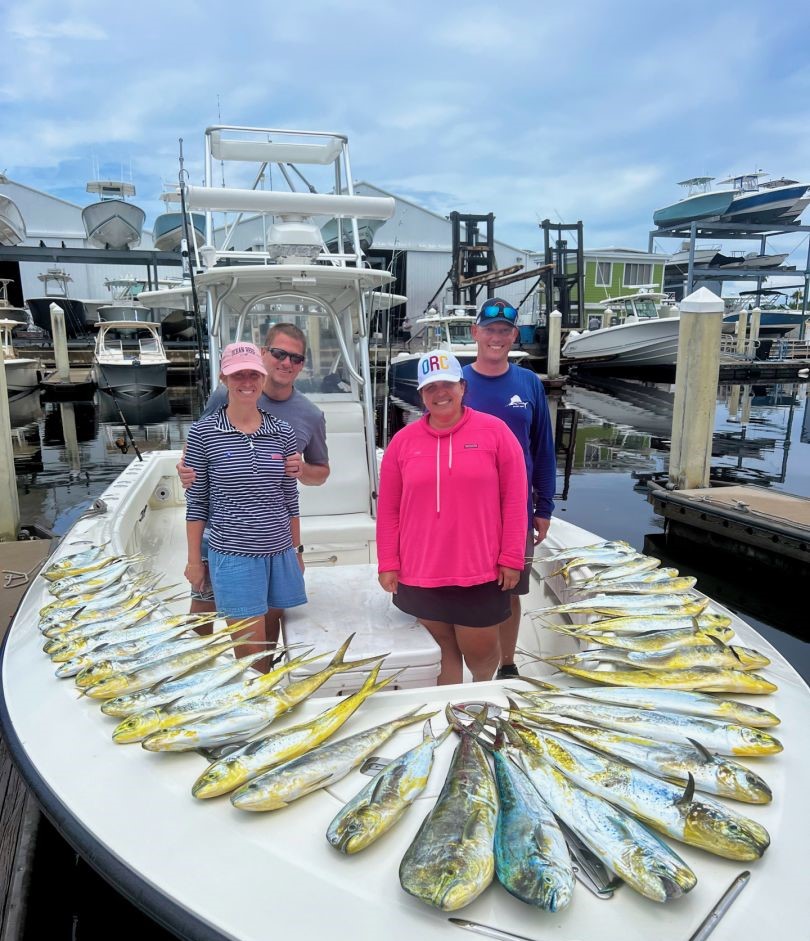
Mahi Mahi are the crowd-pleasers out here, and for good reason. These fish are pure electricity when hooked—jumping, tail-walking, and putting on a show that gets everyone on the boat excited. They travel in schools, so when you find one, there's usually more nearby. Peak season runs from April through August, but we see them year-round in varying numbers. What makes mahi special is their willingness to eat just about anything, from trolled ballyhoo to jigs cast at floating debris. A good mahi will run 15-30 pounds, with bulls occasionally pushing 40+. The bonus? They're some of the best eating fish in the ocean.
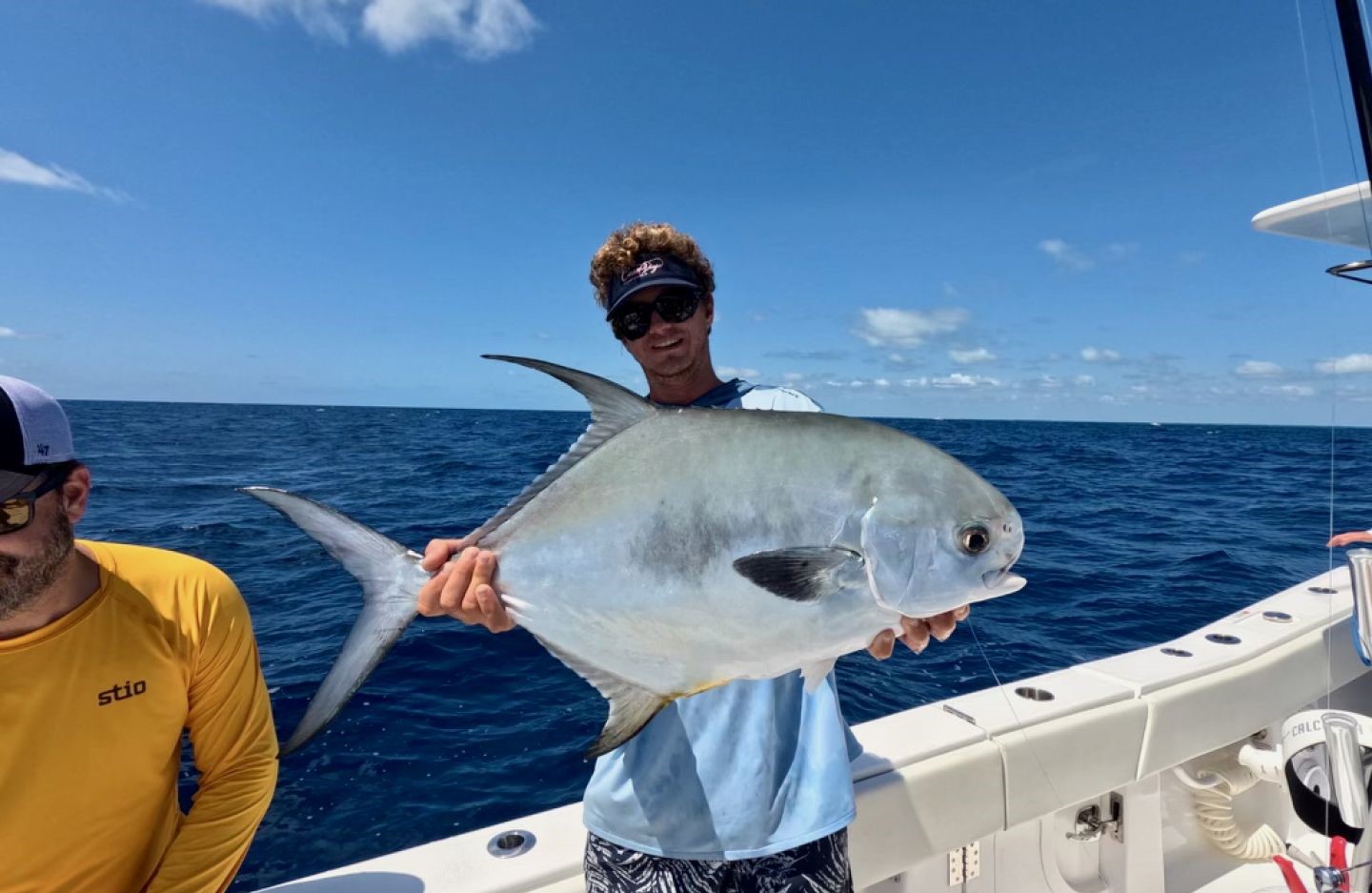
Permit are the holy grail for many anglers—spooky, selective, and absolutely beautiful fish that will test your patience and skill. These silver ghosts cruise the reef edges and deeper structures, often in small groups. They're notoriously picky eaters, but when everything lines up, the fight is worth the wait. Most permit we encounter run 15-25 pounds, with their broad, powerful bodies providing serious pulling power. Spring through fall offers the best opportunities, particularly around full and new moon phases when they're more active. Landing a permit often becomes the fish story that anglers tell for years.
Hogfish might not be the flashiest fighters, but they're prized for their incredible table fare and unique appearance. These bottom-dwellers hang around structure in 60-120 feet of water, using their pig-like snouts to root crustaceans from the sand. They're year-round residents, though cooler months often produce the largest specimens. A good hog will weigh 3-8 pounds, with occasional giants topping 15 pounds. They require finesse and the right bait presentation, making them a favorite target for anglers who appreciate technical fishing.
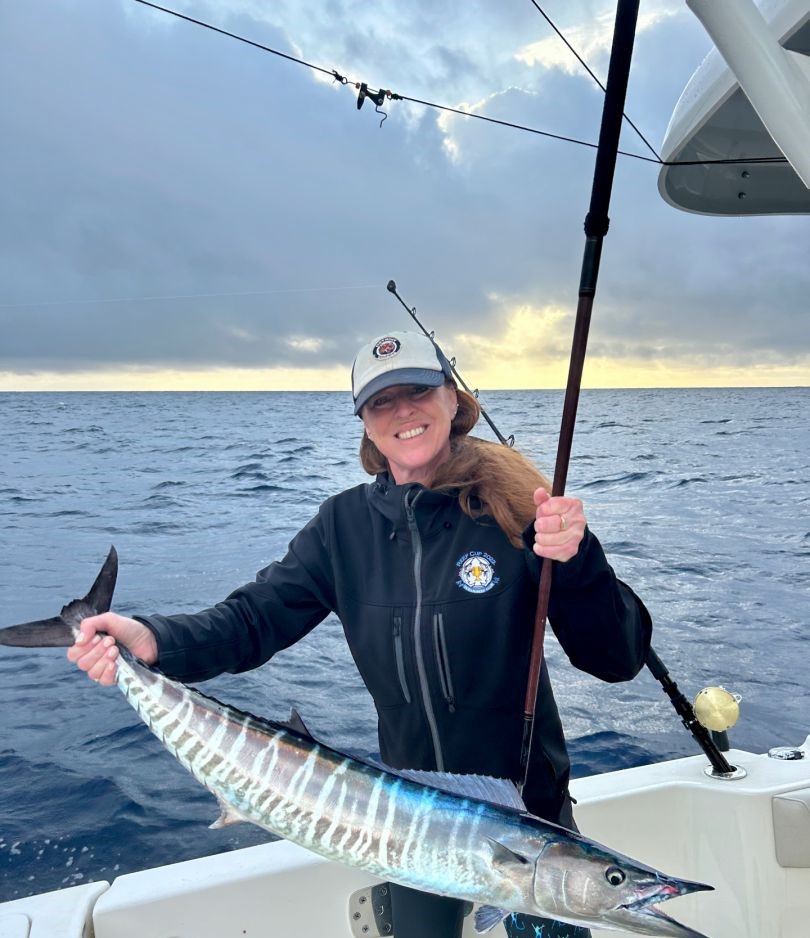
Wahoo are the speed demons of the deep, capable of scorching runs that will test your drag system and your nerves. These torpedo-shaped predators patrol the blue water year-round, though winter months typically offer the best action. They're ambush predators that attack trolled lures with incredible violence, often hooking themselves before you even know what hit. Most wahoo range from 20-40 pounds, but 60+ pounders are always possible. Their razor-sharp teeth and blistering speed make every hookup an adventure, and their white, flaky meat rivals any fish in the ocean.
Swordfish represent the ultimate offshore challenge—deep-dwelling gladiators that require specialized techniques and serious tackle. These fish live in the depths during daylight hours, forcing us to drop baits 800-1,500 feet down using electric reels and heavy weights. The bite often comes as a subtle tick on the rod tip, but once hooked, a sword can weigh anywhere from 40 to 200+ pounds. They're caught year-round, though certain weather patterns and moon phases improve your odds. Landing a swordfish is a bucket-list achievement that separates casual anglers from serious offshore enthusiasts.
Time to Book Your Spot
 Private Trip
 Offshore Fishing
 Key Largo


 8-hour private offshore charter targets multiple fish species