Half-Day Wade Fishing Adventure
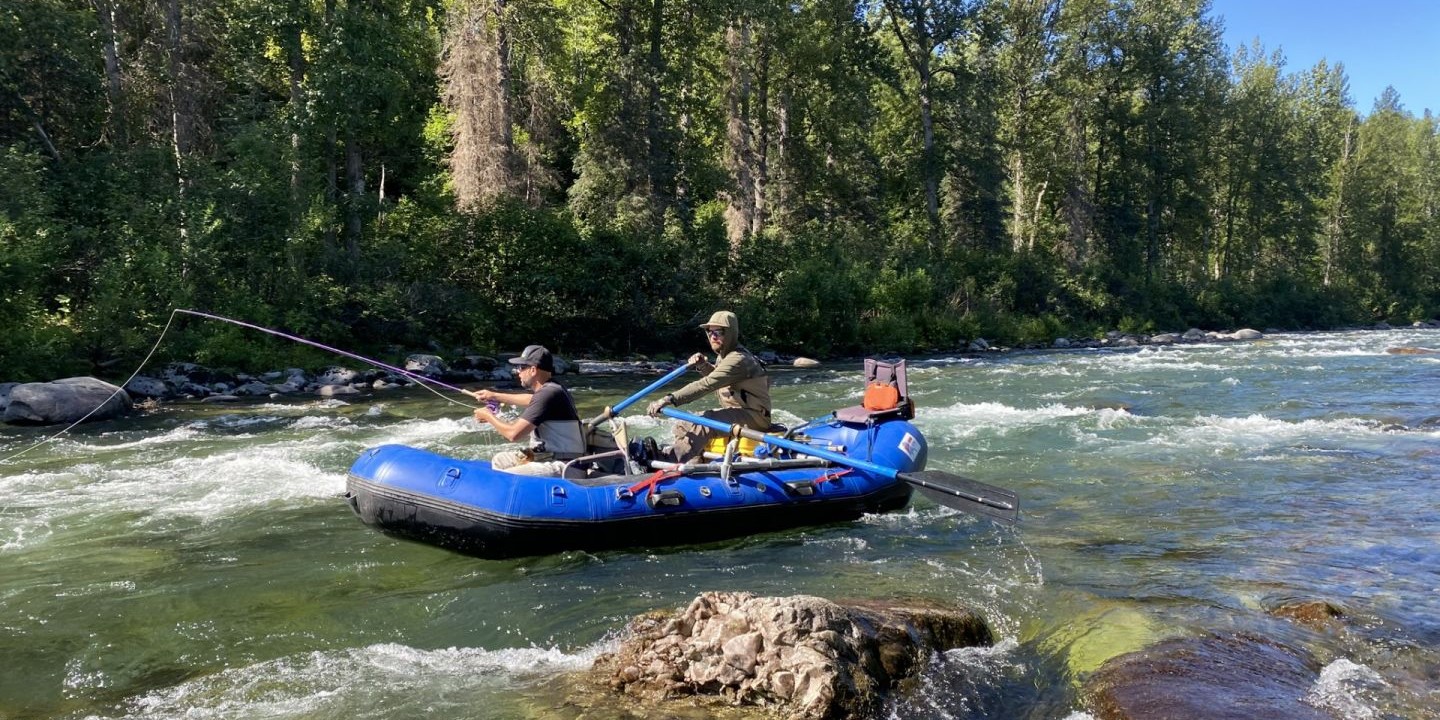
Looking for a solid half-day on the water without the commitment of a full-day trip? This 4-hour wade fishing charter with Willow Fishing Charters hits the sweet spot. Starting at 10 AM, you'll spend your morning walking scenic riverbanks and wading prime fishing holes where rainbow trout, grayling, and salmon love to hang out. It's just you and one buddy with a seasoned guide who knows these waters like the back of their hand. Perfect for testing new techniques, bringing a friend who's never wet a line, or squeezing in some quality fishing time when your schedule's packed.
What to Expect on the Water
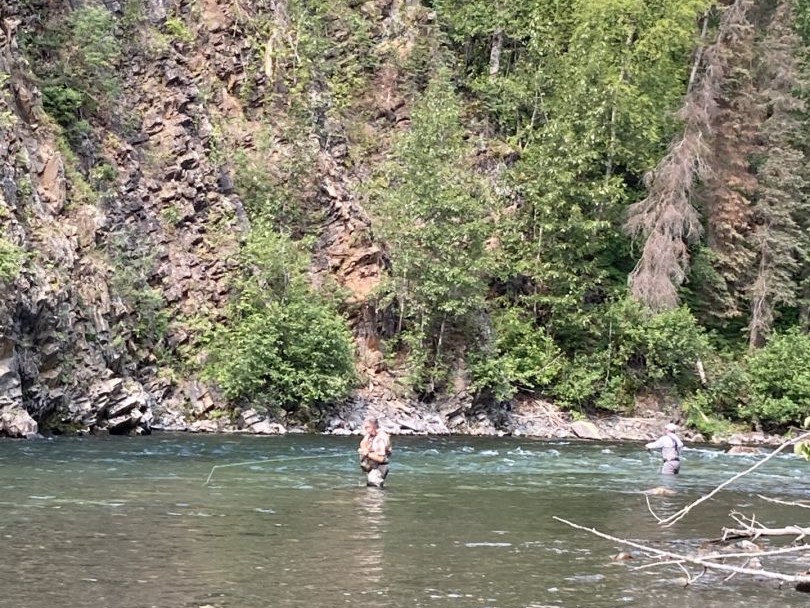
This isn't your typical boat charter – you'll be getting your boots wet and covering some ground. The beauty of wade fishing is getting into spots that boats can't reach, where the fish haven't seen every lure in the tackle box. Your guide will start by reading the water with you, pointing out where fish like to hold based on current conditions, water temperature, and what's hatching. You'll move between 3-4 different spots during your 4 hours, each offering different fishing opportunities. Some might be deeper pools where dolly varden cruise, others could be shallow riffles perfect for grayling. The pace is relaxed but purposeful – no rushing from spot to spot, but enough variety to keep things interesting. Since it's just two anglers, your guide can really focus on helping you dial in your technique and reading the water. Available from May through September when water levels and weather make wading both safe and productive.
Wade Fishing Techniques
Wade fishing is all about stealth and presentation. You'll be using lighter tackle than you might on a boat – typically 6-8 weight fly rods or medium spinning setups that won't spook fish in clear, shallow water. Your guide will show you how to approach pools from downstream, keeping your shadow off the water and minimizing disturbance. Fly fishing techniques include dead drifting nymphs through deeper runs, swinging streamers along undercut banks, and matching dry flies to whatever's coming off the water. Spin fishers will work small spoons, spinners, and jigs that mimic local baitfish and insects. The key is learning to read current seams, eddies, and structure where different species like to feed. Waders are essential gear – chest-high neoprene waders with felt or studded soles for traction on slippery rocks. Most guides provide waders if you don't have your own, but bring layers since early morning starts can be chilly even in summer. Polarized sunglasses aren't optional – you need to see fish, structure, and where you're stepping.
Top Catches This Season
Arctic grayling are the crown jewel of many northern rivers, and for good reason. These beautiful fish with their sail-like dorsal fins are incredibly aggressive and fun to catch on light tackle. Grayling typically run 12-16 inches and love shallow, fast water where they can dart up to grab insects off the surface. They're most active during cooler parts of the day, making this 10 AM start perfect timing. What makes grayling special is their willingness to hit dry flies – watching one rise to take your fly off the surface never gets old. They fight harder than their size suggests, with quick runs and aerial displays that keep you on your toes.
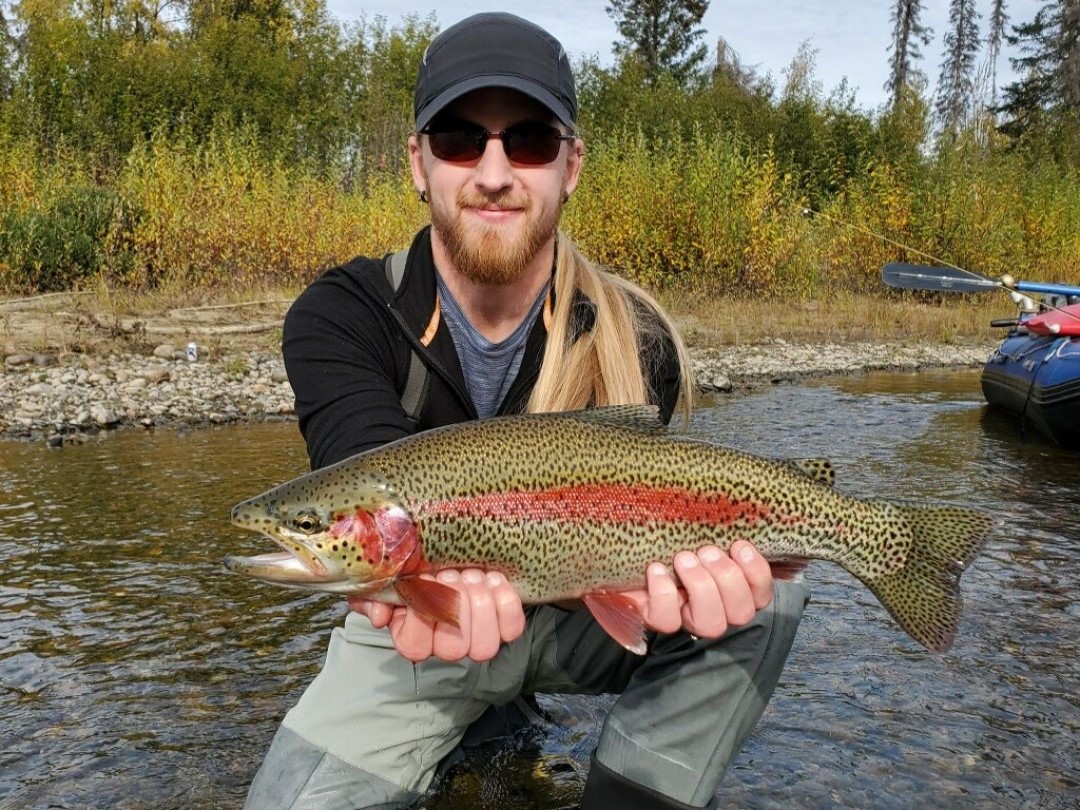
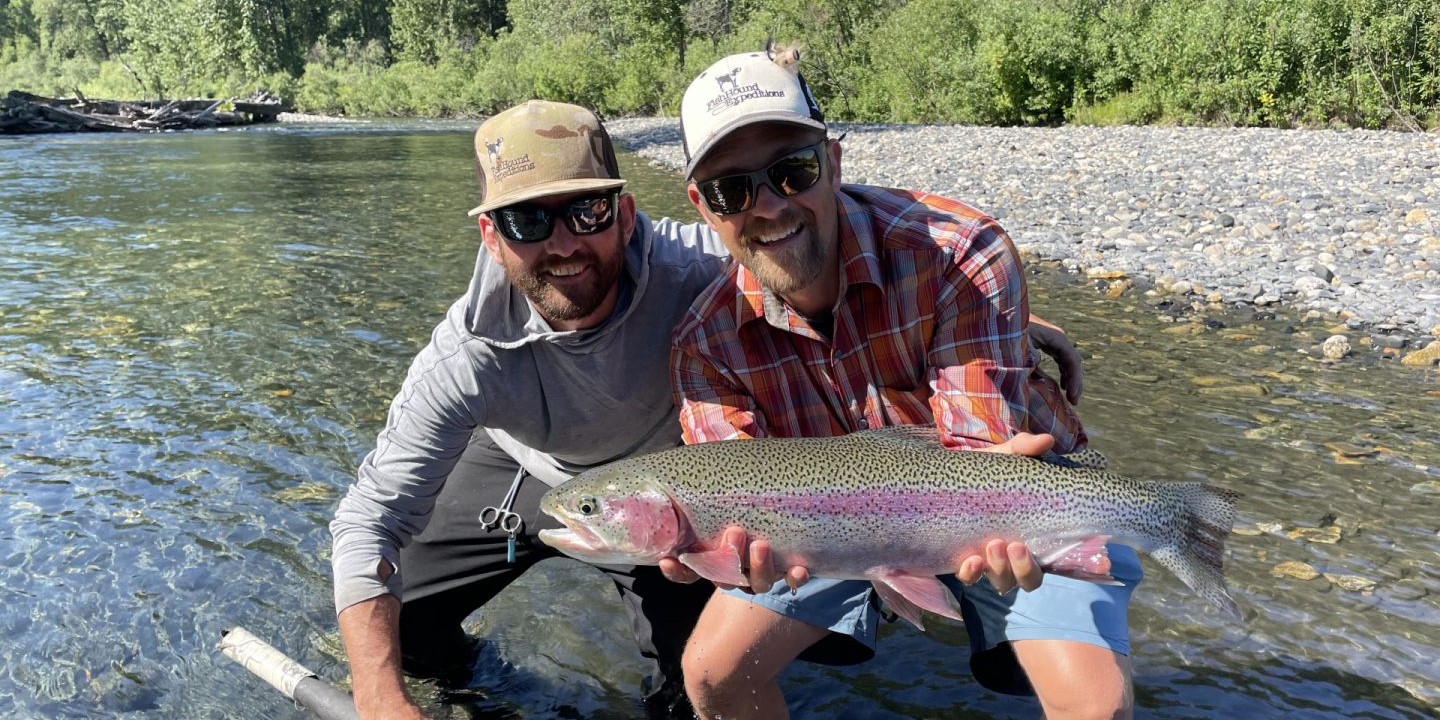
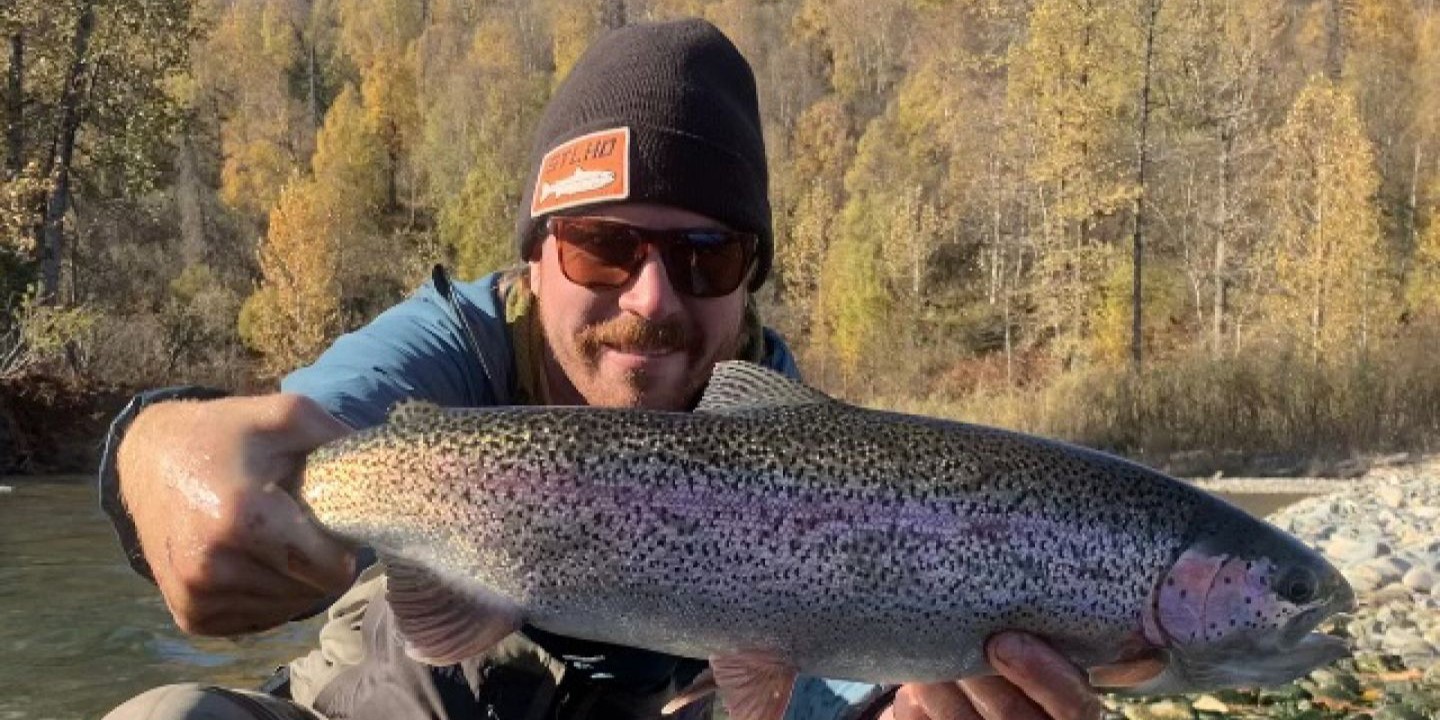
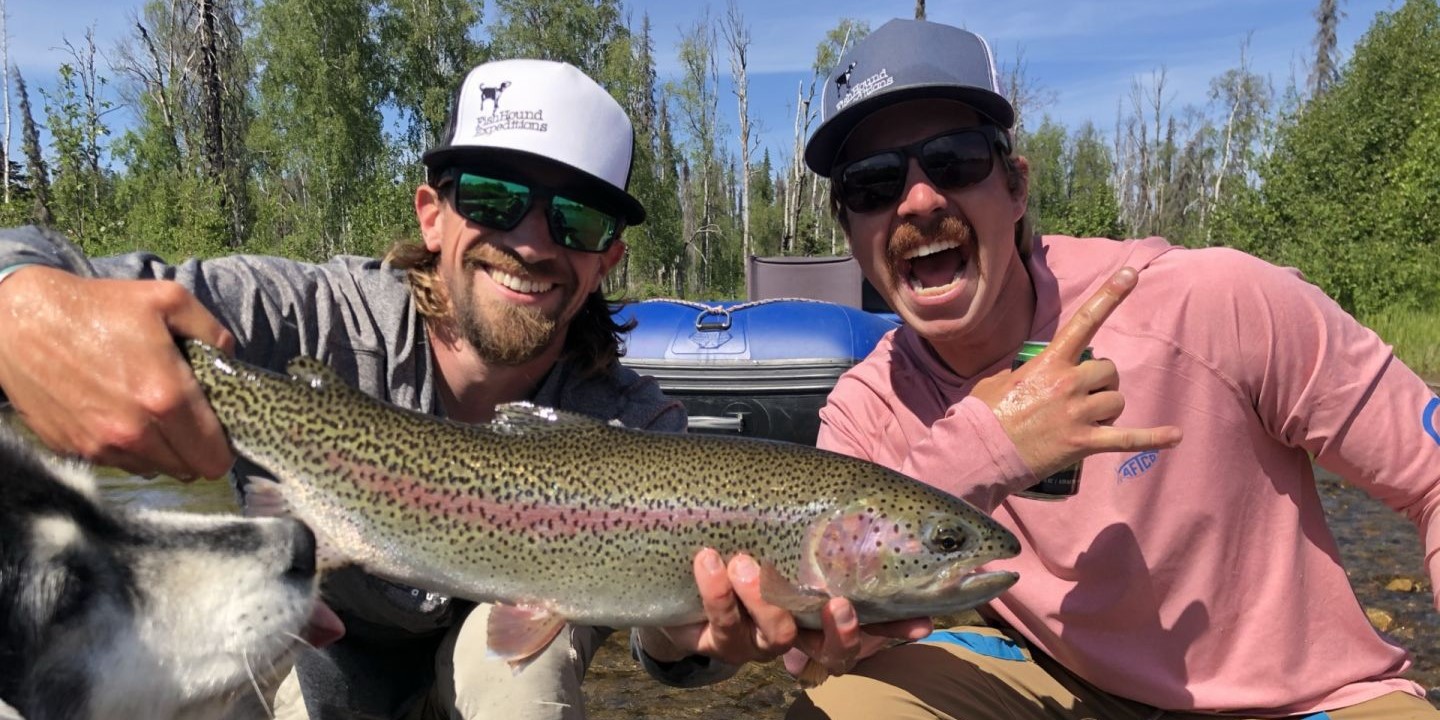
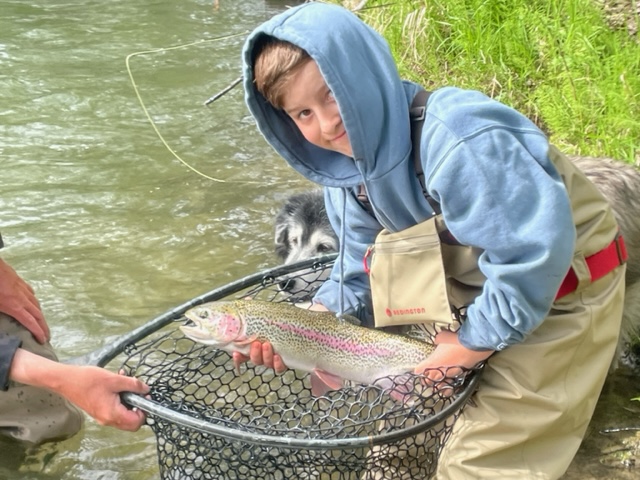
Rainbow trout in these systems are typically wild fish with incredible coloration and stamina. Expect fish in the 14-20 inch range, with occasional larger specimens pushing into the mid-twenties. Rainbows are opportunistic feeders, switching between subsurface nymphs and surface insects depending on conditions. Early season rainbows are often deeper and more sluggish, but by mid-summer they're actively feeding in faster water. Their fights are legendary – powerful runs, jumps, and head shakes that test your drag and knot strength. The key to consistent rainbow fishing is varying your presentation until you find what they want that day.
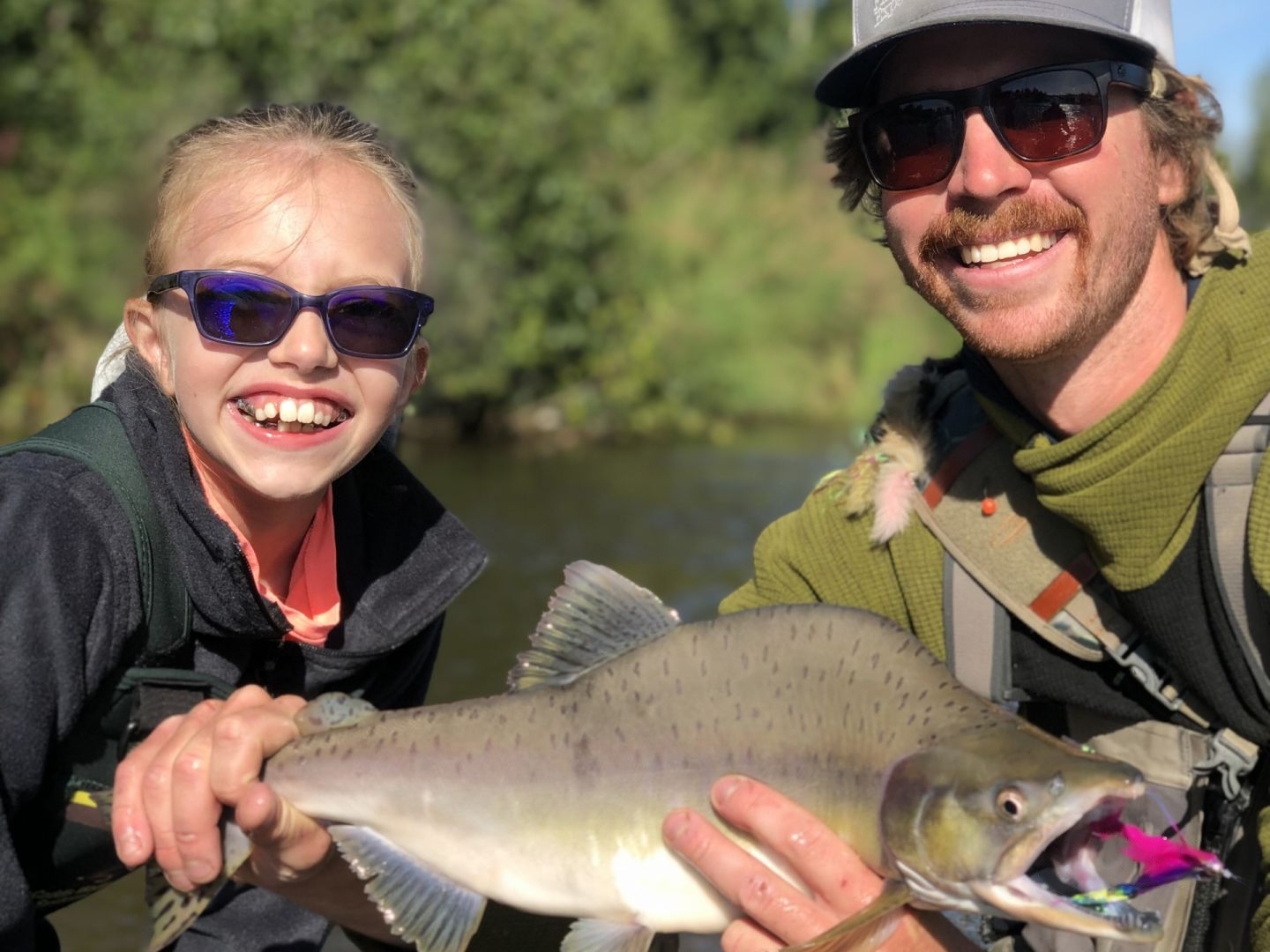
Pink salmon, when they're running, provide non-stop action that's perfect for beginners or anyone who just wants to bend a rod. These smaller salmon, typically 3-5 pounds, travel in schools and can be incredibly aggressive when fresh from the ocean. Pink runs happen in odd-numbered years, peaking in late July and August. They're not picky eaters, hitting everything from small spoons to brightly colored flies. While they don't fight as hard as other salmon species, their sheer numbers make up for it – it's not unusual to hook 20+ fish during a good pink run.
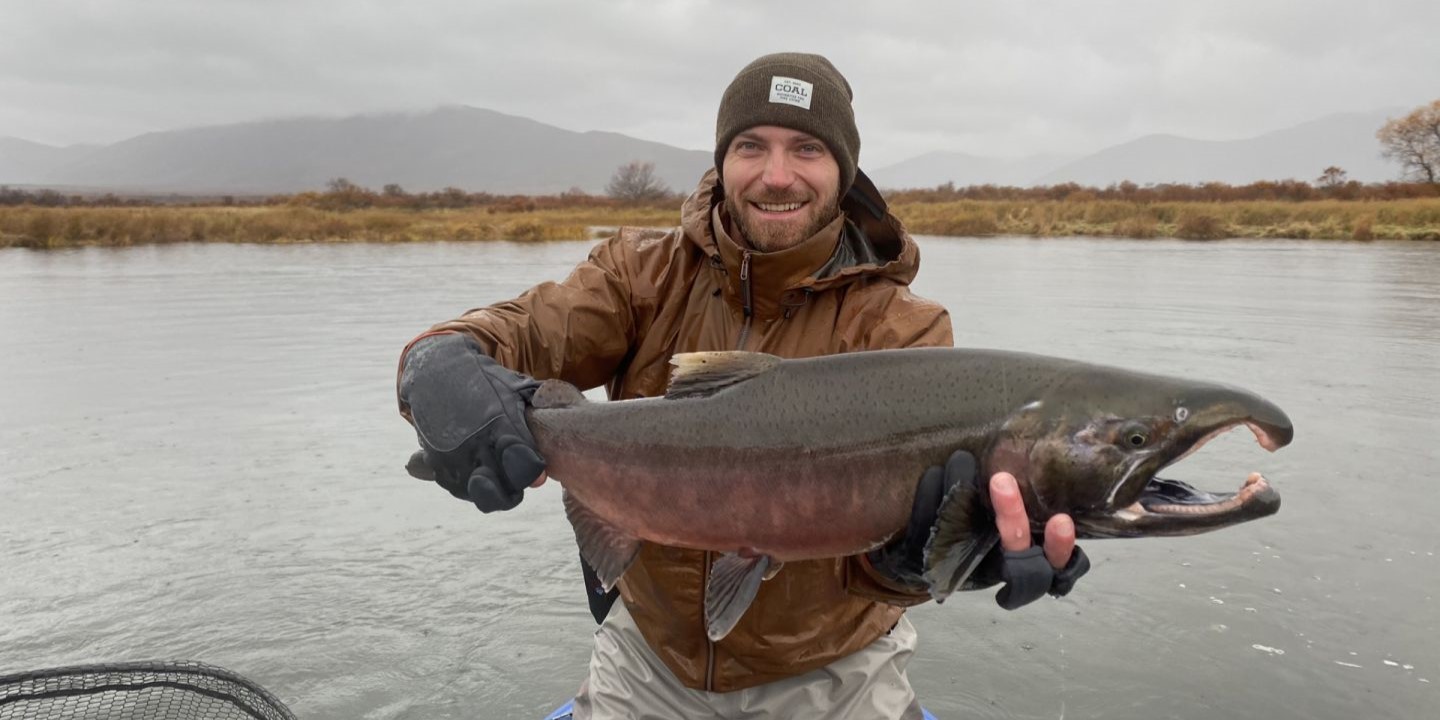
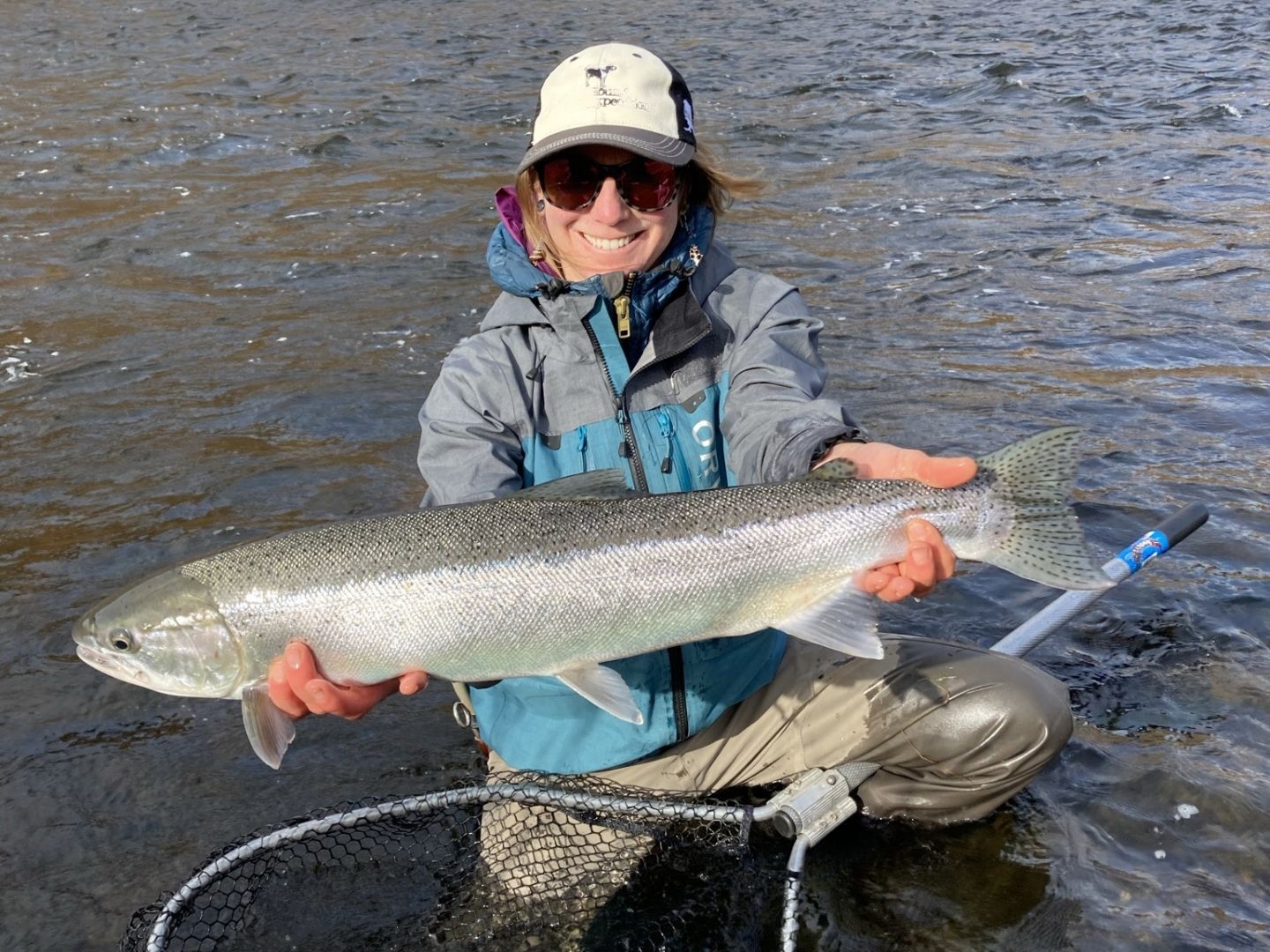
Coho salmon are the prize fighters of the salmon world. Fresh coho, bright silver and full of ocean energy, provide some of the most exciting fishing you'll find anywhere. These fish average 8-12 pounds but fight like they're twice that size, with blistering runs and spectacular jumps. Coho are ambush predators, often holding in deeper pools or along undercut banks before exploding on your presentation. They're most active during overcast conditions or low light periods. Landing a fresh coho on light tackle is a real accomplishment – they'll test every aspect of your angling skills.
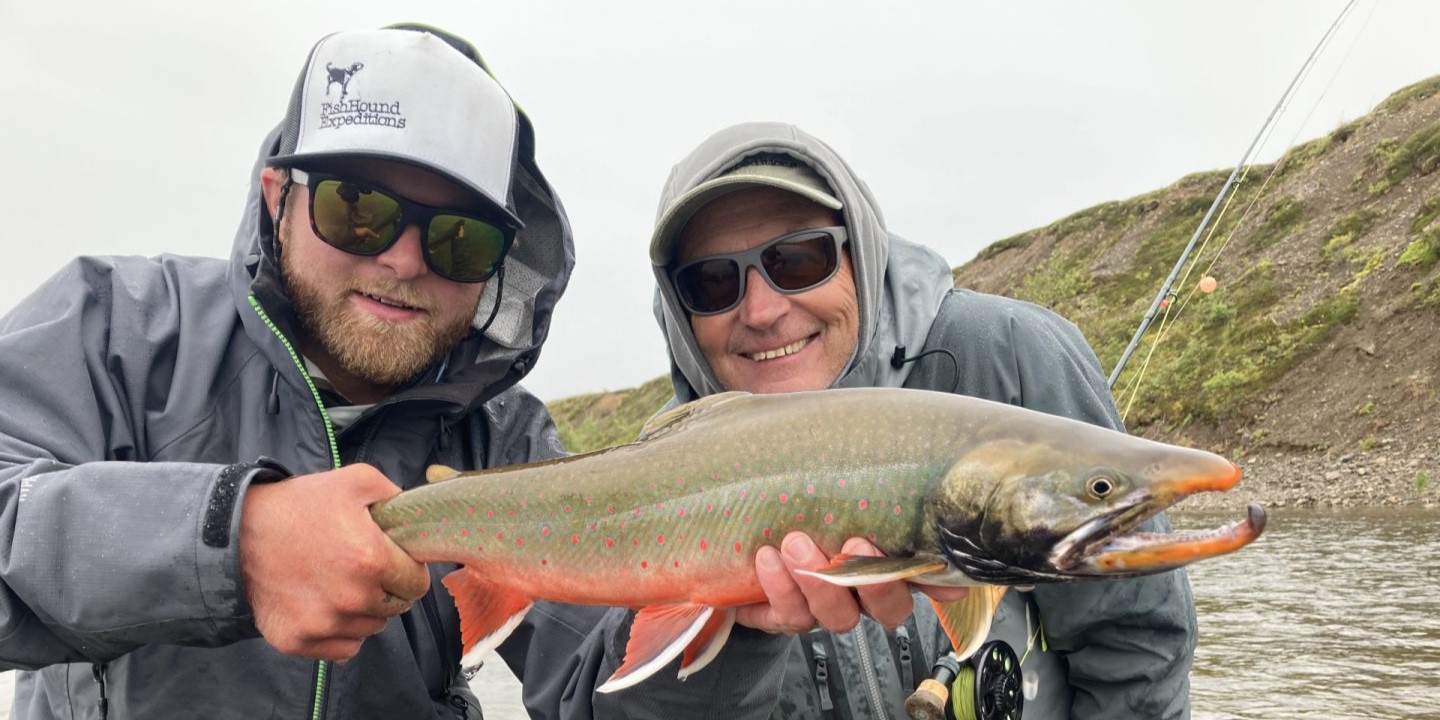
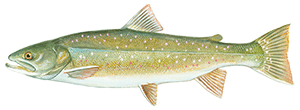
Dolly varden round out the cast of characters in these waters. These native char are beautiful fish with olive backs, orange spots, and white-edged fins. Dollies are opportunistic feeders that will eat everything from salmon eggs to small fish to aquatic insects. They're often found in the same water as trout and grayling but tend to hold deeper and in slower current. Dolly varden average 12-18 inches, with larger fish possible in deeper pools. They're excellent table fare and provide steady action when other species aren't cooperating. Their subtle takes require attention to your line and rod tip – they don't always announce their presence like a rainbow or coho.
Time to Book Your Spot
This half-day wade fishing trip offers the perfect
 Private Trip
 River Fishing
 Anchorage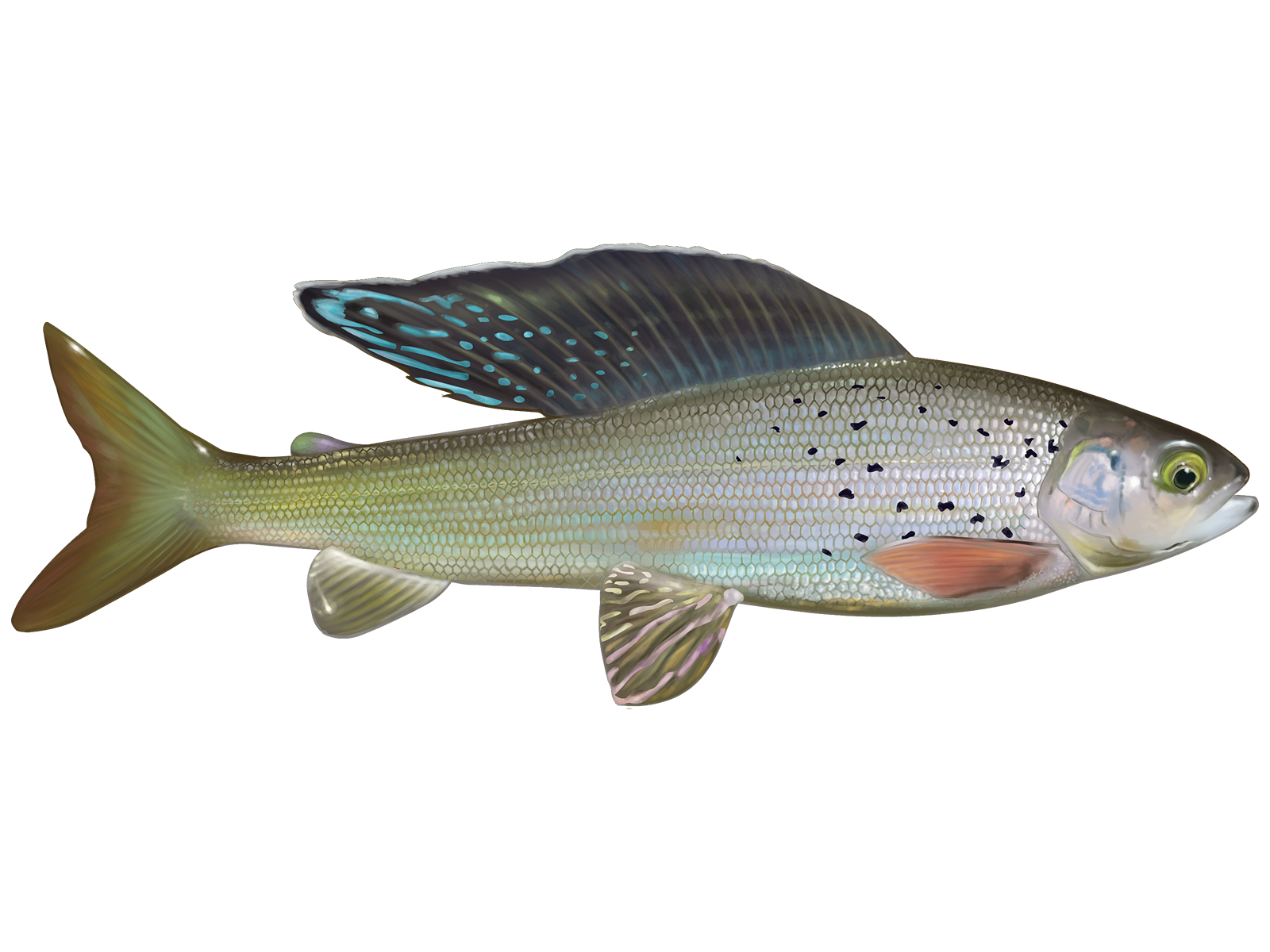


 Four-hour wade fishing trip with experienced guides