Willow Alaska Float Fishing | Full Day Charter
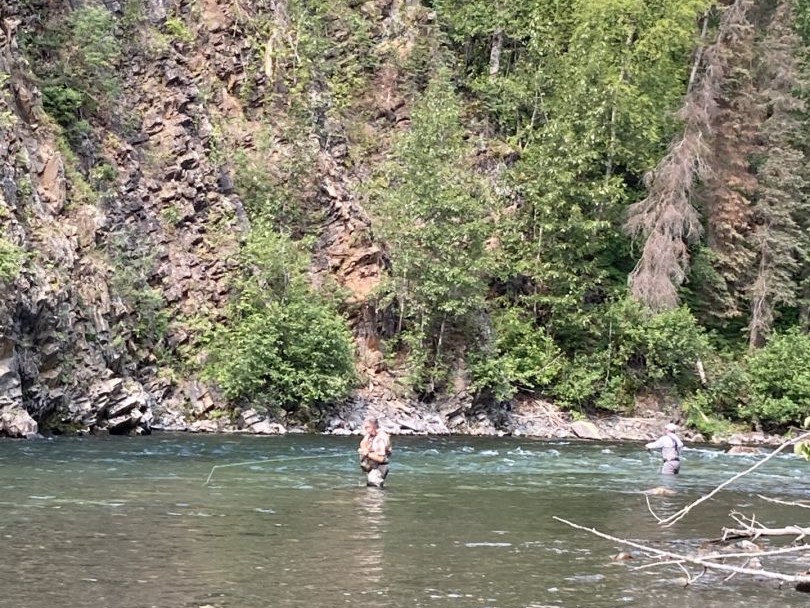
Picture this: you're floating down pristine Alaskan rivers with nothing but the sound of water against the boat and your line cutting through crystal-clear pools. That's exactly what you'll get with FishHound Expeditions' 8-hour float fishing adventure in Willow, Alaska. This isn't your typical fishing trip – we're talking about a world-class angling experience on some of the most productive waters along the Parks Highway. With permits for multiple rivers in the area, we'll put you on fish while you soak in the raw beauty of Alaska's wilderness. Plus, we keep it intimate with just 2 anglers per trip, so you're getting the personal attention you deserve from guides who know these waters like the back of their hand.
What to Expect on the Water
Your day kicks off at 10:00 a.m., giving you plenty of time to grab coffee and get your head right before we push off. We'll spend the next 8 hours working prime fishing spots that most anglers never even know exist. The float itself is part of the magic – we're not just anchored in one spot hoping fish swim by. Instead, we're constantly moving through different water types, from deep holes where the big fish hold to shallow riffles perfect for sight fishing. Around midday, we'll pull up on a gravel bar or riverside spot to fire up the grill for something you won't find on any other charter: reindeer brats cooked fresh on-site. It's the kind of lunch break that makes you remember why you love Alaska. The season runs from May 1st through September 30th, covering everything from spring runoff fishing to fall salmon runs. Each month brings different opportunities, so whether you're here in late spring when the grayling are active or during peak salmon season, we'll adjust our approach to put you on the best bite.
Float Fishing Tactics & Gear
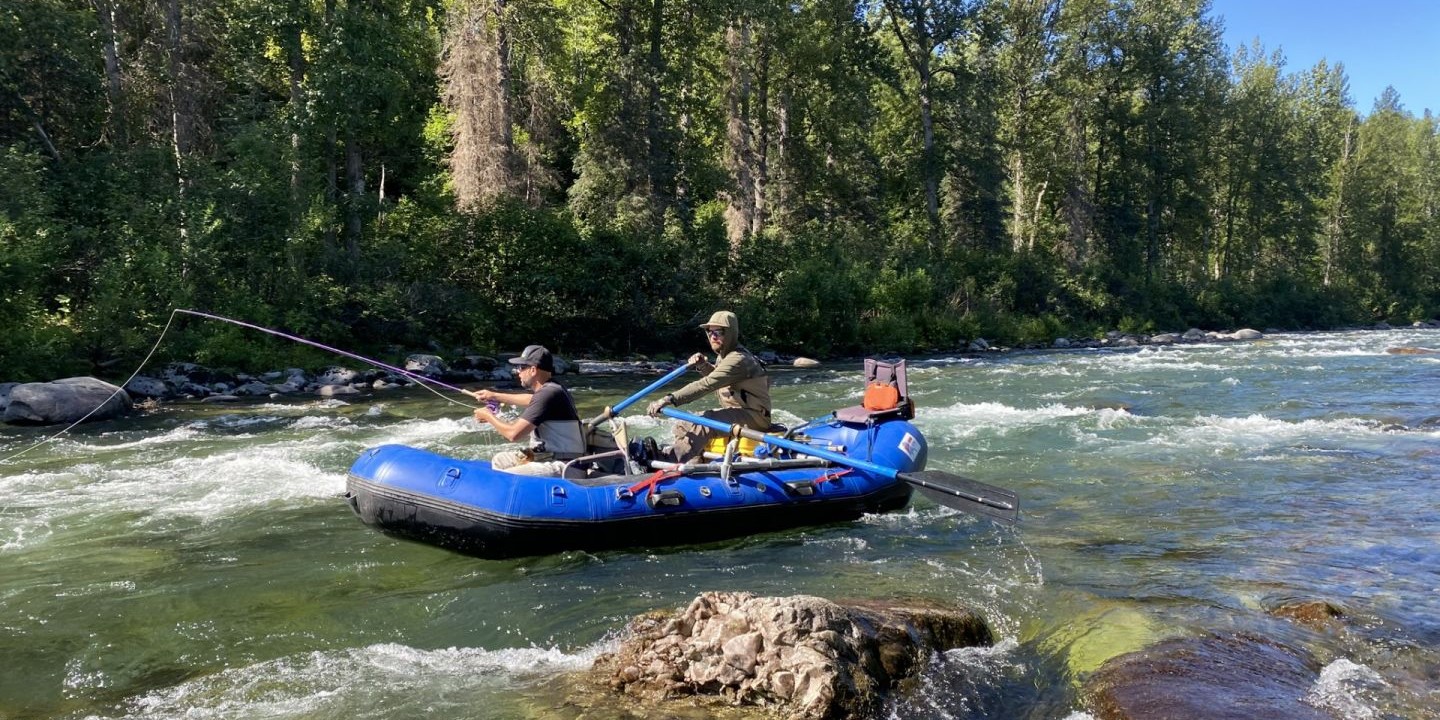
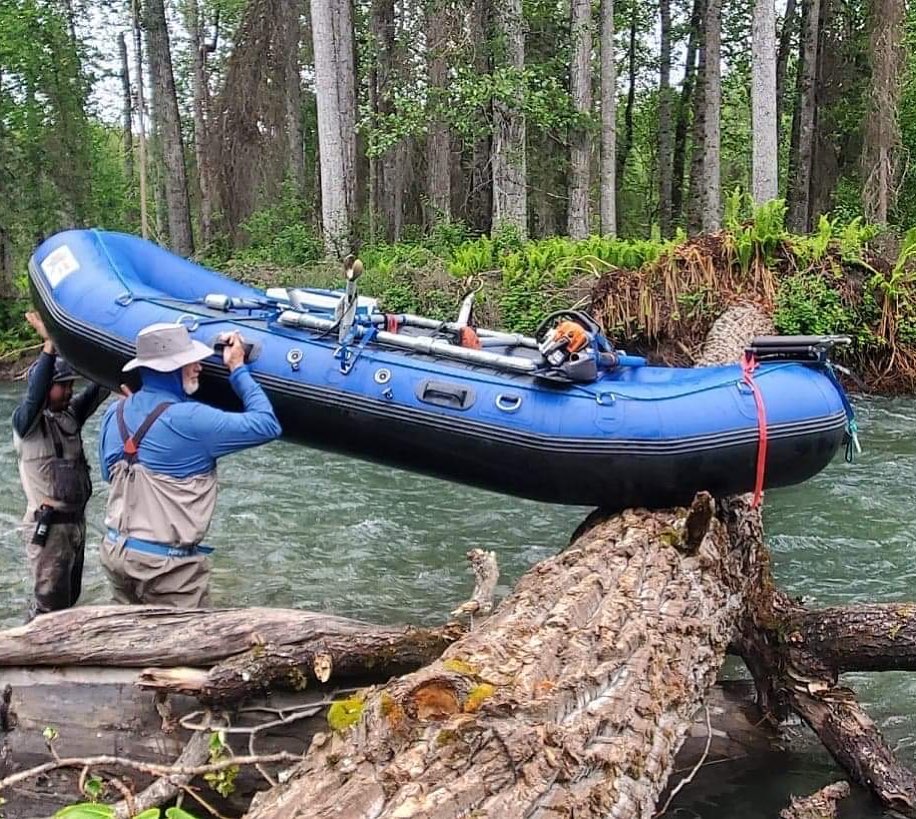
Float fishing is an art form, and these Alaskan rivers are the perfect canvas. We're using drift boats designed specifically for navigating Alaska's river systems – stable platforms that let you fish effectively while covering serious water. The technique varies depending on what we're targeting and where the fish are holding. For salmon, we might be swinging flies through deep pools or bouncing eggs along the bottom in current seams. When we're after rainbow trout, it's all about reading the water and presenting your offering where they're feeding – sometimes that means dead-drifting nymphs, other times it's stripping streamers through undercut banks. Arctic grayling love different presentations entirely, often taking dry flies in the film or small spinners worked through shallow runs. Our guides provide all the tackle you'll need, from heavy-duty salmon rods to delicate fly setups for grayling. We're constantly adjusting our approach based on water conditions, time of year, and what the fish are telling us. The beauty of float fishing is that we can cover miles of prime habitat in a single day, hitting spots that shore anglers never reach.
Species You'll Want to Hook
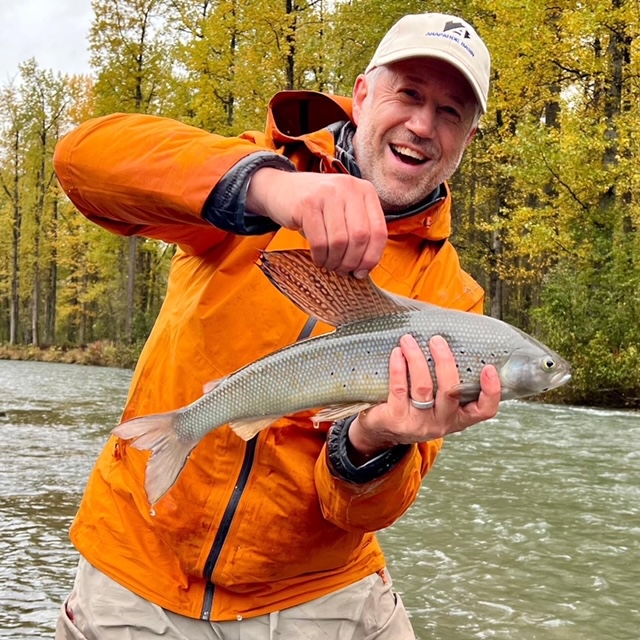
Arctic Grayling are the true natives of these waters, and they're absolutely stunning fish. These beauties sport that distinctive dorsal fin that looks like a small sail, with colors that shift from purple to blue depending on the light. They typically run 12 to 16 inches, though we see some pushing 18 inches in the deeper holes. Grayling are most active from late May through September, and they're aggressive feeders that'll hit everything from tiny dry flies to small spinners. What makes them special is their fight – pound for pound, they're some of the scrappiest fish in Alaska, jumping and tail-walking when they feel the hook.
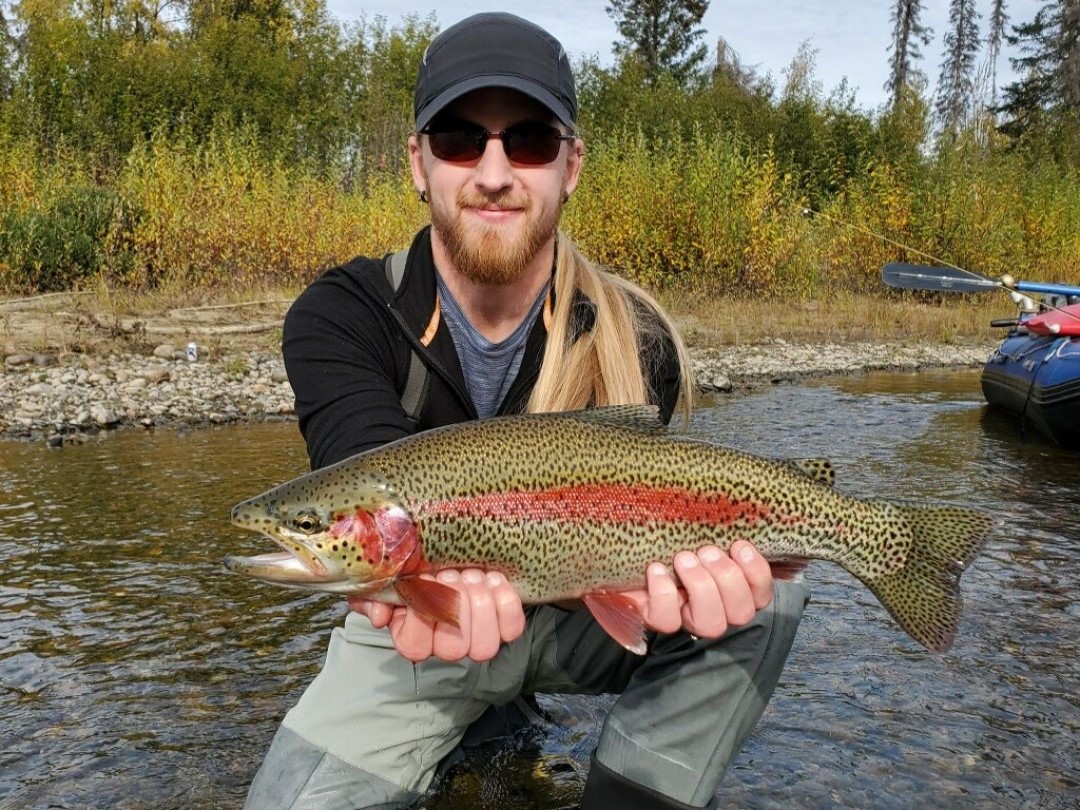
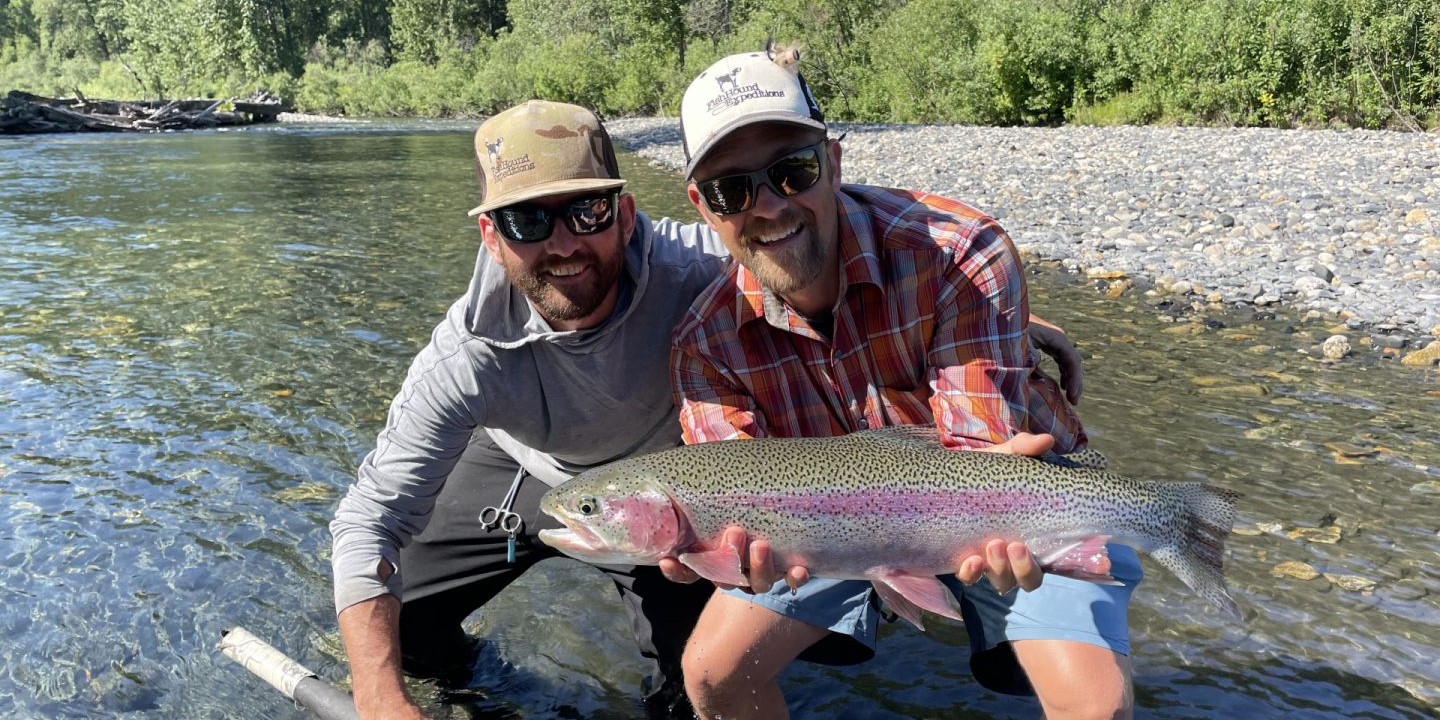
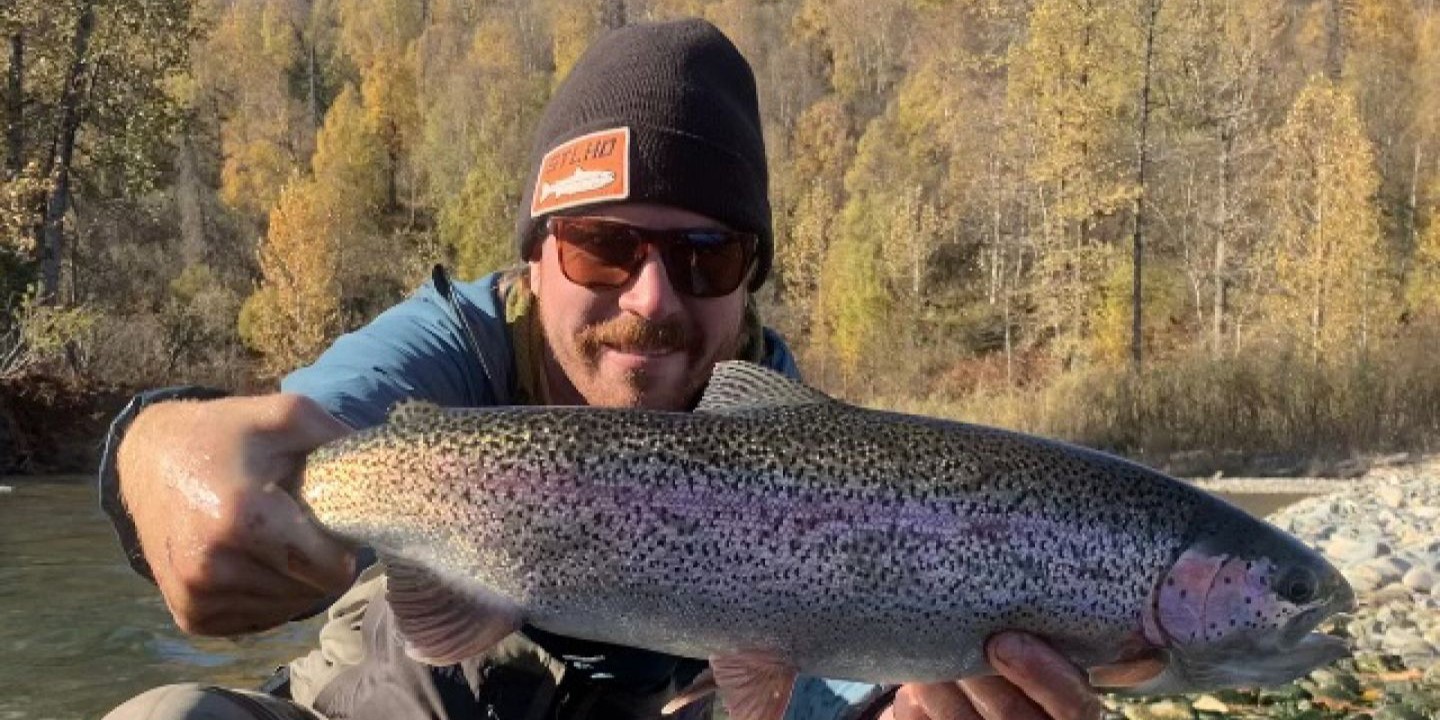
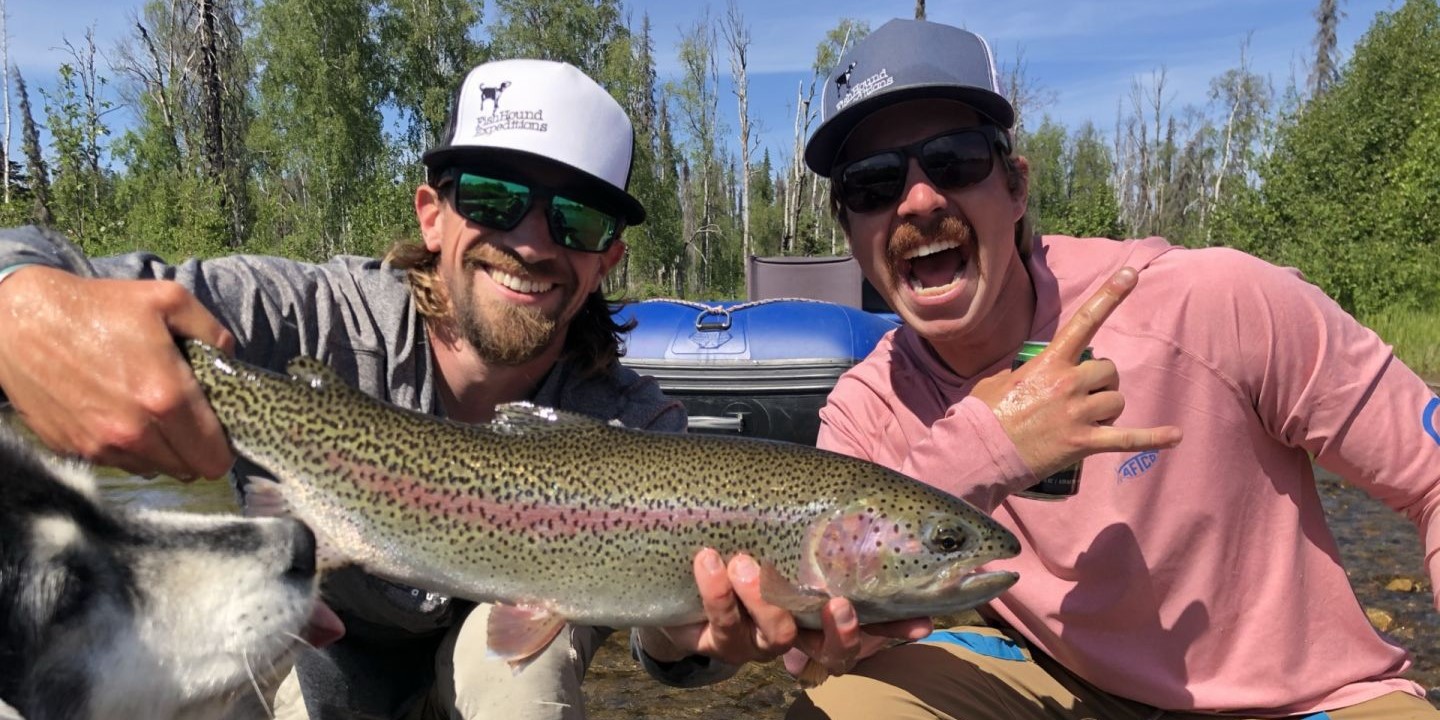
Rainbow Trout in these systems are something else entirely. We're talking about wild, stream-bred fish that have never seen a pellet in their lives. They average 14 to 20 inches, with some true giants lurking in the deeper pools. Peak season runs from June through early October, but the best action often happens during salmon runs when they're gorging on eggs and flesh. These rainbows are incredibly strong, using the current to their advantage and making runs that'll test your drag system. The colors are phenomenal – bright silver sides with that classic pink stripe that seems to glow underwater.
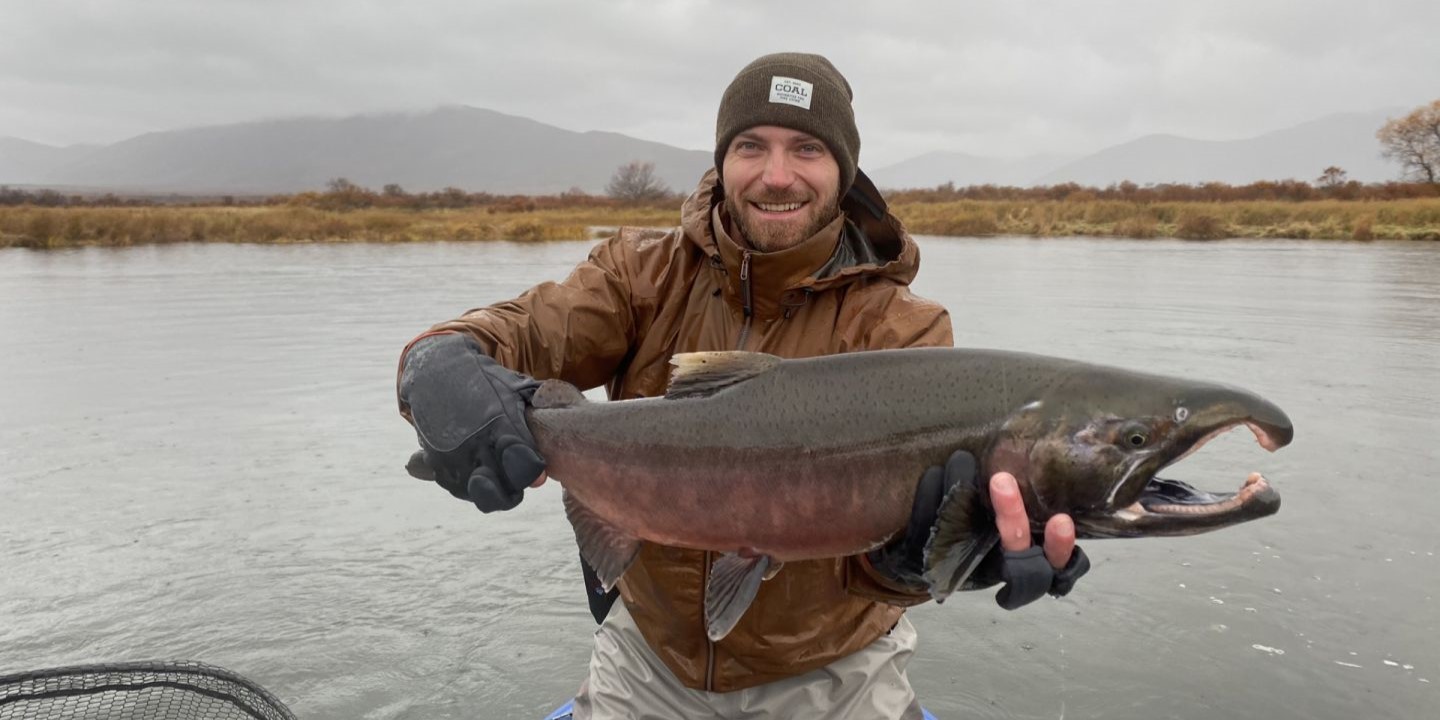
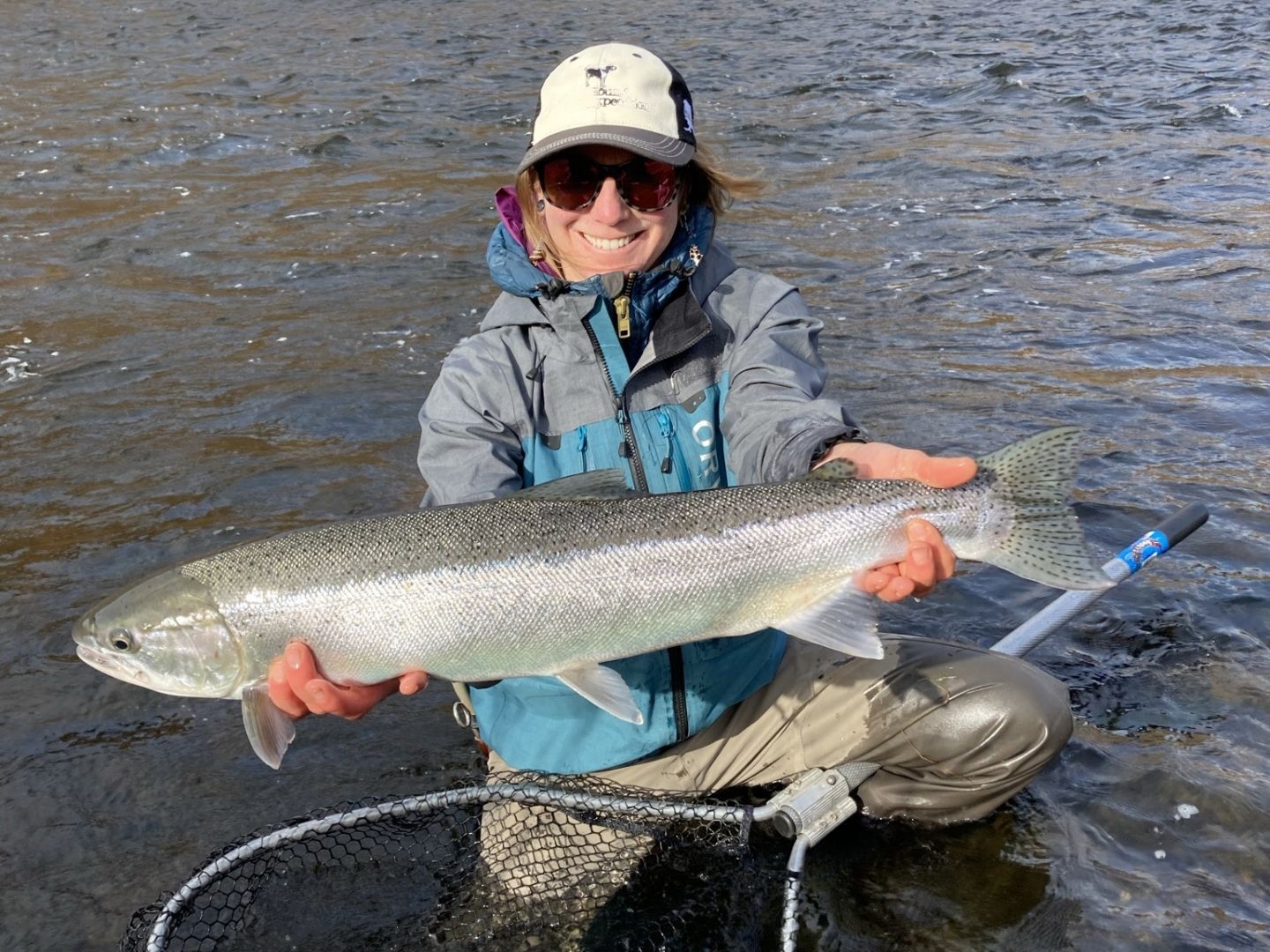
Coho Salmon, or silvers as we call them, are the aerial acrobats of the salmon world. When you hook into a fresh coho, get ready for a show – they'll jump repeatedly and make blistering runs that can empty your reel in seconds. They typically run 8 to 12 pounds in these systems, arriving in late July and staying through September. Coho are aggressive biters that'll take everything from flies to hardware, and their chrome-bright sides make for incredible photos. The eating quality is outstanding too, if you decide to keep one for the table.
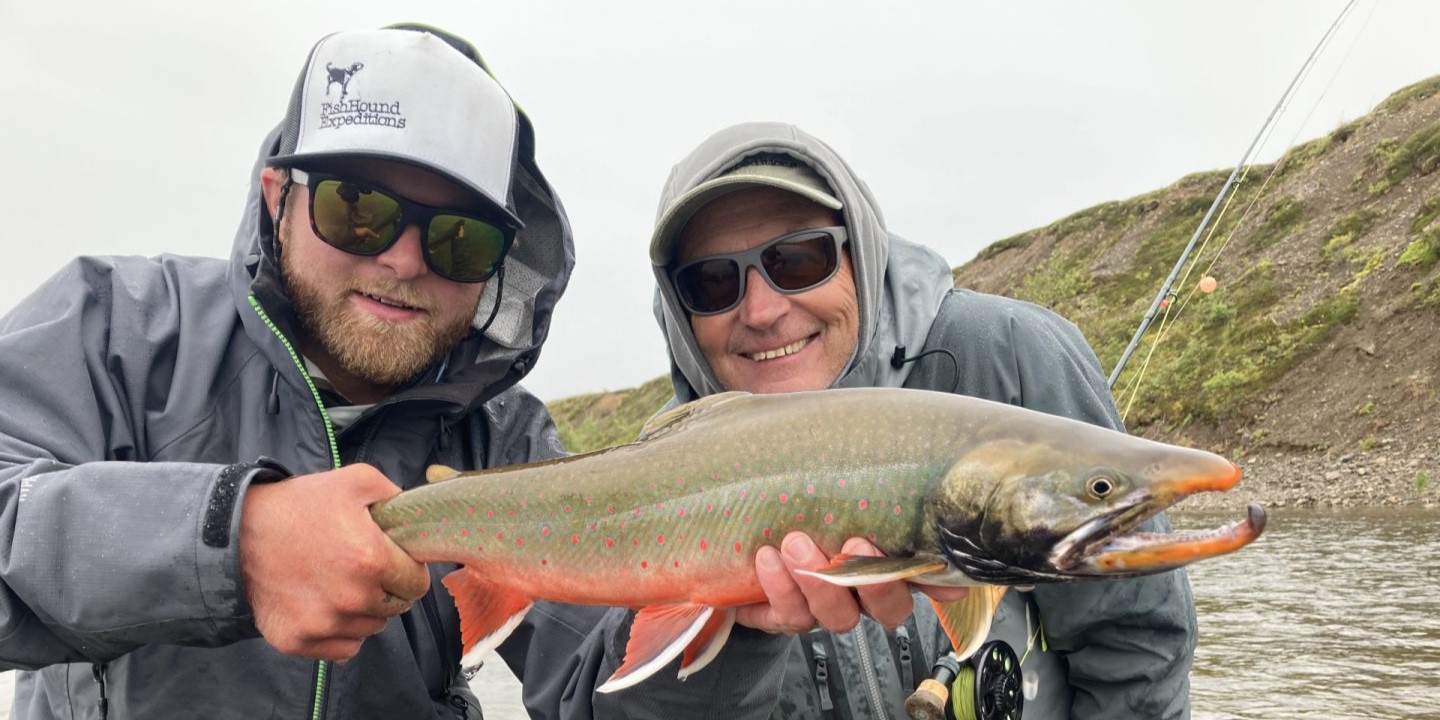
Dolly Varden are the opportunists of Alaska's rivers, following salmon runs and feeding on eggs and fry. They're technically a char, not a trout, but they fight like fish twice their size. Most dollies run 12 to 18 inches, though we occasionally see 20-inch-plus fish that'll absolutely smoke your drag. They're active from May through October, with peak fishing during salmon spawning periods. Dollies have this beautiful olive-green coloration with bright orange and red spots that really pop when they're in spawning colors.
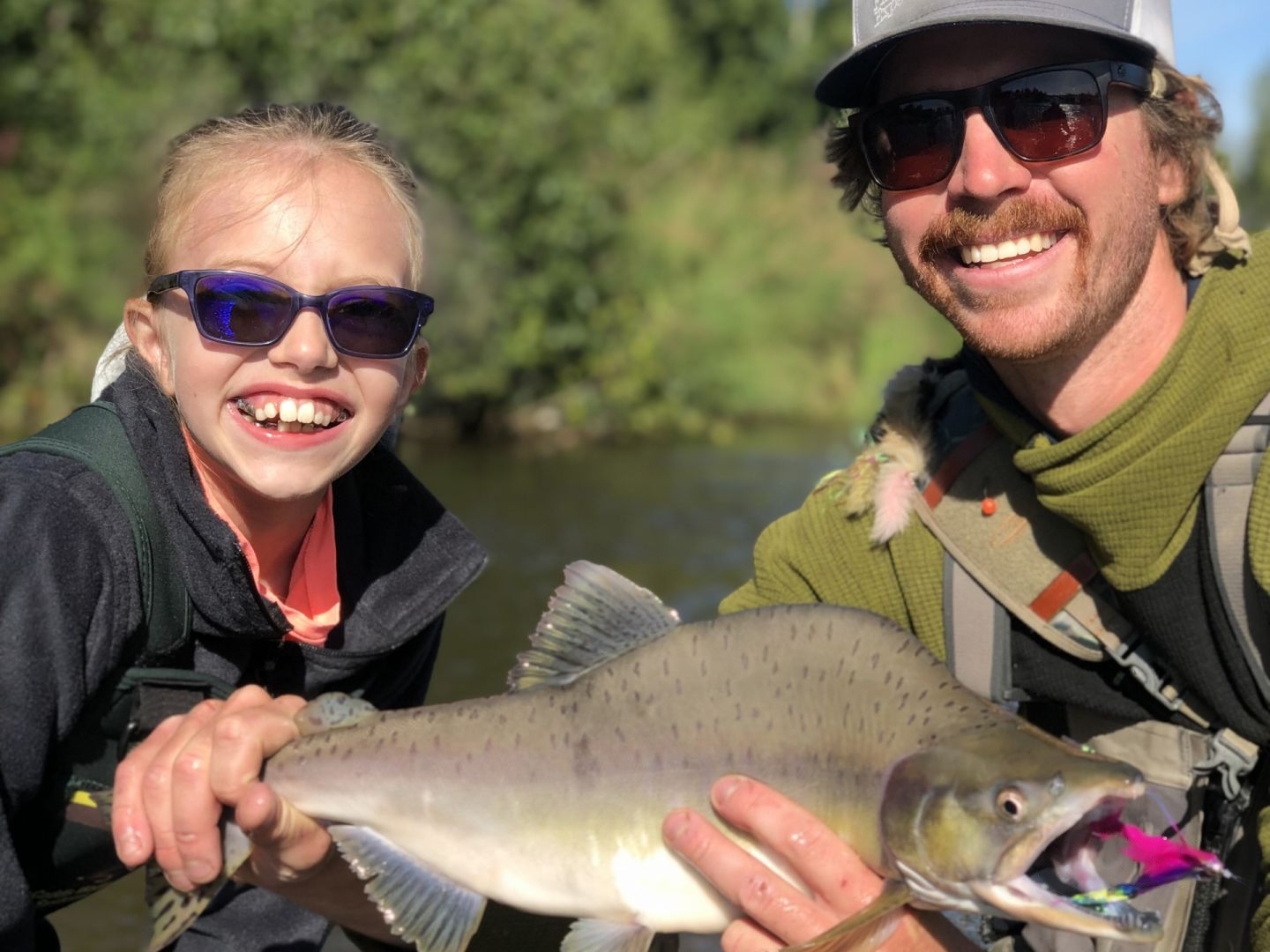
Chum Salmon might not get the respect of other salmon species, but they're absolute bulldogs in the current. Also called dog salmon, they typically run 8 to 15 pounds and arrive in these systems from mid-July through September. Fresh chums are chrome bright and incredibly strong, making long runs and using their broad tails to stay deep in the current. While they're not known for jumping like coho, they make up for it with raw power and stamina. Late-season chums develop impressive hooked jaws and striking coloration, making them visually impressive catches.
Time to
 Private Trip
 River Fishing
 Anchorage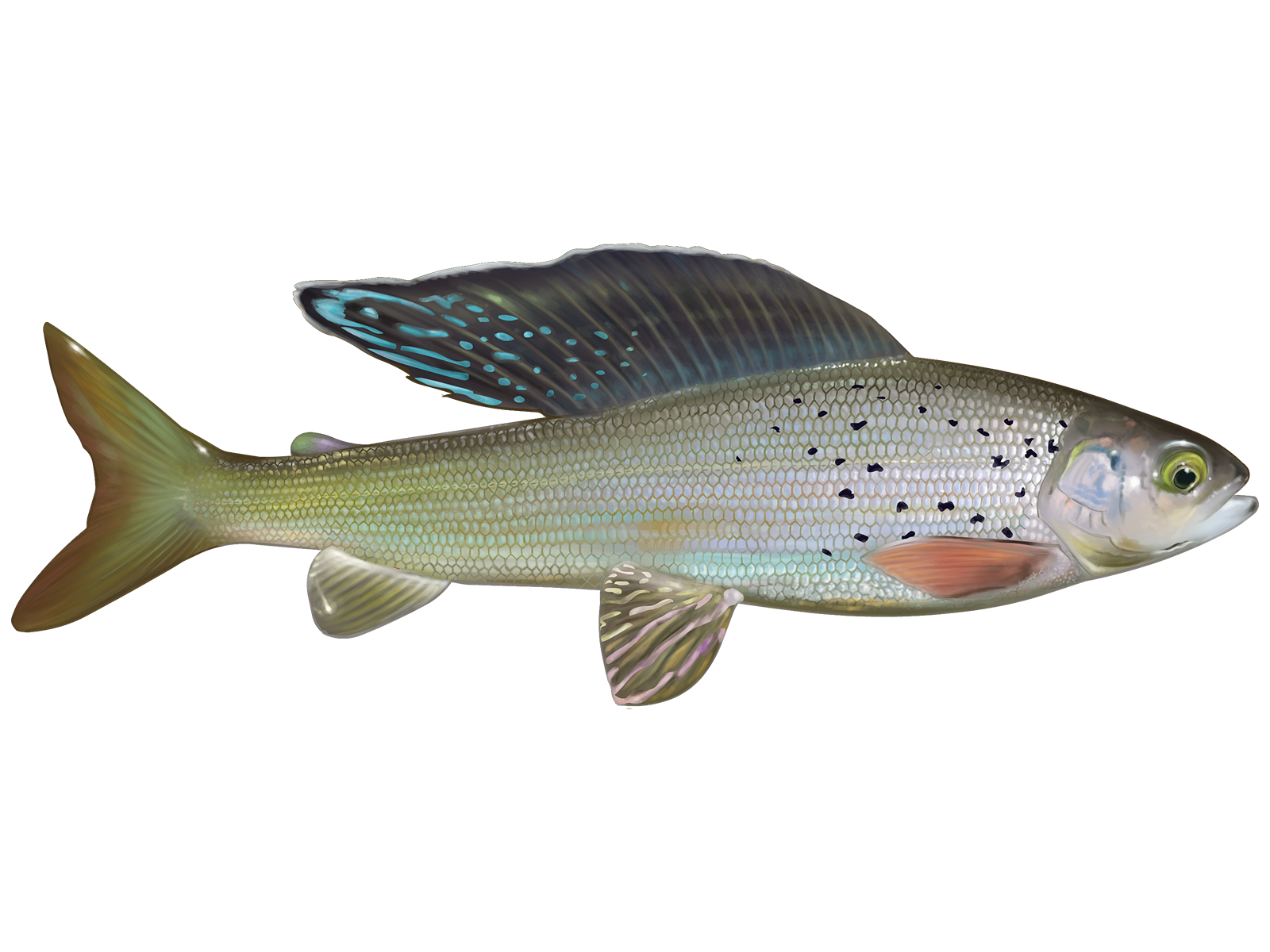

 Full-day private fishing charter for two guests maximum