Willow Alaska Fishing - Full Day Wade & Walk
Picture this: you're standing knee-deep in crystal-clear Alaskan water, the morning mist rolling off the river as your line cuts through the current. That's exactly what you'll get with FishHound Expeditions' premier wade and walk fishing experience in Willow, Alaska. This isn't your typical charter boat deal – we're talking about getting your boots wet in some of the most productive waters along the Parks Highway. With permits for multiple rivers in the area, our guides know exactly where to find the fish when they're biting. Starting at 10 AM and running for a solid eight hours, this private trip gives you and one other angler the full Alaska fishing treatment, complete with grilled reindeer brats for lunch because nothing beats a hot meal streamside.
What to Expect on the Water
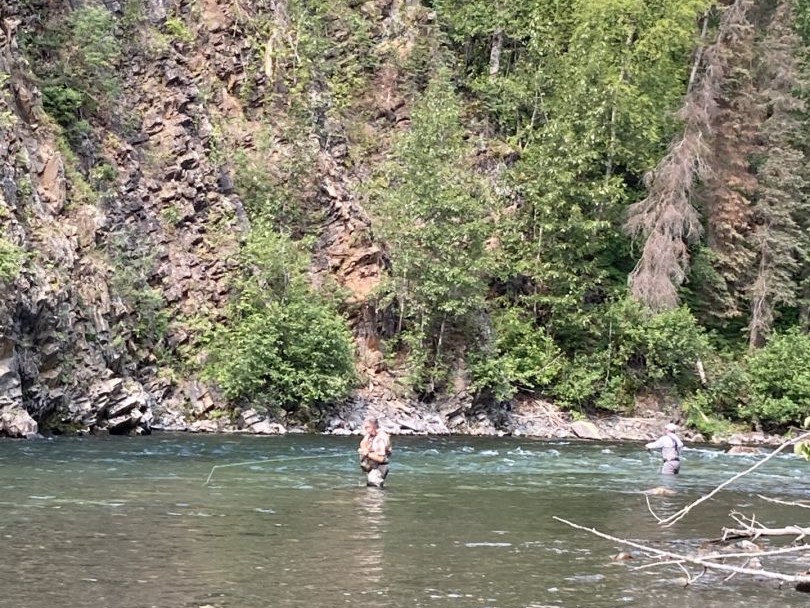
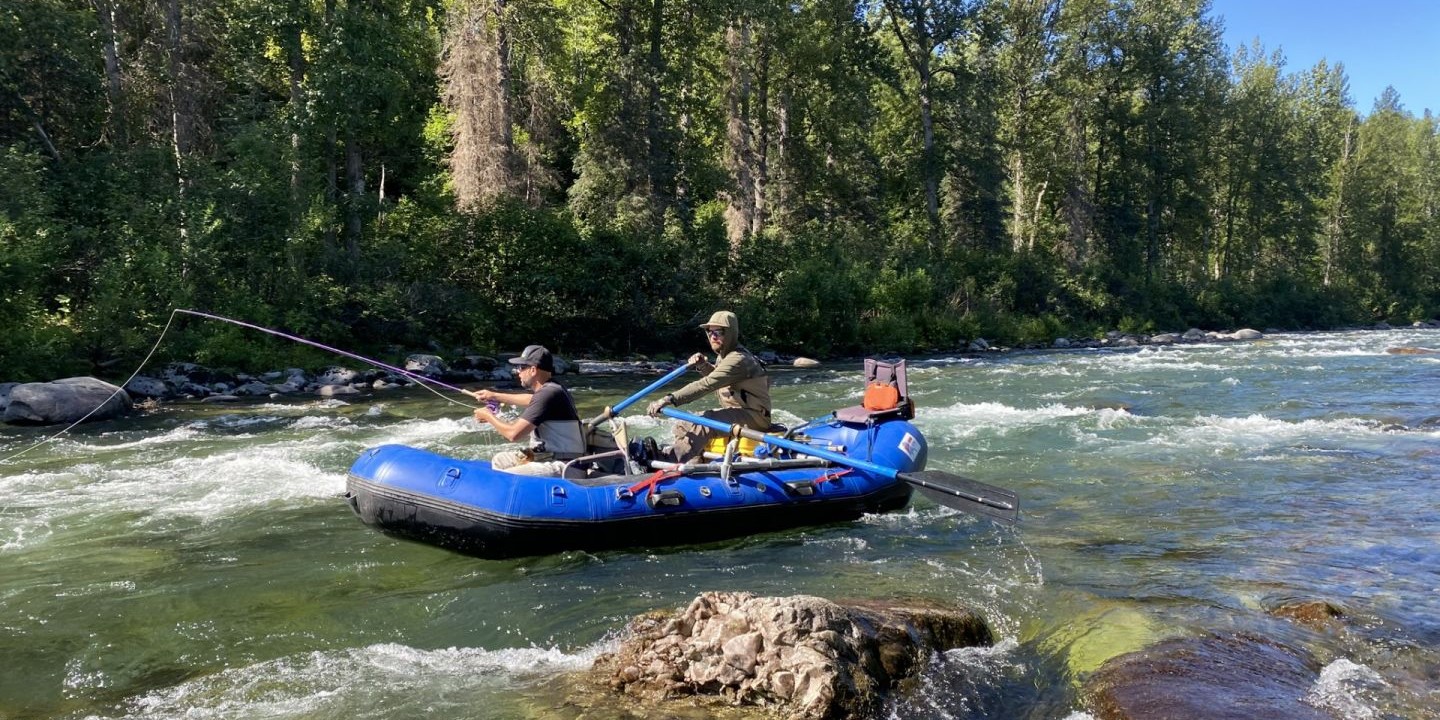
This is wade fishing at its finest – no crowded boat decks or fighting for elbow room. You'll be working pristine stretches of river where the fish haven't seen a lure in weeks. The wade and walk approach means we're constantly moving to find the active fish, reading the water like a book and positioning ourselves where the big ones like to hang out. Your guide will have you hitting the deep pools where rainbows stack up, the current breaks where grayling feed, and those perfect salmon runs when the timing's right. The beauty of having permits for multiple rivers is simple – if one spot's slow, we're moving to the next honey hole. Weather can change quick up here, but that's part of the Alaska experience. One minute you're casting under blue skies, the next you're watching eagles soar overhead while light rain creates perfect fishing conditions. The wilderness setting means you might spot moose, bears, or other wildlife, but your guide's got the experience to keep things safe while maximizing your time with a rod in hand.
Wade Fishing Techniques & Gear
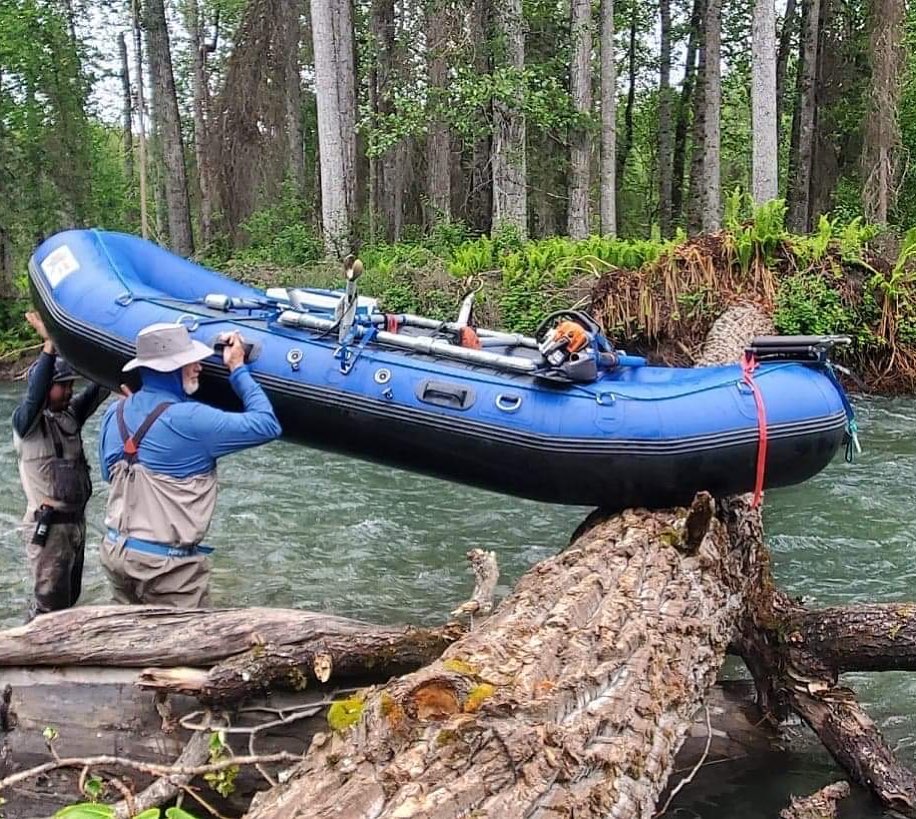
Wade fishing in Alaska rivers requires a different approach than lake fishing or deep-sea charters. We're talking about reading current, understanding where fish hold in different water conditions, and presenting your bait or lures naturally. Your guide will show you how to work the eddies behind boulders, fish the transition zones where deep water meets shallow, and time your casts to match the feeding patterns. Most of our success comes from spin fishing with spoons, spinners, and bait rigs, though fly fishing can be productive when conditions are right. The gear provided includes quality rods and reels suited for Alaska species, plus all the terminal tackle you'll need. Waders are essential gear here – the water stays cold even in summer, and good waders let you access spots that shore-bound anglers can't reach. Your guide carries a selection of proven lures and baits, switching techniques based on what the fish are showing interest in that day. The key to wade fishing success is staying mobile, covering water efficiently, and being ready when that big fish decides your offering looks like an easy meal.
Species You'll Want to Hook
Arctic Grayling are the crown jewel of Alaska freshwater fishing, and these rivers hold some beauties. These fish are pure art with their oversized dorsal fins and those distinctive sail-like displays when they're fighting. Grayling typically run 12 to 16 inches, but the big ones can push 20 inches and provide an amazing fight on light tackle. They're most active during the warmer parts of the day, often rising to dry flies or small spinners. What makes grayling special is their willingness to hit topwater presentations and their acrobatic jumps when hooked. They're also excellent eating if you decide to keep a few for the pan.
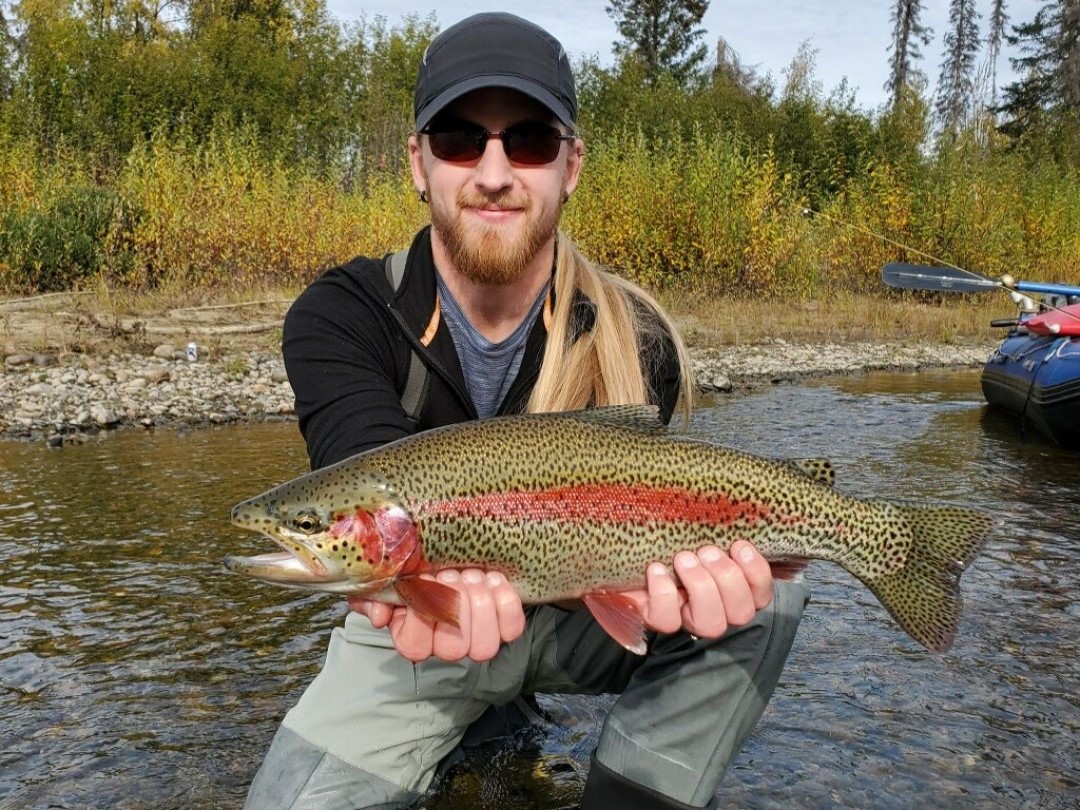
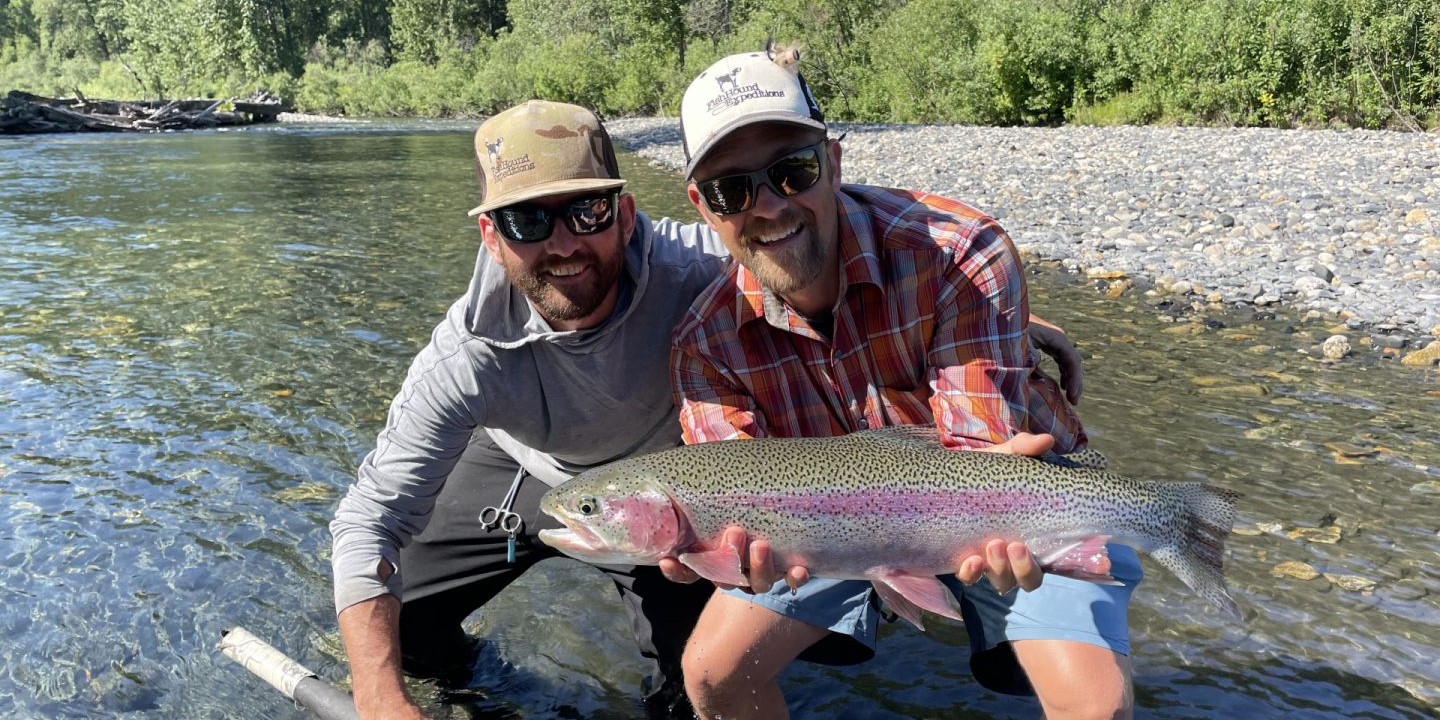
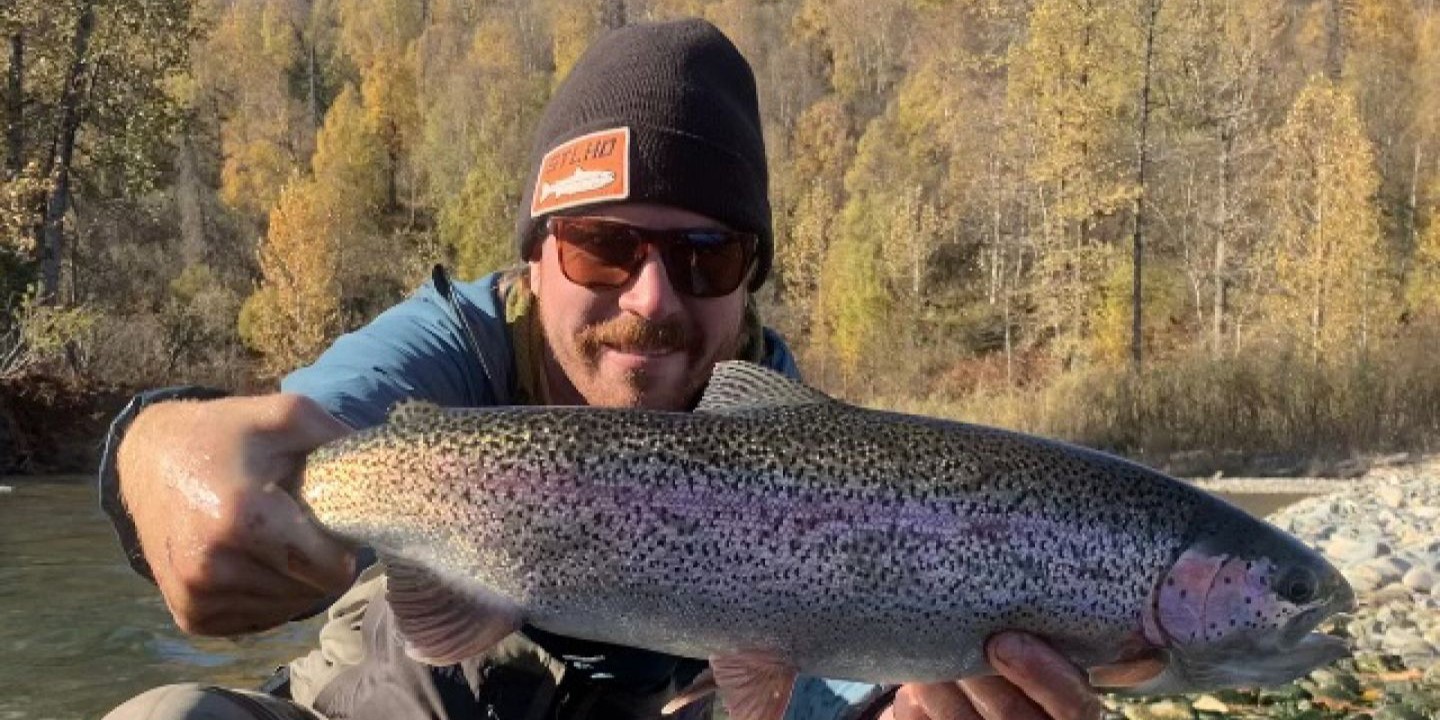
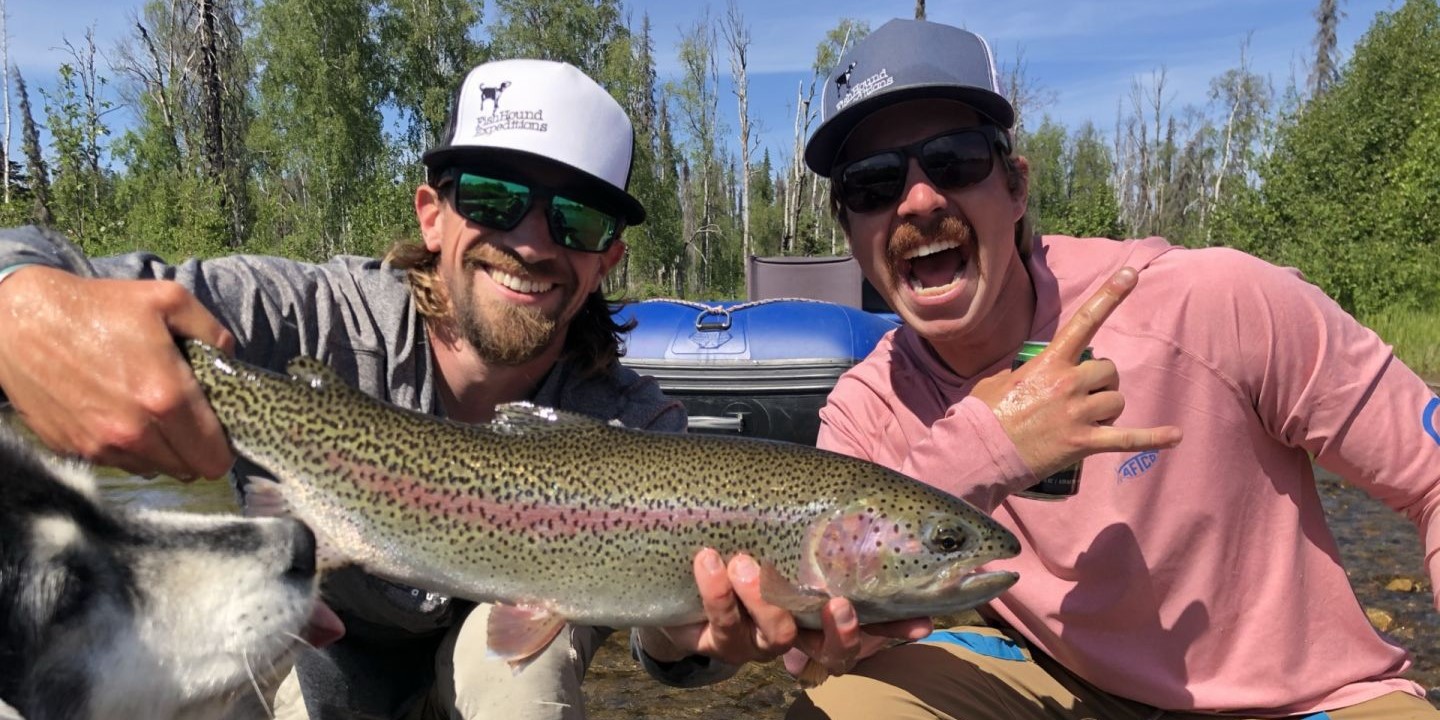
Rainbow Trout in these waters are the stuff of fishing dreams – thick, chrome-bright fish that fight like they're twice their size. Alaska rainbows feed heavily on salmon eggs and flesh during the salmon runs, which puts serious weight on these fish. Expect rainbows anywhere from 16 to 24 inches, with the occasional monster pushing 30 inches. They're most active from June through September, with peak action during salmon spawning periods. These fish will test your drag system and make multiple runs before coming to net. The combination of their size, strength, and the pristine environment makes landing an Alaska rainbow a bucket-list experience.
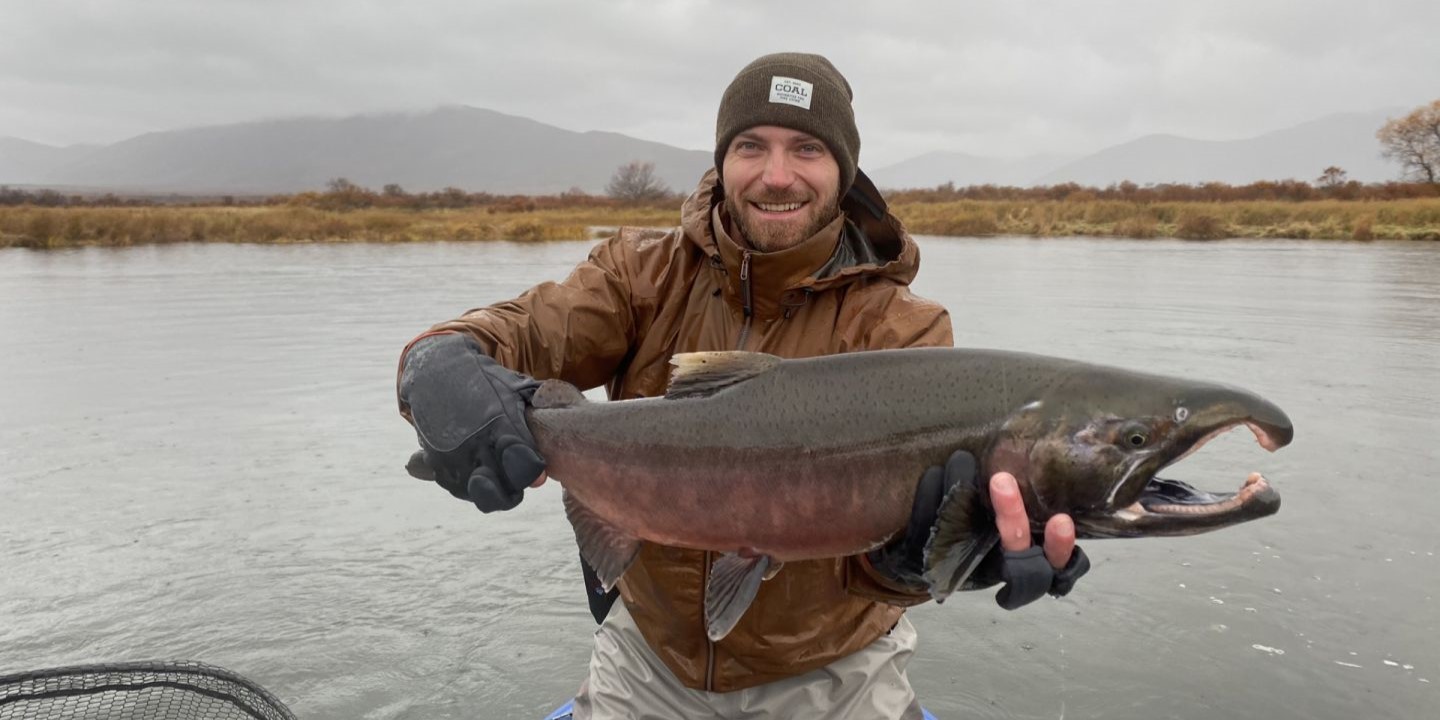
Coho Salmon, also known as silver salmon, are pure adrenaline on a fishing rod. Fresh from the ocean, these fish are chrome-bright and incredibly strong. Coho typically run 8 to 12 pounds in these rivers, but 15-pounders aren't uncommon. They're most active from late July through September, with peak runs in August. What makes coho fishing so exciting is their aggressive strikes and aerial displays – these fish will jump, run, and fight until they're completely played out. They'll hit spinners, spoons, and flies with authority, often providing multiple hookups per day when the run is on.
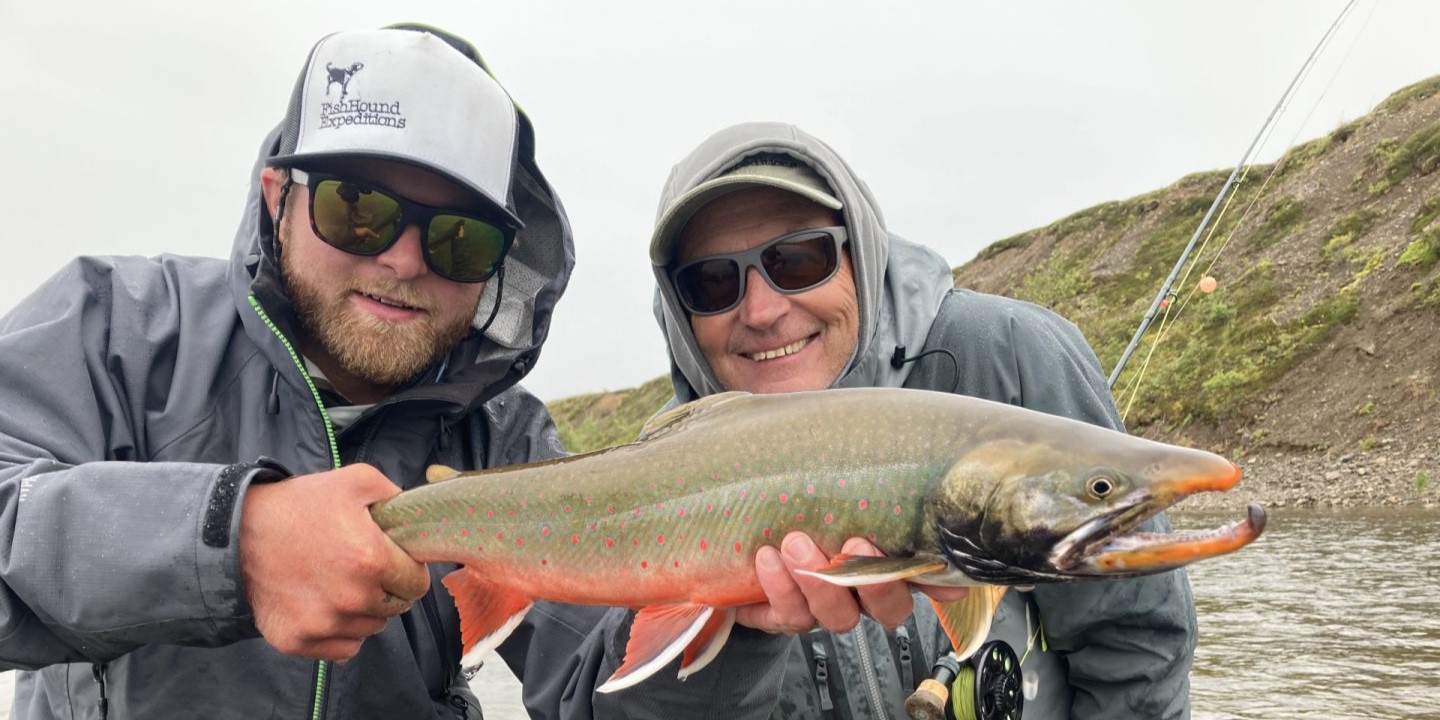
Dolly Varden are Alaska's native char, and they're absolute predators in these river systems. These fish are beautiful with their olive-green backs and bright orange spots, and they're incredibly aggressive feeders. Dollies range from 12 to 20 inches typically, feeding heavily on salmon eggs, flesh, and smaller fish. They're active from ice-out through fall, with peak action during salmon runs. What makes Dolly Varden special is their willingness to hit large streamers and their habit of following hooked fish, often leading to multiple hookups.
Chum Salmon might not get the respect of kings or silvers, but they're incredibly strong fish that will give you a serious workout. Also called dog salmon, these fish typically run 8 to 15 pounds and are most active from July through September. Fresh chums are bright silver, but as they move into spawning mode, they develop distinctive tiger stripes and hooked jaws. They're excellent fighters in the river environment, using the current to their advantage and making long, powerful runs. Chums will hit spoons and spinners aggressively,
 Private Trip
 River Fishing
 Anchorage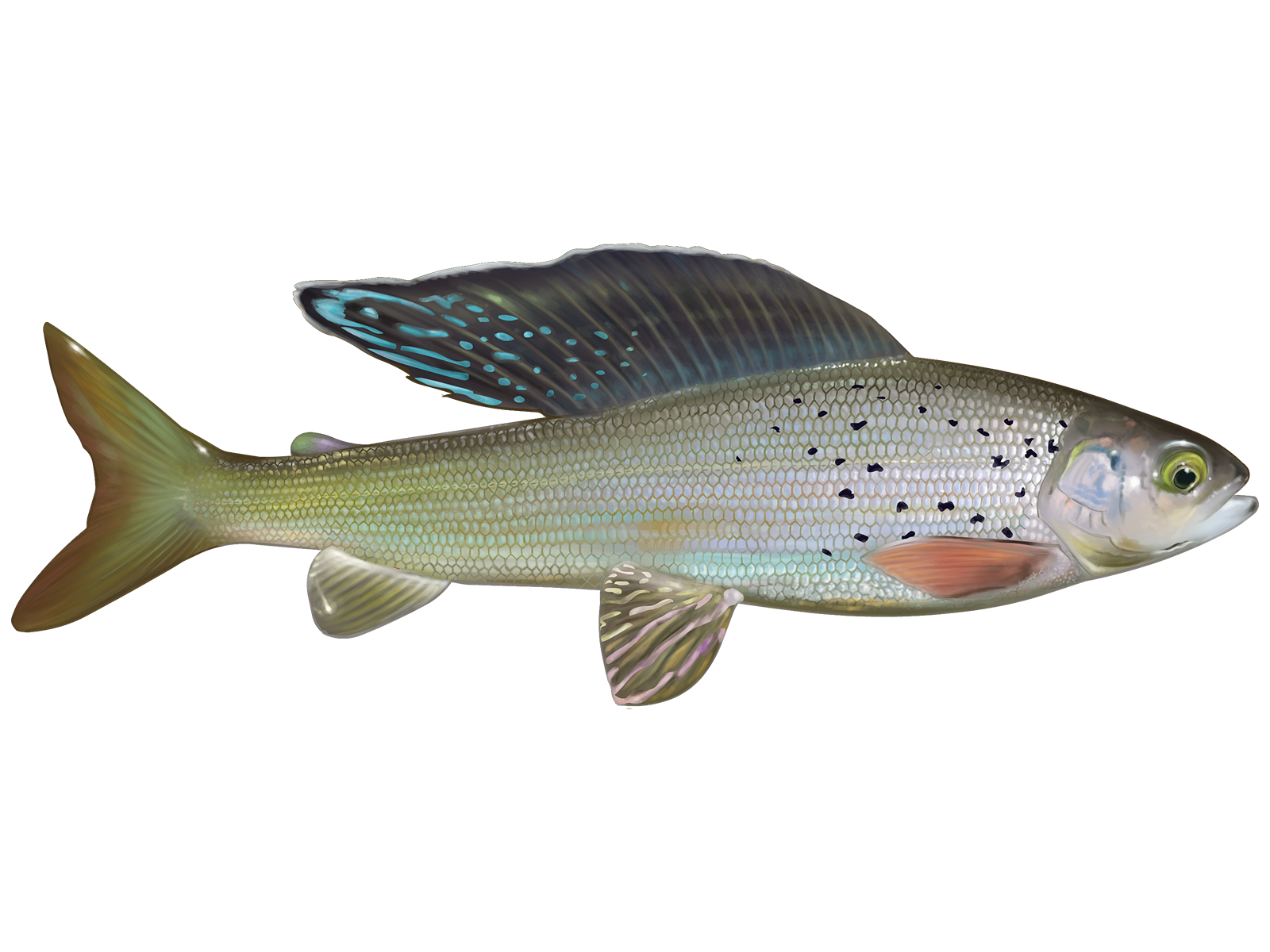

 Private 8-hour fishing adventure on pristine Alaskan rivers