6HR Wrecks Fishing Trip - Fort Walton Beach
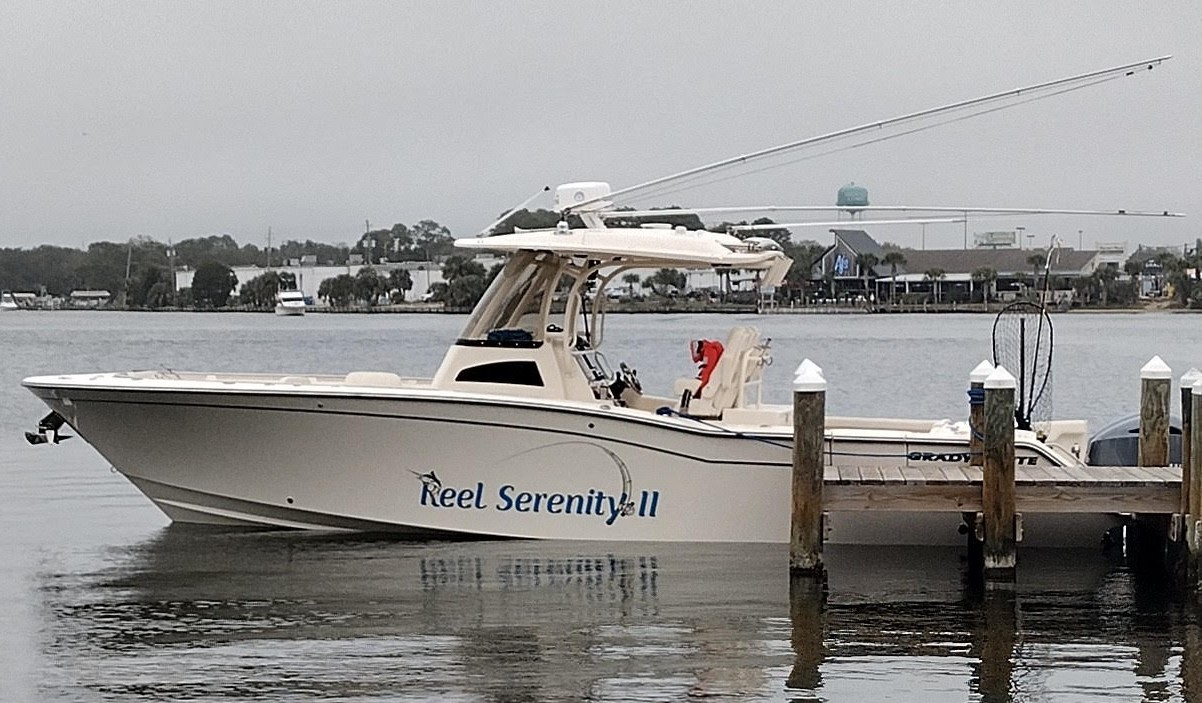
If you're ready to step up your fishing game and hit the deeper waters where the real action happens, this 6-hour wreck fishing charter is exactly what you're looking for. We're talking about venturing beyond the crowded inshore spots to where the serious fish live – around the artificial reefs and wrecks that dot the Gulf bottom off Fort Walton Beach. Captain Rainey and the Fishing DJ Charters crew know these waters like the back of their hand, and they'll put you on fish that'll make your arms ache and your reel scream. This isn't your typical half-day trip where you're rushing back to the dock just when things get good. Six hours gives us the time to really work the structure and find where the fish are stacked up.
What to Expect on the Water
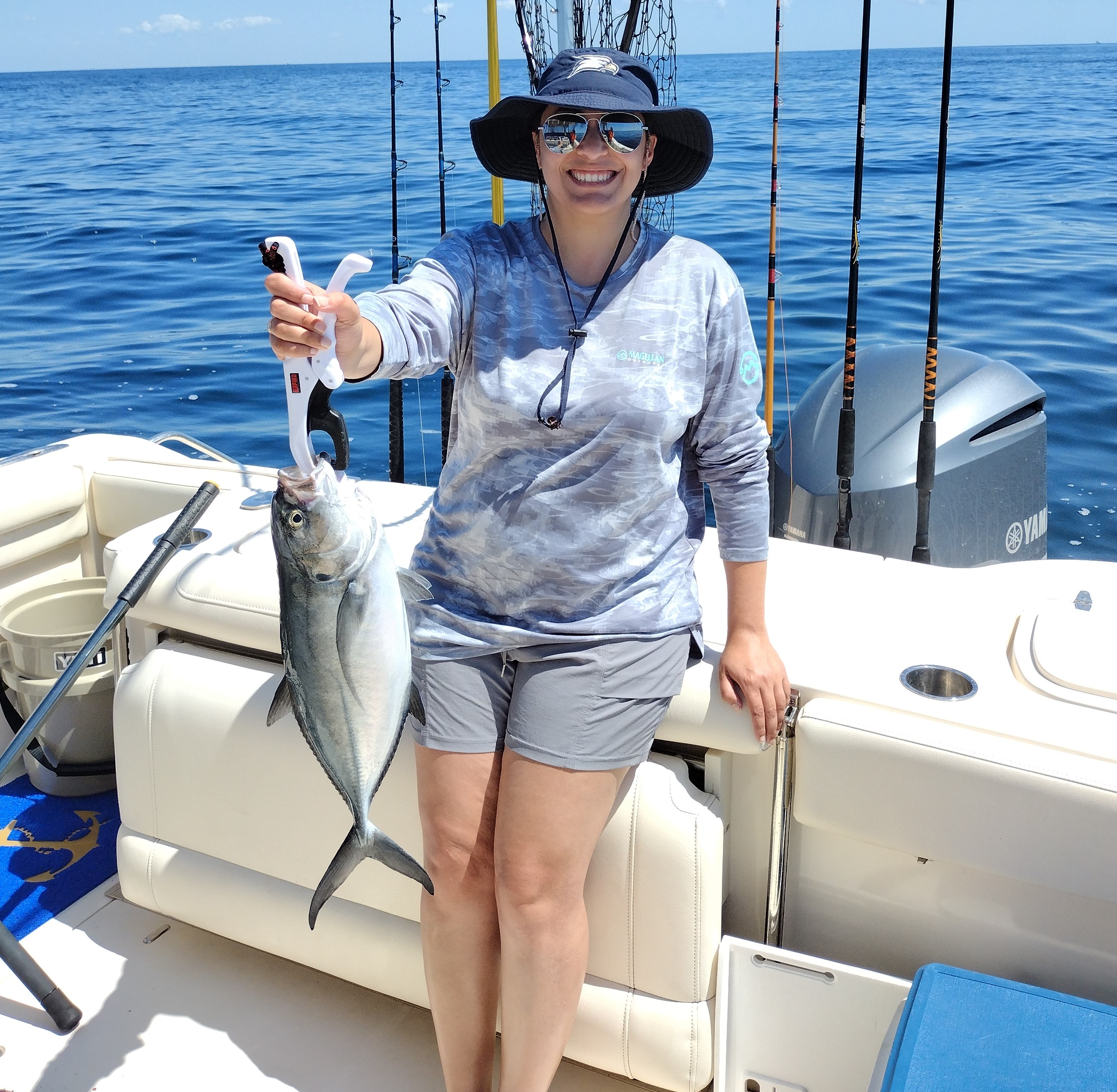
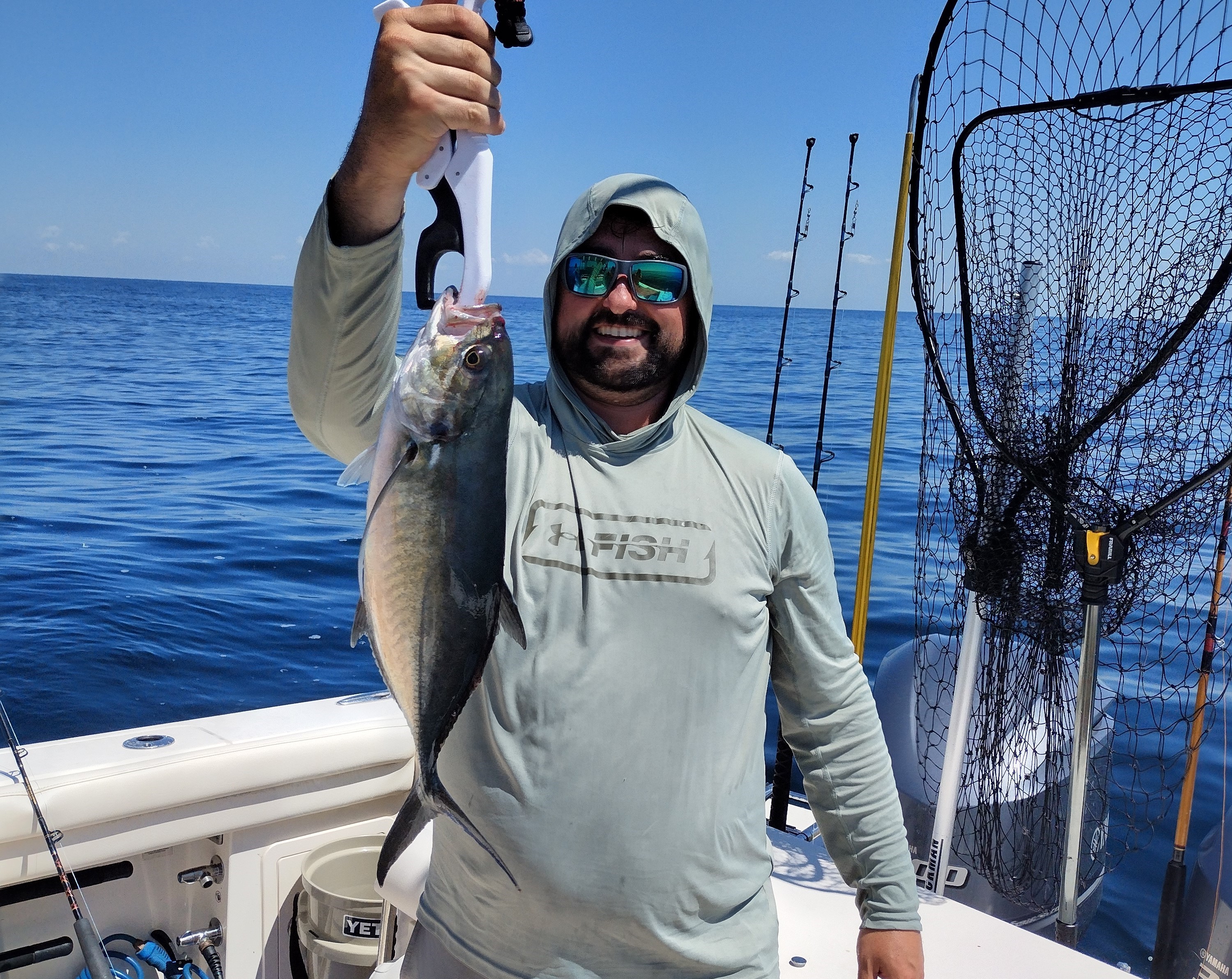
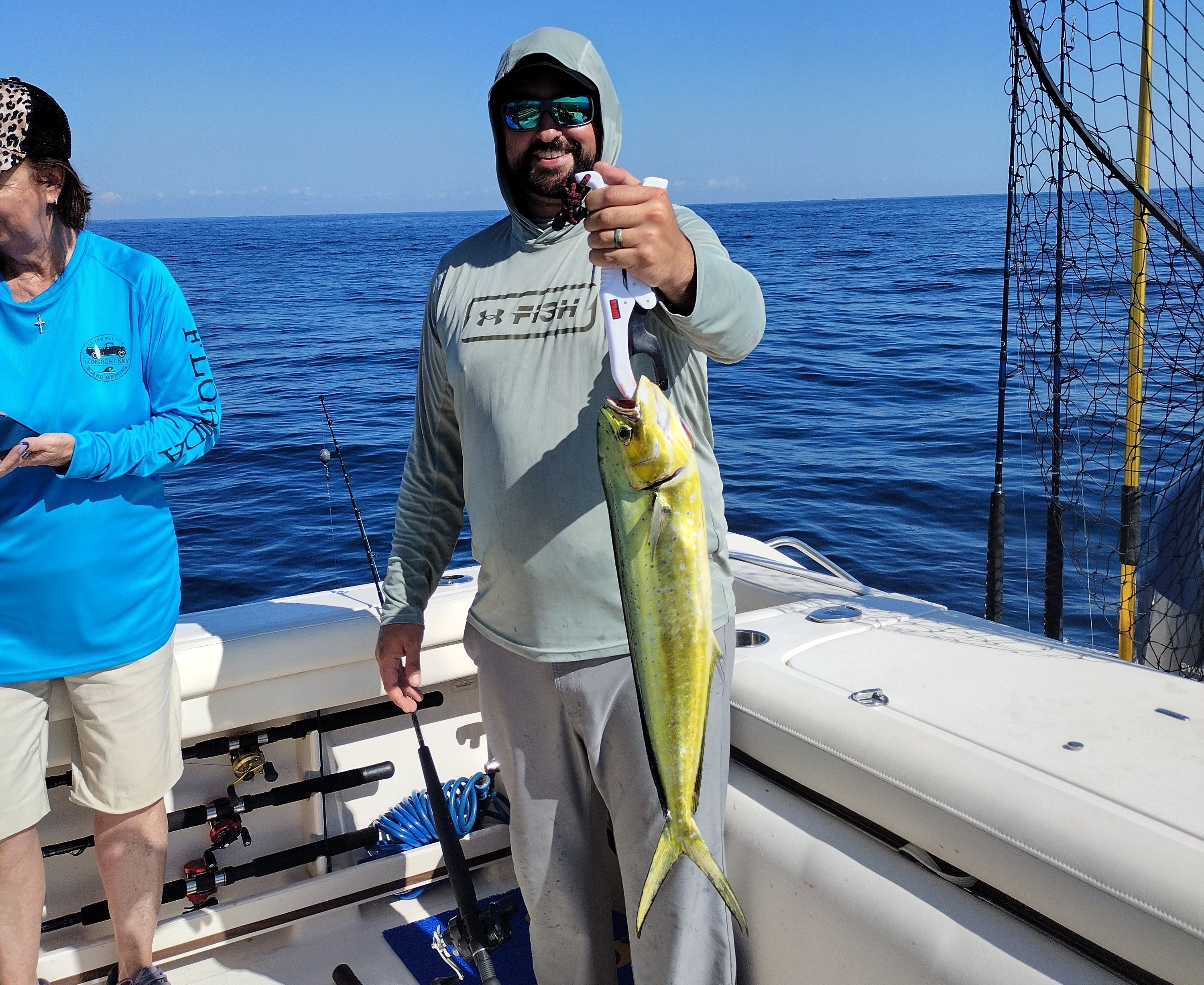
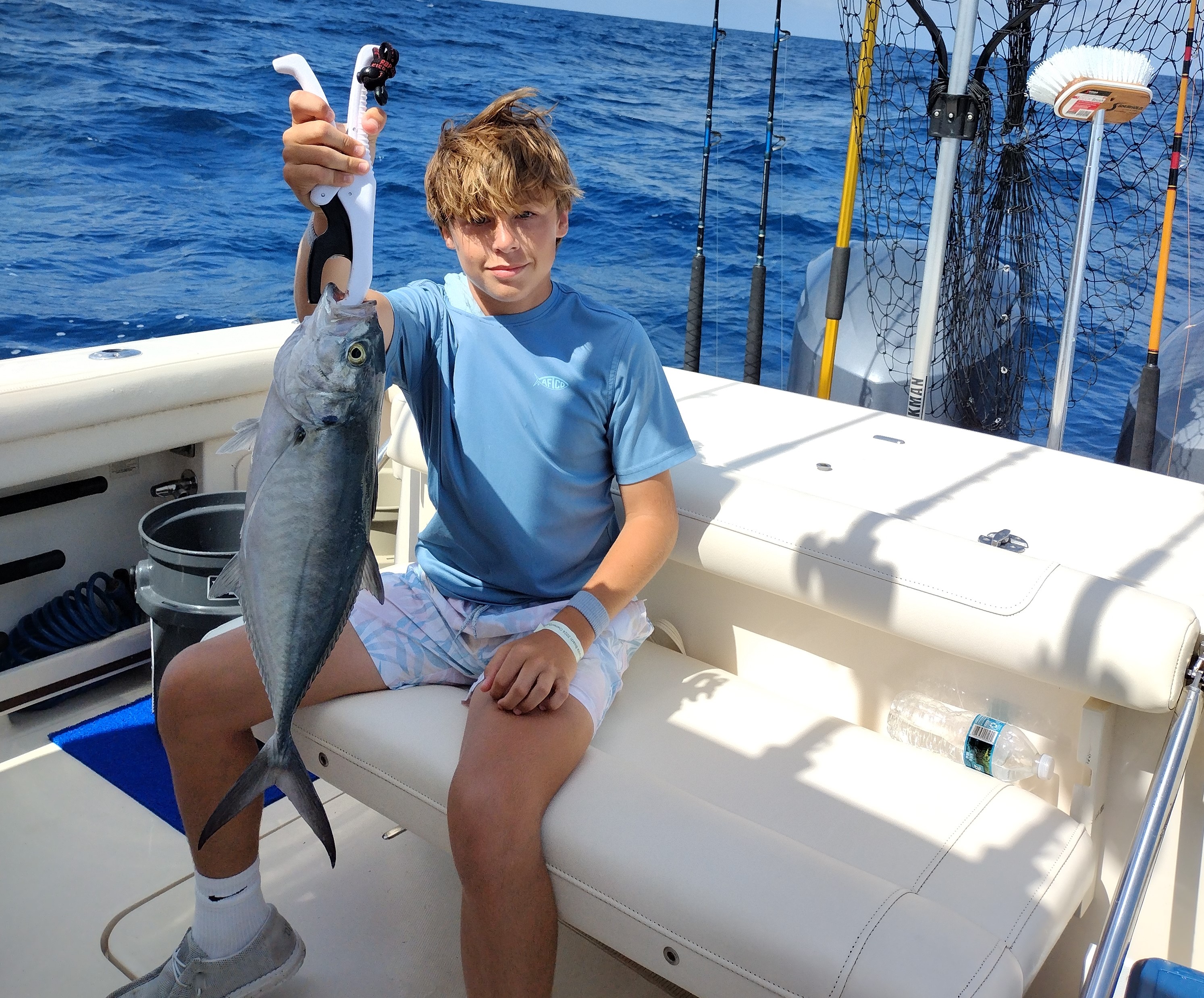
We'll be targeting the artificial reefs and shipwrecks that create perfect ambush points for predator fish in 60 to 120 feet of water. These underwater structures act like magnets for baitfish, which in turn draw the bigger game we're after. The beauty of wreck fishing is the variety – you never know if that next drop is going to produce a bull red snapper, a tank amberjack, or a king mackerel that'll take you into your backing. Our approach combines both bottom fishing over the structure and trolling the edges to cover all our bases. The crew will have you rigged up with the right tackle for the conditions, whether we're dropping live bait to the bottom or pulling lures through the water column. With a maximum of 4 anglers on board, you'll have plenty of room to fight fish and won't be bumping elbows when multiple hookups happen – and trust me, they will happen.
Techniques and Tackle Setup
Wreck fishing requires a bit more finesse than your average bottom fishing trip. We'll be using heavy conventional tackle spooled with 50-80 pound test to handle the big fish and the structure they love to dive toward. For bottom fishing, we'll drop live pinfish, cigar minnows, or cut bait right to the deck of the wrecks where grouper and snapper like to hold. The key is getting your bait to the fish before the current sweeps it away from the structure. When we're trolling, we'll pull a spread of spoons, diving plugs, and live baits at varying depths to target kings, cobia, and whatever else is cruising the area. The captain will work the GPS to keep us positioned perfectly over the productive spots, using the fish finder to show you exactly what's below. Don't worry if you're new to this style of fishing – the crew will walk you through everything from proper jigging technique to how to fight a fish around structure without getting broken off.
Customer Stories
"The captain who works the hardest, no matter where." - Kevin
"I arranged a trip with Captain Rainey for my son, daughter, and five grandkids. The evening prior, he informed me of an approaching storm around our departure time. Undeterred, I assured him that we were resilient and a brief squall wouldn't hinder our fishing plans. While we did experience a slight delay, it afforded us the opportunity to grab breakfast at Sonics. Once the rain subsided, we set out, and the grandkids had a blast. We successfully caught a nice red snapper and hooked some grouper. The excursion was thoroughly enjoyable, and Captain Rainey even treated us to some fantastic oldies on the return trip to the dock." - Walker
Species You'll Want to Hook
King Mackerel are the speed demons of the Gulf, and Fort Walton Beach sits right in their migration path. These silver bullets typically run 15 to 40 pounds, with the occasional smoker king pushing 50-plus. Spring and fall are prime time when they're moving along the coast in big schools, but summer fishing can be red hot when you find them stacked up around the wrecks. Kings are pure adrenaline – they'll hit a trolled bait at 20 mph and peel line like there's no tomorrow. The fight is all about speed and endurance, and they've got both in spades.
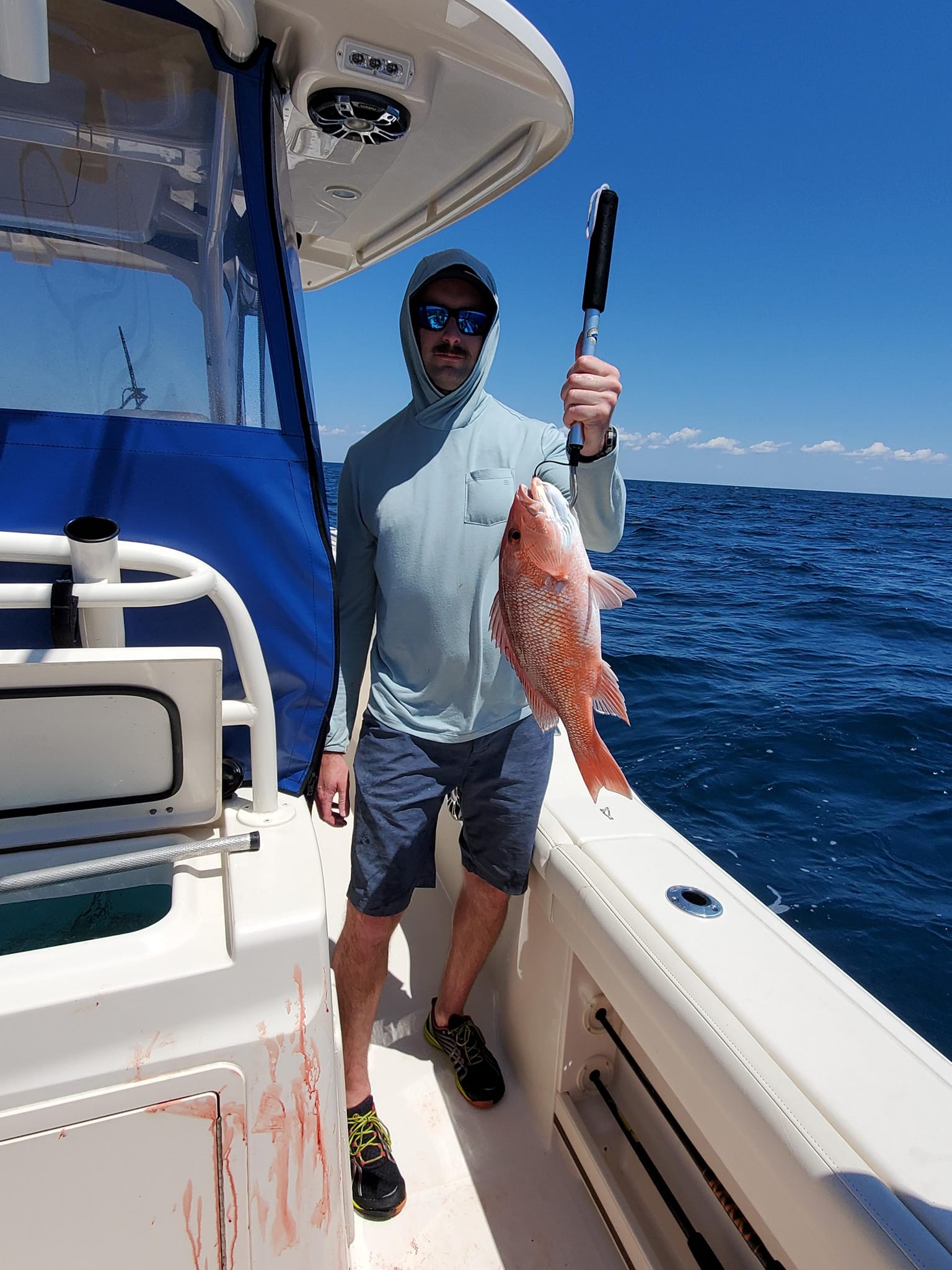
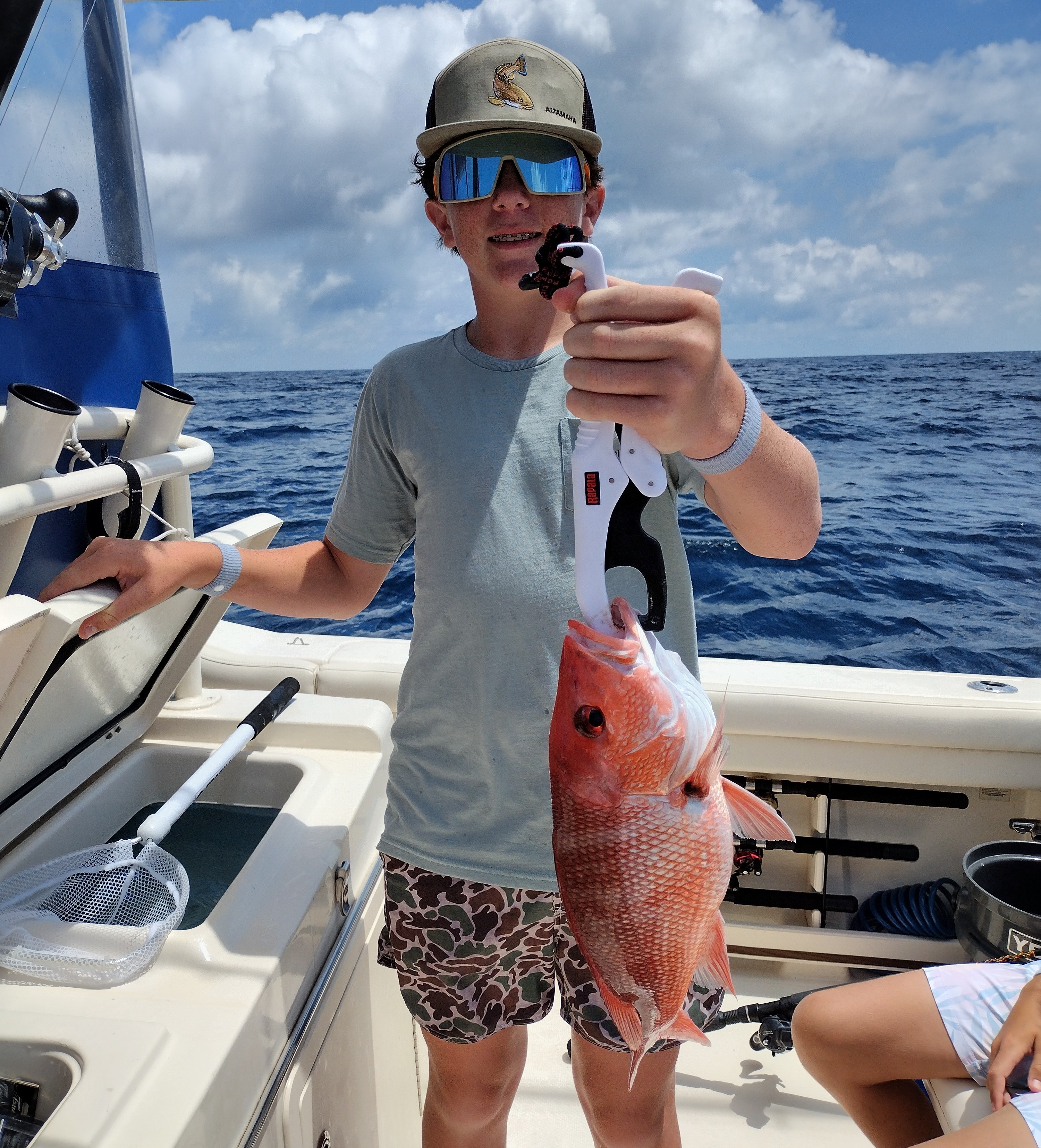
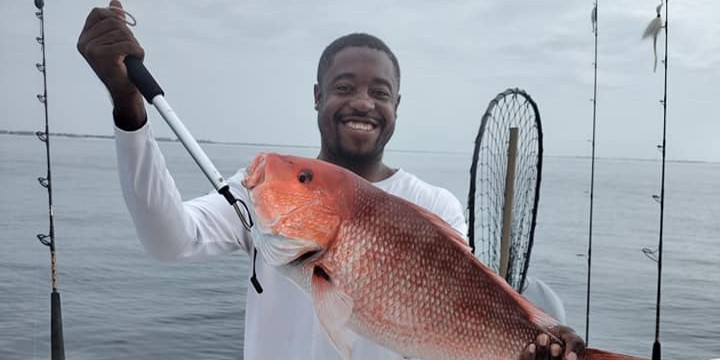
Red Snapper are the crown jewel of Gulf bottom fishing, and the wrecks off Fort Walton Beach hold some genuine slabs. These fish are incredibly structure-oriented, and once you locate a school, the action can be non-stop. A good red snapper will run 8 to 15 pounds on average, with trophy fish pushing 20-plus. They're notorious for their hard initial run toward the bottom when hooked, so you've got to turn them quick or they'll cut you off on the wreck. The season typically runs summer into early fall, and these fish are as good on the table as they are fun to catch.
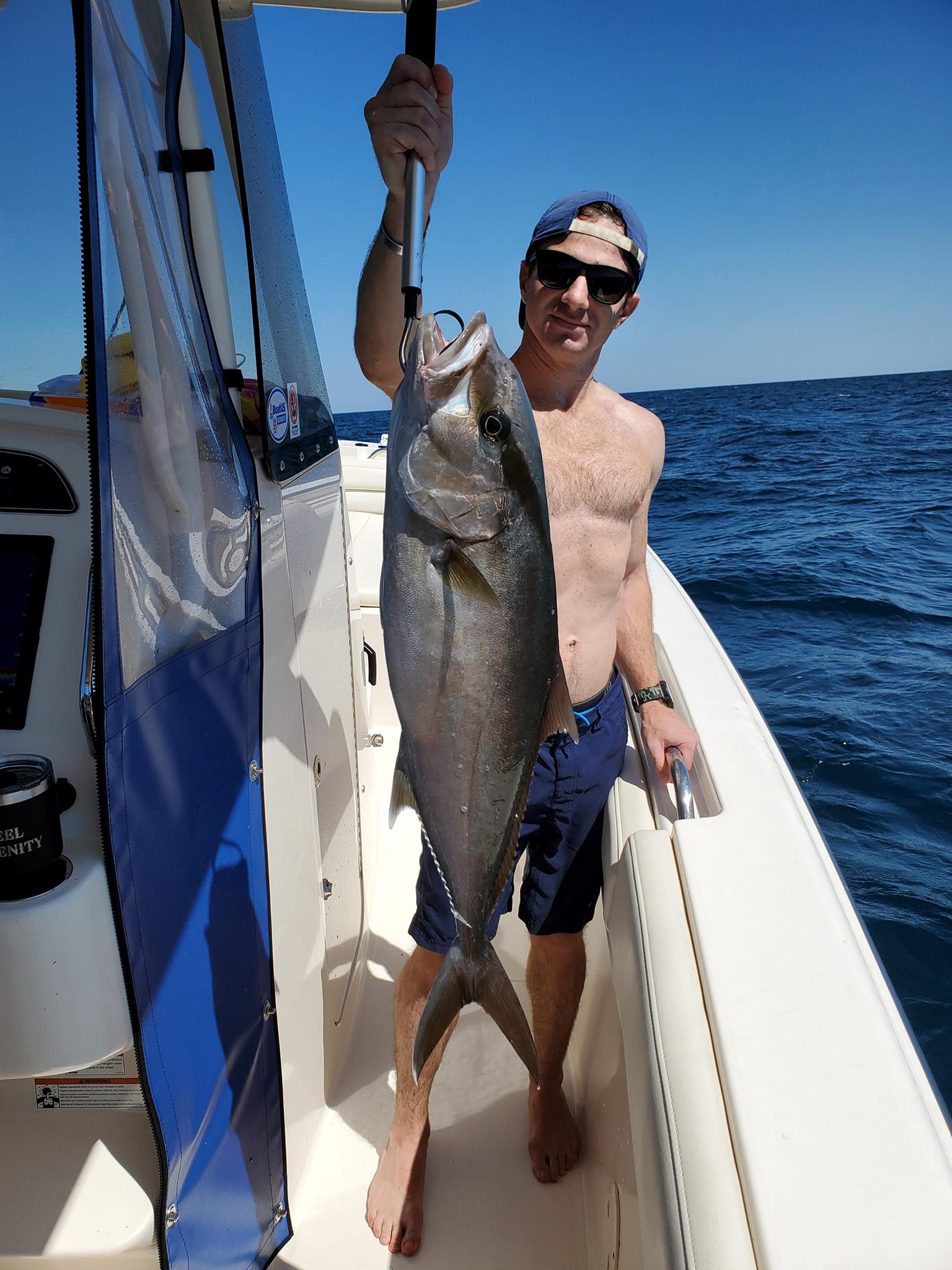
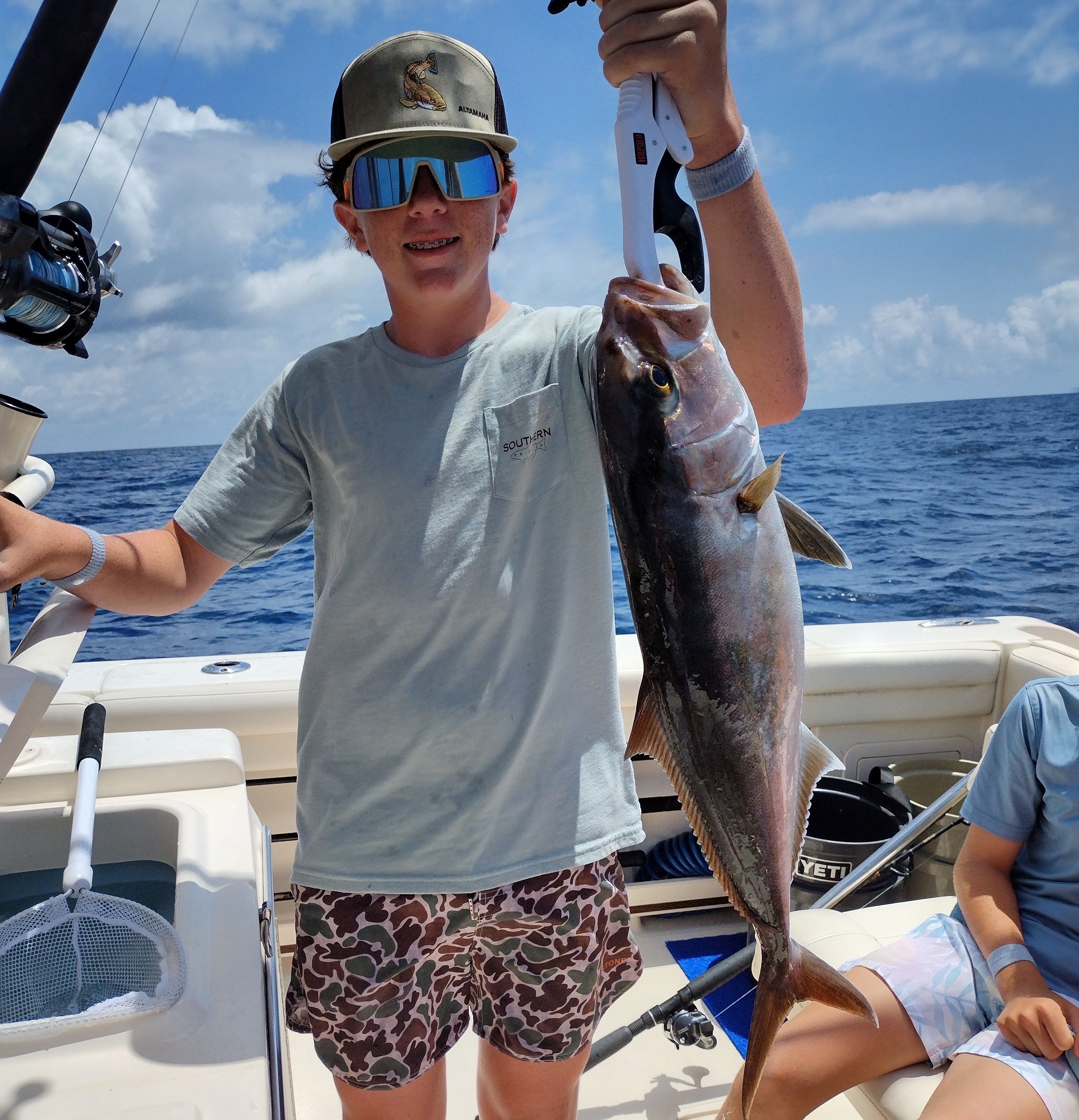
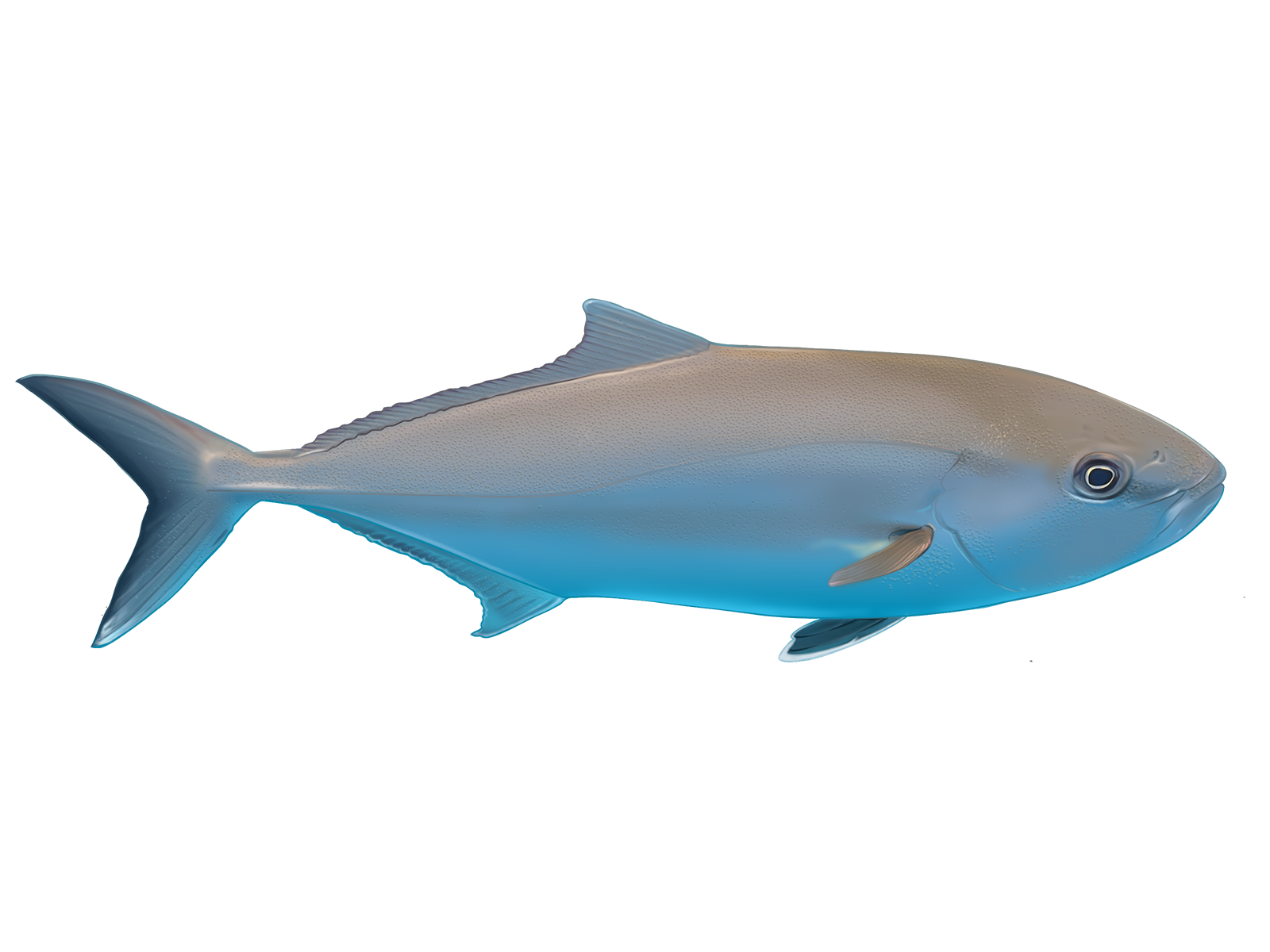
Greater Amberjack are the bullies of the wreck, and they'll test your tackle and your endurance like nothing else. These bruisers commonly run 30 to 60 pounds around our local structure, and they fight like they're twice that size. AJs are year-round residents on our wrecks, though spring and early summer tend to produce the biggest fish. When an amberjack decides to head for the bottom, you better be ready for a tugboat fight that can last 20 minutes or more. They're not the prettiest fish, but they'll give you a workout you won't forget.
Cobia are the wildcards of wreck fishing – you never know when one of these brown sharks is going to show up and make your day. These fish are curious by nature and will often come right up to the boat to investigate, giving you a shot at sight fishing with live bait or jigs. Cobia typically run 20 to 50 pounds in our waters, and they're fantastic eating. Spring migration brings the big schools through, but resident fish can be
 5.0(2 Reviews)
 Private Trip
 Wrecks/Reefs Fishing
 Fort Walton Beach


 Six-hour offshore charter targeting wrecks for bigger fish species