5-Hour Morning Detroit River Fishing
The Detroit River isn't just another fishing spot – it's a genuine freshwater playground where trophy fish cruise the channels and structure like they own the place. This 5-hour morning charter puts you right in the middle of some of the best freshwater fishing in North America, targeting species that'll test your tackle and leave you with stories worth telling. We're talking walleye that stack up in the current seams, smallmouth bass that fight like they're twice their size, flathead catfish lurking in the deep holes, and the holy grail of freshwater fishing – monster muskellunge that can turn a quiet morning into pure chaos in seconds.
What to Expect on the Water
You'll meet us bright and early when the bite is hot and the water's still quiet from overnight. The Detroit River moves with serious current, creating the perfect environment for predator fish to ambush baitfish – and that's exactly what we're counting on. Our state-of-the-art trolling motor lets us work these productive zones without spooking fish, positioning you over drop-offs, current breaks, and structure that most weekend warriors never find. This isn't a crowded party boat situation either – with just 2 guests max, you get personalized attention and prime fishing spots without fighting for elbow room. The morning bite typically fires up just as the sun starts hitting the water, and we'll keep you on fish for the full 5 hours. Fair warning though: once you hook into a Detroit River musky or a chunky flathead, you might find yourself planning your next trip before this one's even over.
Trolling Motor Magic
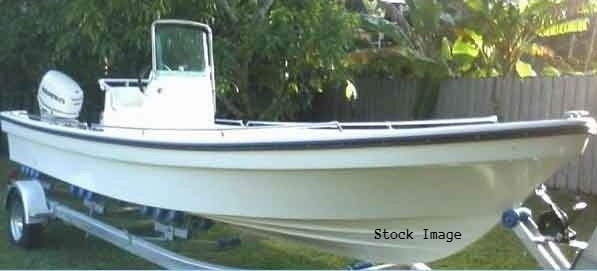
The Detroit River demands precision, and that's where our trolling motor setup really shines. Unlike outboard-powered drift fishing, we can hold position over productive structure for extended periods, letting you work vertical presentations or drift baits through the strike zone multiple times. The river's current creates natural feeding lanes where baitfish get pushed along predictable routes – our job is positioning you right in the ambush zones where predators wait. We'll be running everything from jigging spoons for walleye in deeper water to live bait rigs for flatheads tucked into timber. The trolling motor also lets us work shallow flats quietly when smallmouth are cruising, and gives us the control needed for musky trolling along weed edges and drop-offs. You'll see the difference immediately – instead of constantly repositioning with a big motor, we can fine-tune our location and keep baits in the strike zone where they belong.
Species You'll Want to Hook
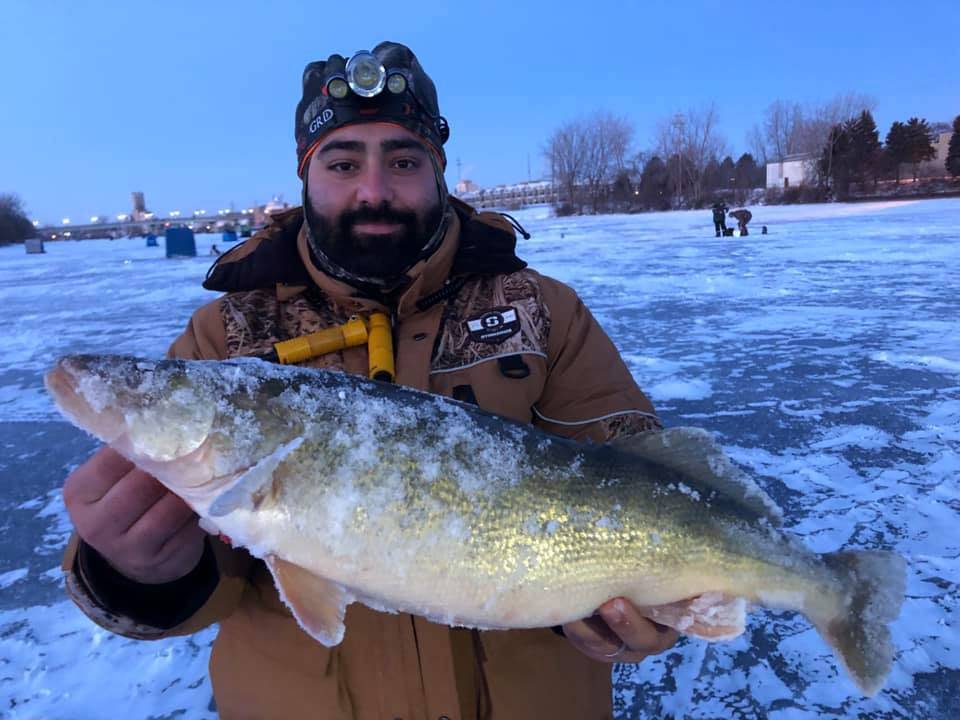
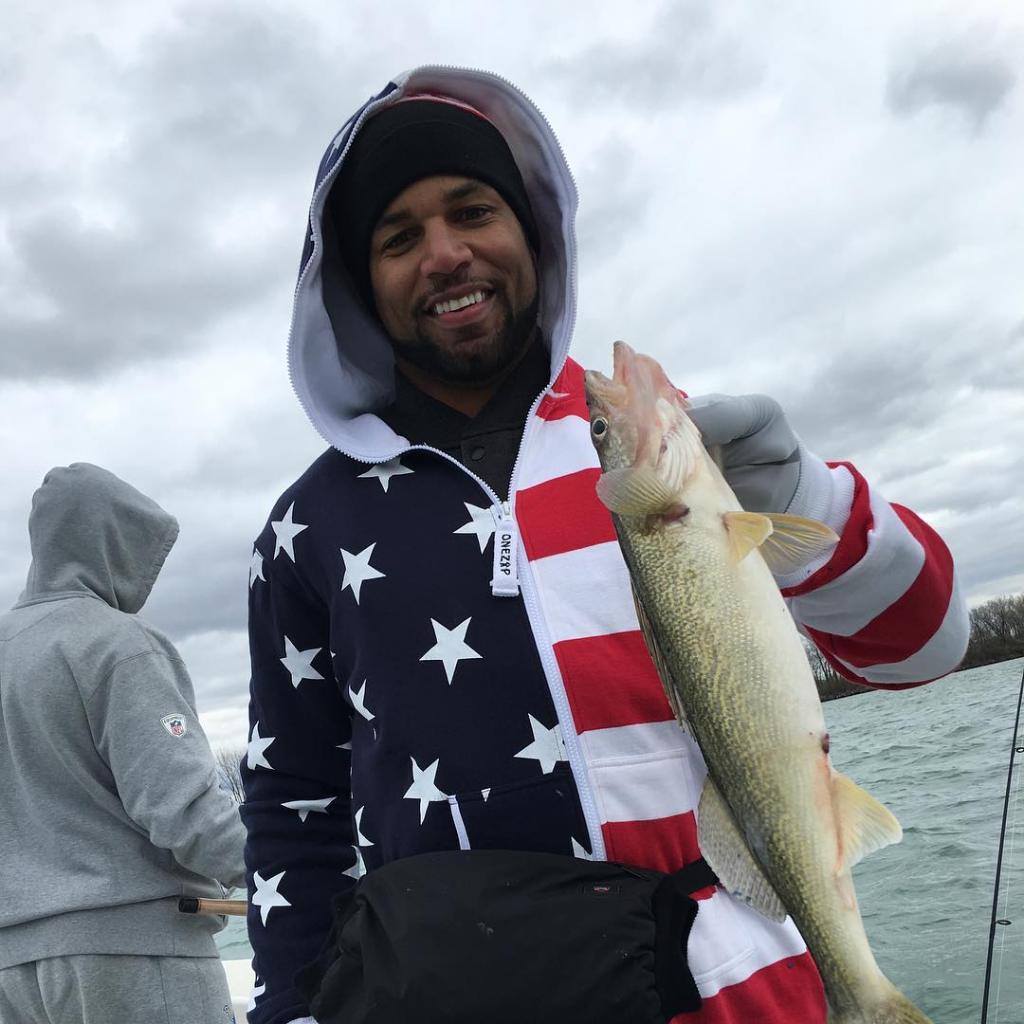
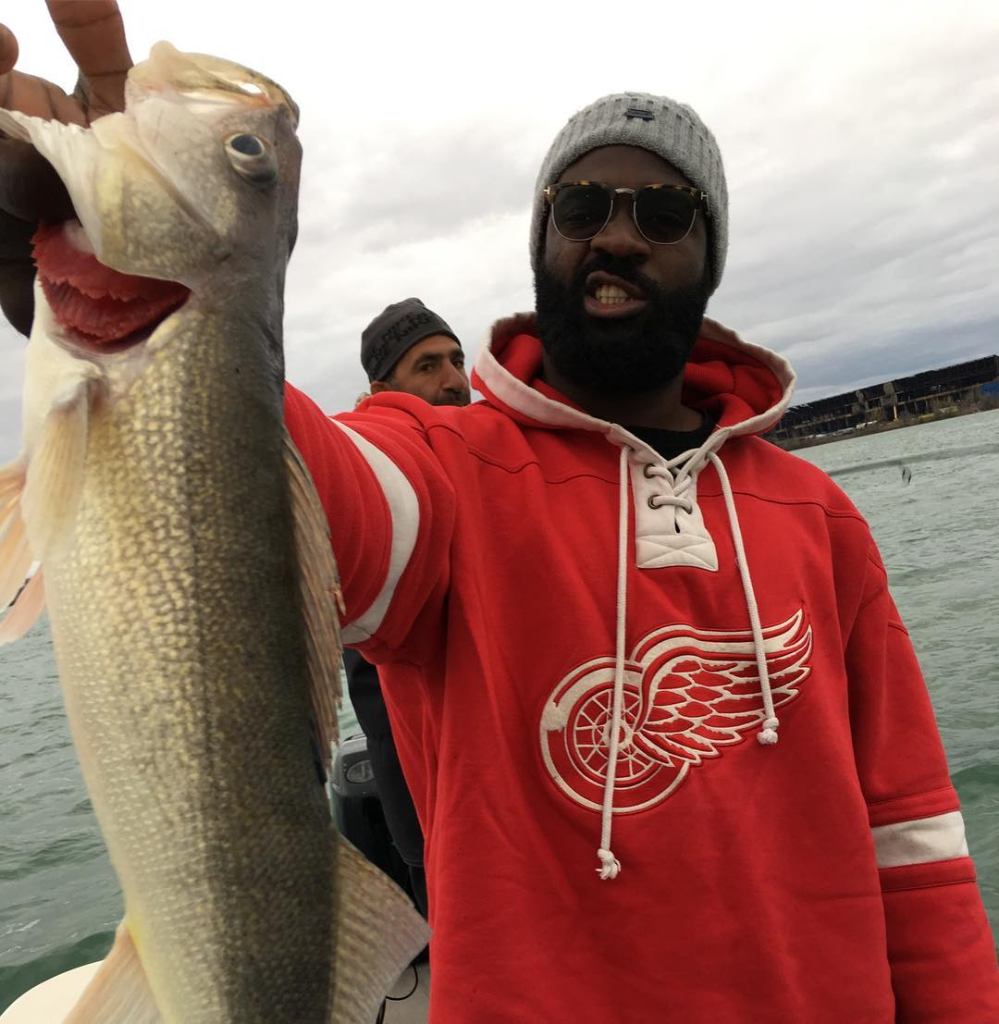
Walleye are the Detroit River's bread and butter, and for good reason. These golden beauties stack up in current seams and around structure from spring through fall, with the best action typically happening in 15-25 feet of water. Detroit River walleye are notorious for their size – we're not talking about cookie-cutter 14-inchers here. Fish pushing 6-8 pounds are common, and double-digit walleye show up regularly enough to keep things interesting. They hit hard and fight clean, making them perfect for anglers who want consistent action with trophy potential. The morning bite usually peaks just after sunrise when they're actively feeding on emerald shiners and round gobies.
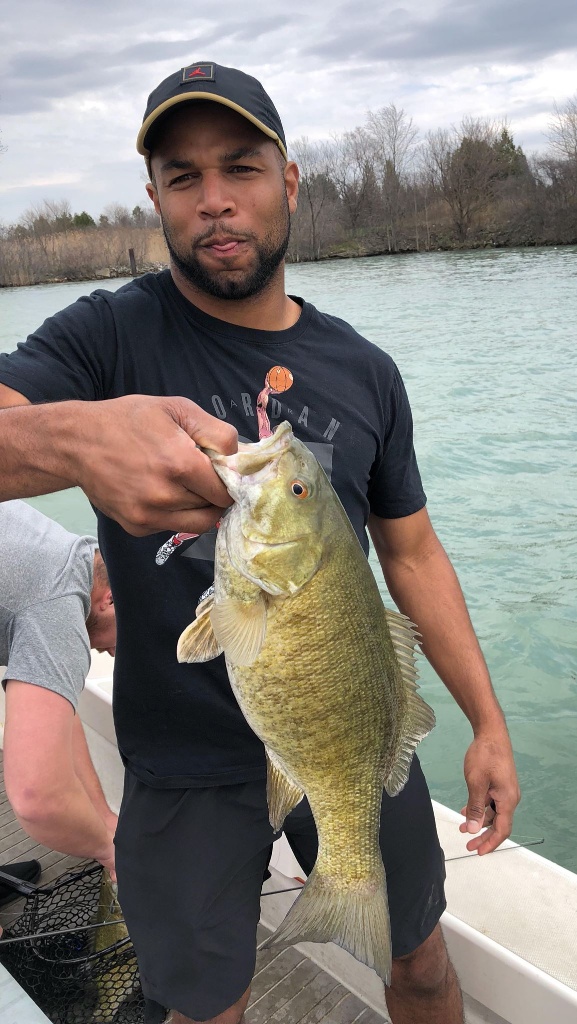
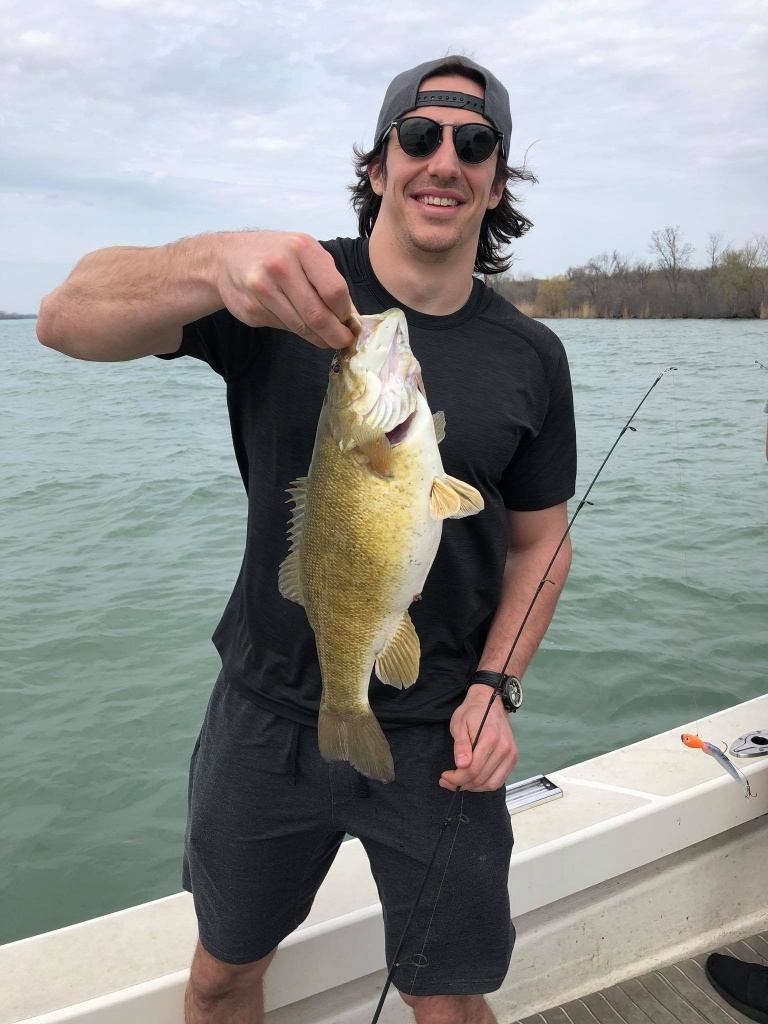
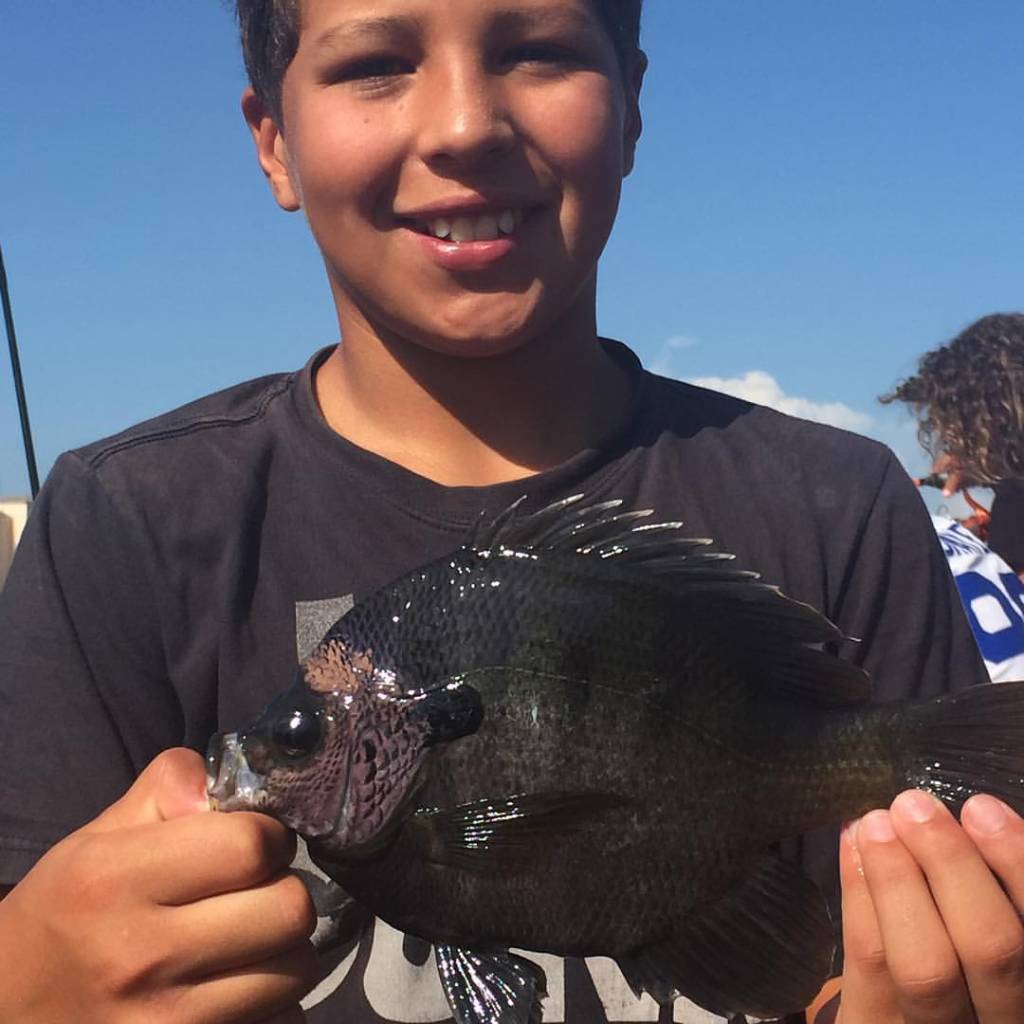
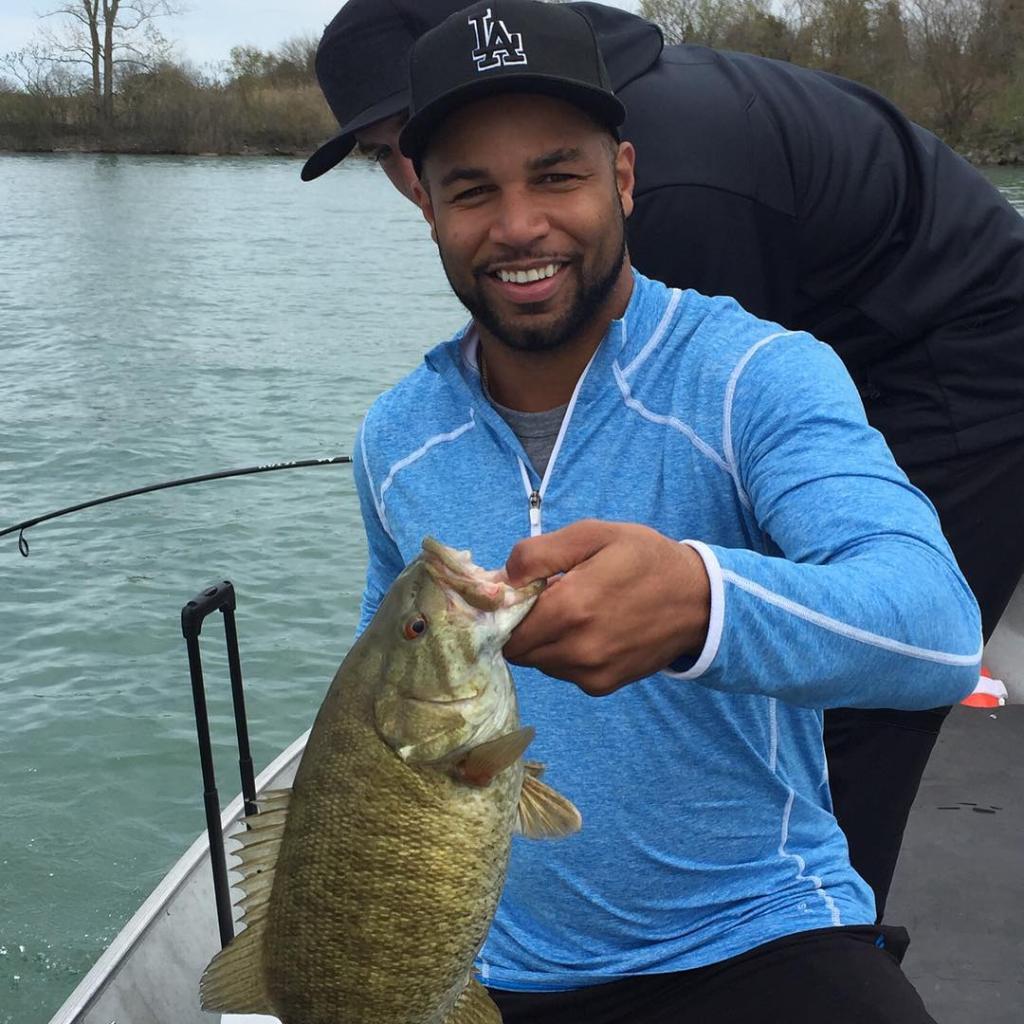
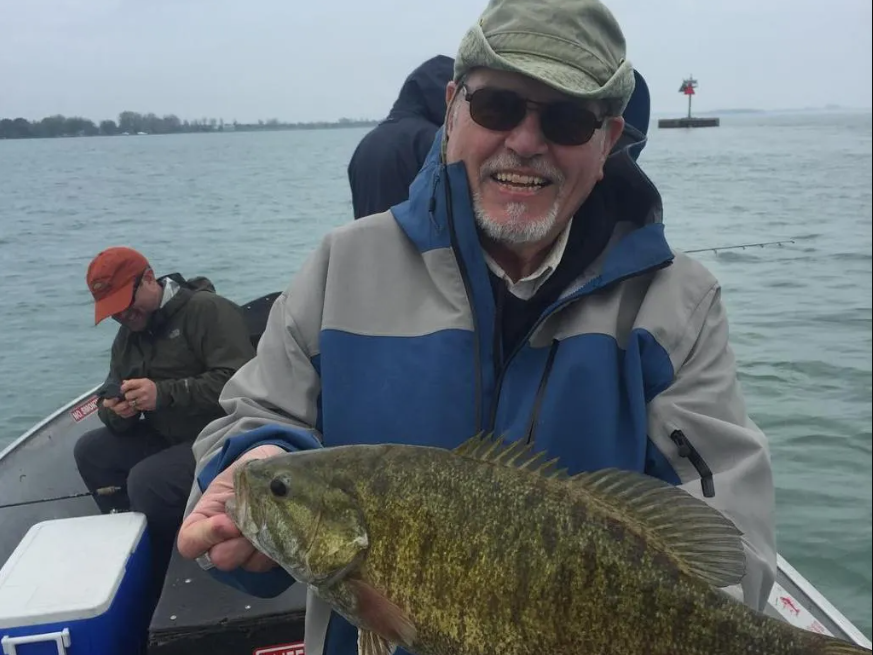
Smallmouth bass in the Detroit River are absolute bulldogs that punch way above their weight class. These bronze-backed fighters love the rocky structure and current breaks, where they ambush crayfish and baitfish with aggressive strikes that'll rattle your teeth. A 4-pound Detroit River smallmouth fights like a 6-pounder anywhere else, using the current to their advantage and making screaming runs that test your drag system. They're most active during the warmer months when they move shallow to feed, but even in cooler water, you can find them staged around deeper structure. The visual excitement of watching one explode on a topwater bait in the early morning light is something every angler needs to experience.
Flathead catfish are the river's apex predators, and Detroit River flatheads grow to monster proportions. We're talking fish that can hit 40, 50, even 60+ pounds – genuine freshwater giants that require serious tackle and stronger nerves. These nocturnal hunters become more active as the sun gets higher, making our morning trips perfect timing for targeting them in their feeding zones. Flatheads are ambush predators that relate to structure like fallen trees, bridge pilings, and deep holes, where they wait for unsuspecting prey to swim within range. When a big flathead takes your bait, there's no mistaking it – they hit with authority and then try to drag your gear into whatever cover they can find. Landing a trophy flathead is a workout that'll leave you grinning for weeks.
Muskellunge are the ultimate prize in Detroit River fishing – the fish of 10,000 casts that can appear out of nowhere and change your entire fishing perspective in seconds. Detroit River muskies are known for their size and aggressive nature, with fish over 50 inches caught regularly and true giants pushing 60+ inches swimming these waters. They're ambush predators that relate to weed edges, drop-offs, and structure, often following baits for long distances before deciding whether to strike. The adrenaline rush of seeing a 4-foot musky materialize behind your lure is unmatched in freshwater fishing. Even if they don't eat, just getting a follow from one of these prehistoric predators makes the entire trip worthwhile. When they do commit, hang on – muskies are notorious for their aerial displays and bulldogging runs that can humble even experienced anglers.
Time to Book Your Spot
Look, the Detroit River isn't going anywhere, but these prime morning fishing windows don't last forever. Weather, seasons, and fish behavior all play into making each trip unique, and the best way to connect with trophy freshwater fish is to get your line in the water. Whether you're chasing your first musky, looking to boat a personal-best walleye, or just want to
 Private Trip
 River Fishing
 Wyandotte, MI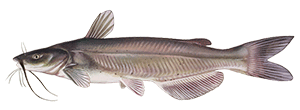


 Target musky, catfish and bass on Detroit River waters