Coastal Georgia Inshore Fishing for Beginners
Looking to get your feet wet in Georgia's legendary inshore fishing scene? This four-hour charter through Coastal Georgia's pristine waters is perfect for anglers just starting out or folks wanting a relaxed day on the water. We'll cruise the scenic Intercoastal Waterway while you learn the ropes and target some of the Southeast's most popular inshore species. Your captain brings years of local knowledge and the patience to help you land your first redfish or speckled trout. With all gear provided and a cooler packed with ice, you just need to show up ready to fish.
What to Expect on the Water
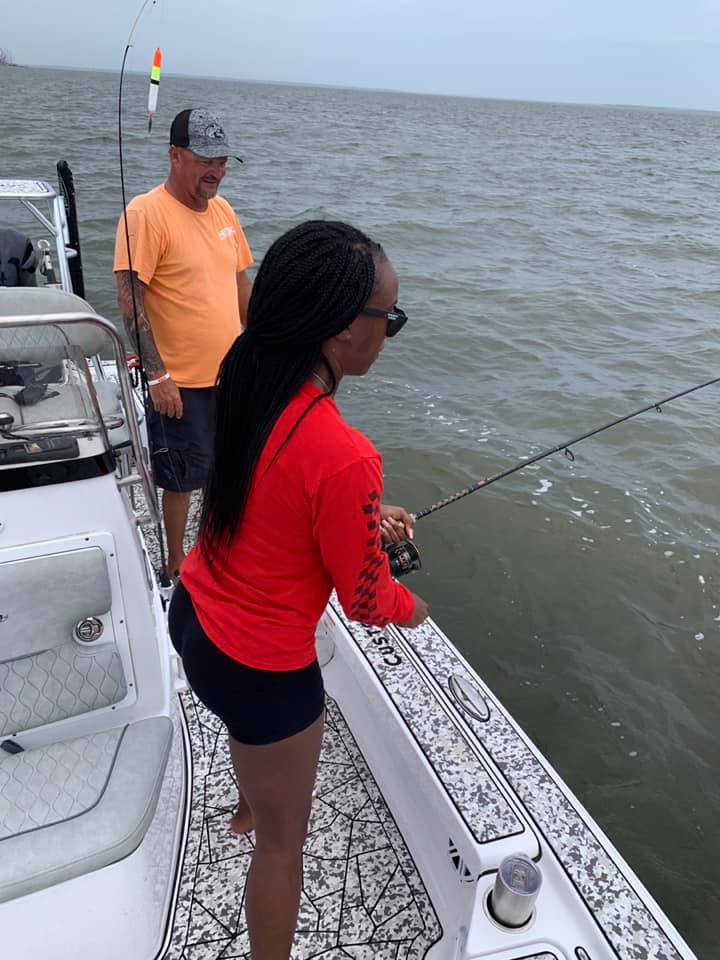
This top-rated beginner charter keeps things simple and fun. Your experienced captain knows these waters like the back of their hand and will put you on fish while teaching you the basics of inshore angling. We'll work the grass flats, oyster bars, and creek mouths where redfish cruise and trout stack up. The boat stays comfortable with a maximum of three guests, so you'll get plenty of personal attention and coaching throughout the trip. Don't worry about bringing tackle – we've got quality rods, reels, and all the bait you'll need. Just pack your favorite snacks, drinks, and plenty of sunscreen for a day you'll remember. The cooler's ready to keep your catch fresh, and lodging can be arranged if you're making a fishing weekend out of it.
Tackle Talk & Techniques
We'll have you rigged up with medium-action spinning rods perfect for learning proper casting and fish-fighting techniques. Live shrimp and mud minnows are our go-to baits – they're easy to fish and irresistible to everything swimming in these waters. Your captain will show you how to work a popping cork for trout, bounce live bait along oyster bars for redfish, and drift the deeper channels where flounder lie in wait. We'll cover the basics of reading water, understanding tides, and spotting the signs that fish are feeding. By the end of the trip, you'll know why so many anglers fall in love with Georgia's inshore fishing. The techniques you learn here will serve you well whether you're fishing from a kayak, wade fishing the flats, or booking your next charter.
Species You'll Want to Hook
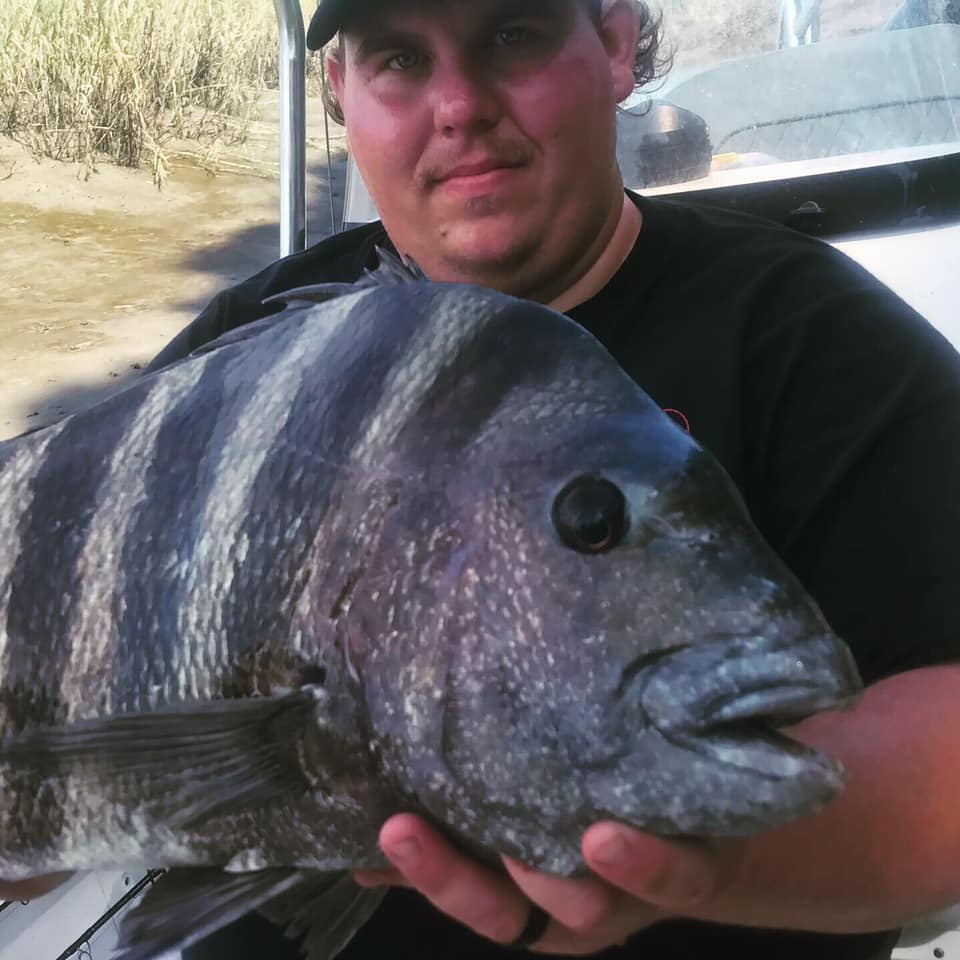
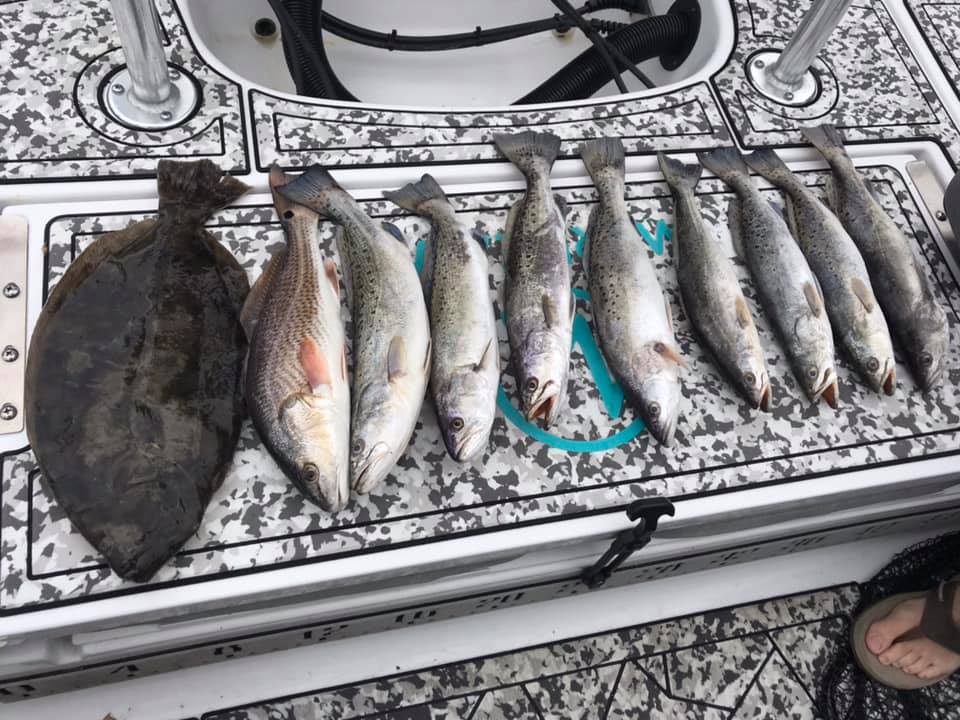
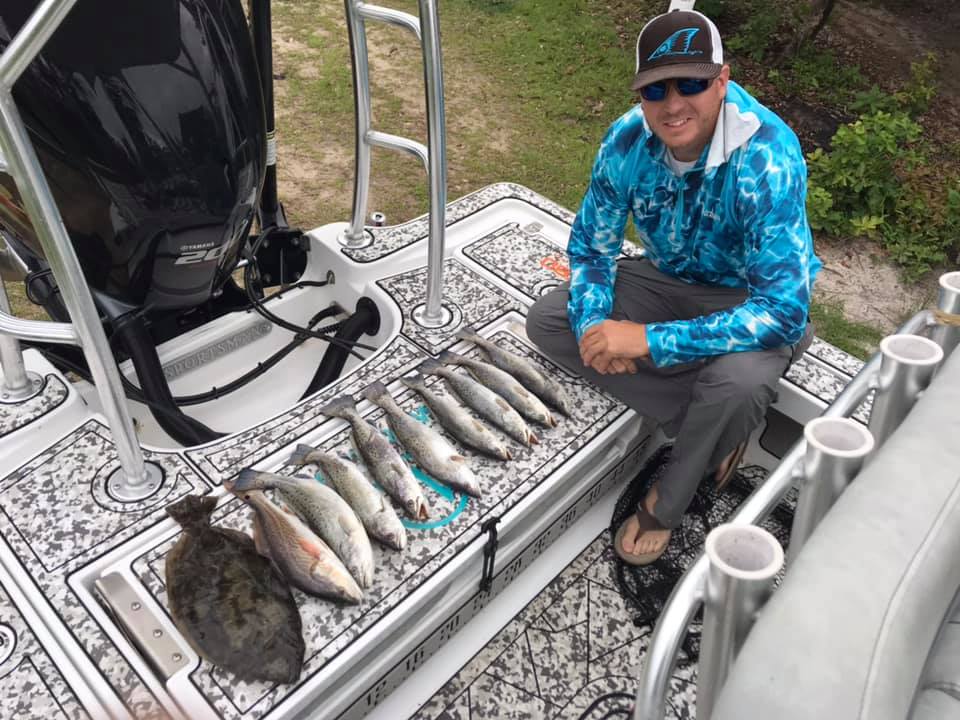
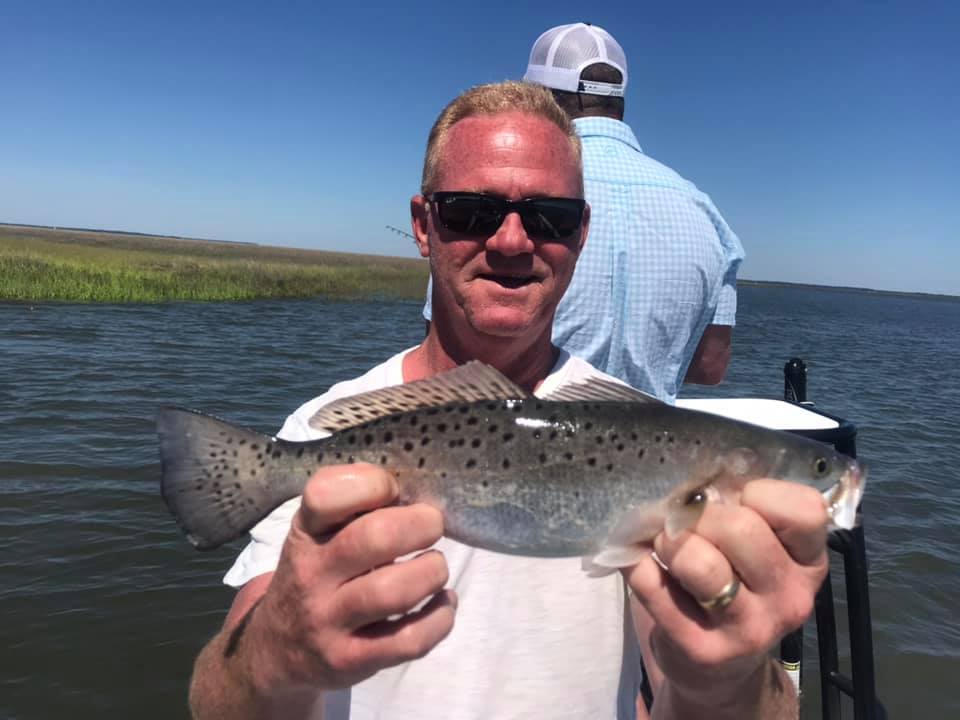
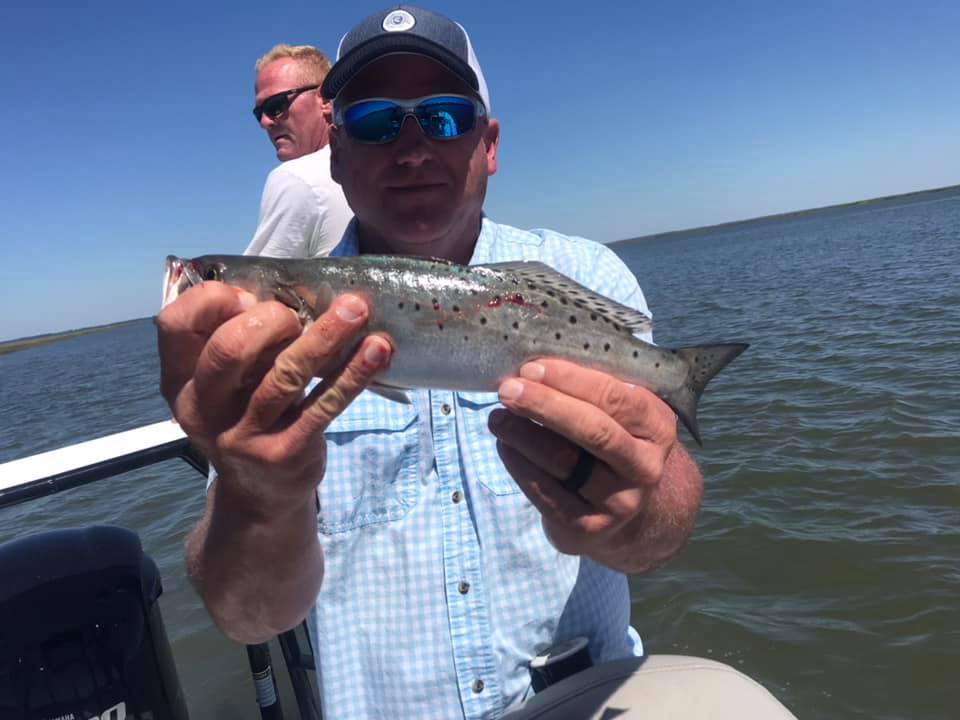
Sea Trout, also called speckled trout, are the bread and butter of Georgia inshore fishing. These beautiful fish love grass flats and drop-offs, especially when the tide is moving. They'll hit live shrimp under a popping cork or soft plastics bounced along the bottom. Trout are scrappy fighters that jump and make runs, giving beginners a real taste of what inshore fishing is all about. Best action happens spring through fall, with cooler months producing bigger fish. They're also excellent table fare, making them a customer favorite for good reason.
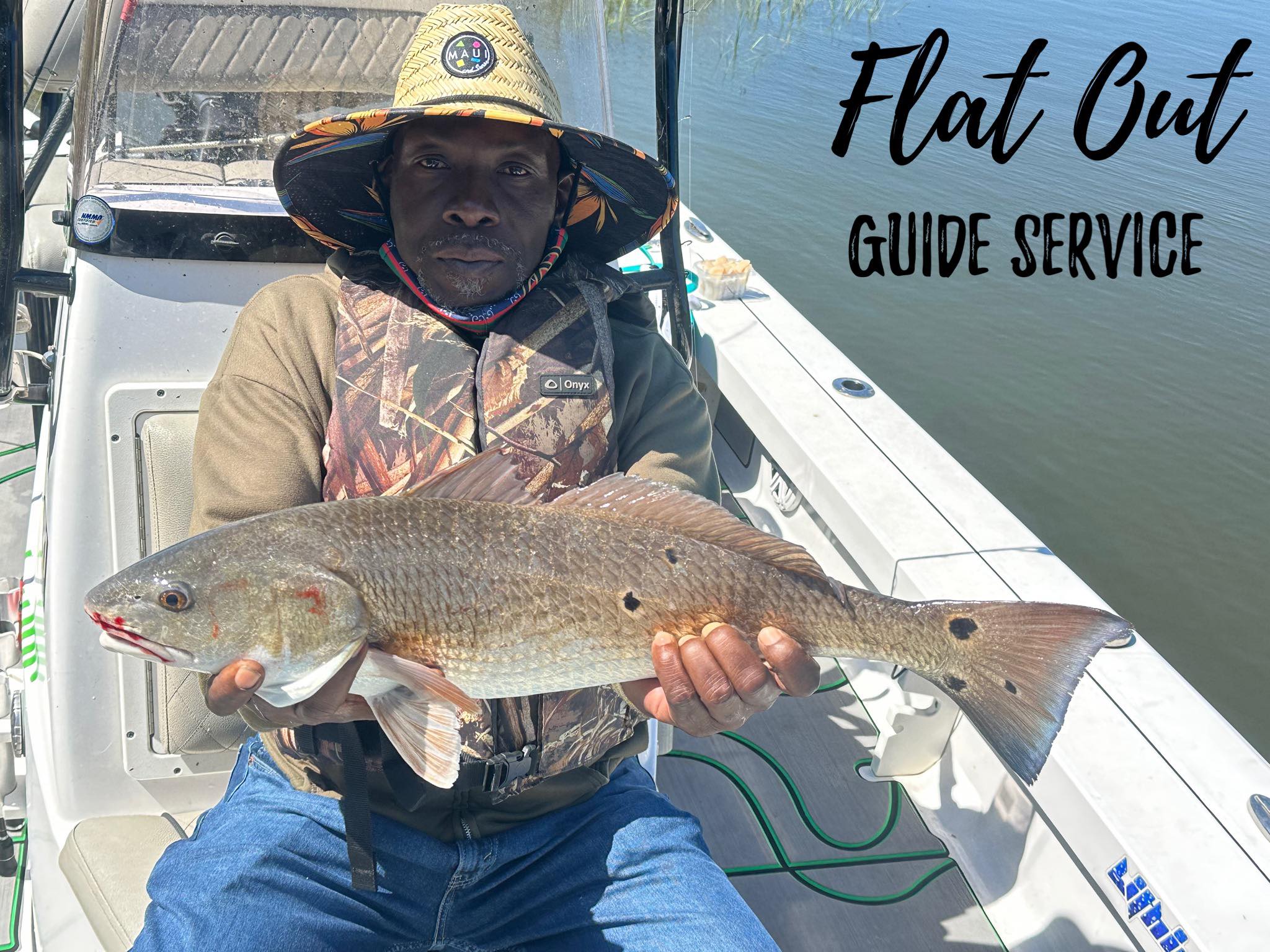
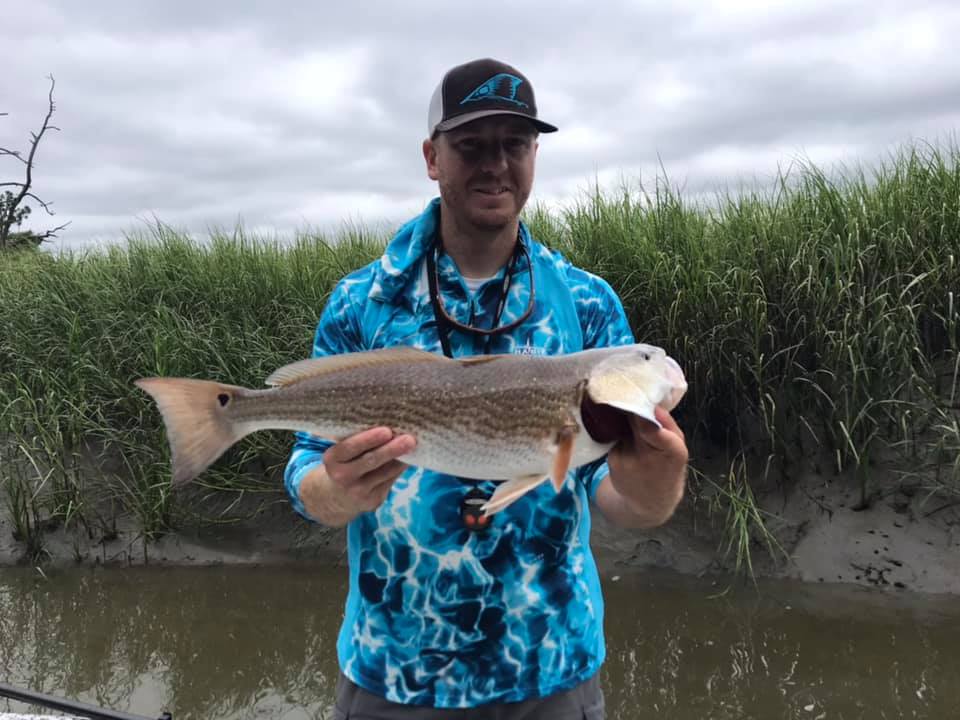
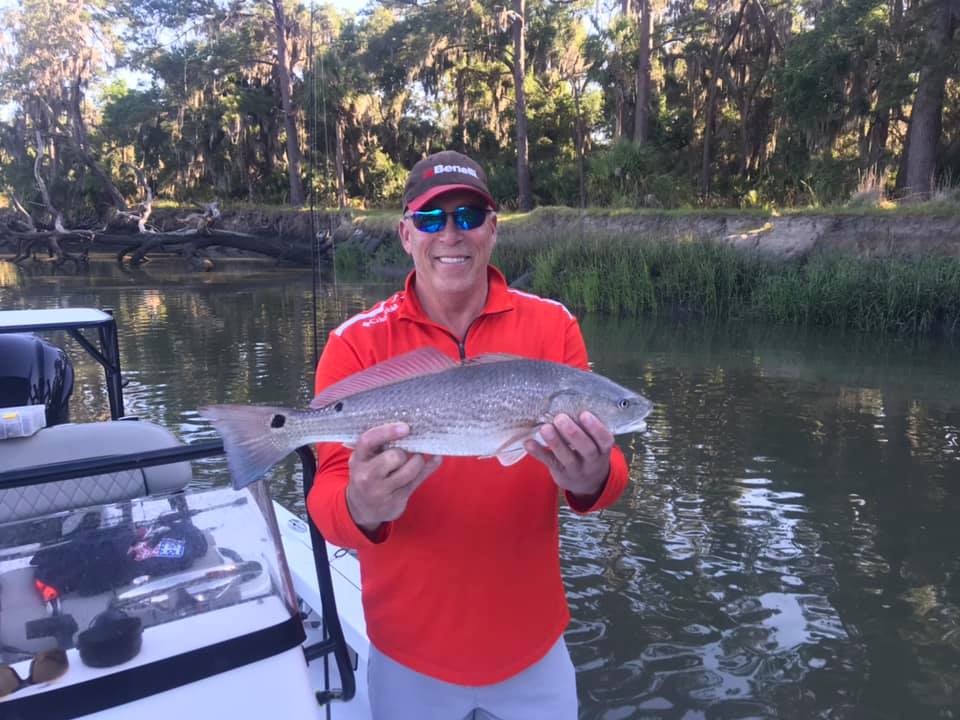
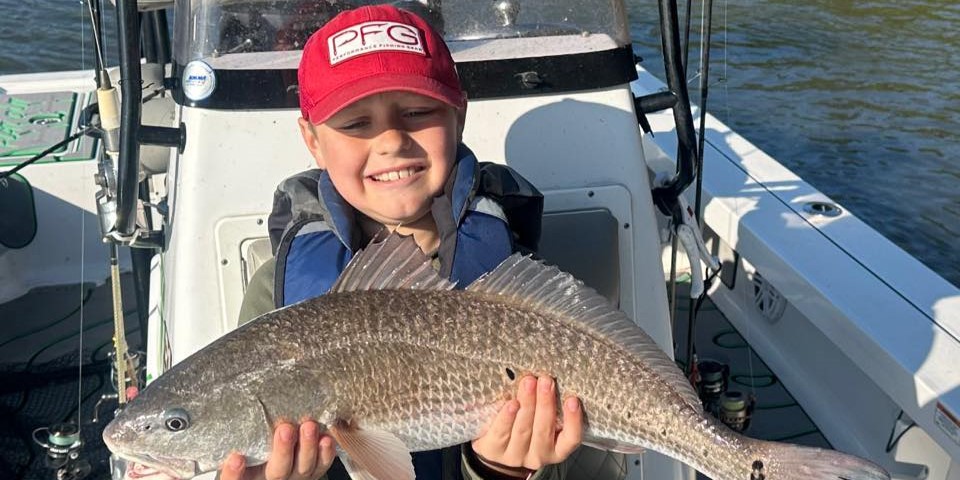
Redfish are the crown jewel of Georgia's inshore waters. These copper-colored bruisers cruise shallow flats and oyster bars, often with their backs out of the water. A hooked red will make powerful runs and test your drag system – they're known for their bulldogging fights that get your heart pumping. Spring and fall offer the best action, though reds bite year-round in these waters. Slot-sized fish between 14-23 inches are perfect for the dinner table, while the bigger bulls provide world-class sport fishing action.
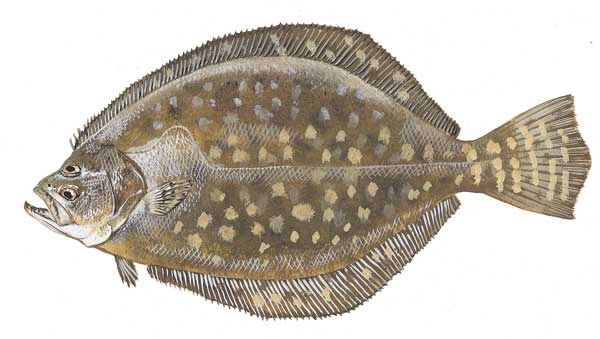
Southern Flounder are the masters of camouflage, lying flat against sandy bottoms waiting to ambush prey. These flatfish require patience and a different approach – we'll drift live finger mullet or bounce jigs along likely spots. When a flounder hits, it feels like you're hung up on the bottom until they start shaking their head. Fall months bring the best flounder action as they move toward deeper water. They're prized for their mild, flaky white meat that's perfect for fish tacos or a traditional fish fry.
Blacktip Shark add some excitement to any inshore trip. These sleek predators patrol the same waters as our target species and provide heart-stopping action when they grab your bait. Blacktips are known for their spectacular jumps and lightning-fast runs that will test your skills and equipment. We practice catch and release with sharks, giving you bragging rights and great photos. Summer months see more shark activity, though they can show up anytime the water's warm enough.
Time to Book Your Spot
This renowned beginner-friendly charter fills up fast, especially during prime fishing seasons. Whether you're looking to try inshore fishing for the first time or want a relaxed day learning new techniques, this trip delivers the perfect introduction to Georgia's amazing coastal fishery. Your captain's local expertise and patient instruction make this the best trip for building confidence on the water. With lodging options available and meals easily arranged, it's simple to turn this into a complete fishing getaway. Don't miss out on experiencing some of the Southeast's most productive inshore waters – book your spot today and get ready to see why Coastal Georgia fishing keeps anglers coming back year after year.
 Private Trip
 Backcountry Fishing
 Savannah


 Four-hour beginner-friendly inshore fishing charter in Coastal Georgia