Fishing In Marathon Florida
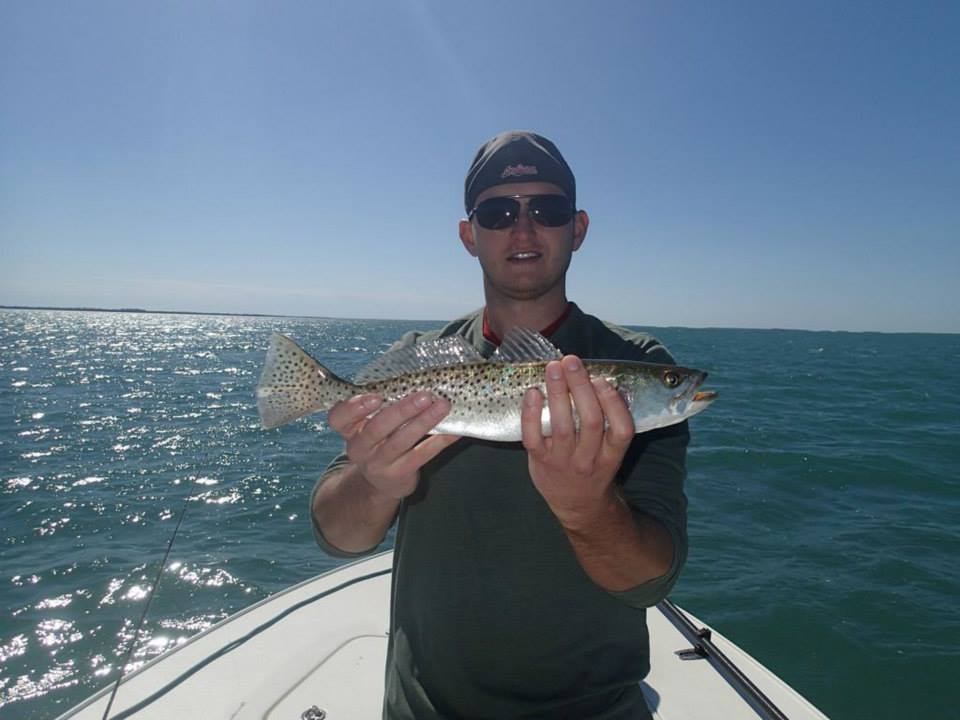
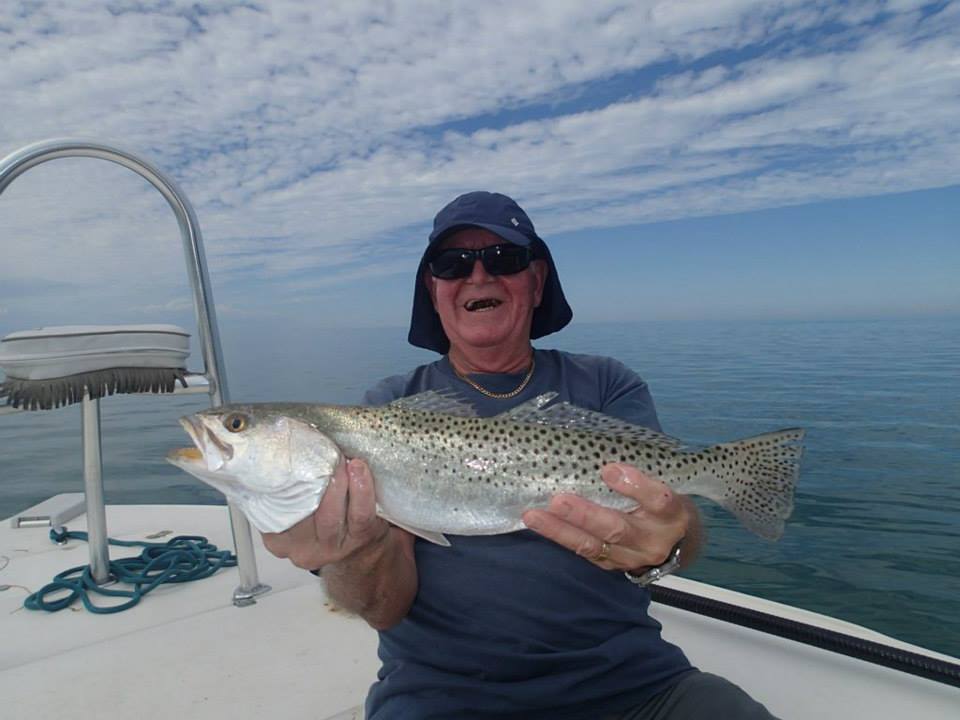
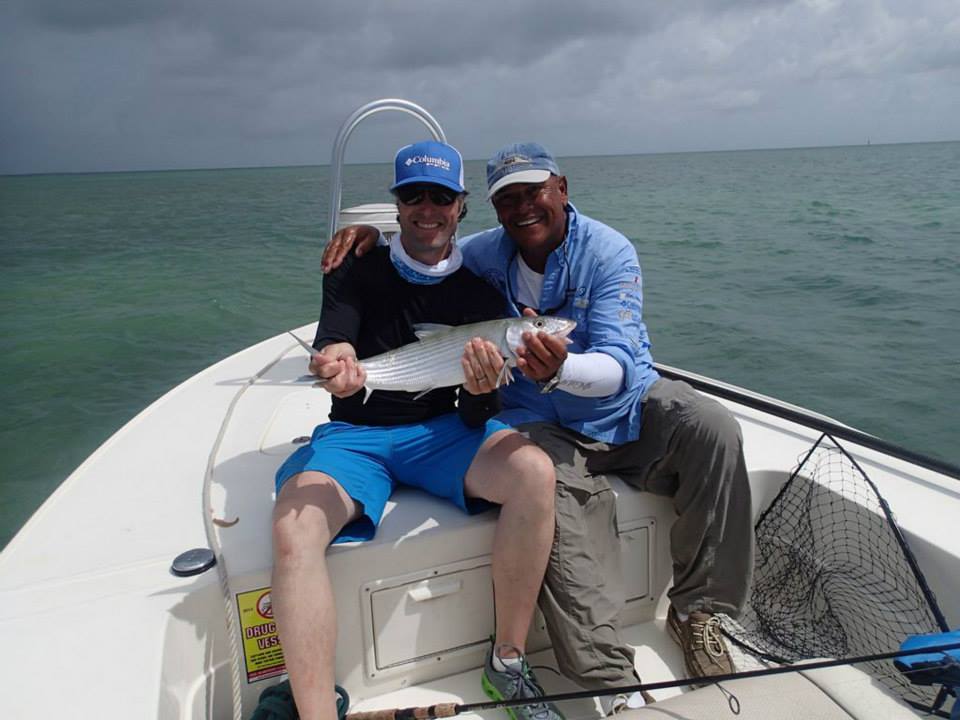
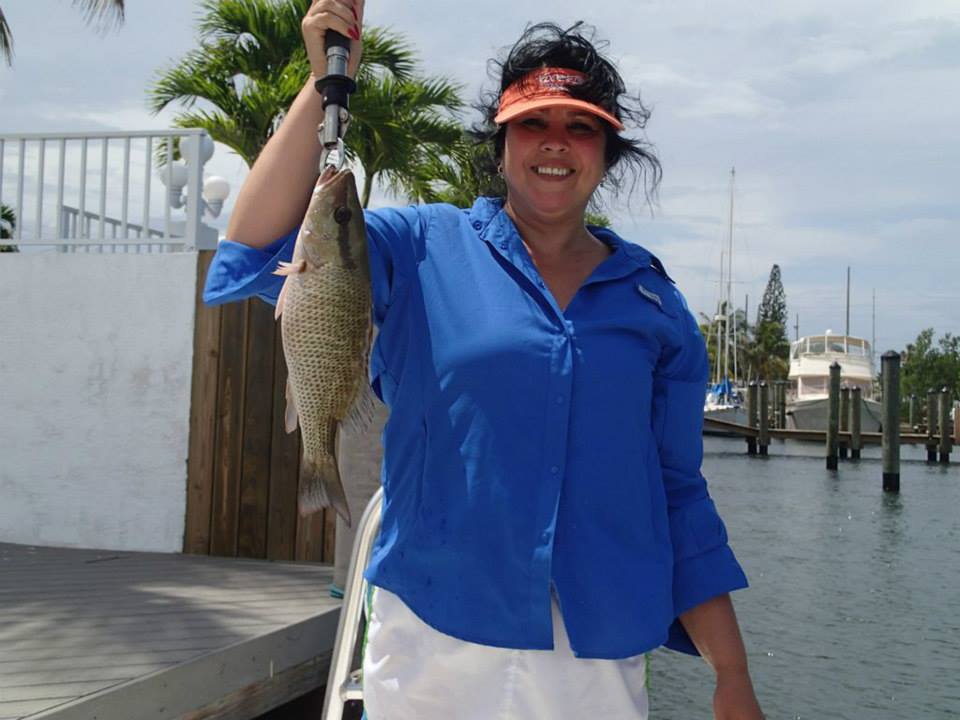
If you're looking for world-class flats fishing in the heart of the Florida Keys, you've found your spot. Captain Diego's full-day Marathon fishing charters put you right in the middle of some of the most productive shallow water fishing on the planet. We're talking 8 solid hours exploring the backcountry flats and varying depths around Marathon, where the fish are abundant and the scenery is pure Keys magic. This isn't your typical half-day rush job – we take our time, fish the tides right, and give you the best shot at landing the fish you came here for.
What to Expect on the Water
Your day starts early when we push off from Marathon and head into the maze of flats, channels, and mangrove shorelines that make this area legendary among serious anglers. The shallow waters here hold everything from tailing permit to massive tarpon, depending on the season. Captain Diego knows these waters like the back of his hand – every flat, every channel, every spot where the fish like to hang out when the conditions are right. You'll be fishing depths from skinny water that barely covers the grass to slightly deeper edges where the bigger fish cruise. The boat handles like a dream in these shallows, letting us get into spots that bigger boats can't touch. We'll work different areas throughout the day, adjusting our strategy based on wind, tide, and what the fish are telling us.
Gear and Techniques
Captain Diego has you covered with top-notch spinning and fly fishing gear, so whether you're a seasoned fly angler or prefer the reliability of spinning tackle, we've got the right setup for the conditions. The spinning rods are perfect for working crabs and shrimp around structure when the fish are finicky, while the fly gear shines when we find fish tailing or cruising in clear, shallow water. We'll match your skill level and comfort zone – no pressure to fly fish if you're not into it, and plenty of coaching if you want to improve your technique. Live bait, artificials, and flies all have their place out here, and Captain Diego reads the conditions to put the right presentation in front of the fish. The ice and bottled water are included to keep you comfortable during those long stretches between bites, and you're welcome to bring whatever snacks and drinks make your day better.
Species You'll Want to Hook
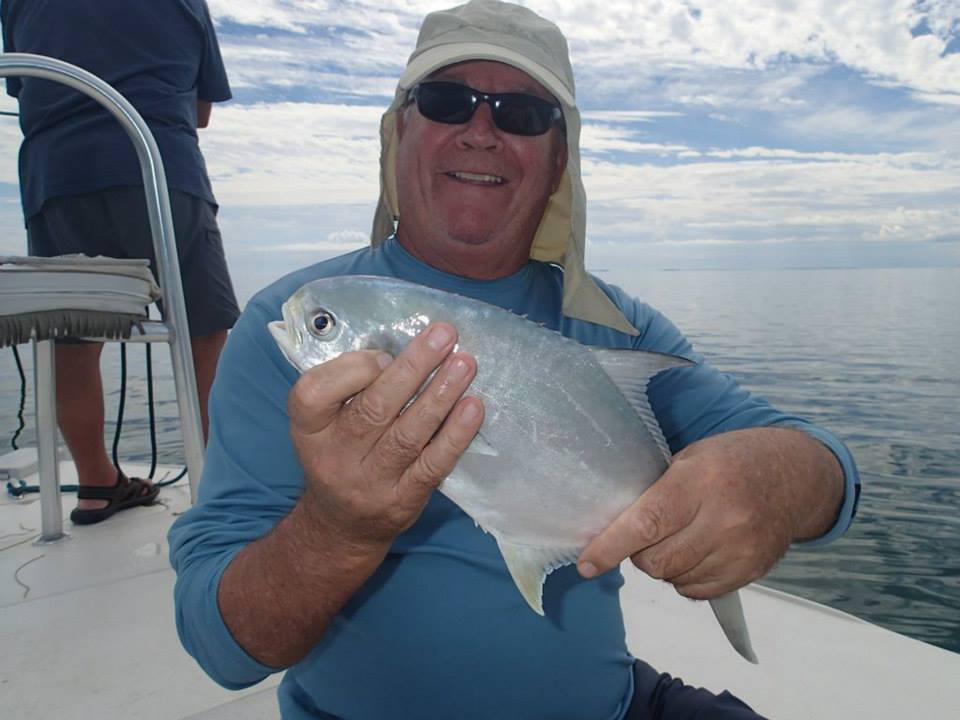
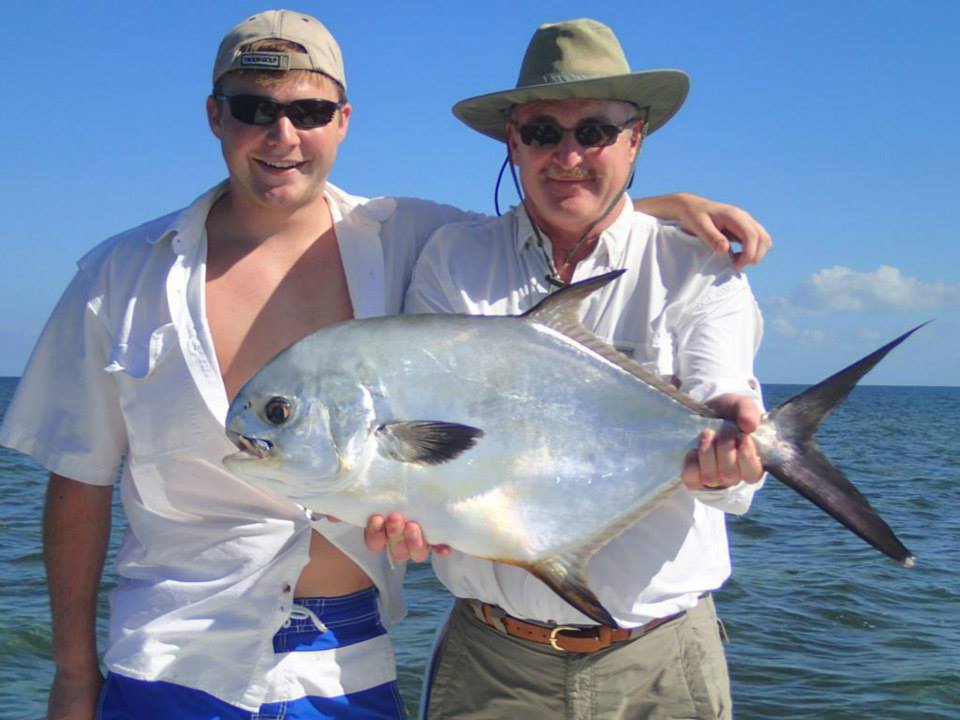
Permit are the holy grail of flats fishing, and Marathon's waters hold some of the best permit fishing in the Keys. These disc-shaped fighters are notorious for their wariness and explosive runs once hooked. You'll spot them tailing in skinny water or cruising the flats in small schools, their black-tipped dorsal fins cutting through the surface. Permit average 10-20 pounds here, but don't let that fool you – they'll test your drag and your nerves with long, blistering runs toward deeper water. The best permit fishing typically happens during the cooler months from October through April, when they're more active in the shallows. Landing a permit on fly is considered one of angling's greatest achievements, but they'll eat a well-presented crab on spinning gear just as eagerly when the conditions are right.
Cobia are the bulldogs of the flats – big, brown, and built for battle. These fish cruise the shallows looking like small sharks until you get a good look at their distinctive flat heads and broad shoulders. Marathon's cobia run anywhere from 20 to 50 pounds, and they're aggressive feeders that will crush a properly presented bait or lure. Spring and early summer are prime time for cobia, when they move into the shallows for spawning. They're sight-fishing targets that will often eat on the first cast if you don't spook them, making them perfect for anglers who want that visual excitement of watching a big fish eat. Once hooked, cobia fight dirty – they'll wrap you around any structure they can find and use their broad sides to pull hard in the current.
When tarpon season kicks in from late spring through early fall, Marathon transforms into one of the premier tarpon destinations in the world. These silver kings range from juvenile fish in the 20-40 pound class up to massive adults pushing 150 pounds or more. Tarpon fishing here is all about timing and presentation – they move through these waters in predictable patterns, following baitfish and using the channels and flats as highways. The jumps are what tarpon are famous for, and there's nothing quite like watching a six-foot fish go completely airborne just yards from the boat. Tarpon have incredibly hard mouths, so hook sets need to be solid and your drag needs to be smooth. Most tarpon are released after a quick photo, making this a sustainable fishery that keeps producing year after year.
Time to Book Your Spot
This full-day Marathon fishing experience gives you the time and expertise you need to target some of the most sought-after species in saltwater fishing. Captain Diego's local knowledge and quality equipment take the guesswork out of your day, letting you focus on what matters – putting fish in the boat and making memories that'll last long after you head home. With space for up to 4 anglers, this charter works great for couples, small groups, or anyone who wants a more personalized fishing experience than you'll get on the bigger boats. The Florida Keys flats fishing scene is world-renowned for good reason, and Marathon sits right in the sweet spot where variety meets opportunity. Whether you're chasing your first permit, looking to land a tarpon on fly, or just want to spend a day fishing some of the most beautiful water in the world, this trip delivers. Don't wait too long to book – the best fishing days fill up fast, especially during peak seasons when the fish are most active.
 Private Trip
 Flats/Shallows Fishing
 Marathon


 Full-day flats fishing targeting Permit, Pompano, Cobia, and Snapper