Chesapeake Bay Shark Fishing Adventure
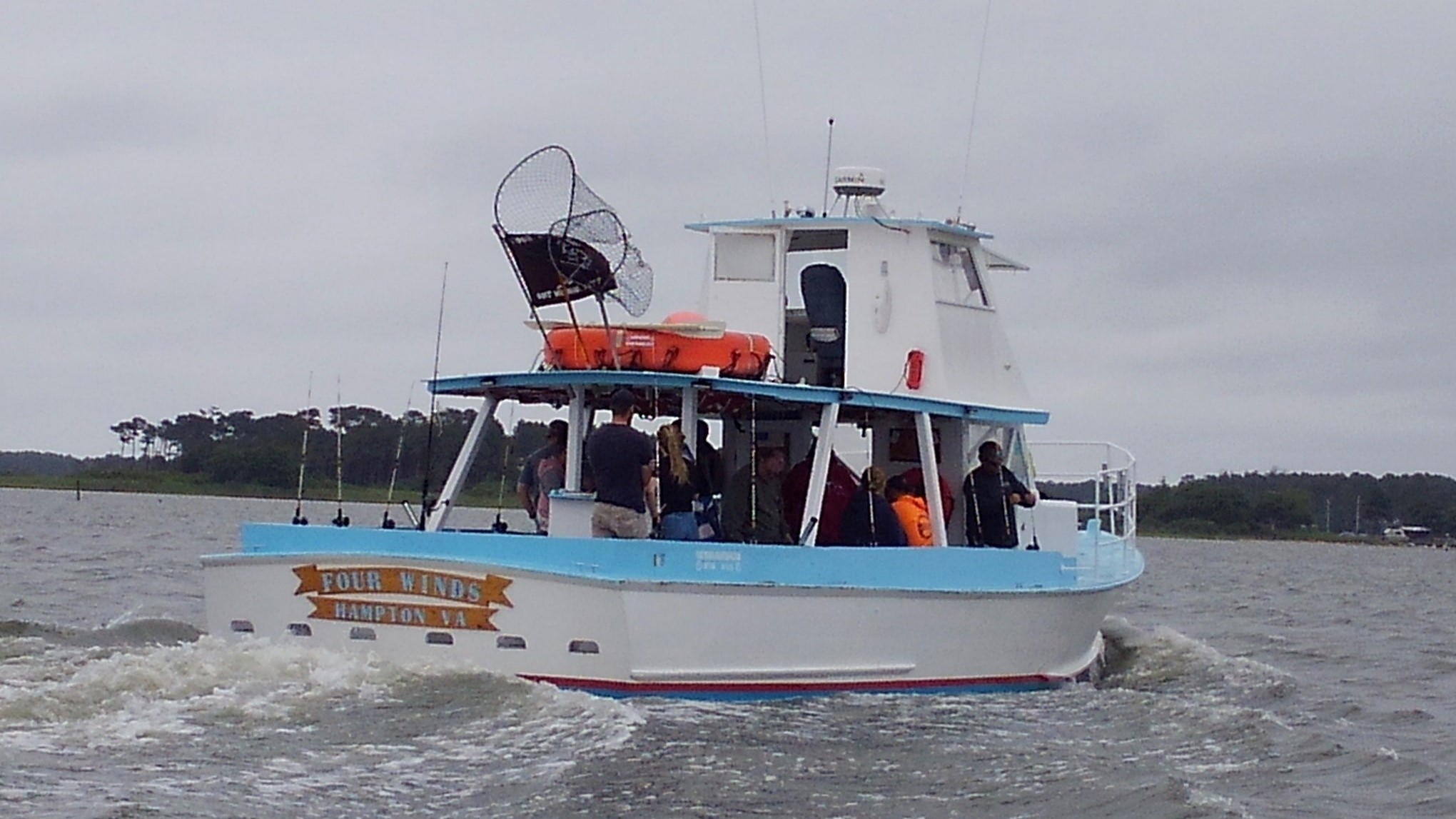
Captain John O'Neal has been guiding shark fishing trips in the Chesapeake Bay for years, and let me tell you - this isn't your typical afternoon casting for stripers. When you book this top-rated charter with Four Winds Chartering, you're signing up for a real challenge that'll test your skills and get your heart pumping. The Bay's productive waters hold some serious predators, and Capt. John knows exactly where to find them. With room for up to 12 anglers, this trip brings together fishing enthusiasts who want to tangle with something that fights back hard. You'll learn techniques from a seasoned captain who's landed countless sharks in these waters, and trust me, the stories he'll share between bites are worth the trip alone.
What to Expect on the Water
This shark fishing charter runs in the deeper sections of the Chesapeake Bay where the big predators cruise looking for their next meal. Captain John will have you anchored up or drifting over productive structure where sharks actively feed. The vibe is relaxed but focused - you'll spend time rigging heavy tackle, cutting bait, and watching your rods while swapping fishing stories with fellow anglers. Don't expect constant action like you'd get targeting smaller species, but when a shark picks up your bait and makes that first screaming run, you'll understand why this style of fishing hooks so many people. The captain provides all the guidance you need, whether you're a seasoned offshore angler or someone who's never fought anything bigger than a largemouth bass. No meals are included, so pack your own lunch and plenty of water - shark fishing requires patience and stamina.
Heavy Tackle & Proven Methods
Captain John runs serious shark fishing gear that's built to handle the punishment these fish dish out. We're talking heavy conventional reels loaded with 80-pound test, paired with stout rods that won't fold under pressure. The terminal tackle includes circle hooks, heavy wire leaders, and weights that'll keep your bait down in the strike zone. Fresh cut bait works best - think chunks of bluefish, menhaden, or whatever oily fish are running at the time. The captain will show you how to rig everything properly, from setting the drag to positioning your rod in the holder. Most of the fishing happens at anchor, letting the scent trail work its magic to draw sharks in from a distance. When you get a bite, it's all about staying calm, letting the fish run when it wants to, and working it back to the boat when you can gain line. This isn't about brute force - it's about technique and endurance.
Target Species You'll Want to Hook
Tiger sharks are the crown jewel of Chesapeake Bay shark fishing, and for good reason. These apex predators can stretch over 10 feet and pack incredible power in their broad shoulders. Tigers are most active during warmer months when they follow baitfish into the Bay's deeper channels. What makes them special is their aggressive nature and willingness to eat just about anything - they're not picky eaters, which makes them excellent targets for cut bait presentations. When you hook a tiger shark, expect multiple long runs and a fight that can last 30 minutes or more. The distinctive stripes along their sides make for amazing photos before release.
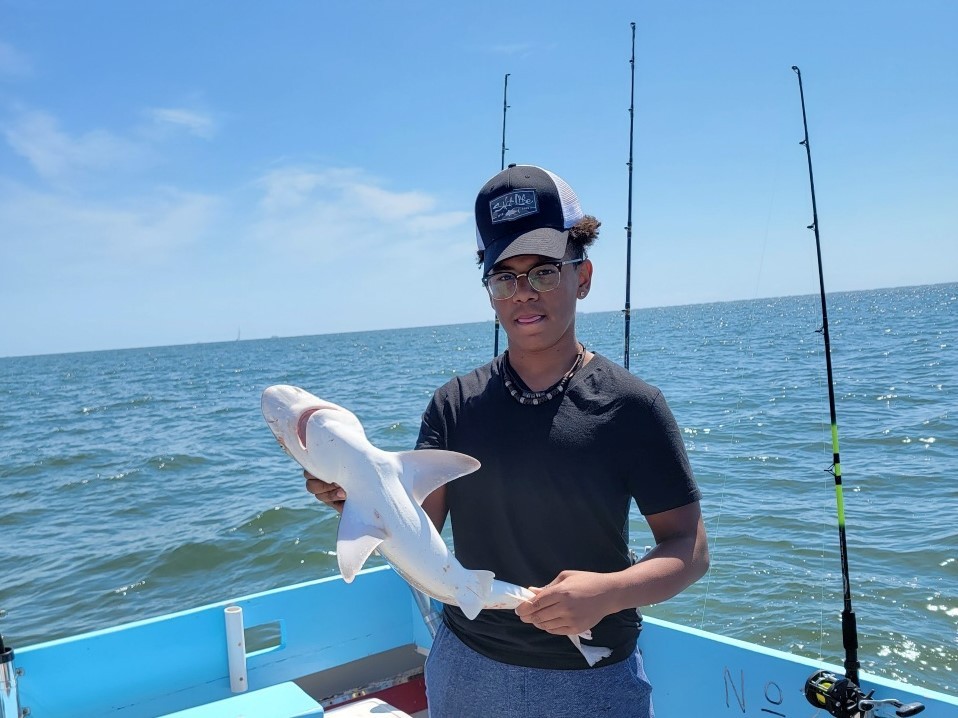
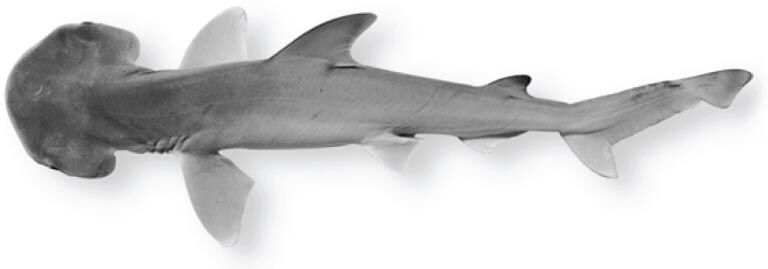
Bonnethead sharks offer a different kind of excitement for anglers looking to get their first taste of shark fishing. These smaller members of the hammerhead family typically run 2-4 feet long, making them perfect for building confidence before tackling larger species. Bonnetheads are most common in late summer and early fall when water temperatures peak. They're curious fish that often travel in small groups, so catching one usually means there are others nearby. Their unique shovel-shaped heads and bronze coloring make them instantly recognizable, and their spirited fights on lighter tackle provide plenty of fun for the whole group.
Blacktip sharks bring speed and acrobatics to your fishing experience. These sleek predators are built for fast swimming and spectacular jumps when hooked. Most blacktips in the Bay range from 3-6 feet, and they're incredibly athletic fighters that will test your reflexes and rod-handling skills. They're most active during incoming tides when baitfish get pushed into their preferred hunting areas. Blacktips are also among the most photogenic sharks you'll encounter, with their clean lines and distinctive black-tipped fins. Captain John has developed specific techniques for targeting these speed demons, and he'll share those methods as conditions allow.
Time to Book Your Spot
This world-class shark fishing experience with Captain John O'Neal delivers exactly what serious anglers are looking for - a chance to test your skills against genuine apex predators in one of the East Coast's most productive fishing destinations. The combination of expert guidance, proper tackle, and the Bay's healthy shark populations creates the perfect recipe for an outstanding day on the water. Whether you're looking to cross shark fishing off your bucket list or add to your growing collection of predator encounters, this charter delivers the goods. Captain John's years of experience and passion for shark fishing show in every aspect of the trip, from bait selection to fish handling techniques. Don't wait too long to secure your date - the best shark fishing windows fill up fast, and you don't want to miss your shot at tangling with these legendary fighters in the renowned waters of the Chesapeake Bay.
 Private Trip
 Offshore Fishing
 Hampton, VA

 Target sharks with expert Captain John O'Neal's proven techniques