Inshore Fishing - Texas Gulf Coast
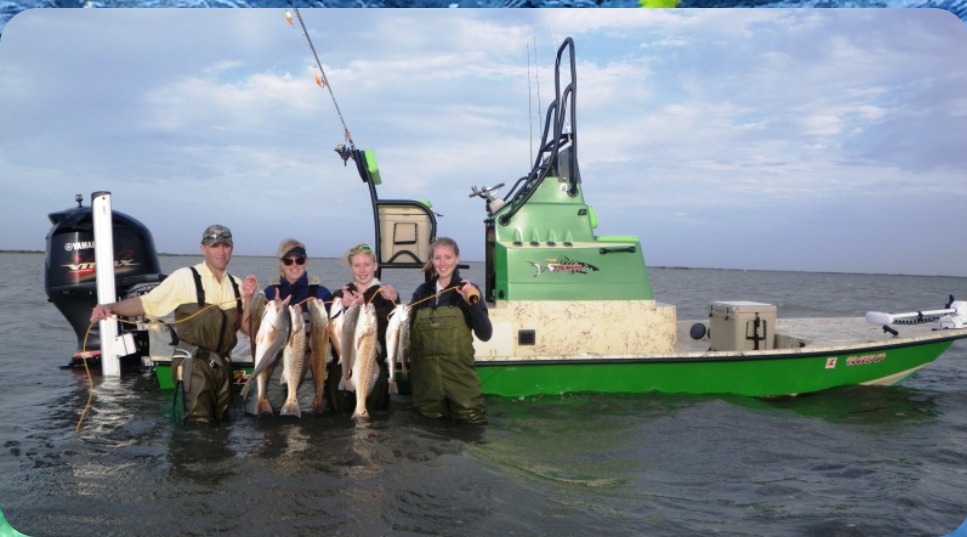
Captain Collin knows the Texas Gulf Coast like the back of his hand, and his 23' Shoalwater Cat is built to take you where the fish are biting. Whether conditions have us running shallow backwater cuts or working open bay structure, you're in for a top-rated inshore experience that'll have you talking about it long after you dock. This isn't your typical charter - we're talking about a guide who reads water and weather patterns to put you on fish when others are struggling. With room for up to 4 anglers, you'll have plenty of space to work without bumping elbows, and Collin's local knowledge means we're always adjusting our game plan based on what's happening right now on the water.
What to Expect on the Water
Every trip starts with Collin checking conditions and making the call on where we'll have the best shot at success. Some days that means sliding into skinny water barely deep enough to float the boat, targeting redfish cruising grass flats in West Matagorda Bay. Other days we might be working deeper structure in Espiritu Santo or San Antonio Bays, bouncing soft plastics for trout and drum. The Shoalwater Cat's shallow draft opens up spots that bigger boats can't reach, which is exactly why Collin chose this hull. When the surf's laying down nice, we might even make a run to the beachfront for some different action. You'll spend the day sight-casting, working artificial lures, and learning to read the subtle signs that separate good anglers from great ones. The boat's rigged with quality electronics, but honestly, Collin's eyes and experience are your best fish-finder out here.
Techniques and Tackle
We fish light tackle that lets you feel every bump and run, typically spinning gear in the 3000 to 4000 size range spooled with braid. Depending on conditions and what we're targeting, you'll be throwing everything from topwater plugs at sunrise to soft plastics worked slow along drop-offs. Collin keeps the boat stocked with proven local favorites - think Bass Assassins, She Dogs, and Corkys that have been putting fish in the boat for years. In the shallows, we're sight-casting to tailing reds and cruising trout, which means staying quiet and making accurate presentations. When we're working structure in deeper bay water, it's more about covering water systematically and staying in touch with your lure as it works through the strike zone. The key is matching your retrieve speed to water temperature and fish activity level, something you'll pick up quick with Collin calling the shots.
Target Species
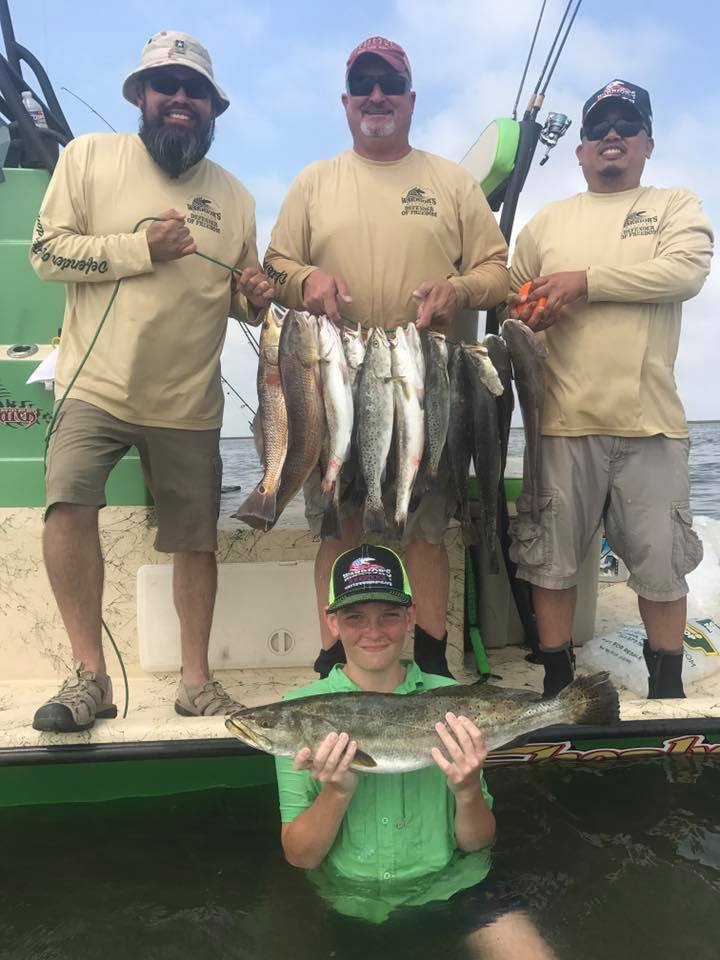
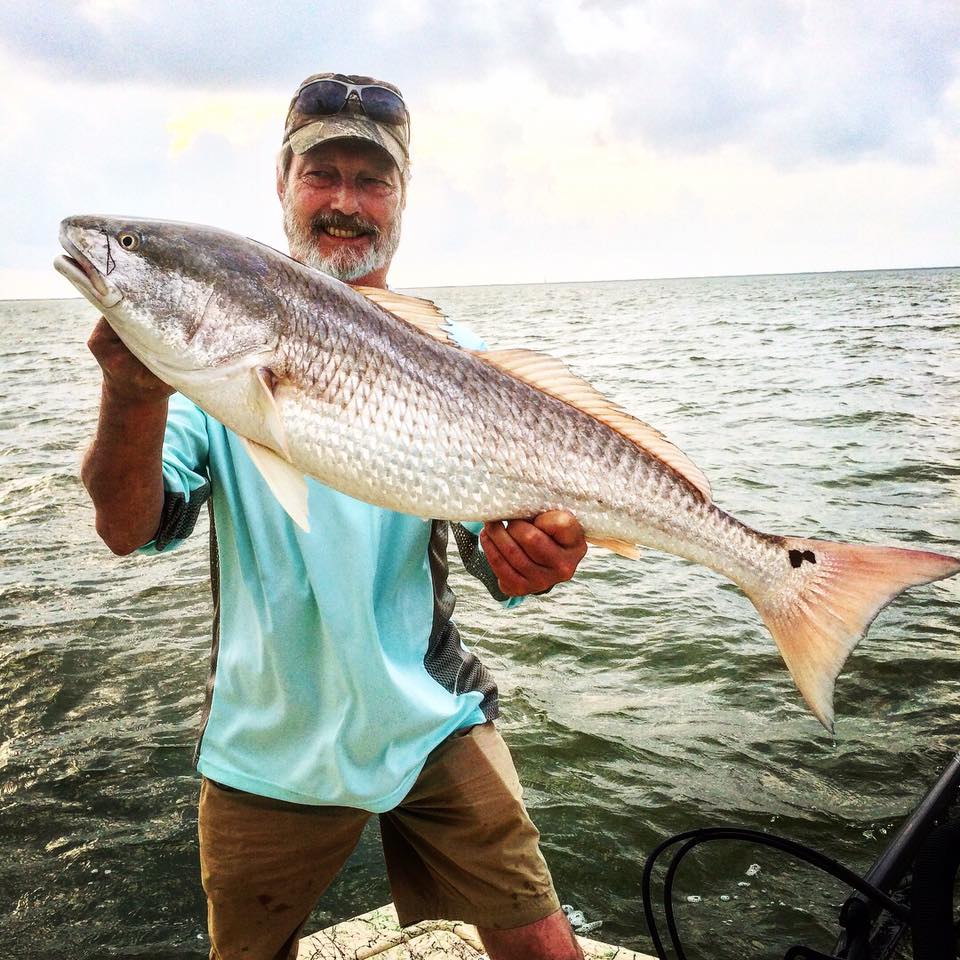
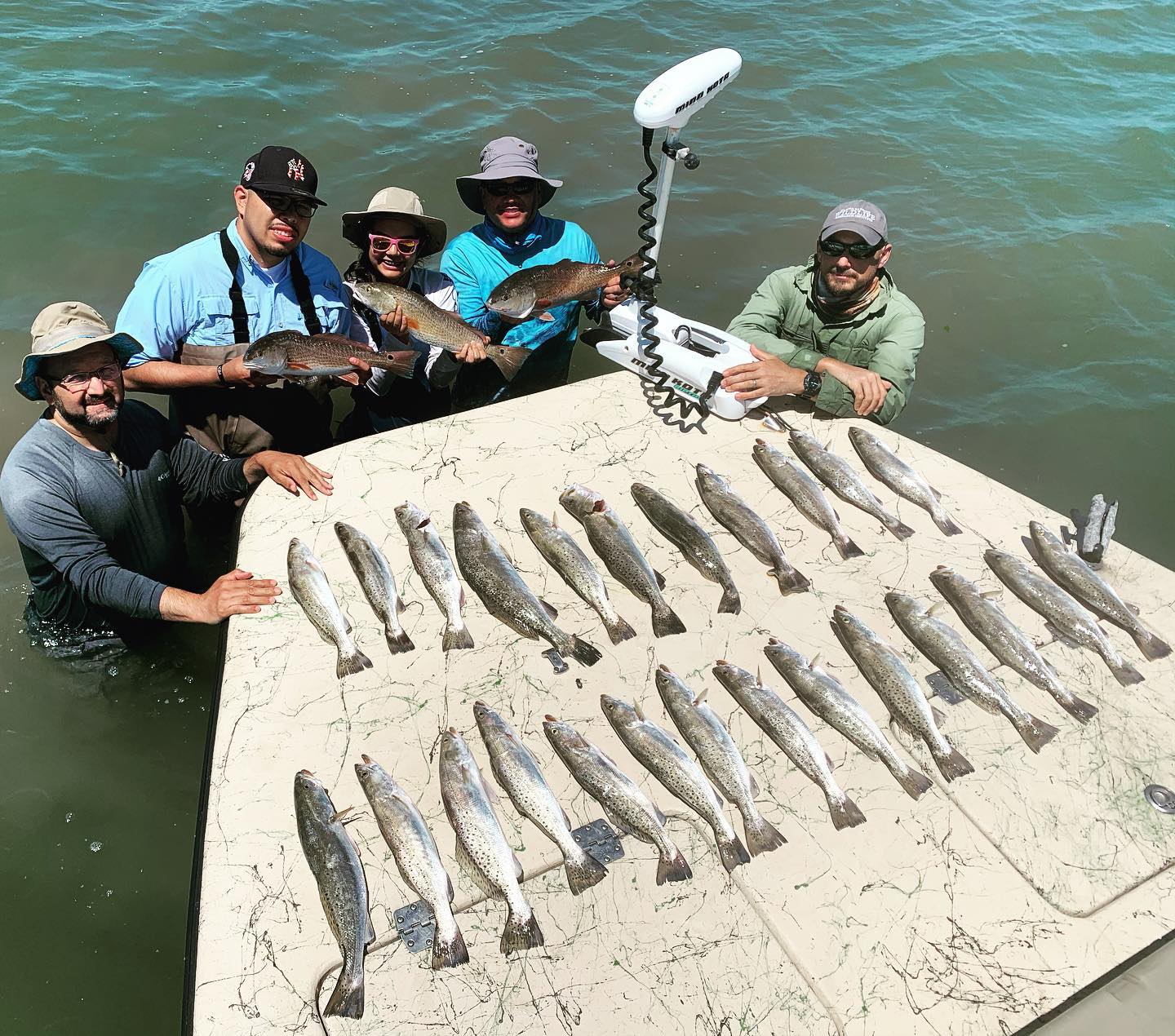
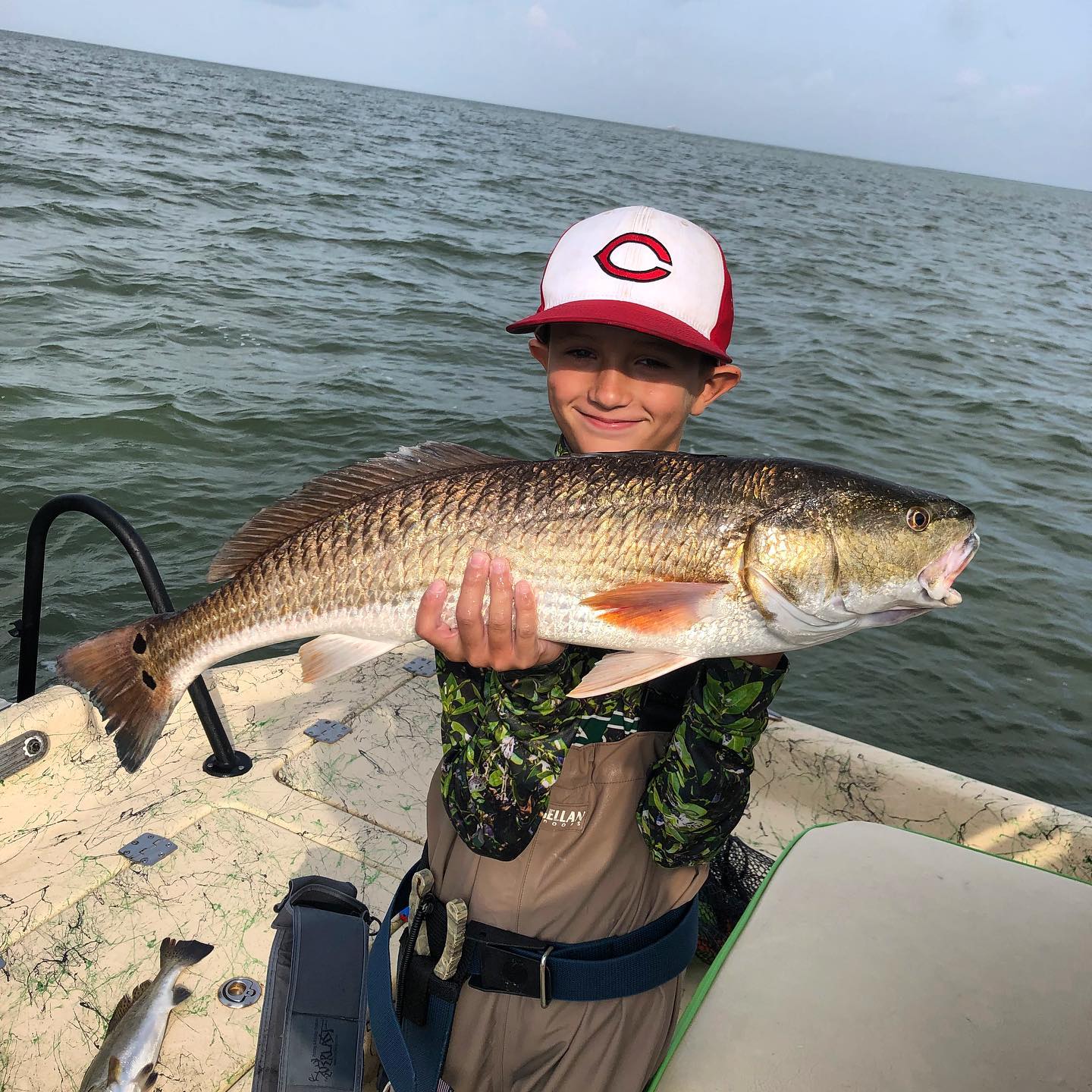
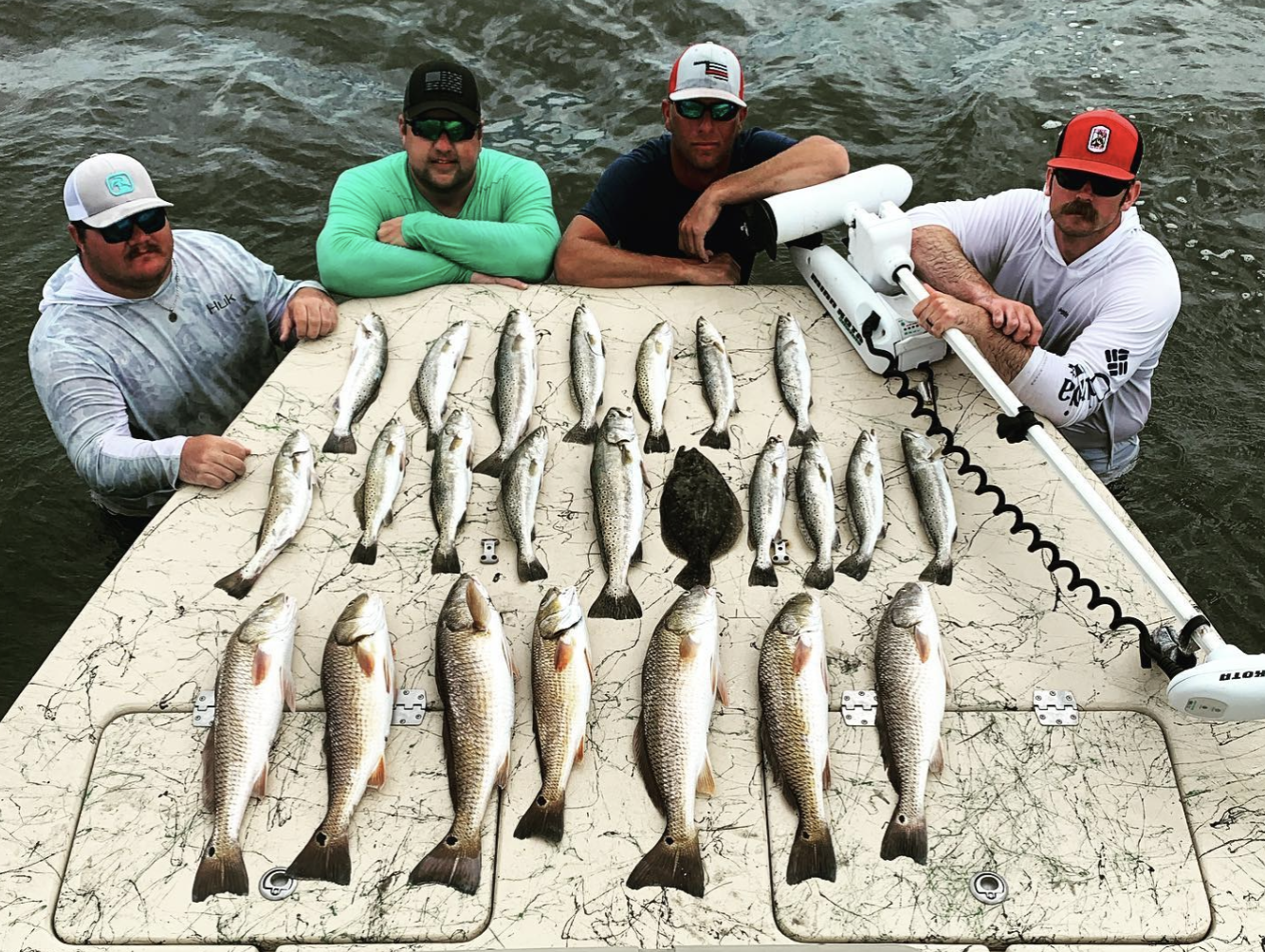
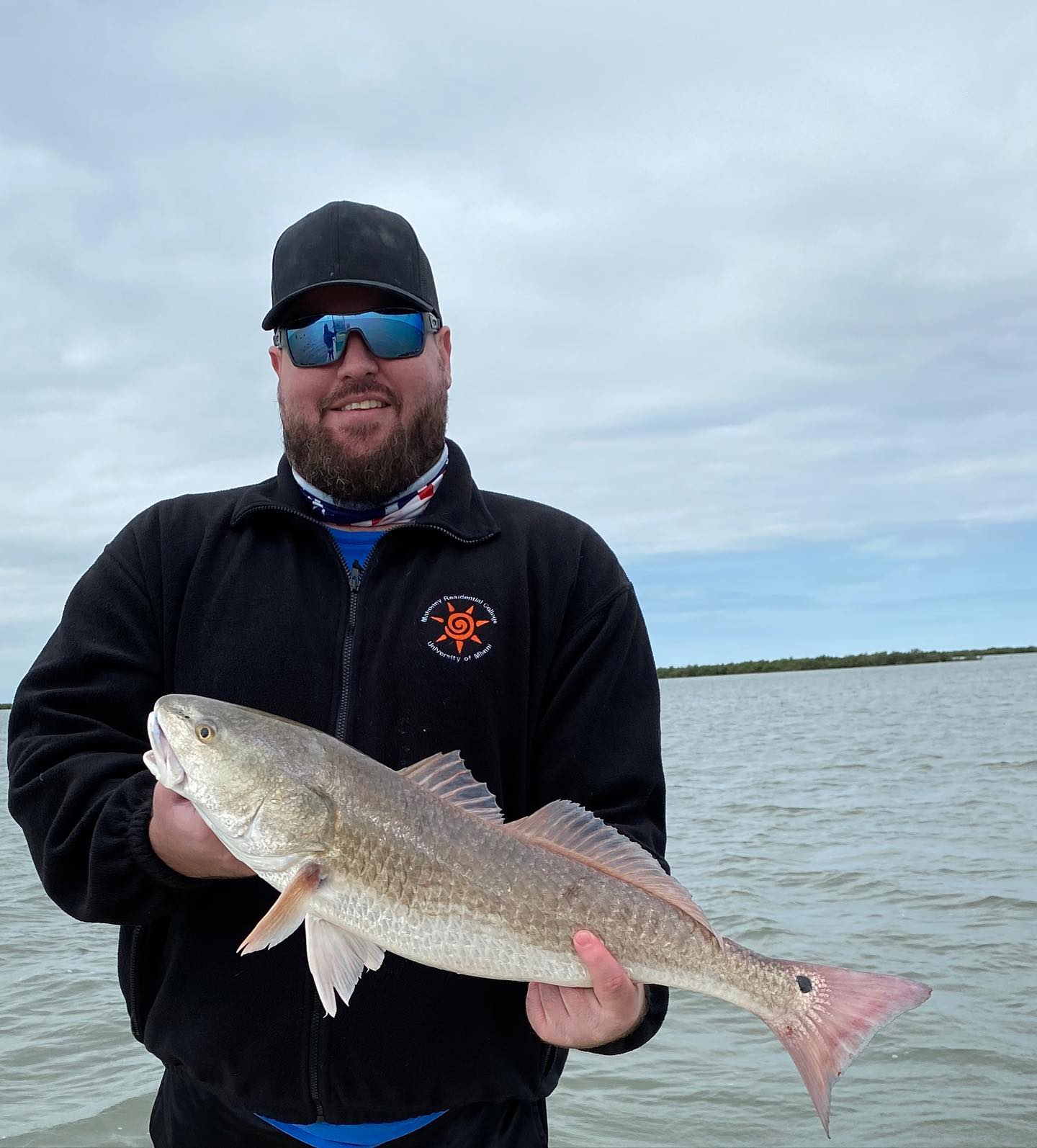
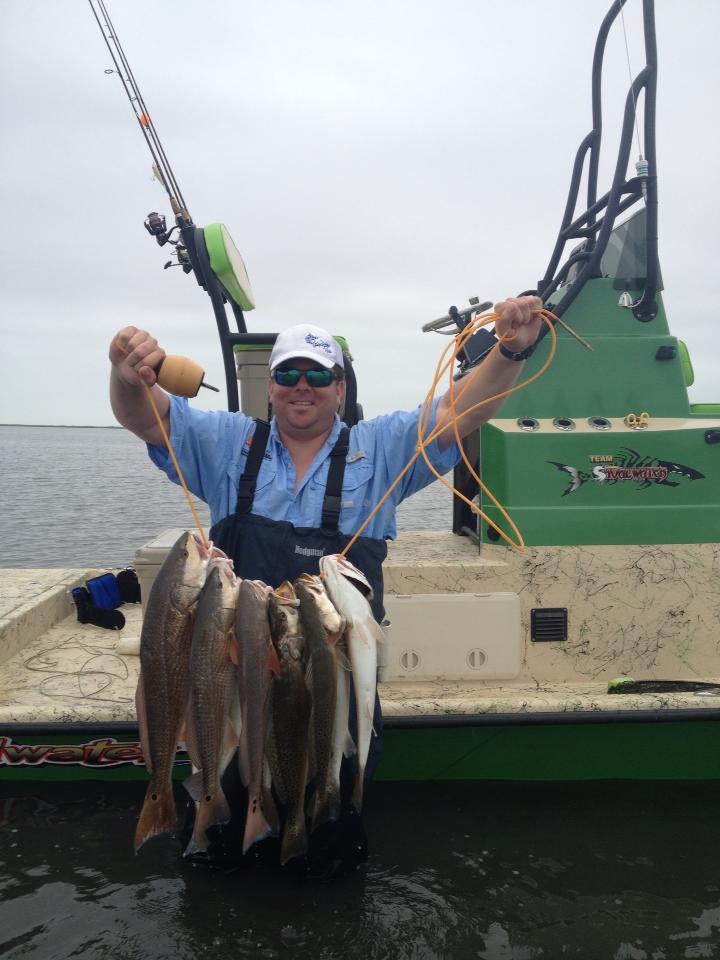
Redfish are the bread and butter of Texas inshore fishing, and these copper-colored bruisers provide some of the most visual and exciting fishing you'll find anywhere. Ranging from schoolie-sized fish around 20 inches up to bull reds pushing 40-plus, they're aggressive feeders that'll crush topwater plugs, soft plastics, and live bait with equal enthusiasm. Fall and winter months see the biggest concentrations as they move through the bays heading to spawn, but you can find quality fish year-round if you know where to look. What makes reds so special is their willingness to feed in super shallow water - we're talking about fish with their backs out of the water, tails waving as they root around for crabs and shrimp.
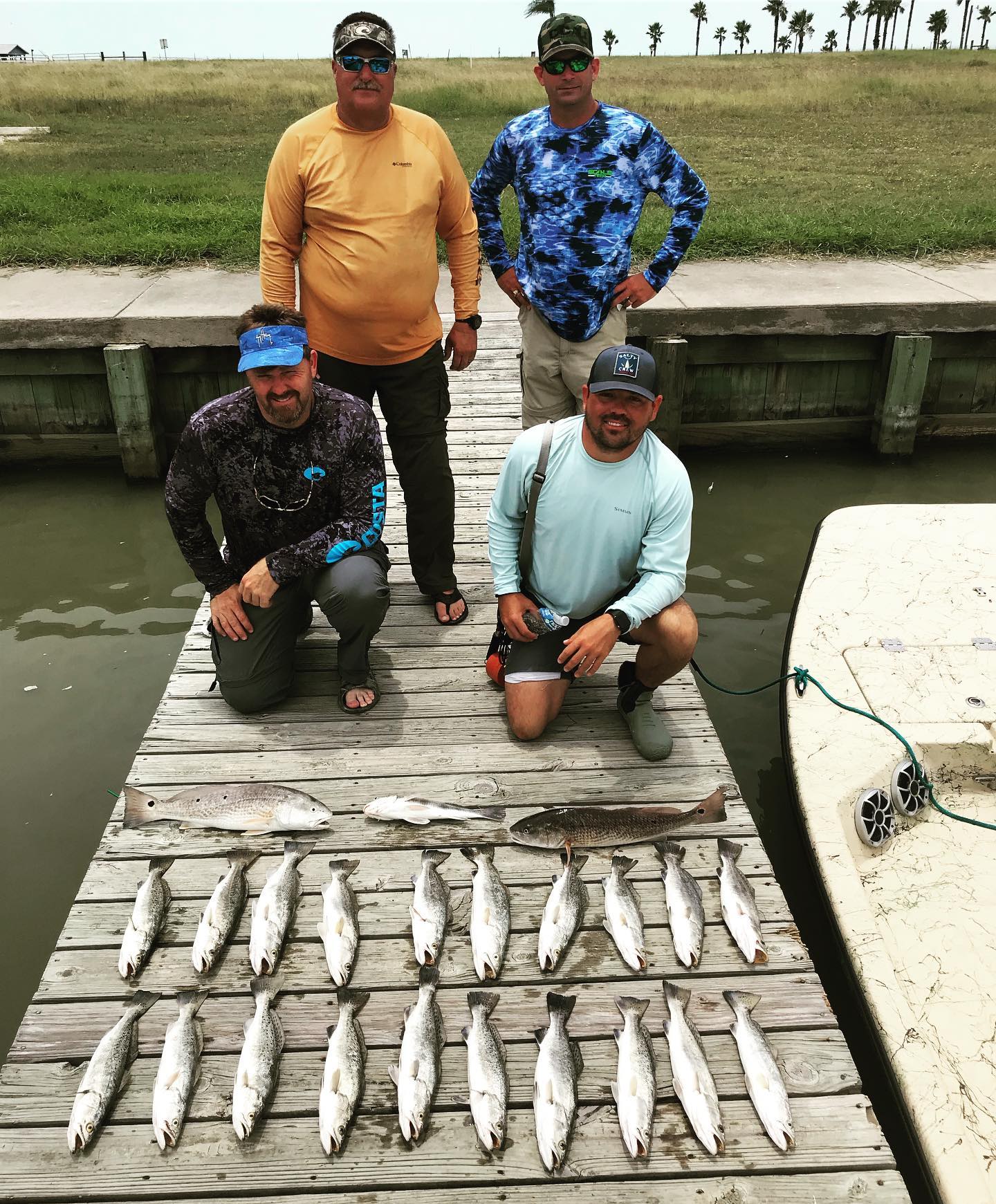
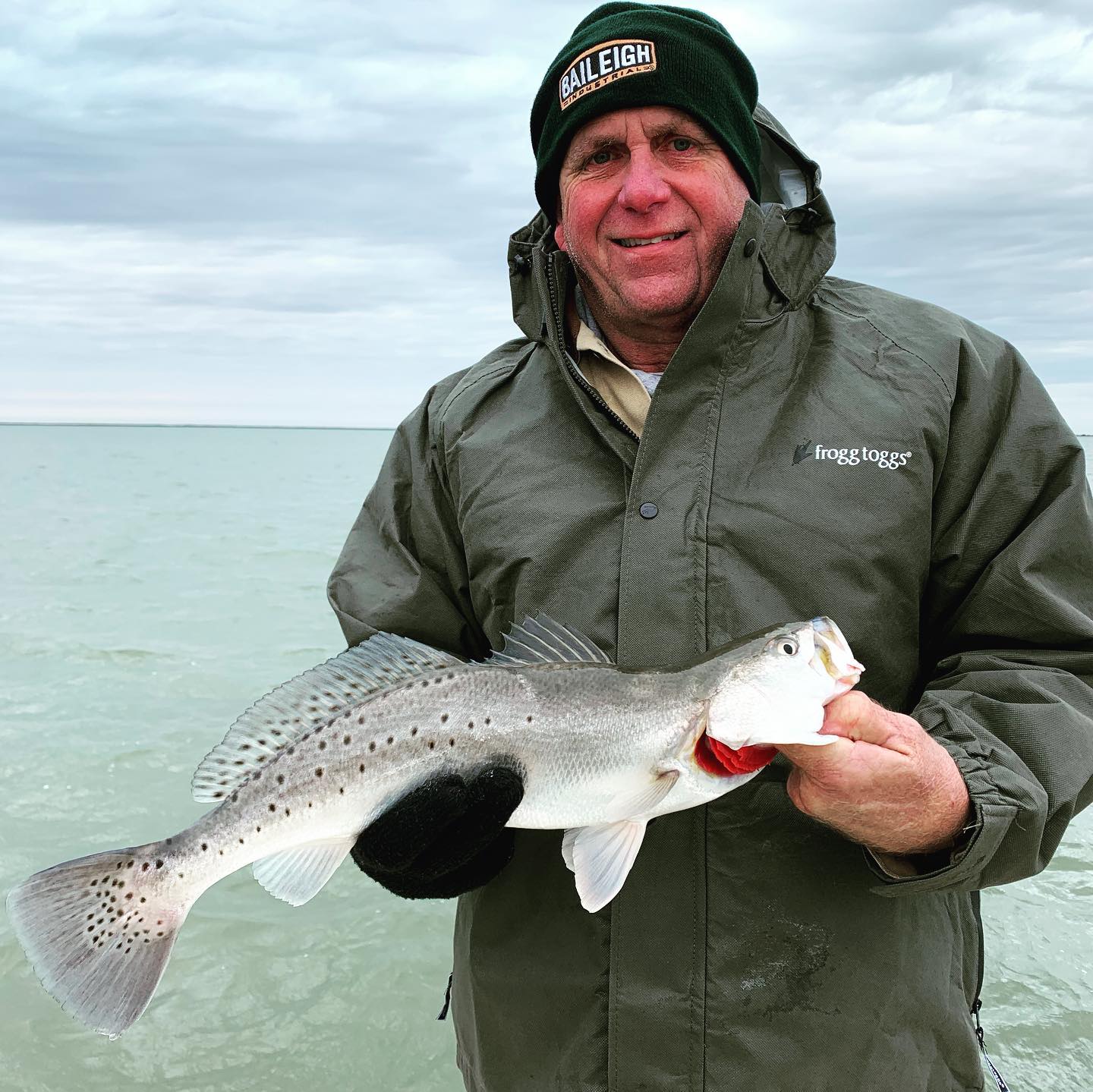
Sea trout might be the most technical fish we target, requiring finesse and the right presentation to consistently hook up. These speckled beauties love structure - oyster reefs, drop-offs, and grass edges where baitfish get funneled into ambush zones. Spring and fall offer the best trout fishing as water temperatures hit that sweet spot, and a good trout bite can turn into a day you'll never forget. They're not the hardest fighters, but landing a gator trout over 25 inches takes skill and patience. The key is working soft plastics with subtle action, letting the fish tell you what they want on any given day.
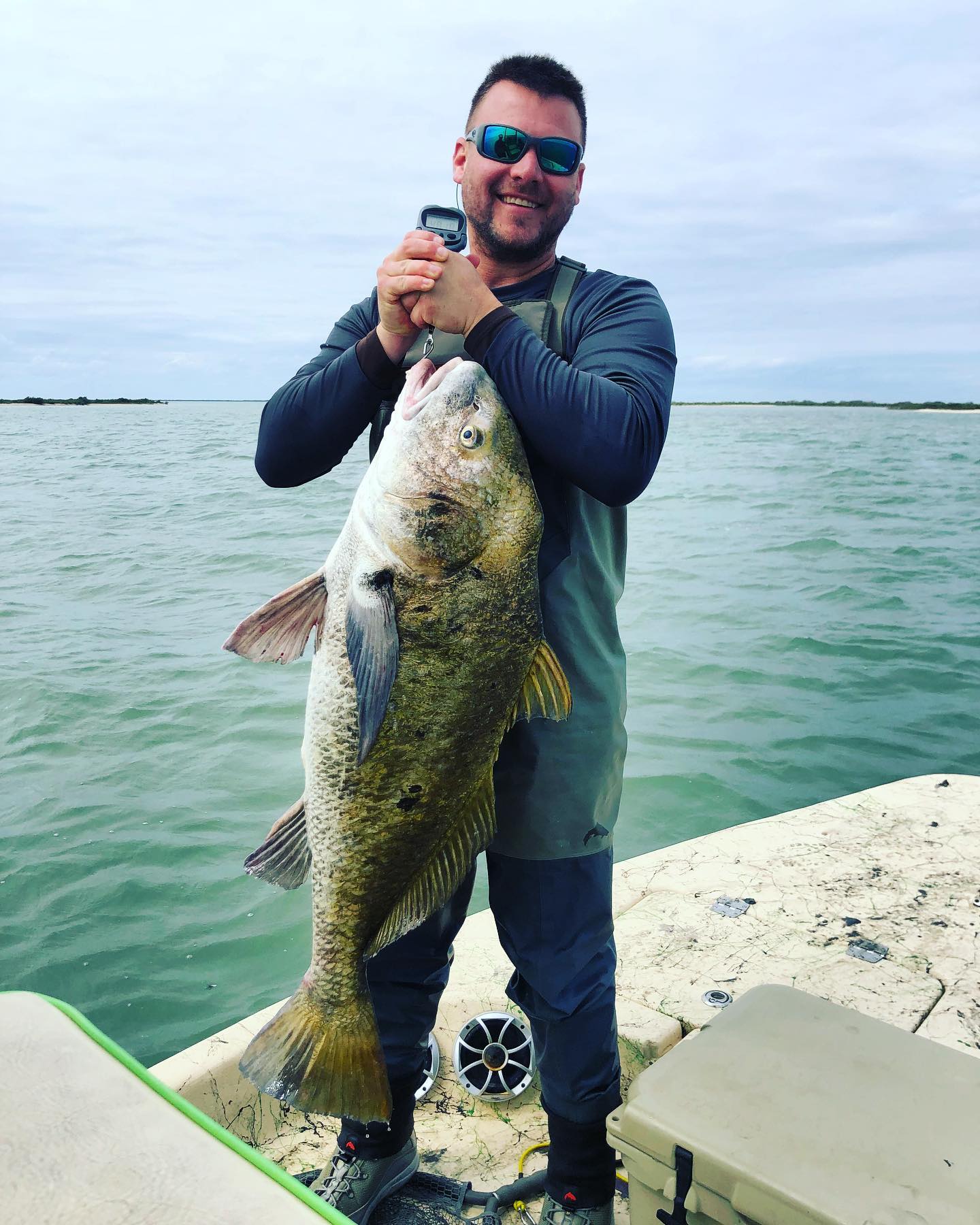
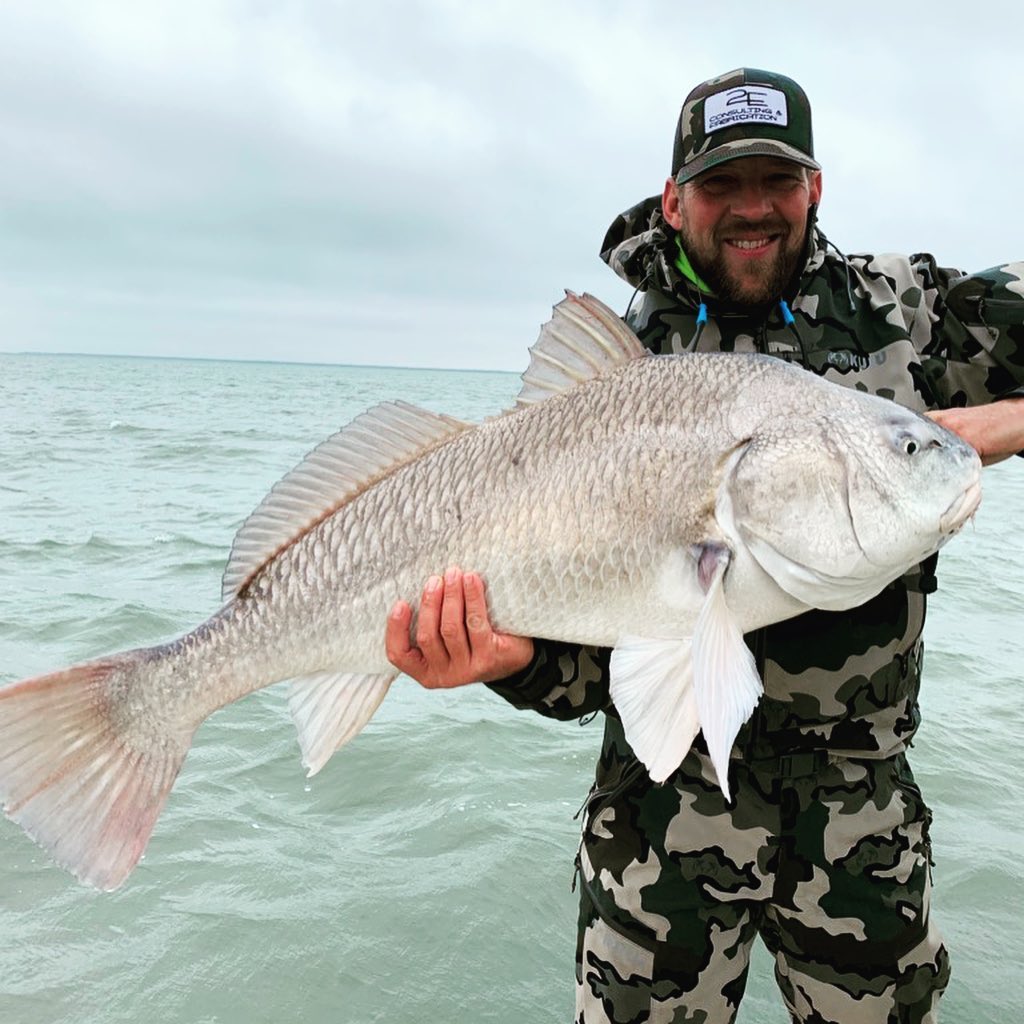
Black drum are the bulldogs of the bay system, using their crushing power to inhale crabs and shellfish off the bottom. These fish get big - we're talking about specimens that can push 30-40 pounds and will test your drag system for sure. They're most active during cooler months when they school up in deeper bay areas, and once you hook one, you'll understand why drum fishing has such a dedicated following. They fight deep and heavy, making long powerful runs that'll have your arms burning.
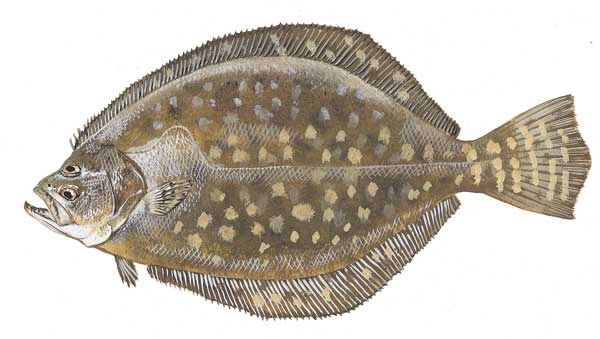
Southern flounder are the masters of camouflage, laying perfectly still on sandy bottoms waiting for unsuspecting prey to swim within striking distance. These flatfish are prized for their excellent table fare and their sneaky fighting style - they don't jump or make screaming runs, but they'll bulldogs their way along the bottom with surprising strength. Fall migration produces the best flounder action as fish move toward the Gulf, and working soft plastics slowly along channel edges and drop-offs is the proven technique for connecting with quality fish.
Red snapper might seem like an odd addition to an inshore list, but when conditions allow access to nearshore structure, these fish provide world-class action. Smaller snapper move into bay systems and can be targeted around hard bottom and artificial reefs. They're aggressive biters with excellent food value, and their pink-red coloration makes them one of the most beautiful fish you'll catch in Texas waters. When the bite is on, you can load the boat with keeper-sized snapper that'll make for outstanding dinner table conversation.
Time to Book Your Spot
Captain Collin's inshore trips fill up quick, especially during prime fishing seasons when the bite is hot and weather's cooperating. His local knowledge of West Matagorda, Espiritu Santo, and San Antonio Bay systems, combined with that shallow-running Shoalwater Cat, puts you in position to experience some of the best inshore fishing the Texas coast has
 Private Trip
 Inshore Fishing
 Port O'Connor, TX


 Target redfish, trout, drum, snapper, and flounder inshore