Inshore Fishing Charter North Myrtle Beach
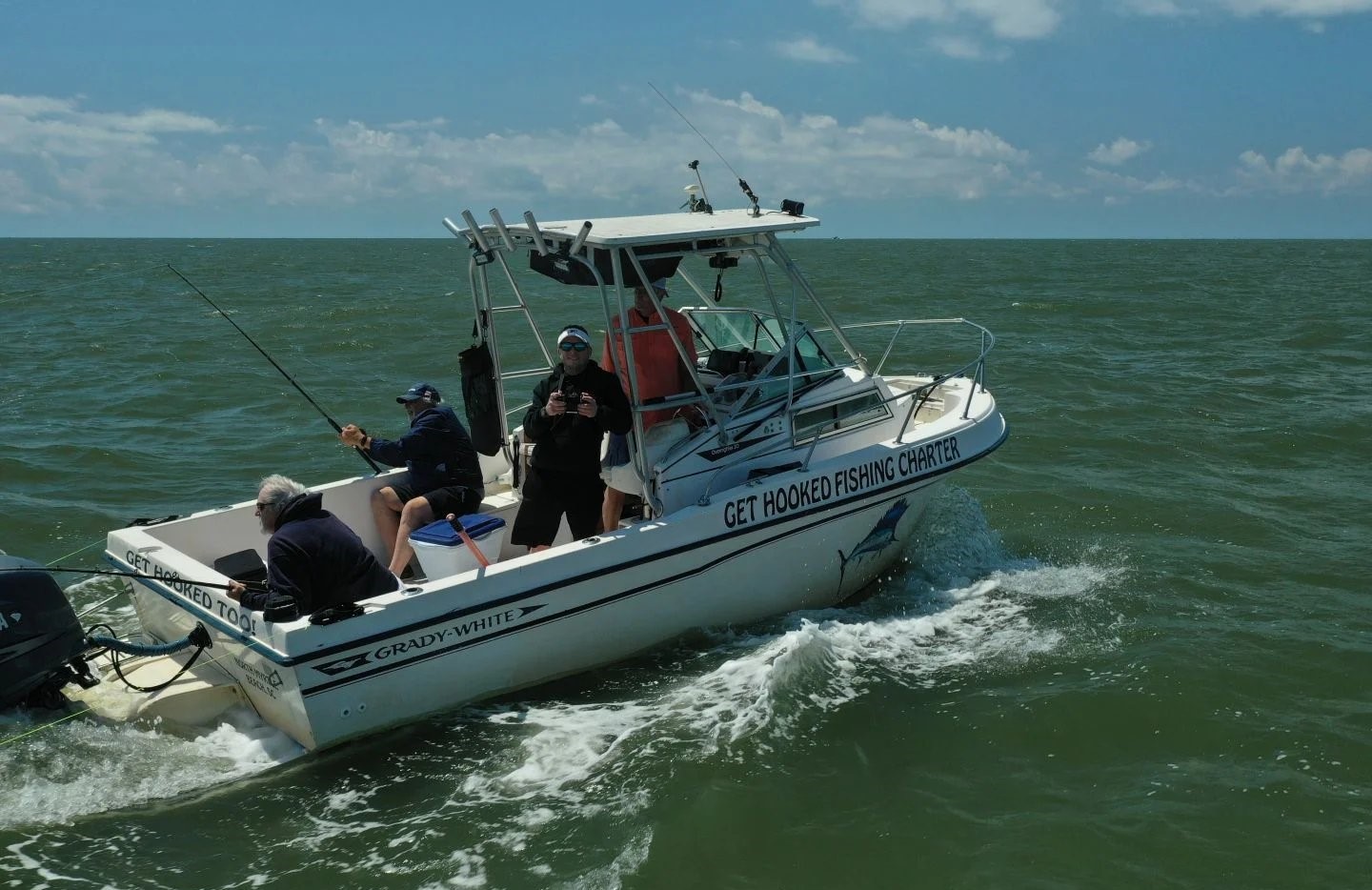
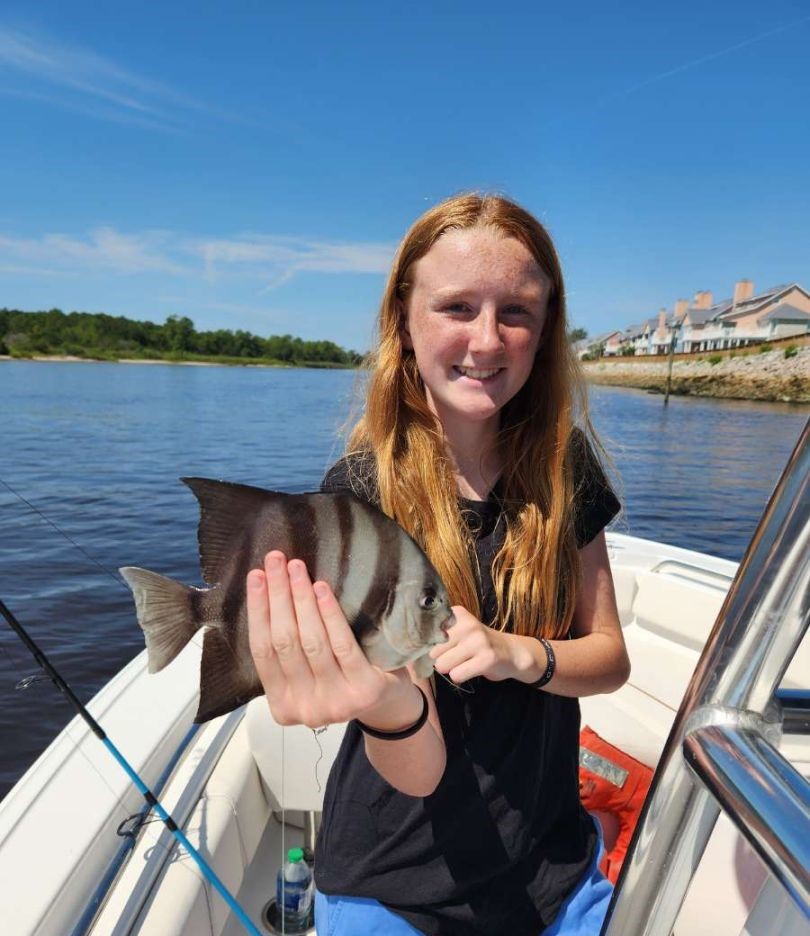
Captain Lee's 4.5-hour inshore fishing charter puts you right in the sweet spot where the Grand Strand's marshes meet the Atlantic. This isn't your typical crowded party boat experience – with just 3 anglers on board (or 4 if you need the extra space), you'll get personal attention and prime fishing spots without the chaos. Starting at 7 AM when the fish are actively feeding, this North Myrtle Beach charter targets the productive inshore waters where redfish cruise the grass flats and black drum patrol the oyster beds. Everything's handled for you – gear, bait, licenses, and cleaning your catch – so you can focus on what matters: getting fish in the boat.
What to Expect on the Water
You'll launch into the calm inshore waters around North Myrtle Beach, where the Intracoastal Waterway and tidal creeks create perfect habitat for our target species. Captain Lee knows these waters like the back of his hand, reading the tides and structure to put you on fish. The morning start gives you the best bite, when predators are hunting baitfish in the shallows before the heat kicks in. This is hands-on fishing – you'll be casting to visible structure, working live bait around dock pilings, and learning to read the water like a local. Whether you're a complete beginner or just want to sharpen your inshore skills, Captain Lee breaks down the techniques that work in these specific waters. The calm conditions make this perfect for families and anyone who gets seasick in rough offshore conditions.
Gear Setup & Techniques
We're talking light tackle inshore fishing here – 7-foot spinning rods with 15-20 pound braid that gives you the sensitivity to feel those subtle redfish bites. Captain Lee rigs everything from Carolina rigs with cut bait for bottom feeders to popping corks with live shrimp when the fish are suspended. You'll learn the difference between fishing structure and open water, how to work different depths as the tide changes, and why presentation matters more than the prettiest lure in your tackle box. Live bait is king in these waters – fresh shrimp, finger mullet, and mud minnows that drive inshore species crazy. The boat's rigged with quality electronics to mark schools of bait and structure, but Captain Lee's local knowledge is what really puts fish in the cooler. He'll teach you to cast tight to mangroves without hanging up and how to fight fish around oyster bars without cutting them off.
Species You'll Want to Hook
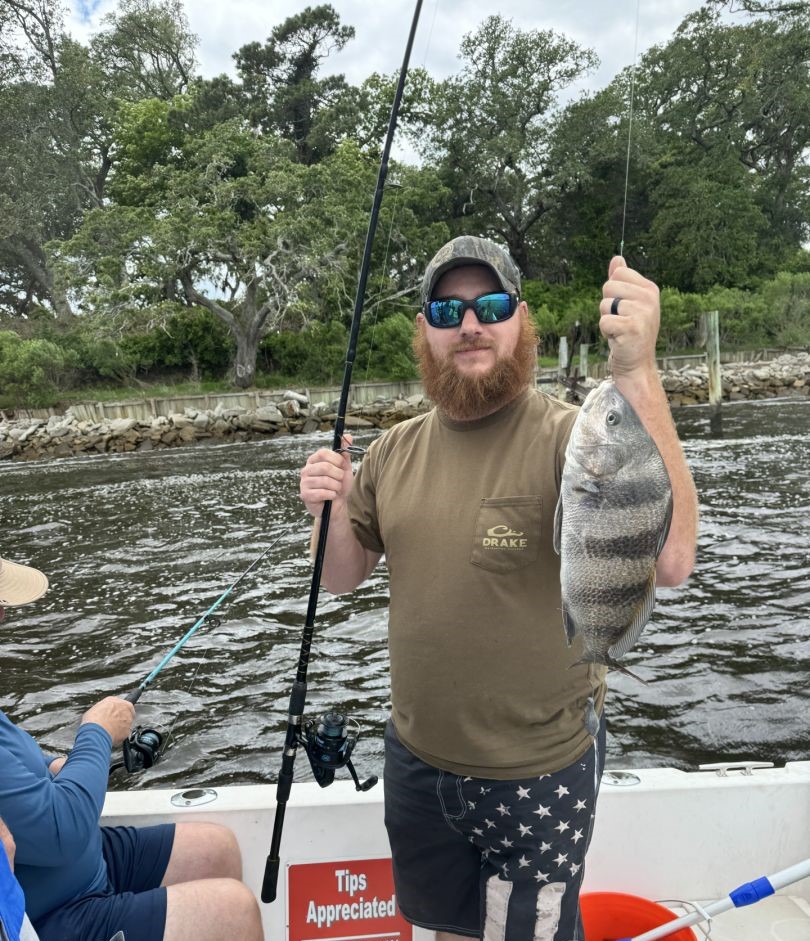
Black drum are the bulldogs of the inshore waters around North Myrtle Beach, with fish ranging from keeper-sized 16-inchers up to monster 40-pounders that'll test your drag system. They love hanging around oyster beds and bridge pilings, where they use their pharyngeal teeth to crush shellfish. Spring and fall are prime time when they school up in shallow water, and once you hook into a big drum, you'll understand why locals call them "the fish that pulls back." They're not the fastest swimmers, but they use their broad sides and stubborn nature to give you a real workout.
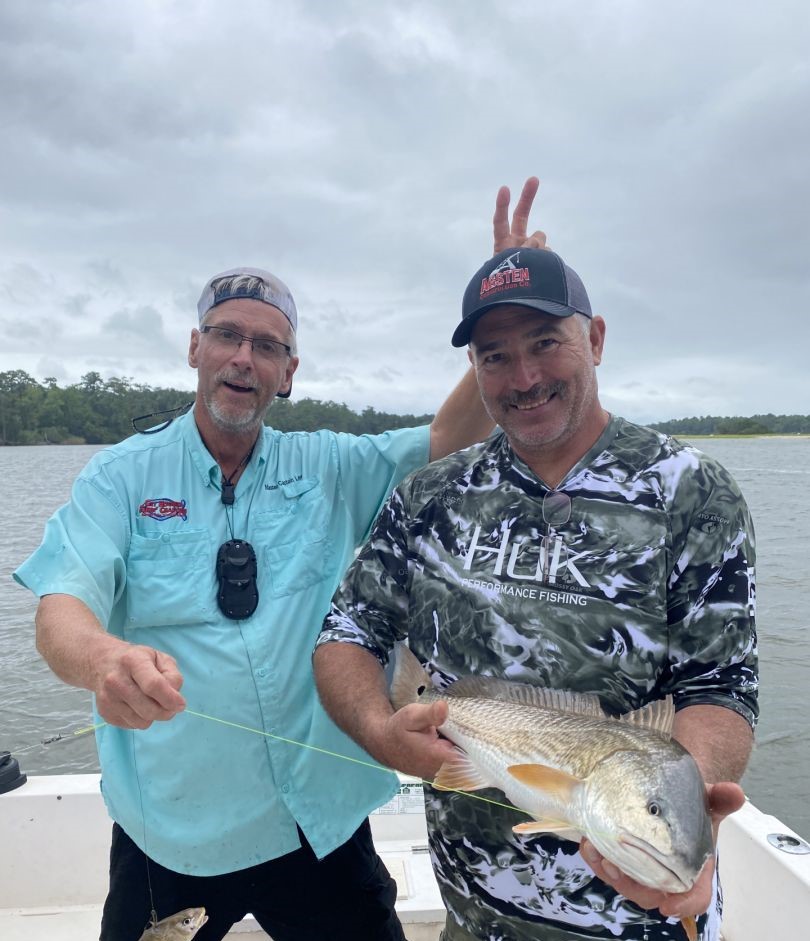
Redfish are the poster fish for inshore fishing, and North Myrtle Beach's grass flats and creek mouths hold some beauties. These copper-colored fighters typically run 18-27 inches in our waters, with that distinctive black spot near the tail making them easy to identify. They're most active during moving tides when they push into the shallows to feed on crabs and shrimp. What makes reds special is their willingness to eat – they're not as finicky as some species and will slam a well-presented bait. When hooked, they make powerful runs and use their broad tails to fight all the way to the boat.
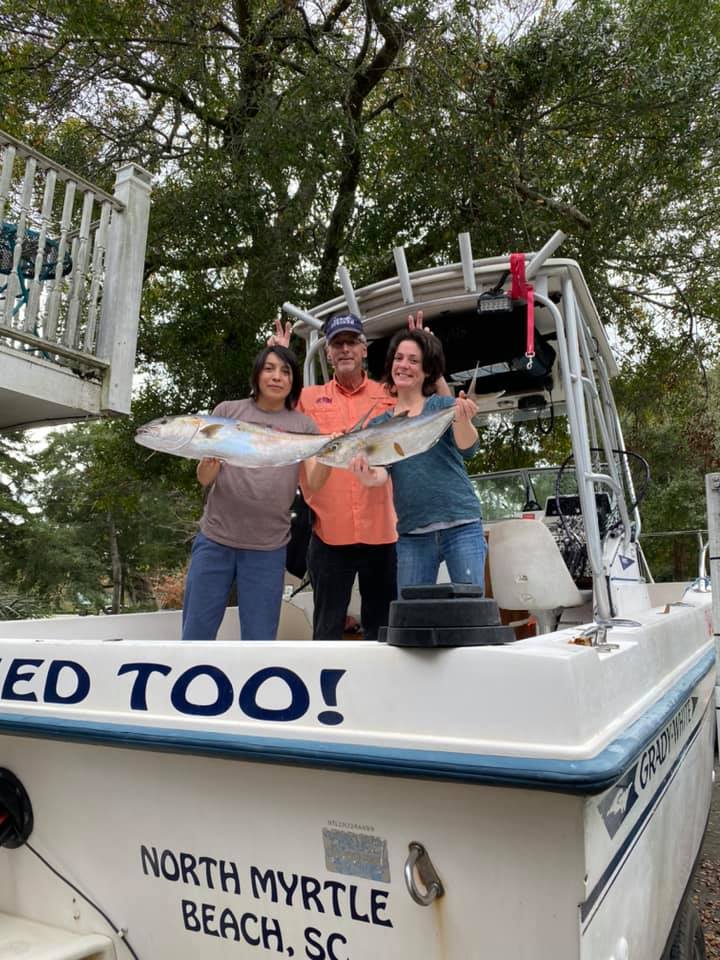
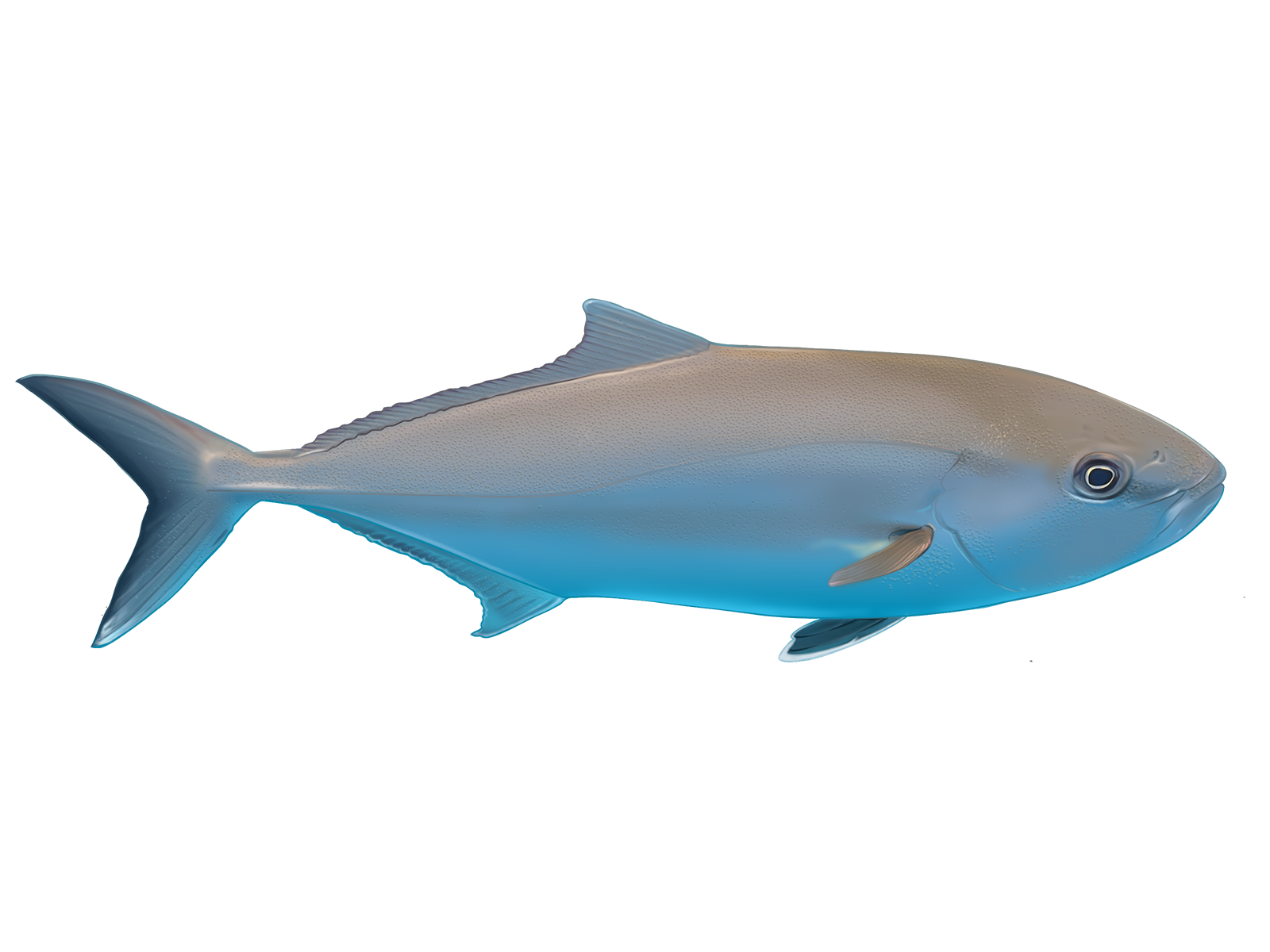
Greater amberjack show up around deeper structure and wrecks just offshore from our inshore grounds, especially during warmer months. These are serious fish – fast, strong, and aggressive feeders that can reach 50+ pounds in our waters. They're called "reef donkeys" for good reason, making long, powerful runs when hooked. Amberjack are curious fish that often follow hooked fish to the boat, giving you multiple shot opportunities. They're excellent eating when properly prepared, with firm white meat that's perfect for the grill.
Great barracuda patrol the edges of grass flats and around structure, where their speed and razor-sharp teeth make them apex predators. In our inshore waters, they typically run 2-4 feet long with lightning-fast strikes that'll get your heart pumping. They're sight feeders with excellent vision, often following lures before deciding to strike. Barracuda are acrobatic fighters, known for jumping and making fast runs, but they tire quickly compared to other gamefish. Their prehistoric appearance and aggressive nature make them a favorite photo opportunity.
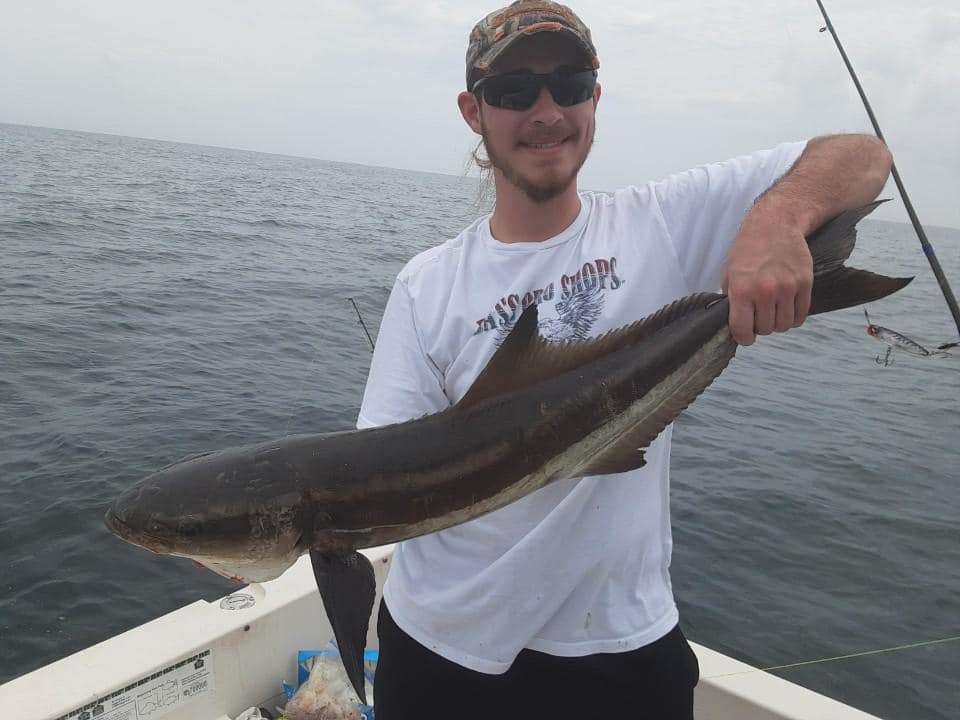
Cobia are the wildcards of North Myrtle Beach inshore fishing, showing up around buoys, crab traps, and other floating structure where they hunt for crabs and small fish. These brown sharks look-alikes can reach impressive sizes – 30-50 pounders aren't uncommon in our waters during their spring and fall migrations. Cobia are curious fish that often approach the boat, giving you sight-fishing opportunities. They're powerful fighters that make long runs and are considered one of the best eating fish in the ocean, with firm, white meat that tastes like a cross between shark and grouper.
Time to Book Your Spot
This North Myrtle Beach inshore charter hits all the marks – experienced local captain, productive fishing grounds, and everything included so you can focus on the fishing. Captain Lee's morning trips consistently produce fish while teaching you techniques that'll make you a better angler long after you leave the dock. The small group size means more one-on-one instruction, better fishing spots, and fish in the cooler for everyone. Whether you're planning a family
 Private Trip
 Inshore Fishing
 North Myrtle Beach



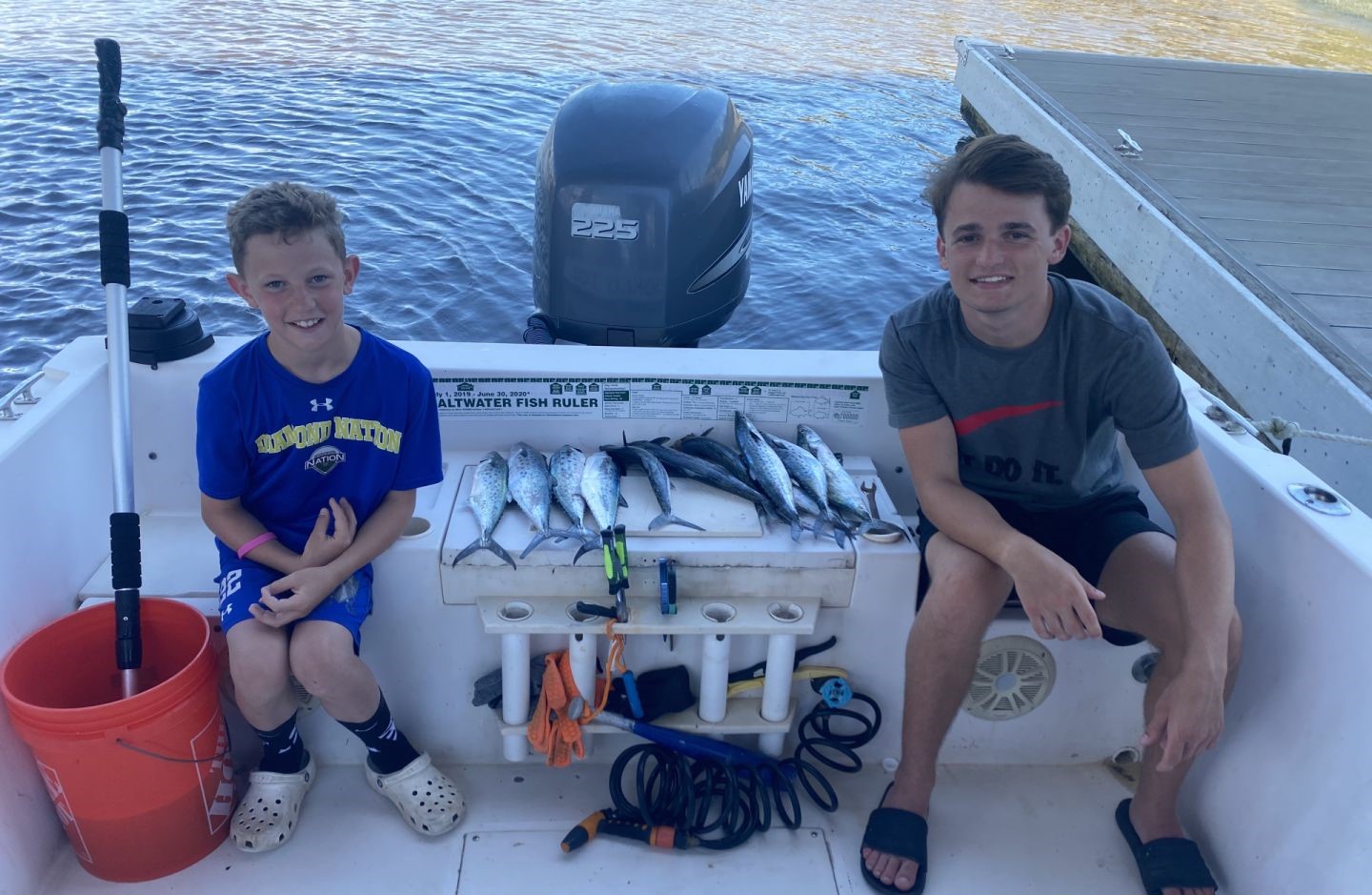
 4.5-hour morning charter targeting redfish, black seabass, and Spanish mackerel