Nearshore Fishing Charter North Myrtle Beach
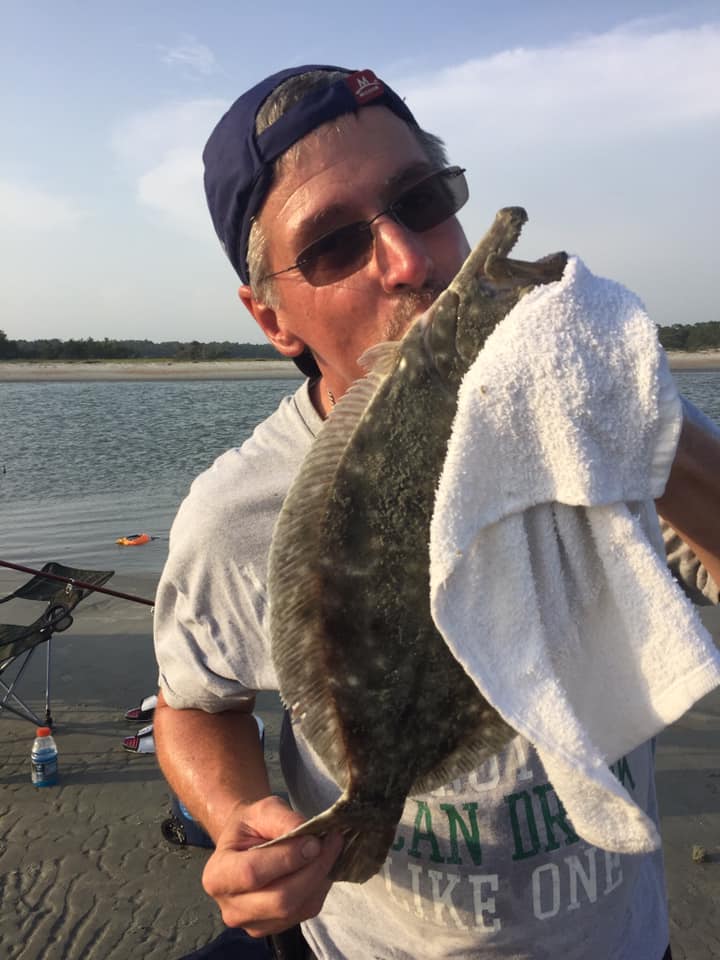
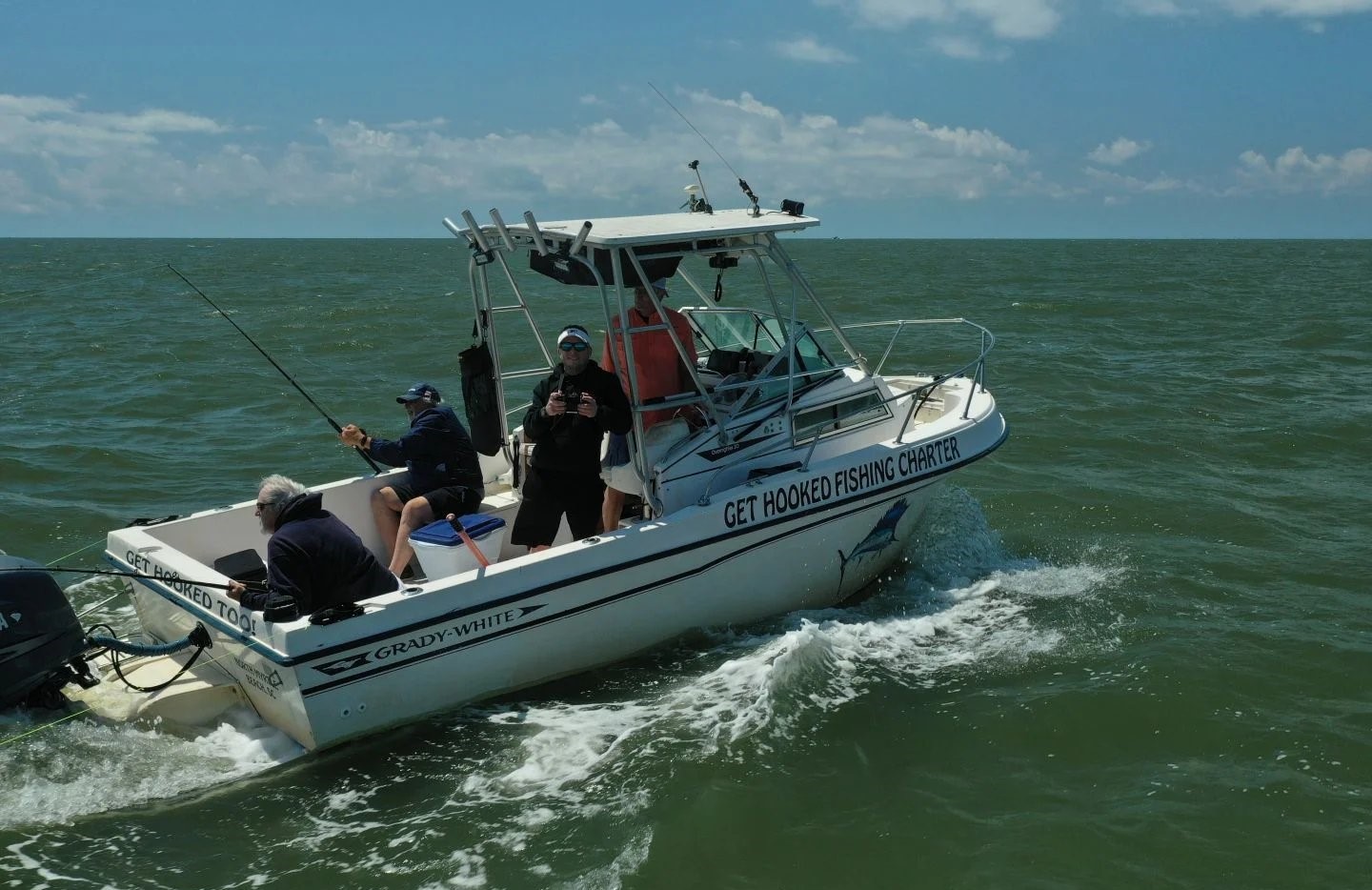
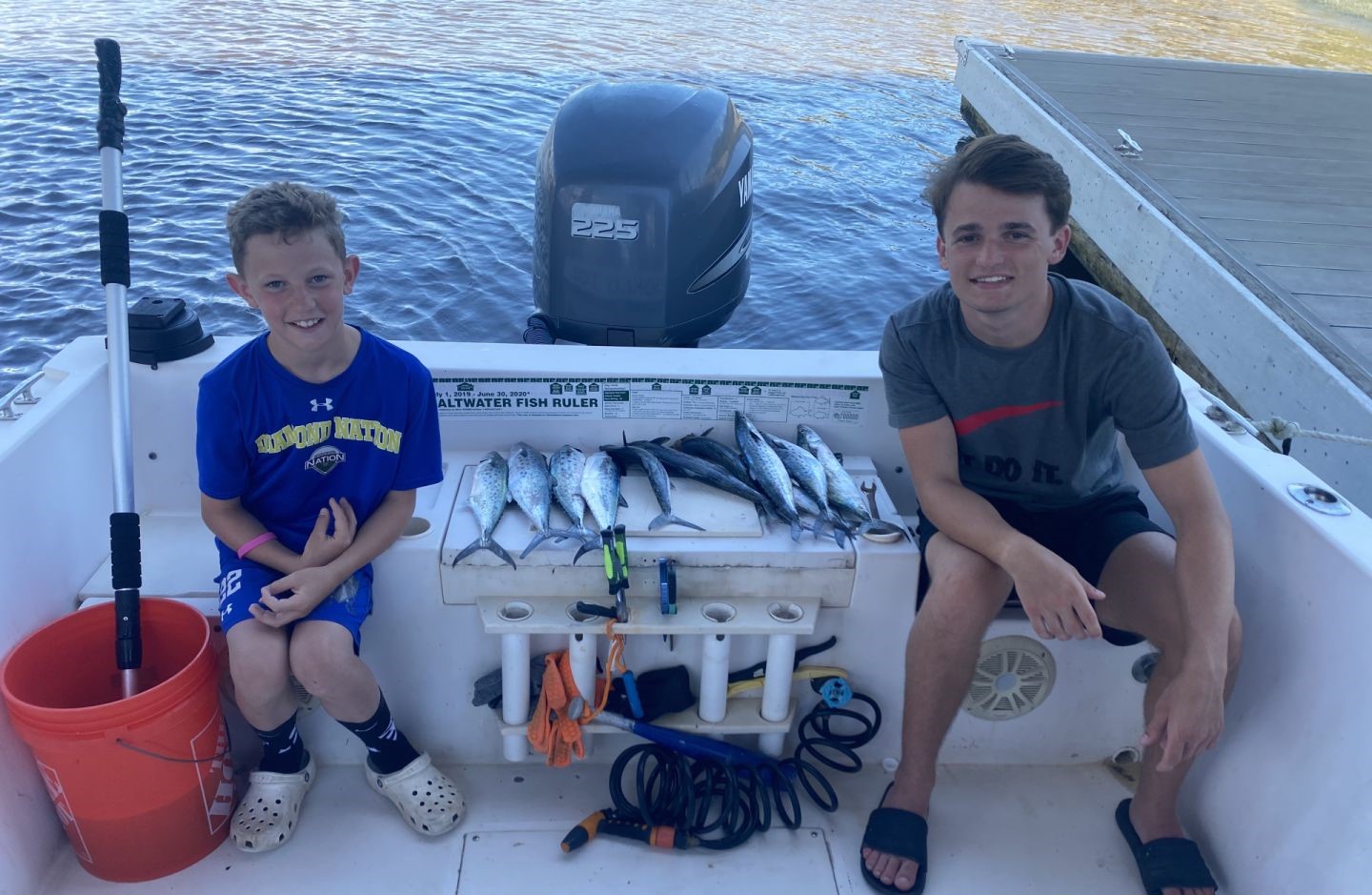
Captain Lee's nearshore fishing charter takes you beyond the typical inlet crowd for some serious action just off North Myrtle Beach. This 4.5-hour morning trip starts at 7 AM and keeps things intimate with just 3 anglers max – though you can squeeze in a 4th for an extra fee if your group needs it. We're talking prime fishing waters anywhere from 3 to 10 miles offshore, where the Spanish mackerel run thick, king mackerel patrol the drop-offs, and cobia cruise the structure. Everything's covered – rods, reels, bait, tackle, fishing license, and Captain Lee will clean your catch so you're walking away with fillets ready for the dinner table. This isn't your basic pier fishing experience; it's a legitimate nearshore adventure that puts you on fish while still getting you back to shore before lunch.
What to Expect on the Water
You'll meet Captain Lee at the dock bright and early, and within minutes you're heading out past the breakers into some of the most productive nearshore waters along the Grand Strand. The beauty of this trip is the variety – one minute you're working live bait around structure for cobia, the next you're trolling spoons through a mackerel school that's lighting up the fish finder. The boat's rigged for whatever we find out there, and Captain Lee reads these waters like a book. He knows where the baitfish stack up, which reefs hold the bigger predators, and how to adjust tactics when the bite changes. The 4.5-hour window gives you plenty of time to work multiple spots without feeling rushed, but it's not so long that you're burned out by the afternoon heat. Perfect setup for families, groups of friends, or anyone who wants to get into some real fish without committing to a full-day offshore grind.
Gear Setup & Techniques
Captain Lee runs a well-equipped boat with medium to heavy spinning and conventional setups that can handle everything from schoolie Spanish mackerel to bull-sized king mackerel. You'll work with a mix of live bait – usually cigar minnows, blue runners, or whatever's running thick – plus an arsenal of artificials including spoons, jigs, and plugs. The trolling spread is where this trip really shines; Captain Lee sets up a pattern with different lures at varying depths to cover the water column. When we mark bait or structure, we'll stop and work it thoroughly with live bait rigs, bottom rigs for seabass, or sight-casting to cruising cobia. The key is staying mobile and adapting to what the fish are telling you. Some days they want fast-trolled spoons, other days it's all about slow-pitched jigs around the bottom structure. Captain Lee handles the technical stuff and keeps you in position, but you're doing the fighting and landing.
Top Catches This Season
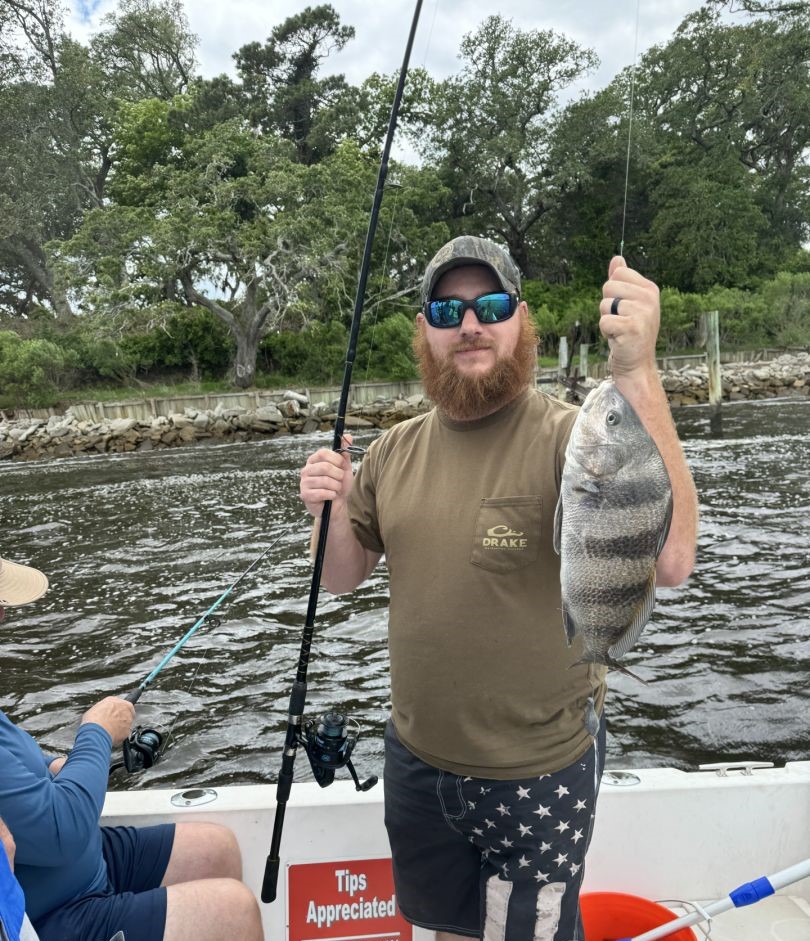
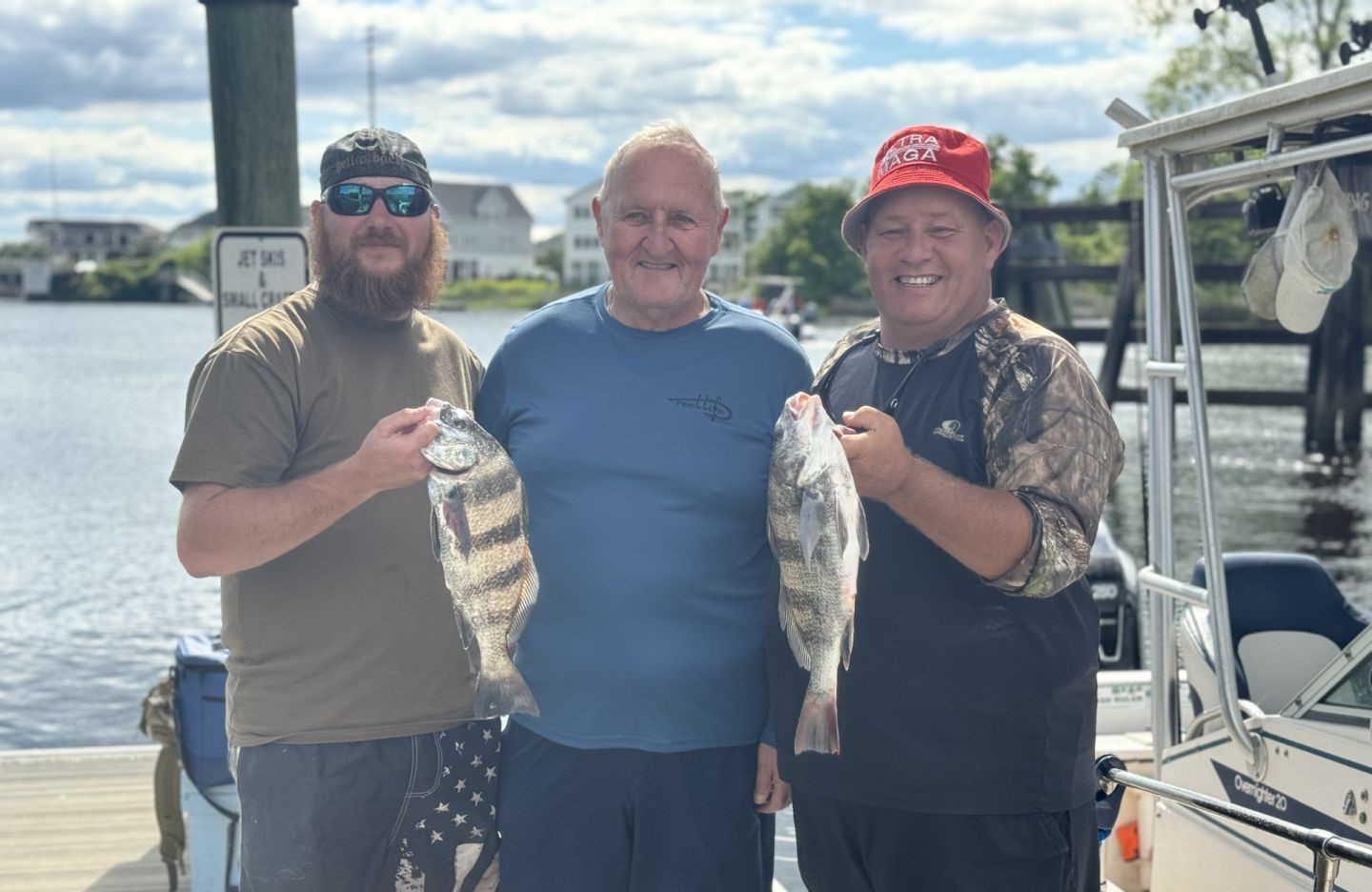
Black drum are absolute bruisers in these nearshore waters, especially around the artificial reefs and hard bottom areas. These fish can push 30-40 pounds easily, and they fight like freight trains once they feel the hook. They're not picky eaters – cut bait on a bottom rig does the trick – but landing one is a different story. Black drum use their broad sides and powerful tails to bulldoze toward structure, so you're in for a real tug-of-war. Best action typically happens during the warmer months when they move into shallower water to feed. What makes them so appealing is the combination of size, fight, and eating quality; the smaller ones make excellent table fare.
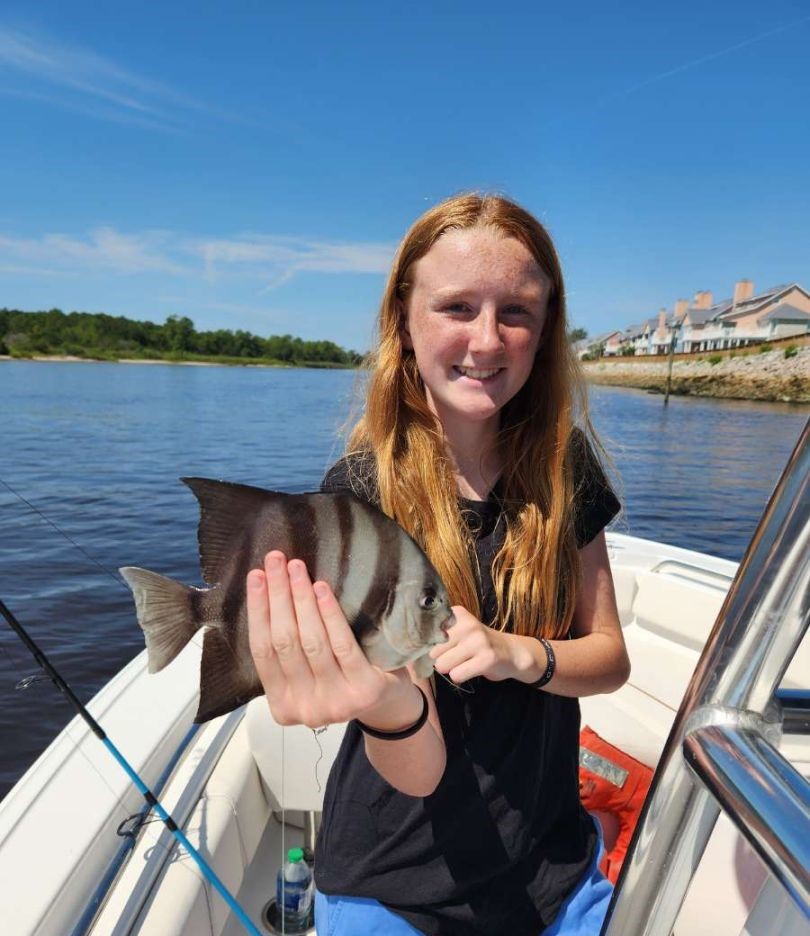
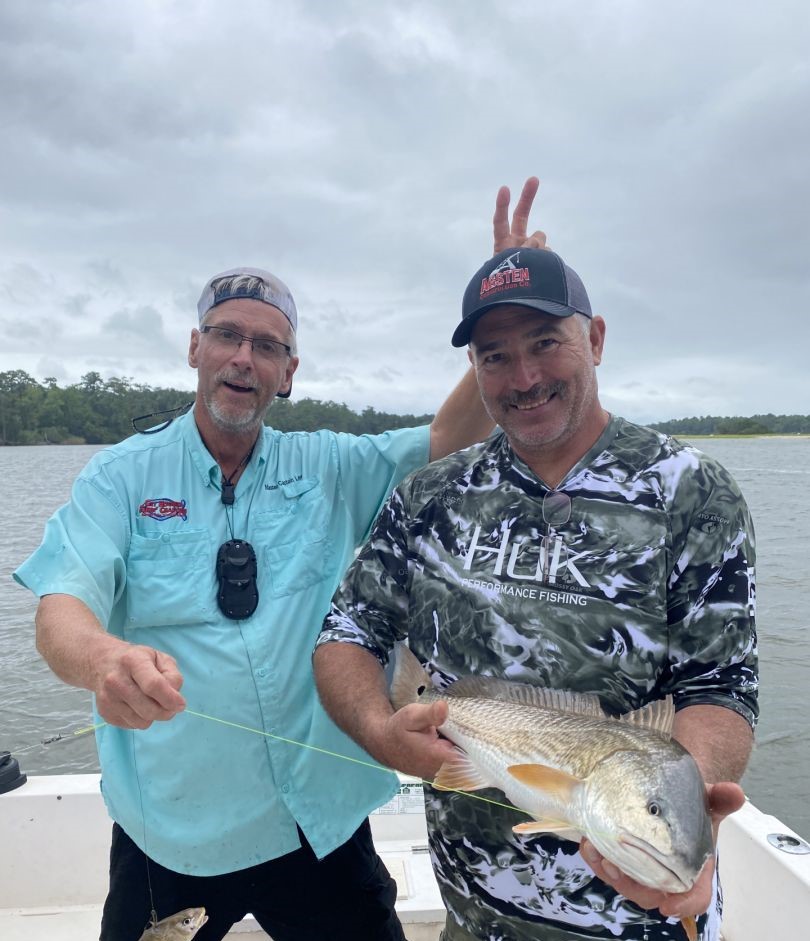
Redfish are the bread and butter of North Myrtle Beach nearshore fishing, and for good reason. These copper-colored fighters average 20-30 inches in these waters and put up a scrap that's hard to match pound-for-pound. They school up around structure, oyster beds, and drop-offs, often feeding aggressively on baitfish and crustaceans. Captain Lee knows how to spot the telltale signs – nervous baitfish, diving birds, or that distinctive bronze flash just under the surface. Redfish hit both live bait and artificials with equal enthusiasm, and they're notorious for making long, powerful runs that test your drag system. Peak season runs from late spring through fall, but you can find them year-round in the right conditions.
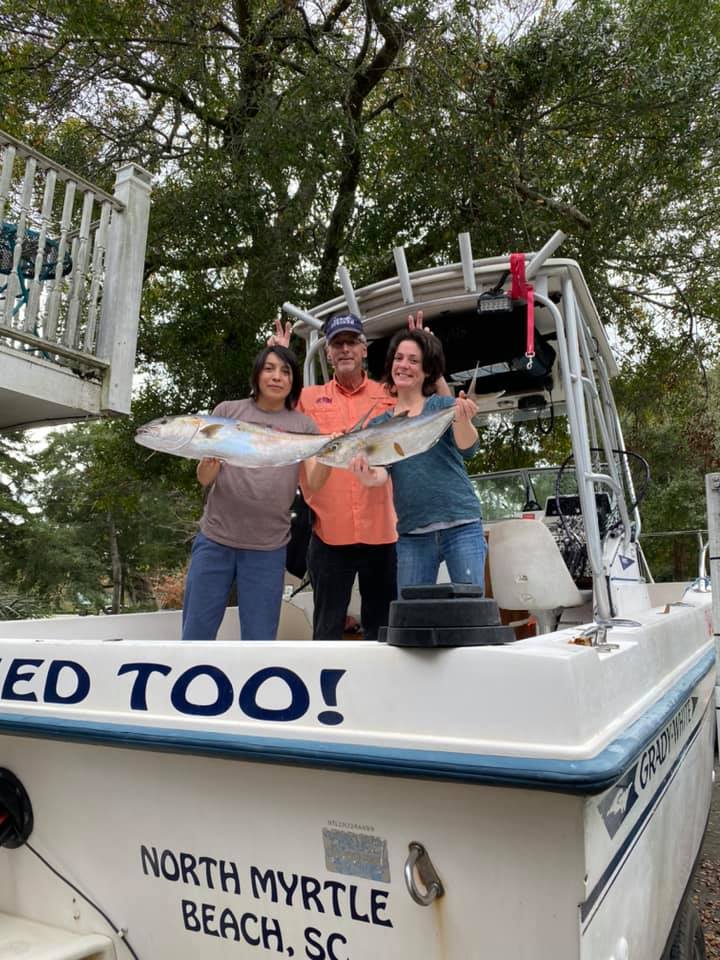
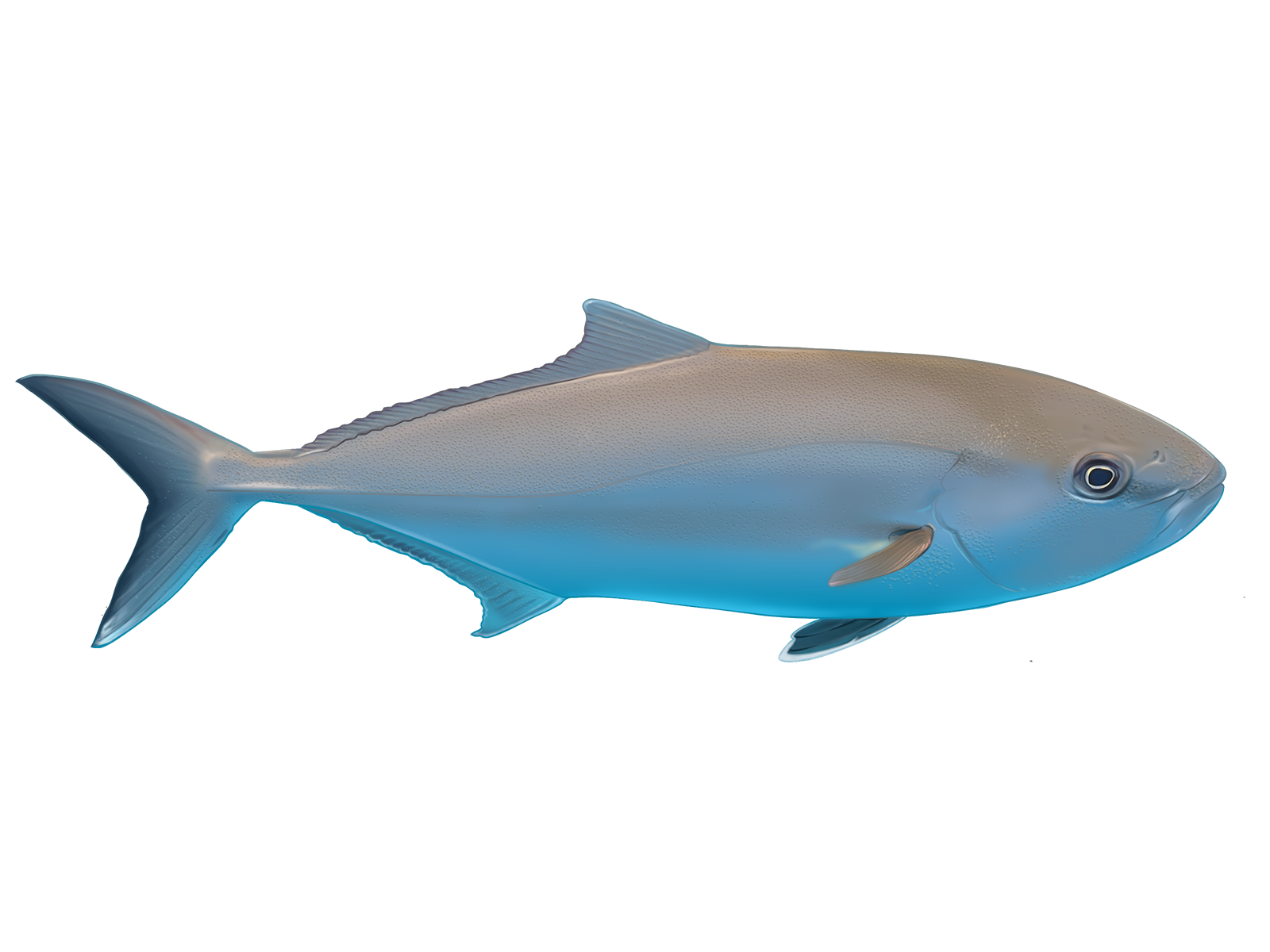
Greater amberjack are the heavyweight champions of the nearshore scene, and when you hook into a big one, you'll know it immediately. These fish inhabit the deeper reefs and wrecks, typically in 40-80 feet of water, and they can exceed 50 pounds without breaking a sweat. Amberjack are ambush predators that lurk around structure waiting for baitfish to get careless. They hit hard and dive straight for the bottom, using every trick in the book to wrap you around whatever structure they call home. Live bait works best – blue runners, cigar minnows, or small jacks – fished on medium-heavy tackle with enough backbone to turn their heads. The fight is what draws anglers back; it's a genuine test of angling skill and endurance.
Great barracuda add speed and excitement to any nearshore trip around North Myrtle Beach. These silver missiles can reach 4-5 feet and hit trolled baits or lures like lightning bolts. Barracuda are visual predators that rely on speed and those famous razor-sharp teeth to ambush prey. They're often the first fish you'll encounter when trolling the nearshore waters, and their strikes are explosive – no subtle bites here. The key is keeping a tight drag and being ready for their signature jumps and head-shaking runs. While they're not typically kept for dinner due to potential ciguatera concerns, the pure excitement of hooking a big barracuda makes them a favorite target for catch-and-release action.
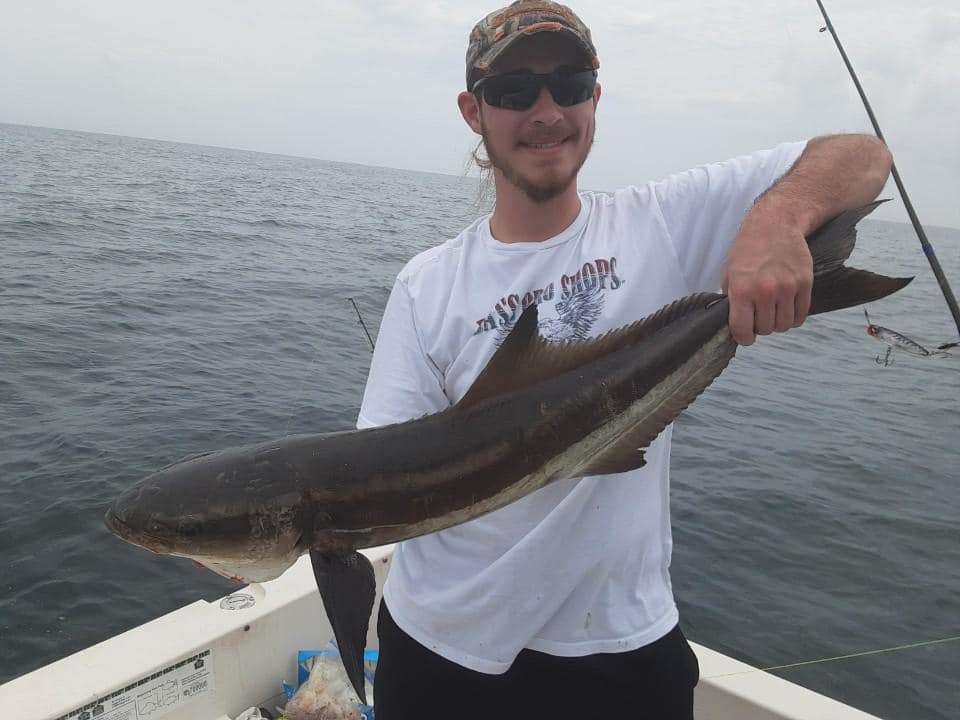
Cobia are the prize catch that keeps anglers coming back to these nearshore waters season after season. These brown sharks
 Private Trip
 Inshore Fishing
 North Myrtle Beach



 4.5-hour nearshore charter targets mackerel, cobia, and seabass