Duck Hunting Trip - Oriental, North Carolina
When the morning mist rolls off the Carolina coast and you hear that first whistle of wings overhead, you know you're in for something special. Our 6-hour duck hunting adventure puts you right in the heart of Oriental's prime waterfowl territory, where generations of hunters have worked these marshes and tidal waters. This isn't just another guided hunt – it's your chance to experience what makes coastal Carolina duck hunting legendary. We've got the scouting done, the blinds positioned perfectly, and all the local knowledge you need to make the most of your morning in the marsh.
Inside the Hunt
Your hunt kicks off before sunrise when the ducks are moving and the action is hot. We'll meet you at our launch point where the coffee's strong and the anticipation is building. From there, it's a short boat ride to our carefully selected hunting spots – areas we've been watching and scouting based on recent bird movement and weather patterns. The marshes around Oriental offer that perfect mix of protection and open water that ducks love, especially during migration periods when the birds are funneling down the Atlantic Flyway. You'll set up in comfortable blinds that blend seamlessly with the natural vegetation, giving you the concealment you need while keeping you positioned for clean shots. The hunt runs a full 6 hours, so there's plenty of time to work different spots if the birds decide to shift patterns throughout the morning.
Tracking Tips & Terrain
Oriental's location along the Neuse River and Pamlico Sound creates the kind of diverse waterfowl habitat that keeps ducks coming back season after season. We're dealing with everything from shallow grass flats to deeper creek channels, plus those productive edge areas where fresh and salt water mix. Our guides know how to read the wind, tide, and weather to position you where the birds want to be. We handle all the decoy spreads – and trust me, there's an art to setting them just right for the conditions. The terrain here means we can adapt quickly if birds are working one area harder than another. Chest waders are recommended since we'll be moving through some shallow areas, and we always keep safety gear on board. The beauty of hunting this coastal system is that you never know exactly what species might come working into your spread.
Target Game Breakdown
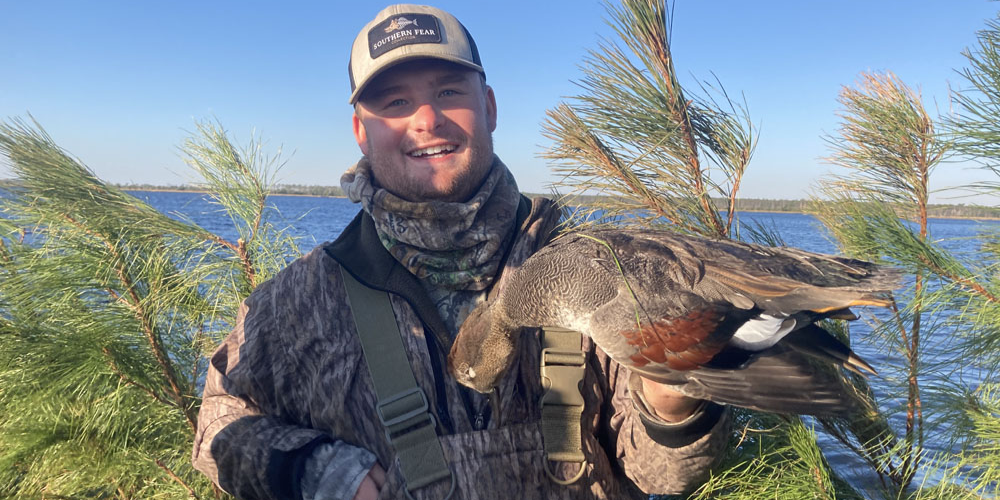
The waters around Oriental host an impressive variety of waterfowl that change with the seasons and migration timing. Mallards are always a crowd favorite – these classic puddle ducks decoy well and provide excellent table fare. They're most active during the early morning hours and tend to work the shallower areas where they can tip up to feed. You'll also encounter black ducks, which are incredibly wary but absolutely rewarding when you connect. These birds have adapted perfectly to the brackish environment and can be tough to fool, making them a real trophy for experienced hunters. Ring-necked ducks show up in good numbers, especially in the deeper pockets where they dive for food. They're smaller than mallards but fast fliers that will test your shooting skills. Wood ducks are another highlight – probably the most beautiful duck you'll see, with the males sporting those distinctive crested heads. They prefer the timbered areas and can appear suddenly, often providing some of the most exciting shooting of the day. Depending on conditions and timing, you might also see pintails, widgeon, or even some of the diving ducks that work the deeper channels.
Book Your Next Tag
This top-rated duck hunting experience fills up fast, especially during peak migration periods when the birds are moving heavy. With our minimum booking requirement of three hunters or $750, it's perfect for small groups looking for that authentic Carolina waterfowl adventure. We provide the decoys, handle the blind setup, and bring all the local expertise – you just need to show up with your gear, valid license, and shells. The combination of prime habitat, experienced guides, and six full hours on the water makes this hunt a customer favorite year after year. Don't wait until the season's in full swing to book your spot. These coastal Carolina mornings in the blind are what hunting memories are made of, and the birds won't wait for you to make up your mind.
 Shared Trip
 Active hunting
 Wilmington
 Six-hour guided duck hunt in coastal Carolina marshes