Nearshore Fishing with Gulfcart Charters
Looking for that perfect mix of inshore comfort and offshore action? Our nearshore fishing trips hit that sweet spot where the flats meet deeper waters, giving you the best of both worlds. Captain Eric and the Gulfcart team know these waters like the back of their hand, working everything from shallow grass flats to structure three miles out. You'll fish where the big boys hang out without the long boat ride or rough seas that come with deep-sea trips.
What to Expect on the Water
We've got you covered from the moment you step aboard – all tackle, bait, and fishing gear comes with your charter. Just bring your appetite for fish and maybe some snacks for the cooler. Speaking of coolers, try to pack light and consolidate your food and drinks into one cooler if possible. Don't forget that camera either, because you're going to want proof of the fish you'll be pulling up. Pro tip from years of guiding: grab some motion sickness pills before we head out, even if you don't usually get seasick. The nearshore waters can get a little bumpy, and there's nothing worse than missing out on great fishing because you're feeling green around the gills. We keep our groups small with a maximum of six people, so you'll get plenty of personal attention and room to move around the boat.
Fishing Zones & Techniques
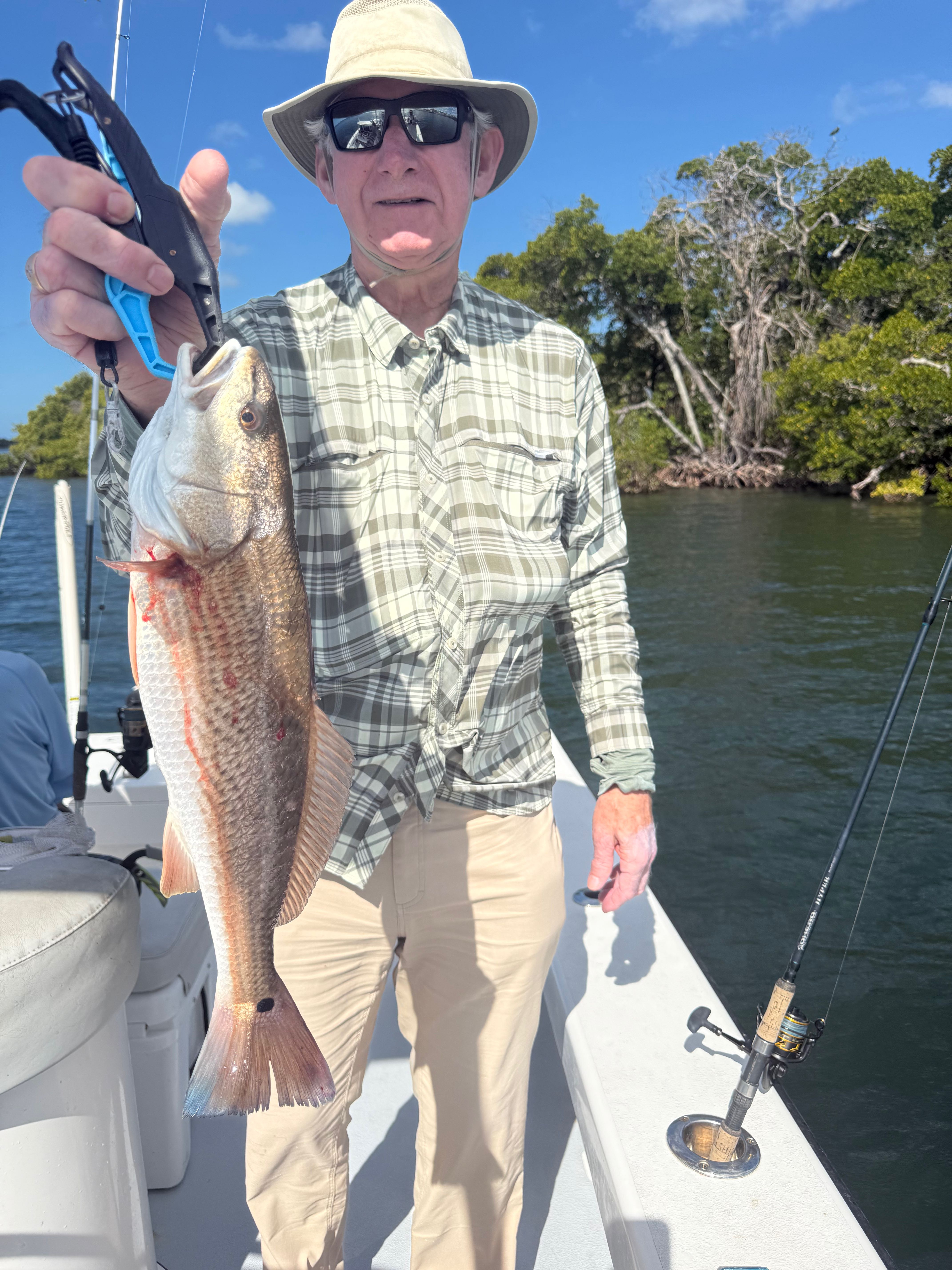
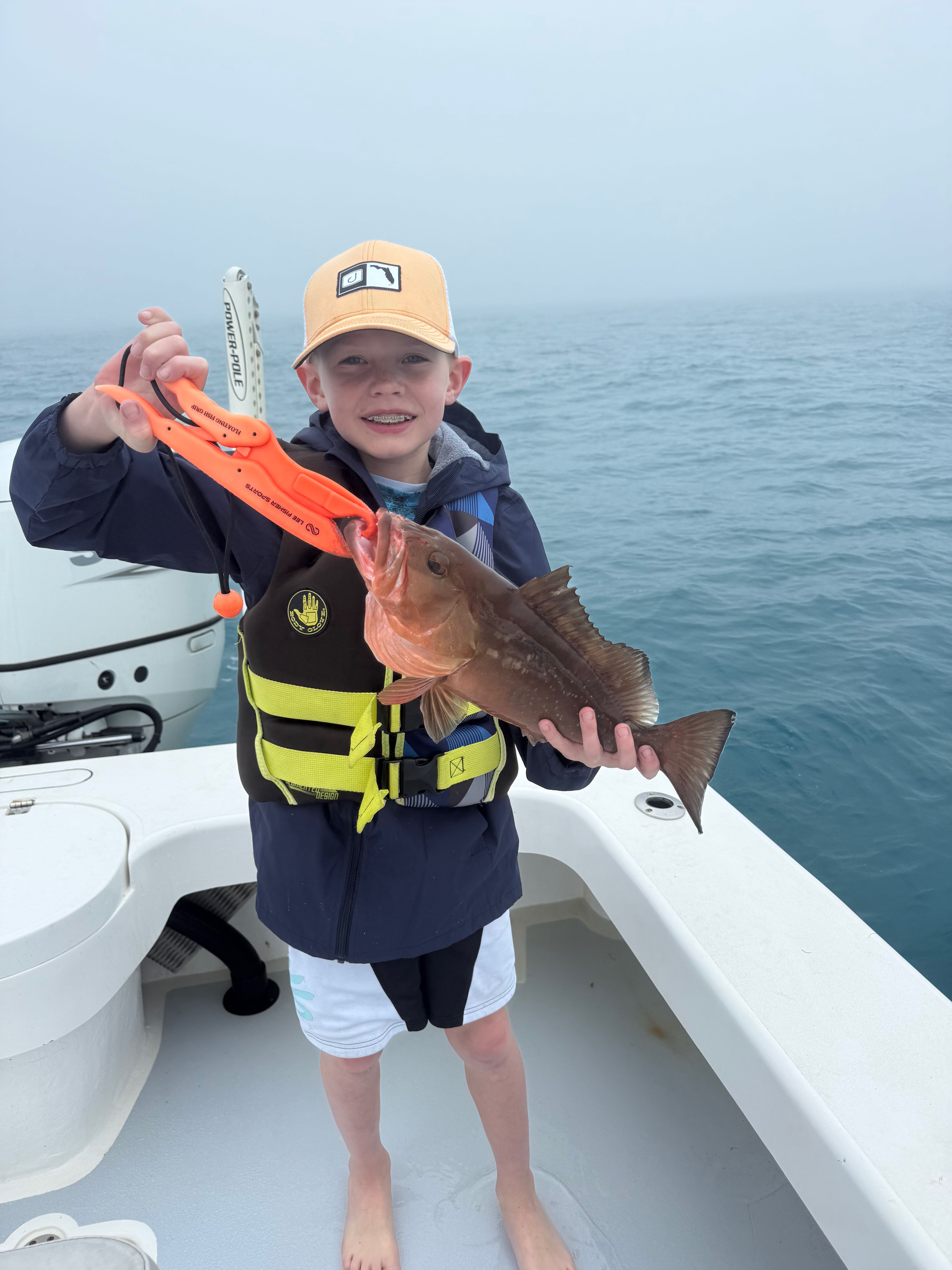
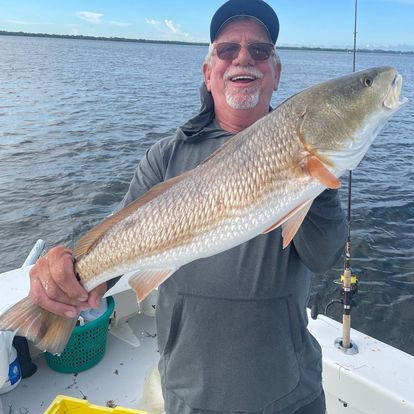
Our nearshore zone covers everything from the inshore flats and protected bays out to three miles from the beach. This gives us access to structure, grass beds, drop-offs, and reef systems that hold different species throughout the day. We'll start shallow if the tide's right, working the flats for trout and redfish with live bait and soft plastics. As we move out, we'll hit the nearshore reefs and wrecks where grouper and snapper like to stack up. Depending on what's biting, we'll use everything from bottom rigs with circle hooks to trolling lures for the more aggressive species like cobia and mackerel. The beauty of nearshore fishing is adapting to what the fish are telling us – some days they want live shrimp bounced along the bottom, other days they're crushing topwater plugs at first light.
Customer Stories
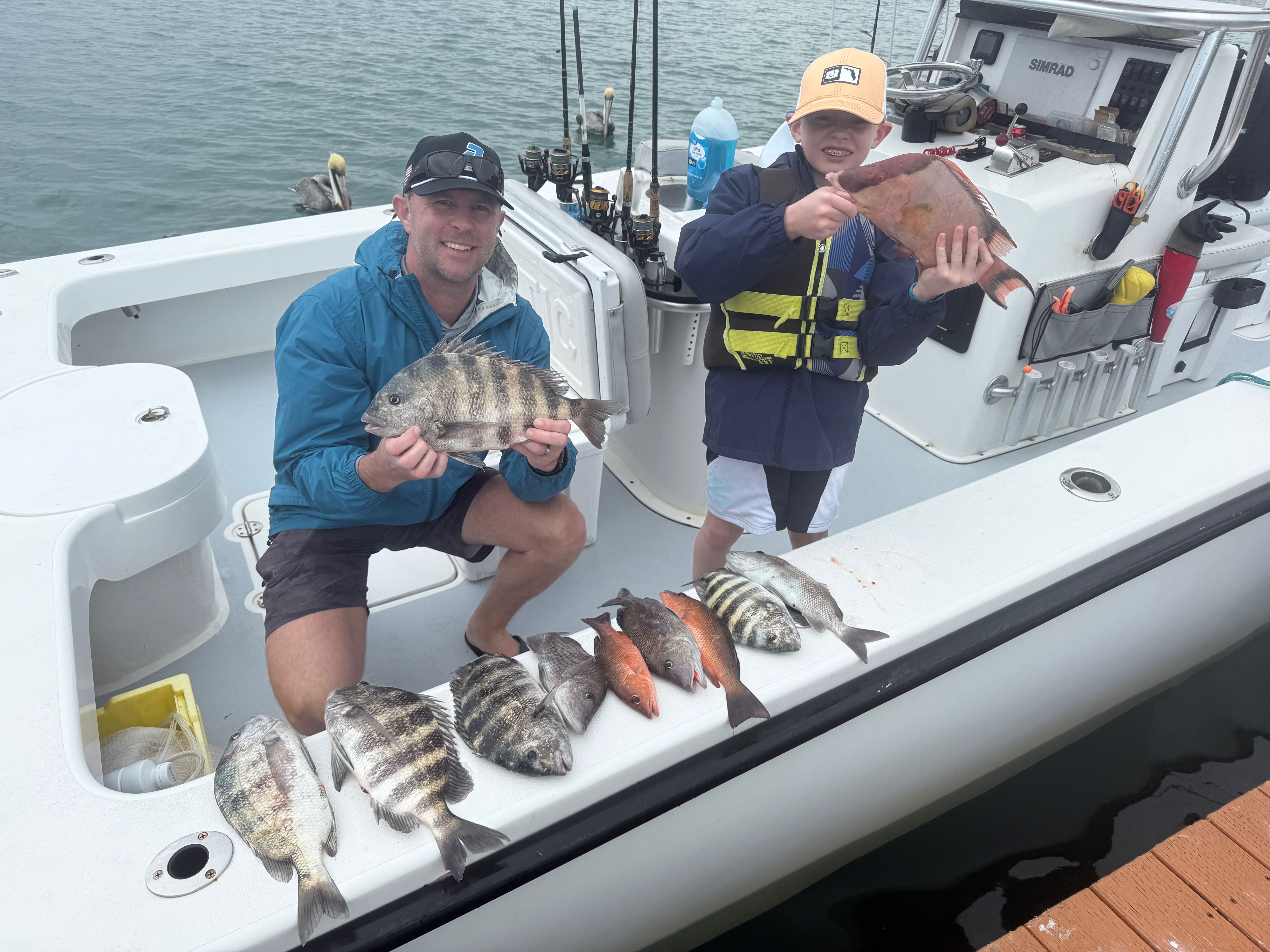
"We had an amazing time with captain eric. He is easy to talk to, very knowledgeable, and pretty funny. We had a great trip, caught plenty of keepers and he even cleaned them for us when we were done for an amazing dinner. We will definitely be getting in touch with him for our next fishing trip!" - Andy
Species You'll Want to Hook
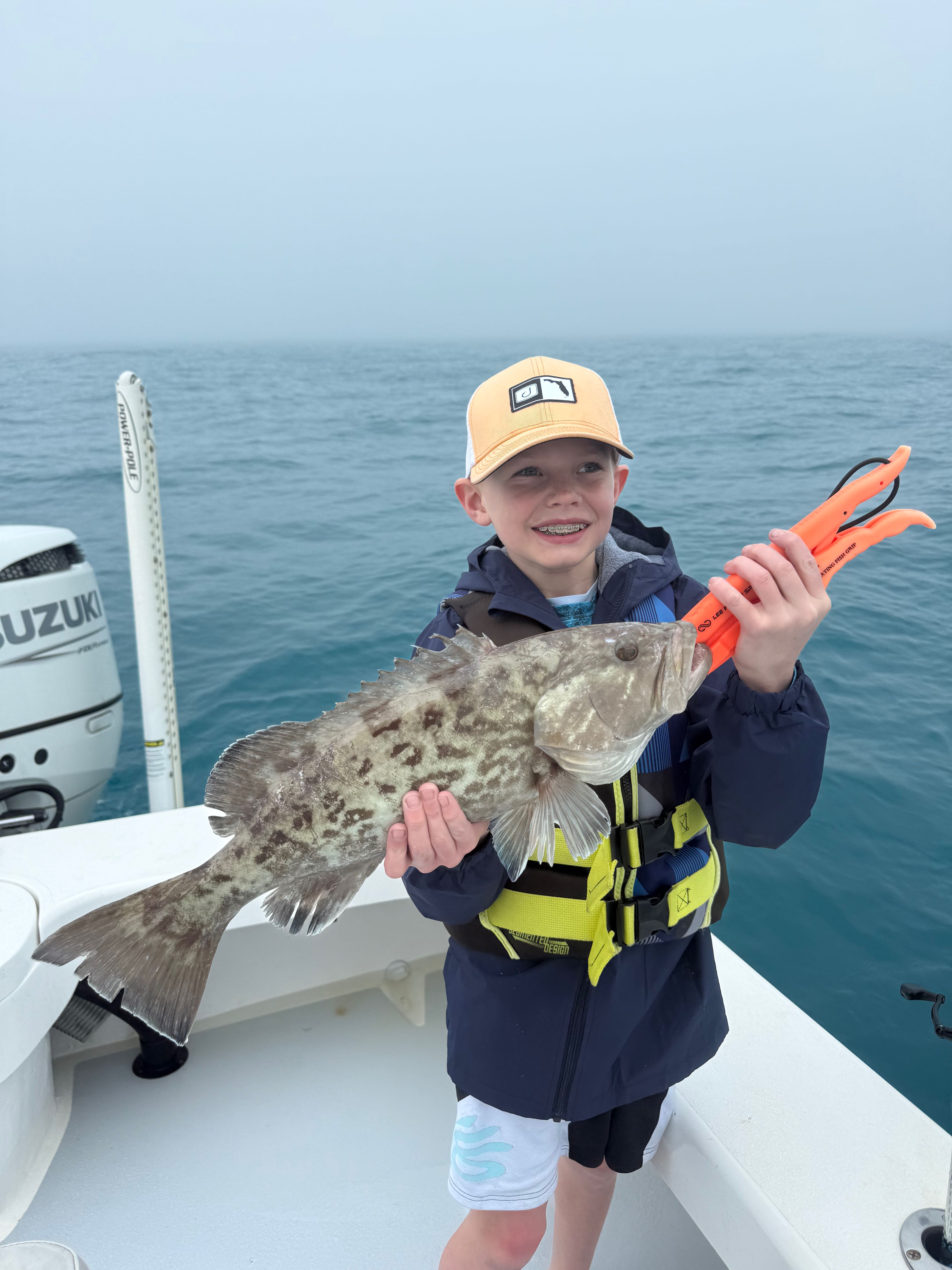
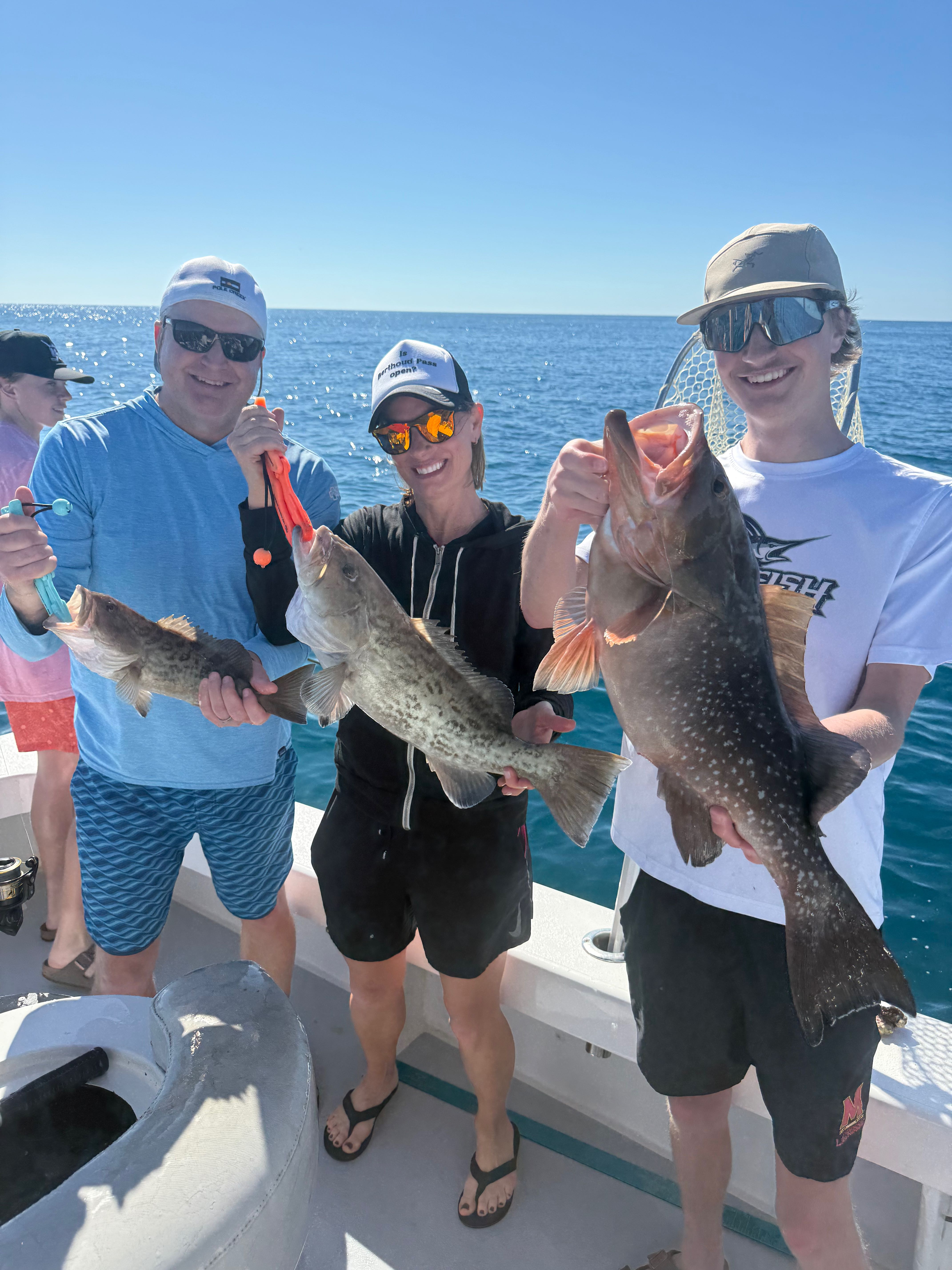
Gag Grouper are the heavyweight champions of our nearshore reefs, and they're exactly what every angler dreams about when they think structure fishing. These bruisers average 15-25 pounds but can easily push into the 30-plus range if you're lucky. They hang around hard bottom, ledges, and artificial reefs in 20-80 feet of water. Spring and fall are prime time when they move shallow to feed and spawn. What makes gags so special is their fight – they'll try to cut you off on the nearest piece of structure the second they feel that hook. You've got about three seconds to turn their head and get them coming up, or they'll wrap you around whatever they can find. The meat is absolutely top-notch, white and flaky with a mild flavor that makes for perfect fish tacos or grilled fillets.
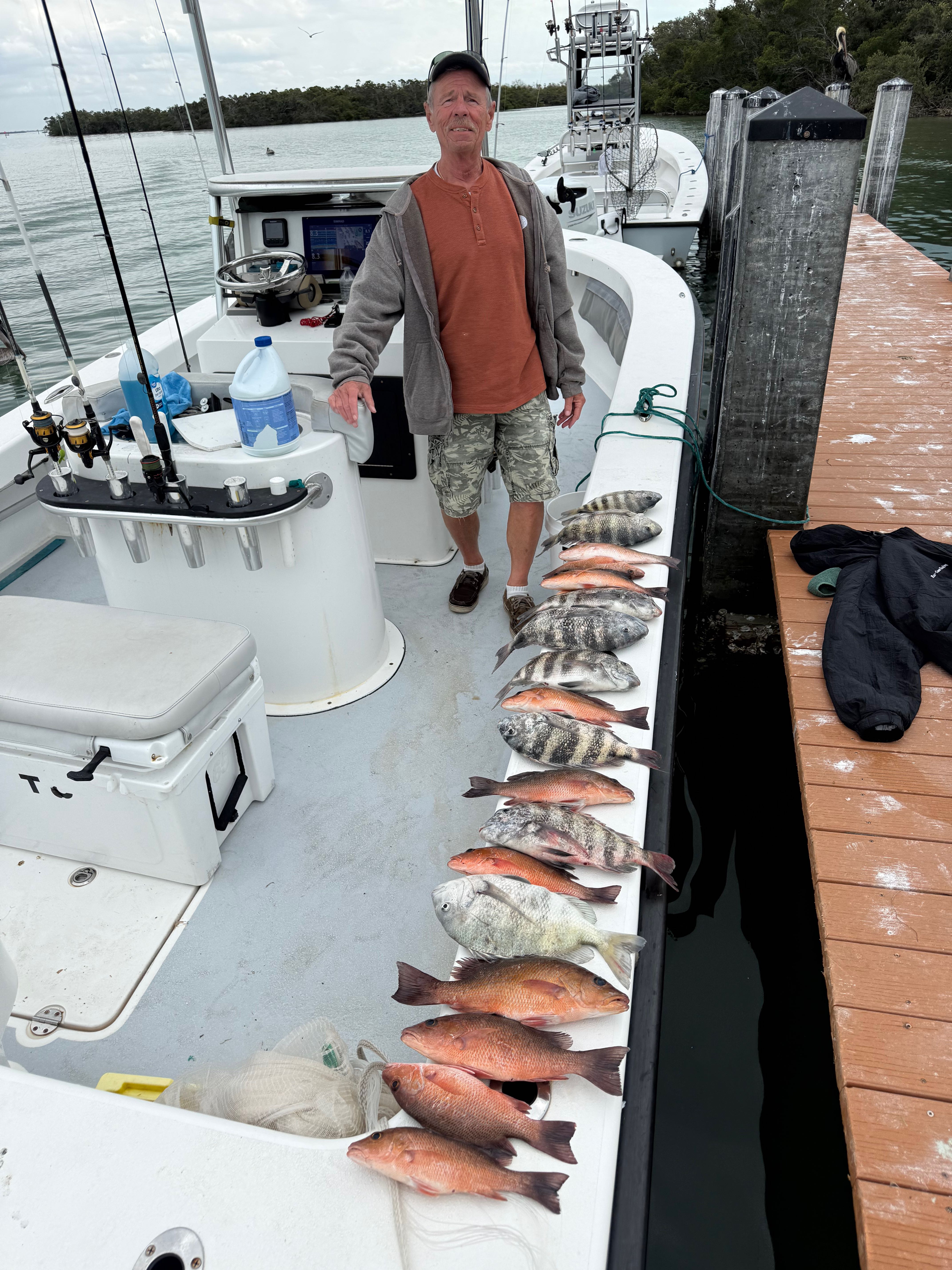
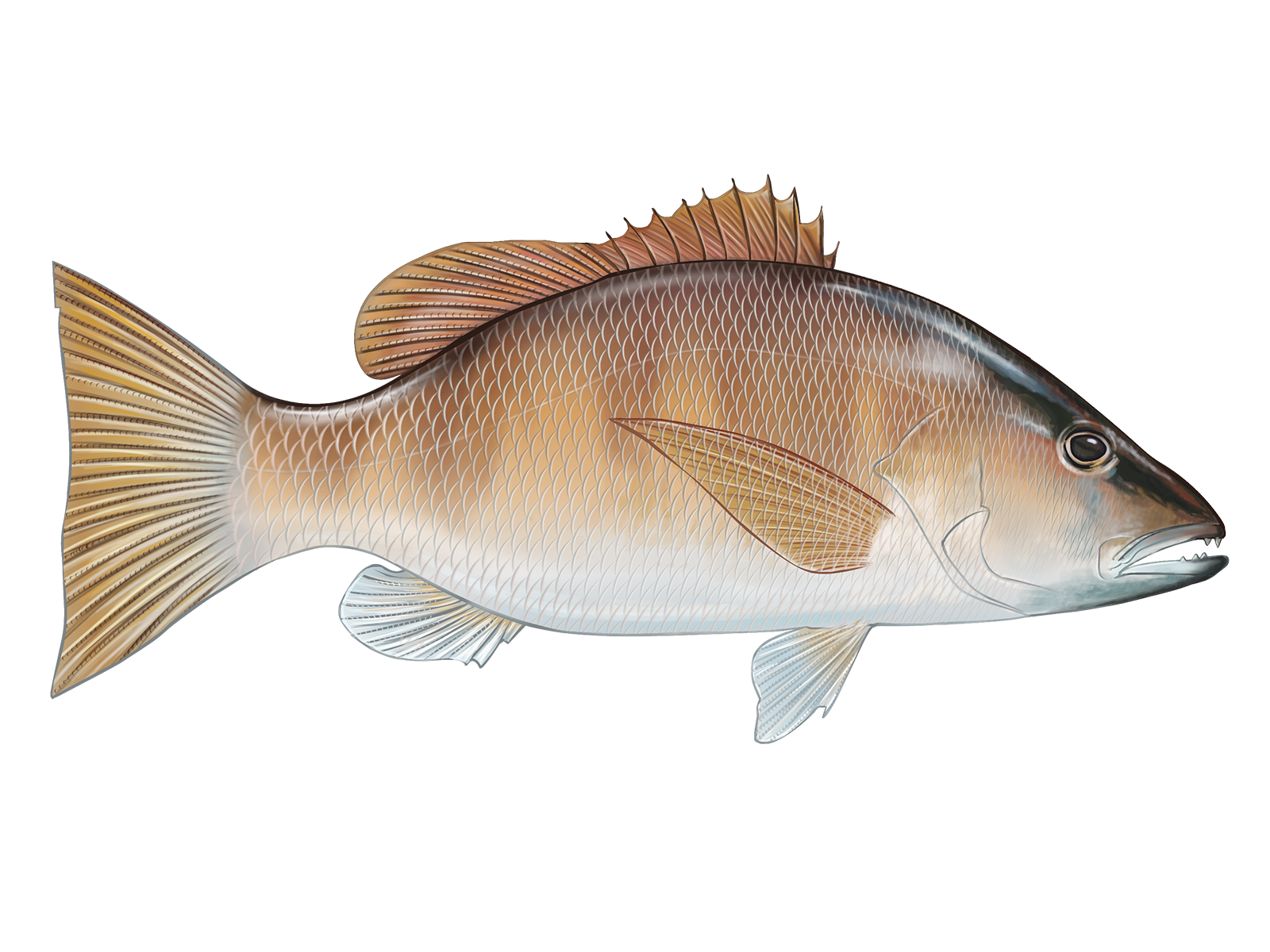
Grey Snapper, or mangrove snapper as the locals call them, are one of our most consistent catches and they're smart as whips. These fish range from schoolie-sized 12-inchers up to genuine 18-20 pound slabs that'll test your drag system. They love structure but also cruise the edges of grass flats and hang around docks and bridges. Summer months are fantastic for snapper fishing, especially during the warmer water periods when they're actively feeding. What keeps anglers coming back is their finicky nature – some days they'll eat anything you drop down, other days you need to downsize your leader to 15-pound test and use the most natural presentation possible. When you hook into a good one, they've got surprising power for their size and excellent table fare that tastes great prepared just about any way you can imagine.
Goliath Grouper are the absolute monsters of our nearshore waters, and while they're catch-and-release only, they provide some of the most memorable fishing experiences you'll ever have. These giants can easily exceed 200-400 pounds, and when one decides to eat your bait, you know it immediately. They live around heavy structure like wrecks, bridges, and deep holes, usually in 20-60 feet of water. Summer is prime goliath season when the big fish move shallow and become more active. The fight is unlike anything else – it's not really a fight as much as a tug-of-war with a Volkswagen that doesn't want to come up. They'll try to get back to their hole, and if they succeed, your line is history. The adrenaline rush of seeing a goliath surface next to the boat is something that'll stick with you for years, and the photo opportunities are second to none.
Barracuda are the speed demons of our nearshore waters, and they bring non-stop action when they show up. These silver bullets typically run 10-30 pounds and can hit 40-plus when conditions are right. They cruise along the edges of reefs, over grass flats, and anywhere there's baitfish to ambush. You'll find them year-round, but summer and fall tend to be most productive when they're feeding heavily. Barracuda are pure aggression – they'll smash topwater plugs, chase down fast-trolled lures, and attack anything shiny that moves through their territory. The fight is all about speed and jumps, with these fish making drag-screaming runs and throwing themselves clear out of the water. They're also excellent table fare
 5.0(1 Reviews)
 Private Trip
 Inshore Fishing
 Cortez, FL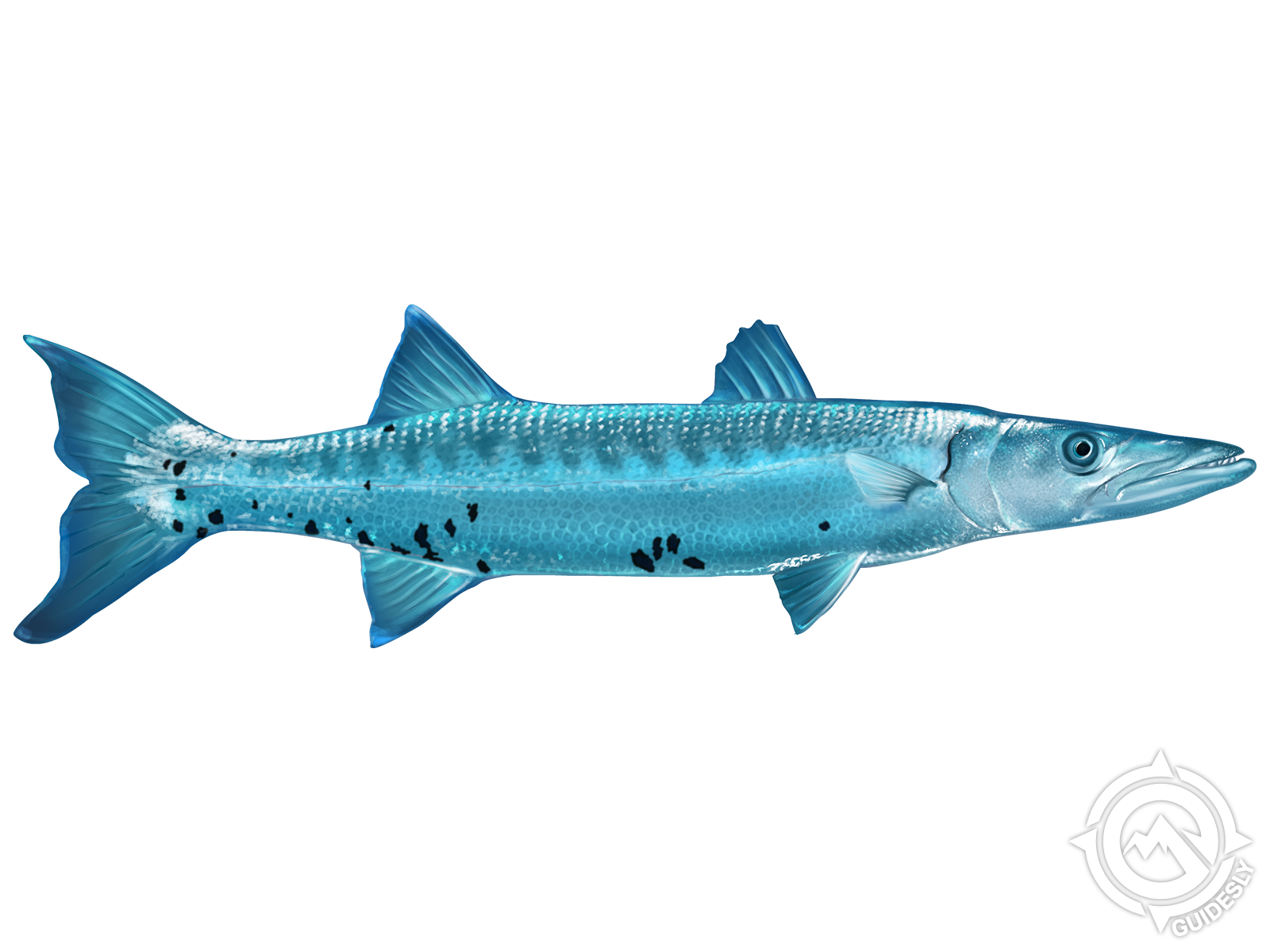



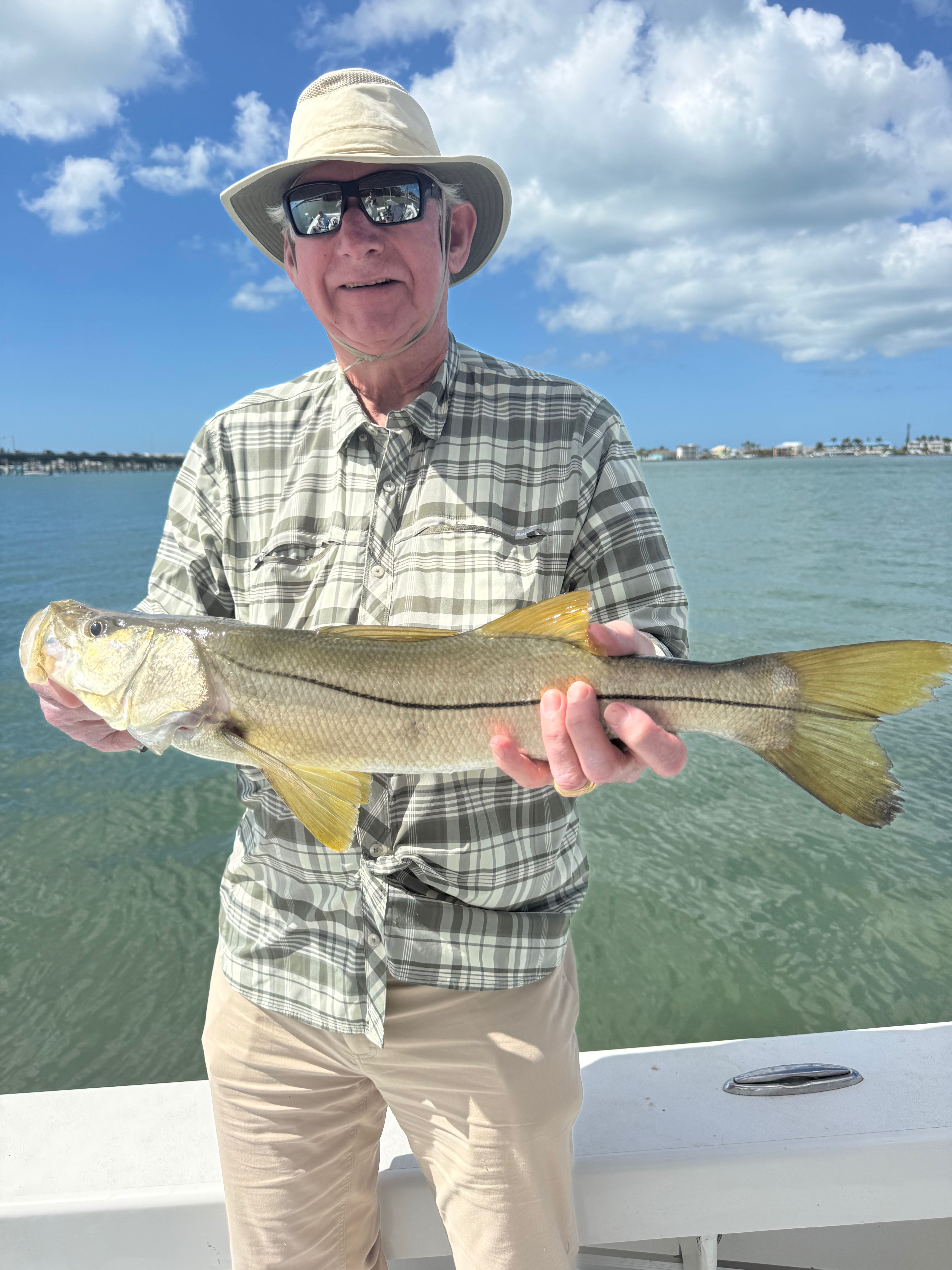
 Inshore fishing for snook, trout, redfish and grouper