North Carolina Duck Hunts
There's something magical about settling into a duck blind before dawn, watching the North Carolina sky lighten as you wait for that first flight to come in. Our duck hunting trips in the lowlands give you the full experience – from the peaceful anticipation to the heart-pounding moment when birds start working your decoys. We've got everything dialed in so you can focus on what matters: making clean shots and filling your limit. Just bring your gun and shells, and we'll handle the rest. With only two hunters per trip, you'll get personalized attention and prime shooting opportunities without the crowded blind experience you might find elsewhere.
Inside the Hunt
Your day starts early – we're talking first light early – because that's when the magic happens. You'll meet us at our launch point where we'll load up the boat with decoys, gear, and a hearty breakfast to fuel your morning. The ride out to our hunting spots takes you through some of North Carolina's most beautiful lowland marshes, where the water reflects the changing sky and you can already start spotting bird activity. Our blinds are strategically positioned in areas where ducks naturally want to be – think protected coves, feeding areas, and flight paths they've been using for generations. We set up spreads that match what the birds are seeing in the area, adjusting for wind, weather, and species behavior. The setup varies depending on what's flying – sea ducks require different tactics than divers, and we read the conditions to give you the best shot at success.
Tracking Tips & Terrain
North Carolina's coastal lowlands offer diverse hunting terrain that keeps things interesting. We hunt everything from open water for diving ducks to protected marsh areas where different species feel comfortable. The key to success here is reading the weather and understanding how it affects bird movement. Cold fronts push birds south, while stable weather keeps them content in their current areas. We use a mix of decoy types – divers, sea duck decoys, and motion decoys – to create realistic spreads that pull birds in close. Calling is crucial, but it's all about timing and knowing when to stay quiet. Our guides know the subtle differences between species calls and when each technique works best. The terrain changes throughout the season as water levels fluctuate, giving us opportunities to hunt different areas and target various species. Layout boats, permanent blinds, and temporary setups all play a role depending on conditions and what the birds are doing.
Target Game Breakdown
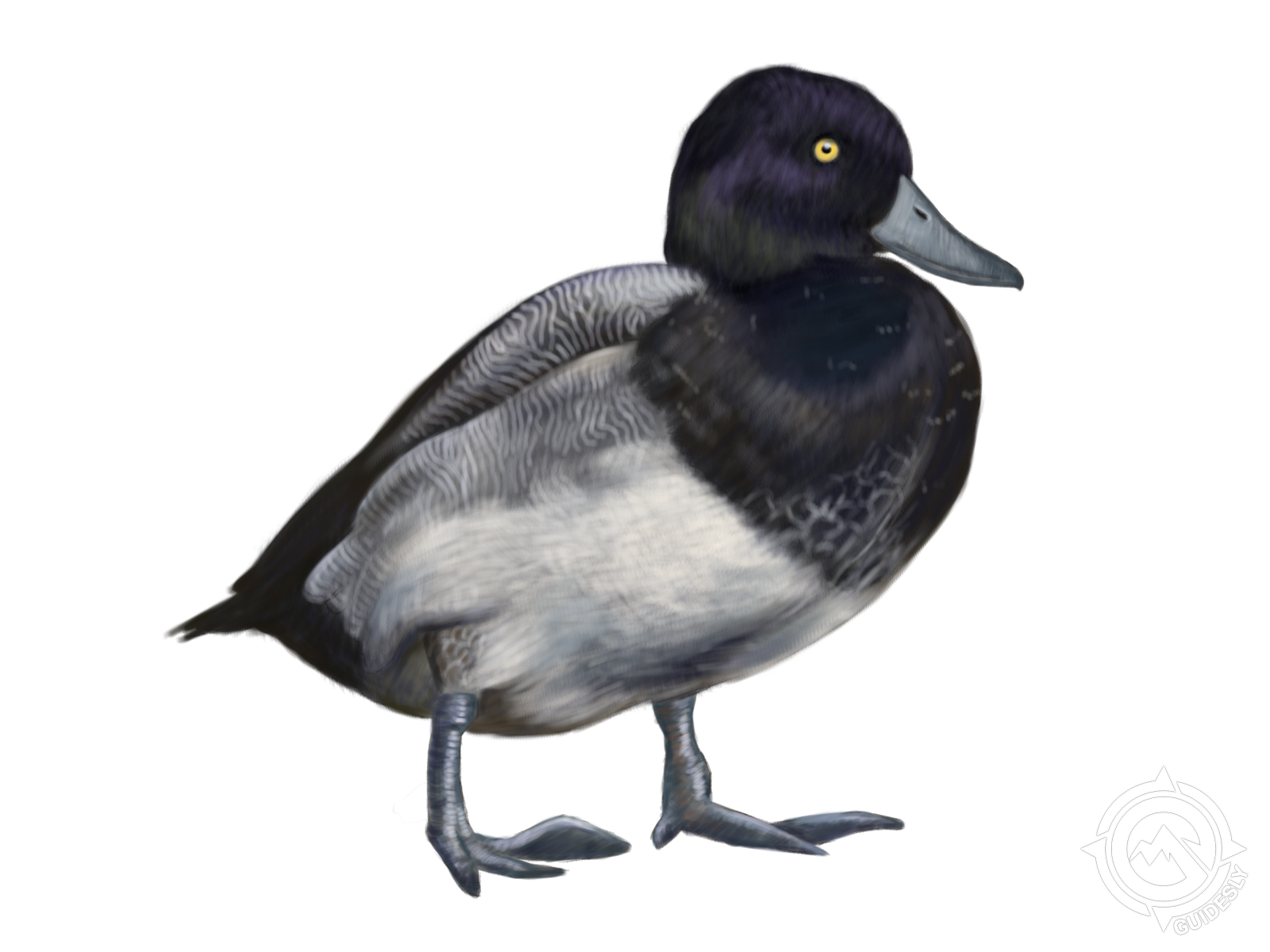
Lesser Scaup are some of the most reliable birds you'll encounter during our hunts. These diving ducks travel in large flocks and respond well to decoy spreads, especially when you've got enough numbers to grab their attention. They're not huge birds – typically weighing around a pound – but they're fast flyers that challenge your shooting skills. Peak season runs from late October through February, with the best action often happening during cold snaps that push birds down from the north. What hunters love about scaup is their willingness to work decoys and come back for second looks, giving you multiple opportunities for clean shots.
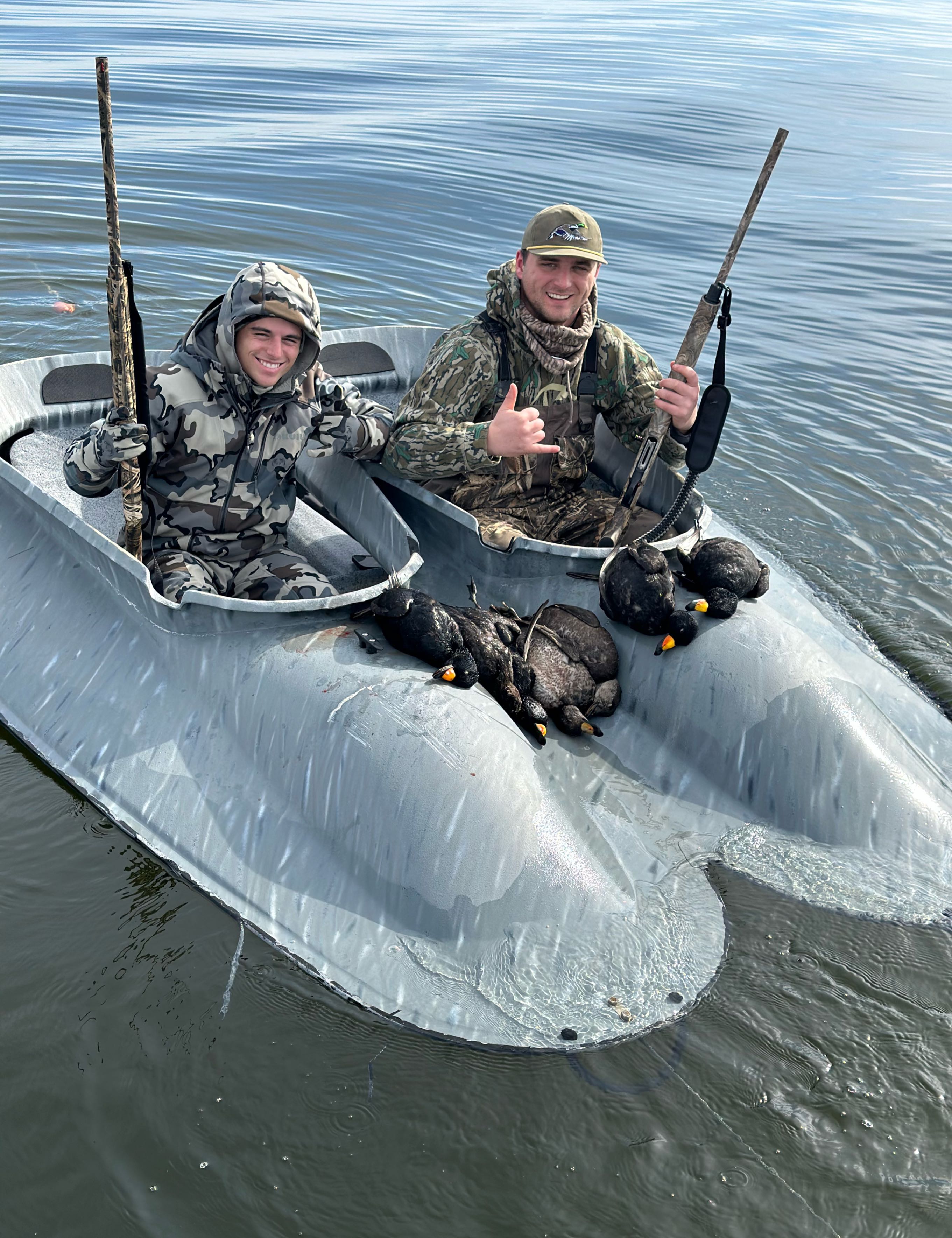
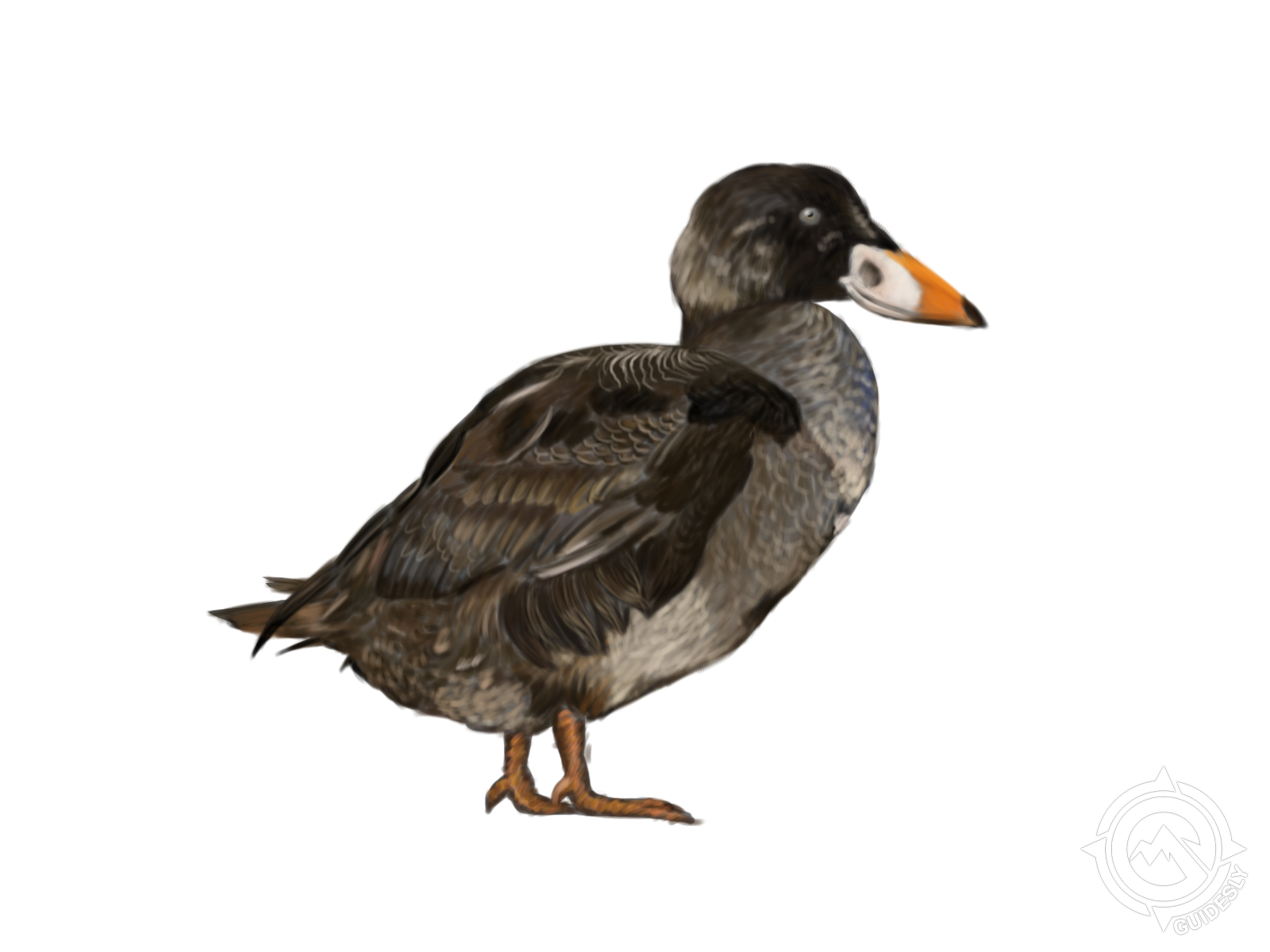
Surf Scoters represent the ultimate sea duck challenge. These hefty birds – males can hit three pounds – are built for rough ocean conditions and bring that toughness to every aspect of hunting them. They fly fast and low over the water, often appearing suddenly as they follow coastlines and underwater structure. November through March gives you the best chances, with peak numbers usually showing up during December and January. Hunters get fired up about surf scoters because they're tough birds that require solid shooting and they represent a true sea duck trophy. Their distinctive appearance and challenging nature make every bird in the bag feel earned.
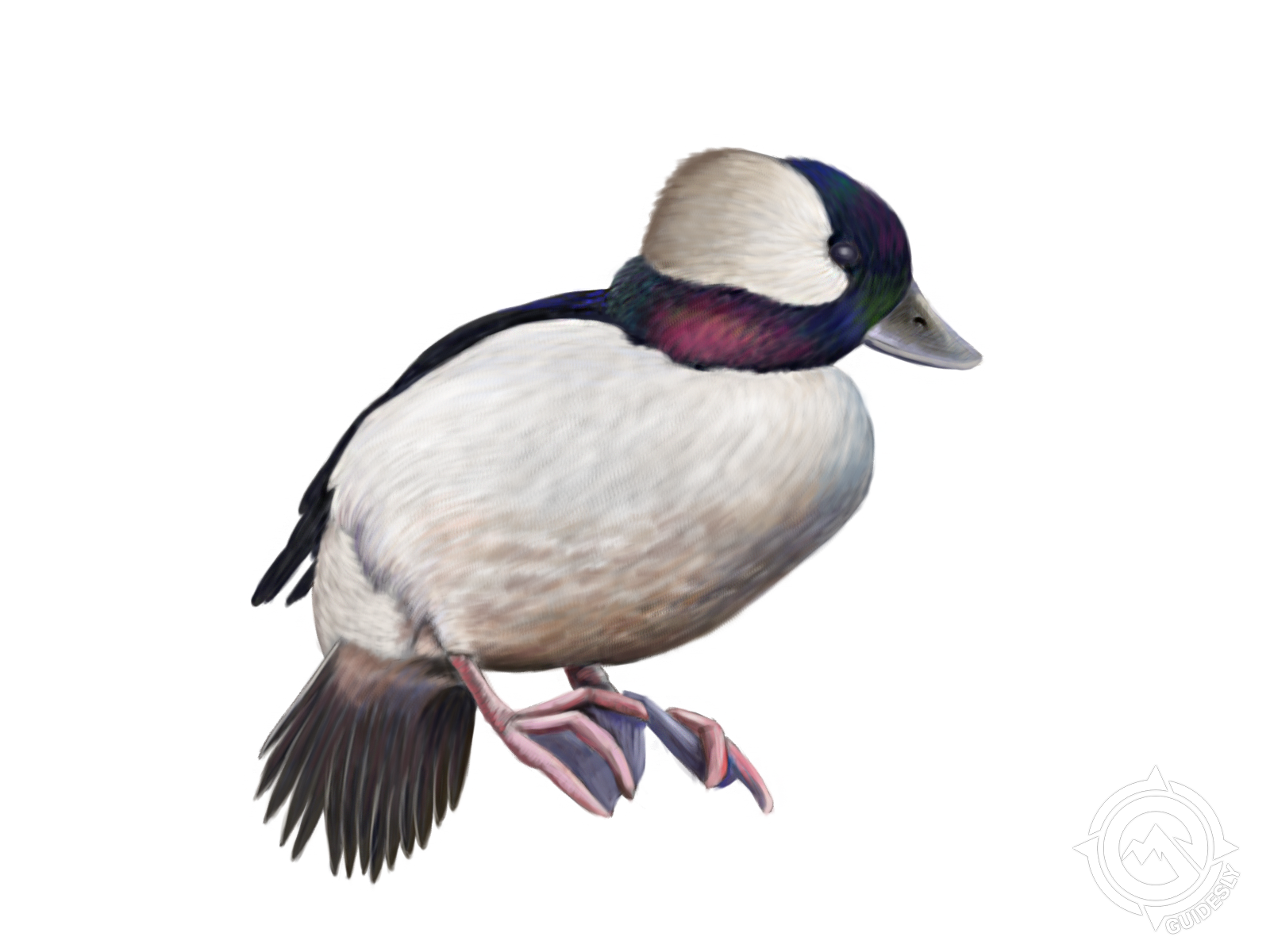
Bufflehead bring a different energy to the hunt with their compact size and acrobatic flying style. Don't let their smaller stature fool you – these diving ducks are incredibly fast and can change direction on a dime. They're active throughout the day, unlike some species that only fly at dawn and dusk, which keeps the hunt interesting even when other birds aren't moving. Peak season runs from November through February, with consistent action throughout that window. Hunters appreciate bufflehead because they're beautiful birds with striking black and white patterns, and their unpredictable flight patterns keep you sharp and ready for anything.
Black Scoters round out our target species as the ultimate sea duck prize. These birds are the largest of the scoter family and present serious shooting challenges with their size, speed, and tendency to fly in tight formation. They prefer deeper water and often require longer shots, making them a test of both equipment and skill. The season typically runs from November through February, with the best hunting during sustained cold periods. What makes black scoters special for hunters is their rarity compared to other ducks – they're not birds you see on every hunt, so when they do show up, it's a memorable experience that seasoned waterfowlers talk about for years.
Book Your Next Tag
North Carolina's duck hunting delivers everything serious waterfowlers want – diverse species, challenging shooting, and stunning coastal scenery that makes every hunt memorable. Our small group size means you won't be fighting for shooting lanes or competing with a crowd of other hunters. We provide all the gear, decoys, and local knowledge you need, plus breakfast to keep you going through those long morning sits. The combination of sea ducks and divers gives you variety that keeps things exciting, whether you're targeting big surf scoters or fast-flying bufflehead. Book your hunt today and experience why North Carolina's lowlands have become a destination for serious duck hunters looking for quality birds and personalized service. The sunrise views alone are worth the trip, but add in consistent action and professional guiding, and you've got a hunt that'll have you planning your return before you've even left the blind.
 Private Trip
 Bird hunting
 Swansboro, NC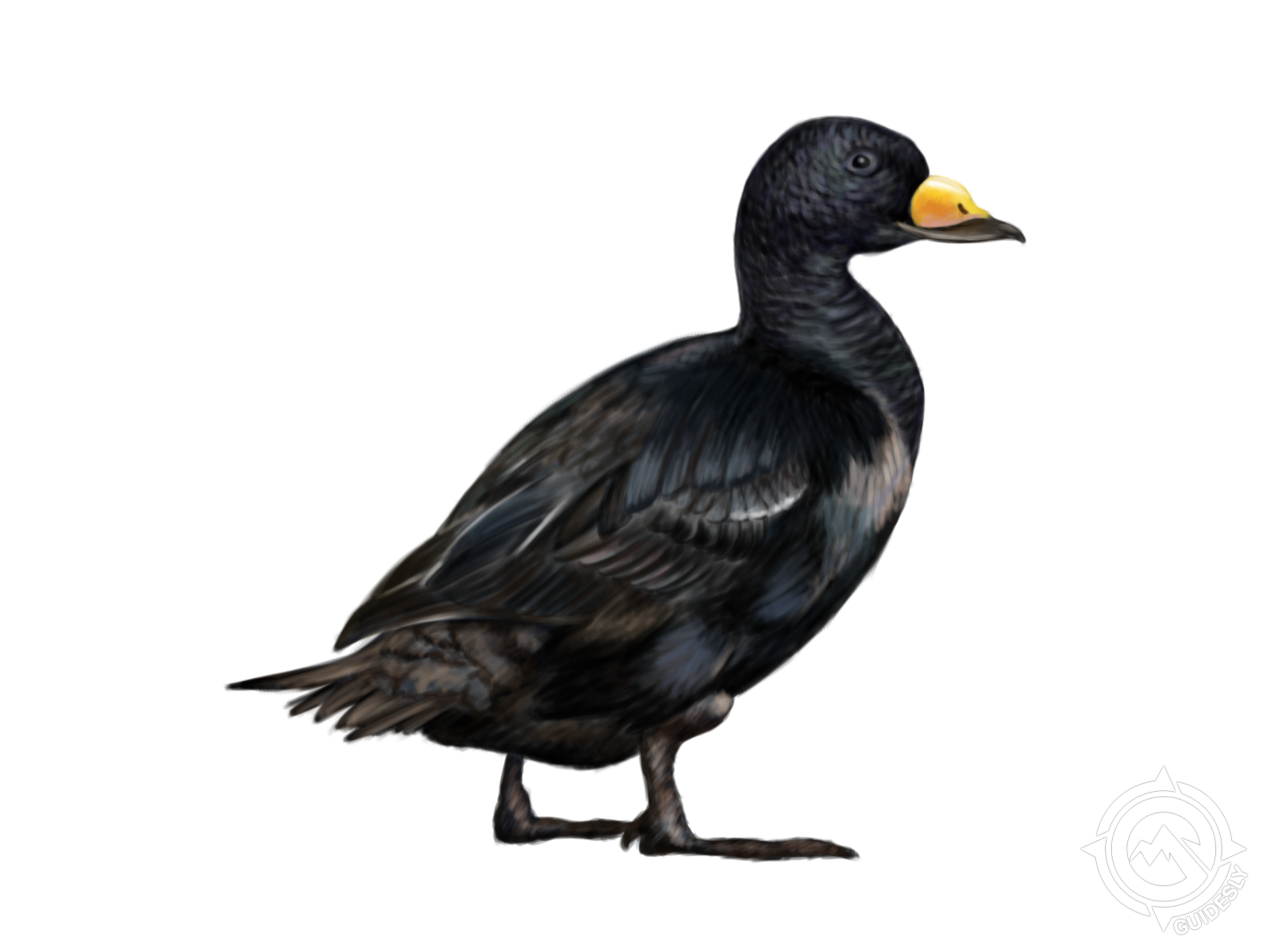
 Target sea ducks and divers in North Carolina lowlands