Crappie Fishing – Wading Trip (4–6 People)
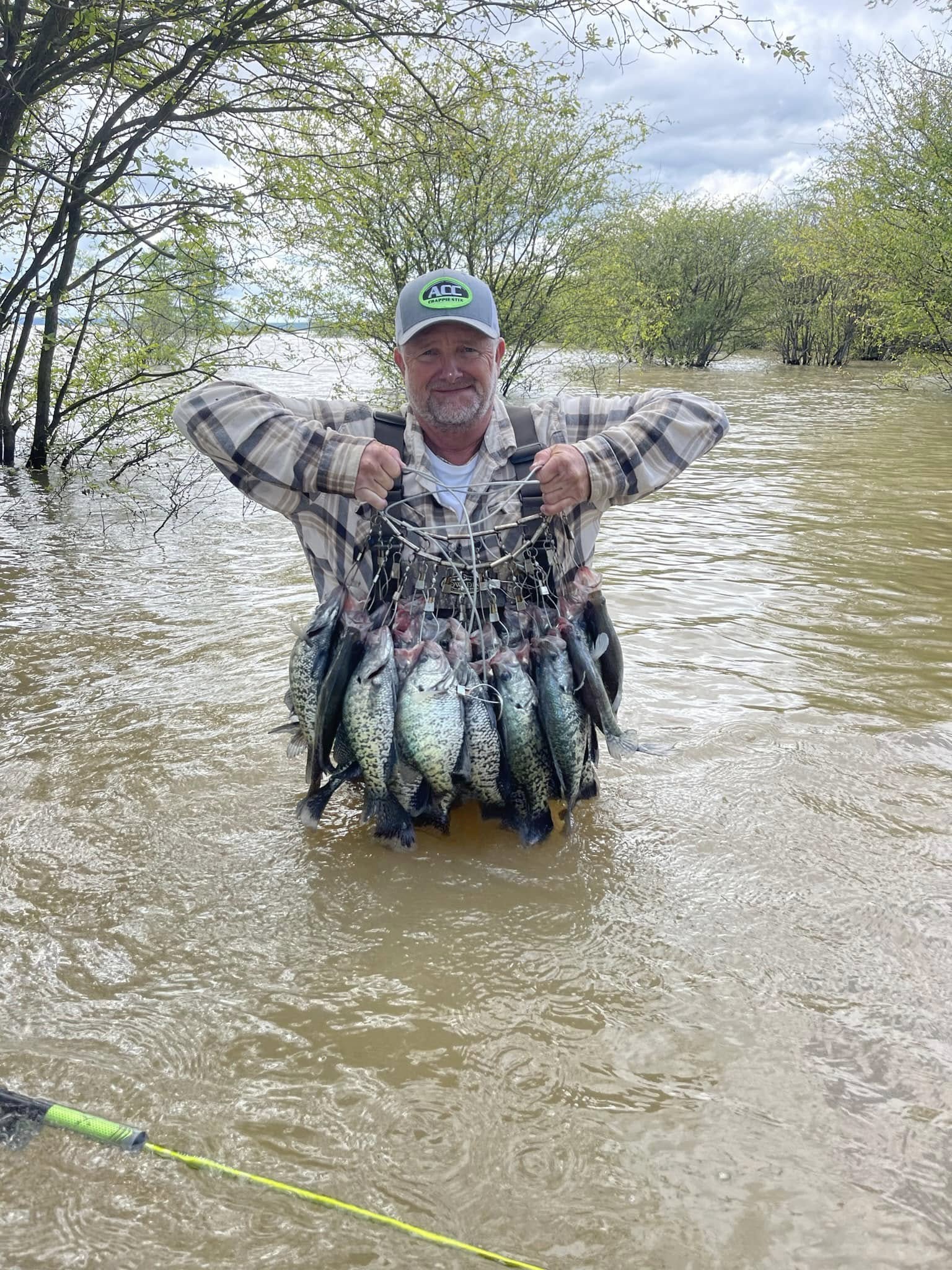
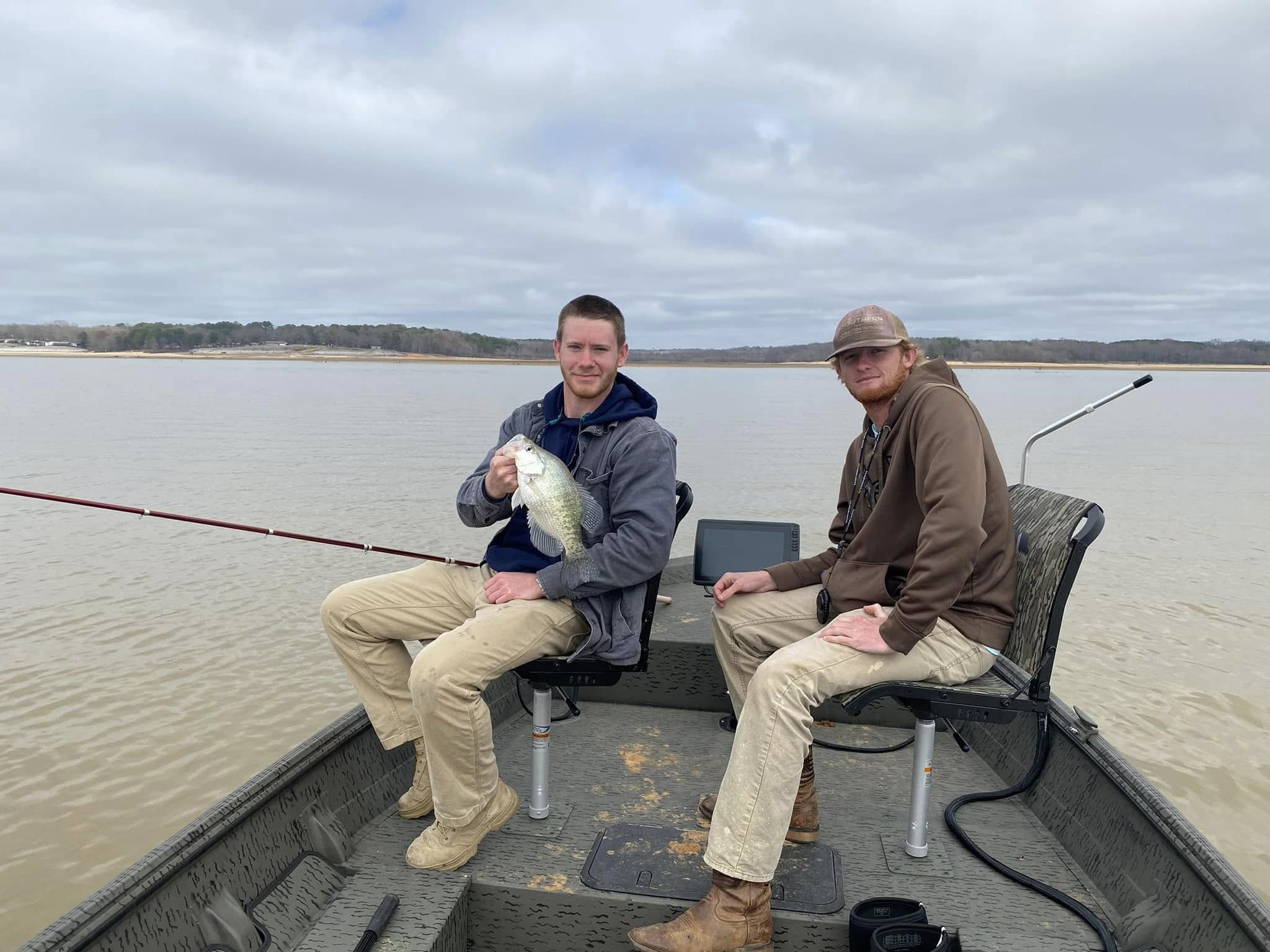
Captain Kelon Hall's wading crappie trips are pure Mississippi fishing at its finest. This isn't your typical boat trip—you're getting right in there with the fish, walking the shallows of three legendary crappie lakes. Grenada, Sardis, or Enid—each one holds massive schools of slab crappie just waiting for the right approach. Over 5 to 6 hours, you'll learn techniques that most anglers never master, all while standing knee-deep in some of the most productive crappie water in the South. Meet at Abbeville Marketplace and get ready to fill your cooler the old-school way.
What to Expect on the Water
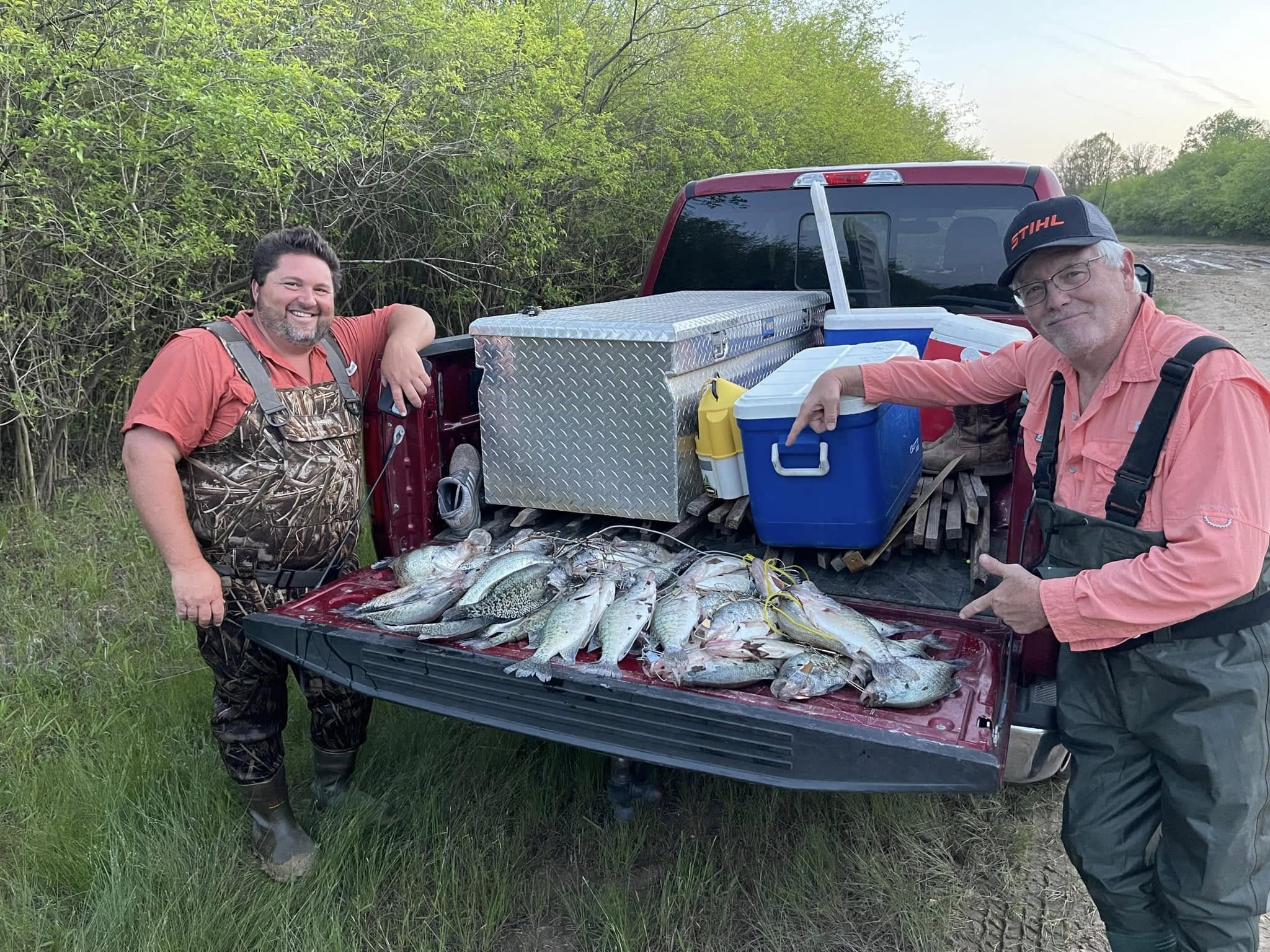
This wading trip puts you right where the crappie live—in the shallows around cover and structure that boats can't reach. Captain Kelon knows every stump, brush pile, and drop-off on these three lakes like the back of his hand. You'll start by learning to read the water, identifying prime crappie habitat that most people walk right past. The beauty of wading is the stealth factor—you can sneak up on schools without spooking them with boat noise or prop wash. Groups of 4 to 6 work perfectly for this style of fishing, giving everyone plenty of room to spread out and work different pieces of structure. The captain brings all the gear you need, but feel free to bring your own rod if you've got a favorite. Don't forget that Mississippi fishing license—you'll definitely need it when the game warden sees your stringer full of slabs.
Wading Techniques & Gear
Captain Kelon's approach combines old-school wading knowledge with modern technology like livescoping to locate schools. You'll learn to work jigs around standing timber, brush piles, and creek channels that are only accessible on foot. The key is moving quietly and reading the structure—crappie relate to cover differently in shallow water than they do in deep holes. Most of the fishing happens in 2 to 6 feet of water, perfect wading depth where you can feel bottom and maintain good casting position. The captain teaches proper jig presentation, showing you how to work baits vertically around cover without getting hung up every cast. Spider rigging techniques adapted for wading, slip bobber setups for precise depth control, and even some live bait tactics when the bite gets tough. Chest waders are recommended during cooler months, but many anglers just wear shorts and old tennis shoes when it's warm. The bottom on these lakes varies from sandy to muddy, so be prepared to get your feet dirty.
Top Catches This Season
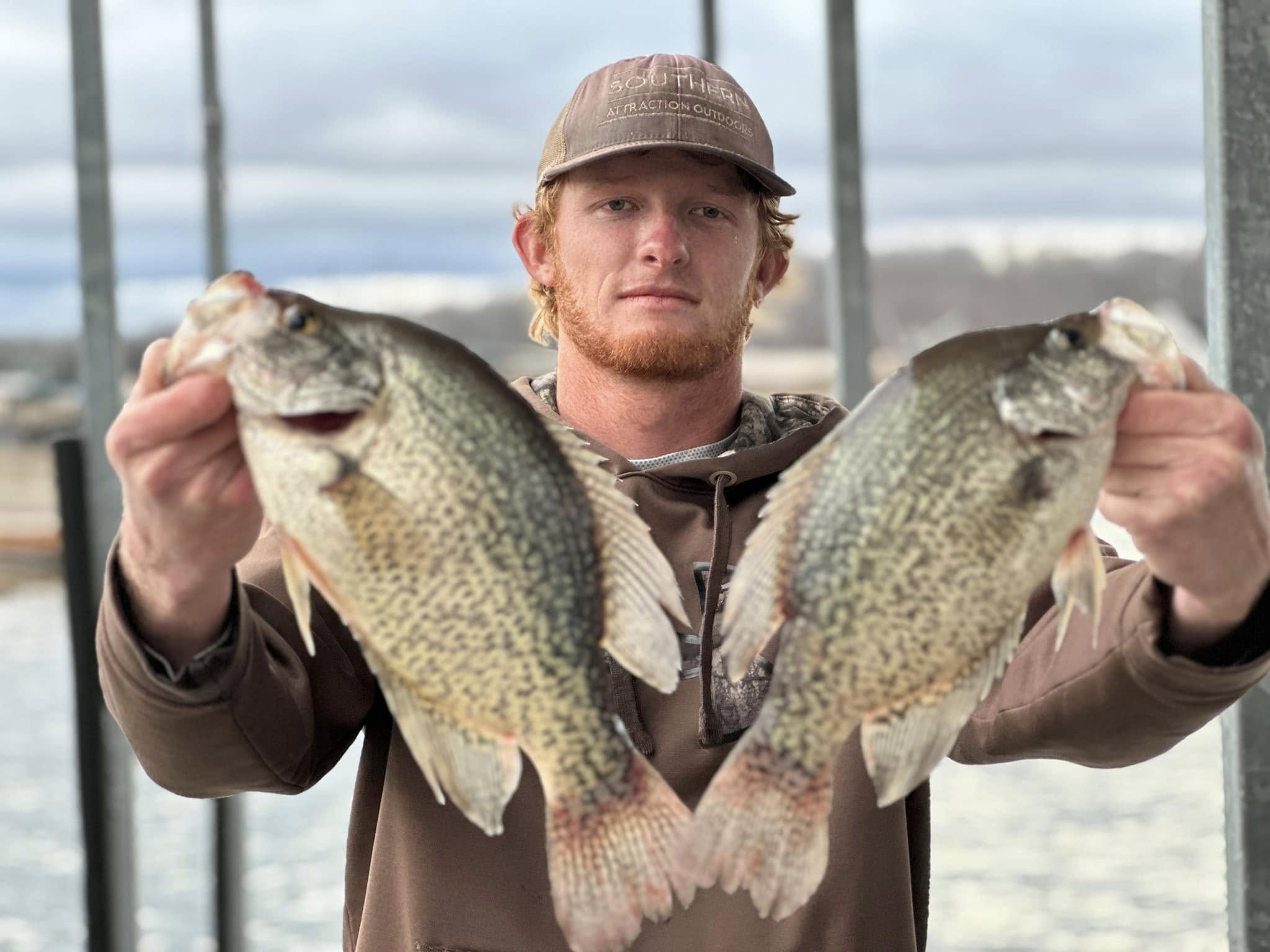
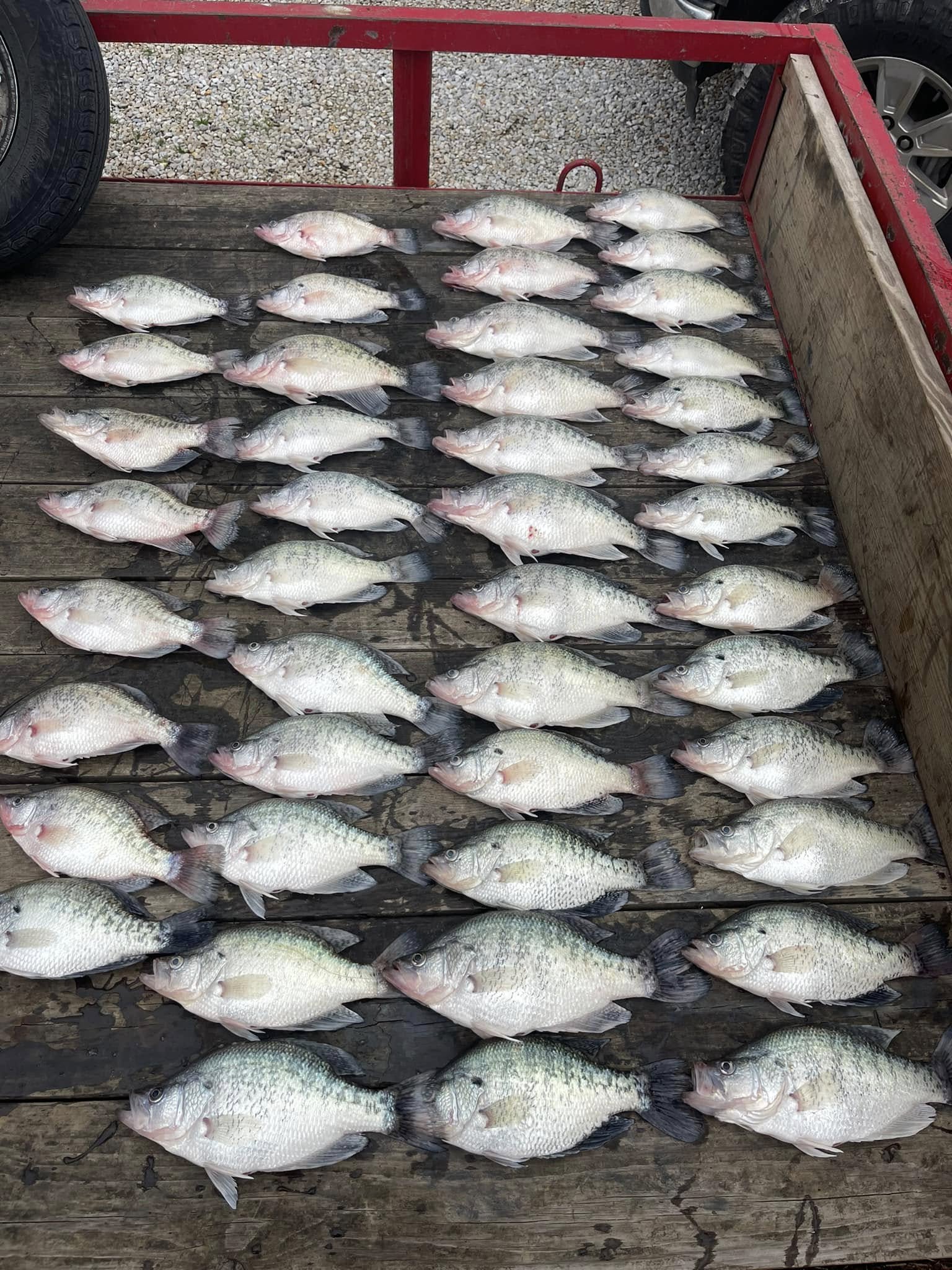
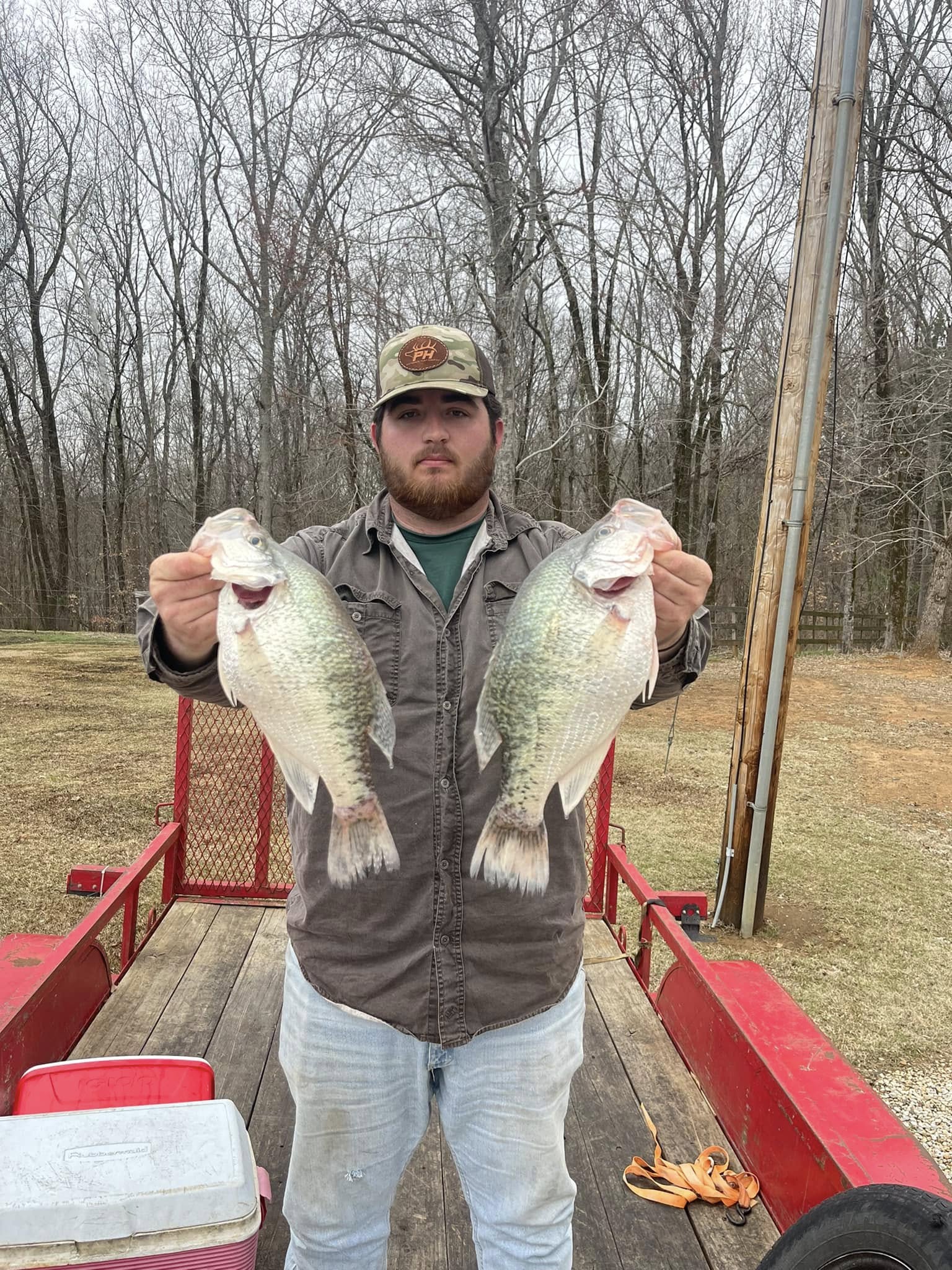
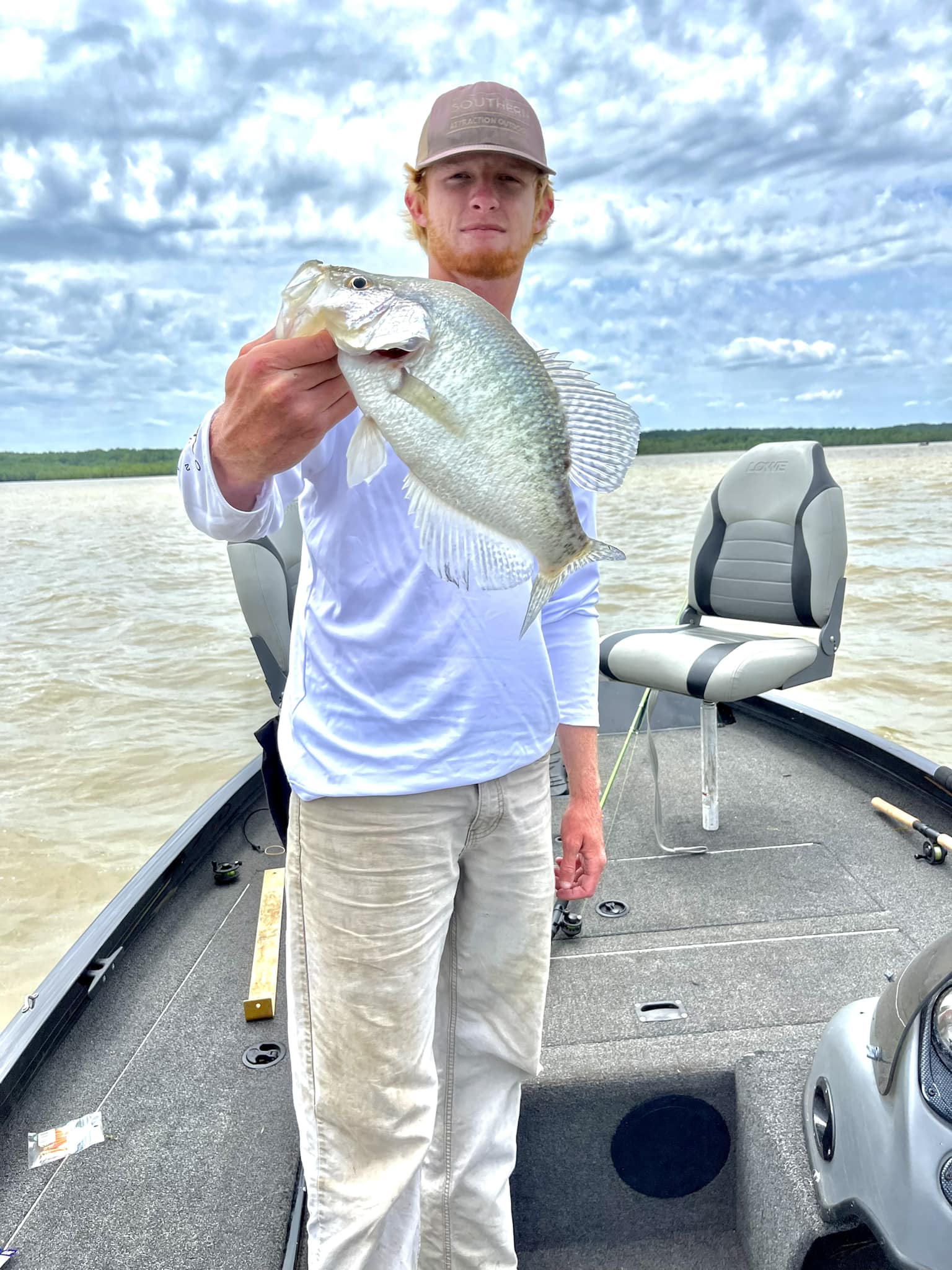
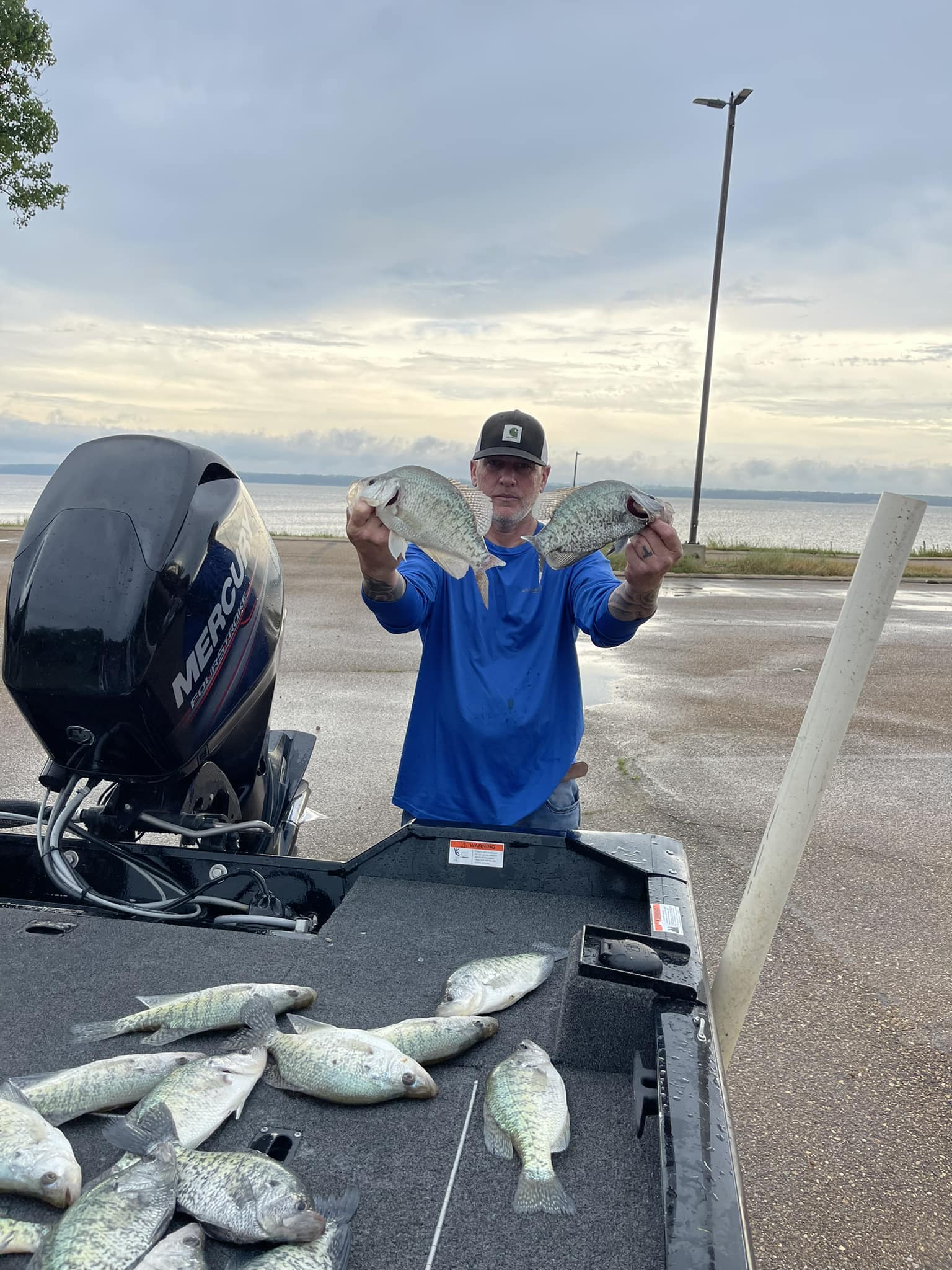
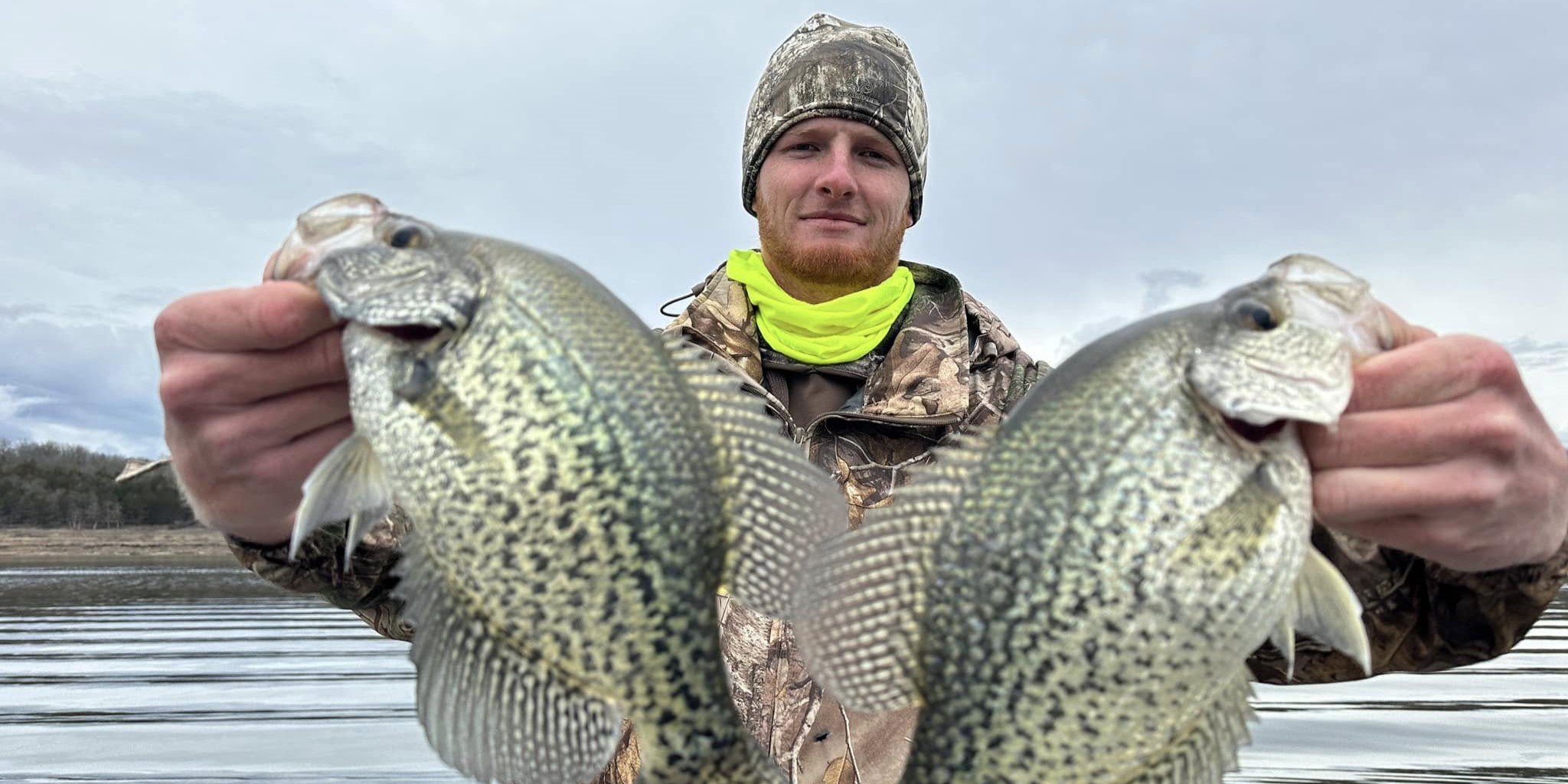
Mississippi's lake system produces some of the finest crappie fishing in the country, and these wading spots consistently deliver slabs that'll make your buddies jealous. Crappie in Grenada, Sardis, and Enid average 10 to 14 inches, with plenty of fish pushing the 15-inch mark during peak seasons. Spring is absolute magic when crappie move shallow to spawn—you'll find them in 2 to 4 feet of water around cypress trees, fallen logs, and brush piles. The males set up first, creating beds in sandy pockets near cover, followed by females heavy with eggs. Fall fishing can be just as hot when schools of crappie push into the shallows chasing shad. Winter wading takes more dedication, but the payoff is huge—cold water crappie are typically the biggest of the year, and they school up tight around deep structure you can reach on foot. Summer fishing means early morning and late evening trips, targeting shaded areas and creek mouths where cooler water draws baitfish.
Species You'll Want to Hook
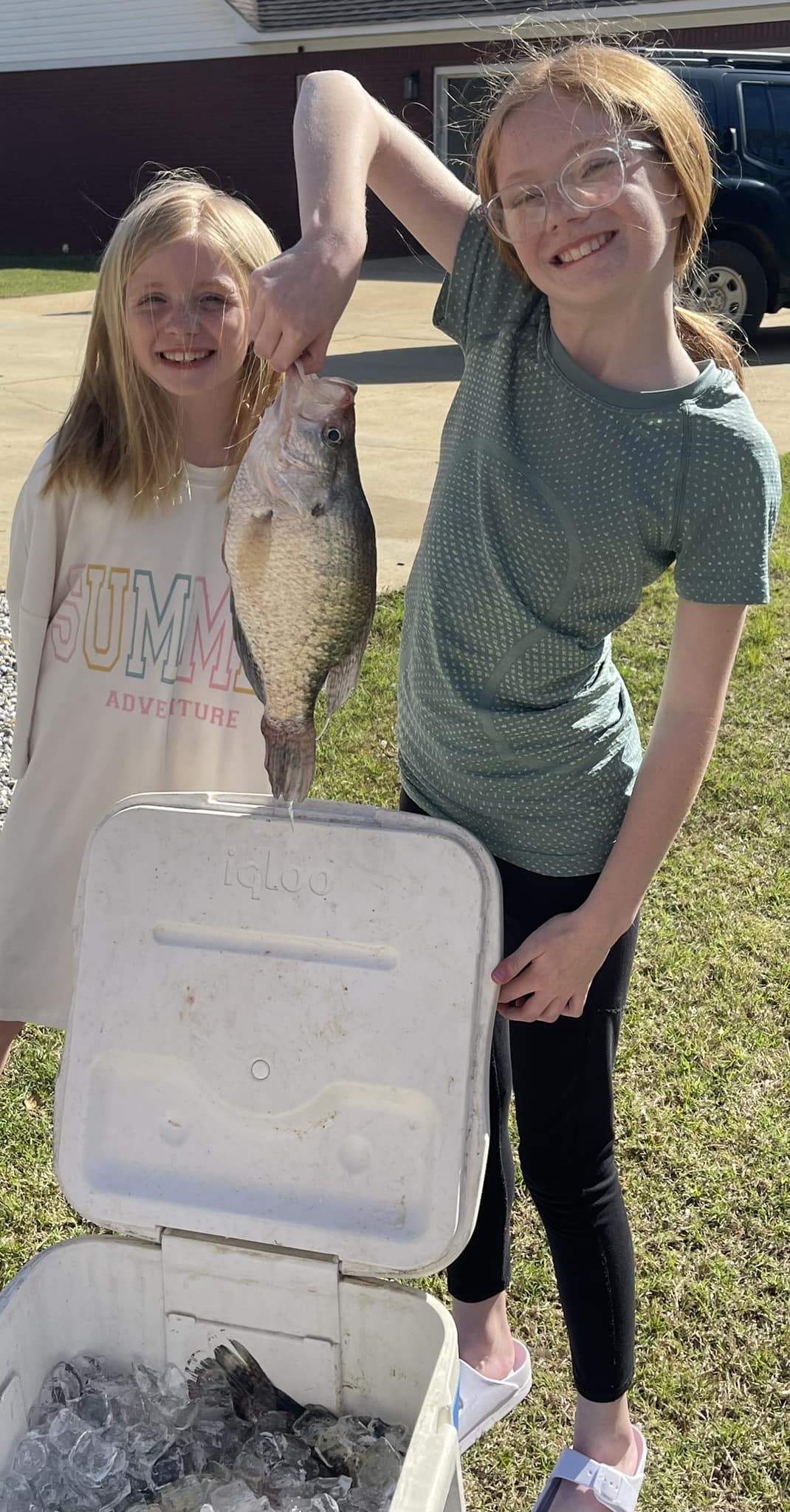
Crappie are the main attraction here, and for good reason—these fish are pure eating quality wrapped in a challenging fight. Mississippi crappie come in both black and white varieties, though most anglers can't tell the difference once they're in the pan. What makes these fish special is their schooling behavior and structure orientation. Find one crappie, and there's usually a dozen more nearby. They're incredibly seasonal, moving from deep winter haunts to shallow spawning areas in spring, then back to deeper structure as water temps rise. The fight might not be as dramatic as a bass, but crappie have their own appeal—that solid thump when they hit, followed by the telltale head-shaking that screams "slab crappie." Their paper-thin mouths mean you need to keep steady pressure without horsing them, especially around cover. Peak spawning happens when water temps hit 60 to 65 degrees, usually March through May depending on the year. These fish are incredibly light-sensitive, which is why wading trips work so well—you can target shaded areas and cover that holds fish during bright conditions. The limit in Mississippi is 30 crappie per person, and on a good day with Captain Kelon, you'll get close to that number with fish worth keeping.
Time to Book Your Spot
Captain Kelon's wading trips book up fast, especially during prime crappie season from March through May. This hands-on approach to crappie fishing teaches techniques you'll use for years to come, whether you're wading your local farm pond or exploring new water. The 14-day cancellation policy gives you flexibility, but the weather-dependent nature of wading means some trips might need rescheduling for safety. Groups of 4 to 6 create the perfect learning environment—small enough for personal instruction, large enough to make it social and fun. Meeting at Abbeville Marketplace makes it convenient no matter which lake is fishing best that day. Don't miss out on this top-rated Mississippi crappie experience that combines traditional wading techniques with modern fish-finding technology. Reserve your dates now and get ready to discover why serious crappie anglers consider wading the ultimate way to target these tasty panfish.
 Private Trip
 Lakes/Reservoirs/Ponds Fishing
 undefined, undefined
 Guided wading trip targets crappie in Mississippi's top lakes