5-Hour Nearshore Fishing Trip - Murrells Inlet, SC
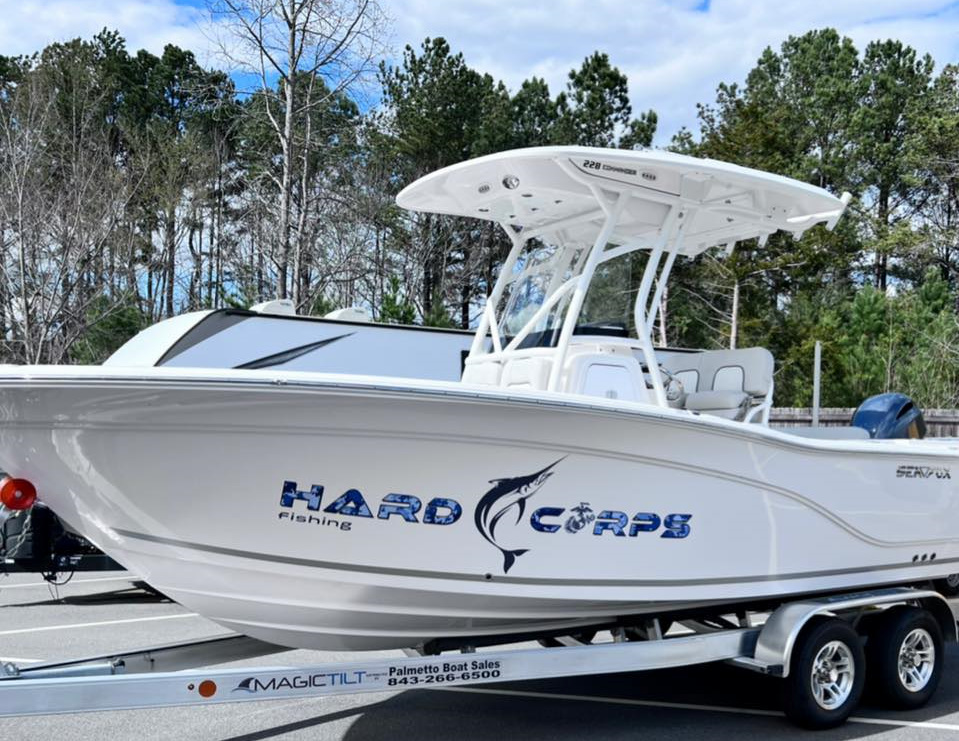
When you're looking for that perfect balance between accessibility and action, this 5-hour nearshore fishing trip out of Murrells Inlet hits the sweet spot. Hard Corps Fishing Charters knows these waters like the back of their hand, and they'll put you on fish without burning a full day or your entire fuel budget. You're talking about fishing productive reefs and structure just a few miles off the beach, where the bottom drops off and the fish stack up. With space for up to 4 anglers, this trip gives you room to spread out and work different techniques without stepping on each other's lines. The nearshore zone around Murrells Inlet is loaded with structure - artificial reefs, natural ledges, and wrecks that hold everything from bottom dwellers to pelagic species cruising through.
What to Expect on the Water
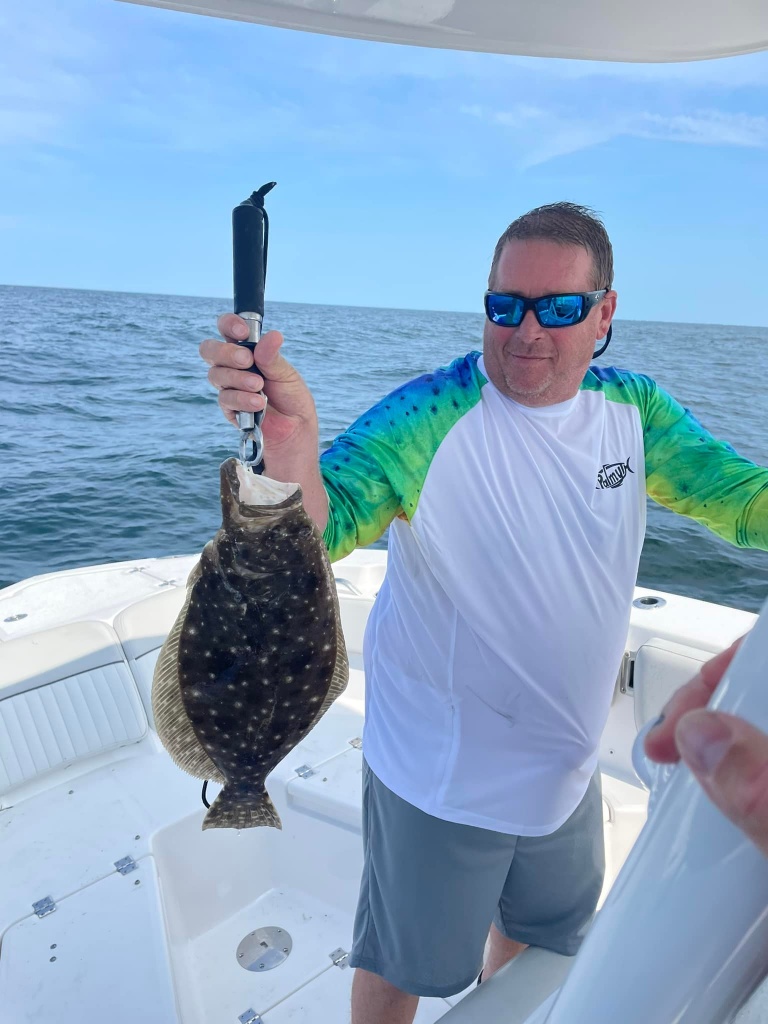
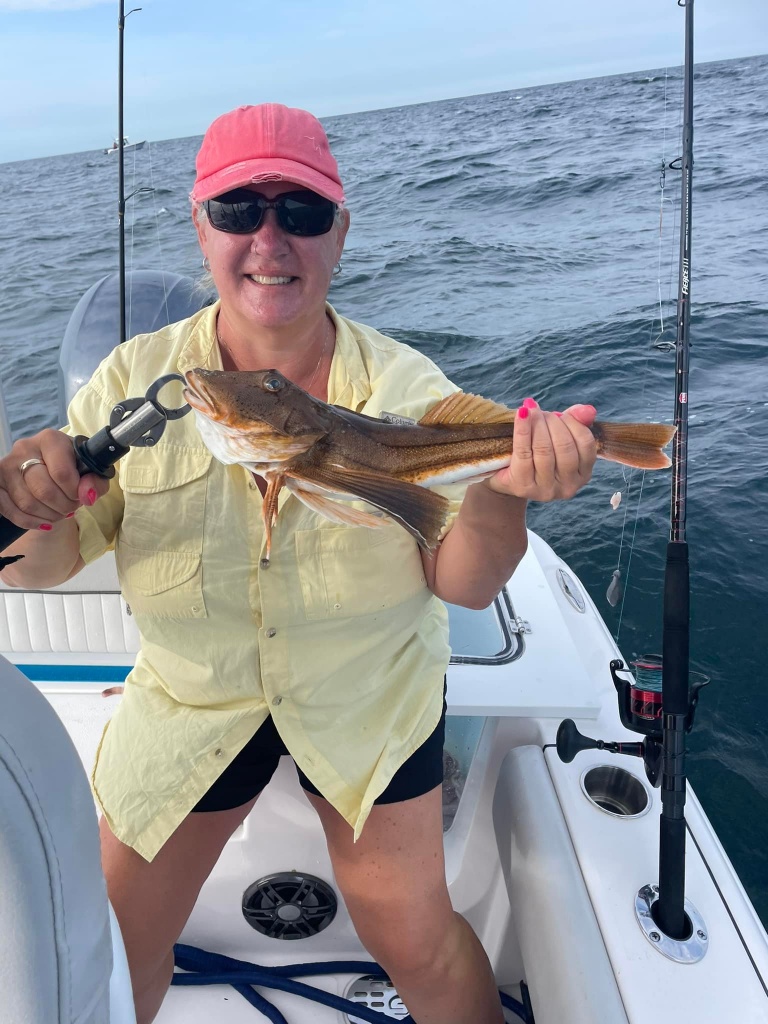
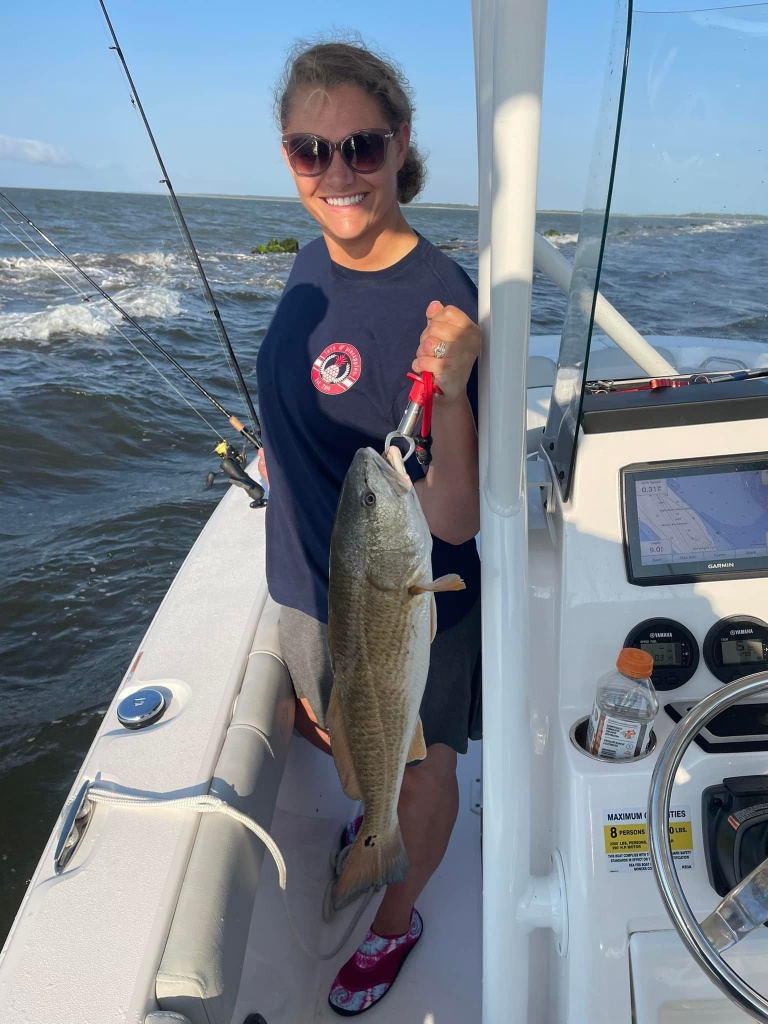
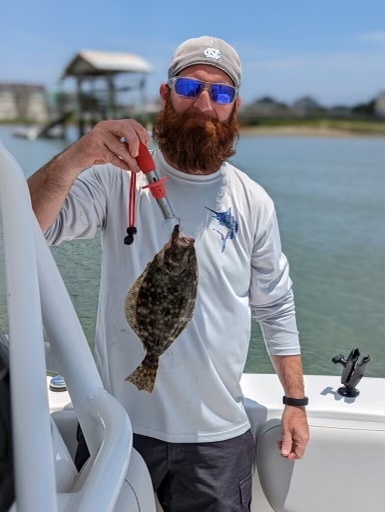
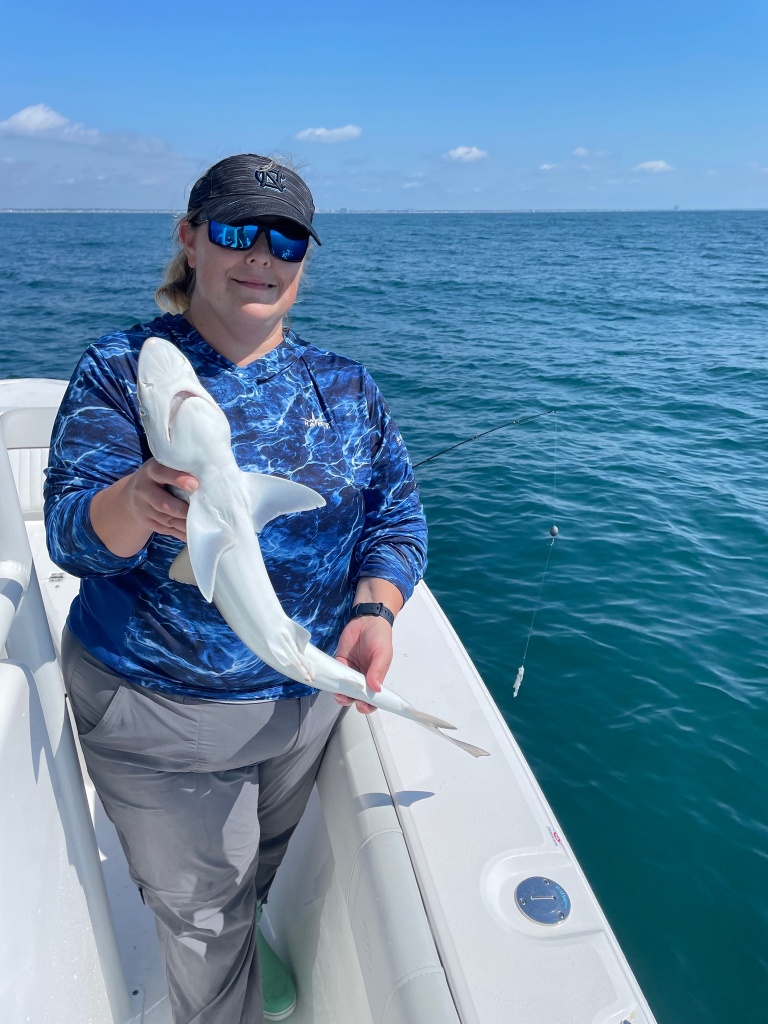
You'll be targeting the productive nearshore reefs that sit in 40-80 feet of water, where the continental shelf starts its drop toward deeper ocean. These spots are fish magnets because they offer the perfect combination of structure, current, and baitfish that predators can't resist. The beauty of nearshore fishing is you get variety - one minute you're pulling up a chunky grouper from the bottom, the next you've got a king mackerel screaming drag on the surface. Captain and crew will have you rigged and ready with everything from heavy bottom rigs for the reef dwellers to lighter tackle for the speedsters. The boat ride out is quick, usually 20-30 minutes depending on conditions and which reefs are firing that day. You'll spend most of your time actually fishing rather than running, which is exactly what you want on a 5-hour trip. Expect to hit multiple spots throughout the day as the crew follows the bite and adjusts to what's working.
Techniques and Tackle
This type of fishing calls for versatility in your approach. You'll be dropping heavy sinkers and big baits down to the bottom for grouper, snapper, and sea bass, using circle hooks and fresh cut bait or live bottom fish. The crew typically runs 6-8 ounce sinkers to get through the current and keep your bait in the strike zone. For the pelagic species like kings and cobia, you'll switch to lighter tackle and work the water column with live bait, dead bait, or even some trolling if the conditions are right. Spanish mackerel often show up in numbers and they're suckers for small spoons and jigs worked fast through the water. When the cobia are around, you'll want to have a live bait ready - they're curious fish that will come up to investigate the boat, giving you sight-fishing opportunities you don't get with most species. The artificial reefs in this area are marked on GPS, but reading the fish finder and understanding how the current moves bait around these structures is what separates a good day from a great one.
Species You'll Want to Hook
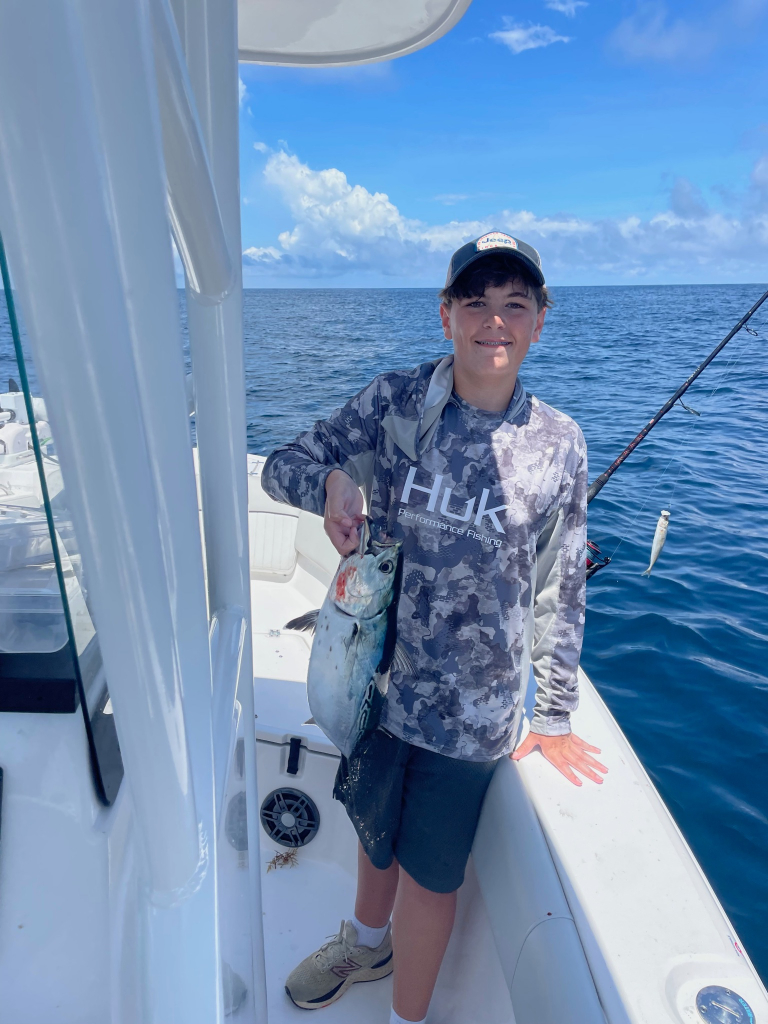
King Mackerel are the speed demons of the nearshore waters, and around Murrells Inlet they show up in good numbers from late spring through fall. These fish hit hard and run fast, often jumping and tail-walking when hooked. They're schooling fish, so when you find one, there's usually more around. Kings in the 15-30 pound range are common, with bigger fish possible when conditions align. They love live bait like menhaden or blue runners, but they'll also crush dead sardines or cigar minnows. The trick with kings is getting the bait presentation right - they're picky eaters with razor-sharp teeth.
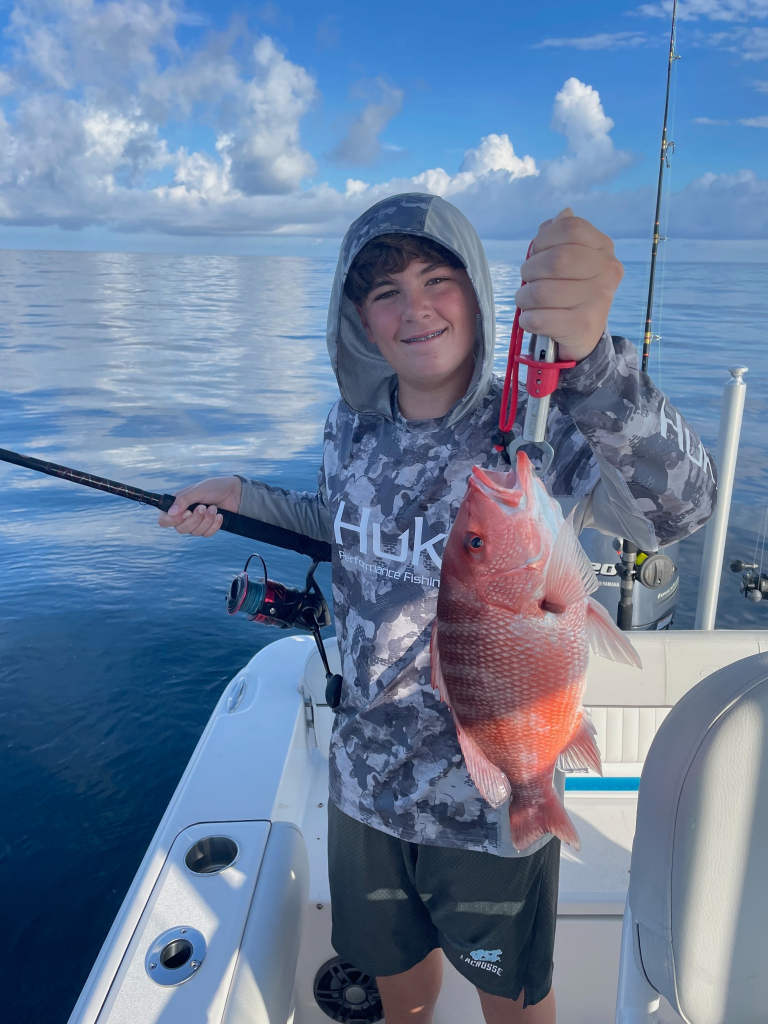
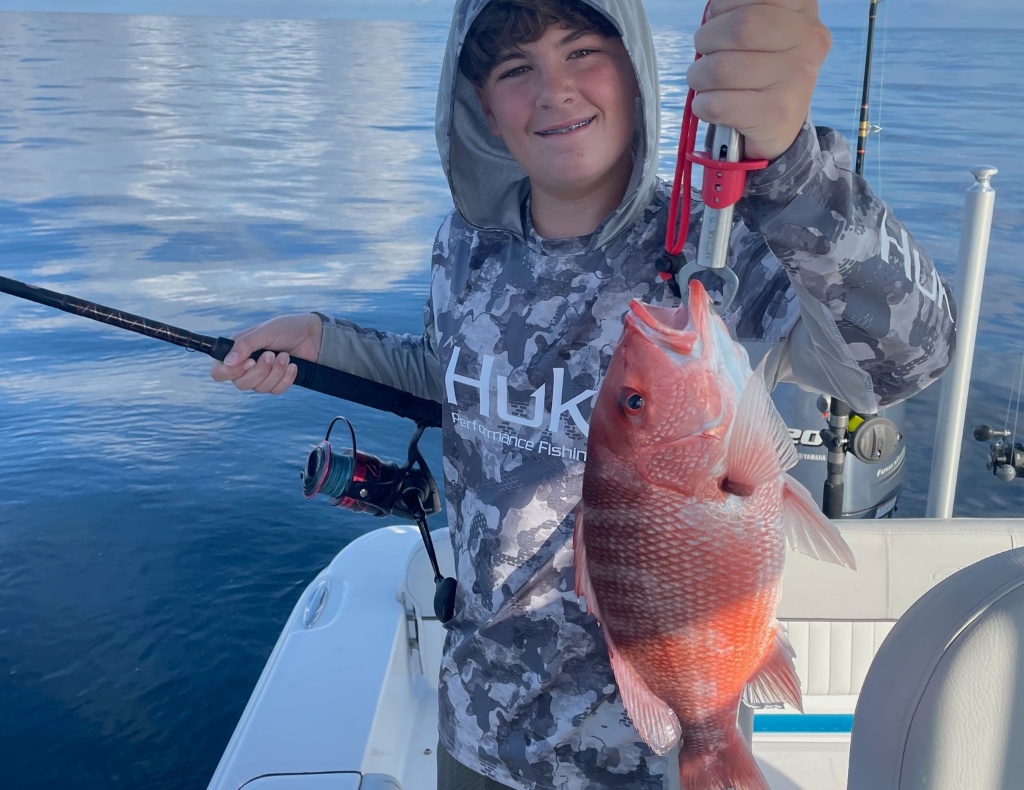
Red Snapper are the prize of the reef, though they're heavily regulated with specific seasons and size limits. When they're open, these fish are absolute fighters that will test your drag and your patience. They're smart fish that live around structure and know how to use it to their advantage. A good red snapper will try to cut you off on the reef, so you need to put pressure on them right from the hookset. They're excellent table fare, which makes them even more sought after. Fresh cut bait on the bottom is the go-to method, though they'll also take live bait when it's available.
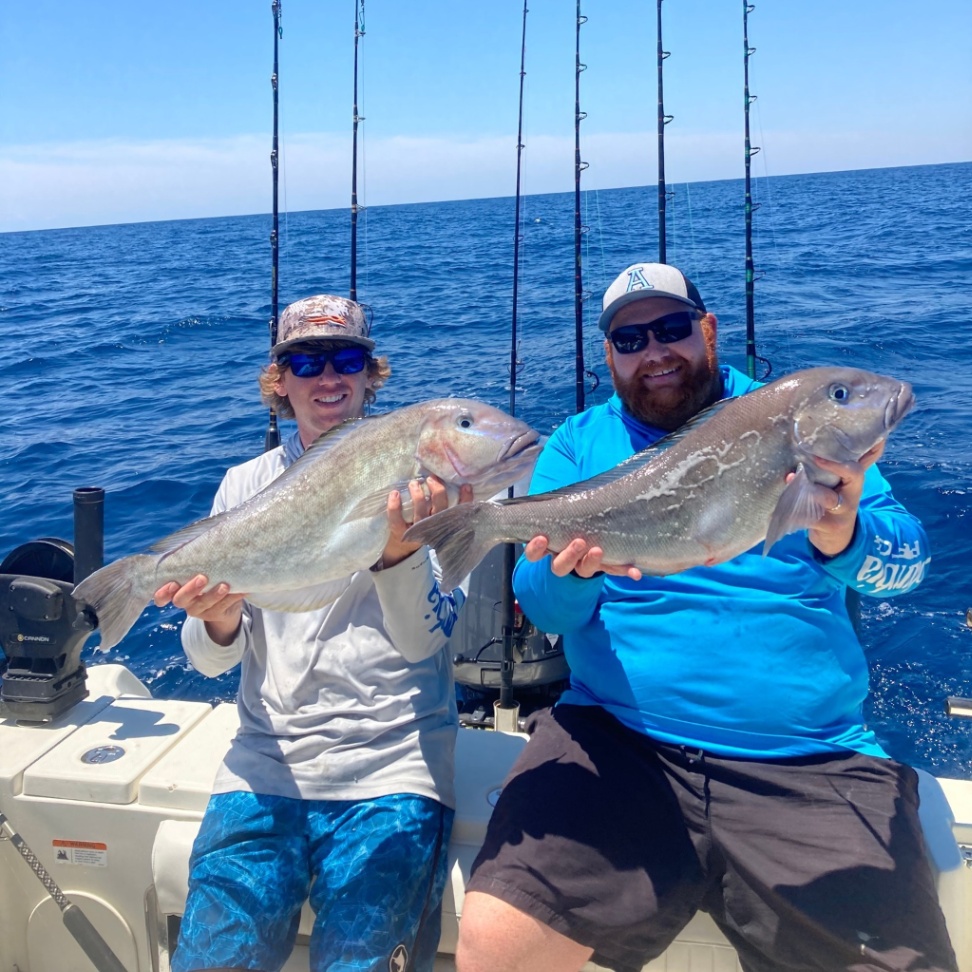
Black Sea Bass might not be the biggest fish in the ocean, but they're scrappy fighters and excellent eating. These fish are year-round residents around the nearshore reefs, making them a reliable target when other species are being finicky. They're structure-oriented fish that rarely venture far from cover. Sea bass have a fairly liberal bag limit compared to other species, so you can usually keep a decent mess of them. They'll eat cut bait, small live baits, and even jigs bounced near the bottom.
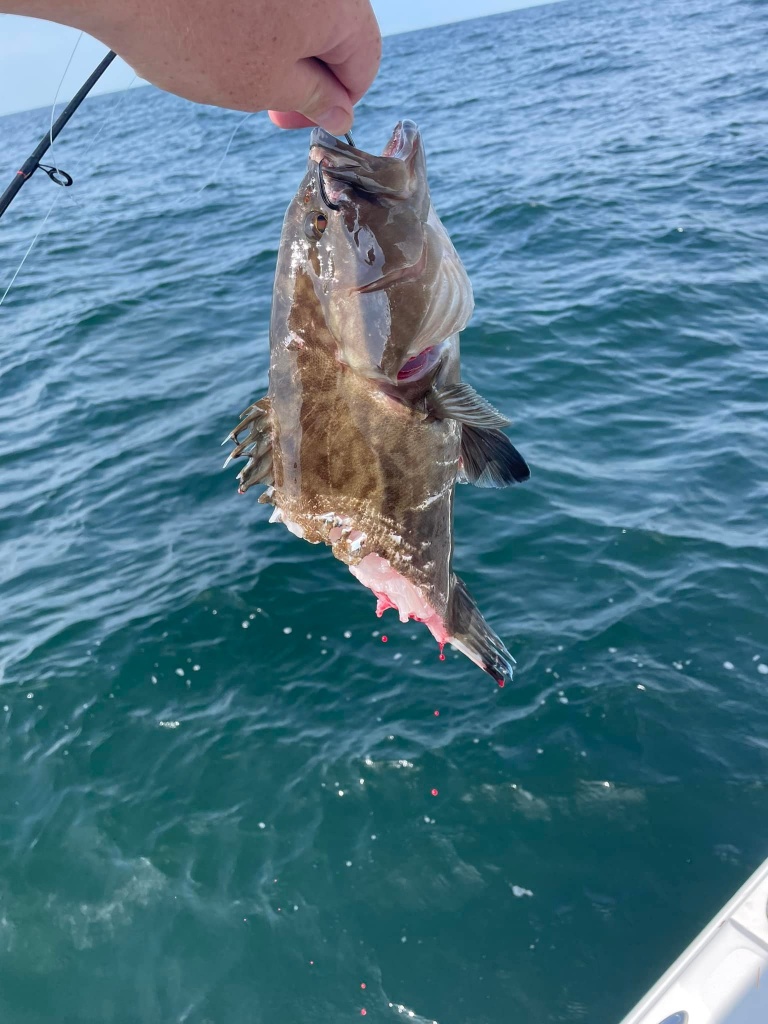
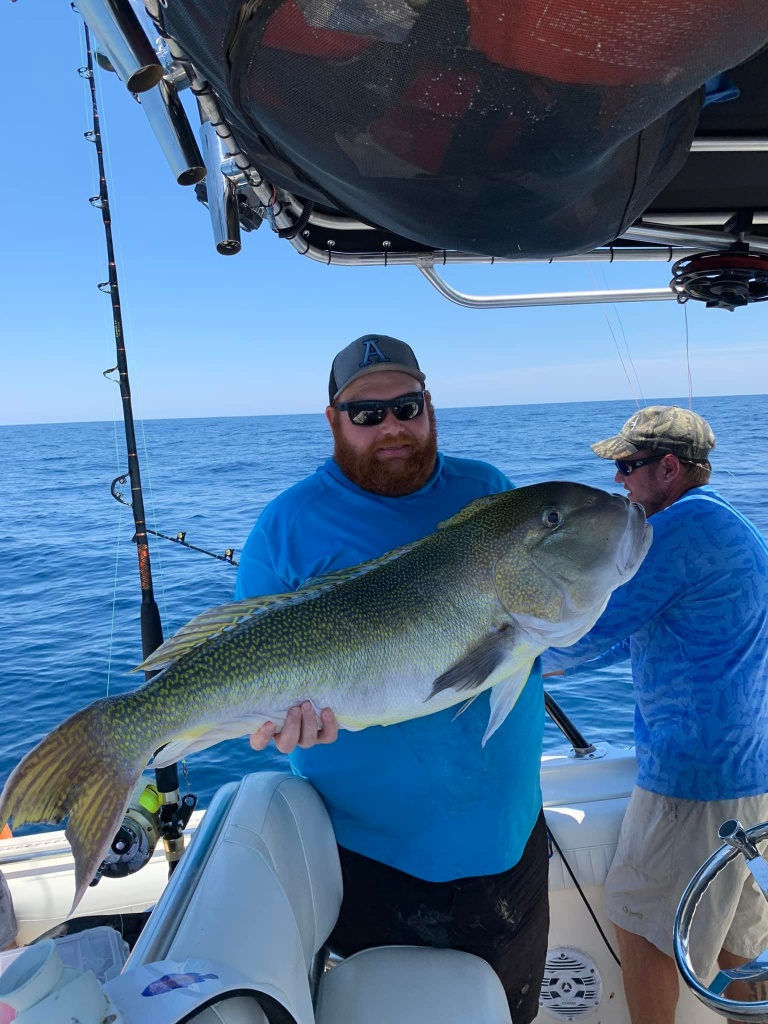
Gag Grouper are the bulldogs of the reef, using their powerful bodies and intimate knowledge of the structure to give anglers fits. These fish are ambush predators that sit in holes and under ledges, waiting for an easy meal to swim by. When a gag eats your bait, you'll know it - they don't nibble, they inhale. The fight is all about the first 30 seconds; if you can keep them out of the rocks, you've got a good chance of landing them. Gags are excellent table fare and the 24-inch minimum size ensures you're dealing with mature fish that know how to fight.
Cobia are the wildcards of nearshore fishing, showing up when you least expect them and often providing the most memorable fights of the day. These fish are curious and will often approach the boat, giving you sight-fishing opportunities. They're strong fighters that make long runs and don't give up easily. Cobia are excellent eating and there's something special about catching a fish you can actually see before you hook it. They're most common in warmer months and often travel with rays or sharks, so keep your eyes open when you see other large marine life.
Time to Book Your Spot
This 5-
 Private Trip
 Wrecks/Reefs Fishing
 Myrtle Beach


 5-hour nearshore reef fishing targeting grouper and snapper