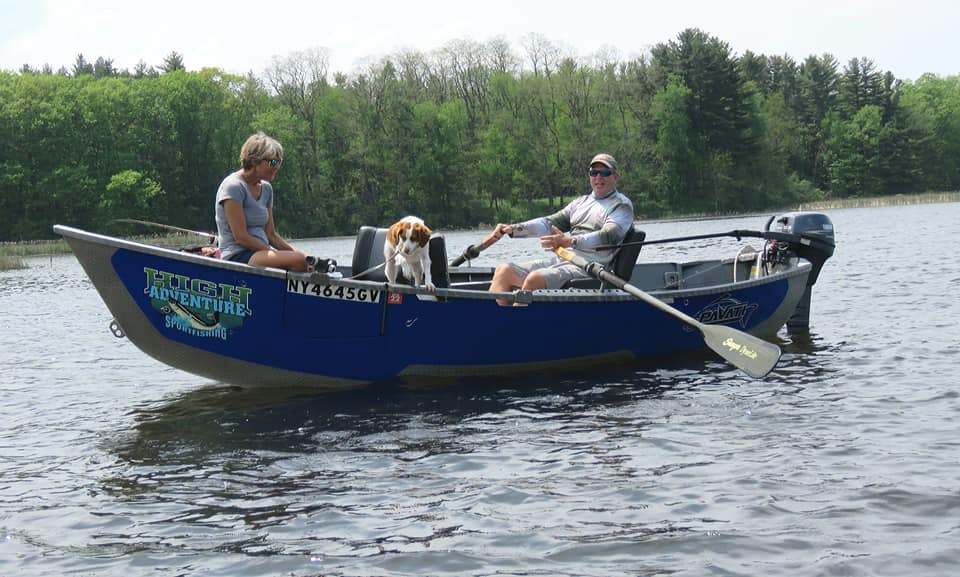
Salmon River Fishing with High Adventure
The Salmon River in New York is hands down one of the most productive fisheries on the East Coast, and I've been guiding these waters for years. What makes this spot special isn't just the fish count – it's the way this river transforms throughout the season, bringing different species and challenges that keep even seasoned anglers on their toes. Whether you're after the chrome-bright steelhead or the heavy shoulders of a chinook, this river delivers the kind of fishing stories you'll be telling for decades.
What to Expect on the Water
This top-rated fishing experience takes you into some of New York's most pristine wilderness, where the Salmon River cuts through stunning landscape that changes dramatically with the seasons. From September through November, you're looking at peak salmon runs when these giants push upstream with single-minded determination. The energy is electric during these months – you can actually see the fish moving in good numbers, and the takes are aggressive and powerful. Come November through May, the river shifts gears entirely. The steelhead show up, and these fish are a completely different game. They're acrobatic, unpredictable, and will test every knot and technique you think you've mastered. With just two anglers per trip, you get the personalized attention that makes all the difference between a good day and a legendary one. I keep groups small because these fish deserve respect, and you deserve the space to work them properly without feeling rushed or crowded.
Techniques and Tackle
The Salmon River demands versatility, and that's exactly what we bring to each trip. During salmon season, we're primarily working with heavy tackle – think 8 to 10-weight rods that can handle the torque when a 20-pound chinook decides to make its run. We use a mix of techniques depending on conditions: swinging flies through the deeper pools, dead-drifting egg patterns along the bottom structure, and occasionally throwing hardware when the fish are being finicky. The steelhead season calls for a completely different approach. These fish are spookier and more selective, so we drop down to lighter tippets and more subtle presentations. Center-pin reels shine here, allowing for those long, natural drifts that steelhead can't resist. I provide all the specialized gear, but if you have your own setup, bring it along – I love seeing what different rods and reels can do in these conditions. The river itself offers everything from fast riffles to deep holding pools, so we're constantly adapting our approach based on water levels, weather, and what the fish are telling us.
Species You'll Want to Hook
Chinook salmon are the heavyweight champions of this river system, and September through November is when they're at their most aggressive. These fish average 15 to 25 pounds, with occasional monsters pushing 30-plus. What makes chinooks so special here is their power – they use the river's current like a weapon, and when they decide to run, you better have your drag set right. They're also incredibly smart, often following specific migration routes they've used for generations. The best part about targeting chinooks during the fall run is their predictability – they're focused on reaching their spawning grounds, which means they're concentrated in specific areas where we can intercept them consistently.
Steelhead trout are the reason I stay busy from November through May, and honestly, they might be my favorite species to target. These fish are pure athleticism – they jump, they run, they change direction without warning. Steelhead in the Salmon River typically run 5 to 12 pounds, but don't let the smaller size fool you. Pound-for-pound, these are some of the strongest freshwater fish you'll encounter. What really sets steelhead apart is their unpredictability. Unlike salmon, which are on a mission, steelhead are actively feeding and can be incredibly selective about what they'll eat. Some days they want bright colors, other days they ignore everything except the most natural presentations. That's what makes landing one so satisfying – you've outsmarted a fish that's evolved to be nearly uncatchable.
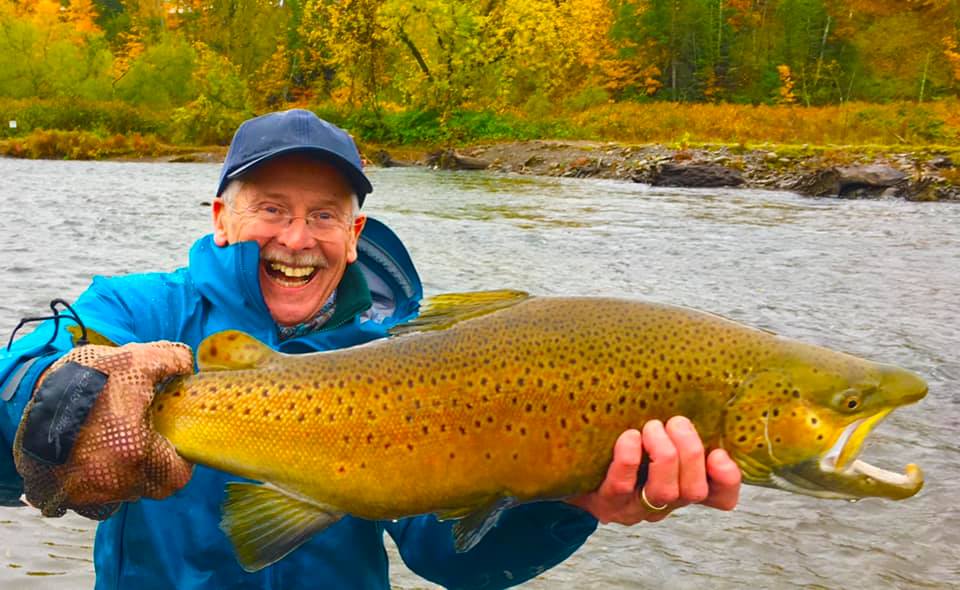
Brown trout round out our target species, and while they might not get the headlines like salmon and steelhead, they're absolute gems to catch. The browns in this system are opportunistic and smart, often holding in spots where other fish won't venture. They're typically smaller than our other targets – most range from 2 to 8 pounds – but they make up for size with attitude. Browns are ambush predators, and when they strike, it's explosive and decisive. What I love about targeting browns is that they're year-round residents, so they know every rock, every log, every hiding spot in their territory. Fooling a brown trout that's seen every lure and fly imaginable is a real accomplishment, and their beautiful coloration makes every catch photo-worthy.
Time to Book Your Spot
The Salmon River isn't going anywhere, but the best fishing windows fill up fast, especially during peak salmon season. I've seen too many anglers miss out on world-class fishing because they waited too long to book. The September through November salmon runs are legendary for a reason – this is when decades of experience really pay off, and having a guide who knows the water intimately makes all the difference. The steelhead season offers more flexibility with its longer window, but the prime months of December through March book solid every year. Remember that deposits from canceled trips can roll over to future bookings, so there's flexibility if Mother Nature doesn't cooperate. What you're really booking isn't just a fishing trip – you're securing access to some of the most consistent and productive fishing on the East Coast, with personalized instruction that'll make you a better angler long after you leave the river. The Salmon River has been my office for years, and I can't wait to show you why this fishery has such a devoted following among serious anglers.
 5.0(1 Reviews)
 Private Trip
 River Fishing
 Lake Ontario


 Prime salmon fishing September through November on Salmon River