Key West Guided Reef & Wreck Fishing Trip
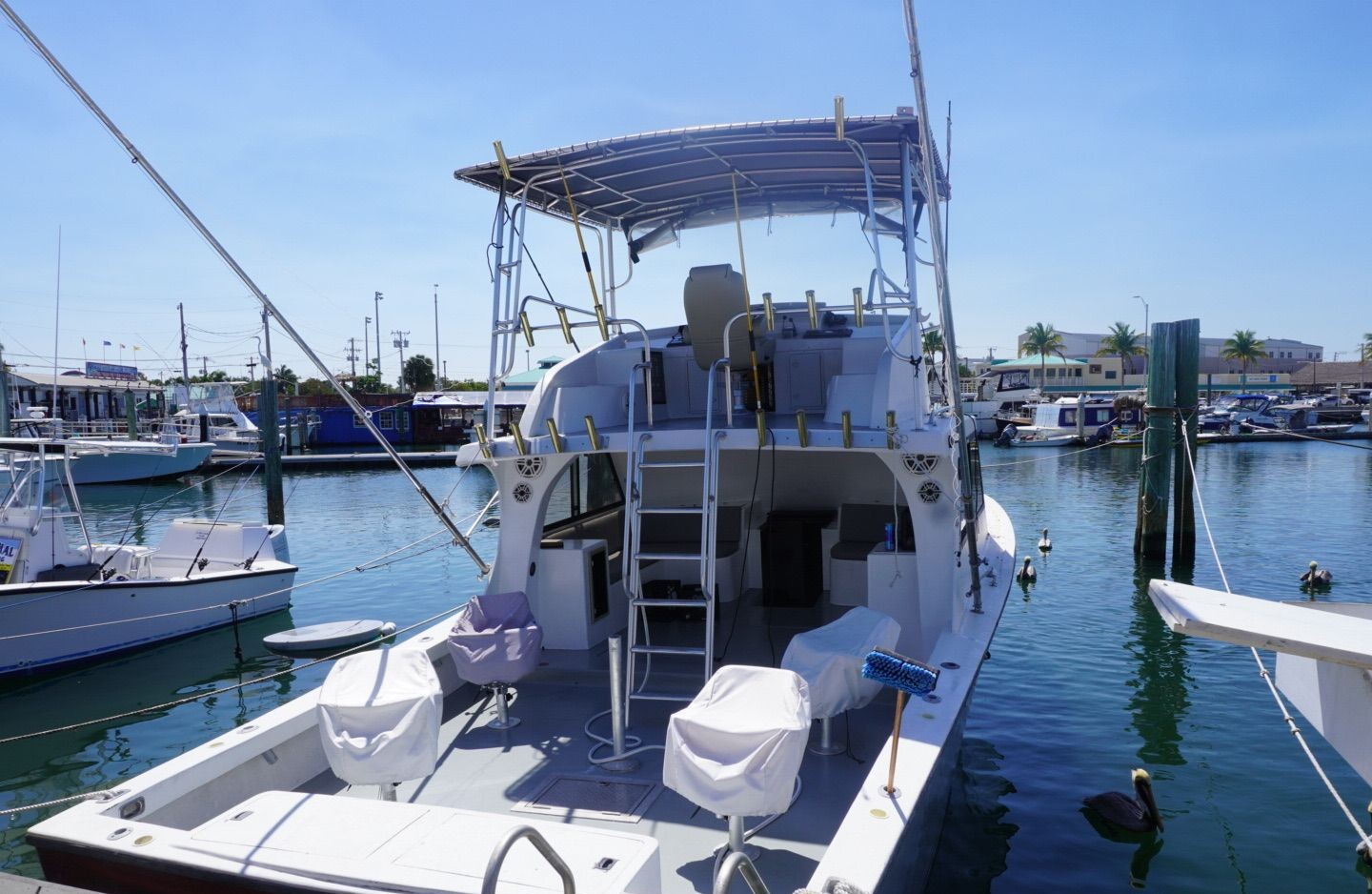
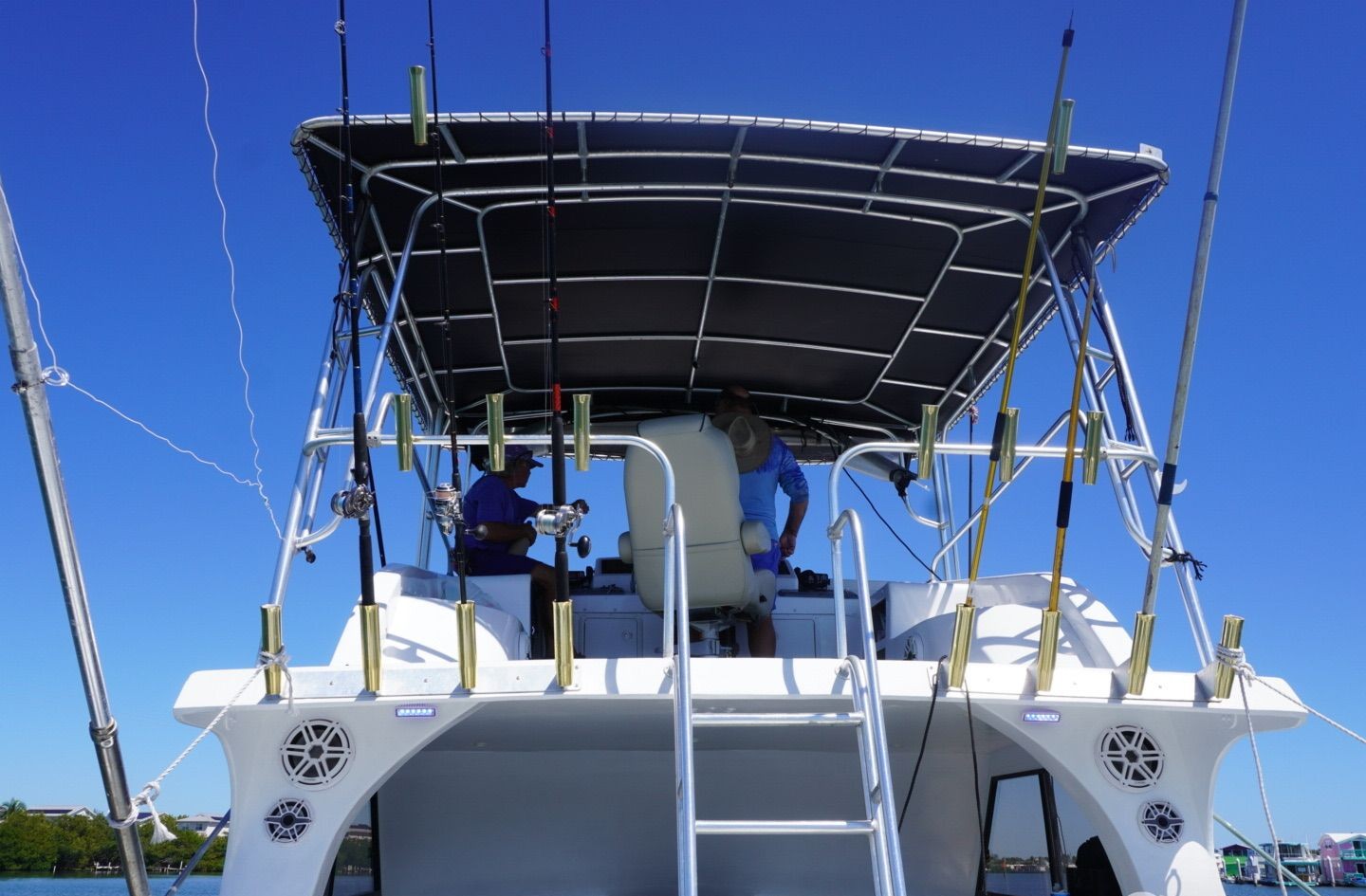
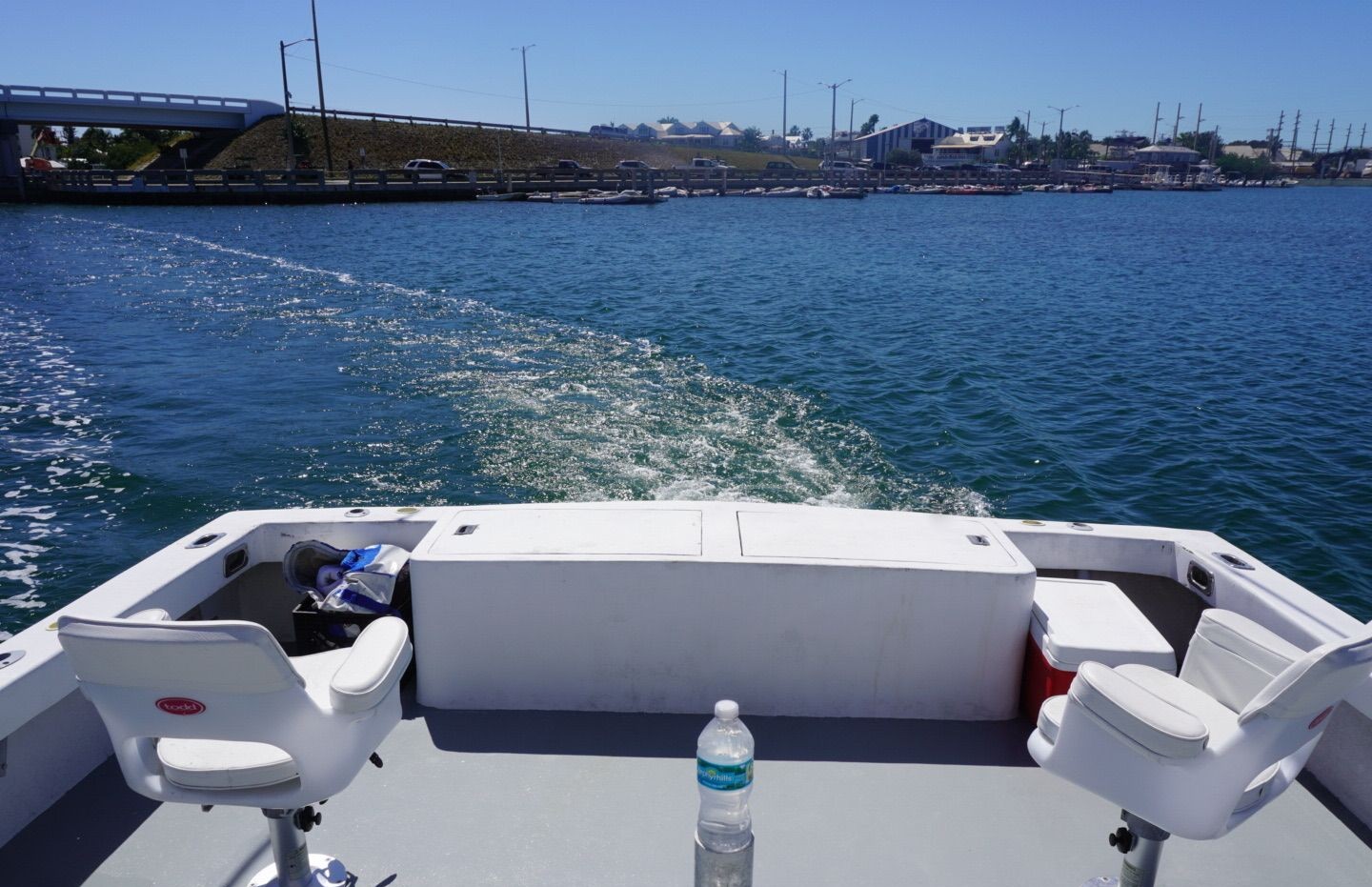
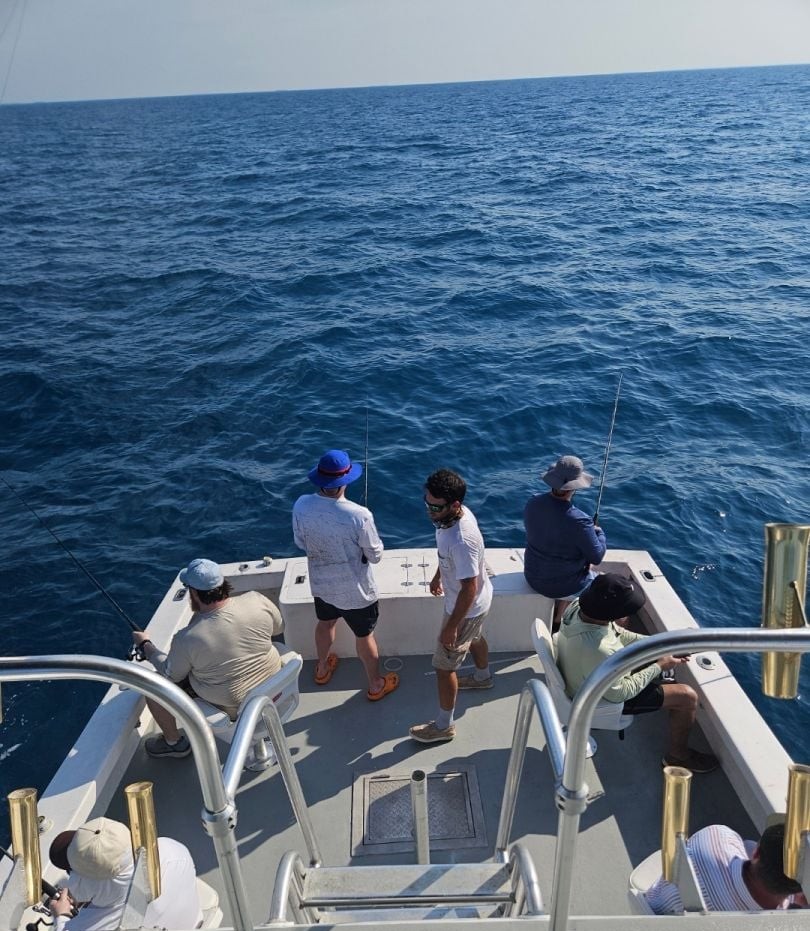
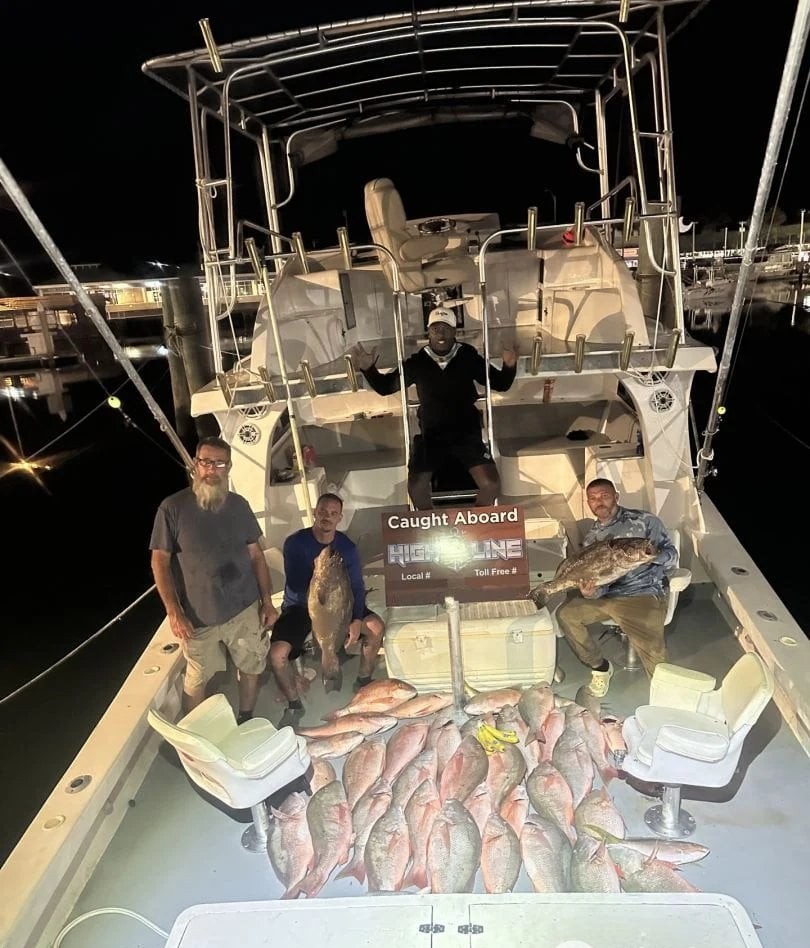
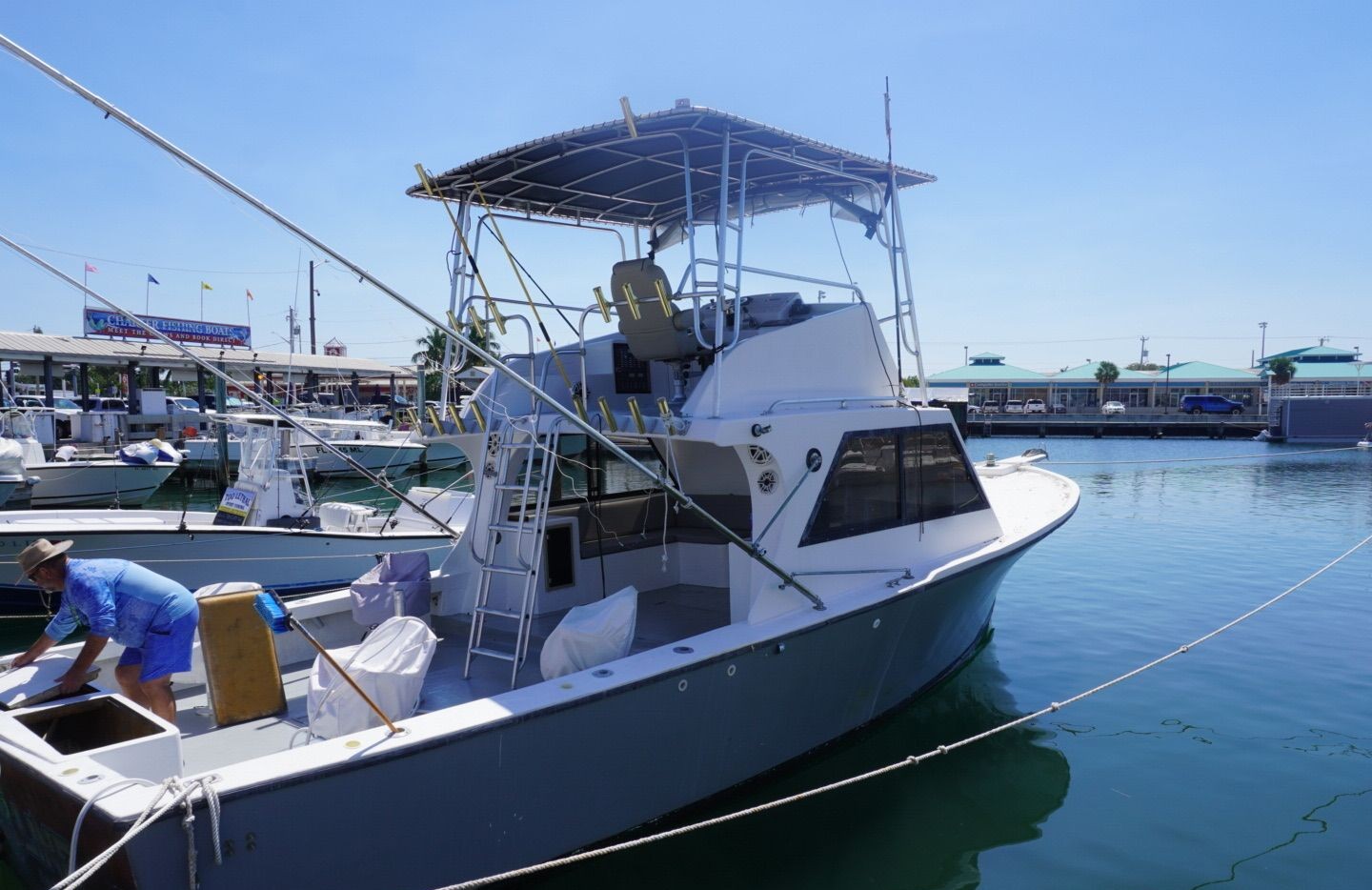
Looking for a serious day of bottom fishing in some of the most productive waters off Key West? This full 8-hour reef and wreck fishing adventure with High Line Charters puts you right where the big fish live. We're talking about targeting some of the most sought-after species in these waters – Red Grouper, Greater Amberjack, Mutton Snapper, Black Grouper, and if we're lucky, some screaming Blackfin Tuna. The game plan is simple but effective: start your morning working the reefs where the snapper bite is hot, then move out to the wrecks where the real bruisers hang out. With room for up to 6 anglers, this isn't some cattle boat operation – you'll have plenty of elbow room and personalized attention from your captain.
What to Expect on the Water
Your day kicks off early, which is exactly how serious anglers like it. The morning bite on the reefs can be absolutely lights-out, especially for mutton snapper and smaller grouper that love to feed as the sun comes up. Key West's reef system is legendary for good reason – these underwater structures hold baitfish, and where there's bait, there are hungry predators. After working the reefs and filling the cooler with some quality fish, we make the move to the wrecks. This is where things get interesting. The artificial reefs and sunken vessels around Key West are magnets for bigger fish – those trophy-sized grouper and amberjack that'll test your arms and your drag system. Don't worry about gear – everything's provided, from rods and reels to terminal tackle and fresh bait. Just bring your lunch, plenty of sunscreen, and maybe some Dramamine if you're not used to being out there all day. The Atlantic can get bumpy, but that's part of the adventure.
Bottom Fishing Tactics & Gear
We're talking serious bottom fishing here, not the light tackle stuff you might use in the backcountry. The gear setup is heavy conventional tackle designed to pull fish up from 60 to 100+ feet of water. Think 50-80 pound class rods with lever drag reels spooled with enough line to handle a fish that wants to take you into the structure. The technique is all about getting your bait down fast and keeping it in the strike zone. We'll be using circle hooks – they're required for reef fish anyway – with everything from live pinfish and grunts to cut bait depending on what the fish are wanting that day. The key to success on the wrecks is understanding the current and getting your bait positioned just right. Too close to the structure and you'll get cut off, too far away and you're just feeding the fish. Your captain knows these spots like the back of his hand and will put you on the fish, but it's up to you to set the hook and fight them up from the depths.
Top Catches This Season
Red Grouper are the bread and butter of this fishery, and for good reason. These chunky bottom dwellers love hanging around structure in 40 to 100 feet of water, and they'll absolutely crush a well-presented bait. They're not the biggest grouper species, typically running 5 to 15 pounds, but they're plentiful and they taste fantastic. Red grouper are year-round residents, though they tend to bite better in the cooler months when they're not dealing with spawning pressure. What makes them so fun to catch is that initial head shake when they realize they're hooked – they'll try to get back to their hole, and you've got to turn them quick or risk getting cut off on the coral.
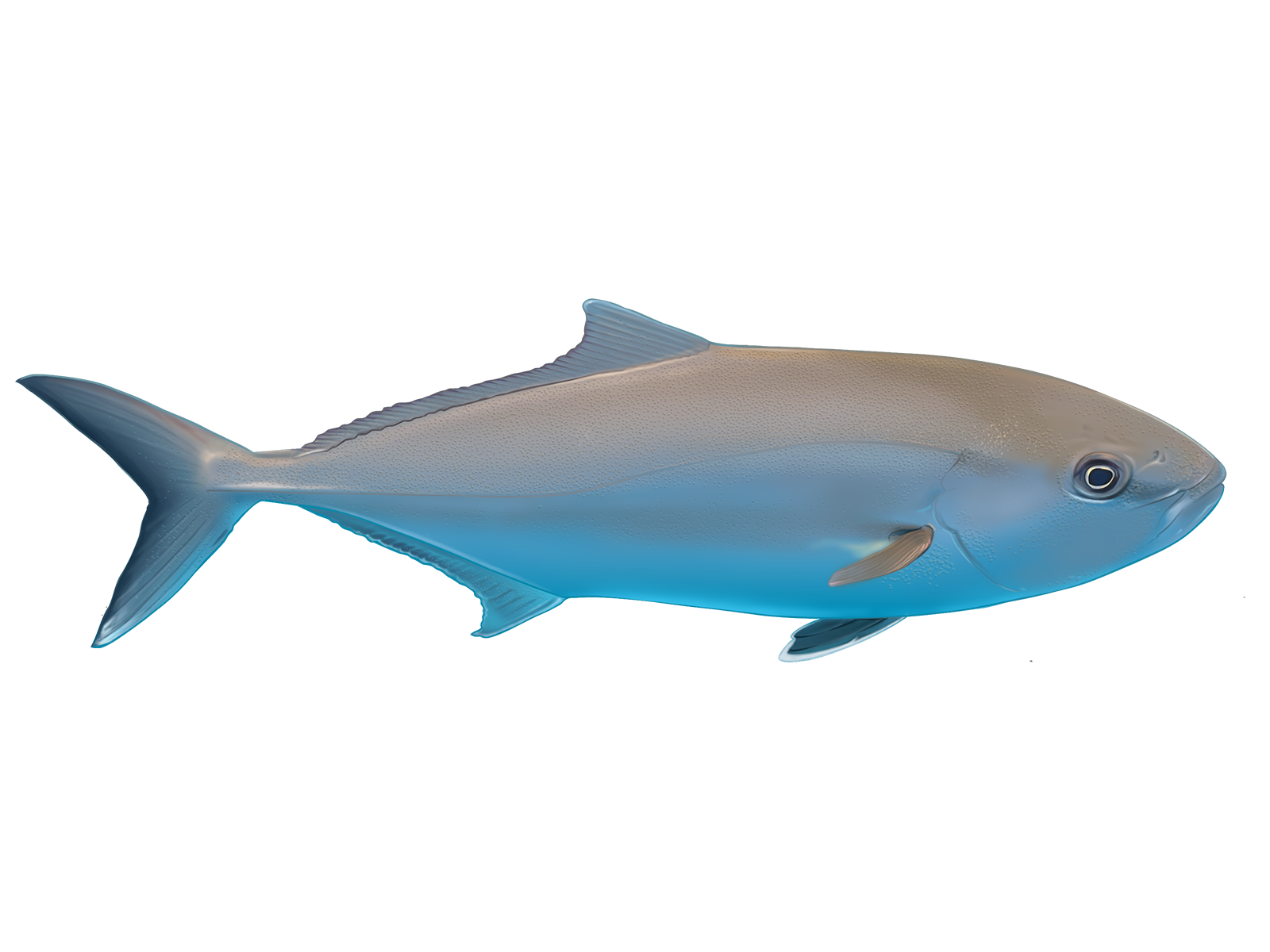
Greater Amberjack are the powerhouses of the wreck fishing scene. These fish are pure muscle and attitude, often weighing 20 to 60 pounds or more. They patrol the wrecks looking for easy meals, and when they find your bait, it's game on. Amberjack are strongest in the fall and winter months when they're feeding heavily before their spring spawn. The fight is what makes them special – long runs, powerful circles around the structure, and a stubborn refusal to give up even at the boat. Just be ready for a workout, because these fish don't come easy.
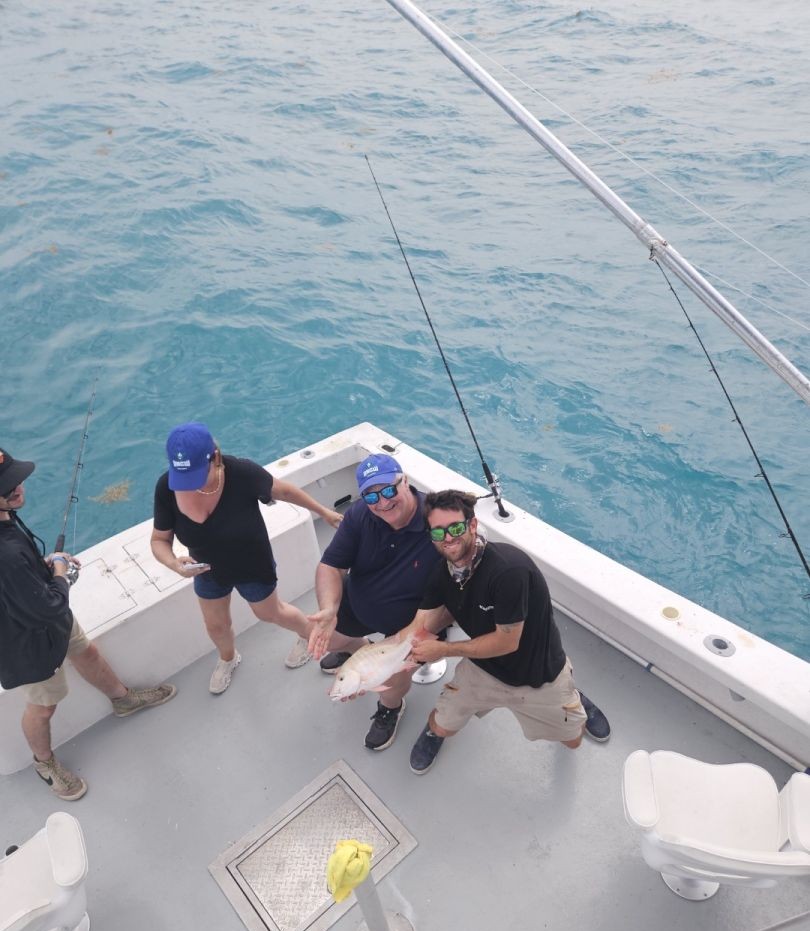
Mutton Snapper are probably the most beautiful fish you'll pull up from these reefs. With their olive-green backs fading to pink sides and that distinctive black spot, they're lookers. But more importantly, they're some of the best eating fish in the ocean. Muttons are schooling fish, so when you find one, there are usually more around. They're most active during the warmer months and can be picky eaters, often requiring a more subtle presentation than the grouper. Size-wise, they typically run 3 to 8 pounds, though bigger ones are definitely possible on the deeper wrecks.
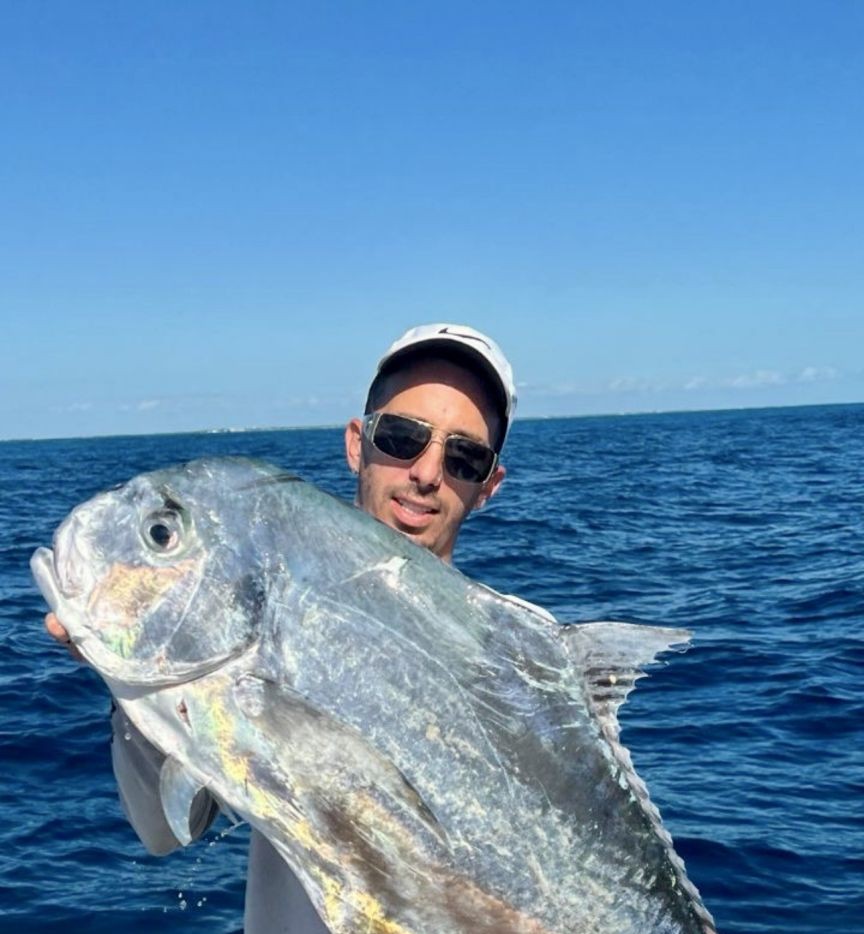
Black Grouper are the trophy fish of this trip. These are the fish that make you question your tackle and your technique. They can grow massive – 20, 30, even 50+ pounds – and they know how to use every ounce of that weight against you. Black grouper prefer deeper water and bigger structure, which is why the wrecks are so productive for them. They're more common in the summer and fall months, and landing a big one is the kind of fish story you'll be telling for years. The key is heavy tackle and keeping steady pressure – give them an inch and they'll take you into the wreck.
Blackfin Tuna add some serious excitement to the mix when they show up. These pelagic speedsters are built for one thing – going fast. When a blackfin hits your bait, you'll know it immediately. They make blistering runs and jump like they're shot out of a cannon. While they're not as predictable as the bottom fish, when conditions are right and the bait is around, blackfins can turn a good day into an epic one. They're most
 Private Trip
 Inshore Fishing
 Key West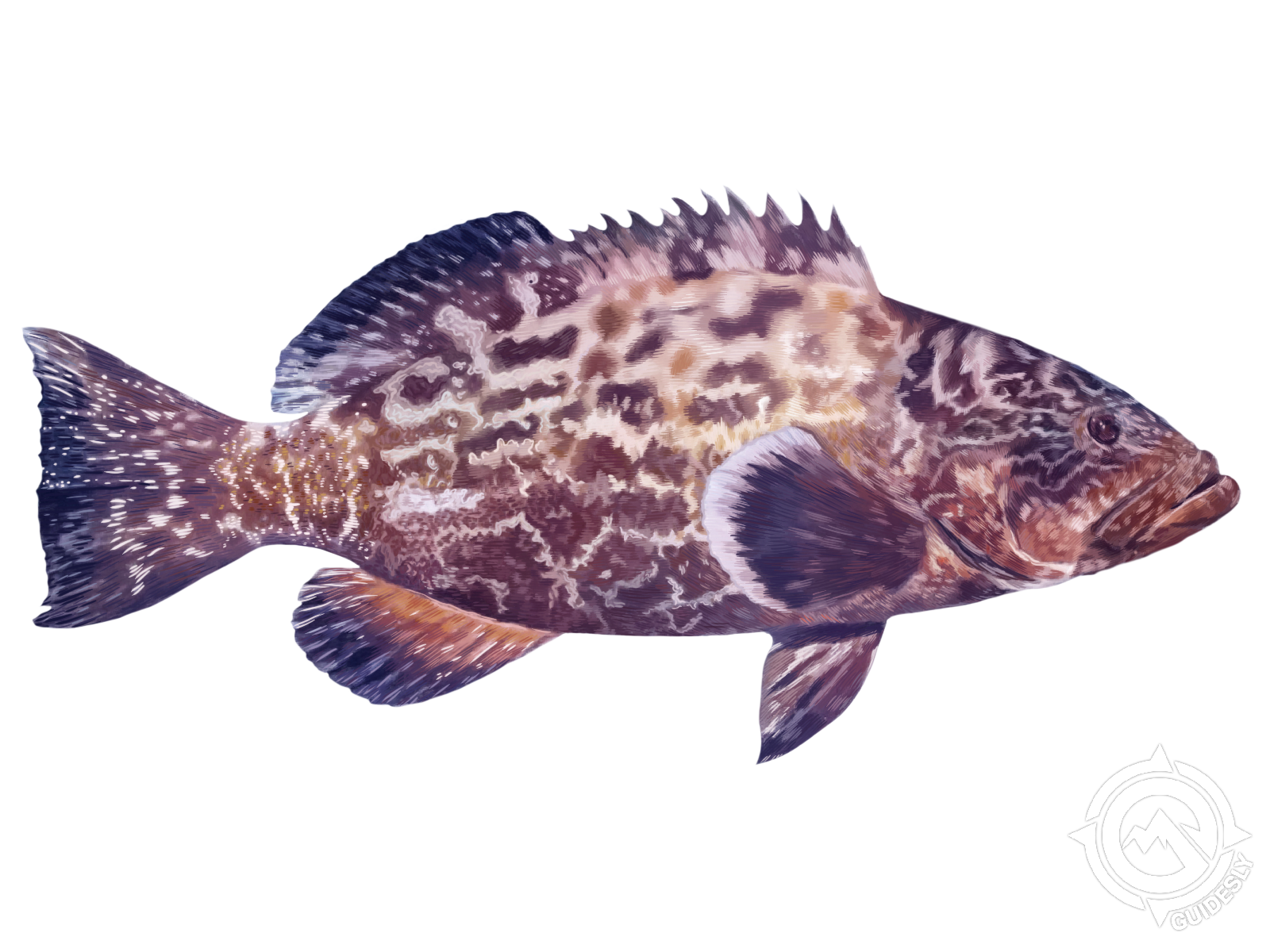



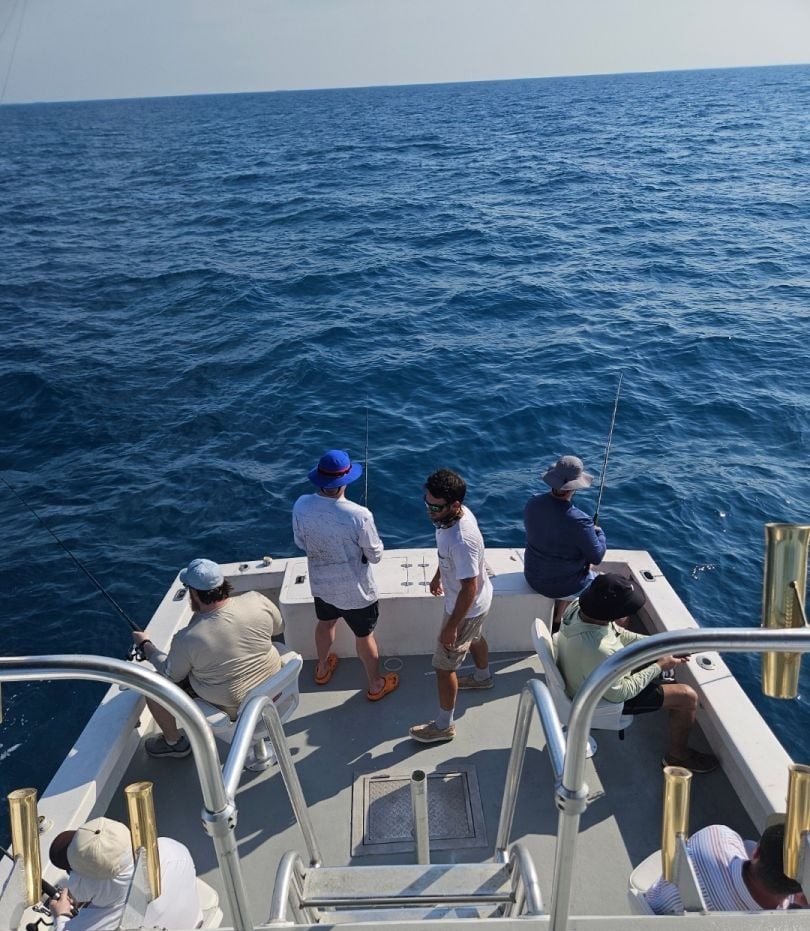
 Full-day reef and wreck fishing targeting multiple species