Wet Wading Fishing in National Forest Waters
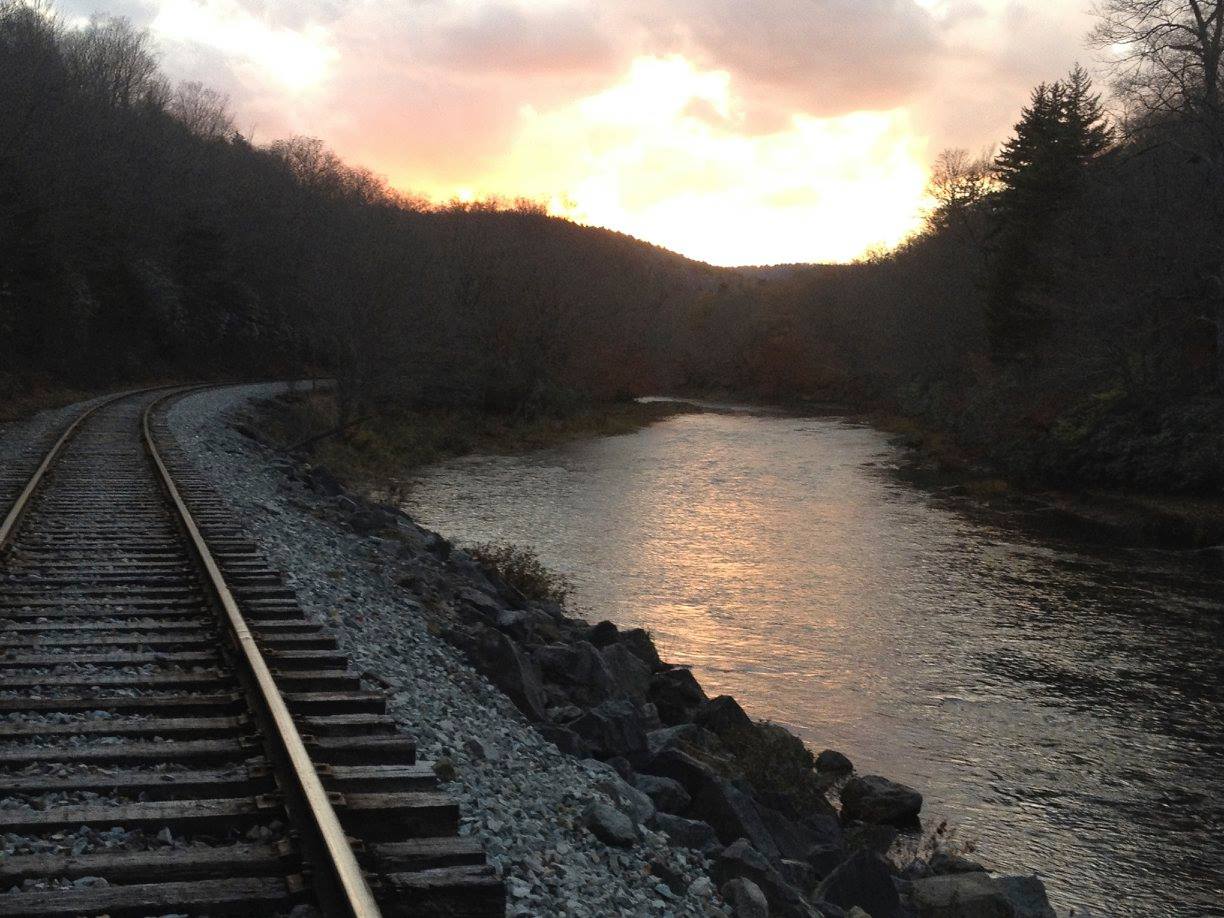
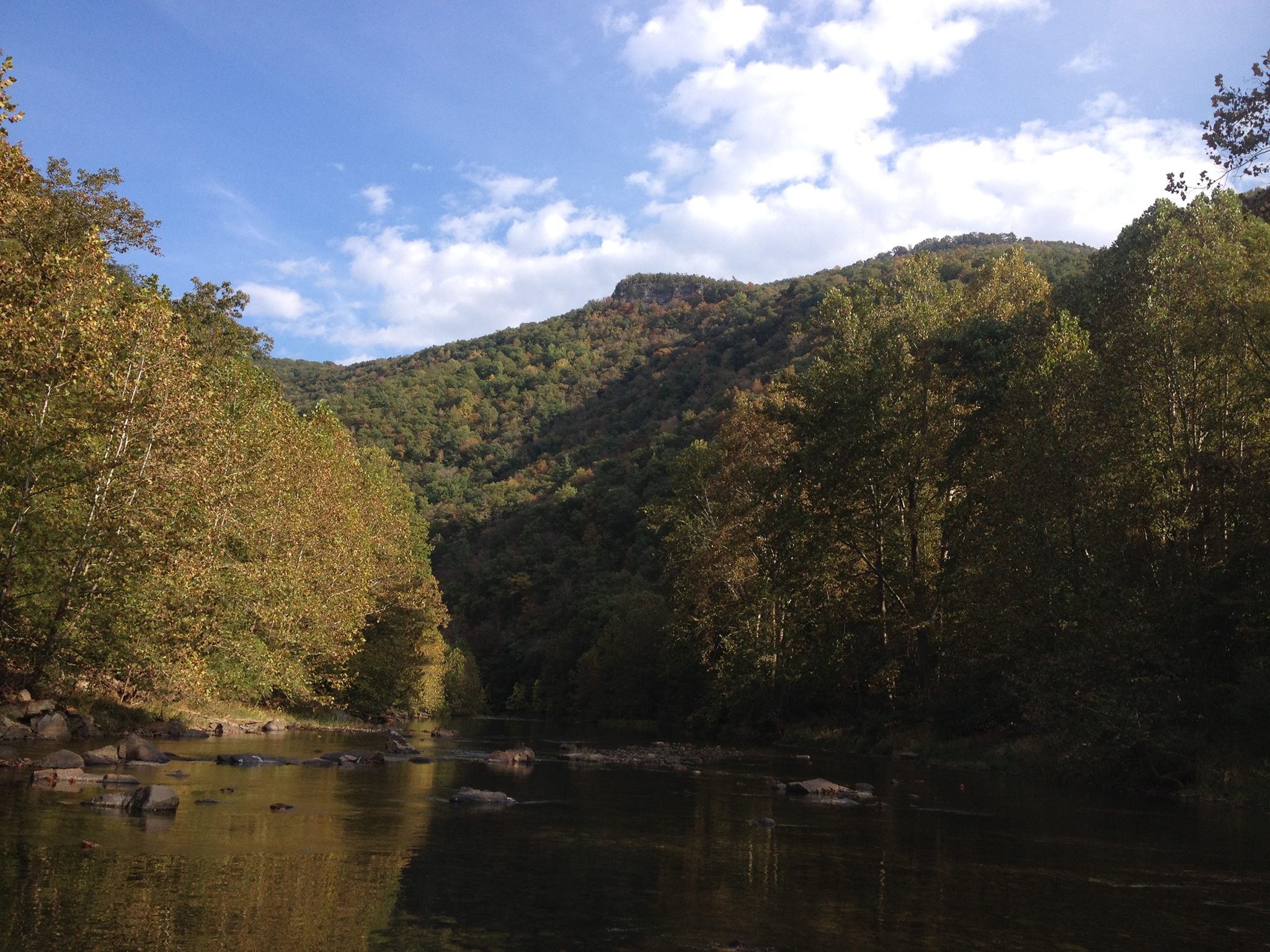
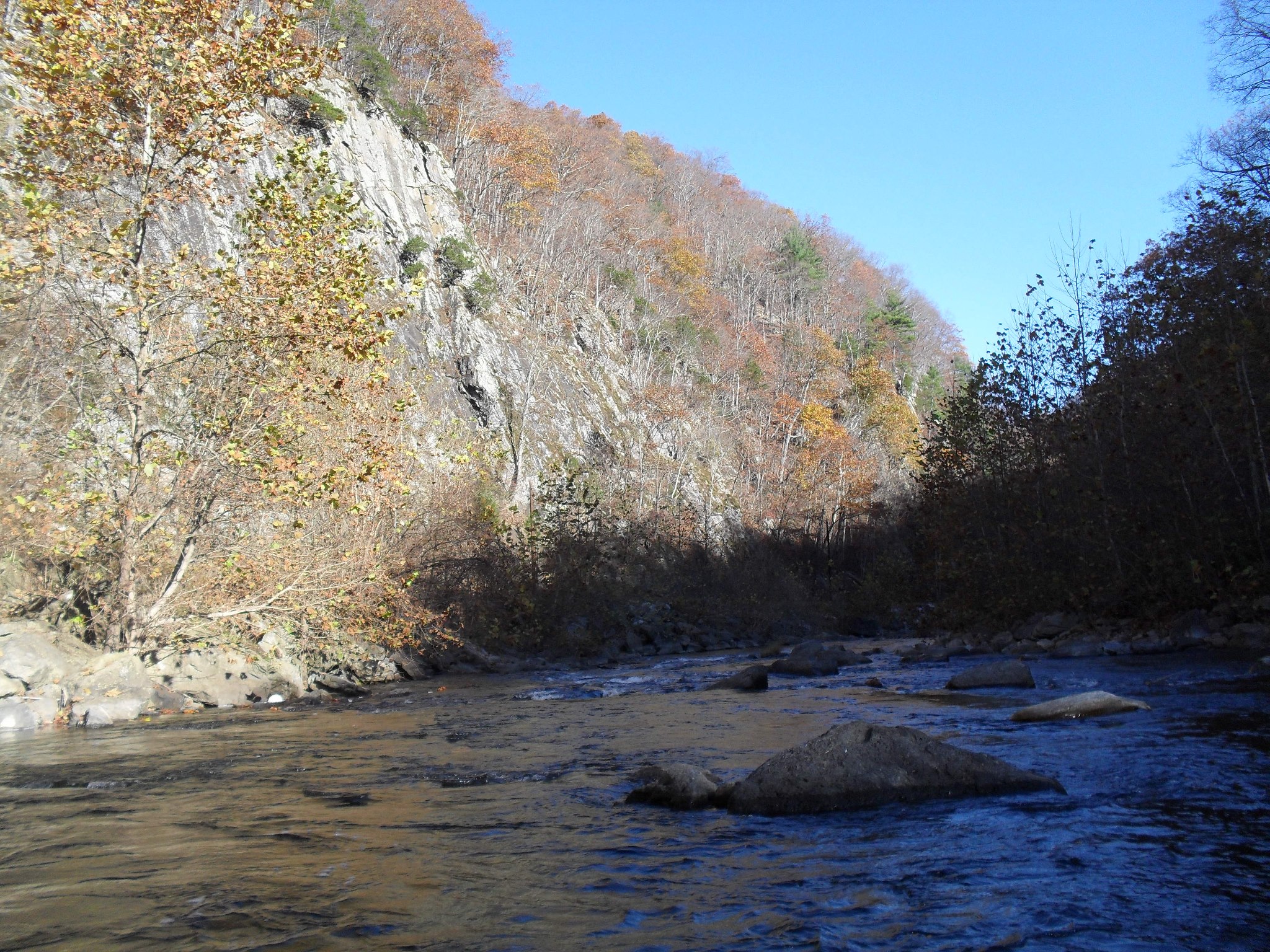
There's something special about wading into pristine mountain streams where the water runs clear and cold, and every cast holds promise. Our 8-hour wet wading fishing trip takes you deep into the heart of George Washington or Monongahela National Forests, where rainbow trout thrive in some of the Mid-Atlantic's most productive waters. Starting at 8:00 AM, you'll join guide John Prickett for a full day of stalking native trout through boulder-strewn pools and foam-filled runs that most anglers never see.
What to Expect on the Water
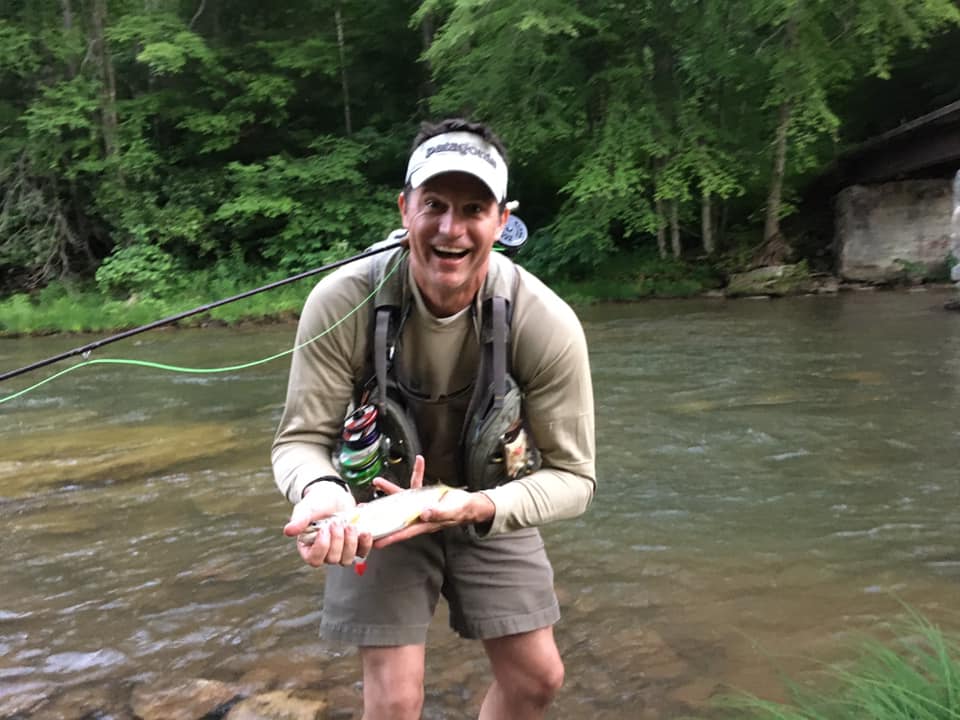
This isn't your typical put-and-take fishing hole. We're talking about wild mountain streams where trout have to be earned, not handed to you. The day kicks off early because that's when the fish are most active, especially during summer months when the midday sun can shut down the bite. You'll be wet wading, which means no bulky waders – just quick-dry pants or shorts and good wading boots with felt or rubber soles. The water temperature stays cool even in July, thanks to spring-fed headwaters and thick forest canopy. With only 2 guests per trip, you get personalized attention and access to multiple fishing spots without feeling crowded. John knows these waters like the back of his hand, and he'll put you on fish whether you're a seasoned fly angler or picking up a rod for the first time.
Techniques & Gear Setup
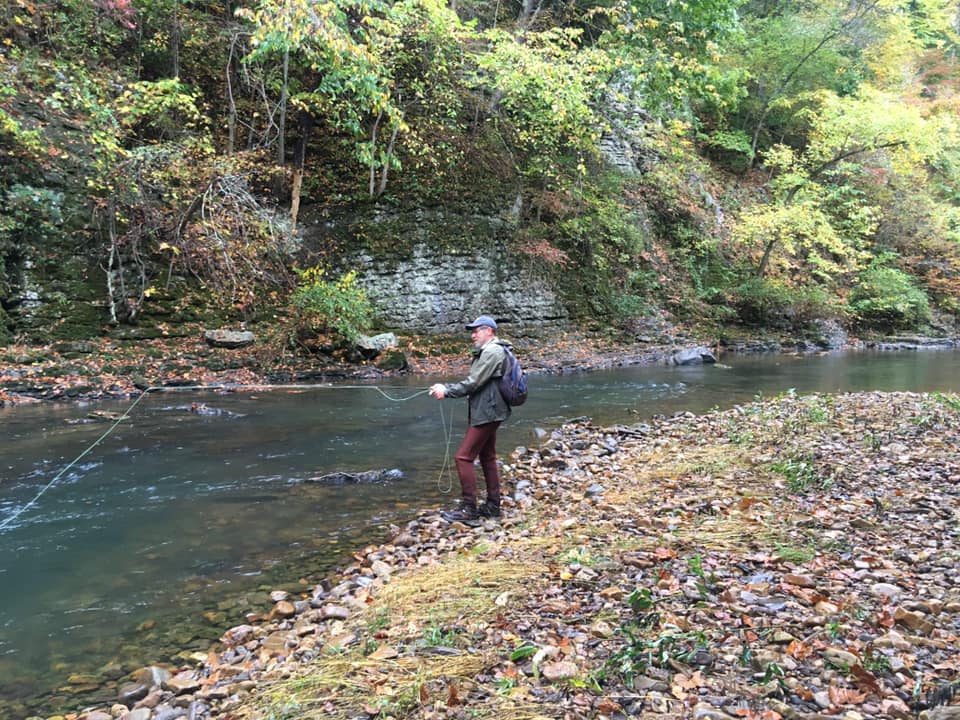
We focus on techniques that work in these mountain environments – primarily fly fishing with nymphs, dry flies, and small streamers. The streams here are technical water, meaning you'll need to read currents, understand where trout hold, and present your fly naturally. John provides all the gear you need, including rods, reels, lines, and a full selection of proven local patterns. Expect to fish sizes 12-18 flies – things like Pheasant Tail nymphs, Adams dry flies, and Woolly Buggers that match the natural insect life. The technique changes throughout the day as conditions shift. Morning might call for nymphing deep pools, while late afternoon could fire up a dry fly bite in shallow riffles. You'll learn to approach fish from downstream, keep your profile low, and make short, accurate casts that don't spook wary trout.
Species You'll Want to Hook
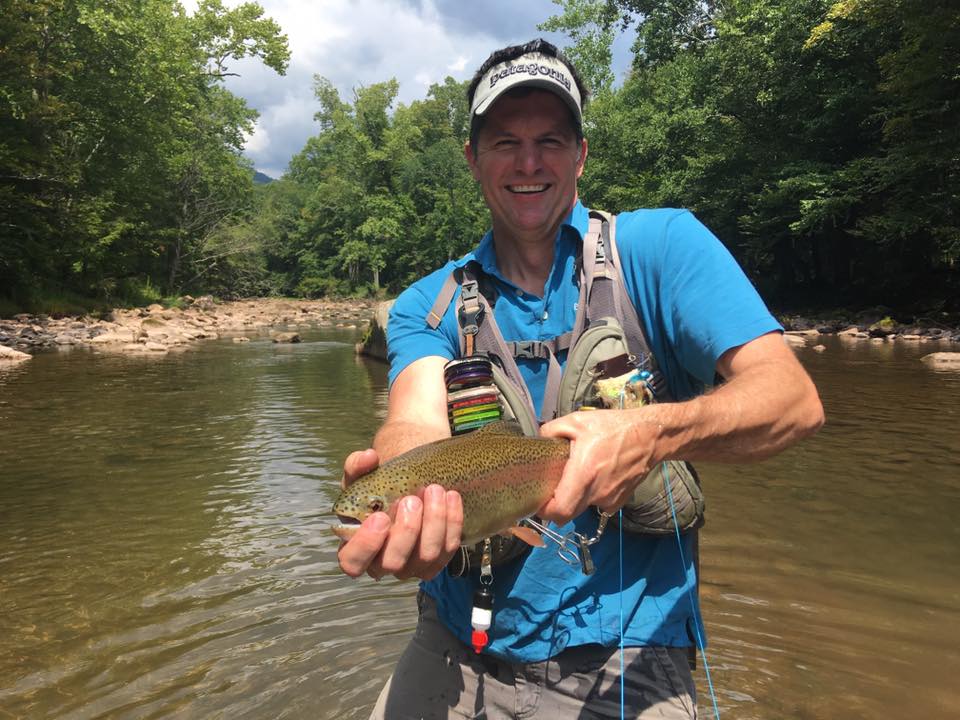
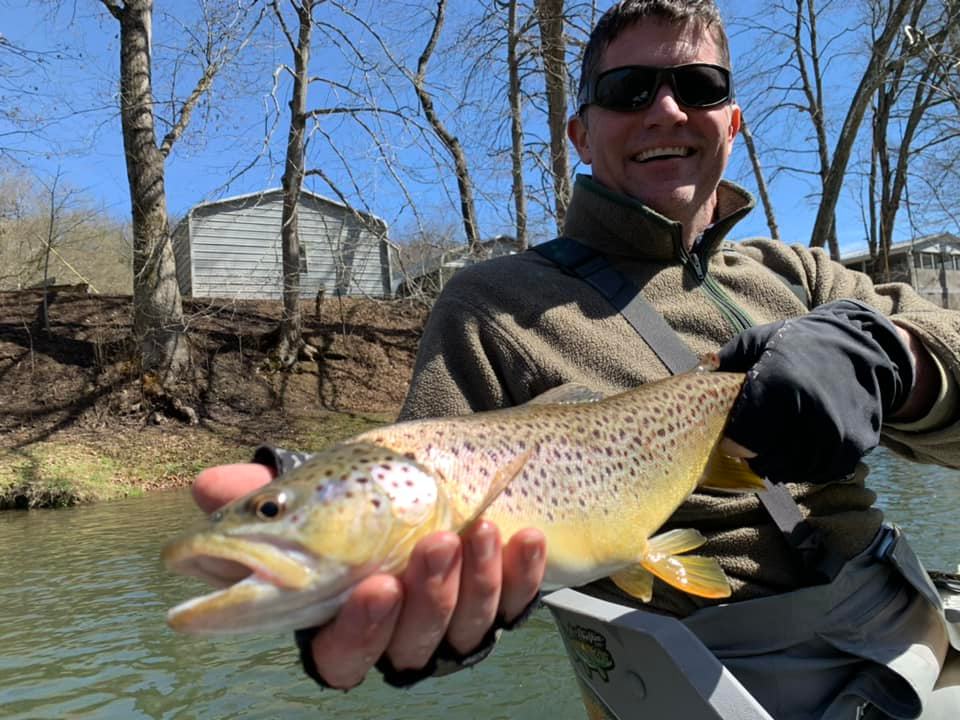
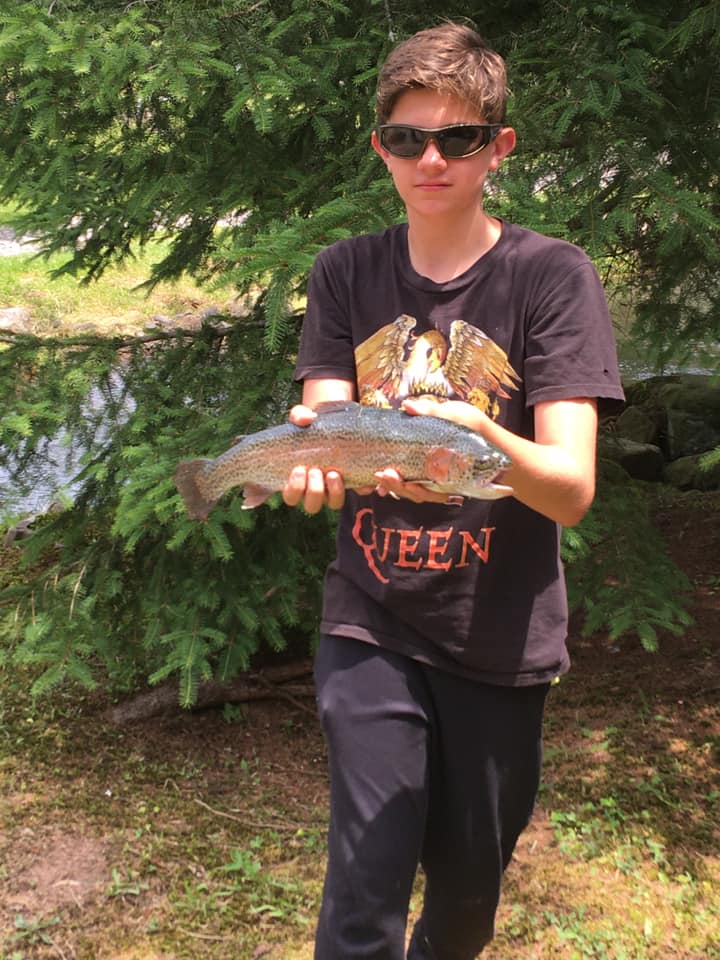
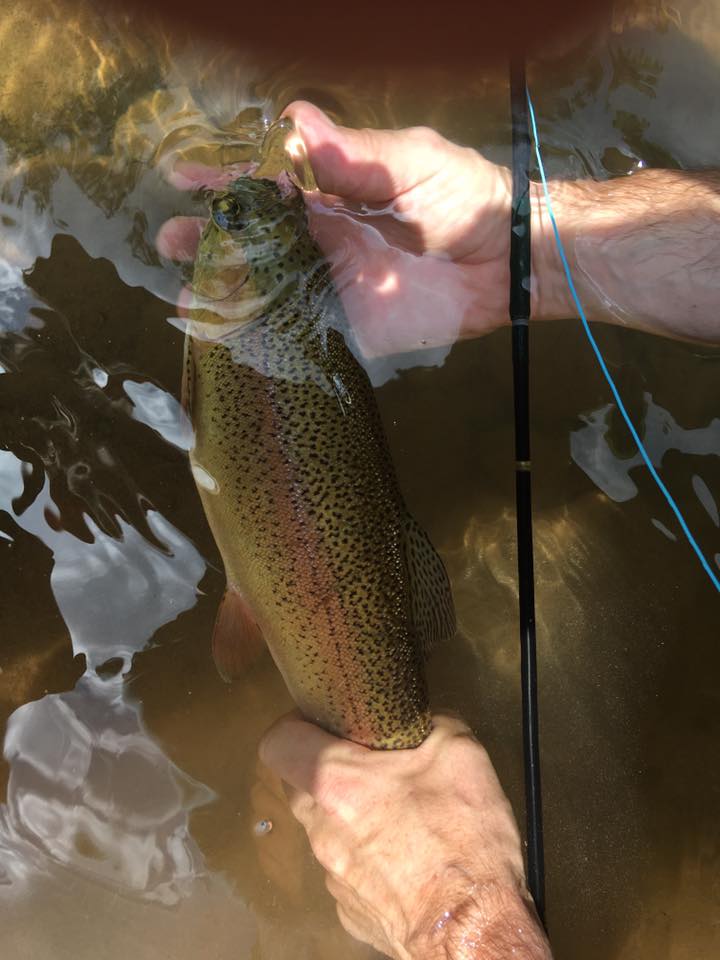
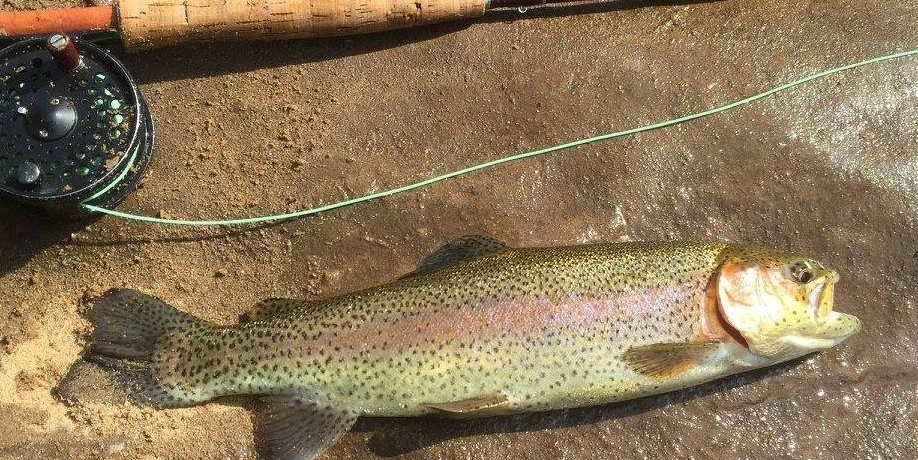
Rainbow trout are the stars of this show, and these aren't your typical stocked fish. The rainbows in these national forest waters are wild, stream-bred fish that have adapted to the local conditions over generations. They're scrappy fighters that know how to use the current to their advantage, often jumping multiple times when hooked. Most fish run 8-14 inches, with occasional surprises pushing 16-18 inches in the deeper pools. Spring through early summer offers the most consistent action as water levels are stable and insect hatches are predictable. These rainbows feed heavily on mayflies, caddisflies, and terrestrial insects that fall into the water. What makes them special is their wariness – they've seen pressure from other anglers and learned to be selective. Landing one requires skill, patience, and proper presentation. The reward is a beautifully colored fish with vibrant pink stripes and silver sides that fights like it's twice its size.
Time to Book Your Spot
This trip fills up fast, especially during peak season when water conditions are perfect and hatches are strong. Eight hours on pristine mountain water with personalized guiding doesn't come around every day, and spots for just 2 guests mean you'll have John's full attention throughout the trip. Whether you're looking to improve your technique, explore new water, or just spend a day surrounded by the beauty of national forest wilderness, this is fishing the way it should be. The combination of wild trout, stunning scenery, and expert local knowledge makes for the kind of day you'll be talking about long after the season ends. Don't wait – these prime dates book solid, and the best fishing windows are limited by weather and water conditions.
 Private Trip
 River Fishing
 Richmond
 8-hour wet wading trout fishing in national forests